The entire sector is skyrocketing, with 57 billion yuan of capital pouring in frantically.
On Monday, the technology sector of China's A-share market was completely ignited.
The Shanghai Composite Index only rose slightly by 0.07%, but concepts such as CPO, PCB, and memory chips skyrocketed. Leading stocks including Changxin Technology, Zhongji Xuchuang, and Yuanjie Technology all surged sharply.
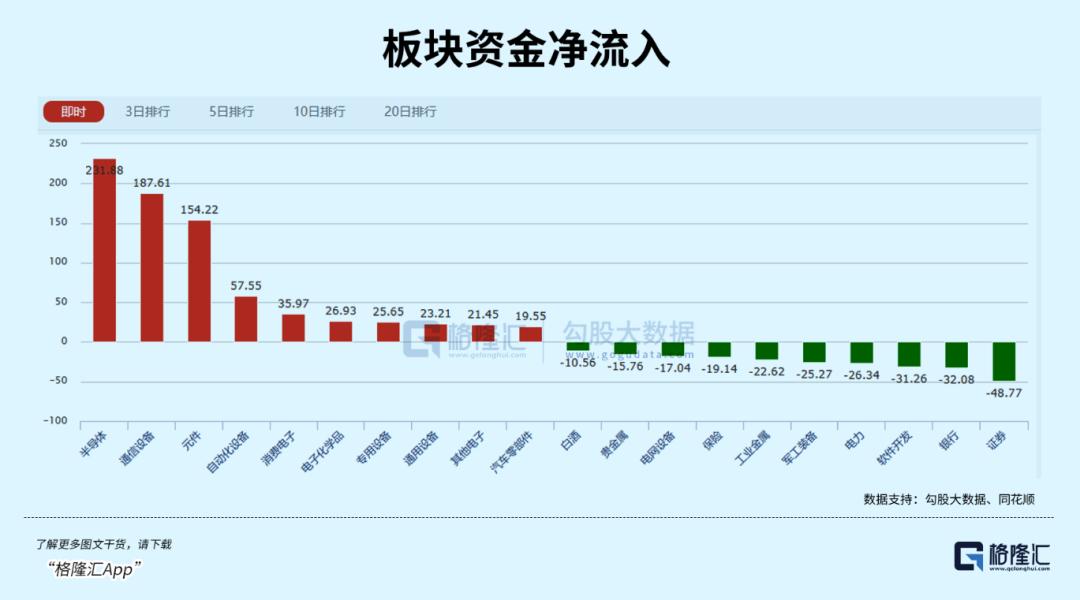
According to Tonghuashun, the net capital inflow of the three major technology sectors of semiconductors, communication equipment and components on a single day reached 28.188 billion yuan, 18.761 billion yuan and 15.422 billion yuan respectively, with the total net inflow exceeding 57 billion yuan.
The sharp surge in the market is not just a concentrated release of sentiment.
What on earth happened?
01. Staggering Capital Inflow
On the last trading day, overseas markets just experienced a fierce game.
The number of new non-farm payrolls in August was 162,000, while the market expectation was only 56,000. The unemployment rate dropped to 4.6%, and the average hourly wage rose by 3.9% year-on-year.
After the data was released, data from CME Group showed that the probability of the Federal Reserve raising interest rates this month has risen to 58.4%, an increase of about 9 percentage points from the previous day, and the expectation of tightening was rebuilt within one day.
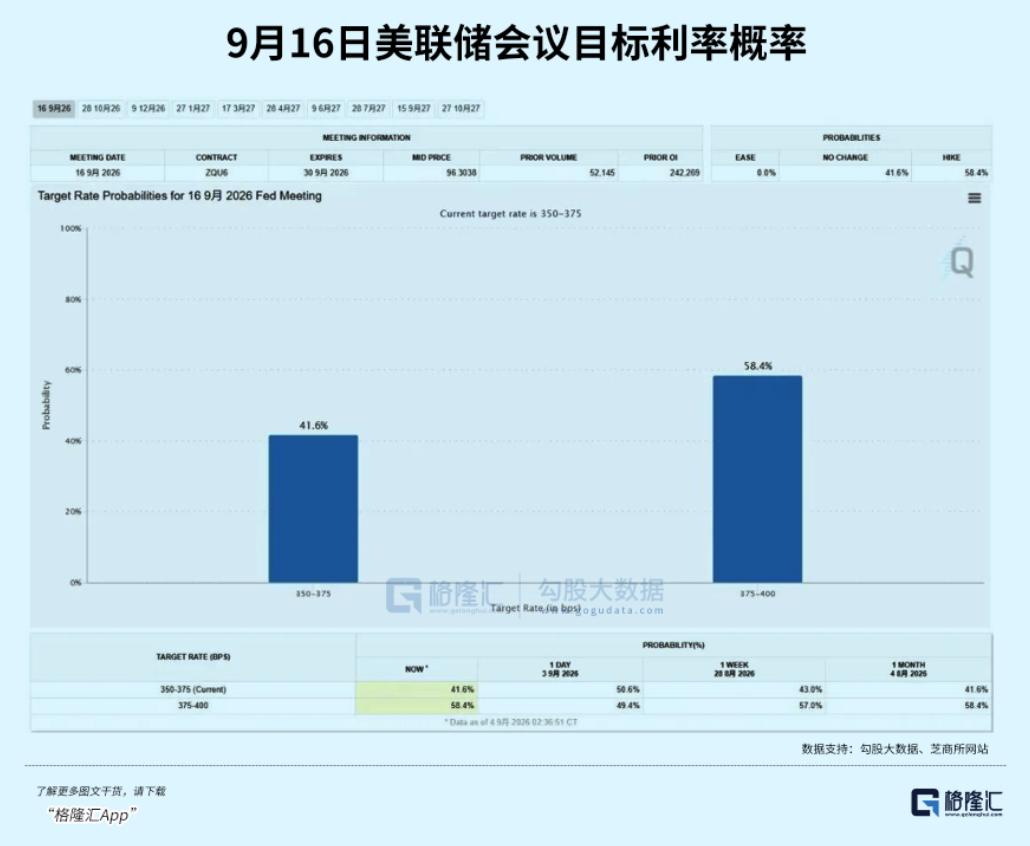
Although the 162,000 new non-farm payrolls in the United States in August far exceeded expectations, cooling the expectation of macro rate cuts and leading the overall U.S. stock market to close lower, the Philadelphia Semiconductor Index (SOX) bucked the trend and rose 3.37% that day.
Among them, Western Digital surged nearly 11.9%, SK Hynix ADR rose more than 8%, and Marvell Technology rose 7.0%.
Faced with such a market, many people exclaimed that they "could not understand it".
For a long time in the past, the market always had an aversion to high-valued tech assets during the macro tightening cycle.
However, this round of AI infrastructure construction cycle has broken this traditional macro suppression path.
The global tech giants' arms race in the field of generative artificial intelligence has entered a deep water zone. The capital expenditure of computing power infrastructure no longer depends on the current short-term borrowing cost, but on the survival and positioning needs of major cloud vendors in the AGI wave.
The strong economy supports the profitability of tech giants and the sustainability of AI capital expenditure. Fundamental pricing surpasses the suppression of the short-term interest rate cycle, pulling the tech sector back up.
When macro data performs strongly, the market no longer regards it as a shadow of interest rate hikes, but interprets it as the basis for a soft landing of the macro economy, and further deduces that downstream demand still has extremely strong carrying capacity.
At the same time, the high prosperity of micro fundamentals continues to ferment under the intensive catalysis of large model narratives and industry leaders.
At the beginning of September, OpenAI officially released GPT-6 Astra, which achieved near-full marks in the FrontierMath advanced test, demonstrating to the world the disruptive breakthrough of the new generation of artificial intelligence in complex logical reasoning.
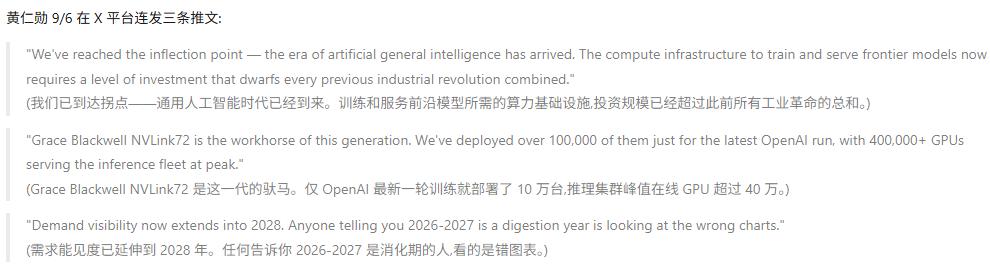
This new generation of model uses more than 100,000 Grace Blackwell NVLink72 clusters at the bottom, and the inference end supports more than 400,000 GPUs running online.
This exponential growth in huge hardware consumption has eased the market's previous concerns about the marginal slowdown of computing power.
Shortly afterwards, Jensen Huang, CEO of NVIDIA, publicly emphasized that "the AGI era has arrived", and made it clear that the visibility of computing power has been extended to 2028, dispelling the market's doubts about the digestion period.
With the industry leaders adding fuel to the fire in this way, the confidence of the technology sector has also picked up.
The U.S. stock market is closed for Labor Day today, and the Asia-Pacific market seamlessly takes over this strong bullish sentiment.
The Nikkei 225 closed up 2.12%, SoftBank closed up 11.22%, and Kioxia closed up 9.31%; South Korea's KOSPI closed up 4.61%, SK Hynix closed up 8.26%, and Samsung Electronics closed up 5.68%. The H shares of Zhongji Xuchuang in the Hong Kong stock market also rose more than 19% under the stimulus of intensive coverage by brokerages and high target prices.
This all-round overflow of Asia-Pacific computing power assets quickly crossed the boundary, igniting the risk appetite of the A-share market, and the market immediately evolved into an extremely rapid reallocation of stock funds.
The three major AI sectors of semiconductors, communication equipment and components achieved a terrifying net inflow of more than 57 billion yuan in a single day. While tech stocks were frantically bought by huge amounts of funds, traditional defensive and blue-chip sectors experienced obvious concentrated capital outflow.
The large financial sector bore the brunt, with the securities sector seeing a net outflow of 4.877 billion yuan in a single day, and the banking sector a net outflow of 3.208 billion yuan. At the same time, the software development, electric power, military equipment and the liquor sector on the consumer side all weakened across the board.
The mirrored outflow and repositioning of funds outlines the true mentality of funds under the stock game.
Against the background of the moderate recovery of the macro economy, the elasticity of traditional blue-chip sectors is restricted to a certain extent; while the hard technology sector has shown impressive profit explosive power in the strong cycle of industrial capital expenditure.
At the crossroads where macro uncertainty and strong industrial cycle are intertwined, on-site funds concentrate their positions on the hard technology offensive main line with certain performance support, intergenerational technological upgrading catalysis and strong barrier positioning.
The guidance of brokerages, the upward revision of target prices by foreign investors, and the continuous release of optimistic signals from industry giants, several forces have combined to push up this round of technology market.
02. Starting to Trade on Q3 Performance?
With the full conclusion of the Q2 interim report season, the pricing anchor of market funds quickly shifted from the previous performance verification to the fundamental expectation outlook for Q3 and beyond.
The communication equipment and optical module sectors took the lead in kicking off the performance fulfillment.
With the commercialization of GPT-6, the number of optical modules required for each GPU has jumped. The ratio of GPUs to optical modules has directly risen from 6 to 7 in the GB200 era to 8 to 9 in the GB300 and Rubin era, and the overall ratio has risen to more than 1:8, corresponding to a 30% increase in the demand elasticity of optical modules.
In the report released by Goldman Sachs before the market opened on September 7, the global shipment forecast of 1.6T and higher optical modules from 2026 to 2028 was significantly raised by 29%, 61% and 50% respectively. The global optical module market size was also revised up simultaneously, and it is expected to reach 148.495 billion US dollars by 2028.
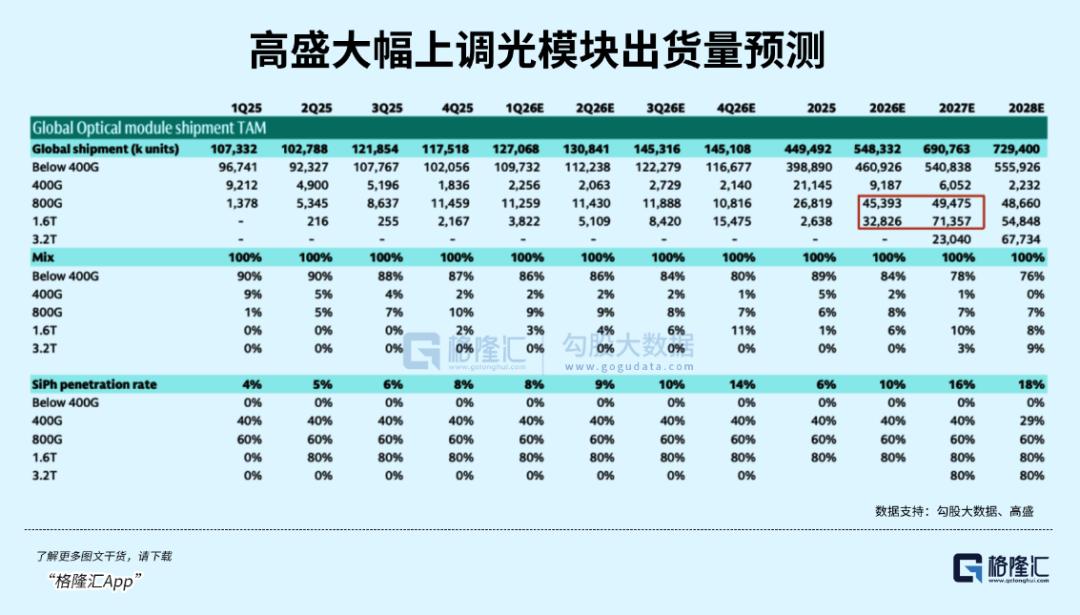
With the endorsement of this calculation, foreign reports reiterated the high target prices of relevant A-share leading stocks, and gave highly imaginative H-share expectations for the first time.
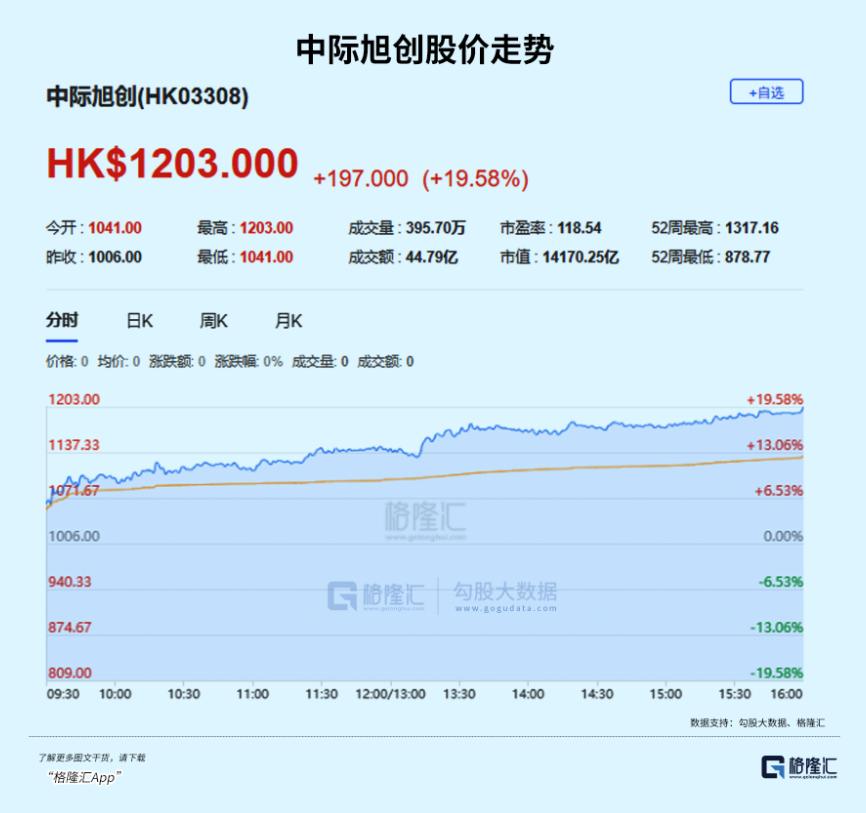
The market response was equally rapid. The core optical module targets attracted more than 4.3 billion yuan of main force net buying in the early trading, and industrial chain targets such as Eoptolink and TFC all rose in tandem.
From the perspective of the iteration cycle from 800G to 1.6T, high-speed optical modules have moved from early concept verification to the golden period of large-scale commercial mass production.
As the nerve endings for high-bandwidth and low-latency data transmission within AI data centers, the technical barriers of optical modules rise geometrically with the doubling of transmission rate. With deep technical accumulation and deep binding with overseas large manufacturers, leading enterprises enjoy extremely high pricing power and gross profit margin during the new product introduction period.
Looking at the printed circuit board (PCB) sector, the expectation support here comes more from the physical bottleneck of the real industry.
Under NVIDIA GB300 NVL72, the PCB value of a single cabinet soars to 25,000 to 30,000 US dollars, and the PCB single board value of AI servers reaches 5 to 8 times that of general-purpose servers. With the release of demand, the upstream M8-level copper clad laminates have first encountered structural shortage.
High-end printed circuit boards and special copper clad laminates have extremely strict physical requirements for high-frequency and high-speed performance, so their capacity expansion cycles often lag behind the outbreak of downstream computing power demand.
This physical bottleneck on the supply side has made the bargaining power of upstream core material suppliers in the industrial chain unprecedentedly high.
The continuous overflow of orders and the full scheduling ensure that the relevant leading enterprises have an extremely high visibility performance growth curve in the next few quarters.
From the perspective of high-frequency data, the revenue of Taiwanese PCB manufacturers in July reached NT$75.8 billion, a sharp increase of 39% year-on-year, and the production capacity of manufacturers such as Taiwan PCB, Taiwan YAO, and Shengyi was almost fully utilized.
At the same time, leading enterprises such as Shenghong Technology have successfully passed NVIDIA's certification for their 6-layer HDI and entered the core supply chain, and Shengyi Technology's M8-level copper clad laminates have also successfully passed the certification.
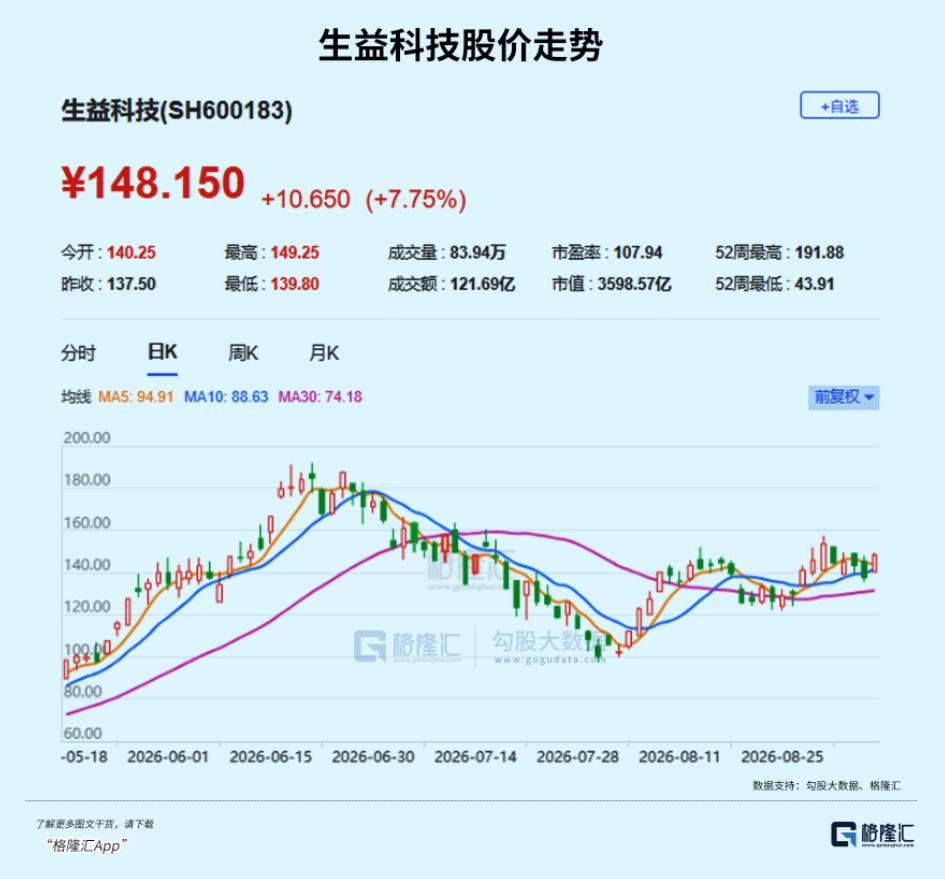
In addition to PCB, the physical bottleneck of the supply chain has also spread to the power supply and interconnection links.
AI servers push the power consumption and signal rate of a single cabinet to new highs at the same time, the power supply and data transmission components close to the main chip have ushered in a comprehensive technological upgrade.
Among them, backplane connectors are accelerating the evolution to 1.6T, the power density has been greatly increased, and the demand for liquid cooling power distribution and backup power supply also puts higher requirements on the specifications of high-frequency transformers and supercapacitors.
The increase in the value of these components per cabinet has jointly promoted the full release of interconnection and power supply components, benefiting niche leaders such as Ding Tong Technology, Megmeet, Keli Electric, and Jianghai Co., Ltd.
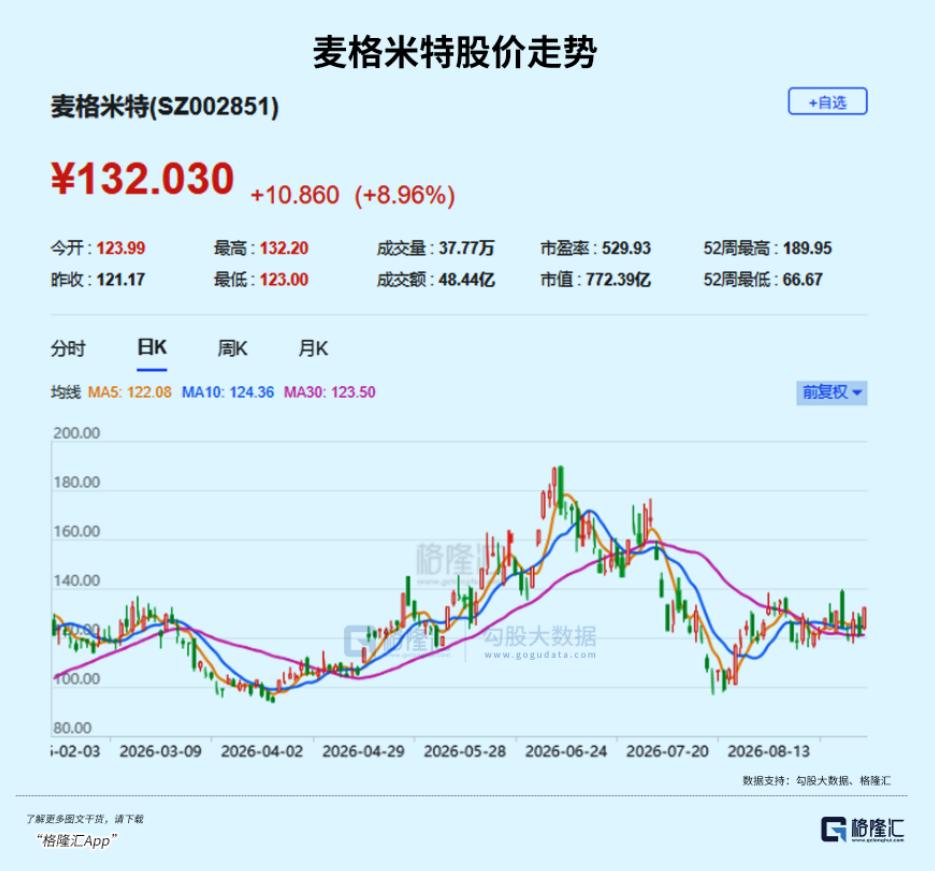
In the semiconductor sector, the continuous expansion of downstream capital expenditure and the convergence of upstream independent technology supply have connected the upstream and downstream of the domestic memory chain into an organic whole.
On the one hand, downstream giants such as Changxin Storage have delivered impressive performance reports, with revenue achieving explosive growth and turning losses into profits in the first half of the year, and the global market share of DRAM has significantly increased to 12.7%, fully confirming the strong momentum of the memory expansion cycle.
On the other hand, upstream leaders such as Naura Technology continue to make breakthroughs in advanced processes, and their "two-step cyclic etching process" pre-published at IEDM has successfully achieved 64-layer 3D DRAM stacking breakthrough without the restriction of EUV lithography machines, with an etching selectivity ratio as high as 500:1.
Against the background of the complex and changeable external supply chain environment, domestic semiconductor equipment and memory industry chains have gradually broken through the bottleneck links restricting industry development through continuous technological innovation.
The disruptive breakthrough of equipment leaders in core processes proves that China's semiconductor industry chain has the ability to realize independent control in mature processes and some characteristic advanced processes.
03. Epilogue
The resonance of external sentiment and the reallocation of on-site funds have indeed pressed the acceleration button for the hard technology sector, but the game of funds is ultimately a deployment, and what determines how far and how stable the market can go is ultimately the foundation of the industrial logic itself.
The market is about to usher in a round of intensive "reconciliation" tests.
The Q3 performance preview window that will open in mid-September, and the August CPI data that the United States will reveal on September 11, are all stress tests for current market expectations.
The external noise and fund position adjustment determine which track people are willing to allocate their positions to today.
And the growth resilience of the industry itself and the final fulfillment of performance determine whether capital dares to stay to the end with confidence. (End of full text)
Gelonghui Statement: All views in the article come from the original author and do not represent the views and positions of Gelonghui. Special reminder, investment decisions need to be based on independent thinking. The content of this article is for reference only and does not constitute any practical operation advice. Trading risks are borne by yourself.