Chinese fast food can no longer afford to fight "price wars"
01
Chinese Fast Food
Embarking on a New Round of "Model Reconstruction"
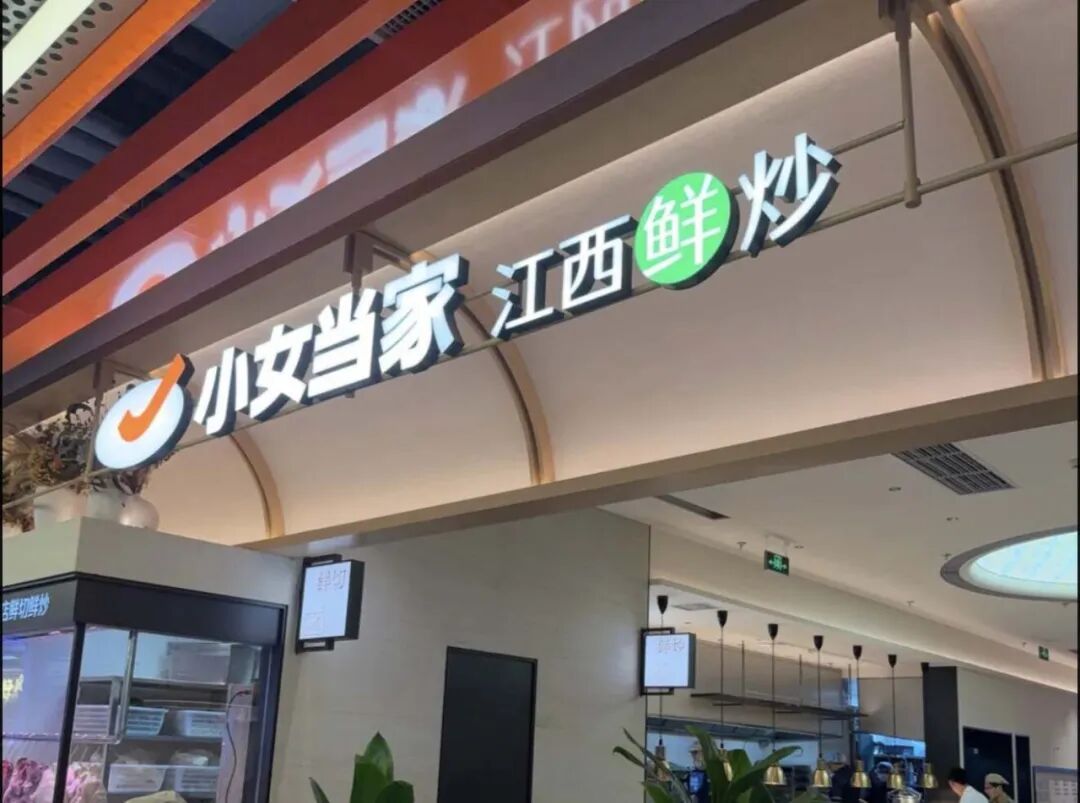
Founded in Nanchang of Jiangxi Province and gaining great popularity in Shenzhen, Xiaonvdangjia has opened its first Beijing store at Chaoyang Hopson One. The store has abandoned the "self-service selection and weighing" model it has adhered to for 10 years and switched to "on-order fresh stir-frying". Its brand positioning is not rice fast food, but "Jiangxi Fresh Stir-Fry", with four signature dishes: Soy Sauce Black Gold Duck, Red Bud Taro Smooth Beef, Yiyang Rice Cake Braised Chicken Feet and Yellow Catfish Braised Loofah, forming a product matrix covering classic Jiangxi-style dishes, home-style side dishes, snacks and desserts. The store also launched a new Beijing local flavor product Ziguangyuan Milk Skin Yogurt as the "spicy reliever". According to Dianping, the per capita consumption of Xiaonvdangjia's first Beijing store exceeds 60 RMB, which is far higher than the 30 RMB per capita of its traditional stores and close to the light casual dining mode.
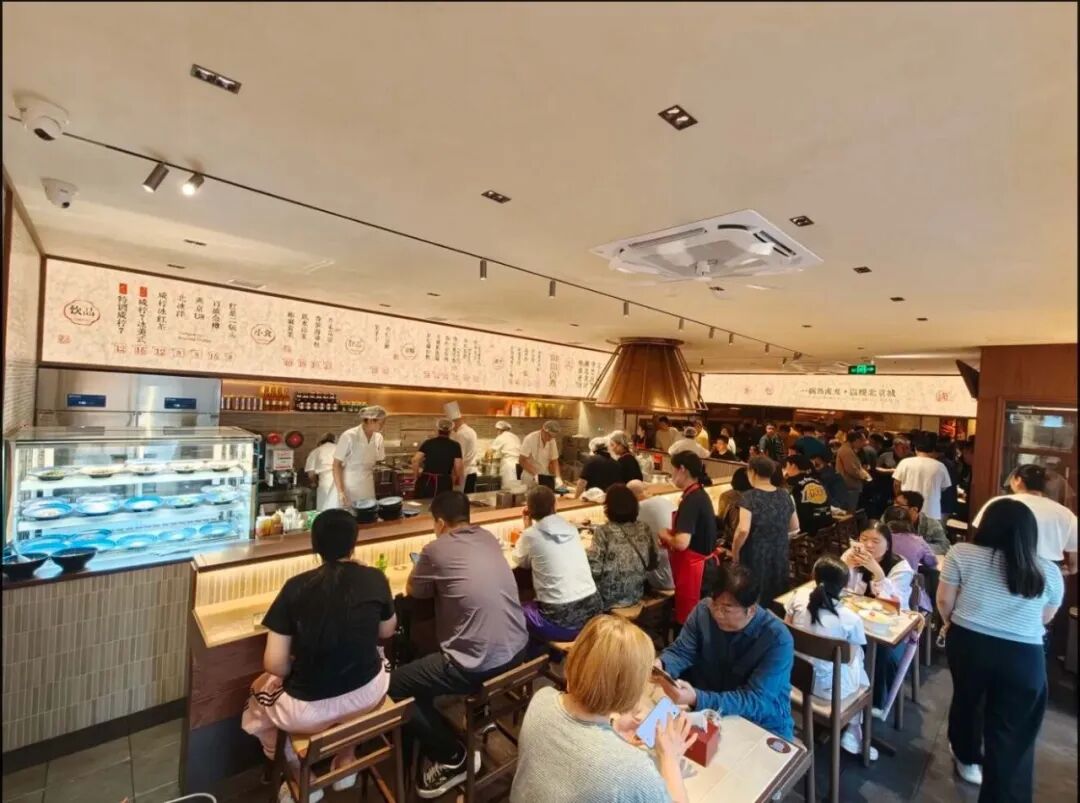
Yangyang Chinese Food, a well-established local fast food brand based in Daxing, Beijing, recently added a new Yangyang Luzhu store format next to an old outlet in Huangcun. Its core products are authentic Beijing-style Luzhu, making the most familiar Luzhu dish for Beijing consumers the entry of new category, to deeply integrate urban memories, regular customer awareness and local flavors. Moreover, the store is specially equipped with the industry's popular "counter service area" and transparent open kitchen, where customers place orders on the spot, chefs cut and serve the food immediately, then deliver a bowl of steaming hot Luzhu, which fits the demand of both single diner and small group gathering. This "counter service Luzhu" greatly caters to young people's preferences, and long queues are often seen during lunch and dinner hours since the store opened.
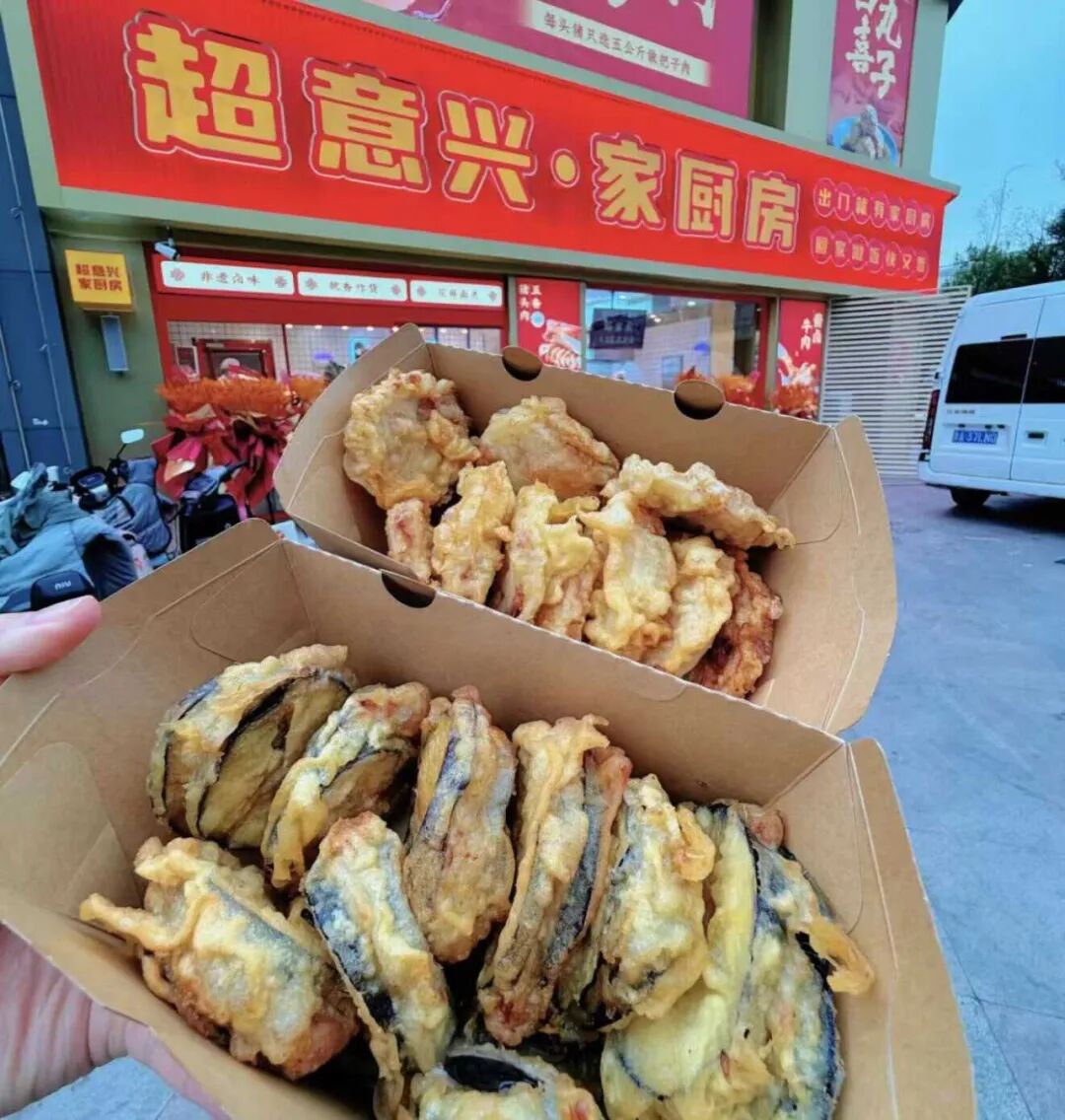
Chaoyixing, the leading fast food brand in Shandong, recently opened 3 consecutive Chaoyixing · Home Kitchen stores in Jinan, positioned as "the kitchen at your doorstep". Its core products include national intangible cultural heritage braised food, crispy fried snacks, various handmade pastries. Different from Xiaonvdangjia and Yangyang Chinese Food, Chaoyixing Home Kitchen takes a reverse development path: it no longer simply follows the dine-in fast food logic, but extends its business scenarios to community cooked food services, family dining needs and extra dishes for dinner. Last summer, Chaoyixing also tested coffee product lines in some Jinan stores, launching its own coffee brand "Xing Coffee" with each product priced no more than 10 RMB, continuing the brand's consistent high cost performance feature.
Apart from rice fast food brands, noodle and dumpling fast food brands are also keeping continuous upgrading. Recently, the first store of Yuanji Yunjiao 5.0 model was launched, representing a new development path, that is, "snack brands developing large dine-in outlets". In the past, people's perception of Yuanji Yunjiao was mostly limited to high-frequency single products like wonton and the takeaway scenarios. But the 5.0 stores of Yuanji have added more categories including Luzhu, drinks, shaomai and sweet soups to its product matrix, which essentially broadens consumption scenarios. It no longer only satisfies the demand for a single person to quickly finish a bowl of dumplings, but tries to cover more complete dine-in demands, richer food matching demands, and even scenarios like small friend gatherings and light social interactions.
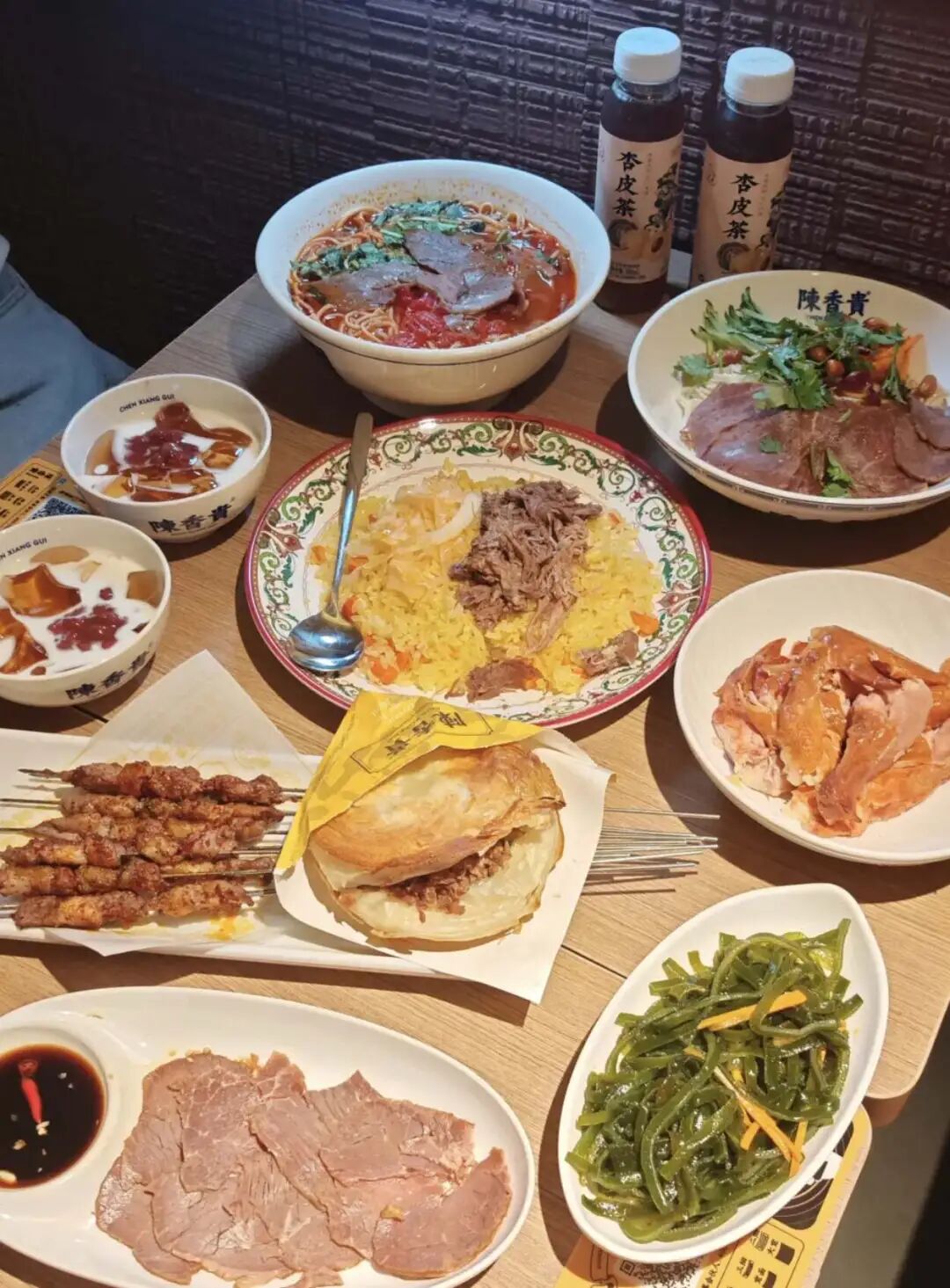
Chenxiangui Lanzhou Beef Noodles, once valued at 1 billion RMB, has upgraded its stores to "Chenxiangui Lanzhou Beef Noodles · Northwest Bistro". In addition to hand-pulled fresh beef noodles, it also provides multiple product options including hand pilaf, northwest barbecue and local flavored snacks. For noodle brands, relying solely on a bowl of standardized beef noodles can hardly continuously bring fresh experience to consumers. This "transformation" of Chenxiangui actually uses the bowl of noodles to guarantee operation efficiency, and uses the bistro setting to improve customer experience, which is exactly the value of the Northwest Bistro: on the basis of satisfying the basic "full stomach" demand, it adds more reasons for customers to stay in the store through better environment, richer dishes, more authentic local flavors and optimized dine-in experience.
The upgrading paths of these Chinese fast food brands seem to have their own characteristics, covering Jiangxi fresh stir-fry, large dumpling stores, northwest bistro, Beijing Luzhu and community kitchen, but they all convey the same trend: Chinese fast food is regaining the values beyond "speed".
02
Proactively "Slowing Down" in the Low Profit Era
At present, the catering industry has entered a long development cycle dominated by rigid consumer demand.
Public information shows that Chinese fast food is the category with the largest number of physical stores, accounting for more than 49% of the total catering outlets. The chain rate of Chinese fast food has risen from 22% in 2022 to 29% in 2025. However, after the total number of Chinese fast food stores reached its peak in 2020, it dropped significantly for three consecutive years, and gradually rebounded from 2024 to 2025, which also indicates that Chinese fast food brands are becoming more rational in store expansion.
In the past decade, the industry used to take pride in fast store opening speed and large store quantity, but now the industry's core topics focus on "how many of your stores are profitable? How is your store operating? Have you closed those unprofitable outlets? Have you taken measures to stop losses" and so on. Wang Guoyu, founder of Nanchengxiang, once said in a video "Shut down the unprofitable operation modes as soon as possible", which may be the most rational action at the current stage.
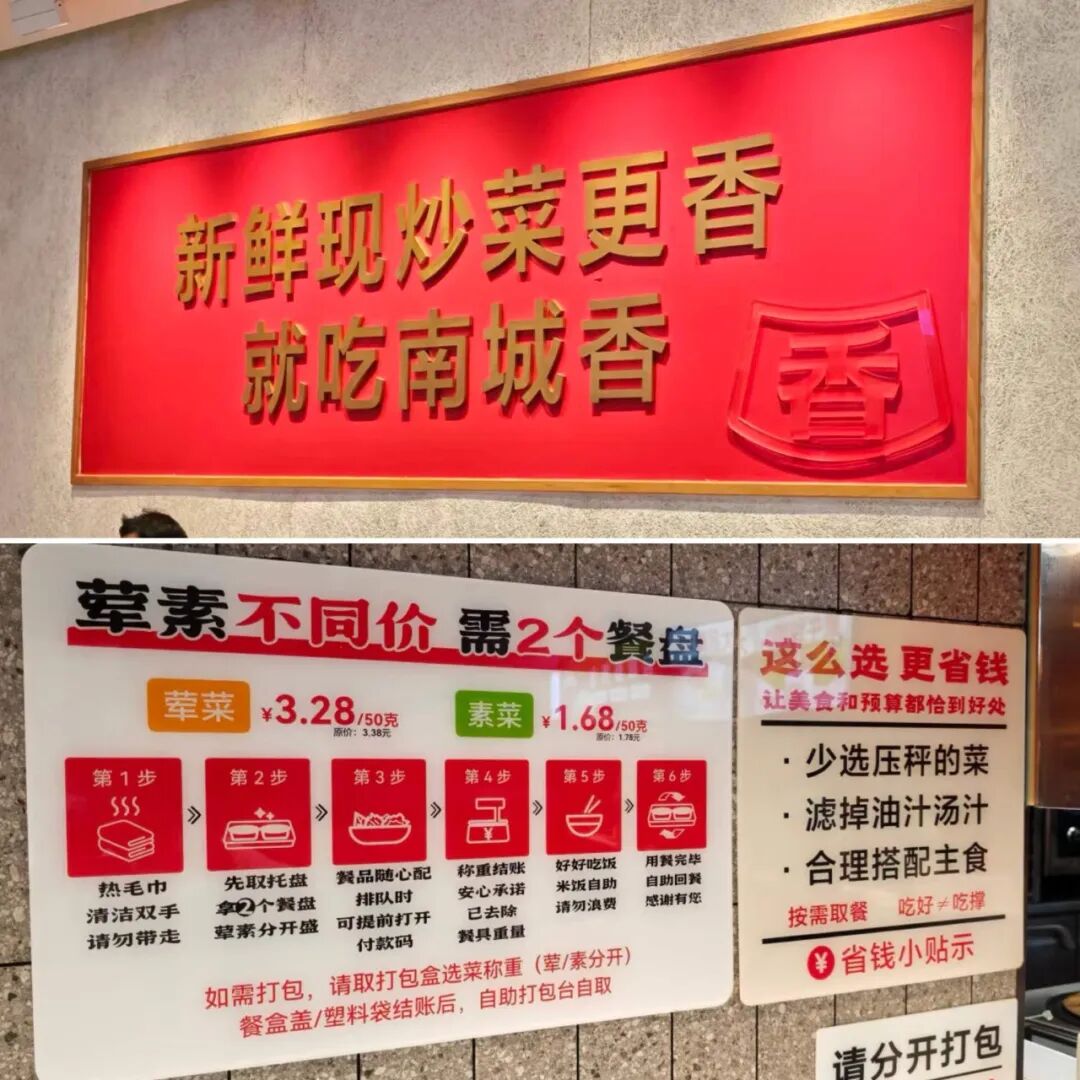
In the past two years, Chinese fast food brands have also taken the initiative to slow down their expansion pace.
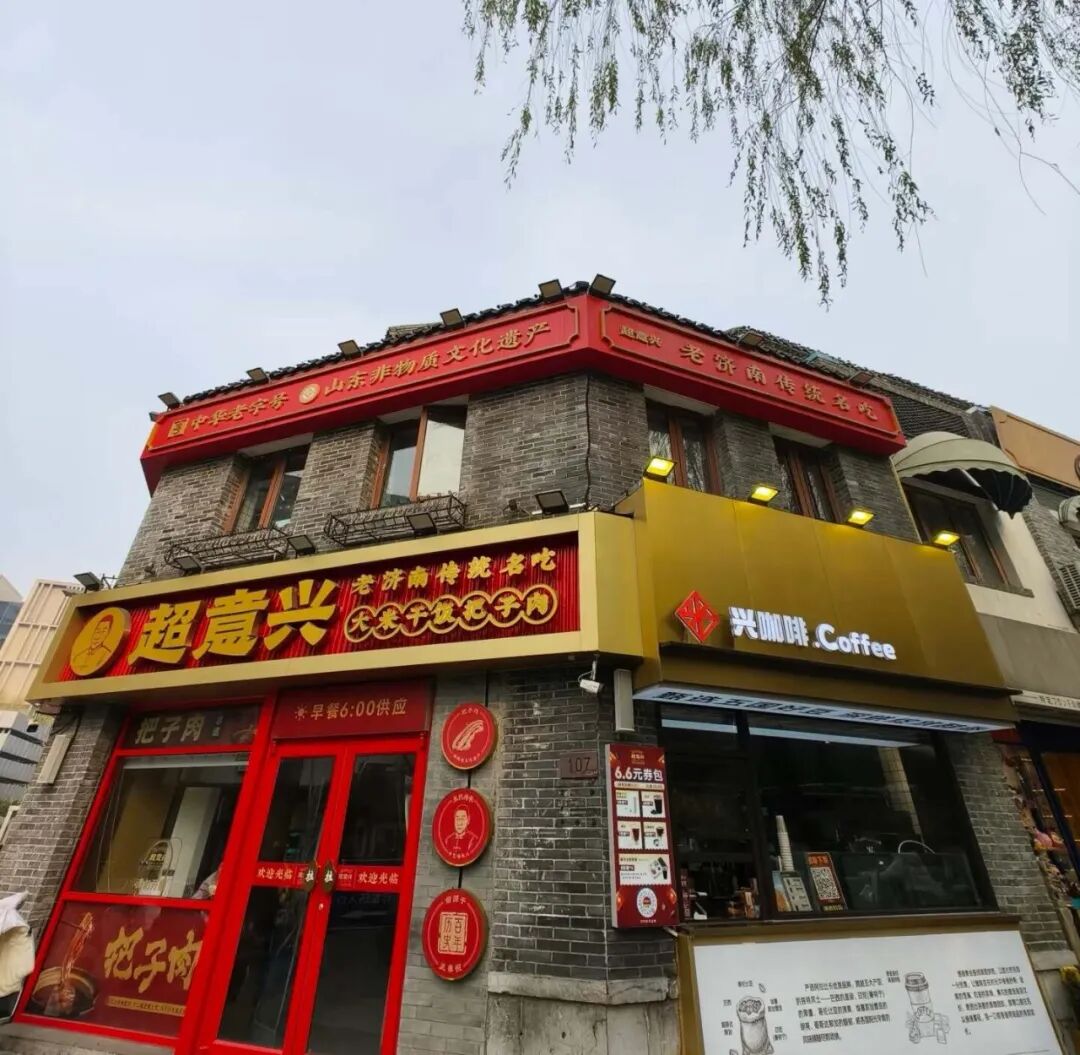
Chaoyixing opened nearly 40 stores in Beijing in the one and a half years after its first Beijing store opened in November 2023, with an average speed of 2 new stores per month. But according to Dianping, there are about 50 Chaoyixing stores in Beijing at present, which means only about 10 new stores were added in the past year, and its store opening speed has slowed down significantly.
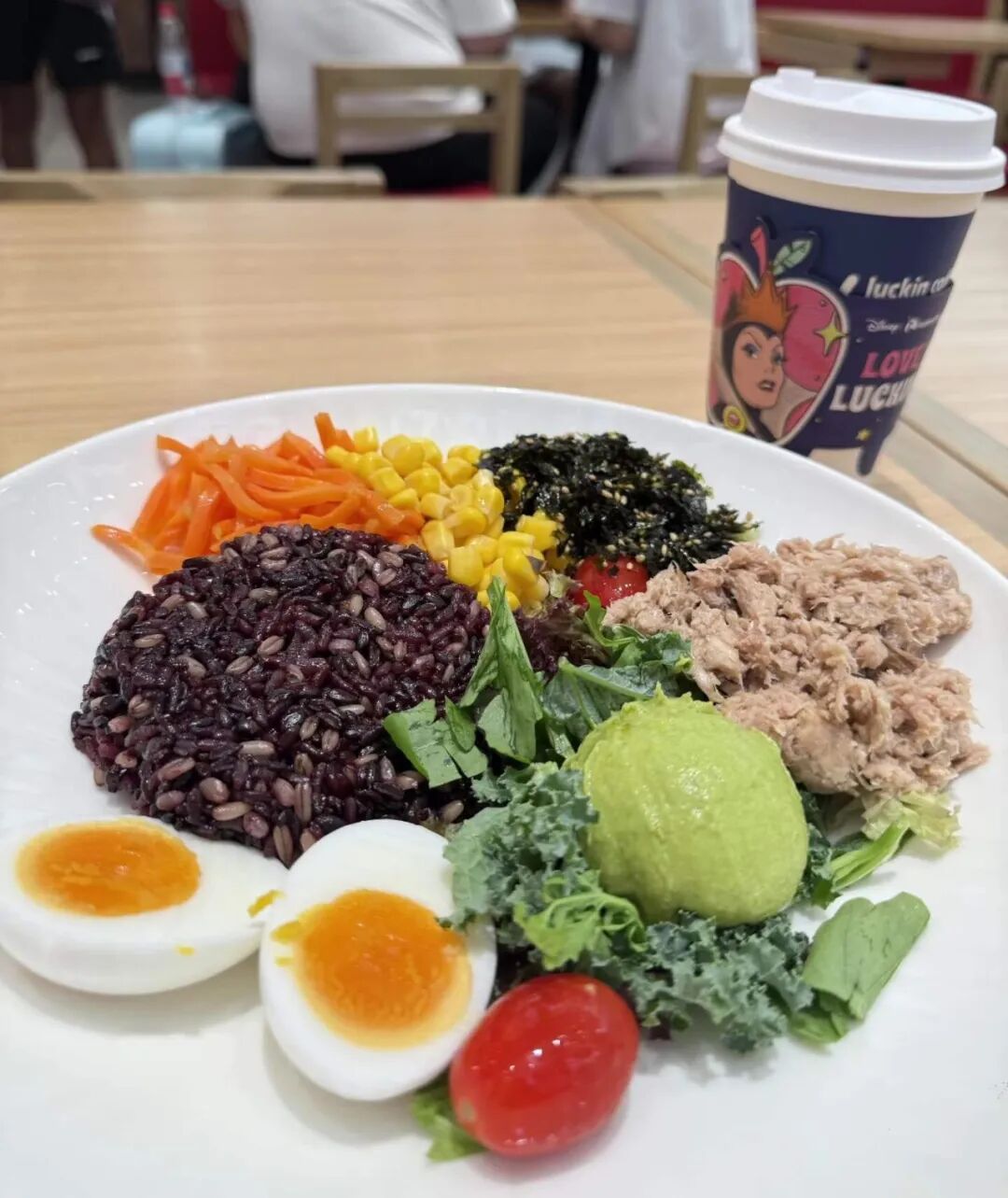
In 2025, Micun Bibimbap suspended its high-speed expansion, canceled the store elimination system, and shifted its focus to service and product quality. On one hand, its store growth rate dropped sharply: it added 837 new stores in the whole year of 2024, but only planned to open 196 new stores in 2025, and even closed some existing outlets. On the other hand, it optimized the product matrix, and launched new products like light food bibimbap and small pot fresh stir-fry to meet consumer demands.
Nanchengxiang urgently learned the self-service weighing mode of Xiaonvdangjia last year, but did not copy it completely, instead optimized it on the basis of the original mode. At present, Nanchengxiang has completed the transformation of more than 60 stores into fresh stir-fry community canteens, where classic products like wonton, beef rolls and mutton kebabs are no longer sold. More than 100 other old model stores are also being transformed synchronously, for example, free fruits, small hot pot and hand-made drinks are canceled. Those past successful operation experiences are broken one by one. In Wang Guoyu's view, "those who only come to the store for free benefits are not our target customers". Instead of attracting all people with low prices, it is better to attract the right customers with high quality, and create profits through regular customers rather than new customers, not to mention those welfare chasers.
Opening stores is no longer a simple addition operation, as rent, labor and traffic costs are all changing. More stores do not mean more stable business or higher profits. That is why more and more brands start to adjust their product matrix and store forms to make up for their own shortcomings. For example, large dine-in stores can extend customers' stay time, product expansion can increase joint consumption, and home delivery and takeaway services can extend the sales scenario radius.
The traffic dividend is disappearing, and the traffic conversion logic relying on efficiency and low price is no longer effective. For brands, the core point is whether they can retain customers or ensure repurchase after the traffic comes. "The logic of 'selling cheaper and earning more' only works on the premise that the customer flow keeps growing. Once the customer flow stagnates or declines, the loss will be magnified instantly." Wang Dongming, a catering industry analyst, once pointed out.
03
Old Store Operation Models Need to Be Remodeled
Slowing down store opening does not mean completely stopping expansion. Brands can formulate store expansion strategies from slow to fast according to local conditions, from overall urban expansion to specific site selection.
In the past ten years, communities and office buildings were the main battlefields for Xiaonvdangjia. However, the fierce competition in the Chinese fast food track has made the limitations of these two scenarios increasingly obvious: for example, stores in office buildings are highly dependent on the weekday lunch market, while community stores are facing low-price competition from small family-run stores that grab customers by low prices, so shopping malls have become the new target of Xiaonvdangjia.
But the weighing fast food mode is not suitable for shopping malls. Hu Yongxiang, CEO of Xiaonvdangjia, believes that "the scenario does not fit, and the target customer group does not fit either". Xu Fan, person in charge of the partnership project of Mr. Rice, also mentioned in an interview that the weighing mode is suitable for scenarios dominated by office workers and single-person dining. For new development markets, Mr. Rice usually only chooses one mode (weighing mode or small bowl dish mode).
In May this year, Xiaonvdangjia tested the weighing fast food mode for lunch and switched to single-point stir-fry light casual dining for dinner at its Han Street store in Wuhan, but ended up with losses and failure. It is reported that Xiaonvdangjia has set up a light casual dining team and invited external consultants with formal catering experience to participate in R&D and operation, and adheres to the principle of only selecting A-grade shopping malls for site selection. Its first Beijing store and first Tianjin store are operated with this new set of mode.
The Xiaonvdangjia store in Beijing is not far from Mr. Rice and Country Style outlets. If it continues to use the self-service weighing mode, the competition pressure can be imagined. But Xiaonvdangjia marks its "Jiangxi Fresh Stir-Fry" positioning on the storefront, which has obvious category differences from the Sichuan-style stir-fry positioning of Country Style and Hunan-style stir-fry positioning of Mr. Rice.
This is not a simple menu change. In essence, the brand voluntarily abandons the easily imitated efficiency label in the past, and uses clearer local cuisine positioning, stronger fresh stir-fry experience and higher customer unit price value to amplify its brand advantage.
04
Quality Cost Performance Forces Transformation and Upgrading
According to Chenzhi Big Data, the Chinese fast food market has shown an obvious "K-shaped differentiation" trend in recent years.
The proportion of Chinese fast food in the two price ranges of ≤15 RMB and >30 RMB has increased at the same time, indicating that consumers are not simply pursuing low price or consumption upgrading, but seeking the ultimate "quality-price ratio" balance between payment ability and psychological expectation.
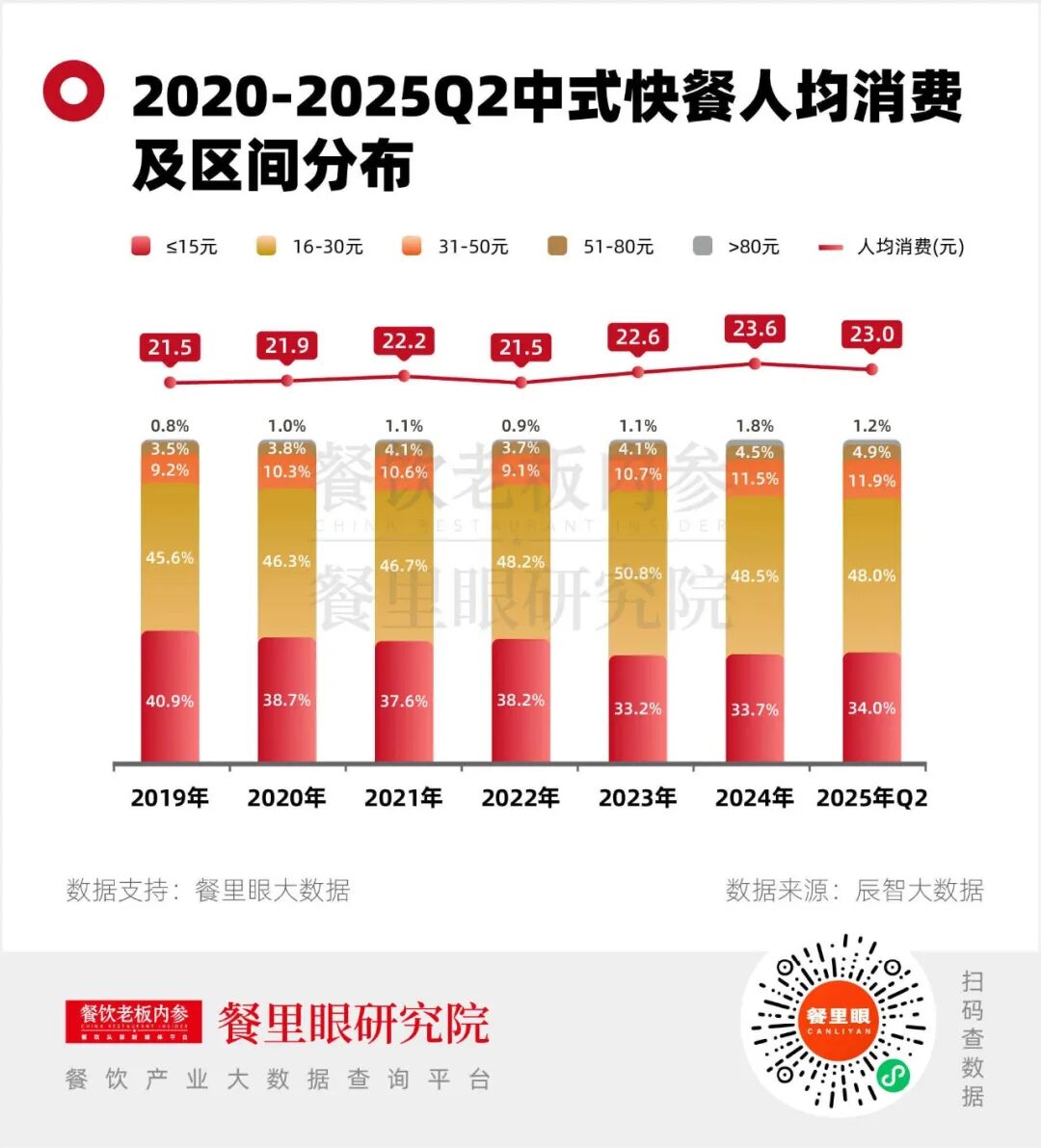
People pay more attention to the value of having a fast food meal, care about whether the dishes have wok gas, whether the food is freshly stir-fried, the dining environment of the store, and even the health quality and product richness. When "speed" is no longer the only competitiveness, it is replaced by more comprehensive and rational consumption.
From the perspective of consumption decision, people pay more attention to the freshness of ingredients, and reject pre-made dishes, which directly pushes Chinese fast food to the mainstream trend of open transparent kitchen and fresh on-site cooking. From the perspective of consumption scenarios, fast food's "single person dining" scenario is shifting to the more social "2-4 people light social" scenario, and the GMV proportion of related customer groups has risen to 43.8%, which requires stores to make flexible adjustments in streamline design and seat layout.
This kind of pressure from the consumer side is promoting brands to explore differentiated development paths.
The observer from Neican points out that this change does not mean that Chinese fast food needs to transform to "light casual dining", but to add more "sense of worth" or "premium sense" on the basis of "fast food efficiency". It is acceptable to set a slightly higher price, but the brand needs to make customers feel the price is reasonable.