You even have to weigh the ice cream when buying it now! It is priced at 18 yuan per 100 grams, and many netizens say its price is on a par with Yang Guofu.
A bowl of ice cream sells for 80 yuan, and young people are still queuing up for it.
Recently, a DIY ice cream shop in Shanghai has gone viral. It has no fixed menu: you can dispense any amount from 7 different bases, add over 100 kinds of toppings as you like, and finally pay by weight — 18 yuan per 100 grams, a gameplay that is almost identical to self-selected malatang.
Shortly after opening, it topped the No.1 spot on Shanghai's ice cream check-in popularity ranking, becoming a new consumption trend on social platforms.
Can giving full decision-making power to consumers really create a profitable business?
The "Weigh-by-Price Ice Cream" in Shanghai Has Gone Viral
18 Yuan per 100 Grams, Hundreds of Toppings for Free Selection
This interesting shop is named Tiny Monster Frozen Yogurt & Ice Cream. Not long after its opening, it topped the No.1 spot on Dianping's Shanghai ice cream check-in popularity ranking, and became a new popular spot for young people to visit.
There is no fixed menu, no pre-matched servings from the staff. How much you eat and what you eat is entirely up to the customers' own preference.
On social platforms, posts like "DIY ice cream is so full of happiness" and "casual matching can easily make great photos" keep popping up, and comments asking for the store address or expressing willingness to try keep emerging one after another.
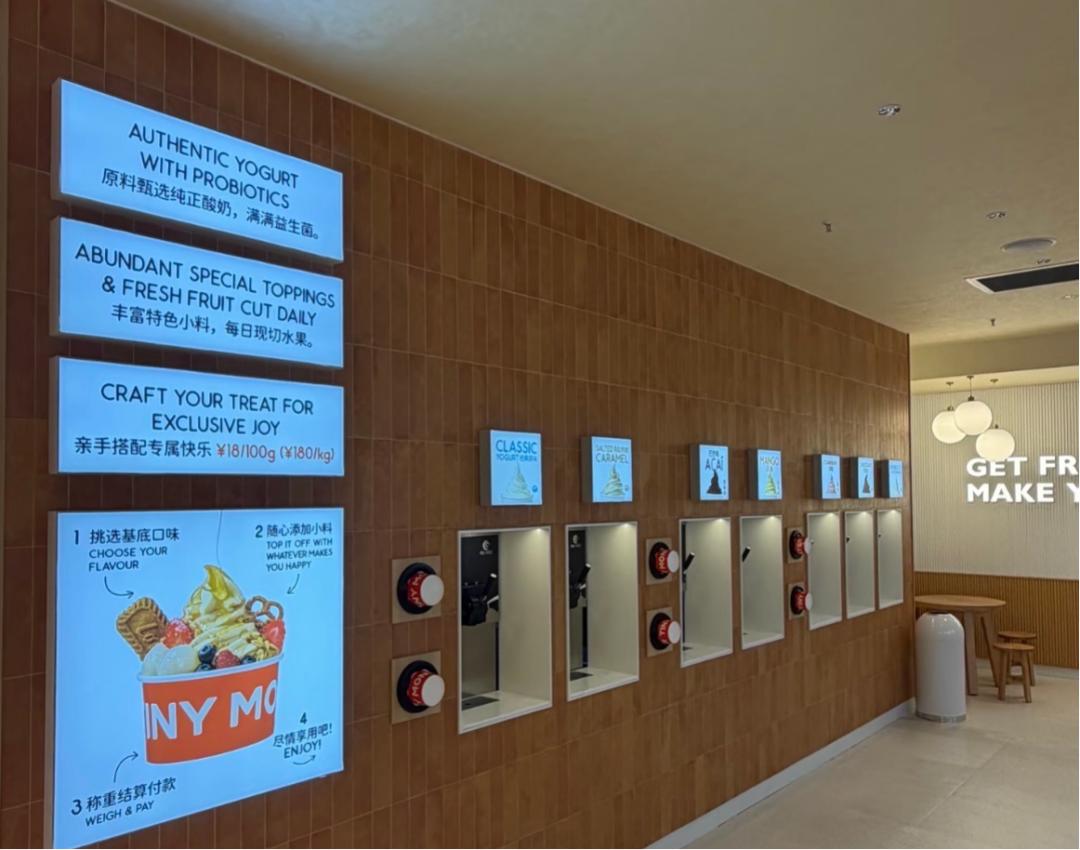
Image from Xiaohongshu blogger Invincible Burger King, authorized for use
The warm-toned log-style space of the store is divided into a topping selection area and a dining area. A row of soft-serve ice cream machines against the wall correspond to 7 frozen yogurt bases of different flavors, including classic original, sea salt caramel, chocolate, acai, mango yogurt, strawberry and more, which customers press to dispense by themselves.
Next to it is a long open topping bar with more than 100 separate containers arranged in a line. Hundreds of toppings including white jade mochi, brownie, mini crispy cone, Dubai pistachio jam and more, ranging from freshly cut fresh fruits to crushed nuts and special drizzles, are all available, almost satisfying all the imagination of dessert lovers.
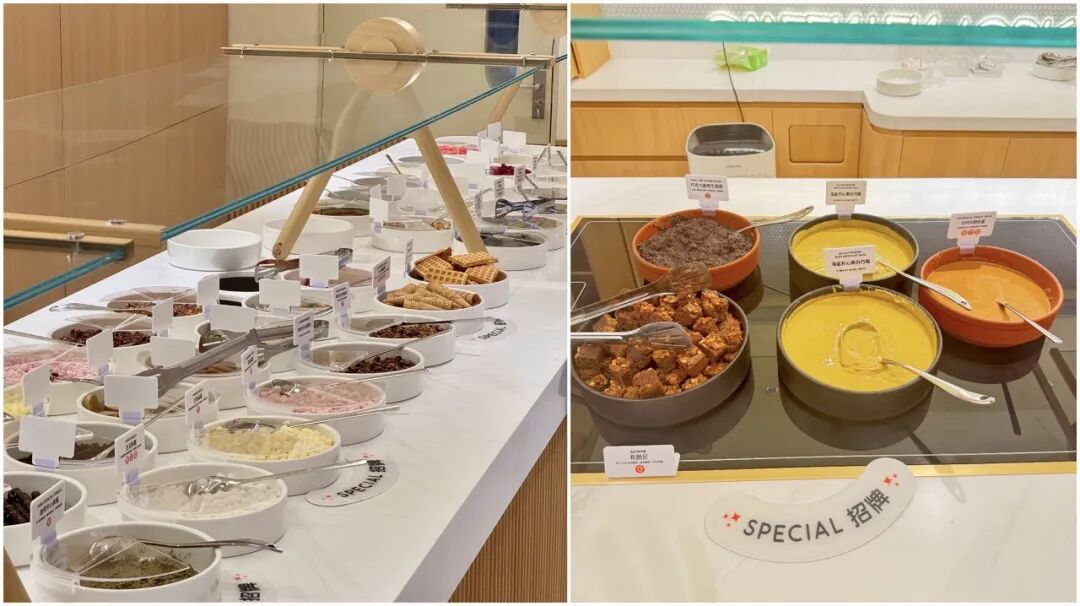
Image from Xiaohongshu blogger Zun Ge, authorized for use
The process is highly self-service: how much base you dispense, which toppings you add, and how much you pile up are all controlled by customers. After finishing, you weigh the bowl, 18 yuan per 100 grams, which is very similar to self-selected malatang.
Many netizens shared their bills, showing that a casually matched bowl costs 70 to 80 yuan, and if you add toppings too generously, the price of a single bowl can even reach 100 yuan. Some netizens joked: "I used to get nervous when pulling the M&M's lever, and now this 'shaky hand anxiety' has reappeared with ice cream."
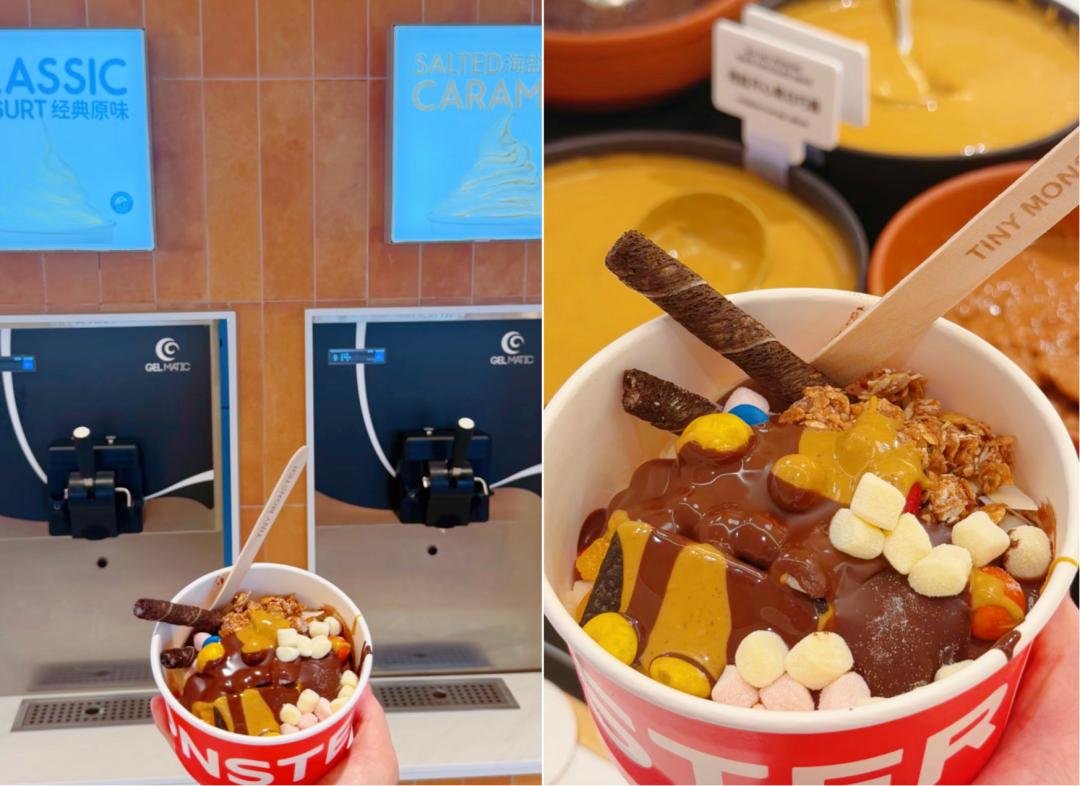
Image from Xiaohongshu blogger Invincible Burger King, authorized for use
The strong DIY attribute has attracted a large number of young people to check in, and a trend of "challenging self-service ice cream" has swept across social platforms. People are sharing their exclusive matching plans, competing for good color combinations, challenging to pile the ice cream as high as possible, and having a great time.
The Trend of "Do It Yourself"
Is Spreading from Ice Cream to the Entire Beverage Industry
Tiny Monster is not an isolated case. Giving consumers the right of choice is re-penetrating the beverage market this year in a more lightweight, experience-focused way.
1. Self-service dessert shops are emerging in clusters, with one brand having opened nearly 80 stores
In cities including Xiamen, Chengdu, Wuhan and Jinan, a number of self-service dessert shops are quietly emerging. "39 yuan for unlimited food", "more than 30 optional items", "both cold and hot options" have almost become the standard configuration.
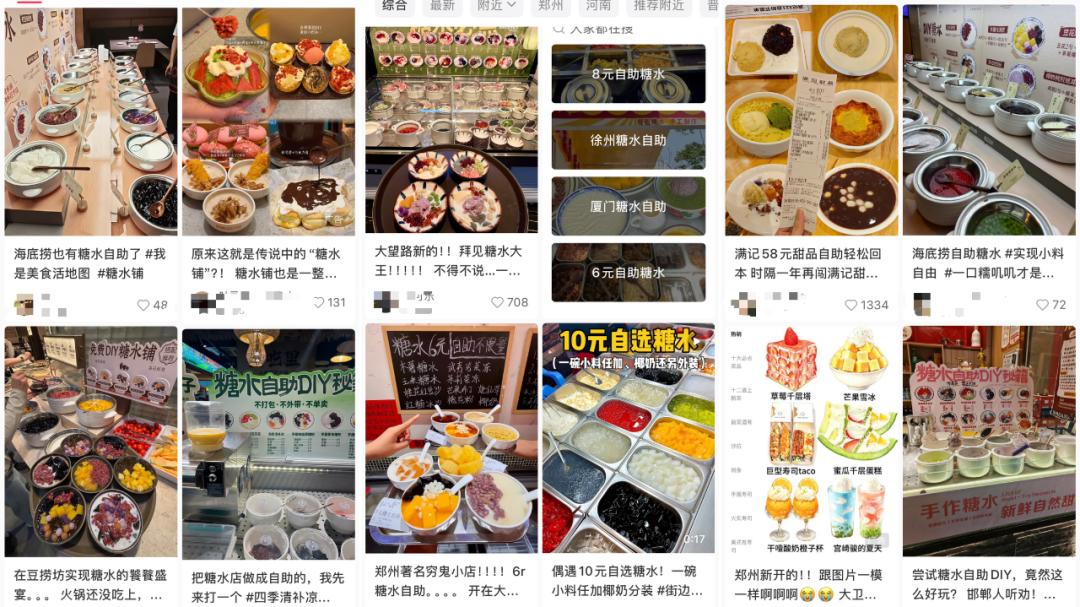
Many of these shops rank steadily at the top of Dianping's popular ranking, and related content on short video platforms easily gets hundreds of thousands of likes. Even street stalls have begun to adopt the self-service mode.
It is worth noting that chain brands have already stood out in this trend. According to data from Zhaimen Can Yan, Shanxin · Chaoshan Sweet Soup, known as "Yang Guofeng in the dessert industry", currently has 77 stores, 29 of which were newly opened this year; Facai Mi now has 21 stores, 16 of which were also opened this year.
Data from Douyin Local Life Service shows that from May 1 to 20, the group buying sales of sweet soup increased by 124% year on year, and the order volume of Shanxin's group buying packages increased by more than 900% year on year.
2. Heytea and Luckin Coffee take the lead in "decentralizing power", and DIY is becoming the standard configuration for brands
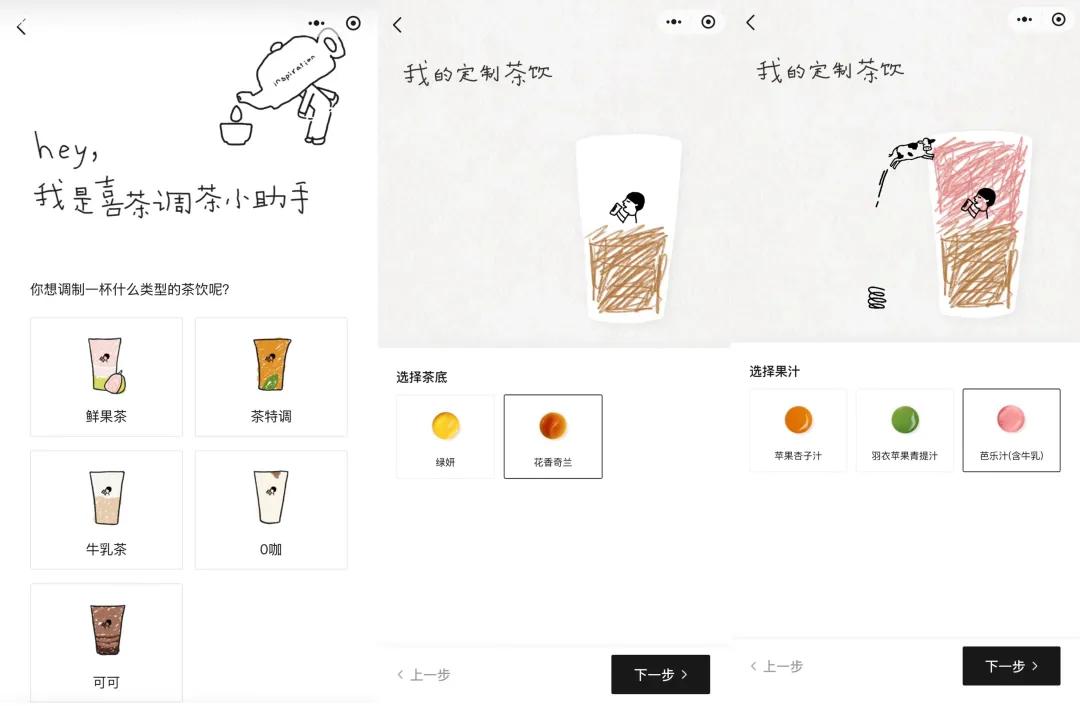
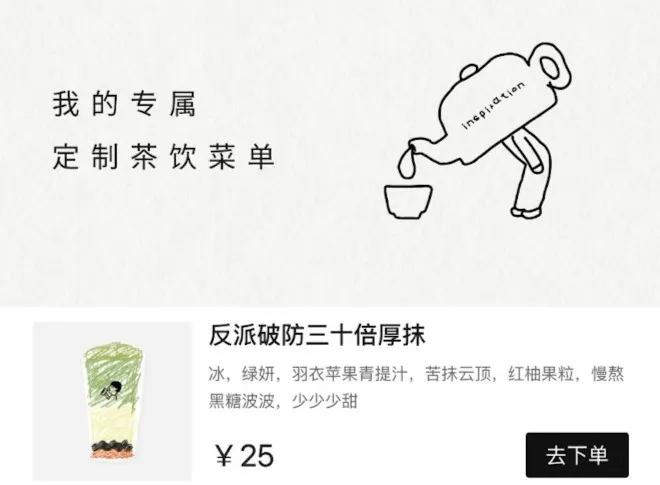
In July this year, Heytea launched the "DIY Exclusive Heytea" function. Consumers can freely combine tea bases, fruit juices, fresh fruits, toppings and whipped cream, and even give their drinks exclusive names. The views of related topics on Xiaohongshu quickly exceeded 10 million. Some netizens joked: "Heytea has outsourced its R&D department to consumers."
Earlier, Luckin Coffee turned the "all ice no water" hidden drinking method into an official ordering option, followed by Starbucks, Cotti, Manner and other brands one after another.
From Heytea's "full set of DIY" to Luckin Coffee's "empowered ordering", leading brands are doing the same thing: giving more choice power to consumers.
This phenomenon reflects the change of consumer psychology. Young people are no longer satisfied with "being served", and they are eager for a sense of participation, control and uniqueness. A cup of "exclusive work" matched by themselves, even if it is not perfect, has irreplaceable emotional value.
DIY Is a Powerful Customer Acquisition Tool
But Whether Its Popularity Can Last Remains to Be Tested
Objectively speaking, the "self-selection mode" is not a new concept.
Years ago, self-service yogurt salad and self-service fruit salad were once popular for a period of time, with almost the same mode: select the base, add toppings, and pay by weight. But many of these brands failed to survive for long.
First of all, product standardization is the biggest challenge. For products completely made by consumers through DIY, it is normal that every bowl tastes different. Consumers may come once for the fun, but it is difficult for them to come back repeatedly for a product of uncertain taste.
How to convert first-time visitors into regular customers is a problem that every DIY brand must solve.
Secondly, the profit model has inherent vulnerabilities. Whether it is charging by gram or unlimited eating, it essentially tests the ability of cost control. The more types of toppings there are, the higher the loss will be; the more freedom the operation has, the more difficult it is to avoid food waste.
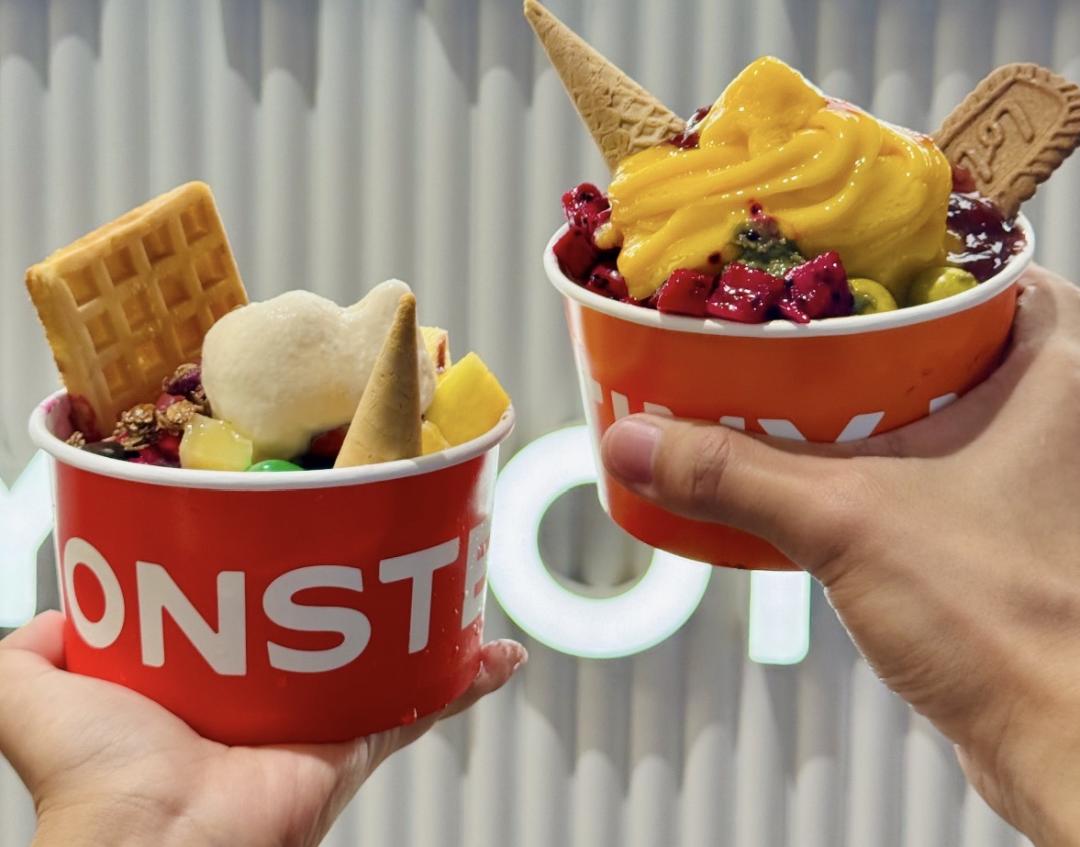
Image from Xiaohongshu blogger Zun Ge, authorized for use
A self-service dessert shop owner did the math: with a customer unit price of 39 yuan, if every customer fills the bowl to the brim with toppings, the gross profit margin will be severely squeezed. The business may seem busy on the surface, but it may not be profitable behind the scenes.
Finally, the sustainability of the experience is also a test. The biggest selling point of the DIY mode is "playfulness", but playfulness is often accompanied by easy fatigue. When the novelty window passes, brands need to constantly update toppings, launch new gameplay and create new topics, otherwise they will easily be replaced by the next new trend.
In other words, the DIY self-service mode is a sharp tool for customer acquisition, but not necessarily a good way to retain customers.
Giving decision-making power to consumers and igniting young people's consumption passion through "sense of participation" is easy, but after the boom, what brands can do to make consumers come back again and again is the real test that this mode has to face.
After all, if a business wants to develop in the long run, it cannot only rely on novel gameplay. Whether the self-selection mode can grow from a "short-lived boom" to a "sustainable profitable business" still needs time to give the answer.
This article is from WeChat Official Account "Kamen" (ID: KamenClub), written by Wu Yue, authorized for release by 36Kr.