The official preview is here, the countdown to IFA 2026: From generation to execution, how will AI reshape hardware?
On September 4, IFA 2026 will kick off at Messe Berlin. Before the official opening of the exhibition, the IFA organizers held a press conference first to warm up the event. We are now in Berlin, and we have already felt the strong atmosphere of the exhibition. The free IFA magazines in the hotel are exquisitely produced, and we can see many familiar Chinese brands such as Haier, MOVA, Moma, Botem, and Govee when opening it. IFA's official communication level is far ahead among all top exhibitions around the world.
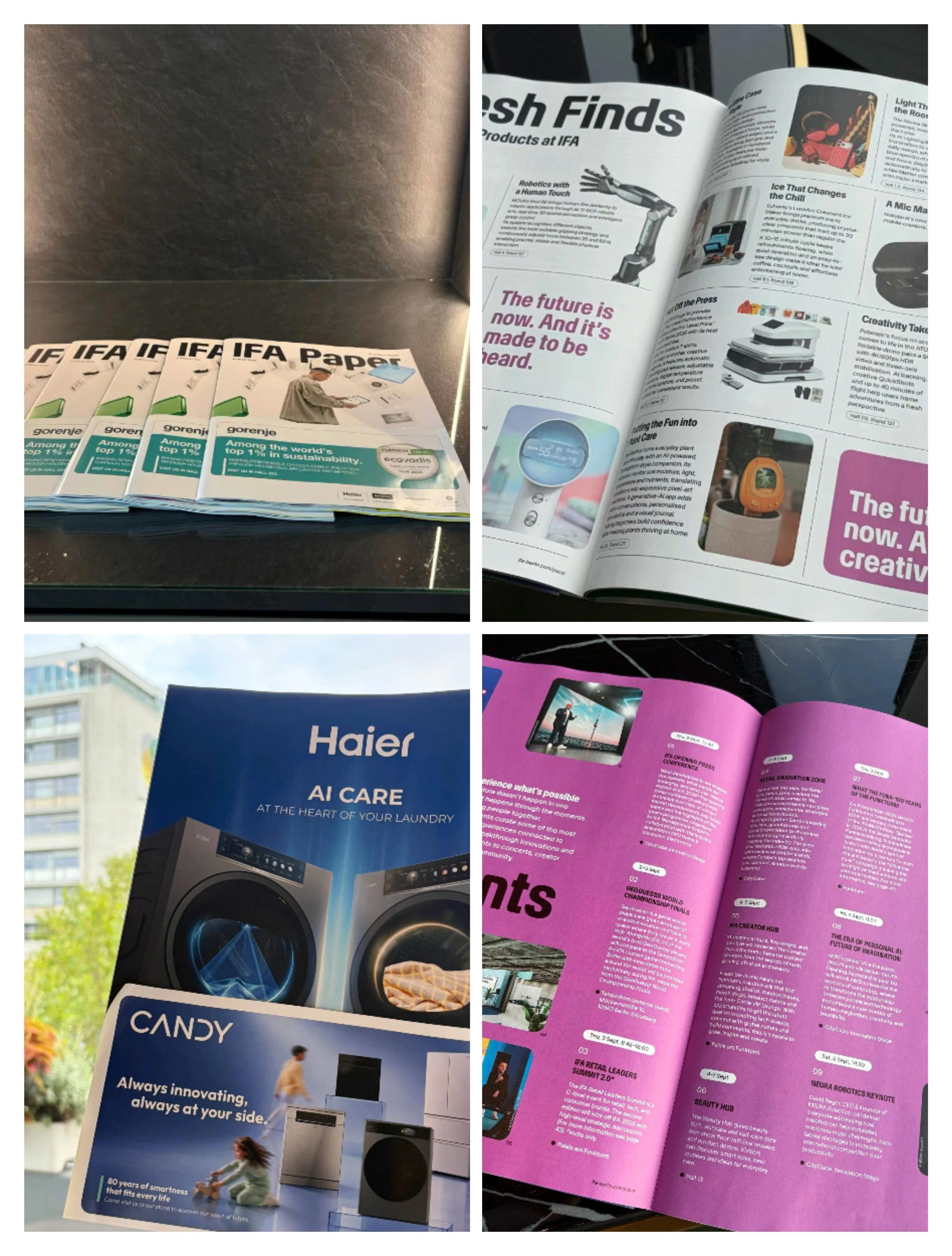
(Source: Leitech reporting team on-site footage)
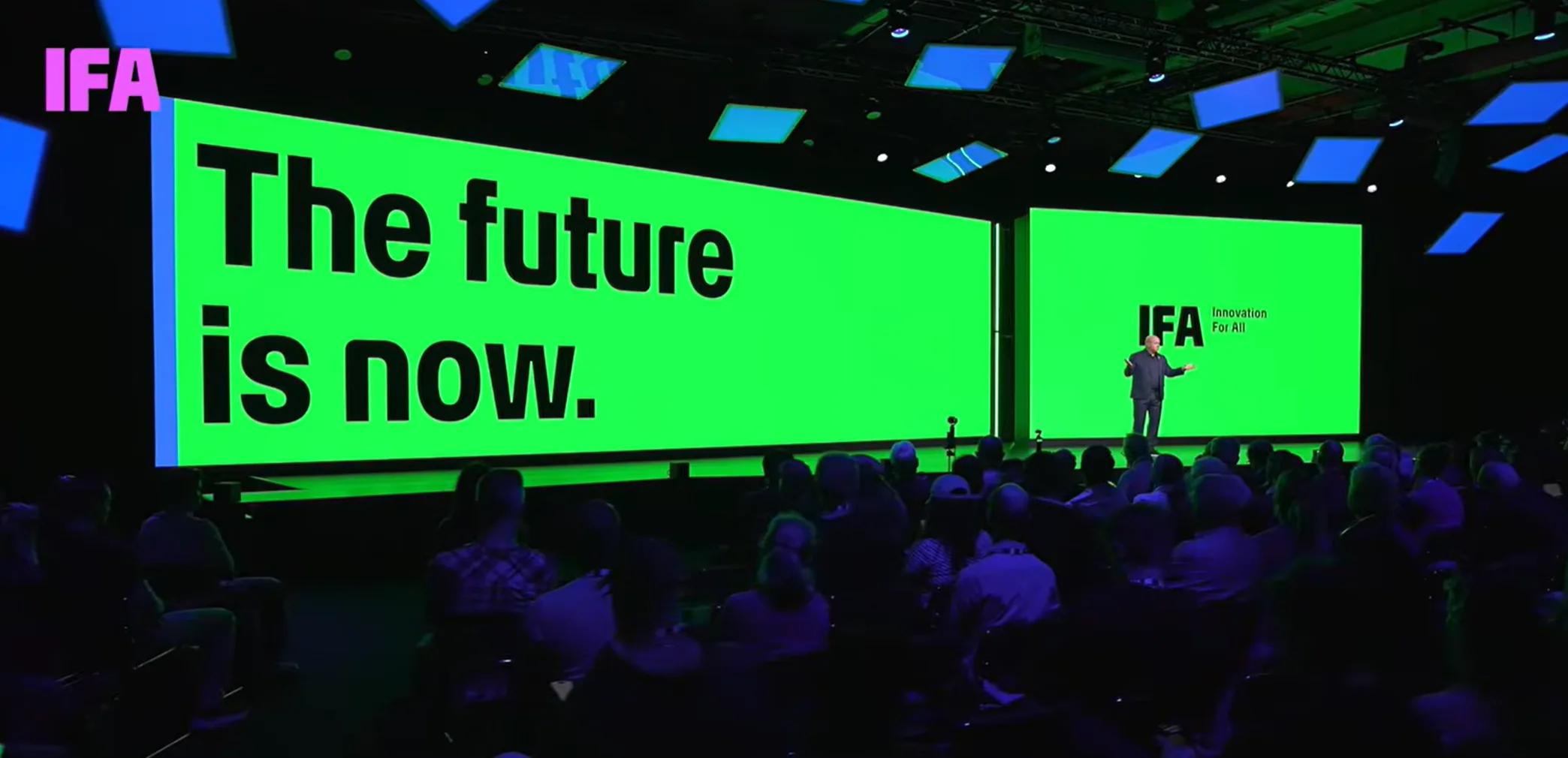
At the IFA Media Days press conference on September 2, the organizers announced the theme of this year's exhibition: The Future is Now.
This theme does not come as a surprise. Leitech (ID: leitech) previously "leaked" this official theme in its IFA 2026 Exclusive Preview, and the official announcement now confirms the news. This theme fits this year's IFA exhibition better than ever: AI is stepping out of the chat box and starting to interact with the real world.
(Source: IFA)
The scale of this year's IFA has also hit a new record, with more than 1,900 exhibitors and over 220,000 visitors from 49 countries pouring into Messe Berlin, among which Chinese exhibitors reach about 900, nearly half of the total number. It only took Chinese brands a few years to develop from "just making a presence overseas" to fully expanding into the overseas market, and this exhibition is the best proof.
As the first new media in China to self-fund teams to cover top international tech exhibitions including CES, MWC and IFA, Leitech MCN (Leitech / Luo Chao Pro / Xiao Lei Bingbing / EV Channel / Leitech AGI) has published hundreds of on-site contents at exhibitions such as CES, AWE and WAIC this year. For the upcoming IFA 2026, Leitech has dispatched its largest ever exhibition reporting team led by Editor-in-Chief Luo Chao, with the highest reporting specifications in all previous years.
At the press conference, two executives delivered key speeches respectively. Leif Lindner, CEO of IFA, shared his judgment on the current trend, believing that AI is entering the physical world and changing the economy, society and daily life. Carine Chardon, General Manager of Consumer Electronics and Household Appliances at GFU, released some market data, showing that the global tech consumer goods market has achieved counter-trend growth in the past six months.
What to focus on at this year's IFA? The organizers have already marked the key points for us, let's take a look in advance.
AI Has Entered the Real World, Interacting Both Verbally and Physically
Lindner shared a viewpoint in his opening speech: AI is no longer only learning to generate content and solve complex tasks, it is increasingly taking actions in the physical world. At the same time, smaller and more energy-efficient AI models are being directly integrated into smartphones, automobiles, home appliances and many more daily devices.
To put it more directly, AI is evolving from "generation" to "execution", and it is not limited to the cloud, but spreading rapidly to the end side, and gradually deployed on devices such as refrigerators, TVs, washing machines and automobiles. This is completely consistent with the changes we have observed in the industry: last year, manufacturers were still sparing no effort to label their products with the AI tag, while this year AI has become a standard feature of home appliances.
In fact, as early as the beginning of this year, Lindner made this trend very clear in an interview: "AI is no longer a separate sub-category or marketing gimmick in the consumer electronics industry, but is evolving into the underlying infrastructure supporting all devices and services." At this press conference, he went a step further: AI is starting to get things done.
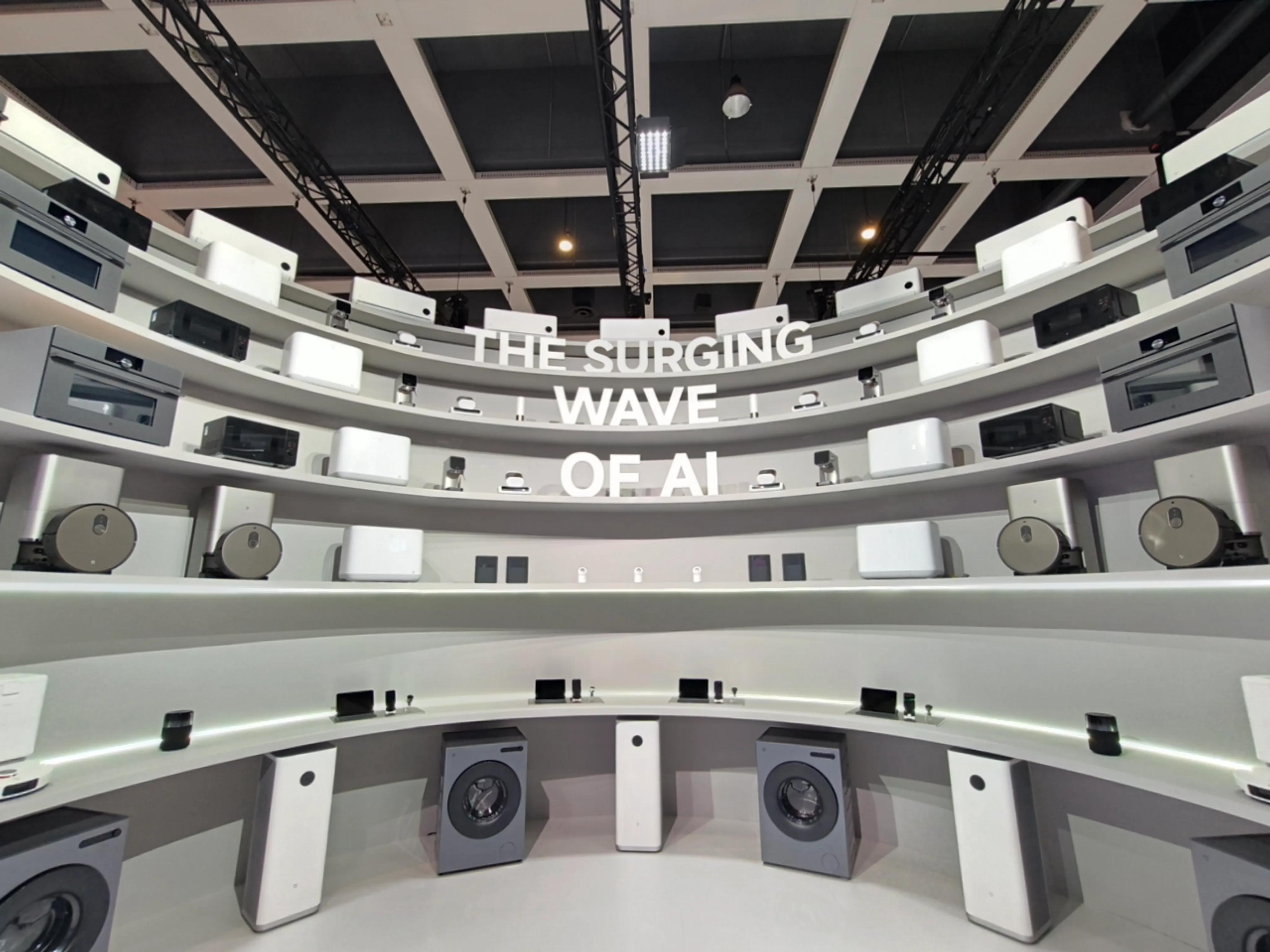
(Source: Leitech reporting team on-site footage)
Lindner believes that the speed of this round of AI transformation exceeds any previous industrial transition. The reason for this judgment, mainly lies in two aspects: first, the capability boundary of AI has extended from the digital world to the physical world, and second, the size and energy consumption of the model have been reduced to a level that can be embedded in daily products. When these two conditions are met at the same time, AI technology will have an explosive impact on the lives of ordinary people.
Shrinking models are a key step in the popularization of AI. No matter how powerful the large cloud model is, it cannot work without network, computing power and fast response. Only when the reasoning capability is embedded in local chips, can AI respond to users' needs at any time, and meanwhile user privacy is more controllable. For AI to integrate into the daily life of ordinary people, it must first become a stable and reliable capability on devices such as home appliances, so the AI products on the booths this year all emphasize end-side AI.
The scenarios described by IFA organizers can already find corresponding products at the exhibition site. Samsung will showcase its new generation of AI refrigerators equipped with Google Gemini, with food recognition range expanded from hundreds of types last year to more than 3000 types. It can not only identify what food is in the refrigerator and which ingredients are about to expire, but also actively recommend recipes. LG has integrated AI into dishwashers, which can automatically match cleaning modes according to the number of dishes and the degree of oil stain. The AI competition in home appliances has moved from "whether there is AI" to "whether the AI is easy to use".
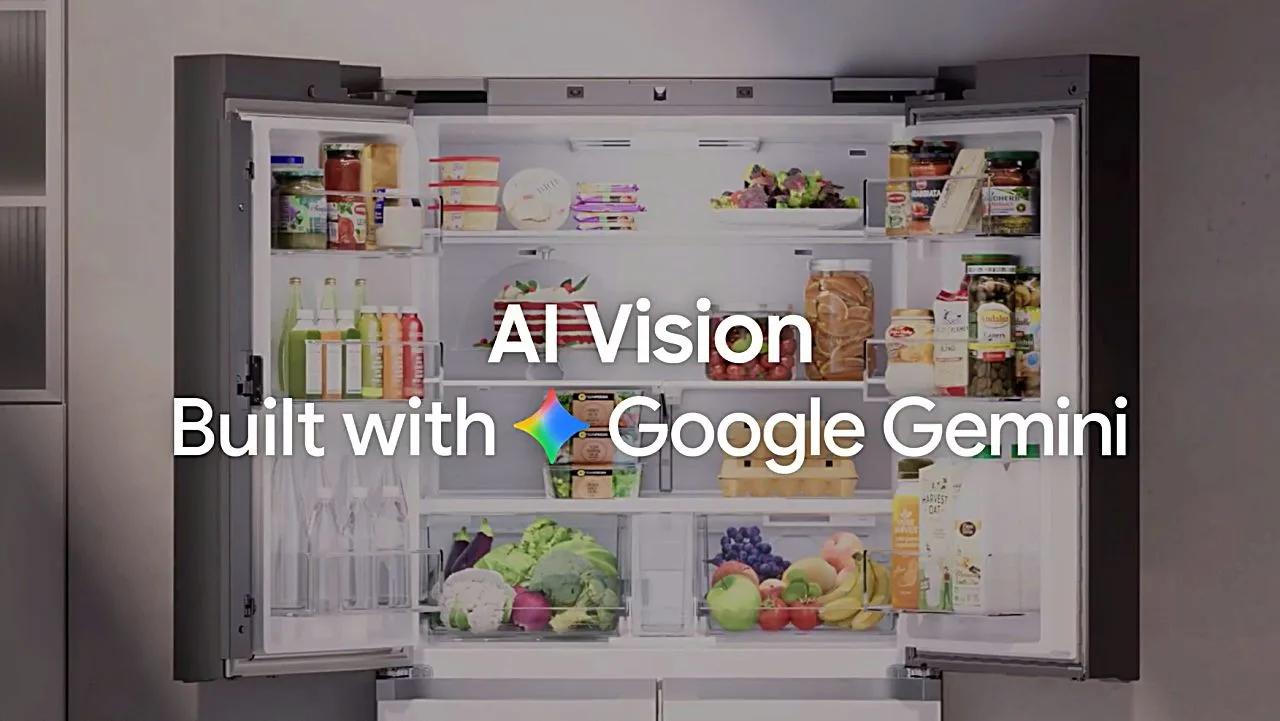
(Source: Samsung)
Leitech (ID: leitech) previously classified AI home appliances by intelligence level in its IFA Preview: home appliances that can provide active services are classified as L3, and products with embodied intelligence that can interact with other home appliances in the physical world are classified as L4. Judging this year's IFA by this standard, L3 home appliances that can actively provide services will become the absolute mainstream, and L4 products with embodied intelligence elements will also appear in large numbers. The "AI entering the physical world" mentioned by the organizers, when applied to home appliances, is actually the transition from L3 to L4.
With the agentization of home appliances, in the process of AI transformation of traditional smart home and whole-house smart systems, the demand for connection between different devices is growing rapidly, and the demand for multi-device collaboration has become more prominent. In this context, products focused on IoT connection are also worth paying attention to. At this year's IFA, Broadlink will showcase its bridge product, which connects multiple smart home hardware platforms including Apple, Google, Alexa and Samsung with a single device.
We can clearly feel this trend: AI home appliances are no longer an independent product category, but a default capability of all devices. Whoever can turn AI into a capability that solves practical problems for users will gain users who are willing to pay, and seize the opportunity in the next round of industry growth. That's why the organizers conveyed such a viewpoint at the press conference: Technology itself will not bring progress automatically. Only when it is understood, tried and shaped by people, can technology give full play to its potential.
This sentence actually explains the value of IFA. As a century-old exhibition that has been held since 1924, IFA has never been a place that likes to make empty promises. Exhibitors at IFA tend to turn technology into something visible and tangible, and the exhibits visitors see at IFA are basically available for purchase later. What the organizers want to do this year is to turn "The Future is Now" from a slogan into daily experiences that visitors can try in person in the exhibition hall.
IFA Builds a Runway for Robots, Embodied Intelligence Is a Highlight
At this year's IFA, robots will be a key product category, and visitors can experience the latest achievements of embodied intelligence technology on site.
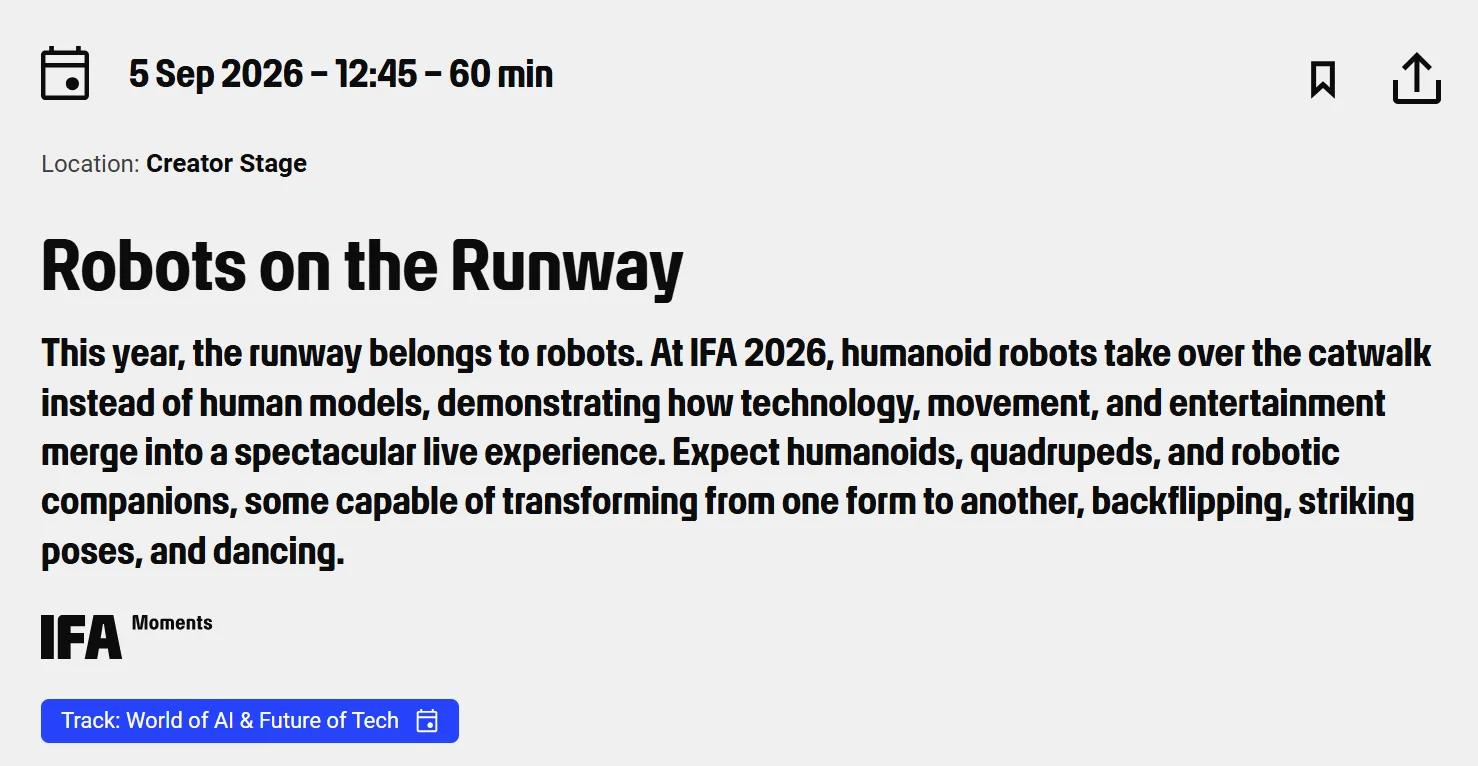
IFA organizers have prepared two very popular events, one is RoboCup, where autonomous robots will play football matches on site; the other is called Robots on the Runway, where humanoid robots and entertainment robots will directly walk onto the T-stage for a show. This robot runway show will be staged on September 5, the second day after the official opening of the exhibition.
(Source: IFA)
An exhibition that started as a radio show and has been focusing on home appliances for more than 100 years specially built a T-stage for robots, which shows that IFA has fully realized the importance of embodied intelligence technology in the industry. The importance of robots at IFA can also be seen from the exhibitor structure: the number of exhibitors in the IFA Next Innovation Zone has increased from about 260 last year to about 300 this year, and robot companies account for a considerable proportion.
Domestic leading robot companies such as Unitree, Fourier Intelligence, Deep Robotics, Q-robot and Pudu Technology have basically arrived in Berlin, and new faces such as Hangmo that produces flexible force control joints, and Digerobot that focuses on the robot "brain" will also appear in the exhibition hall.
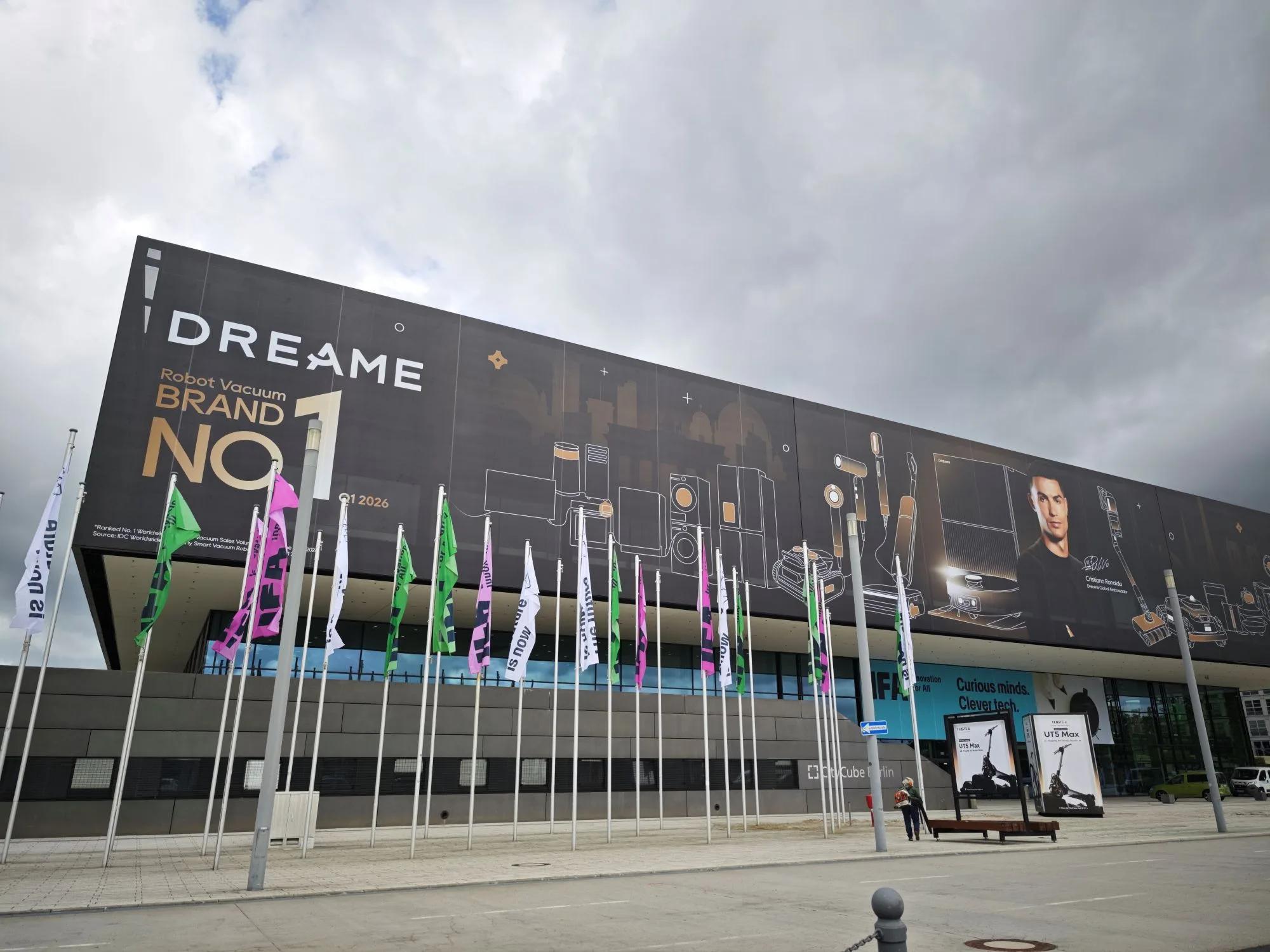
In fact, robots are not new to IFA. In the past few years, sweeping robots, lawn mowing robots and pool cleaning robots have already occupied a place in the exhibition. This year, sweeping robots are even listed in the high-growth single products highlighted by the organizers. Although the exhibition hall has not been officially opened yet, when we approached the venue, we saw a huge billboard of Dreame, a well-known home appliance robot brand, which is very eye-catching.
(Source: Leitech reporting team on-site footage)
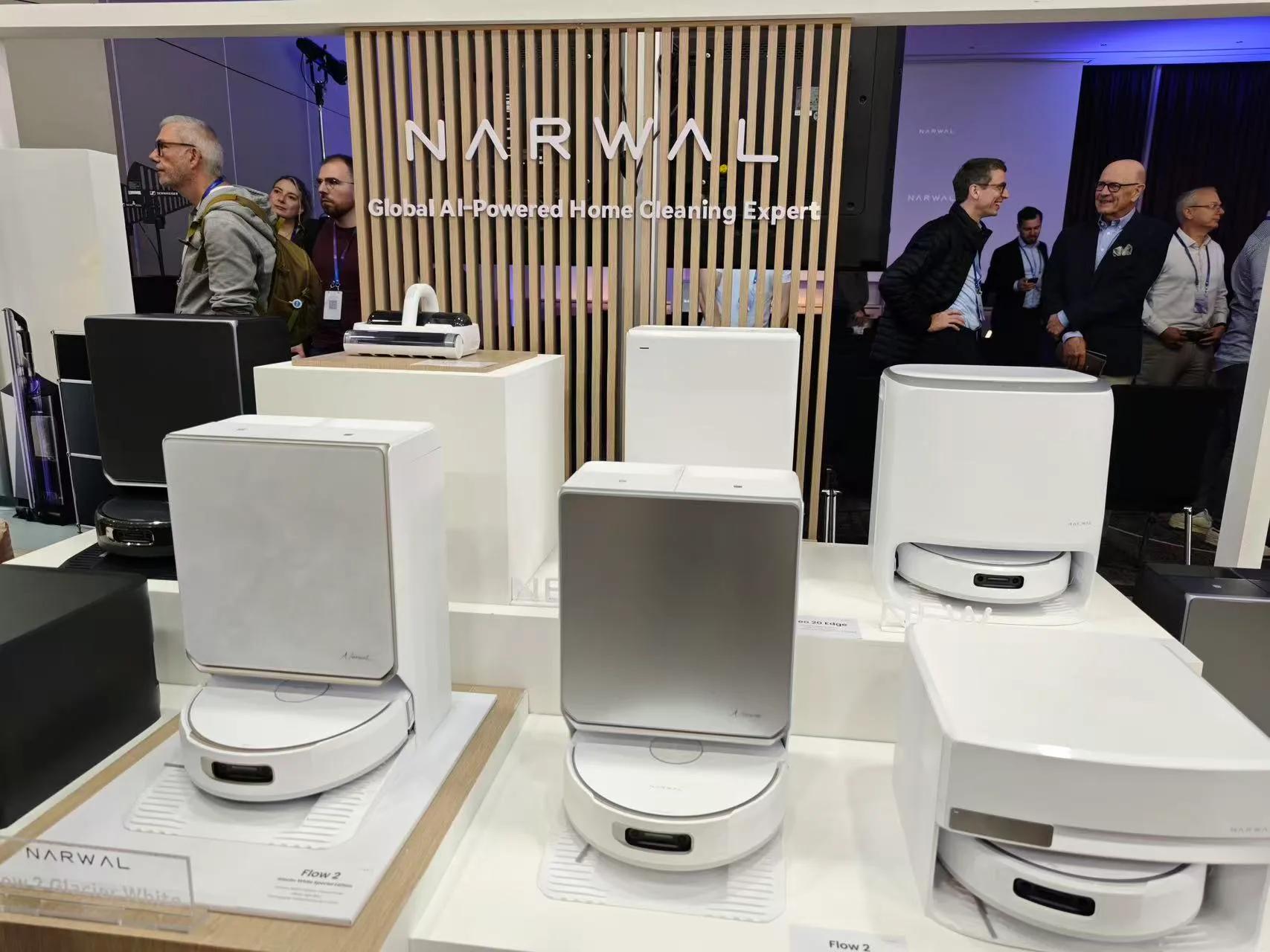
On the eve of IFA, Narwal officially released a number of new cleaning robot products including Freo 20, Freo 20 Edge, Flow 2 and V50 Cube, and demonstrated a new generation of cleaning product concept that emphasizes "scene understanding". Narwal said that cleaning robots no longer mechanically perform tasks according to the mapped map, but dynamically combine real-time environmental parameters on the basis of the map, intelligently identify different obstacles, stains and ground types, and then switch to a more appropriate cleaning mode.
(Source: Leitech reporting team on-site footage)
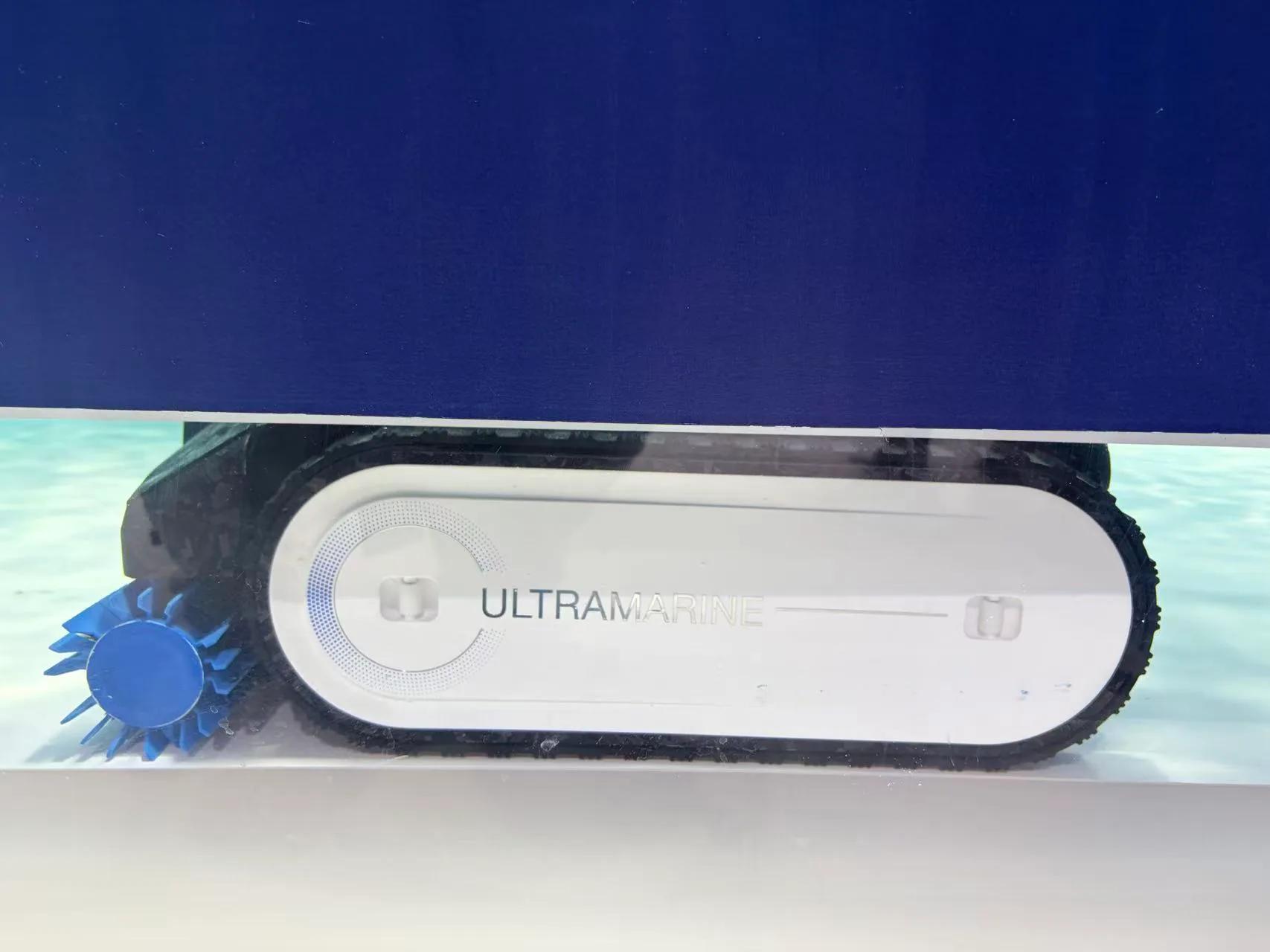
During IFA period, Roborock will focus on showcasing its brand-new steam cleaning technology. Ecovacs will bring a full range of home appliance robot products, including lawn mowers, sweeping robots, pool cleaning robots and so on. The Leitech reporting team that arrived at the site in advance found the black-tech design of Ecovacs pool cleaning robot.
(Source: Leitech reporting team on-site footage)
Specifically, considering that the device needs to work underwater, traditional connection methods such as WiFi and Bluetooth will fail, so it is equipped with a repeater placed on the water surface, which supports solar charging, ensuring that the device can work for a long time without disconnection. Moreover, this pool cleaning machine is equipped with an underwater laser obstacle avoidance solution, which solves the problem of LiDAR working underwater, allowing the device to work efficiently in the pool.
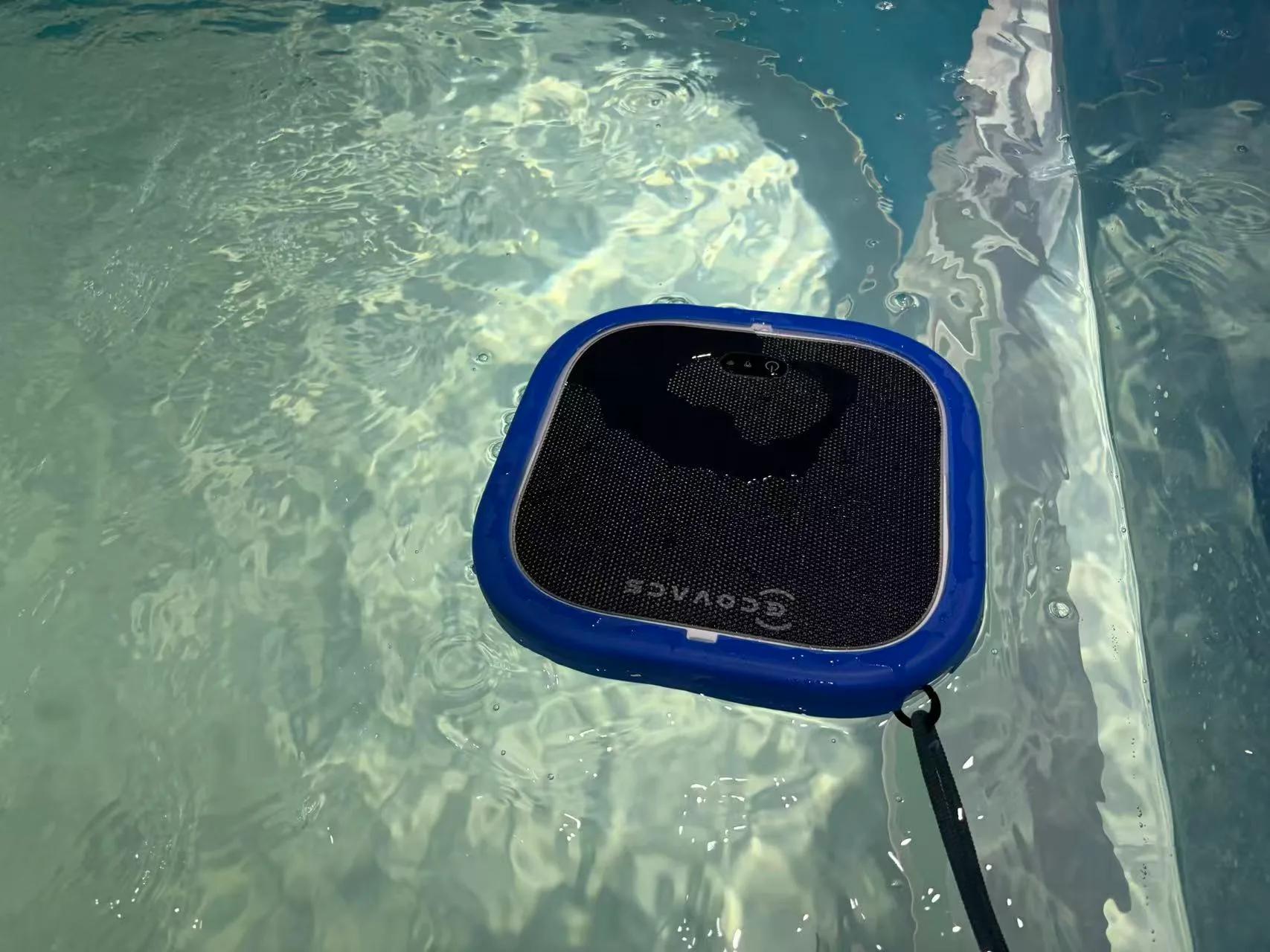
(Source: Leitech reporting team on-site footage)
In addition, robots are entering ordinary people's homes. They have evolved from tools that solve a single housework task to "quasi-family members" that can walk, see and interact. For example, at this year's IFA, in addition to showcasing AI-powered whole-house smart solutions, Haier will also bring embodied intelligence products such as humanoid robots and AI exoskeletons.

(Source: Ha