2026 Semi-Annual Reports of Game Companies: Nearly 70% of the 24 Companies Are Profitable, Who Will Take Over After the Blockbuster Hit?
At the recently concluded 2026 Gamescom, Chinese game manufacturers once again occupied important positions in the selection of international game awards.
*Tides of Annihilation*, developed by Chengdu Eclipse Edge Studio with investment from Tencent, won the "Most Epic Game" award, while *Where Winds Meet* under NetEase claimed the "Best Mobile Game" title. In addition, Chinese manufacturers took multiple seats on this year's "Best Mobile Game" nomination list, with products such as miHoYo's *Genshin Impact*, *Zenless Zone Zero*, and Hypergryph's *Arknights: Endfield* all shortlisted.
Beyond the trophies from Gamescom, the semi-annual reports of game companies this year have also presented another set of changes. According to iFinD data, the total attributable net profit of 24 A-share game concept companies in the first half of the year was about 7.886 billion yuan, among which 17 made profits and 7 suffered losses, with profits highly concentrated in the top-tier enterprises. Specifically, Tencent's online gaming revenue in Q2 reached 65.9 billion yuan, up 11% year on year; NetEase's revenue from games and related value-added services in the first half of the year hit 50.7 billion yuan, growing 8.3% year on year; Century Huatong's gaming business revenue in the first half of the year was 21.342 billion yuan, a 29.87% year-on-year increase.
Breaking down the growth figures, the sources of growth for different companies are clearly diverging. Tencent stabilizes its basic market relying on a mature product matrix while looking for new titles to take over the growth baton; NetEase continues to cultivate new content products in addition to long-lifecycle titles such as *Fantasy Westward Journey*; Century Huatong opens up new growth space through overseas markets.
The proposition that the 2026 semi-annual reports of game companies bring to the entire industry is precise: after user growth has completely slowed down, exactly what can game companies rely on to deliver the next phase of growth?
The hard-to-gamble new hit, the hard-to-find "successor"
In the past, the competition focus of game companies was once built on user scale, reaping demographic dividends, occupying absolute traffic, seizing the "first-mover advantage" and so on, all of which seemed to mean a higher probability of developing hit works. But after entering the stock competition stage, although the scale advantage is important, it cannot automatically be transformed into the next hit product.
The top-tier manufacturers in this year's semi-annual reports are typical cases of this trend.
Tencent, which recorded 65.9 billion yuan in Q2 online gaming revenue with 11% year-on-year growth, saw its domestic market gaming revenue rise 4% quarter-on-quarter to 47.3 billion yuan in terms of revenue structure. The growth mainly came from the increased revenue of *Honor of Kings*, plus the incremental contribution brought by the launch of the new game *Roco Kingdom: World*. Long-running titles such as *Honor of Kings* and *PUBG Mobile* continued to deliver stable revenue, which has been a known constant for many years.
New-generation products such as *Valorant* and *Delta Action*, as well as the re-development of old IPs like *Roco Kingdom: World* on new device forms, are undertaking new growth tasks. In particular, the launch of *Delta Action* to some extent represents Tencent's re-investment in its traditional advantageous track. Tencent already has old contributors like *CrossFire* in the shooting game track, but today's young players demand not only competitive gameplay but also high-frequency content iteration and derivative communities, putting forward more requirements for the old product forms of the new era.
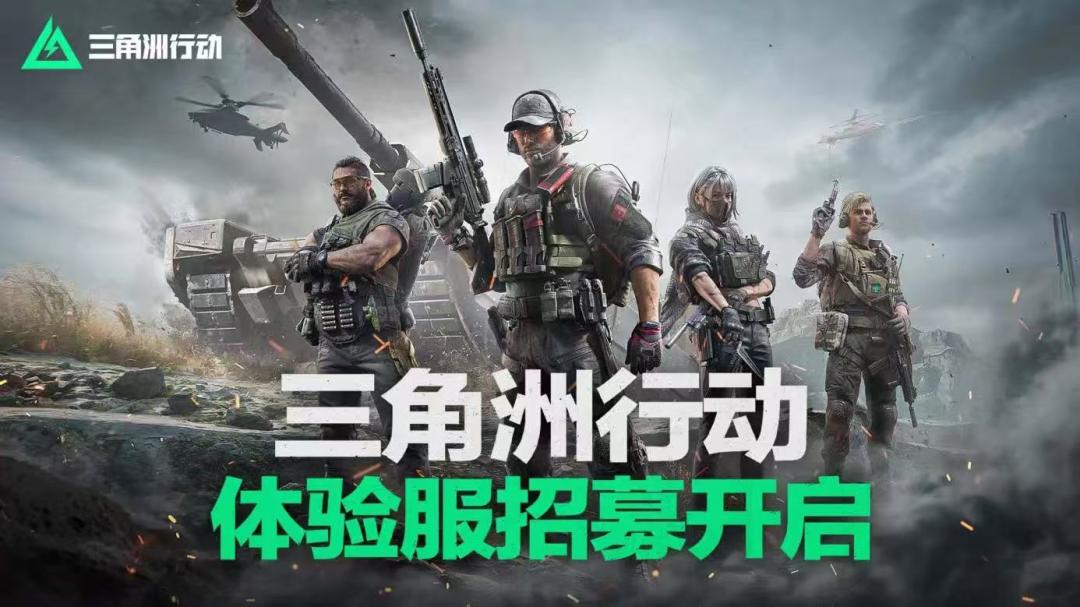
Launching new shooting products is essentially to find the next generation of user relationships beyond mature advantages. For Tencent, owning a mature product matrix is still an advantage, but under the changing industry environment, how to continuously create new long-lifecycle products has also become a new test.
In fact, this is also the problem the entire game industry is facing. In the past, large manufacturers, relying on their advantages in capital, IP and R&D resources, could often build a higher probability of success.
However, the performance of some high-investment, large IP projects in the past two years has also proved that: resource advantages can raise the entry threshold, but cannot guarantee product success. In the past two years, IP products that took years of R&D and huge investment in operation have repeatedly encountered setbacks. NetEase's highly anticipated IP *The Legend of the Condor Heroes*, which was developed for 6 years with an estimated cost of over 1 billion yuan, was officially shut down less than two years after its launch. Although in the game approval change information in August 2026, *The Legend of the Condor Heroes* has been officially renamed *The Long Journey*, its prospects remain unclear.
A similar situation also occurred with *Honor of Kings: World*. As an open-world product developed by Tencent's TiMi Studio based on a national-level IP, this project has a R&D cycle of many years and mature IP endorsement, but the market feedback after launch did not meet previous external expectations: the number of pre-registrations on channels before launch exceeded 30 million. However, after launch, its highest ranking on the iOS bestseller list was only 24th, and then it continued to decline.
These cases show that there are more variables in today's refined competition, and IP, capital and R&D cycle are no longer sufficient conditions for success. The real difficulty in the game industry today is not to have the resources to produce a large product, but how to convert investment into content that users are willing to stay with for a long time.
The problem NetEase faces is exactly the same. In Q2 2026, NetEase's revenue from games and related value-added services reached 25 billion yuan, up 9.7% year on year. Titles such as *Fantasy Westward Journey*, *Identity V* and *Eggy Party* continue to contribute revenue, while *Where Winds Meet* undertakes the task of exploring future growth directions.
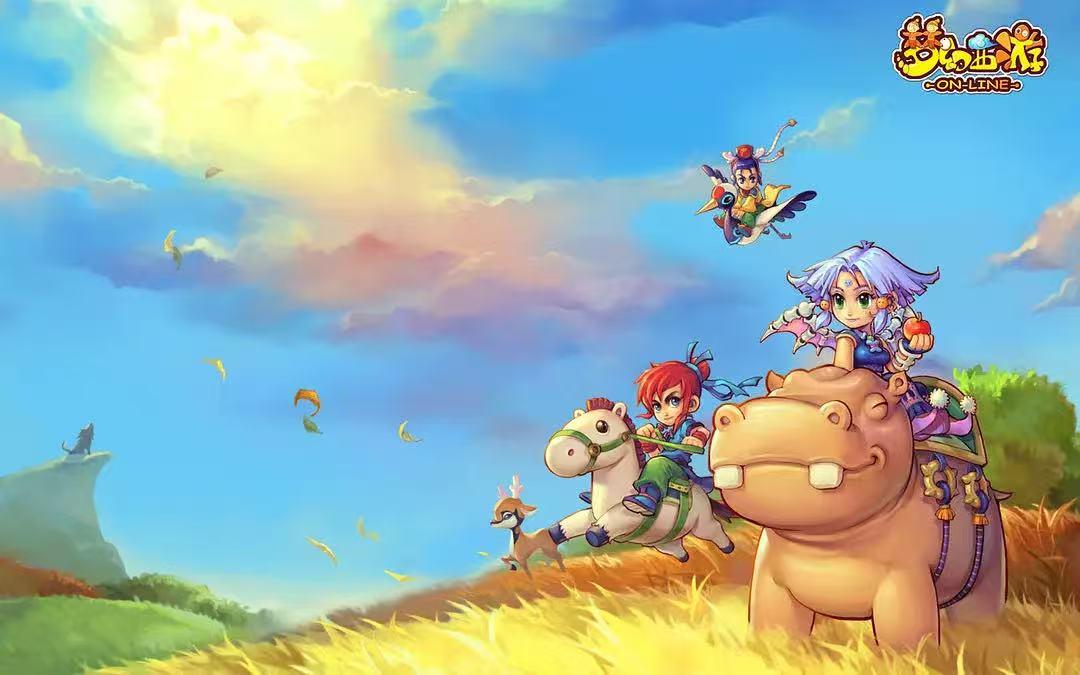
*Fantasy Westward Journey* has been in operation for more than 20 years, and has become one of the rare long-lifecycle cases in the Chinese game industry. But its success has also created a difficult problem: such products are almost impossible to replicate. Therefore, the significance of *Where Winds Meet* is not only to increase revenue, but also to verify whether NetEase can move away from the classic MMO path and build the next generation of long-lifecycle products.
At the same time, *Eggy Party* provides another answer. Compared with traditional hardcore games that rely on version updates to retain users, *Eggy Party* extends the product lifecycle through UGC and social relationships.
The future growth paths of game companies may not be the only one. Some rely on high-quality blockbuster titles, some rely on community ecosystems, and others rely on the global market. This is certainly a healthier market, but "diversification" does not mean "no threshold". On the contrary, every seemingly broad path has its own narrow gate.
Beyond large manufacturers, the "multi-way competition" for game growth
If Tencent and NetEase represent how large manufacturers use their advantages to sustain growth, the performance of mid-tier and small companies shows another way of competition. For these companies, the importance of a new product is even higher. It not only affects the annual revenue, but also determines the position of the company in the industry in the next few years.
Perfect World's semi-annual report this year is one of the typical cases. In the first half of 2026, Perfect World achieved operating revenue of 2.751 billion yuan, down 25.47% year on year, with a attributable net loss of 118 million yuan. This is mainly due to the natural decline of revenue from old products during the transition period between old and new products. But it cannot be ignored that this is the first loss-making semi-annual report the company has delivered in nearly a decade.
Among them, the promotion fee for the new title *Loop 8* in the early stage of launch was recorded into the cost at one time, while the 1.4 billion yuan in top-up revenue needs to be recognized in installments according to the player lifecycle, resulting in a time difference on the books as expenses are paid first and revenue is recognized later.
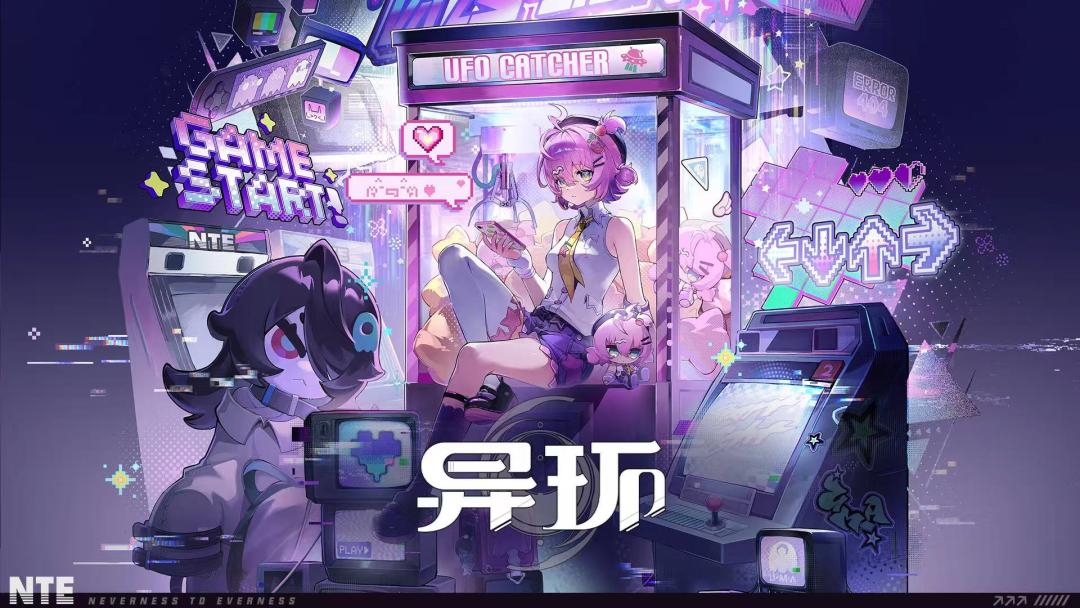
But beyond the financial figures, the more noteworthy question is whether *Loop 8* can become a new growth pillar. For game companies, short-term losses can wait for the cycle to repair, but product lifecycle cannot wait. After all, if the new product cannot form continuous user retention, no matter how high the launch popularity is, it is difficult to convert it into long-term value.
On the other side, Giant Network shows another possibility after betting on the right new product. In the first half of 2026, Giant Network achieved operating revenue of 4.689 billion yuan, up 182.08% year on year, with attributable net profit of 2.144 billion yuan, growing 175.96% year on year. The important source of performance growth is the continuous contribution of the new title *Supernatural Task Force*. Among them, mobile game revenue reached 4.368 billion yuan, accounting for 93.15% of total revenue.
This product did not choose the traditional hardcore path, but attracted users through lightweight gameplay, social attributes and multi-platform layout. It also to some extent proves that mid-tier and small companies do not necessarily need to replicate the big-budget production model of large manufacturers. Finding clear user demands can also create new growth opportunities.
The performance of Century Huatong and some small and medium-sized manufacturers in this year's semi-annual reports shows another kind of survival wisdom. In the first half of 2026, Century Huatong's operating revenue reached 22.117 billion yuan (up 28.53% year on year), among which the revenue of internet game business hit 21.342 billion yuan, a 29.87% year-on-year increase.
Relying on the long-term performance of *Whiteout Survival* in overseas markets, Century Games under Century Huatong jumped to the second place in the global mobile game publisher revenue list. Different from Tencent and NetEase which rely more on the mature domestic user market, Century Huatong's growth comes more from overseas markets.

The competition radius of domestic games is expanding, but going global does not mean low-difficulty competition. As more and more manufacturers enter overseas markets, user acquisition cost, localized operation and long-term retention capability will all become new tests. When everyone is pouring into overseas markets, user acquisition costs will inevitably rise. How many more quarters can Century Huatong's first-mover advantage in overseas markets last?
Apart from going global, another non-negligible growth point is brewing. Since the beginning of this year, more and more game companies have begun to explore the application of AI in the R&D process. From art asset generation, plot assistance to testing and operation analysis, AI is gradually entering the game production chain.
For large manufacturers, AI means more R&D efficiency improvement, helping enterprises reduce part of production costs. For small and medium-sized teams, AI provides another possibility: lowering the threshold of part of content production, allowing small teams to have the opportunity to participate in high-quality content competition. After all, AI is currently more like the infrastructure for the next stage of the game industry.
This year's semi-annual reports of game companies once again show the diversity of the industry. Relying on a mature product matrix to find the next long-lifecycle product, betting on new products to break through cyclical pressure, looking for growth opportunities through differentiated gameplay, opening up new space with the help of overseas markets... Who will take over after the hit products? This is perhaps the most difficult question for game companies to answer in the next few years.
This article is from the WeChat official account "Entertainment Unicorn" (ID: yuledujiaoshou), written by Akagi Bottle, edited by Tangchao Shanhong, and published with authorization from 36Kr.