Pianzihuang, which costs 760 yuan per pill, is no longer a hot seller, and the narrative of it being "the Moutai in the pharmaceutical industry" can no longer hold water?
A single pill was once sold for 760 yuan, with consumers having to queue up and face purchase limits, and resellers could easily mark up the price for profit.
Today, the same Pianzihuang has fallen below the official guide price on some e-commerce channels, and the recycling market has even quoted an even lower price.
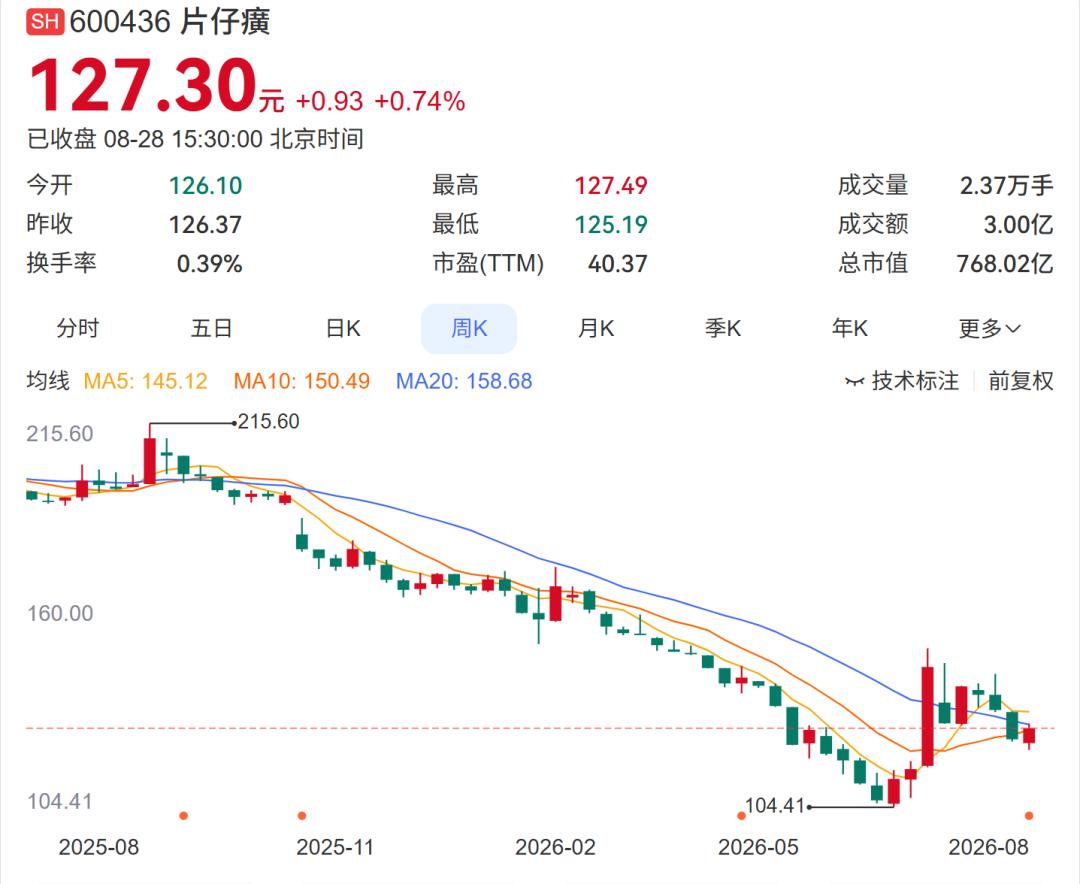
What is really worth paying attention to is not the exit of scalpers, but that the company's latest semi-annual report has reflected the changes in its financial books.
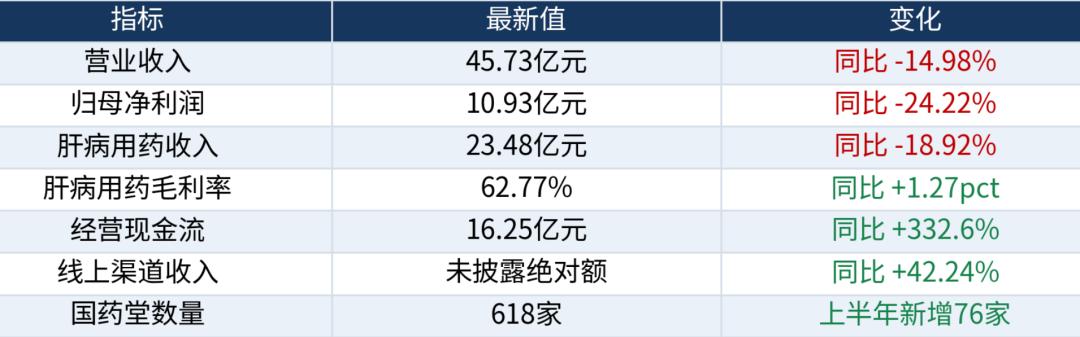
In the first half of 2026, Pianzihuang achieved operating revenue of 4.573 billion yuan, a year-on-year decrease of 14.98%; the net profit attributable to shareholders reached 1.093 billion yuan, down 24.22% year on year. The revenue from core liver disease medication was 2.348 billion yuan, representing an 18.92% decline.
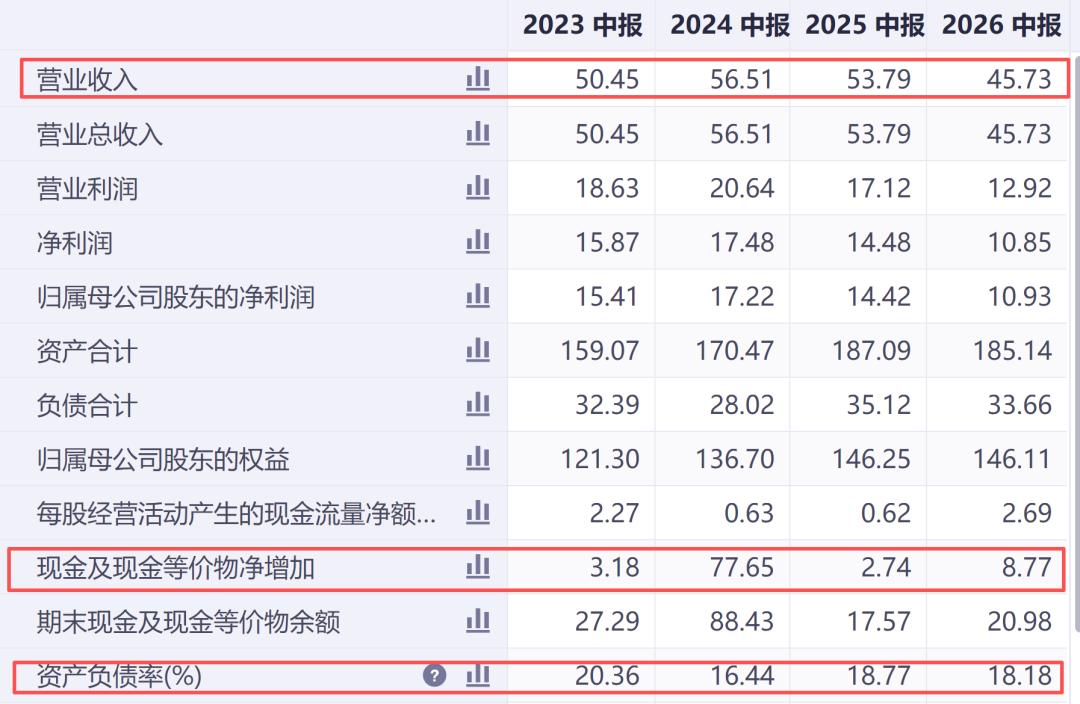
Data source: Tonghua Shun
The 760-yuan price tag remains unchanged, but sales volume and revenue are trending downward. The growth formula that Pianzihuang relied on most successfully in the past is failing.
A ten-year history of price hikes: Price has outpaced demand
Pianzihuang's price story used to be very impressive.
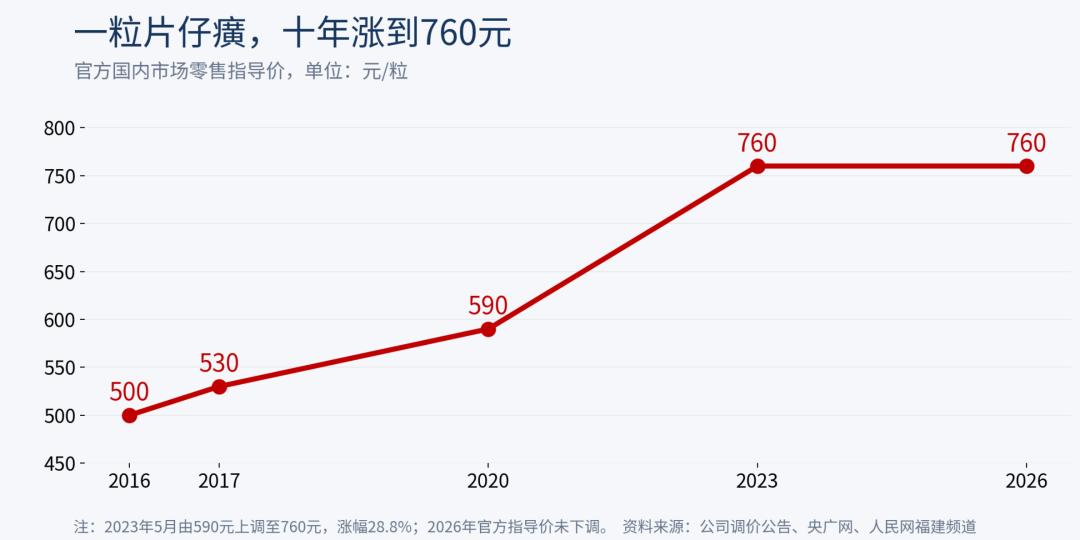
In 2016, its domestic retail price rose to 500 yuan, increased to 530 yuan in 2017, and went up to 590 yuan in 2020. In May 2023, the company raised the price by 170 yuan at one go, pushing the retail price directly to 760 yuan, representing a 28.8% increase, the largest adjustment in recent years.
The effectiveness of past price hikes did not only rely on the secret formula and brand. Raw materials such as natural musk and natural bezoar are scarce and supply is limited; meanwhile, Pianzihuang has the attributes of a medicine, a gift, and a collectible. When demand grows, the higher the price, the rarer it appears, so channels are willing to stock up, and consumers are also willing to buy in advance.
However, the sales volume data cannot be simply drawn as a continuous ten-year curve. The statistical scope and packaging units of "internal medicine", "Pianzihuang series" and "liver disease medication" in the company's annual reports over the years have changed.
The comparable statistical caliber of recent years shows that in 2024, the sales volume of liver disease medication was 4.1886 million boxes, a year-on-year decrease of 7.63%; in 2025, the sales volume rebounded to 5.2698 million boxes, but revenue fell 19.63% to 4.268 billion yuan, and the ending inventory increased by 265.53% year on year.
This set of data is more accurate than the vague statement "the product is not selling well": goods were sold out, but the product structure, channel prices and inventory efficiency have deteriorated significantly.
It is not that the medicine suddenly fails, but that the high-price logic has reached an inflection point
First, the 760-yuan price has raised the threshold of real consumption. Pianzihuang has clear medicinal attributes, and its functions and indications stated in the instruction manual are clearing heat and detoxifying, cooling blood and removing stasis, reducing swelling and relieving pain.
But for a long time in the past, the market added health care, gifting and collection premiums to it. When residents' consumption becomes more rational, the medicine ultimately has to answer two simple questions: who needs to take it, and why is it worth 760 yuan? Once the demand for gifting and stockpiling shrinks, the real medication demand can hardly fully absorb the previous high premium.
Second, price inversion has broken the scarcity expectation. The official guide price is still 760 yuan, but the actual transaction price on some online channels has fallen below this level.
Price inversion itself does not necessarily mean that the enterprise takes the initiative to cut prices, and it is more likely to come from distributors destocking, platform subsidies and channel competition. But it will change consumers' expectations. In the past, people worried that "it will be more expensive later", but now they start to wait for "it can be even cheaper". The biggest fear for high-priced consumer goods is not being expensive, but the price falling right after purchase.
Third, channels are returning the overdrawn sales volume from the past. In 2025, both the output and sales volume of liver disease medication increased, but the inventory increased even faster. Products shipped from the company's warehouse to distributors do not equal to having been consumed by end users.
When terminal sales slow down, channels will reduce purchase orders and cut inventory, which naturally puts pressure on the company's revenue. The 18.92% year-on-year decline in revenue from liver disease medication in the first half of 2026 essentially reflects the shift of channels from "snatching goods" to "selling goods".
Fourth, high-price procurement of raw materials has brought lagging impact. The price of natural bezoar once hit a historical high from 2024 to early 2025. The company carried out strategic reserves to ensure the supply of scarce raw materials, and its inventory rose from 4.967 billion yuan at the end of 2024 to 6.679 billion yuan at the end of 2025.
Even if the spot price of bezoar fell later, the high-cost inventory previously purchased will gradually be included in the production cost. In 2025, the gross profit margin of liver disease medication dropped to 61.29%, 17.5 percentage points lower than that in 2023. A large part of the space brought by price hikes has been eaten up by raw material costs and channel adjustments.
This semi-annual report does not only carry bad news
Pianzihuang's problems are clear, but the statement "it is no longer selling well" is still an emotional generalization.
In the first half of 2026, the net operating cash flow of the company reached 1.625 billion yuan, a year-on-year increase of 332.6%, far better than the level of only 77 million yuan for the whole year of 2025.
The gross profit margin of liver disease medication rebounded by 1.27 percentage points to 62.77%, indicating that the pressure from high-cost inventory has begun to ease marginally. The revenue of online channels increased by 42.24%.
The total number of national Chinese Medicine Halls has reached 618, with 76 new additions in the first half of the year. Channel governance, price control and terminal sinking have been underway, but the recovery has not been fully reflected in total revenue yet.
The company's financial strategy is also very distinct.
First, it uses strategic reserves to ensure raw material security, at the cost of funds being occupied by inventory. Second, it continues to maintain cash dividends, and plans to distribute 10.70 yuan per 10 shares in the mid-term of 2026, with an estimated total cash distribution of 646 million yuan. Third, it expands Chinese Medicine Halls, famous physician clinics and online channels, trying to turn one-off drug sales into an entry point for medical services and health consumption.
The directions of these three measures do not conflict, but they put high requirements on management capabilities. Too little raw material reserve will easily get the company stuck by cost issues; too much reserve will squeeze cash flow. Too slow channel expansion will lead to insufficient brand exposure; too fast expansion will result in poor terminal sales, and inventory will pile up again.
The traditional Chinese medicine market is sizable, but competition has shifted to new tracks
Menet estimates that the total drug sales of China's three major terminals and six major markets will reach about 1.85 trillion yuan in 2025, down about 1% year on year; the annual retail scale of physical pharmacies will be 616.5 billion yuan, also down 0.57%.
The market has entered a low-growth period. Medical insurance cost control, consumer rationalization and online price comparison make it increasingly difficult for traditional brands to rely solely on popularity and price hikes to achieve growth.
Pianzihuang does not have many direct substitutes, and the real competition comes from three types of companies.
Yunnan Baiyao has built a broader consumption scenario relying on drugs, toothpaste and health products; CR Sanjiu wins with its OTC brand matrix, merger and integration, and wide channel coverage; Dong-E-E-Jiao completed its recovery through brand rejuvenation and instant product innovation; Tongrentang owns a wider product portfolio and store network.
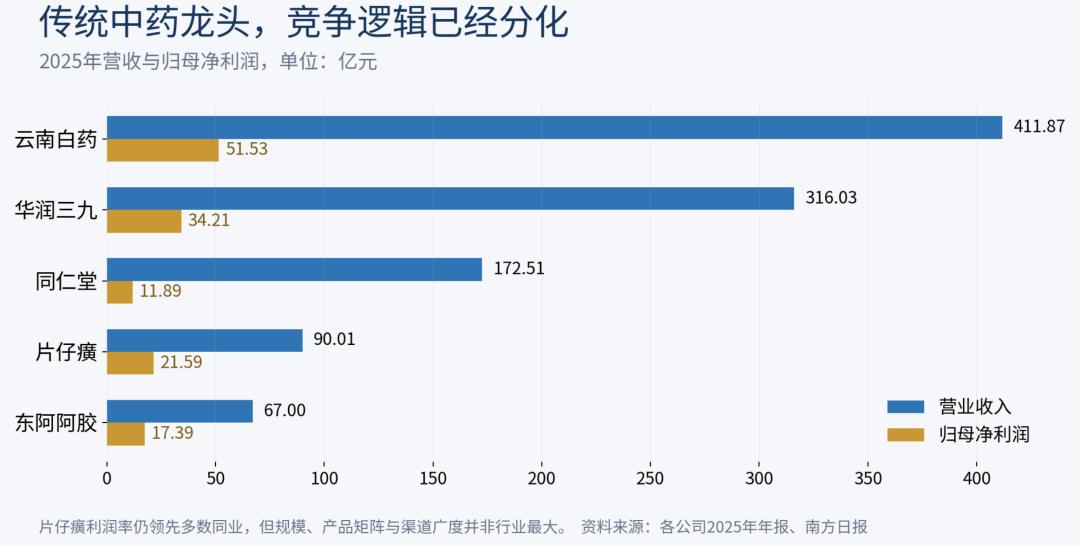
In the future, the traditional Chinese medicine industry will not only compete on "who has a more ancient secret formula", but on four capabilities: the ability to control the cost of rare raw materials, the ability to launch new products with more sufficient clinical evidence, the ability to make old brands enter the daily consumption of young people, and the ability to turn distributor shipments into real end-user sales.
Pianzihuang still has a strong moat.
The national secret formula, rare raw material license, nearly 500 years of brand heritage and high-margin core products will not disappear suddenly due to two quarters of decline.
But the moat can only protect the basic market, and cannot guarantee the growth rate.
Closing Remarks
The most successful part of Pianzihuang in the past is that it turned a scarce medicine into a high-end consumption symbol. Today, this is also the most thorny problem it faces.
When a single pill is given too many financial and gifting attributes, everyone believes it is scarce when the price rises; when the price loosens, the retreat of demand will be faster than that of ordinary medicines.
Truly healthy growth cannot rely on distributors' stockpiling, scalpers' premium and consumers' fear of price hikes for a long time.
A 760-yuan per pill price tag is not a sin. As long as the recognition of curative effect, brand trust and real demand can support it, a high price can also represent value.
The problem is that the price has already reached a very high level, so the company must launch more refined channel management, more stable cost control and clearer expression of clinical value.
What Pianzihuang needs to defend is not the 760-yuan number, but the reason why consumers are willing to pay 760 yuan for it.
This article is from the WeChat official account "Investment Banking Circle", the author is Senior Sister of Investment Banking, and 36Kr is published with authorization.