Breaking: Volkswagen intends to spin off its passenger vehicle and component businesses, and its major shareholders have already clashed over the plan.
The largest restructuring plan in history has plunged Volkswagen Group's shareholders and management into infighting. However, if the passenger vehicle and components businesses are divested, will there be Chinese buyers willing to take over?
The world's largest automaker is facing the largest restructuring plan in its history, while several of its largest shareholders have fallen into a confrontation.
Sources familiar with the matter said that under the pressure in the global market, Volkswagen Group is pushing forward the implementation of its largest-ever transformation plan, and divesting its passenger vehicle business and components business is under consideration.
But this will obviously affect employment, tax revenue and profits, so it is difficult for Volkswagen's management, labor unions, and the second-largest shareholder — the government of Lower Saxony — to reach a consensus. The Supervisory Board will hold a meeting next week on September 4 to vote on the restructuring plan.
At present, Volkswagen is facing U.S. tariffs, declining sales in China, and increasingly fierce competition from Asian rivals in the European market, and is in urgent need of reviving its profitability.
This multi-party game is of great importance. Once the passenger vehicle and components businesses are divested, the question of "who the buyer is" will cause a global sensation again. Considering the comprehensive strength and purchasing power of the automotive industry, people will inevitably turn their attention to China.
There is no doubt that Volkswagen's "largest restructuring in history" will reshape the landscape of the European and even global automotive industry.
"Divestment of Passenger Vehicle and Components Businesses"
Auto Community will take you through this turmoil of "the largest (automaker), the largest (transformation), the largest (shareholder struggle)" in a reverse chronological order.
First of all, the latest news is that Volkswagen's Supervisory Board will hold a meeting in a week to discuss its largest-ever transformation plan, which has pitted the management against labor unions and the second-largest shareholder.
In Volkswagen's power structure, the Board of Management is the decision-maker and executor of specific affairs, while the Supervisory Board is the "presbytery" representing shareholders.
Next, what is the transformation plan? Why does Auto Community define it as "the largest (automaker), the largest (transformation), the largest (shareholder struggle)"?
Although Toyota's global sales are higher than Volkswagen's (at the 10 million unit level vs. the 9 million unit level) and it has more generous profits, Volkswagen still ranks higher in terms of total number of employees (300,000 level vs. 600,000 level), number of factory bases (80 level vs. 120 level), and number of brand models.
Although BYD already has more than 900,000 employees, which is higher than Volkswagen, its global sales, revenue and base scale still cannot match Volkswagen's.
After comprehensive consideration, there are sufficient reasons to say that Volkswagen is the world's largest automaker, and probably only Toyota can raise objections to this statement.
So what is the "largest transformation/restructuring plan in history"?
On July 9 this year, Volkswagen's global official website released the "Volkswagen Group Future Plan – Next Phase of Transformation", which is essentially a trial balloon for restructuring and transformation.
But compared with this outline full of platitudes, the actual measures to be taken are far more drastic and shocking.
"There are currently three sets of transformation plans," the insider revealed.
The fact that there is more than one plan means that parties with different positions have disputes.
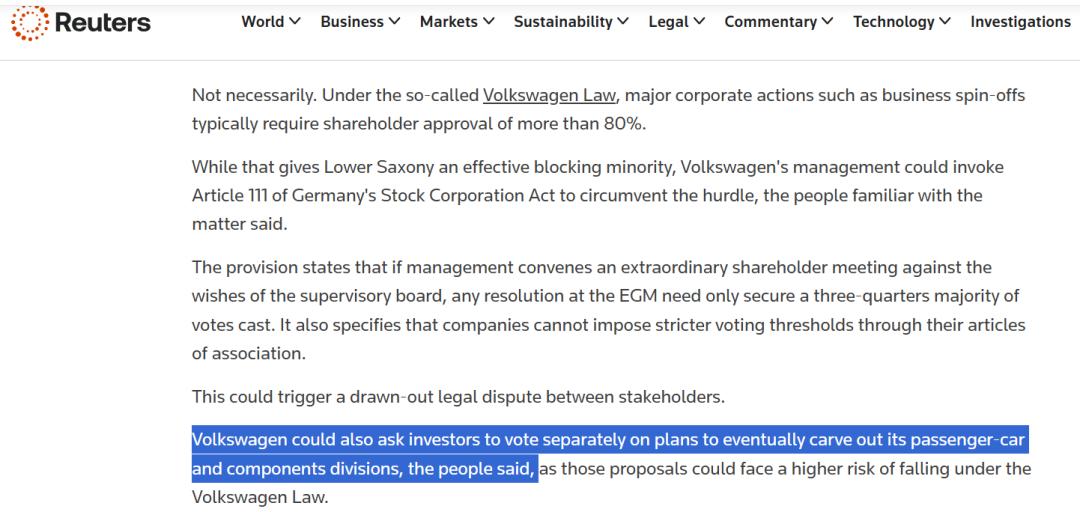
"Volkswagen may also ask investors to vote separately on the final plan to divest its passenger car and components divisions, as these proposals face a higher risk of being subject to the Volkswagen Act." This sentence from the relevant person may be the most astonishing, which means there is a plan to divest and dispose of Volkswagen's passenger vehicle business and components business.
Thus the point of controversy emerges: The management hopes to double the scale of layoffs (Volkswagen CEO Oliver Blume proposed a plan to cut another 50,000 jobs on the basis of the already approved 50,000 layoffs), may close factories, and divest some of the company's business divisions, which prompts labor representatives and the second-largest shareholder, the government of Lower Saxony, to put forward their own plans respectively, with the core of opposing layoffs and factory closures.
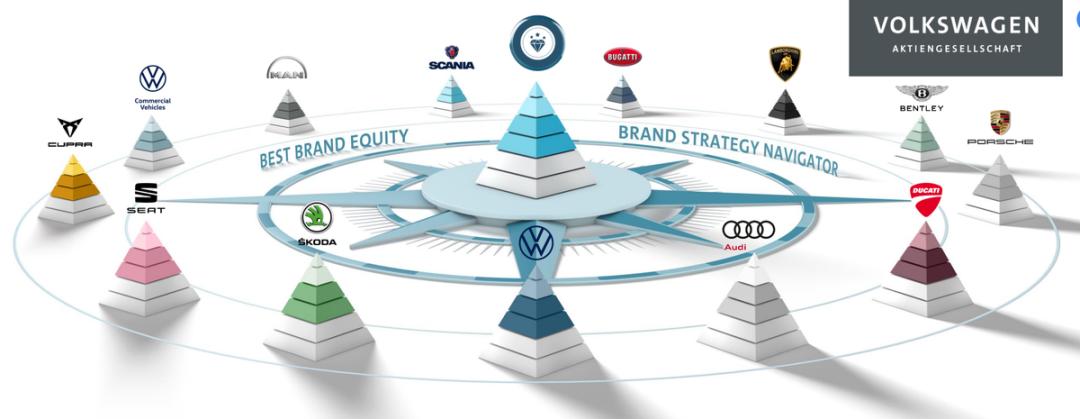
Many people in China are actually not clear about the latest business and brand structure of the Volkswagen Group.
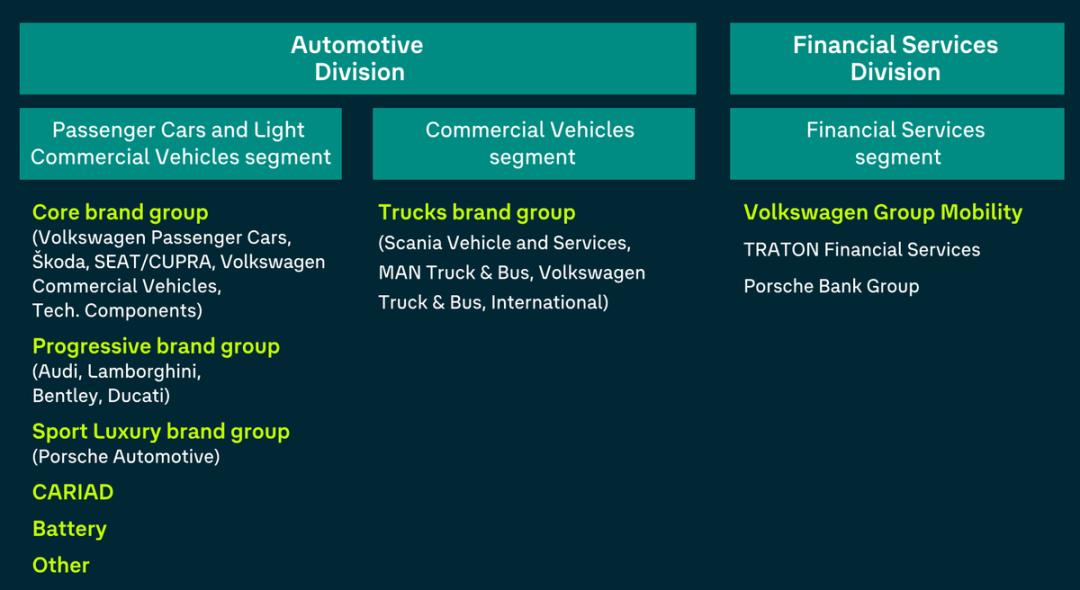
Auto Community has dug out the structure diagram from Volkswagen's 2025 annual report here:
The entire Volkswagen Group is divided into two largest sectors: the Automotive Division and the Financial Division.
The financial services business is related to mobility and financial loans; most people are more interested in the Automotive Division, which is roughly divided into the Passenger Cars and Light Commercial Vehicles segment and the Commercial Vehicles segment according to different market segments.
The former is further subdivided into three brand clusters, as well as the CARIAD software business, battery business and other businesses. The latter governs heavy commercial vehicle businesses such as Scania, MAN, and Volkswagen Trucks/Buses.
The three major brand clusters are as follows:
· Core Brand Group: Volkswagen Passenger Cars, Škoda, SEAT/CUPRA, Volkswagen Commercial Vehicles (light commercial vehicle business, while heavy commercial vehicle business falls under the truck and bus segment), Volkswagen Technology Company;
· Progressive Brand Group: Audi, Lamborghini, Bentley, Ducati;
· Sport Luxury Brand Group: Porsche.
Back in 2018, the author wrote an article titled "Volkswagen Takes a Step Forward Towards Splitting into Four Parts". At that time, Volkswagen planned to set up four holding companies, which would manage mainstream brands, luxury brands, ultra-luxury brands, and commercial vehicles respectively.
But eight years later, Bugatti has been divested, Bentley has been transferred from Porsche to Audi, and the software business, battery business and other sectors have been highlighted.
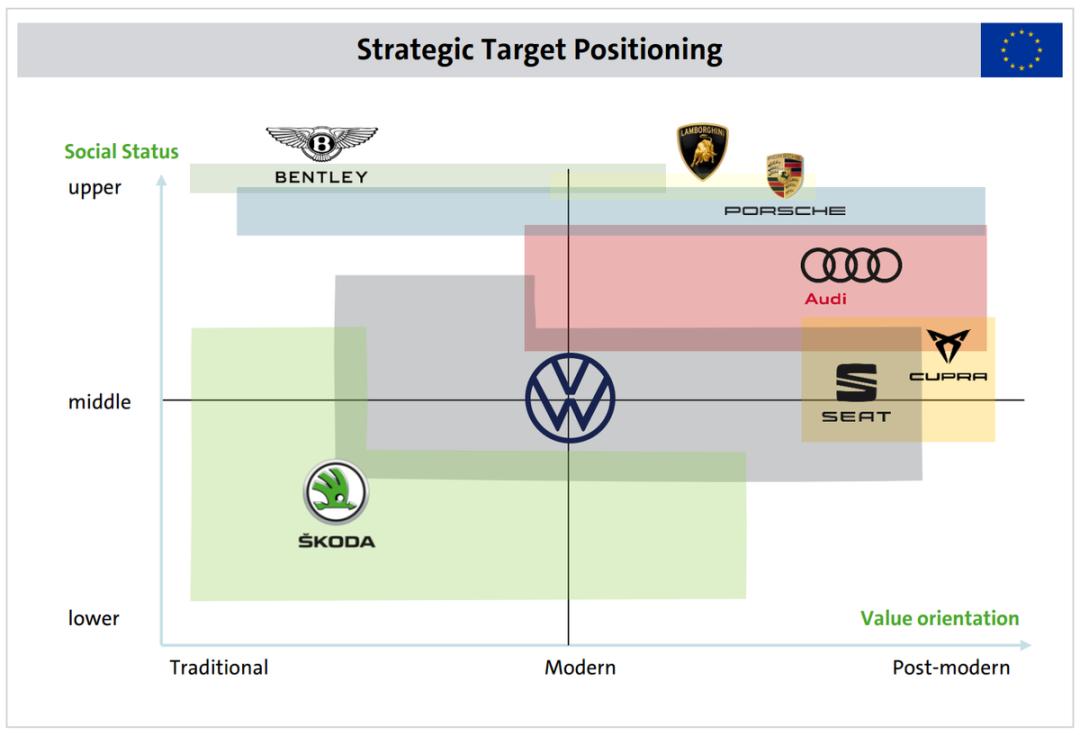
So which part does Volkswagen want to divest this time?
It is unlikely to be the entire brand cluster, because the Volkswagen passenger car brand accounts for half of the group's total sales, Audi is the locomotive of the group's technology, and Porsche is the foundation of the Porsche family, the largest shareholder. The three major brands are difficult to shake, so it is impossible to divest the entire cluster.
However, it is not impossible that Volkswagen will follow the example of selling Bugatti, sell the Spanish brand SEAT to local investors, or even to Chinese automotive enterprises that are making aggressive inroads into Spain, or look for buyers for luxury brands like Ducati, recreating the scene of "Geely acquiring Volvo from Ford".
But so far, Volkswagen's senior management and shareholders are all in the middle of a game and struggle.
Infighting Before Facing External Challenges
For Volkswagen, such a major initiative is difficult to implement smoothly under the complex interest structure.
Auto Community will show you the equity structure of Volkswagen:
· Porsche SE, the investment vehicle of the Porsche and Piëch families, is the largest shareholder, holding 53.3% of the shares;
· The government of Lower Saxony holds 20% of the voting rights;
· Qatari investors hold 17% of the shares;
· Other shareholders hold 9.7% of the shares.
It is this voting right/equity structure that has brought huge variables to the restructuring plan, so when the outside world is completely unaware, Volkswagen's internal parties have already been locked in a fierce fight.
You will find that the repeated tug-of-war between "passable" and "impassable" can be so deadlocked.
The first situation: the pro-restructuring camp has an overwhelming advantage in equity structure.
In fact, the biggest force opposing the restructuring comes from the second-largest shareholder, the government of Lower Saxony. Whether it is the aforementioned doubling of layoffs, selling off business divisions, or cutting jobs, the local government stands firmly on the opposition side.
However, workers have no say at the general meeting of shareholders, and Lower Saxony only holds 20% of the voting rights. The remaining 80% is held by Porsche SE (for the Porsche and Piëch families), Qatar (17%) and other shareholders (9.7%).
This means that Volkswagen is likely to secure close to a 75% majority vote — the threshold usually required for major structural decisions of German listed companies — which may break the persistent deadlock in the Supervisory Board.
The second situation: the objective one-vote veto power.
Although it only has 20% of the voting rights, Lower Saxony does have an objective one-vote veto power over Volkswagen's restructuring plan.
This involves a special "Volkswagen Act": major decisions such as factory closures in Volkswagen's Supervisory Board require more than 80% of the majority votes to pass, and Lower Saxony holds exactly 20.2% of the voting rights, which means that as long as it votes against, any factory closure plan cannot be passed.
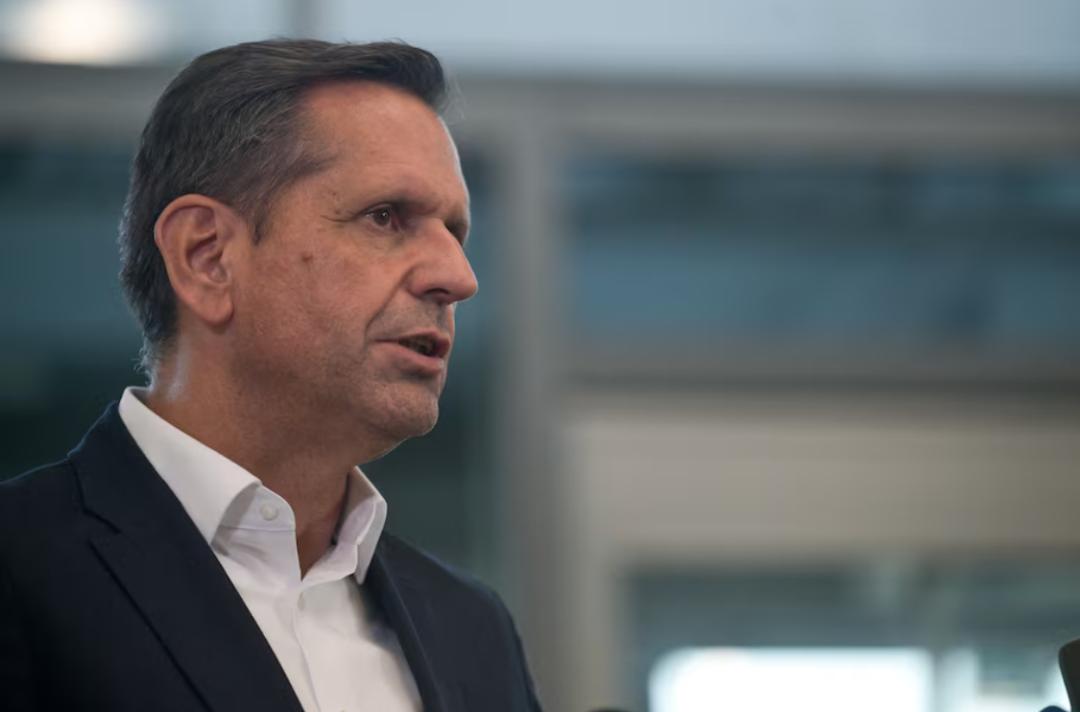
Photo ©: Stephan Weil, Minister-President of Lower Saxony, opposes Volkswagen's restructuring and layoffs
Minister-President Stephan Weil himself is a member of Volkswagen's Supervisory Board, with a clear attitude: oppose the closure of factories in the state and protect the "land of automobiles".
In addition, the distribution of seats on the Supervisory Board also means that Lower Saxony has huge influence, especially after it is tied with the labor union.
This one-vote veto power also has a long historical origin. In 2013, the Court of Justice of the European Union specifically ruled to reject the European Commission's request to abolish the Volkswagen Act, and approved Lower Saxony to continue to retain its veto power over Volkswagen's important decisions. Therefore, this mechanism is protected by law.
In the 20-seat Supervisory Board (one seat is currently vacant), Lower Saxony and the labor union committee occupy a majority of 12 seats, which can veto any restructuring plan. If they fail to act in the interests of the company, the members of the Supervisory Board will bear personal responsibilities.
If the plan containing 40 key points is vetoed again (just like the last Supervisory Board meeting in July), sources familiar with the matter revealed that the management can convene an extraordinary general meeting of shareholders as early as October to submit the transformation strategy directly to investors. This move will be extremely rare in Germany's consensus-oriented corporate culture.
Therefore, we can see that the power balance of Volkswagen's Supervisory Board is different from its shareholder structure, forming a unique governance system. This system has dragged down the decision-making speed of this giant in times of crisis.
Is there a third reversal situation? Yes.
Volkswagen's management can invoke Article 111 of the German Stock Corporation Act to bypass this obstacle.
This clause stipulates that if the management convenes an extraordinary general meeting of shareholders against the will of the Supervisory Board, any resolution at the meeting only needs to obtain a three-quarters majority of the votes cast to pass. The clause also makes it clear that the company cannot set stricter voting thresholds through the articles of association.
This may trigger protracted legal disputes among stakeholders.
It should be noted that the above "war of attrition" is currently only focused on "whether to double the number of layoffs". The insider also said that Volkswagen may also ask investors to vote separately on the final plan to divest its passenger car and components divisions, as these proposals face a higher risk of being subject to the Volkswagen Act.
For the Chinese public, the more pressure Volkswagen faces globally and the more assets it wants to sell off, the more we can expect this giant to rely more on its Chinese business, and even Chinese capital can become the "white knight" that takes over Volkswagen's passenger vehicle and components businesses.
This article is from the WeChat official account "Auto Community" (ID: iAUTO2010), written by Shi Jie, and published with authorization from 36Kr.