This new rule introduced by Xiaomi completely cancels the warranty service for second-hand mobile phones.
For those of you who have been planning to hunt for a second-hand Xiaomi phone at a bargain recently, Tony strongly suggests you hold off for a while.
It's not that the price of second-hand Xiaomi phones has risen recently, nor is there any major defect in a certain model. Instead, Xiaomi has recently revised its after-sales rules, which has a very close bearing on people who prefer to buy second-hand phones in daily life.
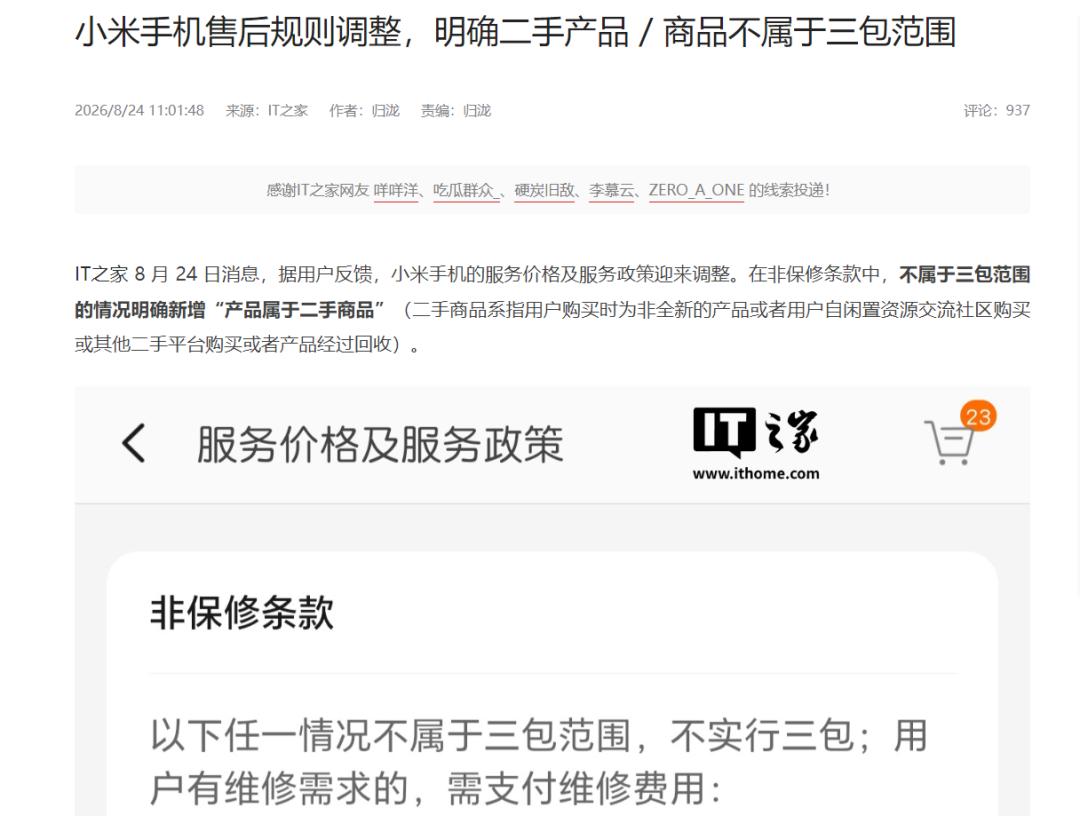
The cause is that some sharp-eyed users found that Xiaomi adjusted its own "Service Price and Service Policy": in the column of "Items Not Covered by the Three Guarantees" under the "Non-Warranty Clauses", a new clause has been clearly added — the product is a second-hand commodity.
According to the literal meaning of this clause, a Xiaomi phone recognized as a second-hand commodity may be classified as out-of-warranty when you go through the official warranty process later. Even if the device itself has not exceeded the original warranty period, you may need to pay for the repair yourself.
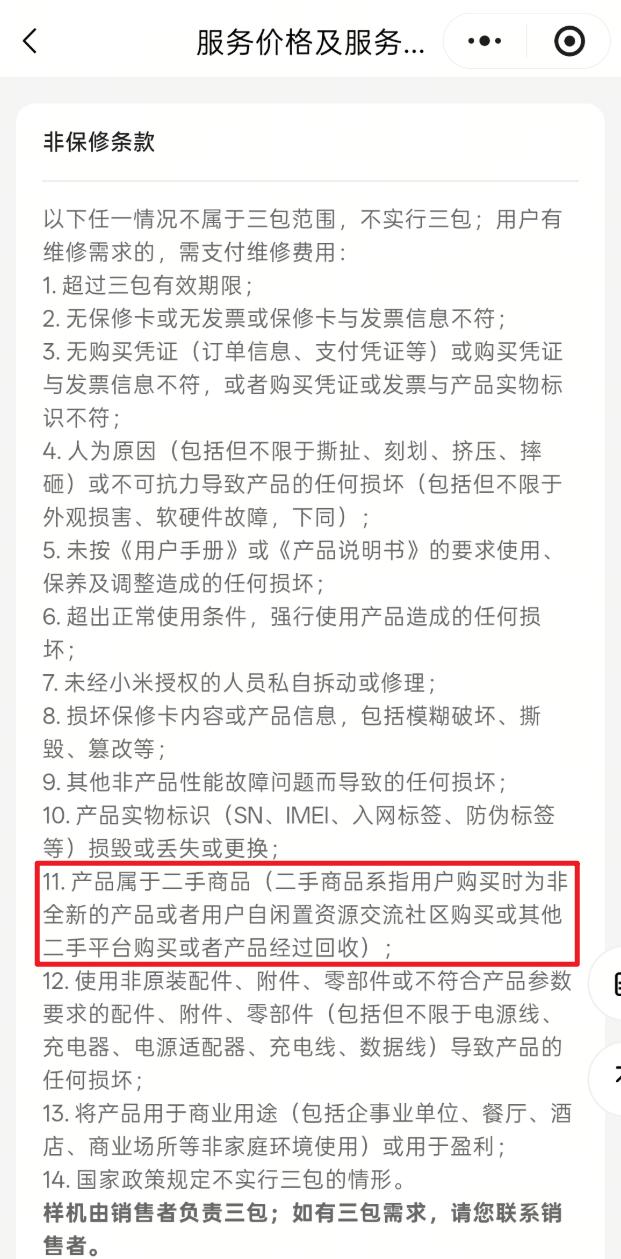
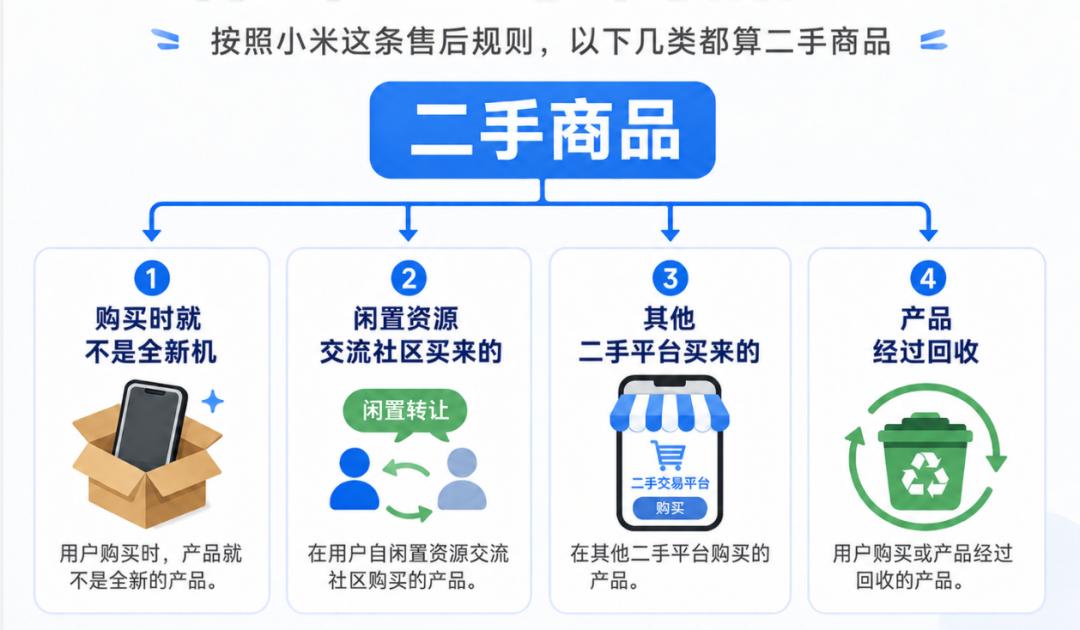
What is a "second-hand commodity"?
Xiaomi's official definition is also clearly stated: products that are not brand new when purchased, products bought from idle resource exchange communities or other second-hand platforms, and products that have been recycled all fall into this scope.
That's not all.
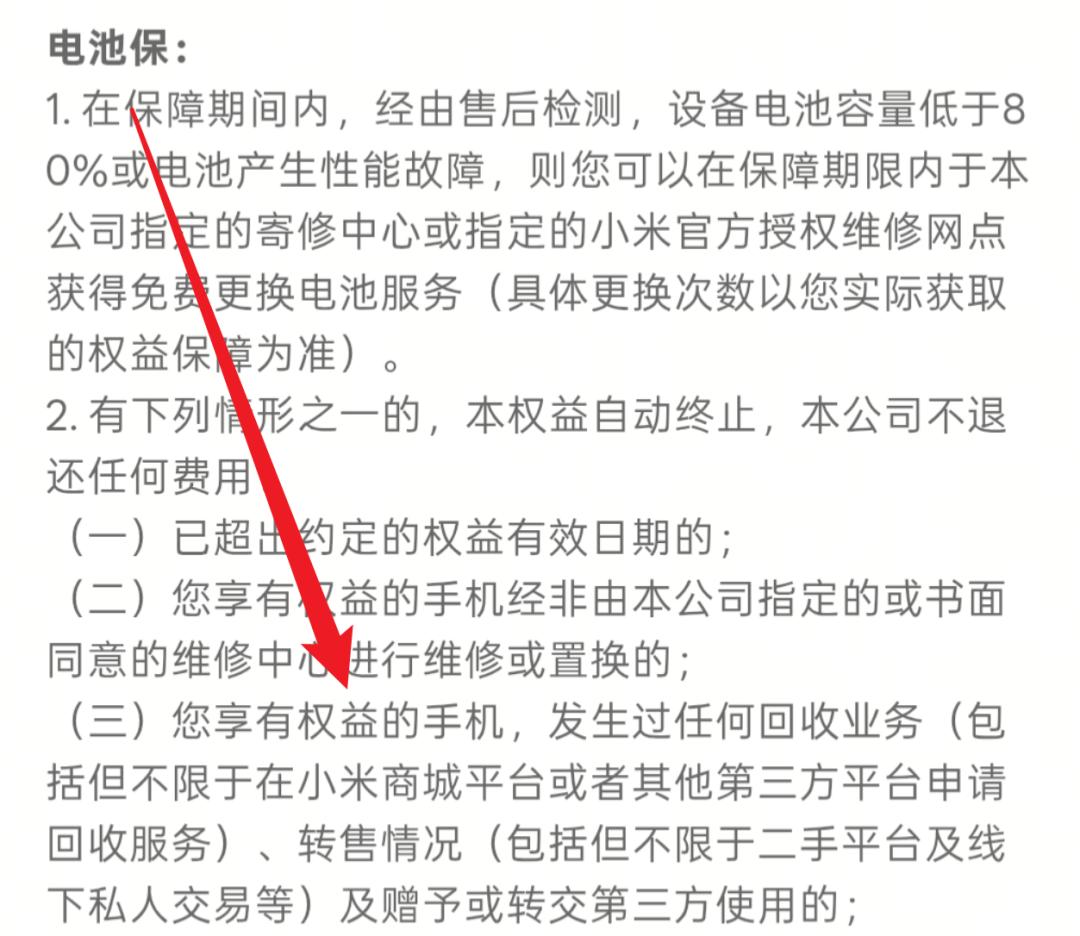
Xiaomi also added a similar clause in value-added services such as "Replace Only No Repair" and "Battery Warranty": as long as the mobile phone has been recycled or resold through official or unofficial platforms, even if it is given to others or transferred to a third party for use, the corresponding rights and interests will be invalidated.
Seeing this, some veteran players may think that this doesn't seem to be anything new.
After all, in the past, when taking a second-hand Xiaomi phone to the official after-sales service, you couldn't always get the warranty smoothly. Many service outlets have long started to check the purchase invoice and verify the buyer's information. If the invoice header does not match, there is still a chance that you will be required to provide supplementary materials or be denied warranty service.
Relevant cases of Xiaomi refusing warranty for second-hand phones on Black Cat Complaint:
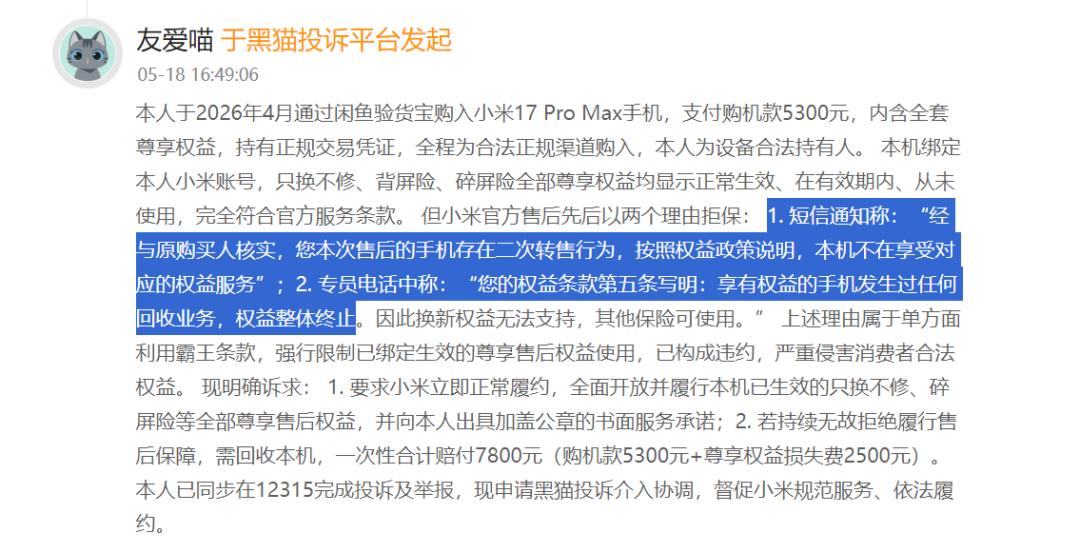
But Tony has to say that this time it is really different.
In the past, this kind of situation mostly depended on the implementation of specific outlets. If you were lucky enough to encounter an outlet that only checks the IMEI, as long as the device is under warranty and has no man-made damage, it might be repaired directly — to put it bluntly, there is still a certain element of luck in it.
Now this sentence has been directly written into the official service policy. In the future, when you go to the after-sales service, the staff don't even need to argue with you. They can dismiss you by pointing to the official clause that "second-hand commodities are not covered by the Three Guarantees", leaving no room for negotiation at all.
Xiaomi Mall human customer service's reply about the warranty:
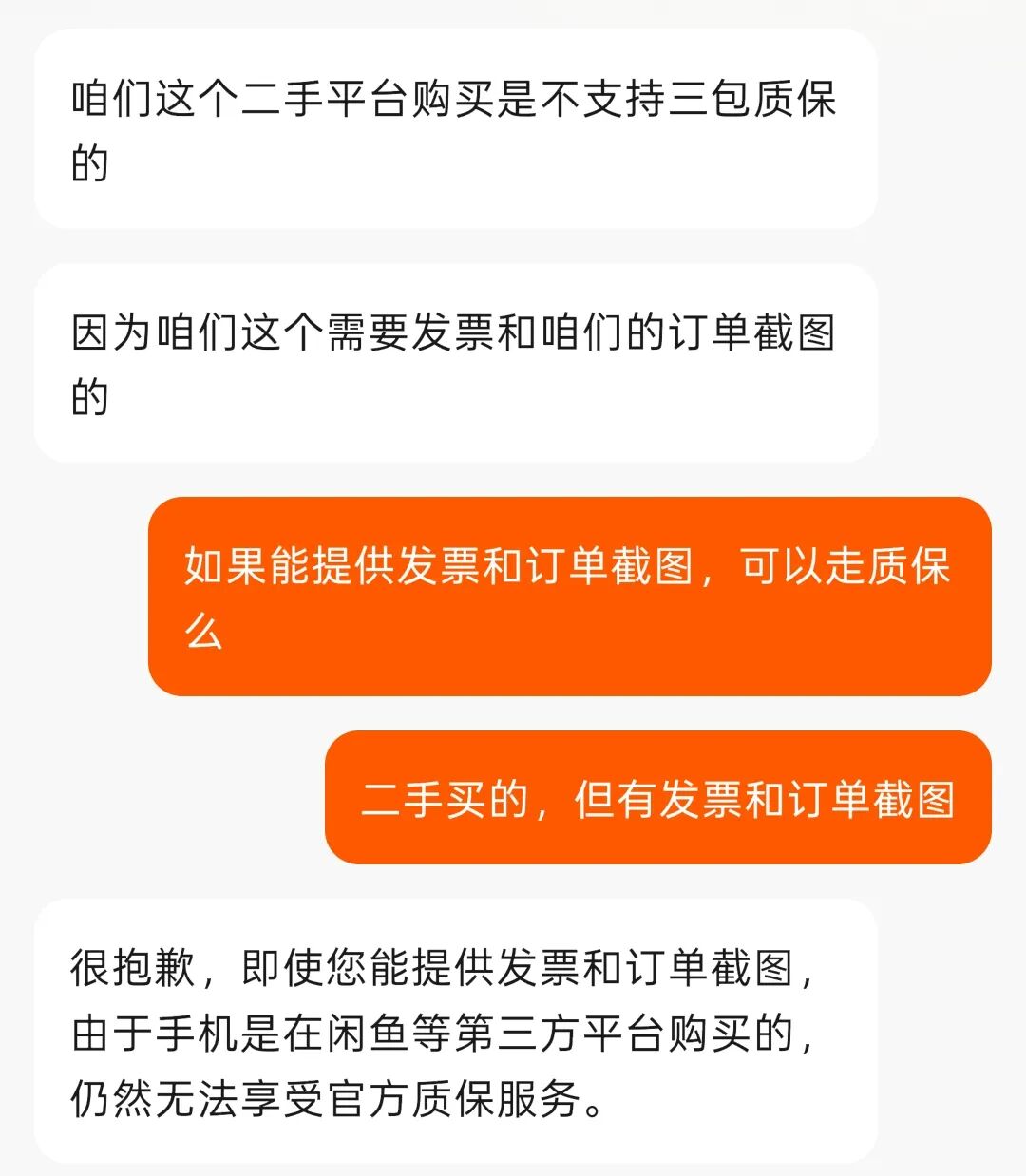
As this issue has been spreading, the most concentrated question discussed by everyone is naturally: isn't it illegal for Xiaomi to do this — well, strictly speaking from the legal provisions, you really can't find anything wrong with Xiaomi's practice.
The core basis of the mobile phone "Three Guarantees" we often talk about is the "Provisions on the Liability for Repair, Replacement and Return of Mobile Phone Products", which clearly states that the first person responsible for undertaking the Three Guarantees obligation is the seller — that is, the one who sold the product to you is the one you should turn to for the Three Guarantees service.
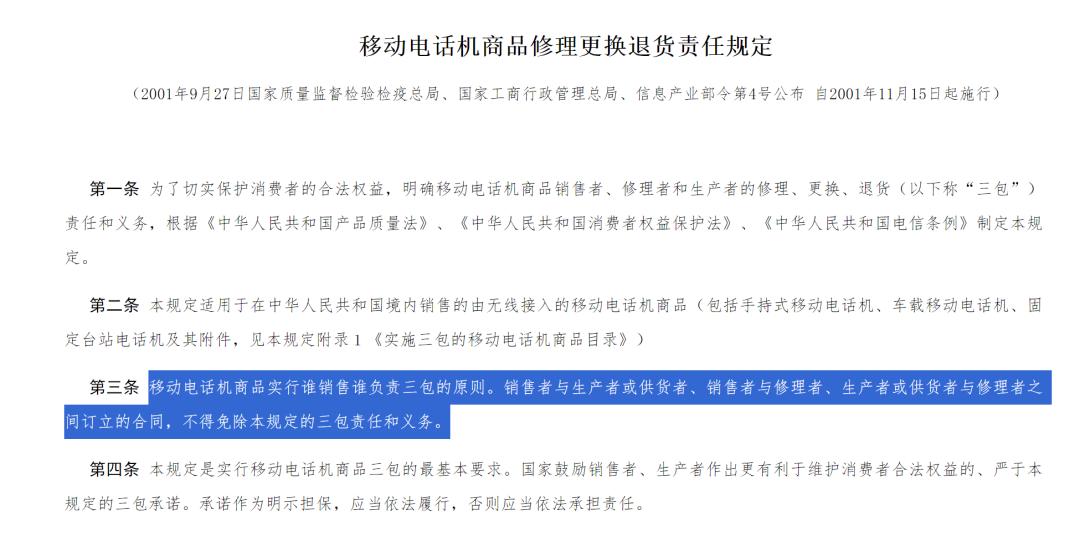
When you buy a brand-new phone from Xiaomi Mall or Xiaomi Home, the seller is Xiaomi, so Xiaomi has to take full responsibility for the Three Guarantees for you. But the problem is that when you buy a second-hand phone from a personal seller on Xianyu, the seller of this transaction is an individual, not Xiaomi.
Although Article 13 of the "Measures for the Administration of the Circulation of Used Electrical and Electronic Products" officially implemented by the Ministry of Commerce in 2013 clearly states: if the used electrical and electronic products are still within the validity period of the Three Guarantees, the operator shall perform the Three Guarantees responsibility in accordance with the law.
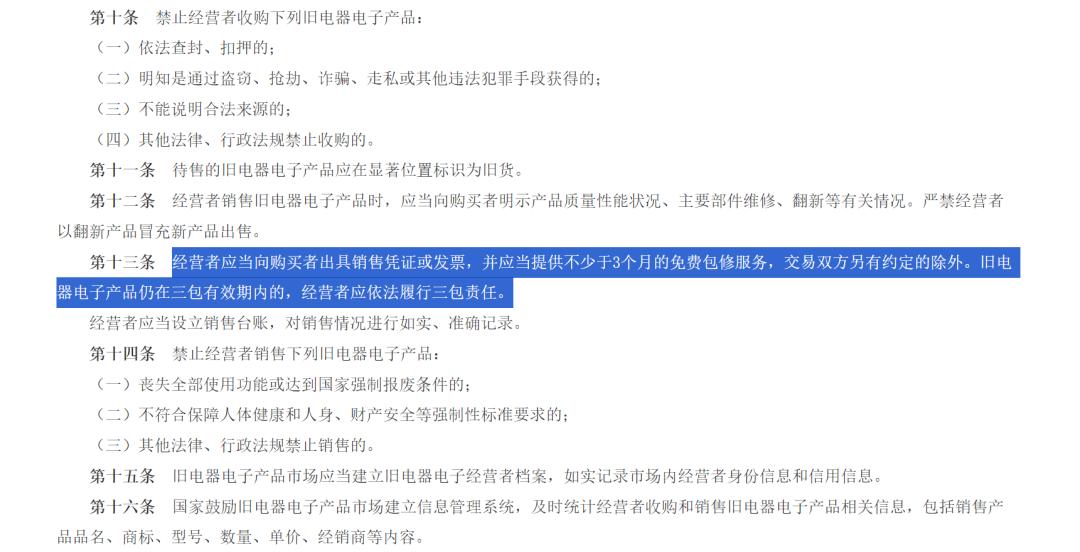
But the "operator" here refers to merchants who are specifically engaged in the second-hand electrical appliance business, such as second-hand merchants like Zhuanzhuan and Aihuishou.
In other words, buying brand-new products and buying second-hand products from recycling companies can both enjoy the Three Guarantees, and the Three Guarantees responsibilities of these two channels have clear regulations and requirements.

However, when individuals trade idle items among themselves, there is really no suitable "business entity" if you want to clarify the responsibility. In the past, the industry defaulted that second-hand products under warranty could enjoy official warranty, which was more of a customary convention rather than a legally mandatory requirement.
As we all know, large enterprises all have legal teams. The revised after-sales clauses of Xiaomi this time are definitely legal and compliant, and Xiaomi can't fail to find the regulations that we ordinary people can find.
But the question is, what do other mobile phone manufacturers do?
Tony specifically checked the after-sales policies of mainstream brands. At present, no matter it is Apple, Huawei, OPPO, vivo or Honor, no other mobile phone manufacturer has written the clause that "second-hand commodities are not covered by warranty" into their official clauses in black and white.
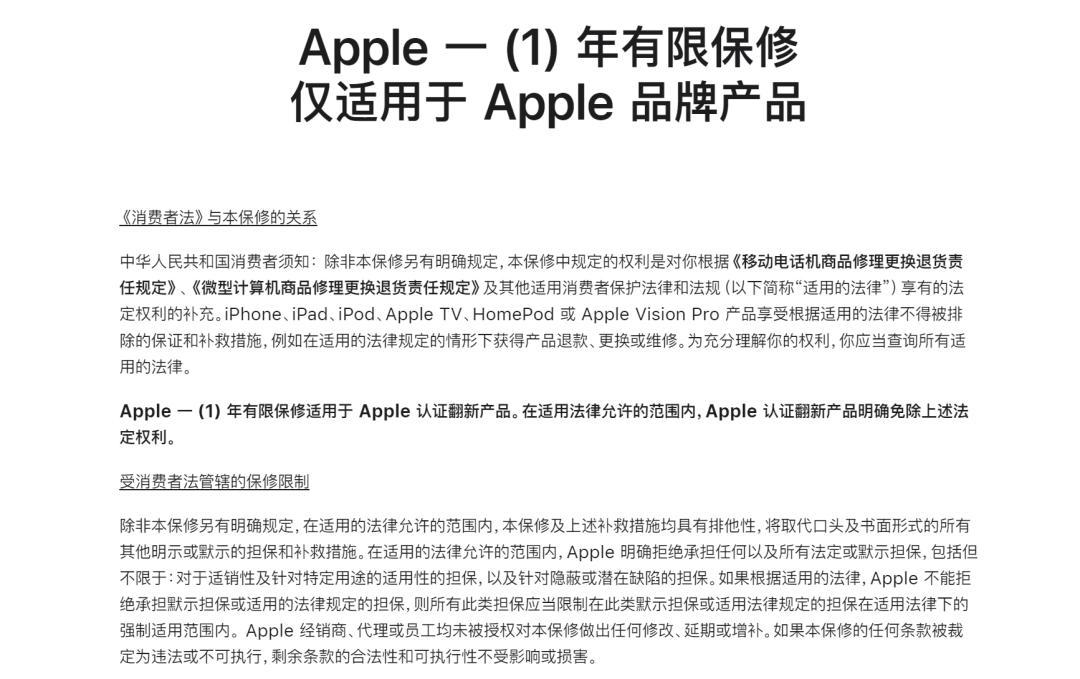
Apple is famous for its warranty that follows the device rather than the owner. Its global warranty only recognizes the serial number. As long as the product is genuine, under warranty, and has no man-made damage or unauthorized disassembly, it can be accepted normally. Although in some cases it will require the purchase certificate, it has never stated that second-hand commodities are not covered by warranty.
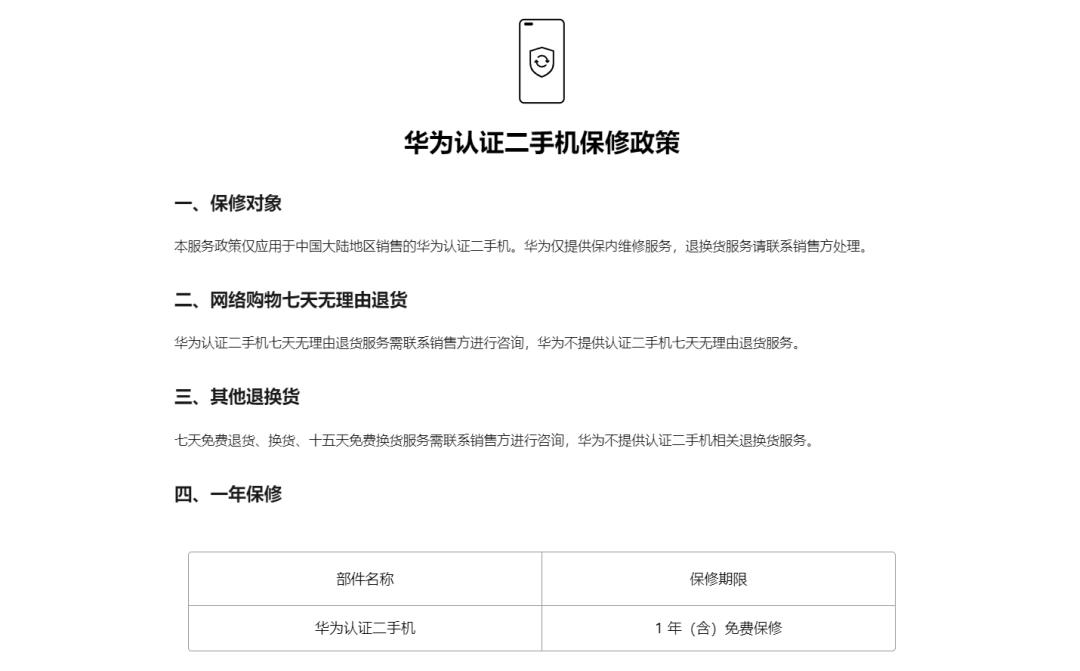
Huawei not only lets the basic warranty follow the device, but also launches its own officially certified second-hand phones, which are recycled, tested and refurbished in one-stop process, and come with one year of official warranty after being sold.
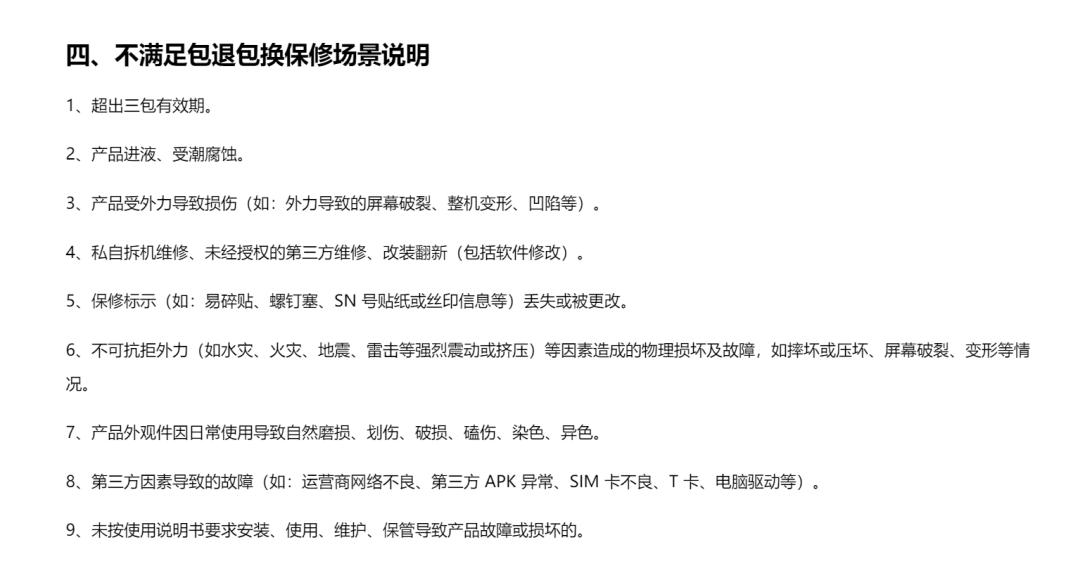
The remaining several domestic brands are more or less the same. The basic Three Guarantees follows the IMEI, recognizes the device rather than the owner. At most, paid value-added services such as broken screen insurance and extended warranty do not support transfer with the device, but the most basic quality warranty will never be directly rejected just because you are a second-hand buyer.
At least in the public clauses on the official websites of various brands, Xiaomi is indeed the only one that writes the clause "second-hand commodities are not covered by the Three Guarantees" so categorically...
OPPO Product Service Policy:
Some people may wonder: can't you just follow the industry convention? Why is Xiaomi the only one that does it differently?
From the perspective of manufacturers, it is not difficult to understand. The biggest trouble of second-hand phones is that their usage history is hard to be fully clarified. It is difficult to trace many problems at the after-sales service side, such as how many hands the device has been transferred to, whether it has been dropped, whether it has entered water, and whether it has undergone unofficial repair.
Unauthorized disassembly and man-made damage are originally not covered by the warranty, but testing each device one by one to determine the responsibility will still bring a lot of after-sales costs.
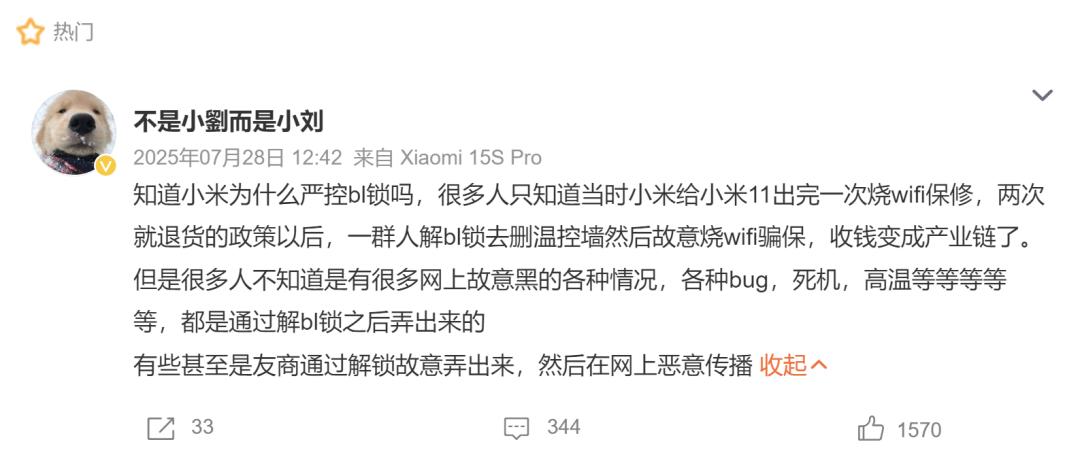
In addition, there were indeed gray operations in the second-hand market that used the warranty rules to make arbitrage in the past. Apple was once troubled by the "phone replacement party". Now Xiaomi directly excludes second-hand commodities from the Three Guarantees scope, which can objectively block part of this arbitrage space.
Of course, all these are just reasonable speculations based on the normal industry situation. Only Xiaomi itself knows exactly what considerations led to this decision~
Seeing this, some friends may say: I don't buy second-hand phones, so this has nothing to do with me.
This statement is partly right and partly wrong. Although professional recycling platforms such as Aihuishou and Zhuanzhuan don't attach much importance to the remaining warranty when evaluating the price of Android phones, and the core factors are the appearance condition, configuration and whether the phone has been disassembled or water-damaged, you will eventually have a day when you get tired of using your phone, want to replace it and sell the old one on the second-hand market to get some money back, right?
For the same almost brand-new phone, the price that individual buyers are willing to offer is completely different depending on whether it comes with official warranty or not. When it becomes a market consensus that second-hand Xiaomi phones have no official warranty, the residual value of mobile phones will inevitably drop in the future. Buyers know that there is no official guarantee after they buy it, so they will naturally not offer high prices.
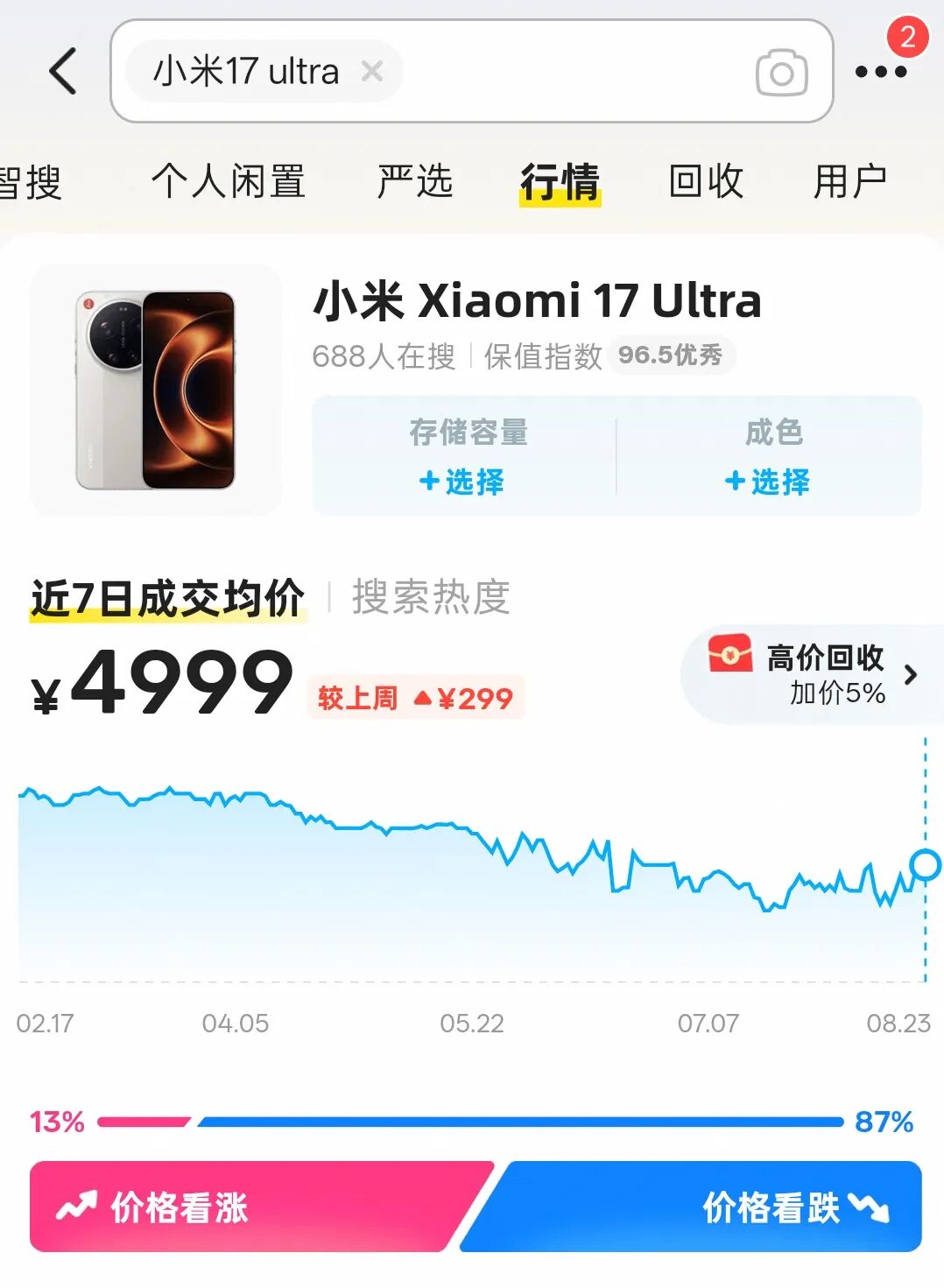
This means that you didn't spend a cent less when buying a new phone, but you have to depreciate the price out of thin air when selling the second-hand phone. This cost will eventually be spread to every Xiaomi user — and in my opinion, the ones who lose the most are the friends who have already bought almost brand-new second-hand Xiaomi phones.
At the beginning, you bought second-hand phones just to get a lower price than brand-new ones and still have official warranty. But after the service rules are changed, the remaining warranty period becomes useless. The money you saved will have to be paid back completely once you encounter quality problems such as mainboard failure or screen degumming.
