Massive layoffs have taken place in Apple's VR division, making the future of the Vision Pro 2 extremely uncertain.
Apple's downsizing of the VisionPro business is still ongoing.
On August 20, AppleInsider broke the news that Apple had just laid off the entire team dedicated to VR development, with at least 60 employees affected, involving positions in the Apple Vision Group and related departments.
This is not the first time Apple has been exposed for "abandoning Vision".
Over the past year or more, the news around this team has been nothing but bad: the person in charge was transferred, the department was split up, and the product was "shelved".
If all the previous moves were just signals, this round of layoffs has laid bare Apple's real strategy: Apple no longer wants to bet on the "headset" track.
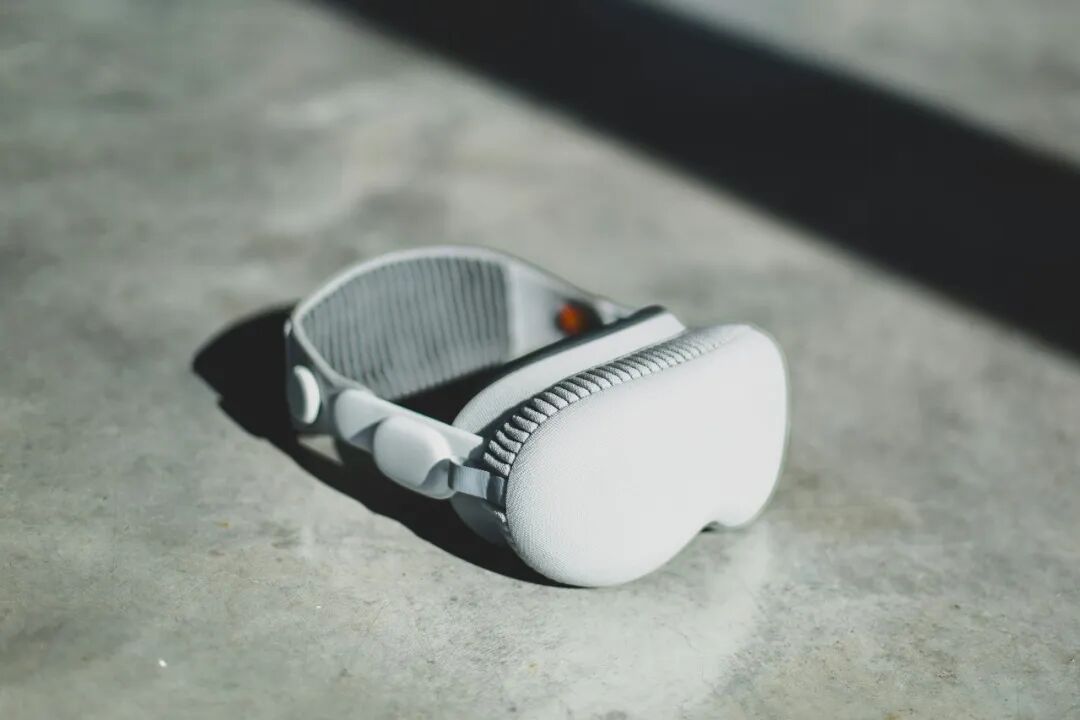
VisionPro Remains, But The Team Is Gone
Apple has neither confirmed nor responded to the layoff news.
Back at its launch in 2024, VisionPro was one of the brand-new product categories that Apple had invested the most in recent years.
To develop this product, Apple once set up an independent Vision Products Group (VPG). It was responsible for both Vision's hardware and software, with an organizational structure different from that of mature product lines such as iPhone and Mac.
More than a year ago, Mark Gurman from Bloomberg reported that Apple had already disbanded the former VPG.
This team was originally the core of Apple's spatial computing business, integrating Vision's hardware and software under one organization; after the split, its members were reassigned to Apple's larger hardware engineering and software engineering departments.
Former head Mike Rockwell was transferred to take charge of the Siri overhaul, shifting from the leader of the hardware department to the head of the AI assistant project.
In other words, long before this round of layoffs, the "Apple Vision team" as an independent organizational structure no longer existed. The layoff of at least 60 people this time means that this adjustment is going further in depth.
According to AppleInsider, the laid-off employees include the entire team responsible for VR development. If the news is accurate, Apple is cutting R&D resources in the VR direction, not just management positions and redundant roles.
This is largely consistent with the changes in Apple's product roadmap over the past year.
Last October, Apple launched a hardware update for VisionPro, upgrading the chip to M5, increasing the number of rendered pixels by about 10%, and raising the maximum refresh rate to 120Hz. However, the basic form of the product remained unchanged, and the price was still as high as 3,499 US dollars. Later, affected by the rising cost of memory, the U.S. price further increased to 3,699 US dollars in June this year.
At the same time, the low-cost version that was originally expected to expand the audience of Vision products has an increasingly unclear prospect. Back in July this year, there were reports that Samsung Display had stopped developing a display component related to the low-cost VisionPro.
On one hand, the existing VisionPro has received minor updates and continues to maintain a high price; on the other hand, the development of low-cost products is blocked and the R&D team continues to shrink. Apple has not announced the abandonment of VisionPro, but in terms of resource input, traditional VR headsets are no longer a priority direction.
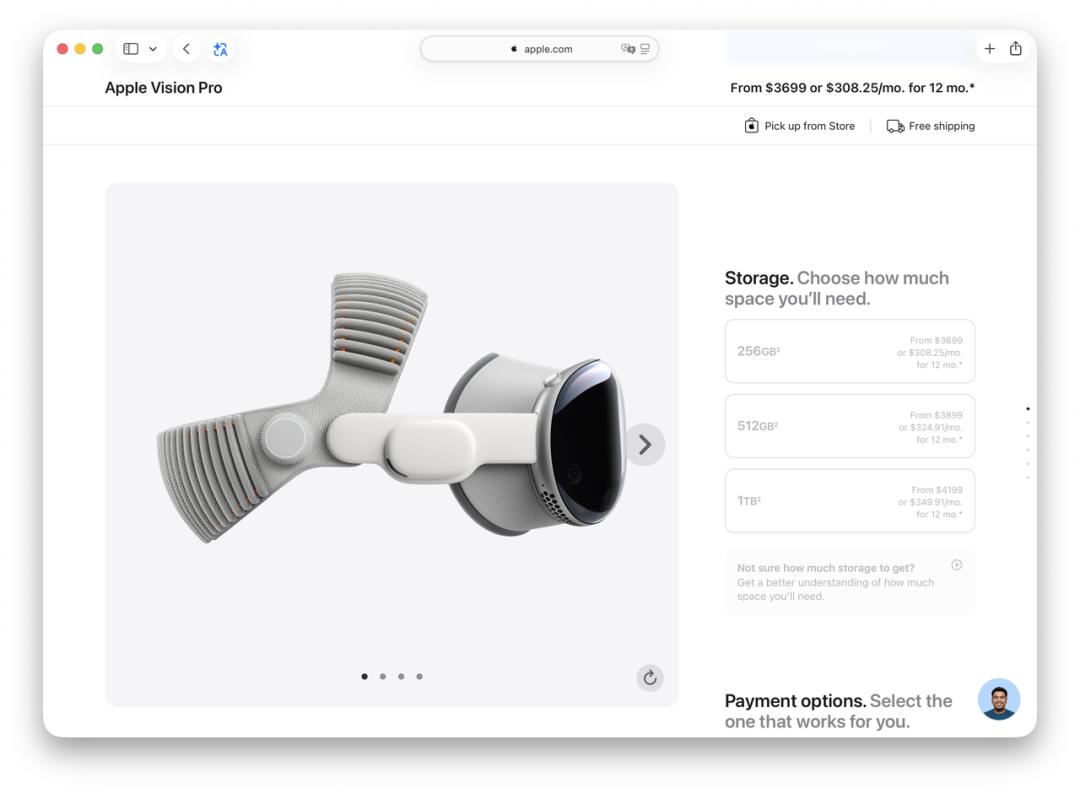
Headsets Step Back, Glasses Take Over
Apple has not lost interest in "spatial computing".
Two months ago, Steve Sinclair, senior director of VisionOS Product Marketing at Apple, publicly denied the claim that VisionPro had been "frozen" when asked about it. He stated that spatial computing is still in its early stages, and Apple is continuing to learn and invest. The updates to visionOS 27, as well as the applications of VisionPro in consumer, enterprise, medical and other scenarios, are all proof that Apple continues to invest in this platform.
To be more precise, what Apple has adjusted is the device that carries spatial computing.
The AppleInsider report put it bluntly: Apple's priority is shifting, and more and more resources are being directed to AI smart glasses.
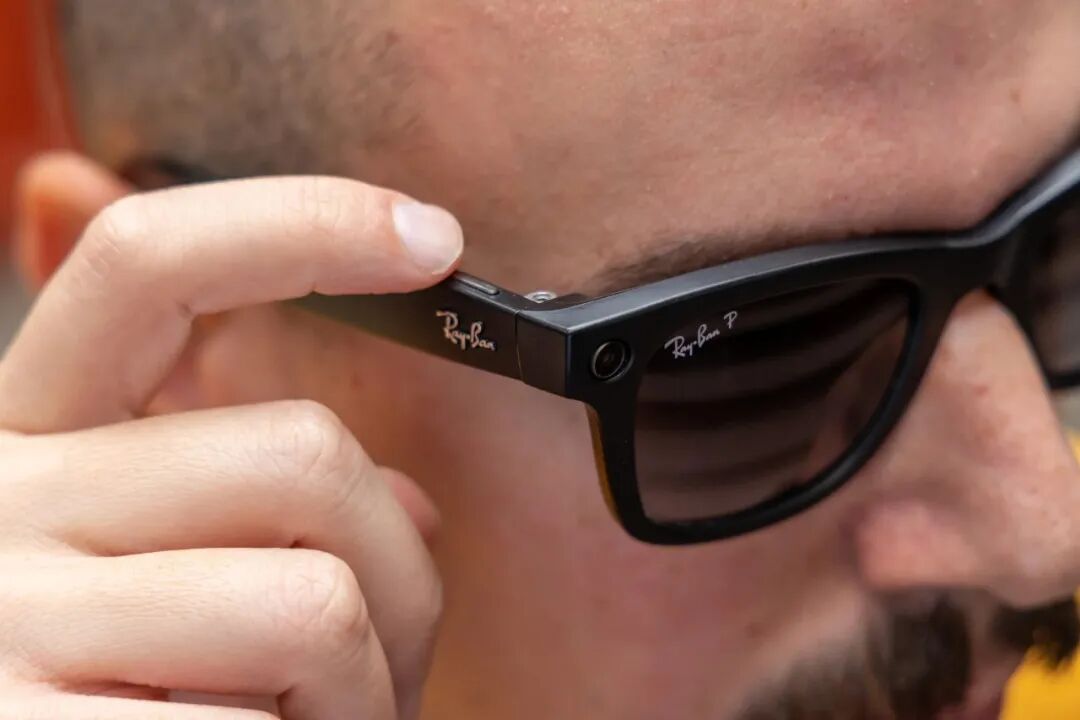
Photo credit: Gizmodo
According to previous leaks, Apple's first-generation AI glasses are expected to be unveiled at WWDC 2027 and go on sale later that year. It relies on cameras, Siri and Visual Intelligence, note that it is not equipped with an AR display. In other words, it follows the same path as Meta's Ray-Ban smart glasses: lightweight, daily-wear, worn on the face instead of covering your eyes.
This also explains why Apple can continue to maintain visionOS while downsizing the VR team.
The technologies accumulated by VisionPro over the past few years, including cameras, spatial perception, computer vision, human-computer interaction and other fields, are assets that Apple has invested real money in. A large part of these capabilities can be migrated to smart glasses, camera-equipped AirPods, and other AI wearable devices.
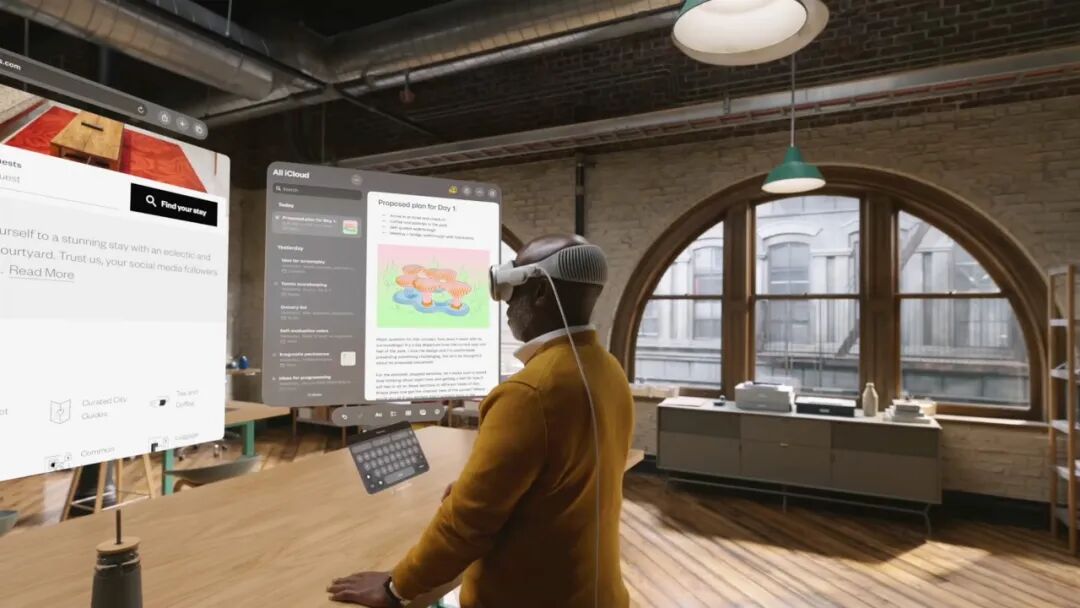
Photo credit: Apple
Vision Pro acts like a technology incubator: spatial computing is tested and verified on it, and the mature parts are handed over to glasses for mass production and popularization. The spatial computing that Apple repeatedly talks about is not just "that one headset", but a complete set of interaction systems.
The way Apple handled the end of its car project is similar: the project can shrink and disappear, but the talents, technologies and R&D results will be reallocated to other product lines.
The focus of this round of layoffs is not on the number of people, but the direction it points to.
From the split of VPG and Mike Rockwell's transfer to take charge of Siri, to the setbacks of projects related to the low-cost VisionPro, and then to the further downsizing of the VR team, the roadmap has become increasingly clear:
Apple's next "Vision" device may not be a VR headset, but a pair of AI glasses that you can wear out every day.
This article is from the WeChat official account ifanr (ID: ifanr), written by Fang Junming+, published with authorization from 36Kr.