The once "snubbed" all-electric Ferrari has been sold for 270 million yuan.
Ferrari's first all-electric model Luce, once widely criticized for its exorbitant price, has fetched an "astronomical price" at auction.
According to disclosures from Sotheby's auction house, during the Monterey Car Week auction, a custom Ferrari Luce electric vehicle was sold for 40 million US dollars (approximately 270 million RMB), making it the most expensive new car lot in the auction's history.
Per the content released by Sotheby's, this vehicle is named "Chassis 0", referring to the first mass-produced chassis off the production line for the Ferrari Luce project, and is equipped with an exclusive nameplate. The proceeds from the auction of this vehicle will be used to support educational programs through the Ferrari Foundation.
Luce Was Once Criticized for Its Pricing and Exterior Design
It is worth noting that when Ferrari released Luce in May this year, it sparked controversy due to its excessively high price. The starting price of this vehicle in the Italian market reached 550,000 euros, equivalent to about 4.35 million RMB.
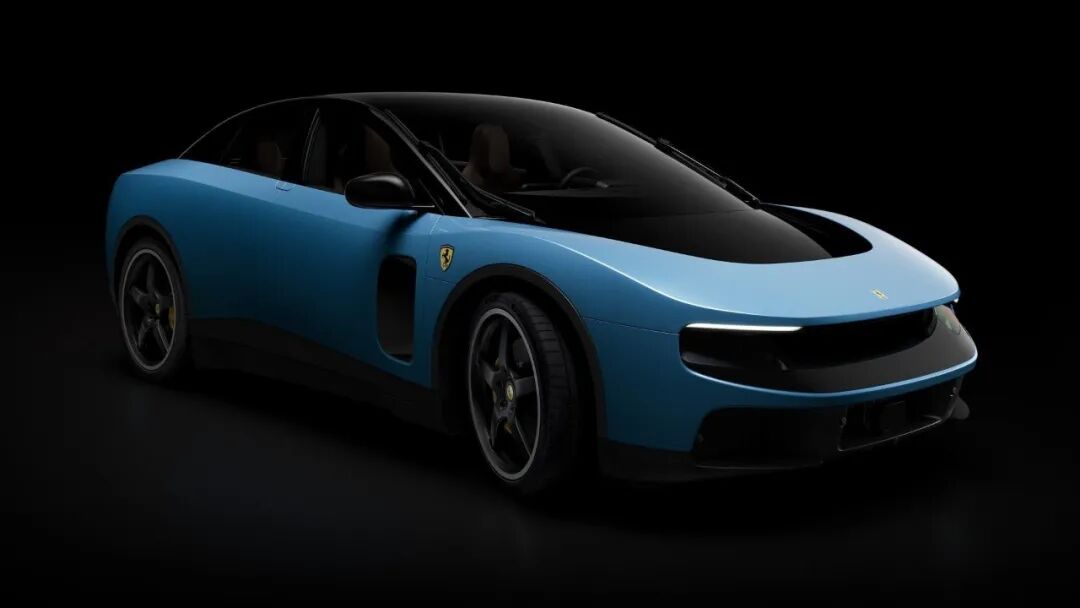
Image source: Ferrari official website
Compared horizontally with mainstream high-performance all-electric models from Porsche and Lotus, the price of Luce is 2 to 6 times that of its competitors. For example, the official guide price of the high-spec version of Porsche's all-electric Taycan is 1.568 million RMB, leaving a gap of 2.782 million RMB from Ferrari Luce.
Different from Porsche which relies on the Volkswagen Group and Lotus which is backed by Geely to share electrification architectures, Ferrari developed an exclusive all-electric platform from scratch for Luce, which pushed up costs to a certain extent.
According to Ferrari, Luce is equipped with a large number of self-developed technologies, integrating the core technical achievements of more than 60 new patents, including a four-motor drive system, active suspension system, four-wheel steering, a 122kWh battery pack paired with an 800-volt electrical architecture, and an exclusive electric sound wave system that took five years and 40,000 kilometers of track testing to develop.
In addition to pricing, Luce has been widely controversial for its "4-door 5-seat" positioning and design style that differ greatly from traditional Ferrari sports cars. Even former Ferrari chairman Luca di Montezemolo publicly stated that the company is "risking ruining its legend" and hoped that the new car could "at least remove the Ferrari logo".
Although the brand-new all-electric model Luce has been widely criticized since its debut, Ferrari CEO Benedetto Vigna still stated that the company is satisfied with the launch results of this vehicle.
This car has also received strong support from some auto company executives. "Under competitive pressure, the domestic auto industry is currently facing a crisis of originality in design, and adhering to original design and staying true to our original aspiration is the key fulcrum for building the core brand value of independent brands." Shao Jingfeng, chief expert of SAIC Motor, chief designer of the R&D General Institute and general manager of SAIC UK Technical Center, said in an interview with a reporter from National Business Daily.
Feng Qingfeng, CEO of Lotus Group, said that Ferrari's entry shows that electrification is the demand of the times. Ferrari is not going against the trend of the times, but conforming to the needs of the times. "For sports cars, sometimes emotional value is more important than simple performance parameters." Feng Qingfeng believes.
Ultra-Luxury Brands Hit the "Pause Button" on Their Electrification Goals
Against the backdrop of the electrification trend, the ultra-luxury car sector is the segment with the greatest transformation resistance and the most difficult choices. From 2021 to 2022, global ultra-luxury brands intensively released medium and long-term electrification plans. Among them, Ferrari planned to achieve a 40% share of all-electric models by 2030.
However, last October, Ferrari released its 2030 strategic plan, clarifying that by 2030, Ferrari's product lineup will present a diversified combination of internal combustion engine models (about 40%), hybrid models (about 40%) and all-electric models (about 20%). This means that Ferrari has lowered its original target of a 40% share for all-electric models.
Ferrari is not the only ultra-luxury brand that has pressed the "pause button" on electrification. Last February, Aston Martin CEO Adrian Hallmark stated that the V12 engine will continue at least until 2032. Under financial pressure, Aston Martin renegotiated the terms of its electrification cooperation with Lucid, and the original minimum expenditure commitment of 177 million pounds has been suspended following the delay of its all-electric plan.
This February, Lamborghini CEO Stephan Winkelmann confirmed that the originally planned SUV-style all-electric car Lanzador will not be included in the future product lineup. The vehicle was originally scheduled to be launched in 2028, and will now be changed to a plug-in hybrid route, with its launch time postponed to 2029.
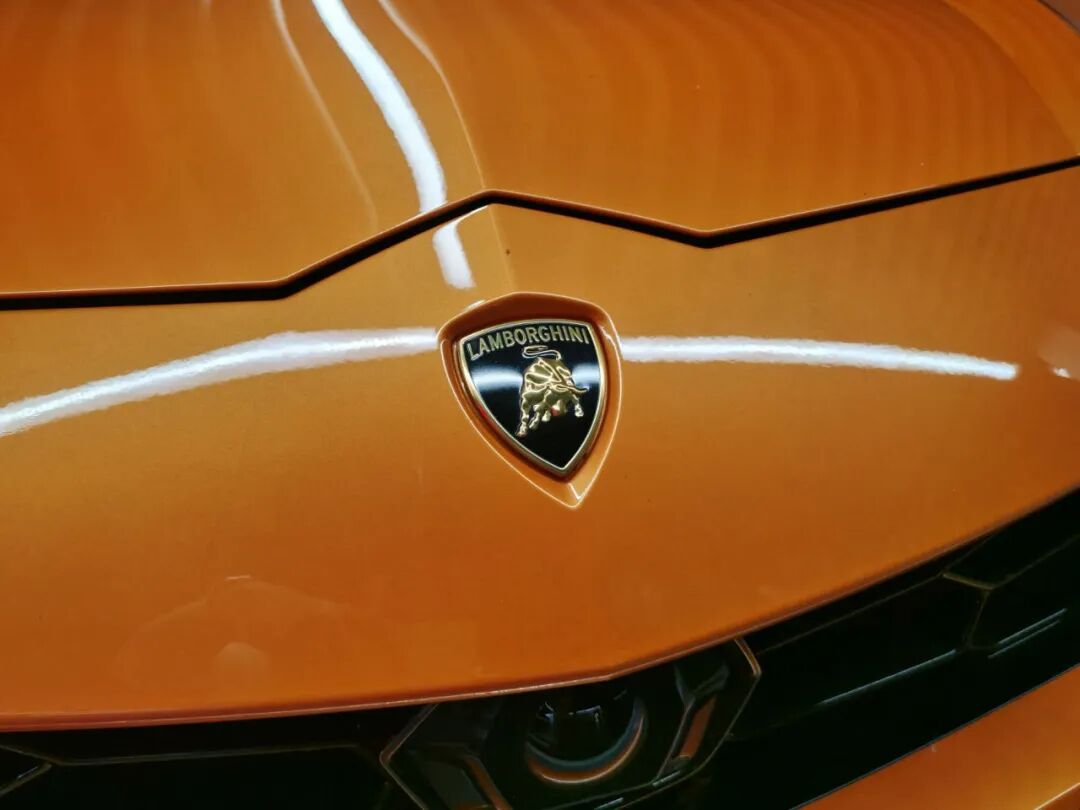
Image source: Photo by Kong Zesi, reporter of National Business Daily (file photo)
In March, Bentley announced that its first all-electric model is still planned to be launched in early 2027, but the second all-electric model has been confirmed to be postponed to after 2030. Bentley CEO Frank-Steffen Walliser said the company must reassess its overall product planning to adapt to changes in market demand.
In addition, Rolls-Royce also announced that internal combustion engines will continue for a long time after 2030. This move means that the collective retraction of ultra-luxury brands on the electrification path has further deepened.
According to industry insiders, the current strategic withdrawal of ultra-luxury brands to internal combustion engine technology is essentially extending the dependency cycle on traditional high-profit product lines, and fuel vehicles are the foundation of their profitability.
This article is from the WeChat official account "NBD Auto", author: Li Xing, authorized for release by 36Kr.