Older vehicles that cannot access 4G networks are being abandoned by automakers.
As we all know, if an automaker goes bankrupt and shuts down, car owners who bought its vehicles will run into a lot of troubles.
For example, it will be difficult to get the car repaired, system updates cannot be completed, and even the in-vehicle network will be unavailable.
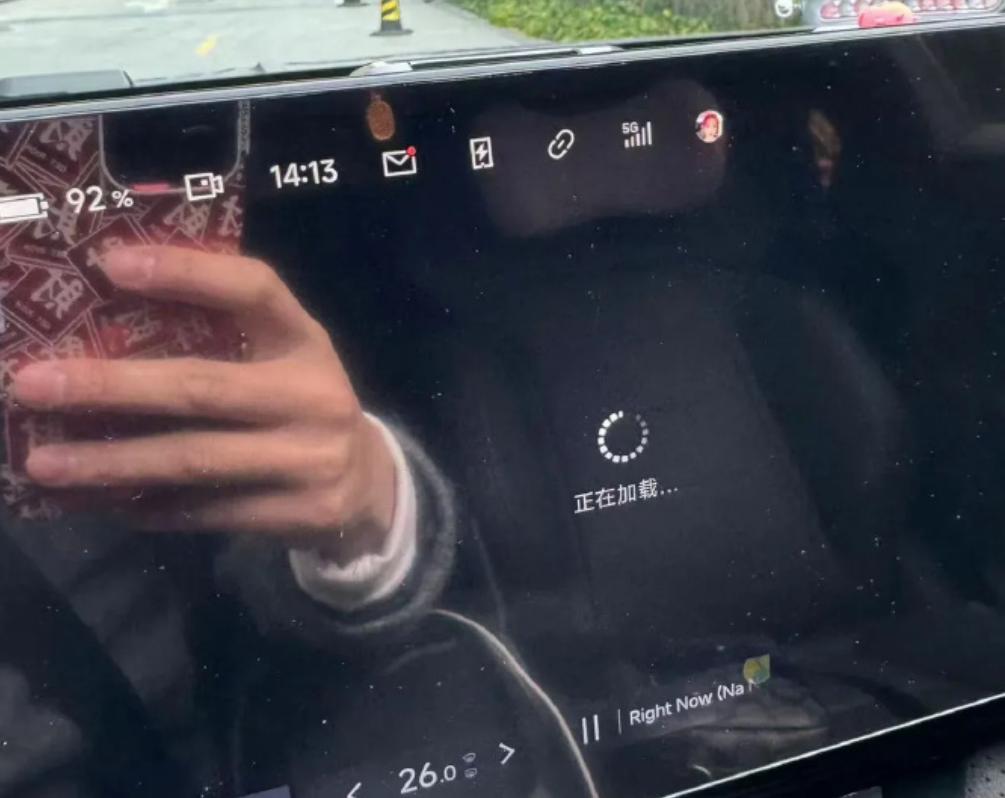
But what many people may not know is that even if the automaker has not gone bankrupt, we may still encounter disconnection of the infotainment system and no network access. Worse still, the automaker is unwilling to take responsibility, leaving us to find solutions on our own.
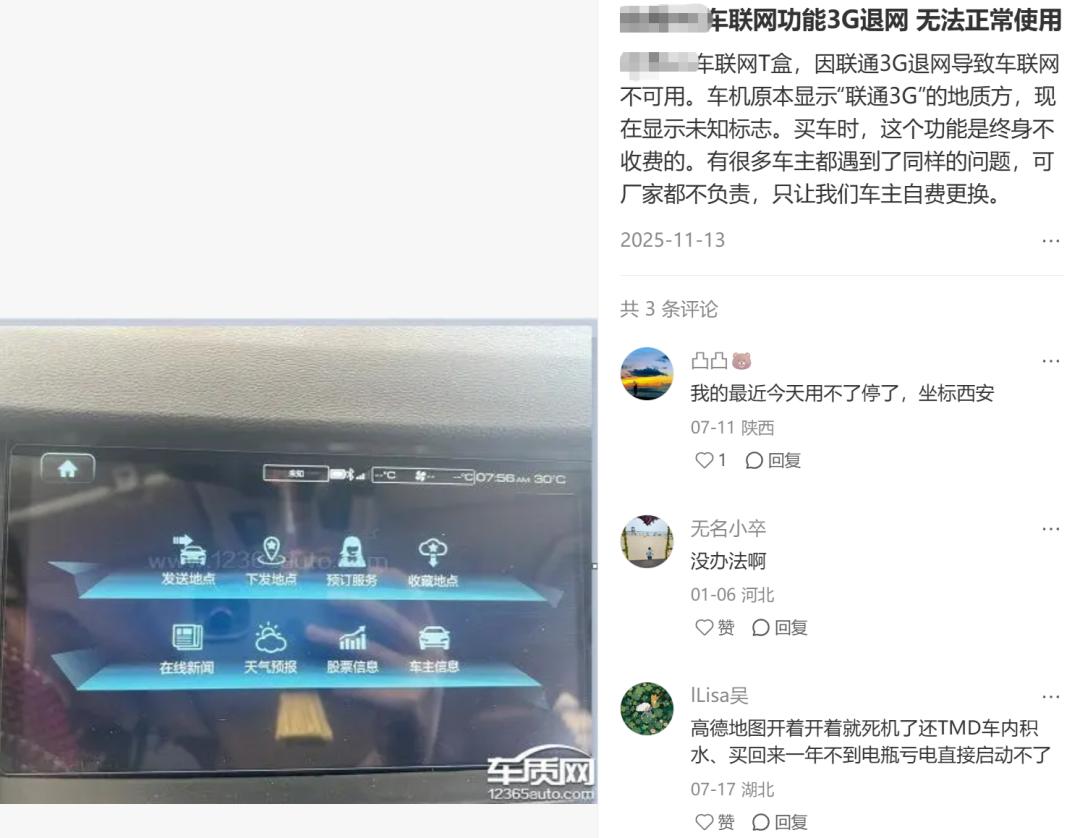
Recently, many Volvo car owners have posted on social platforms saying that the networking function of their models purchased around 2017 has been directly deactivated due to the phase-out of 3G networks, which has caused great inconvenience to their car use.
The vehicle positioning function that could be viewed with a single tap before is no longer accessible; the remote air conditioning activation that used to be very comfortable in hot summer cannot be used now; there is no reminder if you forget to lock the car, and remote car locking is also unavailable.
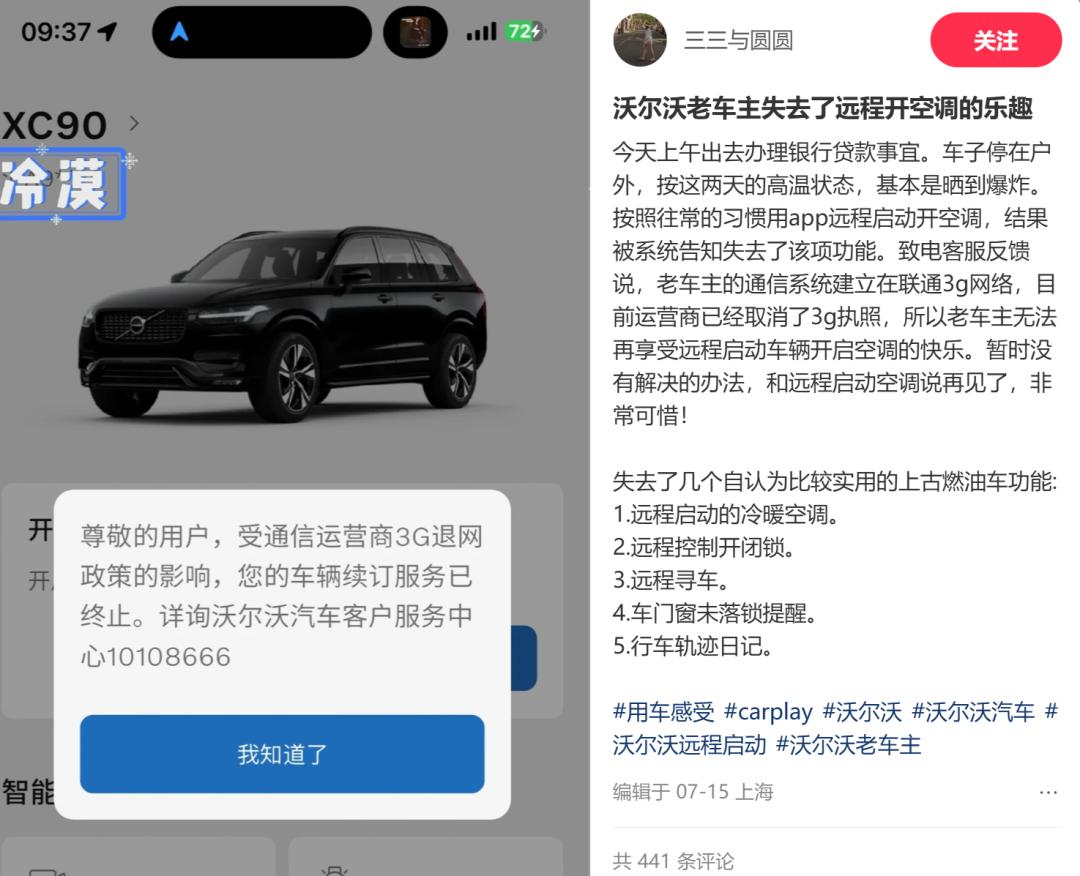
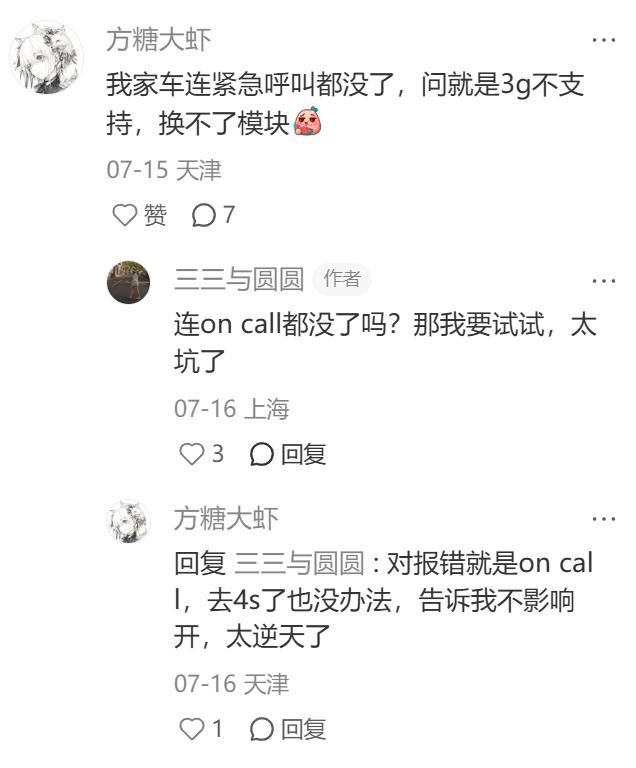
The most unacceptable thing is that even the onboard SOS emergency call function is disconnected, which poses certain safety risks.
Many people may think that logically, it doesn't matter if our mobile phones can no longer use 2G and 3G networks, such a sophisticated industrial product as a car should not be affected by mobile networks, right?
In fact, almost all models equipped with emergency call and remote vehicle control functions, just like our mobile phones, achieve wide-area network access through SIM cards.
Most new cars nowadays support 4G or 5G network standards, but before 2017, 3G or even 2G networks were the standard configuration for the vast majority of car models.
A large number of these old vehicles are still running on the road. Whether their infotainment systems can connect to the network and how fast the network speed is, just like mobile phones, highly depend on the operators' communication base stations.
When there are enough base stations, all vehicles work normally. But since 2018, the three major telecom operators have gradually transformed to 4G networks, and the number of 3G base stations has been decreasing.
Up to now, among more than 12 million base stations across China, 4G and 5G have accounted for 93%, the number of 3G and 2G base stations is extremely small and still declining. It is almost a miracle to get a signal, let alone use remote vehicle control functions.
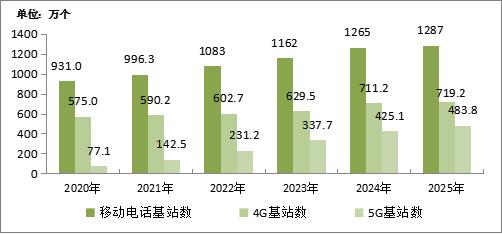
Coincidentally, around 2017 was exactly the period when the last batch of 3G IoT SIM cards were installed on vehicles. Once the supporting base stations are removed, the infotainment systems will naturally disconnect, and a large number of vehicles will be affected at the same time.
That's right, not only Volvo car owners, we can see many car owners facing similar problems on various complaint and social platforms. Their vehicles were mostly purchased between 2017 and 2020, and various functions failed unexpectedly due to network deactivation.
Most importantly, the brands that sold them the cars are unwilling to take responsibility.
Some car owners took their problematic vehicles to 4S stores, only to be turned away with the excuse that "the car can still be driven normally". Some automakers are willing to help users solve the problem, but require users to pay 1000 to 2000 yuan for maintenance costs.
The only easy-to-solve case is that the vehicle's T-Box communication module already supports 4G network standards, and only an OTA upgrade is needed to fix the problem.
What's more interesting is that similar situations have already occurred once in foreign countries, and the attitudes of automakers were also completely unified.
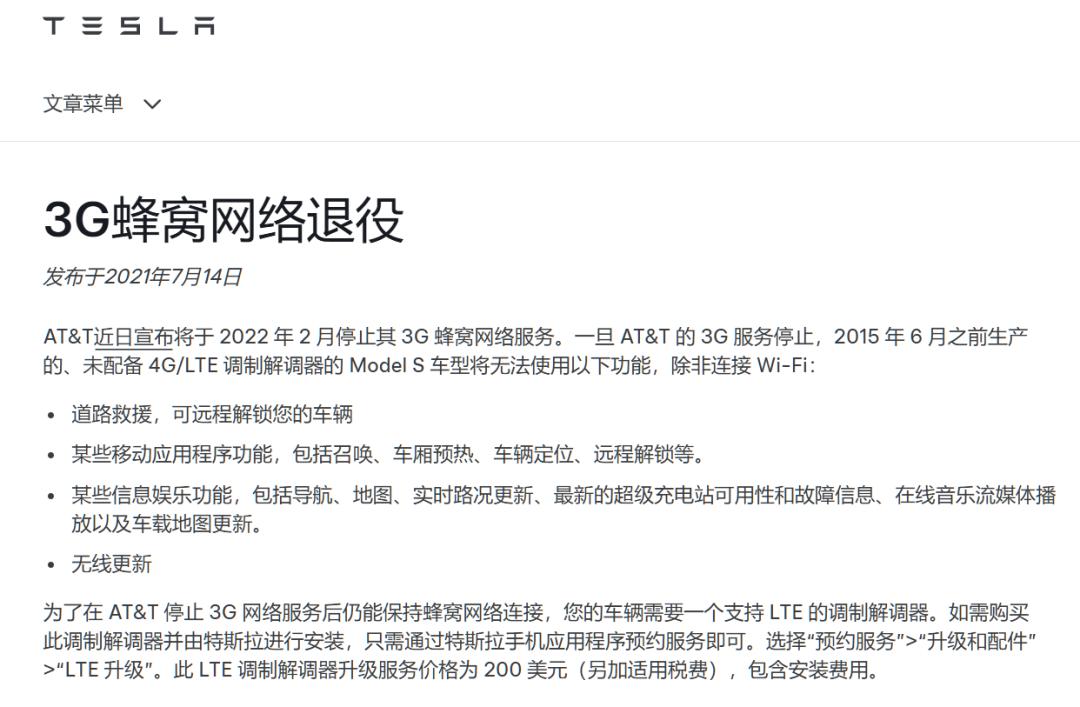
For example, in the United States, when operator AT&T shut down its 3G network around 2022, the networking function of Tesla Model S vehicles at that time was affected. To solve the problem, car owners had to pay 200 US dollars to replace the LTE modem.
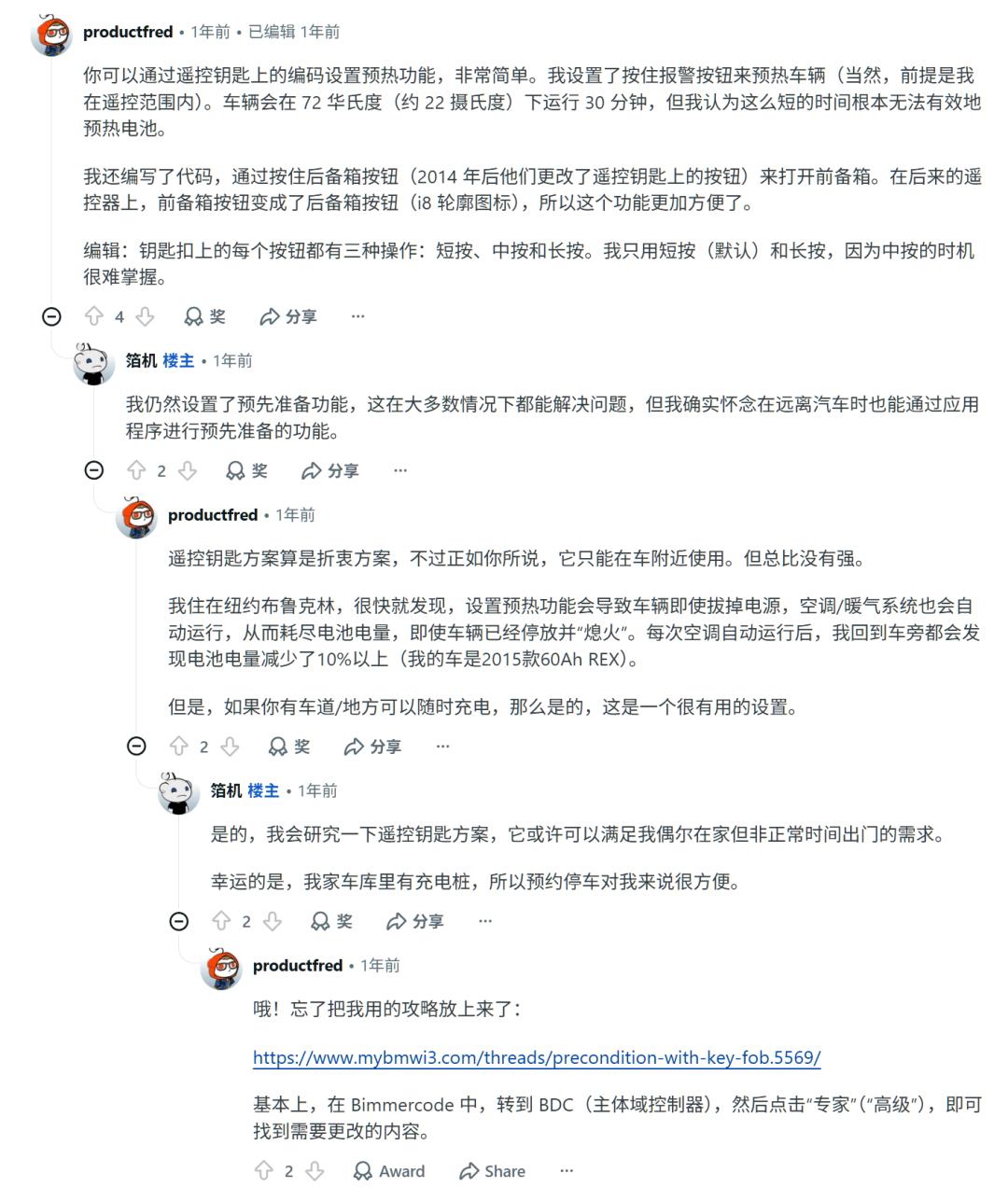
BMW car owners at the same time were even more unfortunate. For models like the i3, there was no solution at all. Even if car owners were willing to pay, they could only accept that their vehicle's networking functions were completely deactivated.
Some highly capable car owners got extremely frustrated and directly acted as hackers to crack the i3's in-vehicle communication protocol, and added an amplifier to the in-vehicle WiFi and Bluetooth signals.
In this way, even if the vehicle cannot connect to the cellular network, it can still be remotely controlled through a mobile phone, which is a workaround when there are no other options...
To sum up, in the eyes of automakers at home and abroad, the 3G network phase-out issue is the problem of telecom operators, and has nothing to do with them.
But from the perspective of users, when we buy a car, we expect all the functions on it to work normally. Now that the infotainment system is deactivated, the automaker should take responsibility and solve the problem for users for free.
But you may never expect that people have been arguing about who should take the responsibility for a long time, and many lawsuits have been filed, but there is still no final conclusion.
After all, the network planning of telecom operators has nothing to do with automakers or car owners. It is also difficult to define the disconnection caused by the removal of base stations as a product quality problem.
Although there have been many related lawsuits in the United States, very few of them ended up with a complete victory for users.
The only case where the automaker fully covered the maintenance and upgrade costs for users was the class action lawsuit filed by 7 Subaru car owners against the automaker in 2023. They stated that after the 3G network was shut down, their vehicles could not only no longer perform vehicle control functions, but also kept trying to connect to non-existent servers, causing abnormal power loss of the small 12V battery.
This is a major problem affecting 710,000 Subaru car owners, and the automaker must take responsibility.
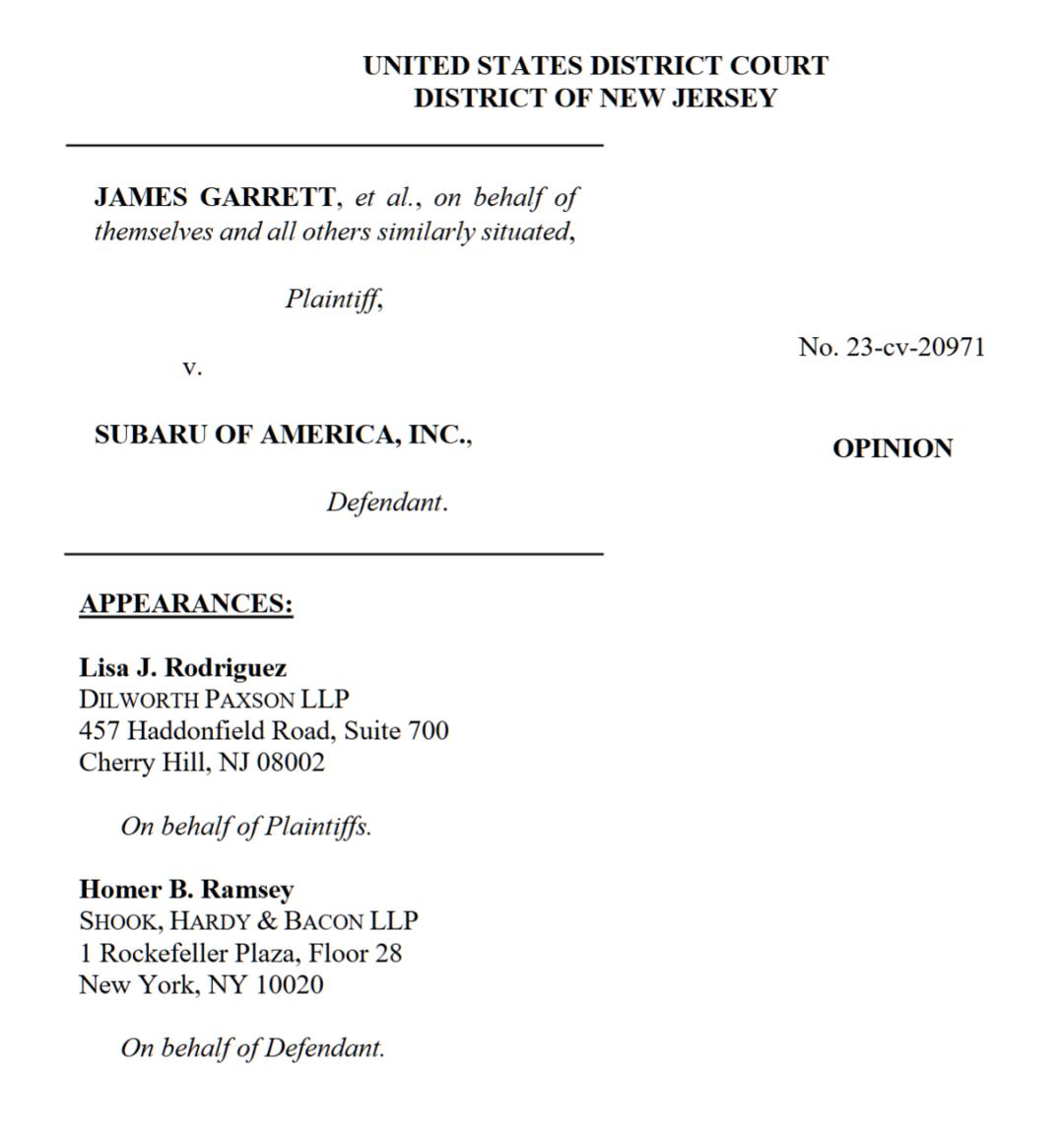
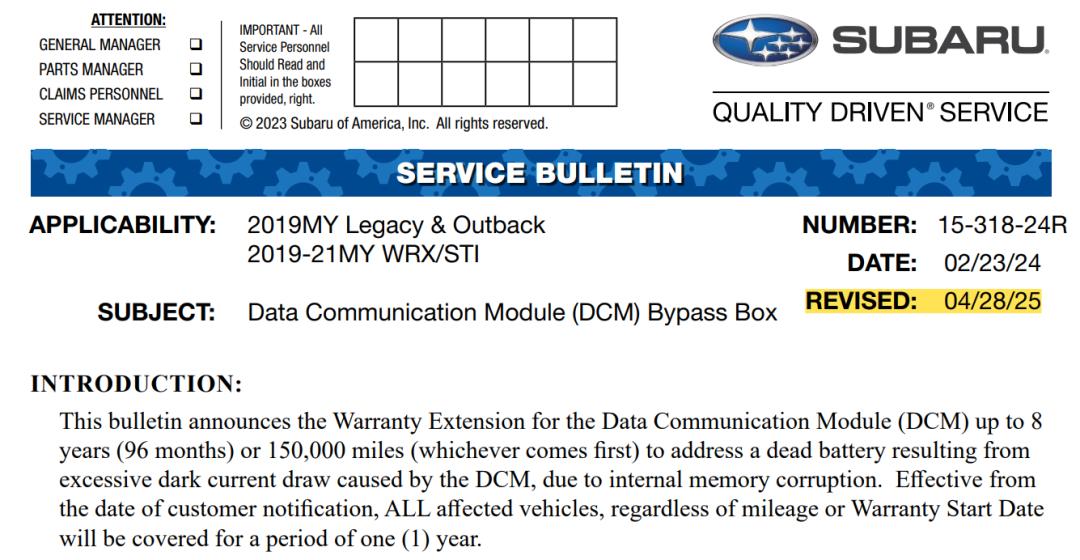
In the end, the federal court of New Jersey supported the lawsuit in 2026. Under huge public pressure, Subaru also announced two handling policies: one is to extend the warranty of the communication modules of the affected old vehicles, and the other is to provide free detection and replacement of communication modules and small batteries for car owners.
If it were not for the battery power loss that made the car unable to move, I guess Subaru would not be willing to take care of this matter.
In addition to Subaru, many automakers including Ford, Volkswagen, Toyota and Mercedes-Benz have also been sued in the United States, but they were exempted from responsibility for various reasons such as service clause constraints and warranty scope restrictions. There is also no similar judicial precedent in China, so it is difficult to draw a legal conclusion on who should be responsible for the 3G phase-out issue.
But as an owner of an old fuel vehicle, I firmly believe that all functions of the car should be usable after purchase. Now that the functions are gone, even the emergency call cannot be made, who else but the automaker should take responsibility?
Besides, even if there are no specific clauses, both the Consumer Rights Protection Law and the Civil Code clearly stipulate that enterprises must fulfill their commitments to product quality as they advertised.
When consumers' rights and interests are damaged due to third-party reasons, consumers' interests should be prioritized, and disputes with third parties should be resolved separately afterwards.
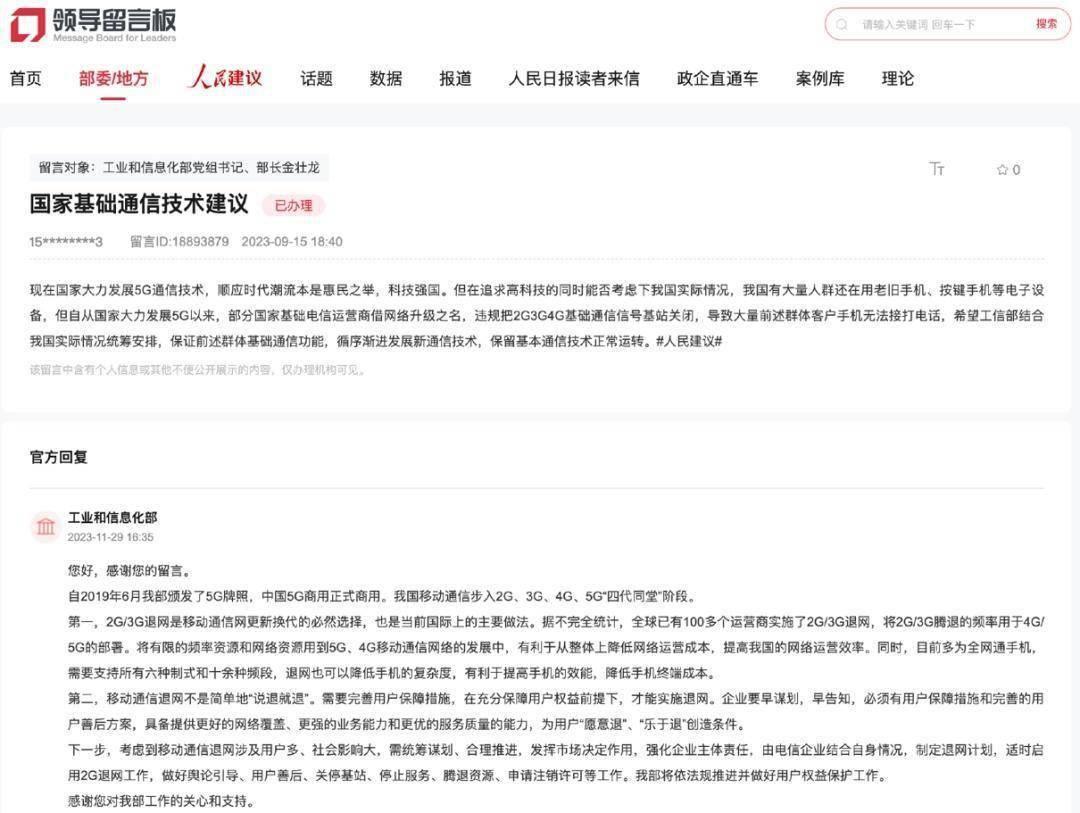
Even the Ministry of Industry and Information Technology has explicitly stated on public platforms during the transition period from 3G to 4G that enterprises cannot shut down the old network arbitrarily, but should carry out the transition reasonably on the premise of ensuring the rights and interests of users.
The automakers' behavior in this case is unreasonable and unacceptable from any perspective.
Many people may think that replacing 3G with 4G sounds very simple, just like what we do with mobile phones, just replace the internal SIM card, why are automakers unwilling to do that?
The reason is very simple: the in-vehicle network connection is not as easy as inserting a SIM card. If automakers really want to solve the problem, the cost they need to pay may be even higher than that of a large-scale vehicle recall.
As you can see, this is the communication module used for networking in early fuel vehicles.
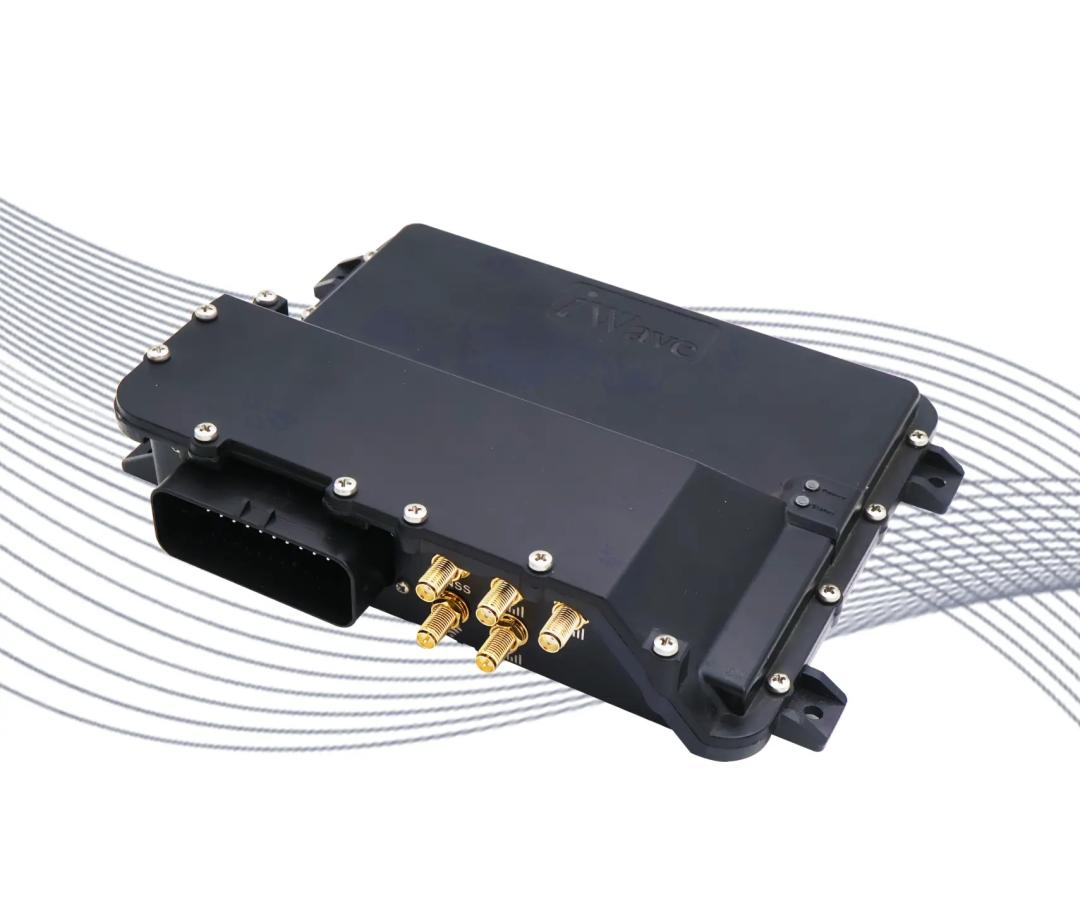
The functions it can achieve are similar to those of mobile phones: it can make calls, support emergency calls, integrate GPS positioning devices, and is responsible for part of the communication with the vehicle body CAN bus.
Around 2020, more complex functions such as data upload, remote communication, vehicle diagnosis, and digital keys were added to this module, which finally evolved into the T-Box (Telematics Box) that is now equipped on almost every vehicle.
Since vehicles are different from mobile phones, the weather resistance requirement for key components like T-Box is very high. As a result, the SIM card is not inserted into a slot like in mobile phones, but directly soldered on the PCB as a chip.
To replace the SIM card, you need to disassemble the T-Box first, then remove the shielding cover, then take out the old chip, install the new chip, and then reassemble all the parts back.
The process is very complicated. Even if you install a new SIM card, the 4G chip will not work at all in the old T-Box designed for 3G networks.
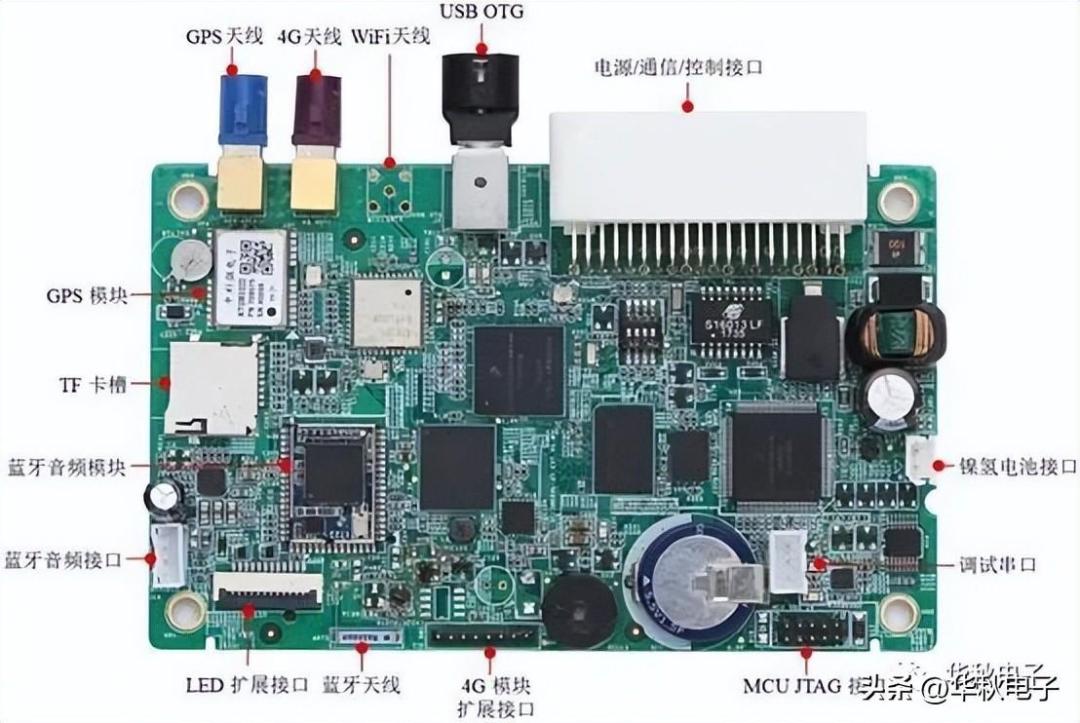
Therefore, from the perspective of automakers, the simplest and most direct way to upgrade old vehicles from 3G to 4G is to replace the entire T-Box assembly. This will bring them a hardware cost of 1000 to 2000 yuan per vehicle, as well as labor costs for matching, certification, and binding work after the assembly replacement.
The total of all these investments is almost equivalent to the cost of a super-large-scale vehicle recall.
More importantly, after upgrading from 3G to 4G, what about upgrading from 4G to 5G, and then from 5G to 6G? This potentially endless upgrade responsibility is what really scares the automakers.
It is more realistic to expect automakers to extend their product development cycles and do sufficient verification work than to expect them to take the initiative to take this responsibility...
Of course, if you are driving an old fuel vehicle and have encountered similar problems recently