Three battlefields of China's AI marketing technology ecosystem in 2026
The AI marketing track has formed a tripartite competitive landscape: platform giants build traffic infrastructure to strive to become the underlying "utilities" of the industry; AI-native technology vendors dig deep into vertical scenarios and build moats with products; traditional marketing agencies leverage AI to transform, shifting from execution to strategic empowerment. The three parties continue to game around traffic, technology and clients, with both opportunities and challenges coexisting.
The AI marketing technology ecosystem mainly includes three types of core participants, namely platform ecosystem builders, vertical technology breakthroughers, and traditional capability transformers. Based on their different resource endowments and strategic logics, they have formed differentiated competitive paths and ecological niches.
Category 1: Platform Ecosystem Builders (Tech Giants), including Tencent Ads, Ocean Engine, Alimama, Baidu Marketing, Magnetic Engine, etc. Their core positioning is "provider of operating system and infrastructure in the AI era", and their strategic goal is to become the "utilities" of the entire AI marketing ecosystem, dominating value distribution by controlling underlying technologies and traffic entrances.
Category 2: Vertical Technology Breathers (AI-native / Technology Product and Service Providers), including Deep Intelligence, MafuShi, TTD, Iflytek AI Marketing, Tezign, etc. Their core positioning is "expert and ultimate product provider for specific marketing scenarios", and their strategic goal is to dig deep into one or several vertical scenarios, building differentiated moats through technical depth and product experience.
Category 3: Traditional Capability Transformers (Marketing Service Providers / Agencies), including BlueFocus, Guangdong Advertising Group, Leo Digital, WPP, etc. Their core positioning is "integrated marketing strategic consultant and implementation service provider in the AI era", and their strategic goal is to use AI technology to empower and upgrade traditional service capabilities, transforming from "executor" to "empowerer".
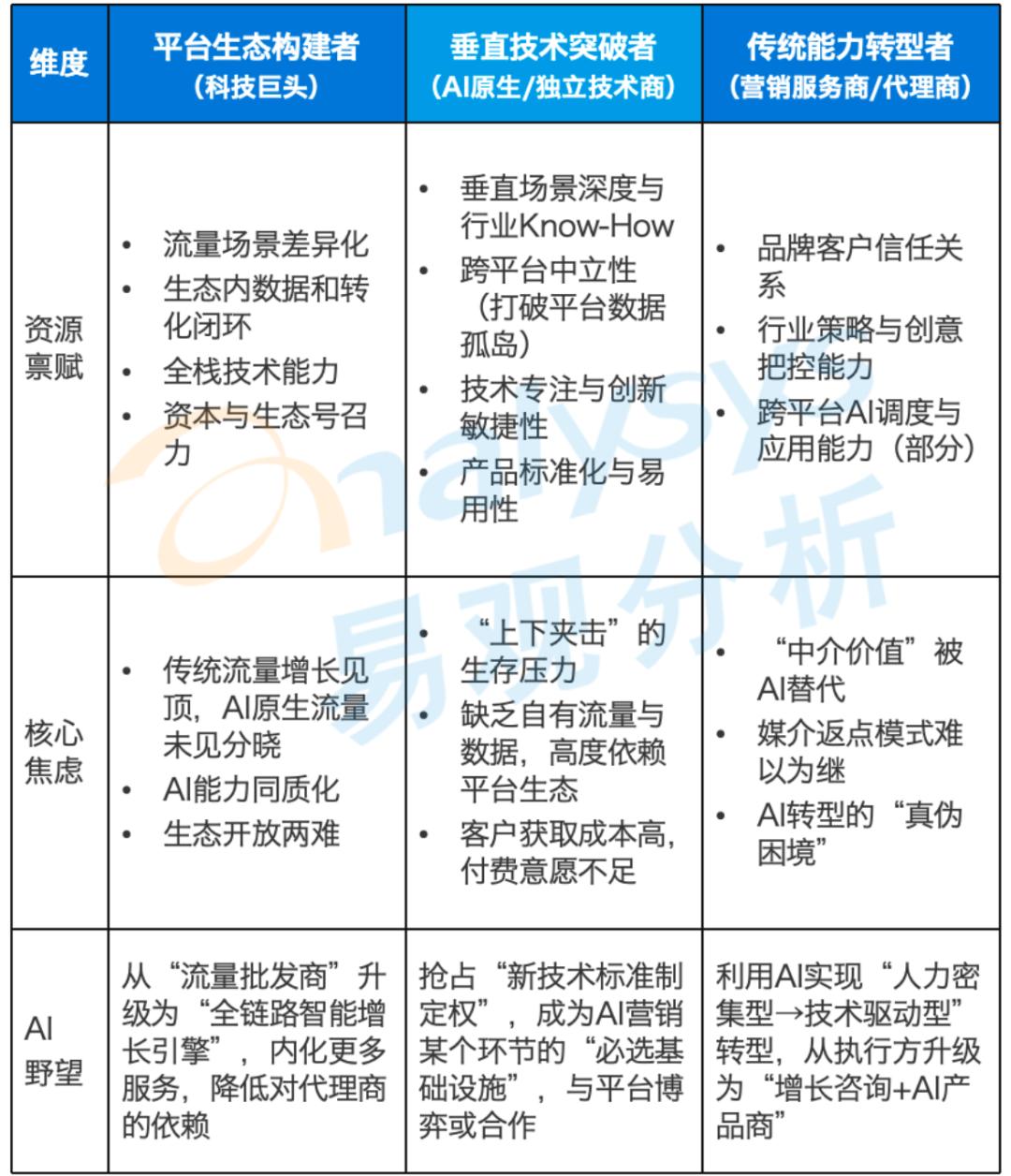
Table 1: Resources and Capabilities of the Three Types of Enterprises
As AI technology evolves from an "auxiliary tool" to a "core production engine", the power balance, value propositions and gaming relationships between the three camps are undergoing a structural reshaping. The starting point stems from the resource advantages, core anxieties and expansion directions of the three camps. The key battlefields of the dynamic game between the three camps lie in three aspects: first, the game over "traffic distribution right" and "strategy dominance"; second, the game over "technology disruption right" and "ecosystem integration right"; third, the game over "capability complementation" and "status contention".
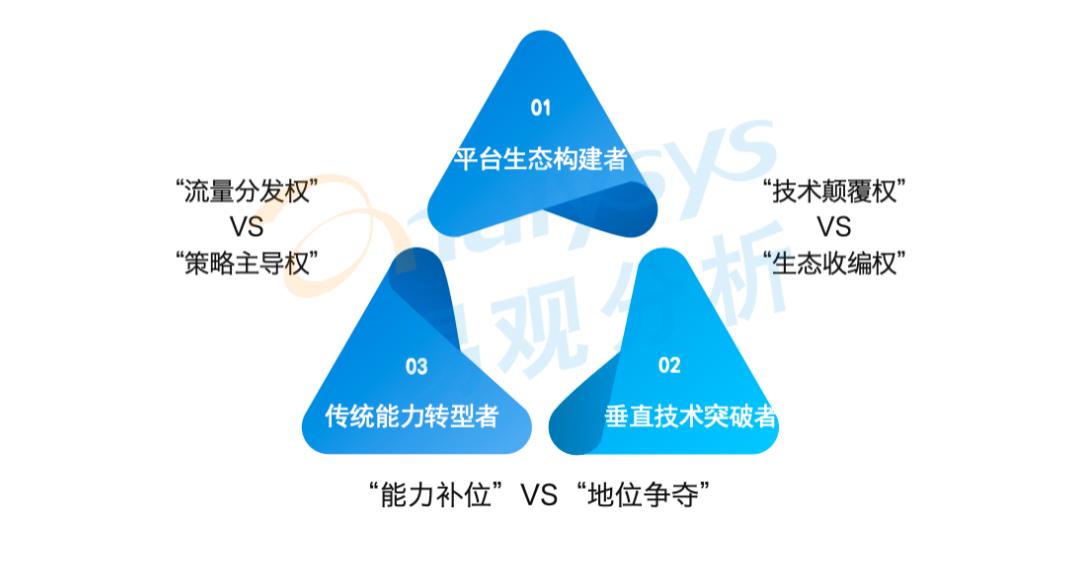
Figure 1: Three Battlefields of the AI Marketing Technology Ecosystem
Battlefield 1: Platforms vs. Marketing Service Providers — The Game over "Traffic Distribution Right" and "Strategy Dominance"
The core contradiction is that platforms hope to keep budgets and decision-making power in their own hands to realize the direct connection of "advertisers → platforms"; while the value of service providers lies in "selecting, combining and optimizing" platform capabilities to provide independent strategies for advertisers. Thus the following trends are presented:
◇ The pressure of "disintermediation" on platforms intensifies: By providing tools and services directly oriented to advertisers (especially AI-driven self-service delivery), platforms bypass agencies and squeeze their traditional profit from "media price difference".
◇ The "counterattack" path of service providers: Service providers must upgrade their role from "executor" to "decision-maker". The core is to shift from "buying traffic" for clients to "building brands" and "managing assets" for them. Using self-developed AI platforms to productize service experience, so as to form differentiation from platform "tools".
Battlefield 2: AI-native Technology Service Providers vs. Platforms — The Game over "Technology Disruption Right" and "Ecosystem Integration Right"
The core contradiction is that vertical technology vendors use new technologies to create new value increments, shaking the traditional "traffic allocation rules" of platforms; while platforms eliminate this threat through acquisition, blocking, or rapid follow-up via self-development. Thus the following trends are presented:
◇ The "first-mover advantage" window for technology vendors is short: AI technology iterates extremely fast. Once platforms discover the commercial value of a new technology, they can quickly catch up with or replicate it through resource tilting, large-scale capital investment and ecosystem compatibility.
◇ Path choice between "dependence" and "independence": There are three future paths for technology vendors: ① Being acquired by the platform and becoming part of its ecosystem; ② Deeply binding with the platform to become a core ISV; ③ Remaining independent while the living space is squeezed.
Battlefield 3: Marketing Service Providers vs. AI-native Technology Service Providers — The Game over "Capability Complementation" and "Status Contention"
AI-native technology vendors provide products while agencies provide service delivery and customer relationships, which is the clearest cooperation and division of labor mode among the three types of roles. However, leading agencies begin to develop AI tools independently, turning from "clients" of independent technology vendors to "competitors"; independent technology vendors also sign brand clients directly, bypassing agencies. Cooperation and competition exist at the same time. Thus the following trends are presented:
◇ Service providers have an urgent demand for "technology make-up lessons": Marketing service providers must quickly fill their AI scenario capabilities through investment, cooperation or independent R&D, otherwise their professionalism will be questioned by advertisers.
◇ The impulse of technology vendors to "extend to services": Vertical technology vendors find that simply selling tools lacks customer stickiness. They begin to try to provide "tools + light agency operation" services, transforming from technology vendors to service providers and forming direct competition with service providers.
◇ "Capability-complementary cooperation" is the mainstream: The healthiest mode is that service providers "build bridges" (based on their industry experience and customer relationships), and technology vendors "provide ammunition" (provide the most advanced AI capabilities) to serve large clients together.
This article is from the WeChat Official Account "Analysys", the author is Analysys, and 36Kr publishes it with authorization.