Manus has regained its independence. Can this butterfly trigger another storm?
From being acquired by Meta to undergoing regulatory reviews, Manus, the once-star product, has gone through countless ups and downs this year, and the final decision has finally been announced today: Manus will soon resume operations as an independent company.
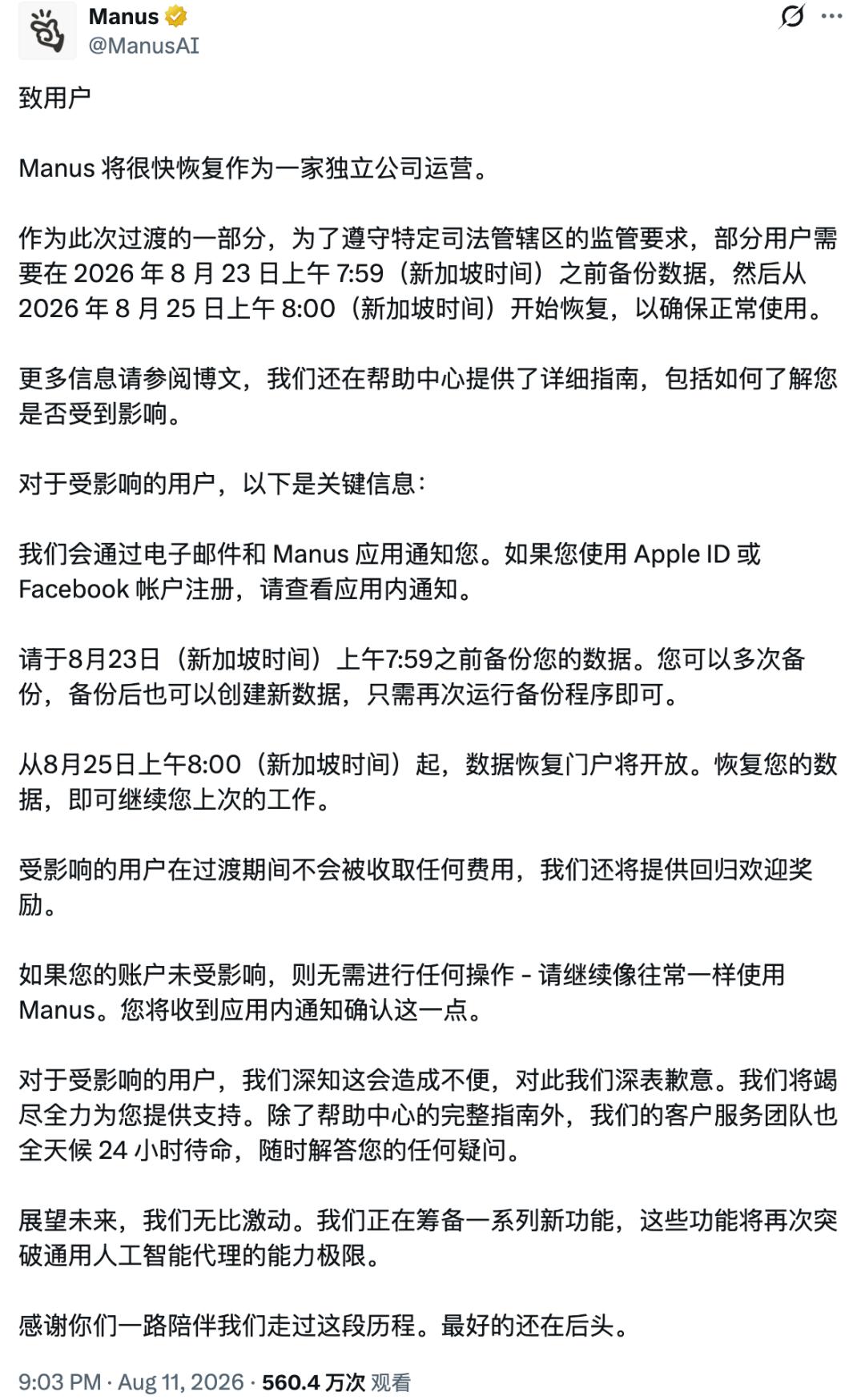
Before returning to the startup status, we had already observed this "butterfly" in the middle of the storm, especially the Manus product itself: amid a series of external changes, its iterations, features, and forms have all been evolving quietly.
Only this time, it can no longer stir up huge waves as it did before. The momentum to define a new product category requires a rare time window, and its arrival can only be waited for, not predicted.
If you have almost forgotten about this product, or want to know what changes and additions it has received, today is the perfect time to revisit this story.
A butterfly flapping its wings can stir up a storm on the other side of the Pacific Ocean, which is the explanation for the term "butterfly effect". In the AI industry, the "butterfly effect" is best known for a company named after this concept, which launched Manus.
The launch of Manus was once the initial highlight moment for Agent-type products. With its unique engineering mindset, it sparked a wave of widespread popularity and also triggered unprecedented controversy. The biggest controversy occurred after it was acquired by Meta for 2 billion US dollars.
On April 27, 2026, the National Development and Reform Commission ordered Meta to unwind its acquisition of Manus, putting an end to this 2 billion US dollar transaction.
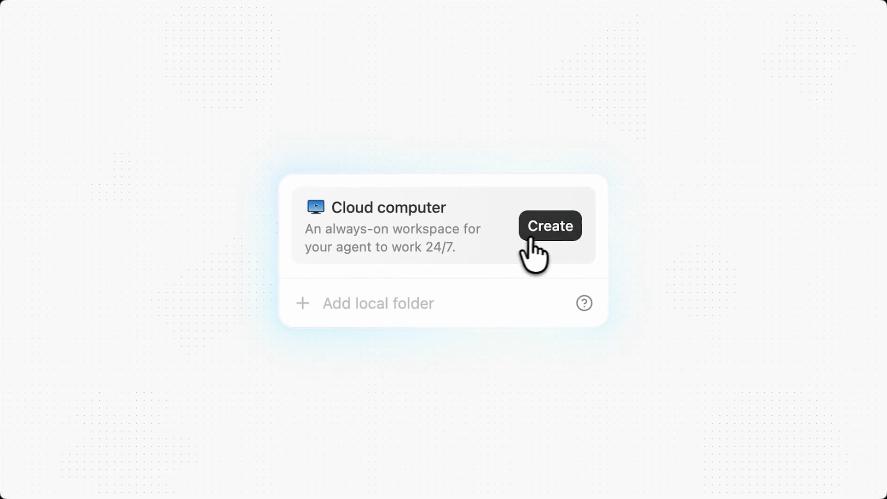
Three days later, Manus' official Twitter account was updated, not with an announcement about the acquisition, nor with details about the unwinding of the deal, but —
Cloud Computer has been added!
Moments like this have played out over and over again in the past five months. If you only follow the news, Manus is the rope in the tug-of-war between Chinese and US tech forces; but if you check its official Twitter and update logs, Manus is the product in the AI industry that once sparked massive discussions, then returned to its own track and kept releasing new updates and versions.
When we place Manus' product update timeline over the past five months side by side with the external storms it has experienced, we see a very peculiar picture: a butterfly flapping its wings hard in the middle of a storm.
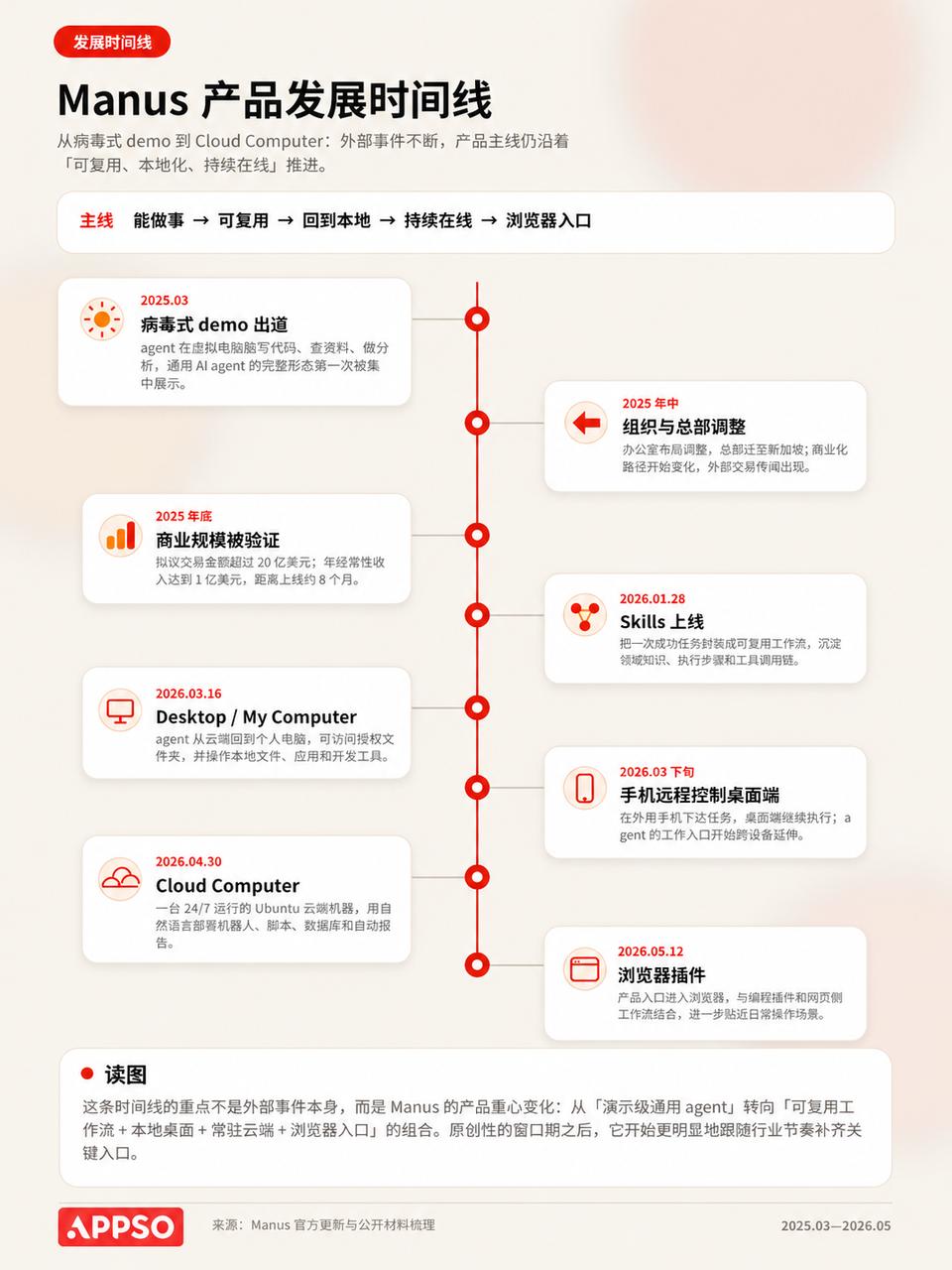
While foreign media headlines are full of fierce coverage, the product team is frantically adding all kinds of new features directly to the changelog. Users finish reading news about multi-party power struggles on their phones, and the next update is "Now you can control the desktop version from your phone!"
The same product, two completely different stories. The fate of a company has never been so interestingly aligned with its own name.
But what about as a product? Putting aside all the noise, I want to see what Manus has actually been doing as a product over these five months.
0 Days Since Its Debut
In case you don't remember: before the storm started, the sky was clear and bright.
Manus debuted in March 2025 with a viral demo video, where the agent wrote code, looked up information, and performed analysis in a virtual computer without any user intervention throughout the process. The waitlist grew to a huge queue in 48 hours, and invitation codes were extremely hard to come by, which was called the "DeepSeek moment for Agents".
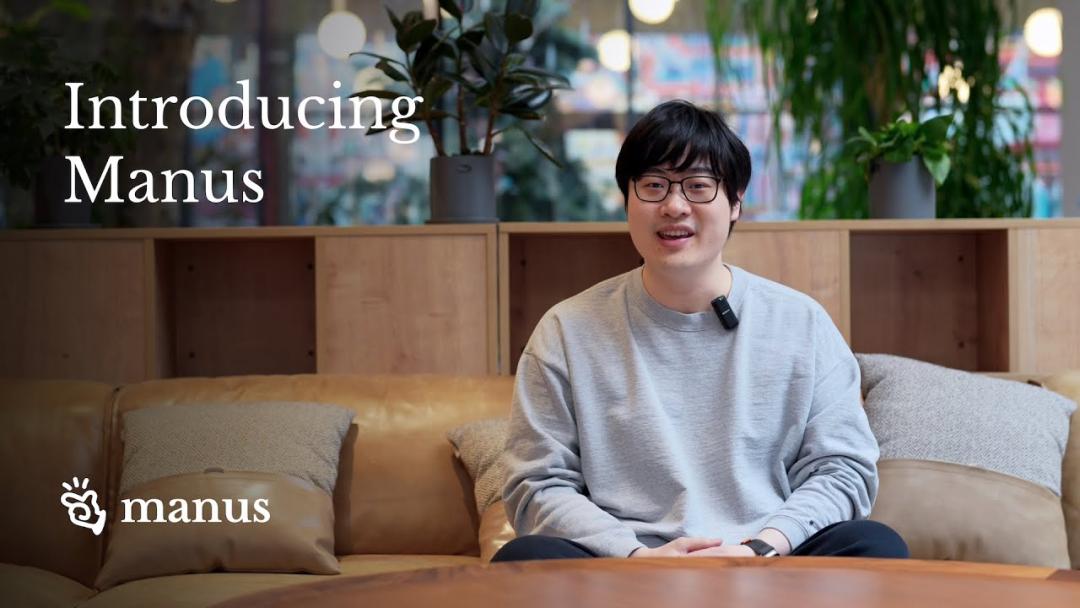
The backgrounds of the founding team were also dug up, with all kinds of fancy titles describing them as rising stars and geniuses. This was supposed to be another miracle story of the new era: a group of young engineers from China created another milestone in AI history.
The story took a turn in mid-2025, when Manus closed its China office and moved its headquarters to Singapore. Soon, rumors of an acquisition emerged. At the end of the year, Meta announced the acquisition of Manus for more than 2 billion US dollars, at which point Manus' annual recurring revenue had reached 100 million US dollars, only eight months after its launch.
Then the storm quietly began.
20 Days Before the Security Review
On January 28, Manus launched the Skills feature. Before Skills, the way to use Manus was like this: you give it a task description, it plans the steps and then executes them.
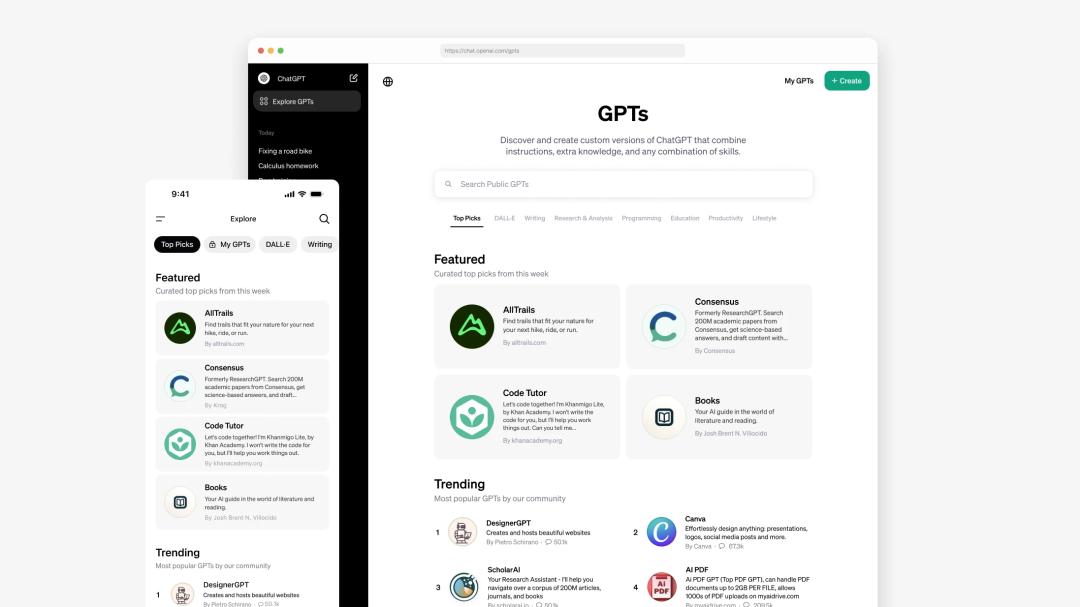
At that time, the entire AI industry was going through a boom of "reusable agent capabilities". Anthropic was promoting the MCP protocol to standardize tool calls, OpenAI's GPTs had already proven the appeal of "reusable AI workflows" to users, and various automation platforms were packaging Skills or similar concepts as their core features.
The pain point was that every task started from scratch. If you asked it to do a market survey last week, and do a similar one this week, it would not remember what methods it used last time, which websites it checked, or what format it output — Skills changed that.
Its essence is a set of modular, reusable workflow templates. You can "encapsulate" a successful task execution process into a Skill, and call it directly next time. The official description is: think of it as an onboarding training manual for your AI agent.
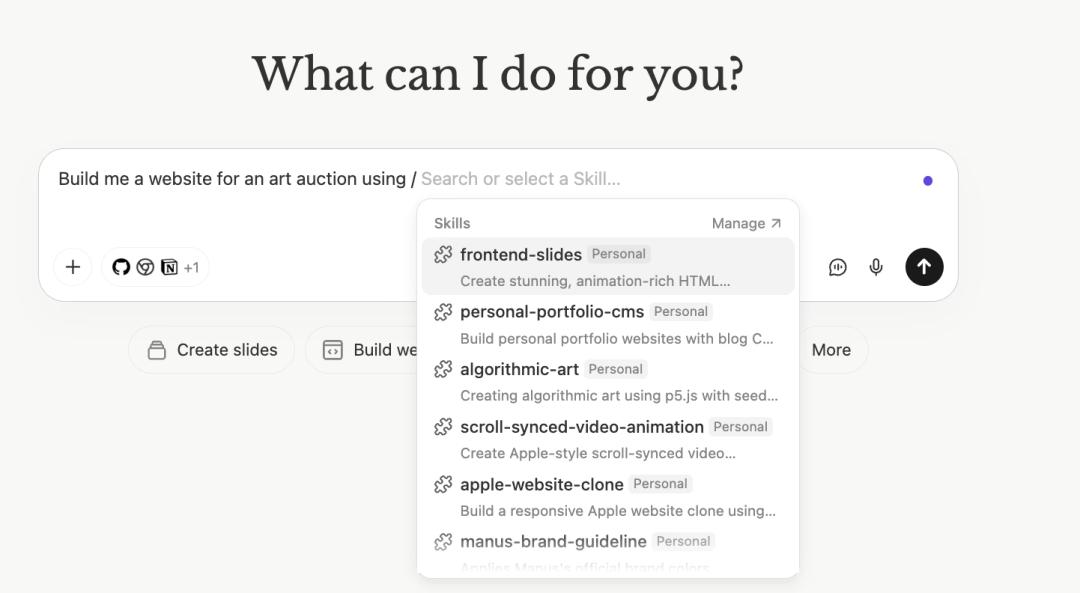
Specifically, a Skill contains three layers of information: domain knowledge, execution steps, and tool call chains. For example, a "competitor analysis" Skill will tell the agent to first check traffic data with Similarweb, then use a browser to access specific pages to grab information, then use a data analysis script to process the downloaded data, and finally generate a report according to the preset template.
The concept of "reusable AI workflow" is not new. OpenAI released GPTs and GPT Store in November 2023, which was the first large-scale verification of this concept. But GPTs are essentially customized chatbots, not skills at the agent level.
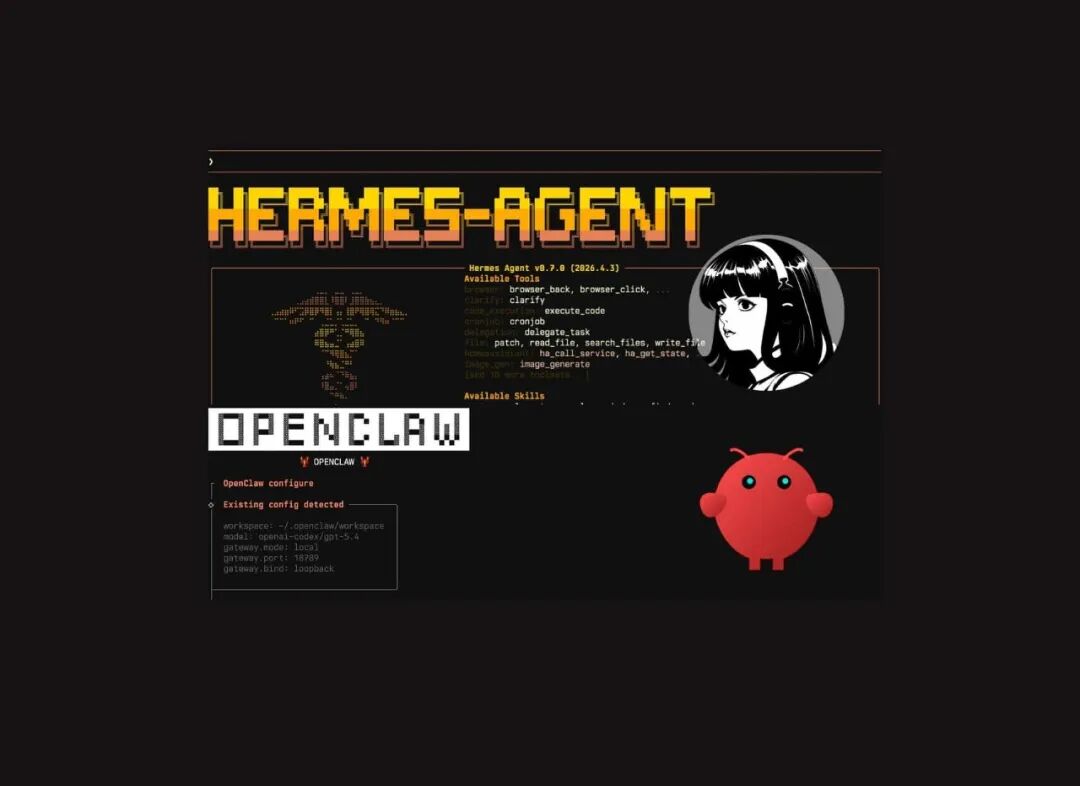
When Manus integrated skills into its product in January this year, the open source community had just got skills running smoothly through OpenClaw. After all, Hermes Agent was first launched in February, with a complete built-in skill lifecycle.
Manus caught up with this trend, half a step faster than others, which was a very timely product decision. But when it made this decision, it was about to face the starting point of the storm: the security review. Reporters from Reuters were looking for sources all over Beijing, trying to figure out what the security review by the Ministry of Commerce actually meant.
17 Days Before the Regular Meeting of the Ministry of Commerce
On March 16, Manus launched the Desktop application, with a core feature called My Computer. CNBC published a report on this new feature the next day, March 17.
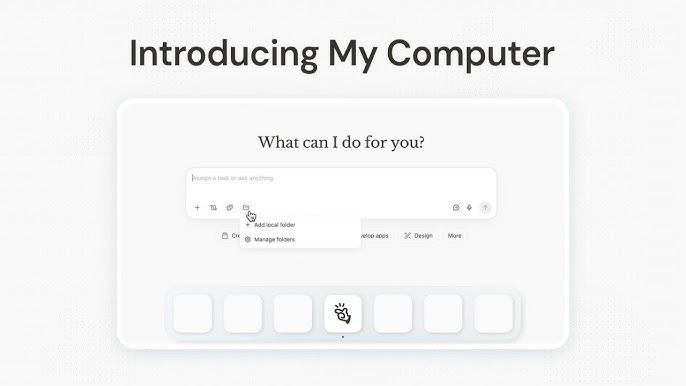
Before that, Manus operated entirely on the cloud, with its own virtual sandbox environment that included network, command line, file system and browser. This was its core capability as a general-purpose AI agent, and its original promise: no local deployment needed, everything can be done on the cloud.
But this promise had a fundamental limitation: users' most important work happens on their local computers, where project files, development environments, and various local applications are all located on the "ground".
Manus' official blog reflected their awareness of this: The cloud was never enough. So My Computer took an action of "landing": pulling the agent back from the cloud to the ground, to the user's local computer. After installing the Desktop application, you can authorize Manus to access specified local folders, and directly operate computer files, applications and development tools. Those operations that used to hang between the cloud and local now land on the desktop of personal computers.
Well, if Manus was half a step faster with the Skills decision, this time they didn't take the lead — isn't this exactly OpenClaw, which was popular throughout the early 2026?

When Manus finally pulled the agent from the cloud to the local side, the entire industry had already been running locally for three months.
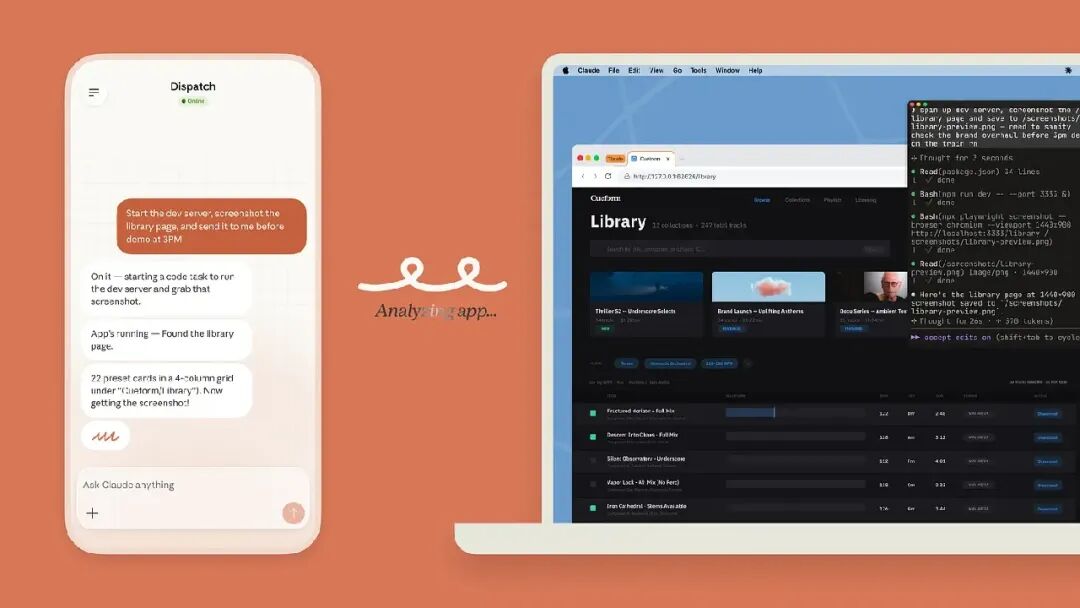
Two weeks later, on March 30, Manus added another feature: remote control of the Desktop from mobile phones. You can give the agent tasks with your phone when you are out, and the work will be completed by the time you get back to your computer.
But in fact, just the second week after they released My Computer, on March 24, Anthropic launched Claude Dispatch (part of Cowork), which allowed remote desktop control from mobile phones.
But a bigger storm was waiting ahead. Ten days later, media outlets reported one after another: The founders of Manus have been recalled to Beijing, and the Ministry of Commerce is about to investigate this 2 billion US dollar acquisition.
It can also be seen as a kind of landing, just the kind they chose.
3 Days Before the Unwinding Order
On Thursday, April 30, Manus launched Cloud Computer.
Simply put, it is a computer that never shuts down, a dedicated cloud machine running Ubuntu system that operates 24 hours a day nonstop.
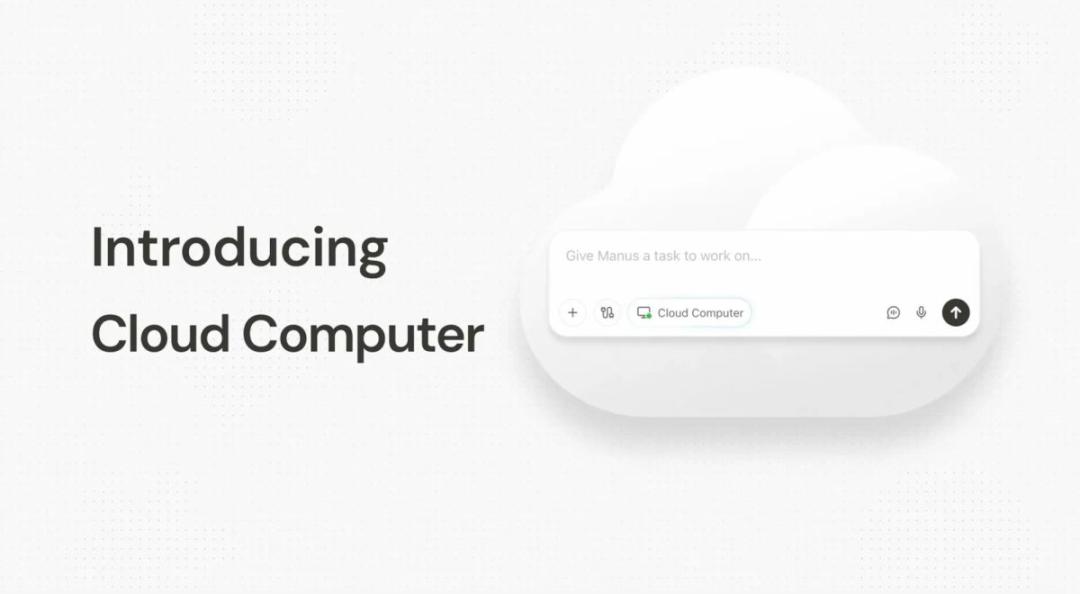
AWS and Vercel have long provided cloud servers. But Manus' entry point is different: it turns the "rent a server" operation that used to be only available to developers into an action that anyone can complete with natural language.
Never-sleeping automation used to be the patent of developers. In the past, if you wanted to run a 24/7 crawler or Slack bot, you had to open a server on AWS or Vercel, configure the environment, and manage maintenance, all of which required certain technical thresholds.
Cloud Computer compresses the entire process into a one-sentence description. For example, "Help me grab the price data of a certain website at 8 a.m. every day and send it to my email", and Manus will help you set up the server, write the script, and configure the scheduled task.
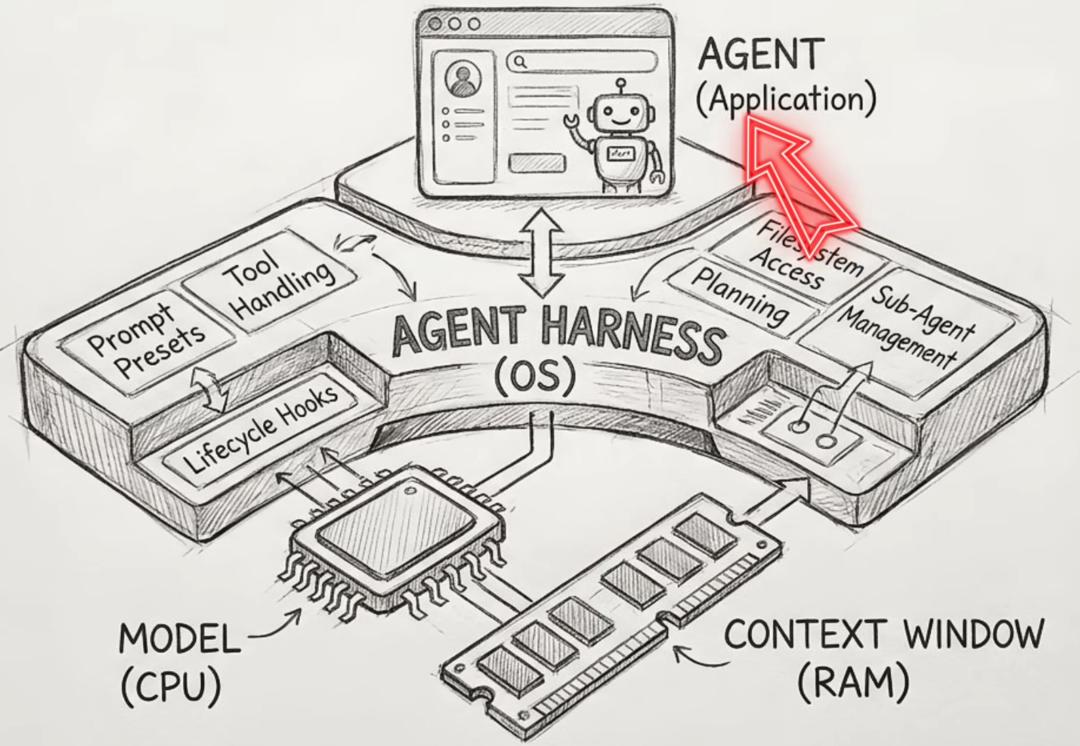
The vision of "bringing cloud servers to ordinary people" was realized in another way by OpenClaw before Manus, running on your own 5-dollar VPS or Mac Mini. That's why Mac Mini is so popular: it is exactly "a non-developer can also have an always-online agent computer".
What Manus did was to package this into a more user-friendly cloud paid service, which indeed lowers the threshold for C-end users