"External add-on batteries" are growing wildly. Is the "8-year curse" of new energy vehicles coming?
You may never have imagined that a kind of "life-prolonging surgery" is quietly gaining popularity in the new energy vehicle market.
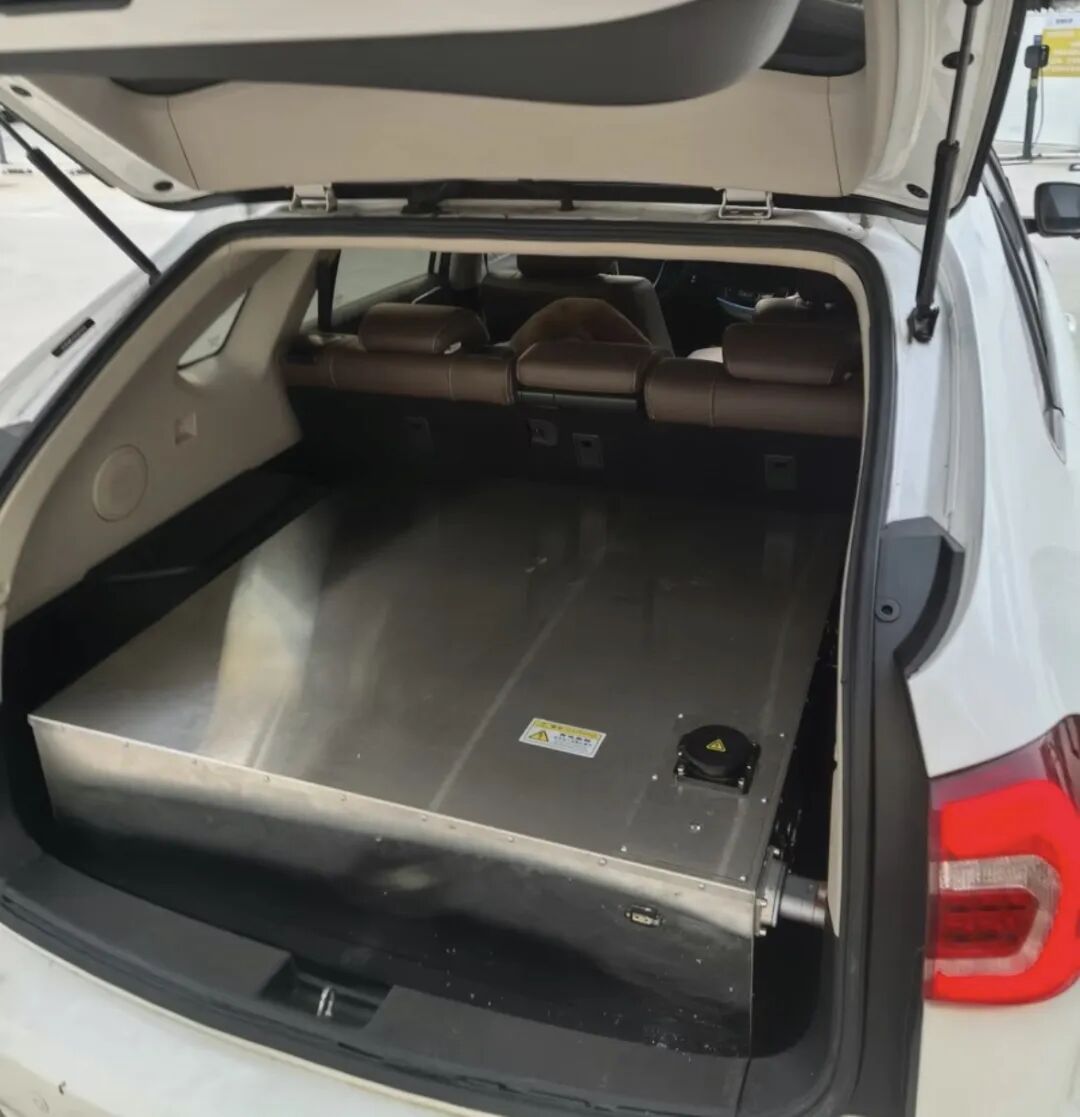
There is no need to replace the whole vehicle, nor do you need to spend 50,000 to 60,000 yuan to replace the original factory battery. You only need to pay 10,000 to 20,000 yuan to install an extra battery pack in the trunk or under the chassis, connect several high-voltage wires, and the old electric vehicle that originally could only run more than 100 kilometers can now travel 300 kilometers again. For plug-in hybrid vehicles, adding a range extender pack allows them to be driven directly as pure electric vehicles.
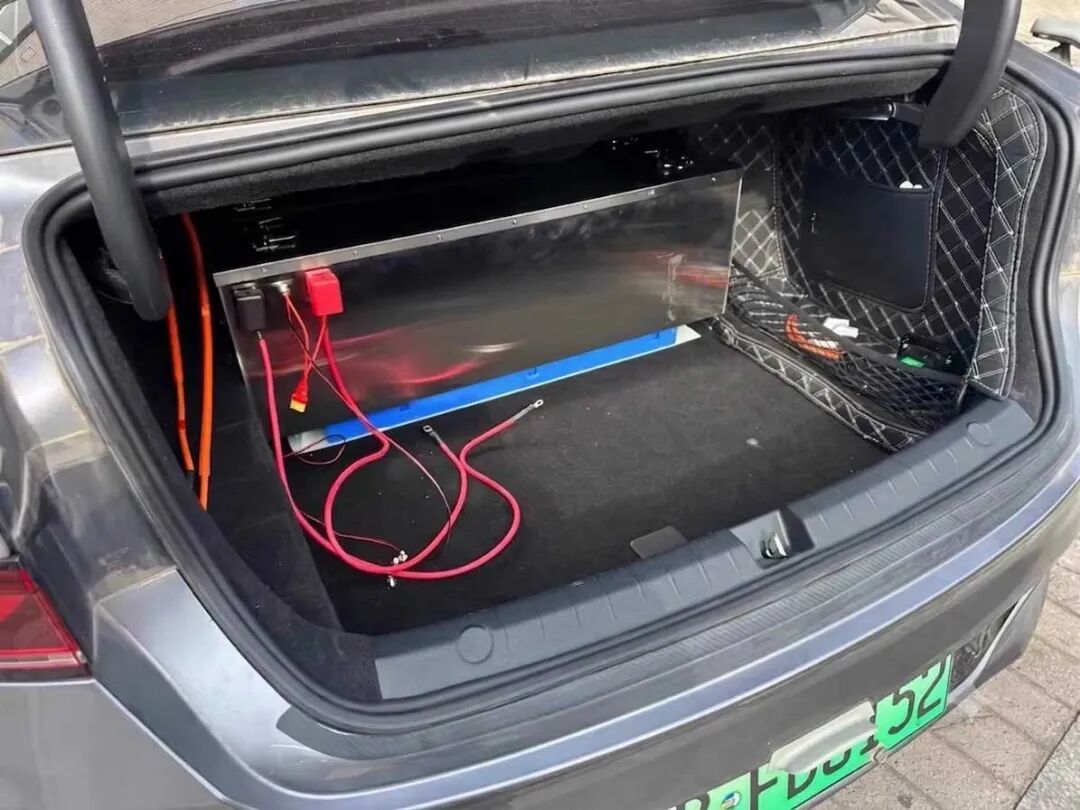
In recent years, if you search for "increase cruising range" and "add extra battery" on various social platforms, you will see a large number of promotions from modification merchants: "Increase cruising range by 100-400 kilometers", "Support fast charging, 1-8 year warranty". Some merchants even shout: "Replace with CATL battery, and you can drive another 300,000 kilometers".
Behind this trend is a growing group of car owners. The first batch of new energy vehicles are collectively crossing the 8-year warranty threshold. Many car owners are now facing an awkward situation: the car can still be driven, but the cruising range has been cut by half; they are reluctant to sell the car because its residual value is too low; replacing the battery is too expensive, and the maintenance cost of tens of thousands of yuan even exceeds the value of the vehicle.
As a result, some car owners have chosen a dangerous path — installing "external batteries" for their new energy vehicles.
Giving Rise to a Gray Industrial Chain
First, let's look at why this industrial chain has suddenly become popular.
Around 2016, China's new energy vehicle market saw its first wave of explosive growth, and a large number of vehicles with a nominal cruising range of 300 kilometers were put on the road intensively. A family car runs 10,000 to 20,000 kilometers a year, with a 10% to 15% capacity degradation after 6 years, which is still acceptable. But ride-hailing vehicles are different: they run 80,000 to 100,000 kilometers a year, and their battery capacity may degrade by 30% to 40% after 3 to 4 years, and the battery health of some vehicles has dropped below 60% directly.
As for some car models with "internal manufacturing defects in batteries" that are not covered by the official extended warranty or whose extended warranty period has expired, it is only a matter of time before the faults are exposed. Not to mention the millions of "orphaned vehicles" left behind by failed carmakers, even if they are still under the warranty period, there is no official after-sales channel to get them repaired.
According to industry statistics, it is estimated that the number of new energy vehicles out of warranty will reach 980,000 by 2028; by 2032, this figure will soar to 7.2 million.
Li Bin, founder, chairman and CEO of NIO, once did the math: in the next 8 years, the batteries of about 19.4 million new energy vehicles will go out of warranty one after another. If the average processing cost per vehicle is 60,000 yuan, the potential total cost will exceed 1 trillion yuan.
Given the huge market demand, and the official channels cannot keep up, the gray market will naturally fill the gap.
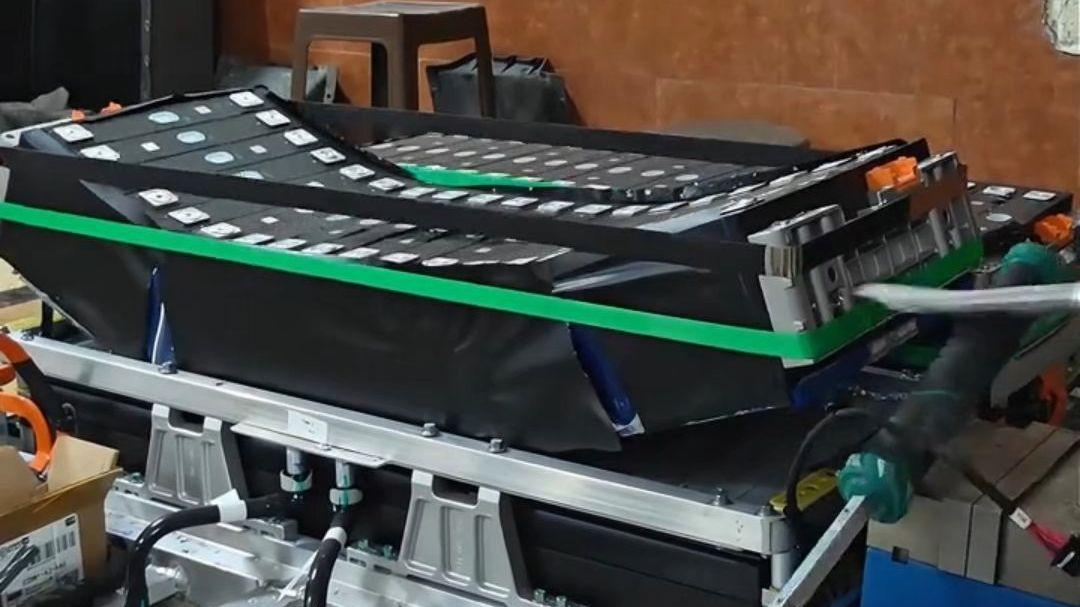
Now this industrial chain has been quite mature: for pure electric vehicles, the unit price of adding an extra battery pack is 400 to 800 yuan per kWh; installing a 20kWh pack costs about 15,000 to 20,000 yuan in total, which can increase the cruising range by about 160 kilometers; the quotation for full vehicle battery replacement is 20,000 to 30,000 yuan. The business covers the whole country, with merchants providing on-site service or in-store service, forming a complete service chain.
There are many real cases: a 2015 BYD Tang installed a 50.6kWh range extender pack, which increased its pure electric cruising range by 227 kilometers, so the car owner can drive it directly as a pure electric vehicle; a Wuling Zhiguang installed an 18kWh battery, doubling its cruising range from 201 kilometers to 402 kilometers; BYD Seagull is claimed to be able to break 500 kilometers after battery expansion; the CALB battery of GAC AION S is replaced with a CATL battery, restoring the cruising range of a new car.
The Walking "Mobile Bomb"
However, this cheap "life-prolonging solution" may be a "mobile bomb".
One of the core technologies of new energy vehicles is the battery management system, known as BMS for short.
It is responsible for monitoring the temperature, voltage, charging and discharging status and abnormal risk of each cell. Carmakers will go through crash tests, thermal management tests, and electronic control matching tests to match a set of batteries, and the whole process is extremely strict.
No matter it is an external battery or a modification done by small unlicensed workshops, the biggest problem is that the extra battery is not in the "monitoring list" of the original vehicle system at all. The vehicle has no idea about the real status of this new battery.
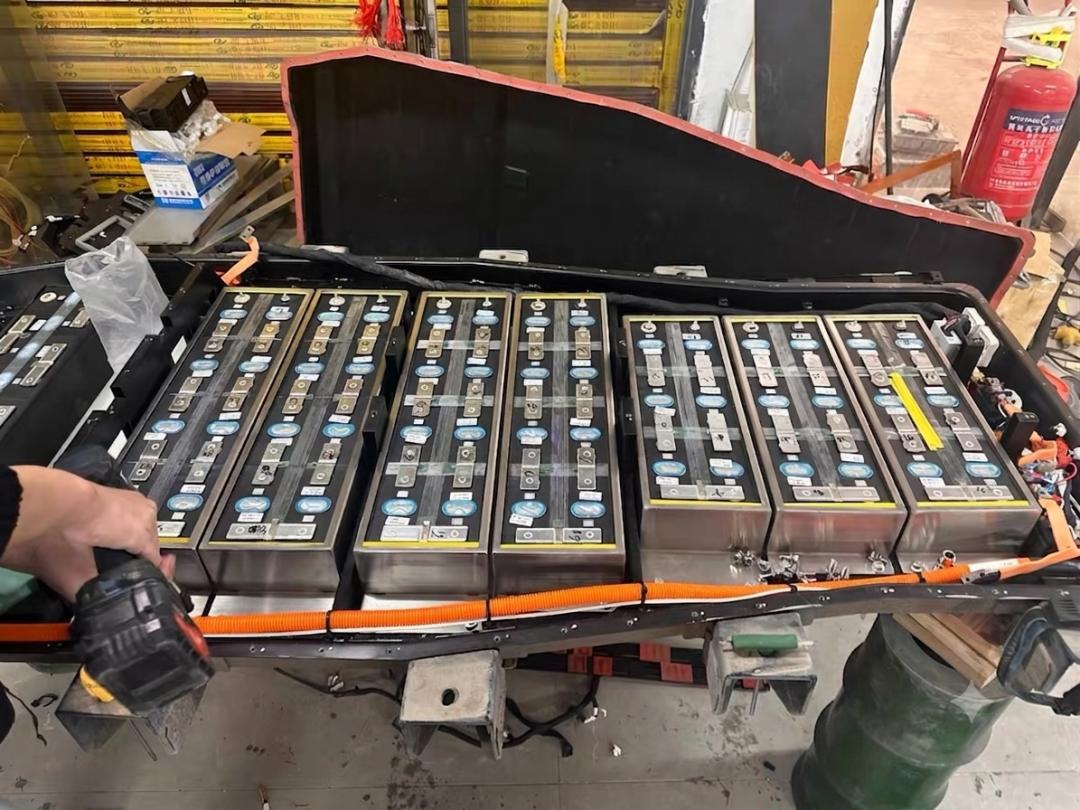
What if the modified battery has abnormal temperature? What if its charging and discharging speed is inconsistent with the original one? What if a certain cell breaks down? All these risks may be hidden quietly.
What's more troublesome is that the sources of cells used in part of the modification market are complicated. There are brand new cells, and also dismantled second-hand cells. Even some consumer-grade batteries may flow into this market. Mixing cells of different batches and different attenuation levels will reduce the consistency of the whole battery pack. Most modification solutions also directly abandon the original cooling system of the vehicle, relying on natural heat dissipation to work, which further amplifies the fire risk.
The "brand new CATL cells" claimed by merchants may not be credible. Even if the cells are genuine, the assembly process and system matching are the key to safety, which is exactly the technical threshold that small unlicensed workshops cannot cross.
In addition to safety problems, there are also legal risks. This kind of modification may no longer be a normal repair, but a change to the vehicle structure. Once it is identified as illegal modification, the car owner may not only face penalties, but the subsequent annual inspection and road driving of the vehicle will also be affected.
What the car owners want to solve is the cruising range problem. But in the end, they may get greater risks, putting themselves and passers-by in danger.
How to Solve This Dilemma?
To curb the chaos of "external batteries" from the root, the key is to provide car owners with safer and more cost-effective formal options. But why don't carmakers directly launch official upgrade solutions?
The reality is not that simple.
First of all, technology and cost are both big problems. Adding extra batteries to old car models is not as simple as just putting a new battery in, but requires re-matching the electronic control system, chassis structure, crash safety, thermal management, and even redoing the whole certification process. For car models that have been out of production for many years, the input is huge but the commercial return is limited.
Secondly, there are also contradictions in the business logic. The new energy industry updates extremely fast, and battery technology and intelligent level change in just a few years. For carmakers, investing resources in maintaining old models is obviously less cost-effective than launching new cars.
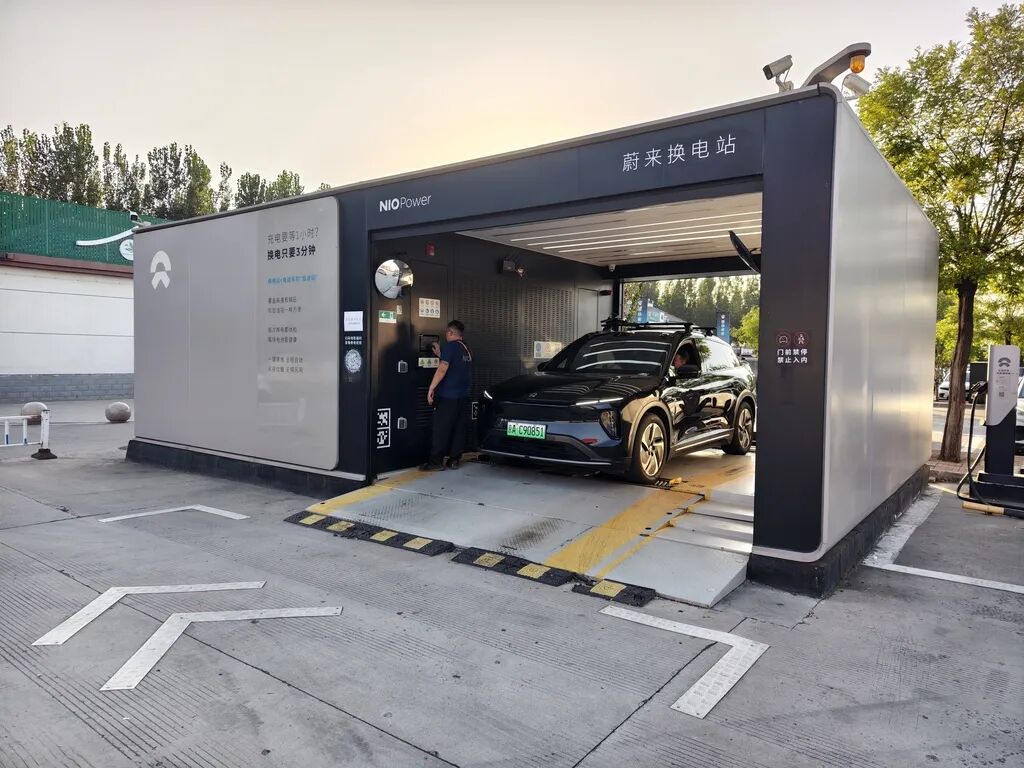
Of course, some enterprises are trying to solve the problem from another direction. For example, the battery swapping mode explored by NIO, BAIC New Energy, CATL and other enterprises, through "vehicle-battery separation", makes the battery an independent asset, eliminating users' concerns about battery degradation from the source. However, the battery swapping system requires a large amount of infrastructure investment, which cannot be replicated by all carmakers.
The imbalance between market supply and demand is not unsolvable. The "Coding Rules for Lithium-ion Batteries" implemented in November 2025 assigns a unique identity code to each newly produced battery, realizing full life cycle traceability;
The "Interim Measures for the Administration of Recycling and Comprehensive Utilization of Decommissioned Power Batteries of New Energy Vehicles" implemented in April 2026 requires carmakers to open battery technical information to compliant third-party maintenance enterprises;
The announcement issued by the Ministry of Industry and Information Technology on July 30 ended the power battery echelon utilization industry rules that have lasted for more than ten years, which means that inferior refurbished batteries will withdraw from the market, eliminating the hidden safety hazards of modified and refurbished batteries from the source.
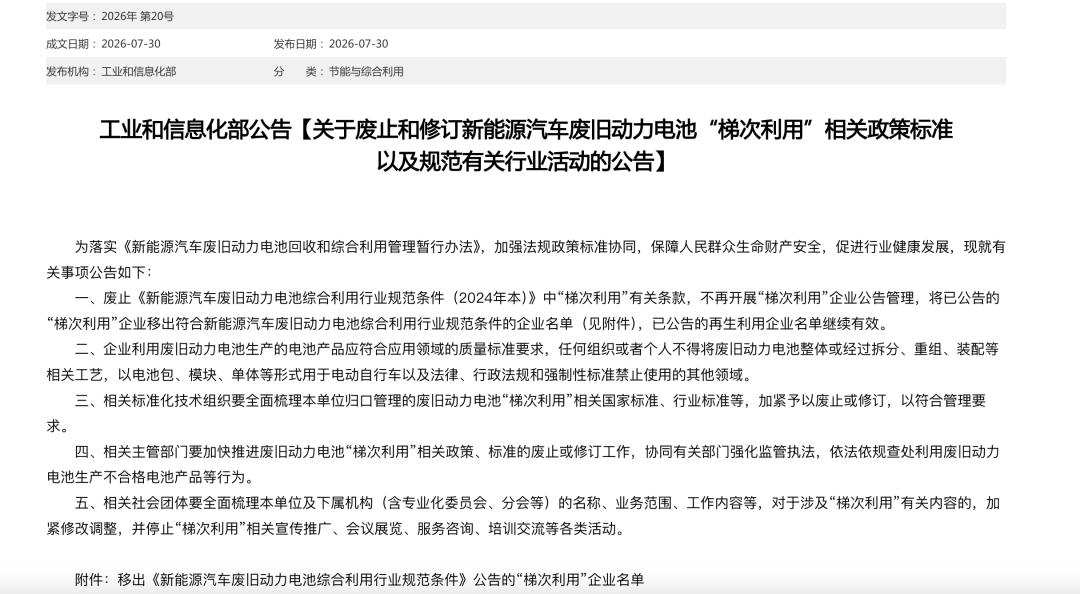
However, prohibition alone may not be enough. In order to reduce the maintenance cost of car owners, the government should also promote formal third-party enterprises to enter the power battery maintenance market, so that services such as cell repair, module replacement and battery remanufacturing will gradually mature.
Only by lowering the threshold of formal maintenance and life extension services, and making safe and compliant cruising range solutions truly accessible, can we fundamentally squeeze the living space of the illegal modification market.
This article is from WeChat Official Account "Auto Market Story", written by Peng Fei, authorized for release by 36Kr.