Elon Musk is about to make Cursor "disappear"
Cursor's "disappearance" has entered the countdown.
According to The Information, on local Thursday, the well-known AI code editor Cursor held an all-hands meeting. Executives presented all employees with the latest timetable for the transaction advancement at the meeting:
SpaceX will complete the acquisition of Cursor as soon as next weekend, and no later than the end of this month. The transaction has now crossed "almost all" regulatory thresholds, only awaiting final approval.
However, what follows is a series of brand and structural adjustments that internal employees have described as "hard to comment on".
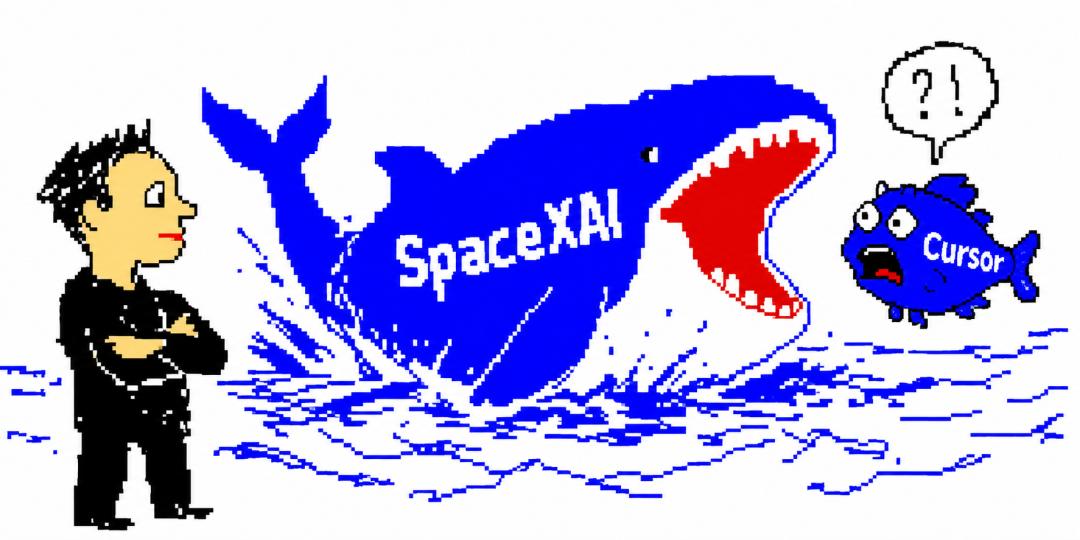
According to multiple sources familiar with the matter, the Cursor brand will most likely be "phased out" in new products over the next few months.
The most direct victim, is Cursor's long-prepared next-generation general-purpose Agent codenamed "Sand". This highly anticipated blockbuster product surprisingly has a new name in internal discussions:
Grok Bot.
As soon as this name was announced, it immediately triggered collective doubts from employees in the subsequent Q&A session.
After all, earlier this year, Cursor CEO Michael Truell reassured the team that SpaceX AI explicitly regards Cursor's brand value and enterprise customer relationships as "extremely valuable assets".
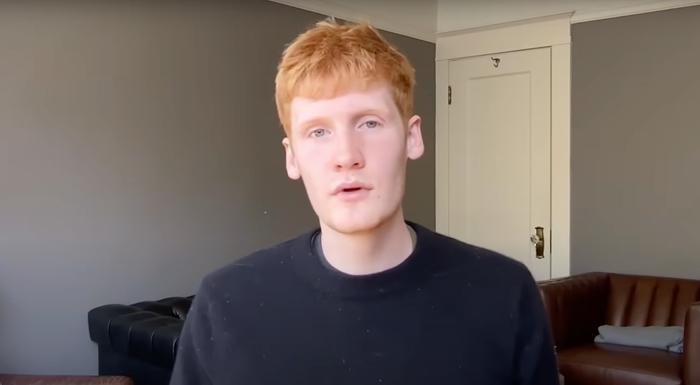
Cursor CEO Michael Truell
Now it is about to be labeled with Grok. Considering Grok's current public image, this move somewhat gives off the vibe of a slapdash, makeshift operation.
However, sources also revealed that existing tools (including the wildly popular Cursor code assistant) will not be renamed in the short term. The final naming strategy is still subject to change, and the team is also considering ditching the Grok name and adopting a completely new brand directly.
In addition to the erasure of its own brand, what makes Cursor employees even more difficult to accept is the "disintegration" of the organizational structure.
The report states that the meeting explicitly pointed out that after the acquisition is completed, Cursor will never operate as an independent department under SpaceX AI. Instead, Cursor's employees will be completely dispersed and integrated into various existing business teams of SpaceX AI.
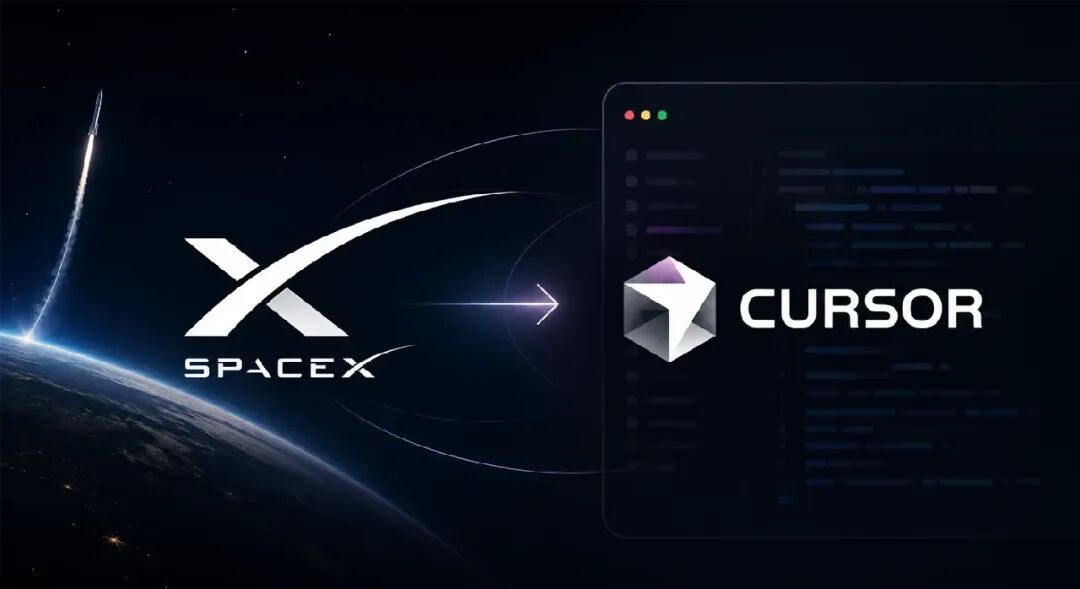
Within a few days after the transaction is closed, all workflows, reporting lines, and Slack workspaces will be fully connected to SpaceX's internal system.
Although Cursor's executives promised not to implement the above changes before the transaction is officially finalized, all present employees are well aware that the two parties' cooperation has long been deeply intertwined.
Cursor's engineers have already accessed SpaceX AI's code system and worked side by side with the other team for several months; at the same time, Elon Musk has personally reviewed Cursor's product progress in recent weeks.
Cursor CEO Truell has also frequently flown to SpaceX AI's headquarters in Palo Alto, California to communicate and push forward the process; more critically, the first large model Grok 4.5 jointly developed by the two parties was officially released last month.
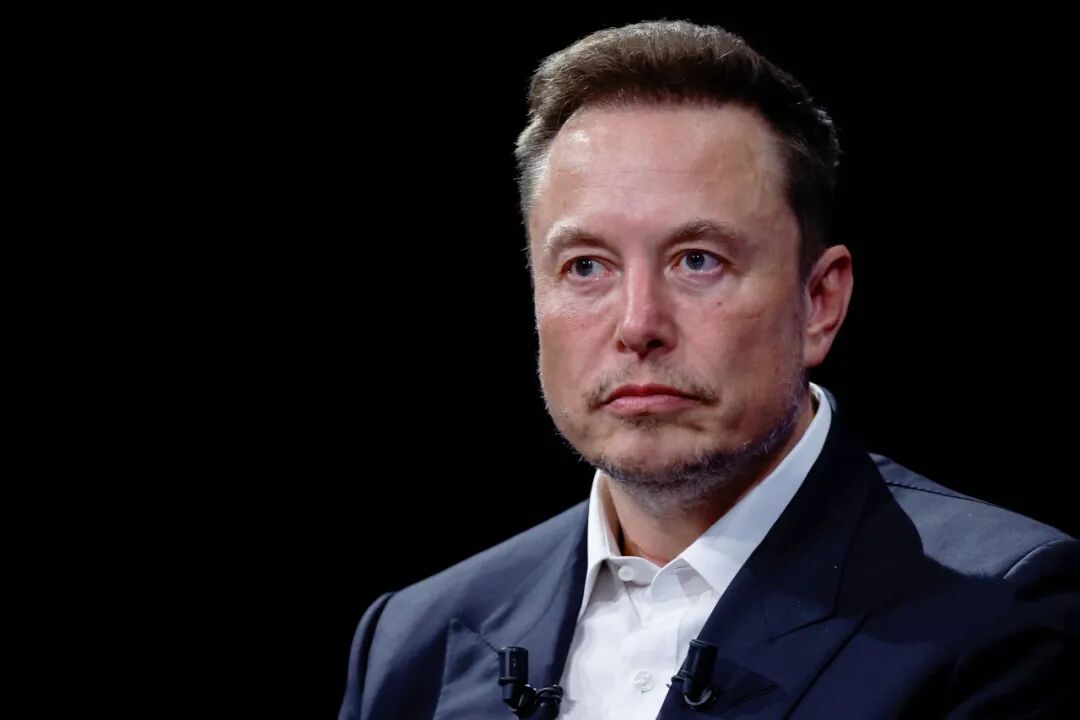
Interestingly, during SpaceX's recent earnings call, many retail shareholders kept asking about the product roadmap after the merger of SpaceX and Cursor, but Musk refused to reveal any details, and seriously threw out a professional term: "Avoid gun jumping".
He explained that before the transaction is formally approved by regulators and closed, antitrust laws strictly restrict the two companies from conducting in-depth business collaboration or joint operations.
It's rather ironic that the two sides have been deeply intertwined for months, but now Musk is talking about "avoiding conflicts of interest" and "compliance" in a solemn and just manner.
So the question arises: Why did Elon Musk push for the acquisition and integration of Cursor so quickly?
Looking at SpaceX's first earnings report after its recent listing (SpaceX completed its IPO in June this year), the underlying business logic is very clear: SpaceX AI is essentially an extremely staggering capital gobbler that devours massive computing power resources.
In the past second quarter, SpaceX's AI-related revenue reached 2.6 billion US dollars, which mainly came from renting cloud computing power to other companies;
At the same time, SpaceX's capital expenditure investment was extremely aggressive, reaching 18.4 billion US dollars, the vast majority of which was poured into data center construction; in terms of cash flow, there was a huge consumption of about 16 billion US dollars in a single quarter, with an astonishing rate of burning cash.
It should be noted that SpaceX has set an ambitious goal of achieving an annualized revenue of 100 billion US dollars by December this year. However, considering that its in-house Grok series has not performed well in commercialization in the B-end enterprise market, it is not easy to achieve this goal relying solely on the AI business line.
The acquired Cursor is exactly an excellent "power booster" for this purpose.
It can not only directly bring a large and highly sticky group of B-end enterprise customers, a huge amount of extremely precious high-quality code training data, but also a more compelling product roadmap:
Model Router: Launched in late July, allowing users to freely switch between Grok, its own Composer, and third-party models such as Anthropic;
Claude Cowork counterpart: A collaboration tool for general AI scenarios is under development;
Cursor Origin: Scheduled to be released later this year, directly positioned as a competitor to GitHub.
More critically, these capabilities have gradually formed a complete, proven closed-loop of developer workflow: from model selection, code generation, collaborative editing, to future code hosting and development platform entry, etc.
By acquiring Cursor, SpaceX will have the opportunity to take full control of the "developer entry + enterprise workflow + model invocation layer", and package these high-value-added AI businesses into its earnings report, proving to the outside world that it can not only sell computing power, but also sell software.
Of course, after saying all this, we still hope that Grok can perform better and pose more competition pressure on the three major overseas tech giants, instead of lying flat forever and making a living by renting out computing power as a "second landlord". That would be so uncharacteristic of Elon Musk.
This article is from the WeChat official account "APPSO", author: APPSO that discovers tomorrow's products, published with authorization from 36Kr.