Breaking: Google AI was rocked by massive upheaval overnight: Gemini sees a leadership reshuffle, and its chief scientist has left with three top industry experts to launch a new startup.
Google AI is going through a major personnel shakeup.
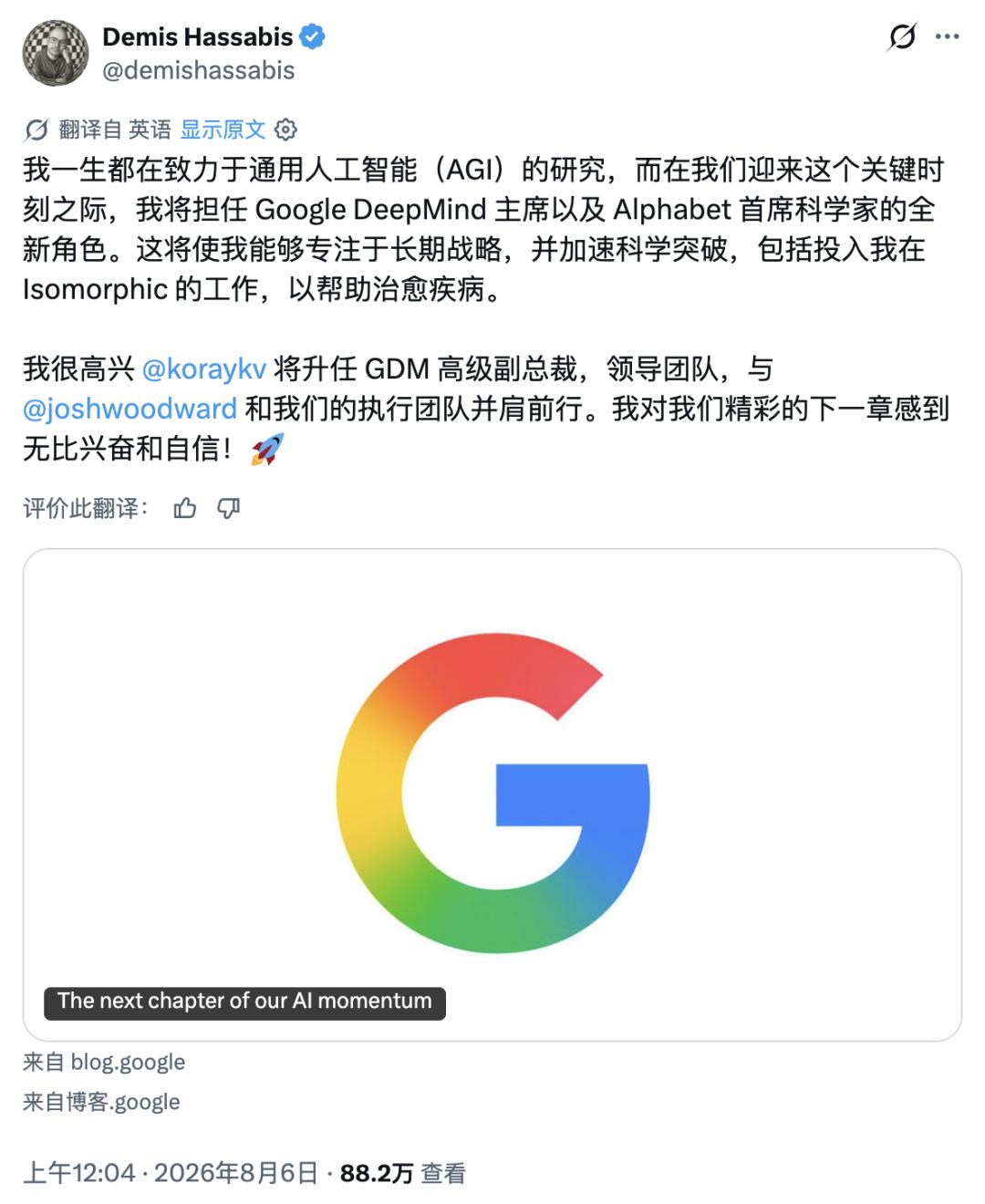
Just now, Demis Hassabis, head of Google DeepMind, announced that he will step down from day-to-day management responsibilities and serve as Chairman of Google DeepMind and Chief Scientist of Alphabet.
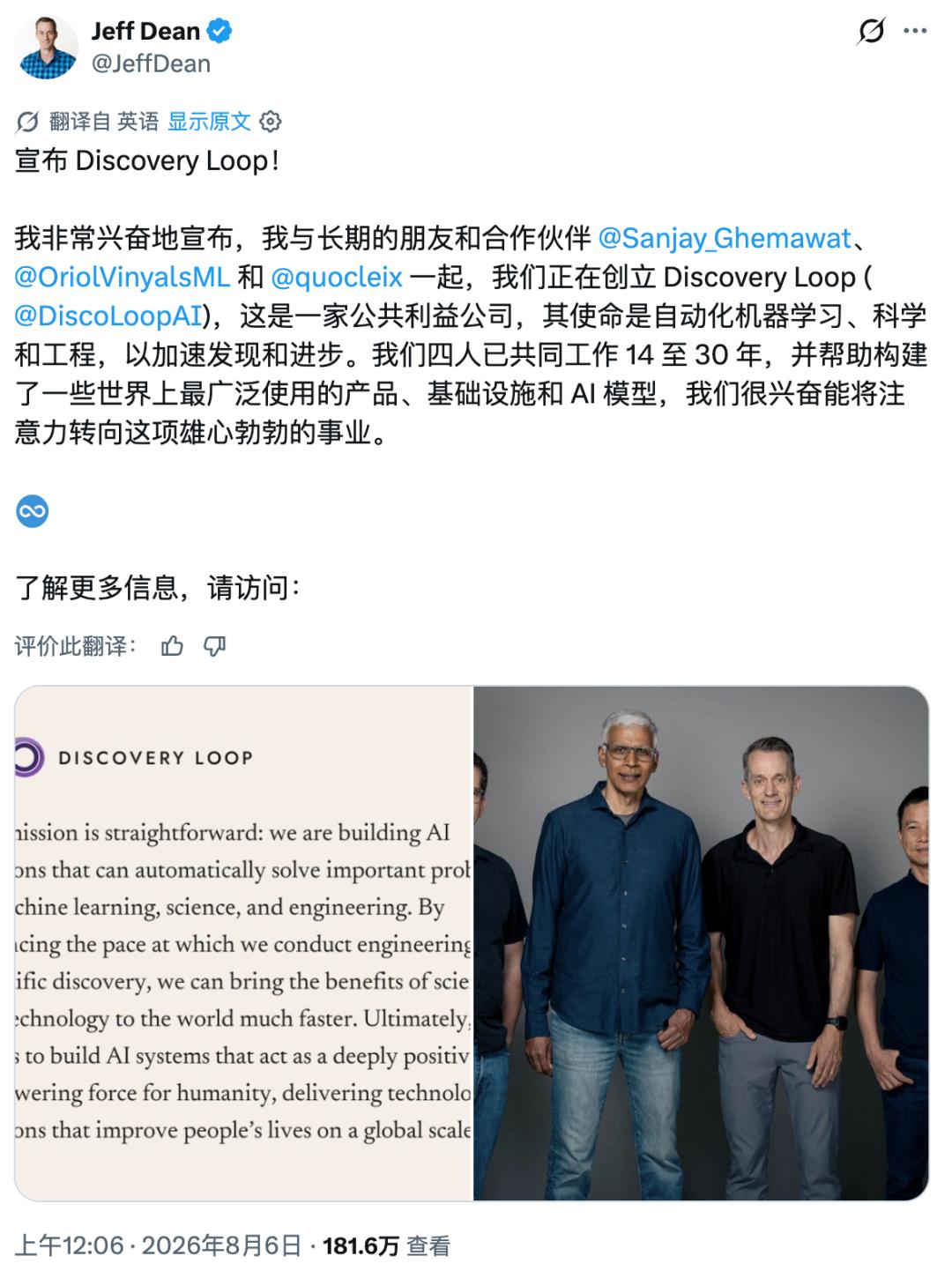
Almost at the same time, Jeff Dean, the iconic figure and Chief Scientist of Google, announced his departure, and will co-found the new company Discovery Loop with Sanjay Ghemawat, Oriol Vinyals and Quoc Le, aiming to explore how to automate scientific research and engineering experiments using AI in the future.
In just one day, two core backbones of Google's AI team have changed their status. After the announcement, Alphabet's share price fell by nearly 4% in a single day.
Hassabis Steps Backstage, Gemini Welcomes New Leader
According to public arrangements, Hassabis has not left the company, nor has he withdrawn from the technical decision-making layer of Google DeepMind. His role has shifted from an organizational manager to a long-term strategy maker and chief scientific adviser.
Hassabis said that he has been working towards artificial general intelligence all his life.
As the development of AI enters a critical stage, the new position will allow him to devote more energy to long-term strategies, basic scientific breakthroughs and global AI governance, while continuing to participate in the work of Isomorphic Labs to promote the application of AI in drug R&D and disease treatment.
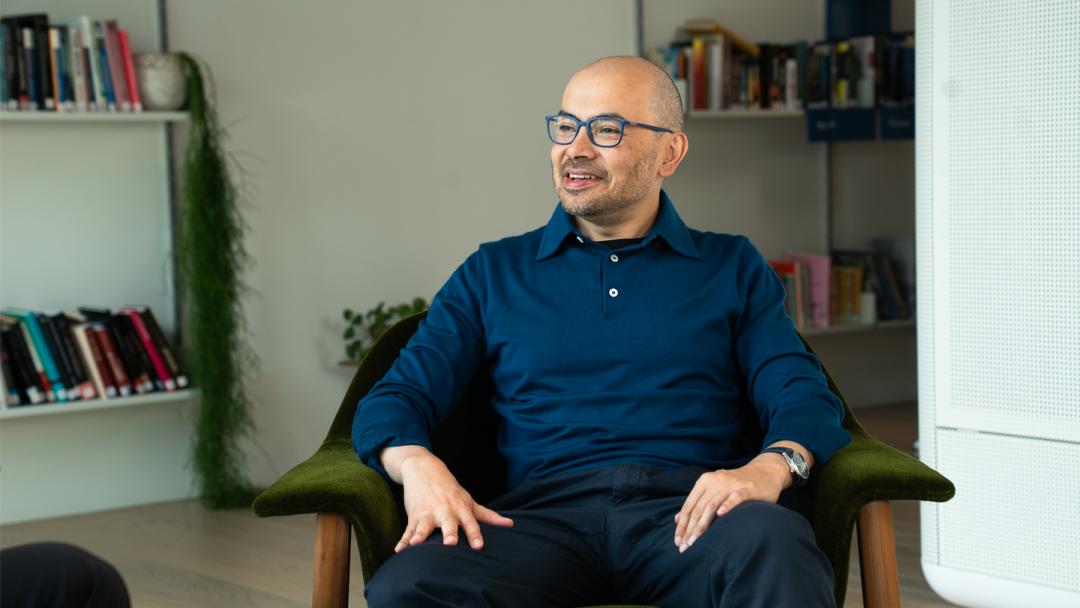
Demis Hassabis
The day-to-day management of Google DeepMind will be taken over by Koray Kavukcuoglu.
Google CEO Sundar Pichai later explained this adjustment in the company's official blog.
According to him, Hassabis has devoted a lot of energy to external communication, long-term technical routes and global AI governance recently. The two sides have discussed the management division for a long time, hoping to free Hassabis from specific operations and focus on the AGI direction and scientific research.
The new job arrangement means that Hassabis will still participate in major technical decisions of Google DeepMind, but will no longer be directly responsible for the huge product and R&D organization.
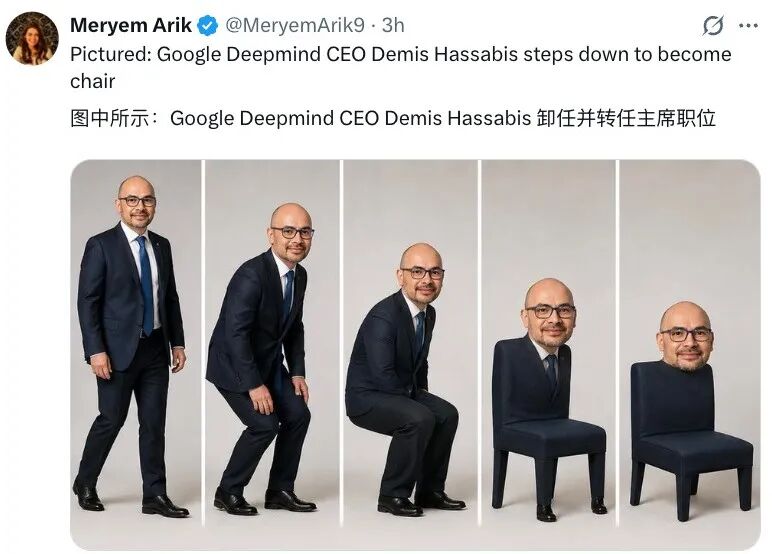
The successor Koray Kavukcuoglu currently serves as CTO and Chief AI Architect of Google DeepMind. After the adjustment, he will be promoted to Senior Vice President of Google DeepMind, reporting directly to Pichai.
The Gemini model R&D, cutting-edge AI research, Gemini App and developer-related teams will all be under his management.
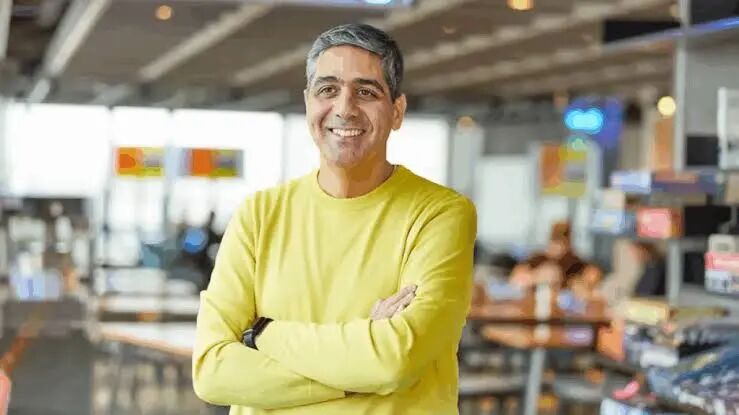
Koray Kavukcuoglu
Koray is not a newly transferred senior executive. He joined the company in the early days of DeepMind, has worked with Hassabis for more than 13 years, once formed and led the deep learning team, and participated in representative projects such as WaveNet and DQN. These achievements have had an important impact on the development of reinforcement learning, speech generation and modern deep learning.
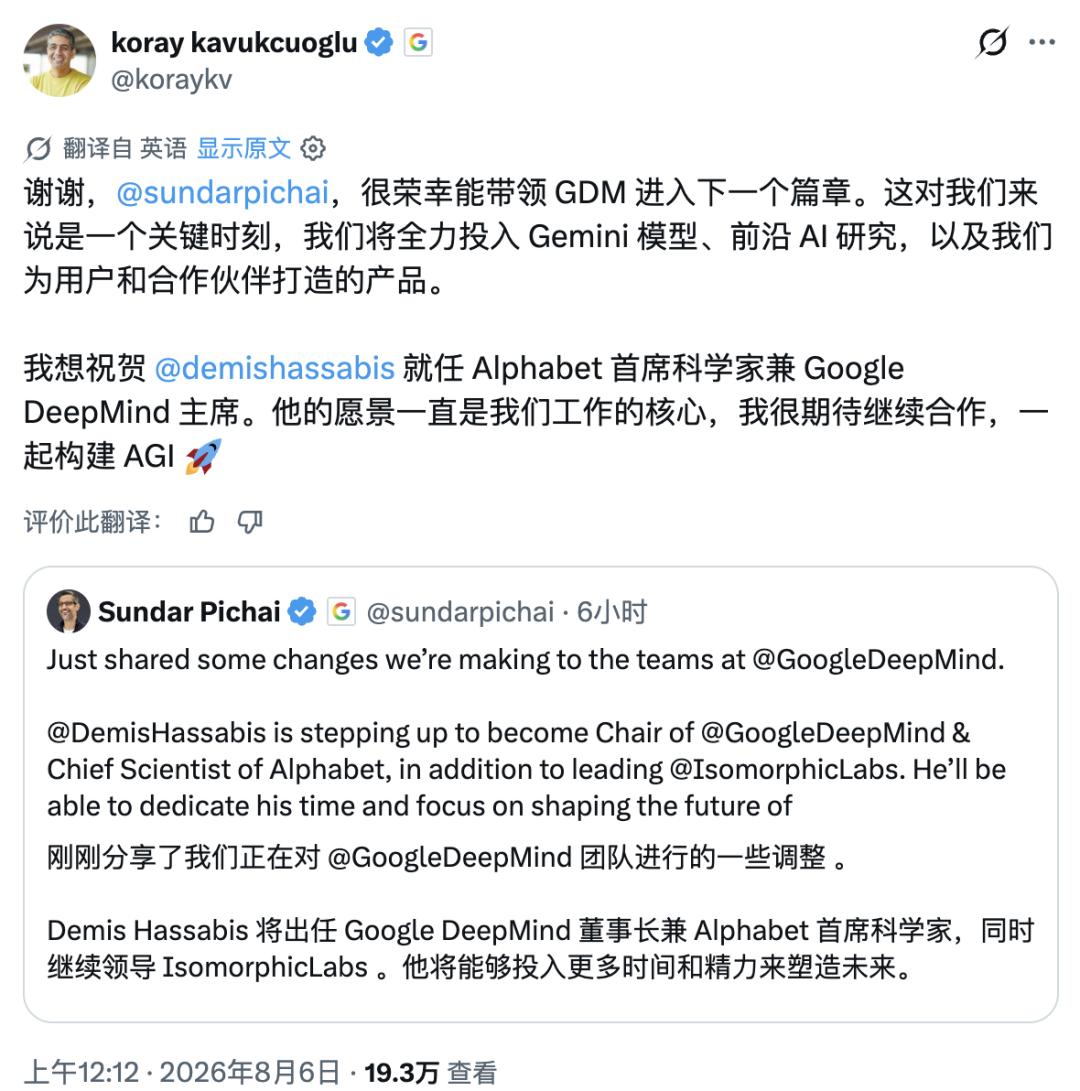
Pichai said in the announcement that he looks forward to Koray leading Google DeepMind into a new stage of development.
Hassabis also explained in an open letter to the team that he will continue to provide suggestions on model R&D and research directions for Koray, Josh Woodward and the management team, and his office will be moved to Platform 37, the new Google DeepMind office building in London.
Isomorphic Labs will become another key focus of his work in the next stage.
This company is incubated by DeepMind, mainly uses AI for drug discovery, and is still part of the Alphabet system. Hassabis believes that AI needs to prove its value in major real-world problems, and disease treatment is one of the most important directions, including diseases that have plagued humans for a long time such as cancer.
He also mentioned in the letter that the new generation model Gemini 4 is being promoted, and the project is progressing well at present.
Jeff Dean Leaves Google, Taking Half of the AI Technology History With Him
Compared with the decent "internal transfer" of Hassabis, the departure of Jeff Dean, former Chief Scientist of Google, has triggered a greater personnel earthquake.
Just now, Dean announced the end of his nearly 27-year career at Google.
According to his resume, he joined Google in 1999, was one of the early employees of the company, and was in charge of infrastructure, distributed computing and artificial intelligence research for a long time.
It is no exaggeration to say that many of Google's key technologies in the past two decades are directly related to Dean.
He participated in or promoted early search infrastructure, Google File System, MapReduce, BigTable, TensorFlow, TPU and Pathways and other projects.
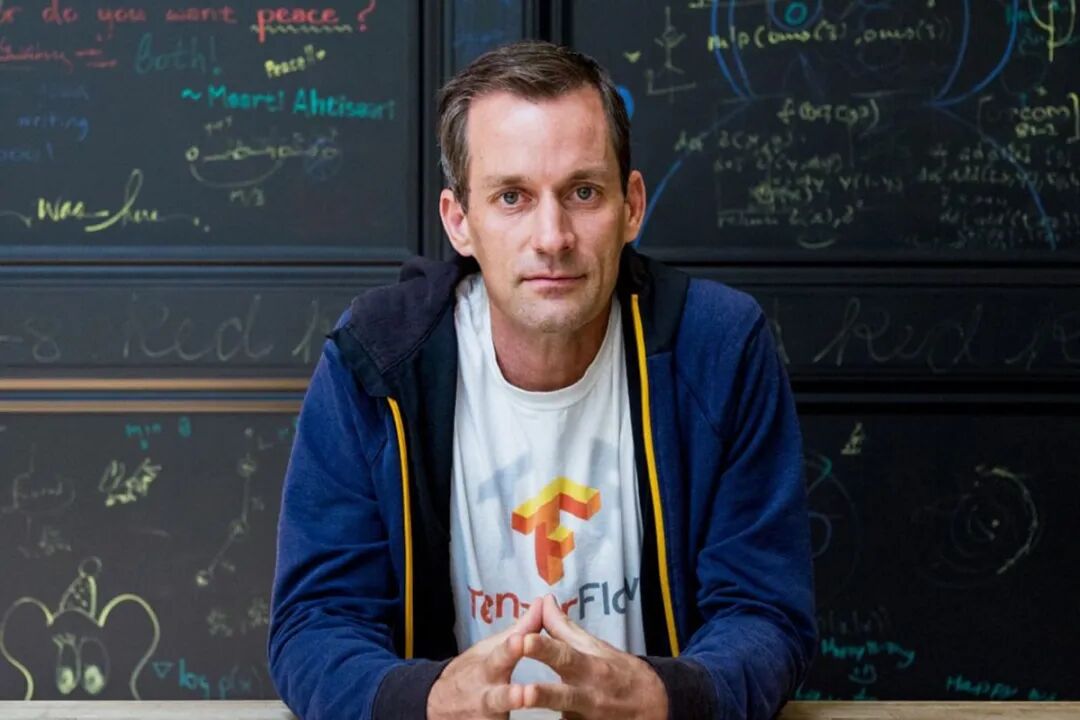
As Google fully shifted to AI, he successively served as head of Google AI and Google's Chief Scientist, becoming one of the most influential figures in the company's technical system.
On July 25, Dean once delivered a speech to about 6,000 entrepreneurs at the Startup School held by Y Combinator.
The theme he discussed at that time was how to automate hypothesis formulation, experiment execution, result analysis and the next round of iteration in scientific research. Dean believes that once the experimental cycle can run in parallel on a large scale, the speed of scientific research, biotechnology, chip design and AI model R&D may be greatly improved.
The audience at that time did not know that this idea was exactly the core direction of his new company Discovery Loop.
Discovery Loop believes that the scientific method itself is relatively mature, but its execution is still highly dependent on manual work.
Research usually requires putting forward hypotheses, designing and executing experiments, analyzing results, and then entering the next round of iteration. A single cycle often lasts from several days to several months, which is severely limited by manpower and processes.
Discovery Loop hopes to use cutting-edge AI and large-scale computing power to automate this cycle, so that the system can automatically generate experimental schemes, execute and analyze results, and iterate research directions accordingly, so as to run a large number of experiments in parallel and accelerate scientific research progress.
A Decent Breakup, Google Invested in the New Company of Its Departed Employee
Three senior researchers also left and started businesses with Dean.
Sanjay Ghemawat is an important builder of Google's early technical system, and has long cooperated with Dean to develop distributed systems. The two jointly promoted infrastructures such as Google File System, MapReduce and BigTable, and received relevant awards from the Association for Computing Machinery in 2012.
Oriol Vinyals once served as Vice President of Research at Google DeepMind and Technical Lead of Gemini, has long been involved in deep learning, reinforcement learning and large model projects, and is also one of the important contributors to AlphaFold research.
Quoc Le is an early member of Google Brain, and has participated in neural architecture search, AutoML and large-scale neural network research. Projects such as AutoML-Zero attempt to use machine learning to automatically discover new algorithm structures, which is highly related to the research direction of the new company.
Dean said that the four co-founders have worked together for 14 to 30 years, and have participated in the construction of a series of products, infrastructures and AI models with global user scale.
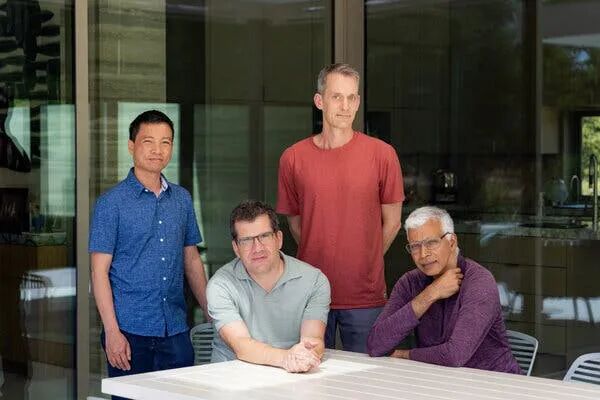
A little-known fact, according to the information disclosed on the official website of Discovery Loop, three of the founding team are among the most cited researchers in the AI field, and two have extremely high academic influence in the field of distributed systems.
The projects they have jointly participated in include Google Search, Google Ads, Google News, Google Translate, Google File System, MapReduce, BigTable, Spanner, TensorFlow, Pathways, TPU, AlphaChip, AlphaStar, AlphaCode, AlphaFold and Gemini.
Technical directions such as model distillation, Mixture of Experts architecture, word2vec, sequence-to-sequence model, chain-of-thought reasoning and neural architecture search are also closely related to the work of several founders.
Interestingly, foreign media reports said that according to Dean, he began to seriously consider starting a business about five weeks ago.
And the resignation negotiations were not easy. Dean revealed that Pichai had arranged several rounds of meetings to try to retain them. The four finally chose to leave, hoping to gain greater organizational freedom and build a new type of infrastructure suitable for research experiments.
Ghemawat explained that Google's existing infrastructure mainly serves search, advertising and large-scale consumer products, and its design goals are stability, scale and long-term operation. The system required by Discovery Loop needs to support rapid modification, frequent experiments and a large number of parallel explorations, and there are great differences in engineering requirements between the two.
However, although the four core figures left collectively, Google still participated in the investment of the new company and signed a cloud computing service cooperation agreement with it. Pichai also confirmed in a public statement that Google will continue to cooperate with Dean and Ghemawat as a founding investor and cloud service partner.
In addition, according to foreign media reports, Discovery Loop's seed round of financing was jointly led by Khosla Ventures and Radical Ventures, with many other institutions participating. The financing has not been completed, and the amount and valuation have not been made public.
Discovery Loop is still in a very early stage at present.
In an interview with foreign media, Discovery Loop has not officially started recruitment and has not determined its office location. When asked who would serve as CEO, Dean paused for a moment and said that the other founders all pointed to him, so he would take on this role.
Model Delay, Falling Share Price, Talent Exodus, Google Faces Pressure Test
The two personnel changes happened on the same day, making it difficult for the outside world to regard them as isolated events.
Last year, Google still maintained strong competitiveness in the AI field, but this year, the situation has taken a sharp turn for the worse, and the model release rhythm, technical leadership and talent flow are all under greater pressure.
The flagship model Gemini 3.5 Pro was originally scheduled to be released in June, but has been delayed many times since then and has not yet been officially launched. The capital market's patience with Google's AI investment is also declining.
Two weeks ago, Google announced that it would continue to increase AI capital expenditure, but failed to give a clear release time for the new model, and its share price fell by about 7% afterwards. Today, after the announcement of management adjustments and the departure of core researchers, Alphabet's share price fell by nearly 4% again.
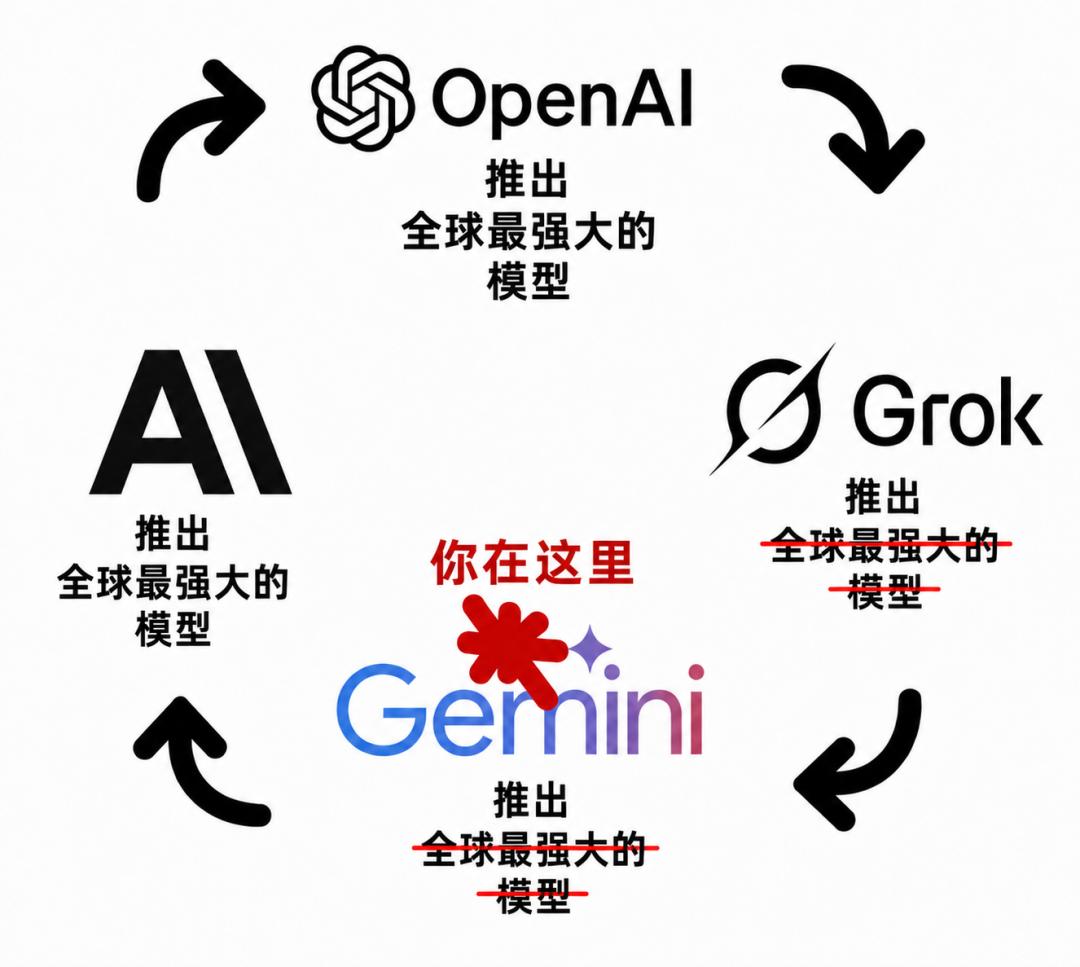
The talent exodus has been going on for some time. Noam Shazeer, one of the authors of the Transformer paper, previously left Google to join OpenAI. John Jumper, the core researcher of AlphaFold and Nobel laureate in Chemistry, joined Anthropic.
An internal Google employee told Bloomberg that the recent successive personnel changes have had a clear impact on