Chips are now also used in pig farming, and this product has finally been successfully developed.
Wait a minute, how come the First Prize of National Science and Technology Progress Award is awarded to pig farming???
I'm not making this up. Check out this news if you don't believe me:
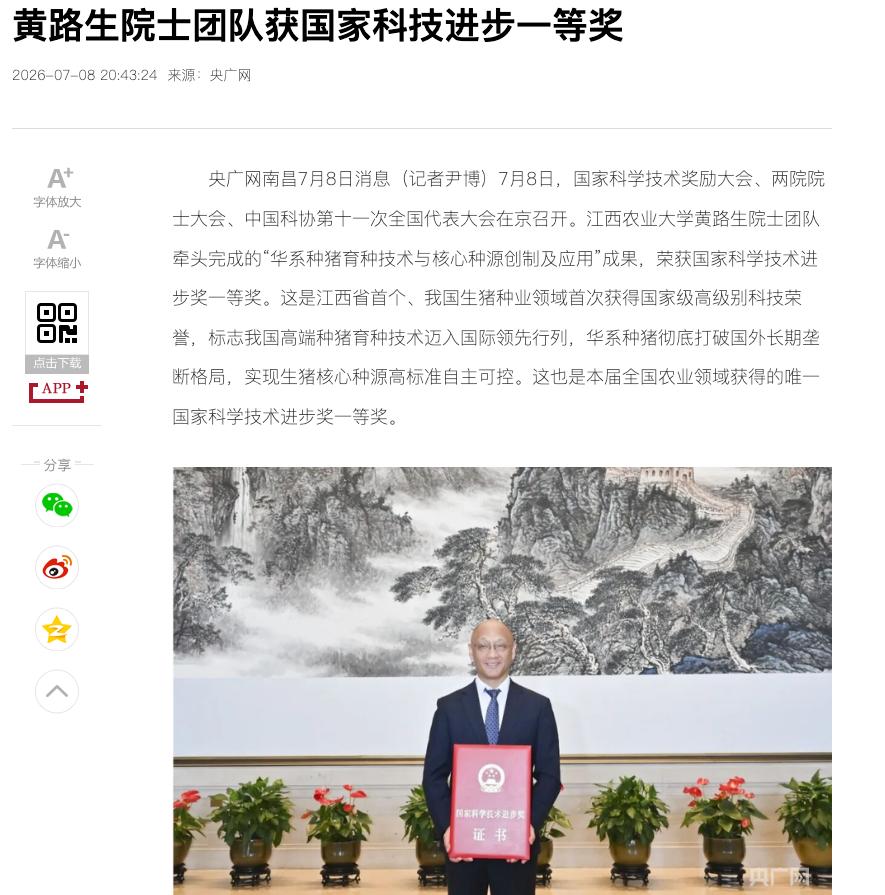
To be exact, the 2025 First Prize of National Science and Technology Progress Award was granted to the independently developed Chinese domestic breeding technology for Chinese pig breeds, the creation and application of core germplasm, and the fully domestically developed "Zhongxin No.1" domestic pig genetic breeding chip based on the above theoretical innovations.
In plain language, pig breeding chips are now domestically produced! It has solved the bottleneck problem of China's breeding pig industry and the difficulty in pig farming!

I bet everyone here is having the same confused expression as me: why do pigs need chips???
China has a history of pig farming for thousands of years, how come we still have difficulties in raising pigs, and even get stuck by foreign technologies???

But this situation is absolutely real...
The reason is pretty straightforward in simple terms: the top priority of pig farming is to have good breeding pigs. But the problem is that most of our pig farms have to import breeding pigs from abroad.
As most people know, although China has raised local pig breeds for thousands of years, the white pigs raised in current pig farms are all foreign breeds that grow fast and produce high meat yield, namely Yorkshire, Landrace, Large White, and their crossbred three-way hybrid pigs.

Theoretically, once these pigs are imported to China, we can breed them locally and there is no need to import pigs anymore.
But modern animal husbandry is far beyond the traditional mode of "mating good pigs in the backyard pigsty" in our hometown, and it is more similar to bioengineering now.
For example, for commercial three-way hybrid pigs, this kind of pig is not a stable breed. If they mate with each other to produce offspring, the next generation will have gene segregation and recombination. As a result, the differences in growth, reproduction, body shape and meat quality will increase significantly, and each generation will be inferior to the previous one.
For another example, many small pig farms do not have many boars, which means inbreeding is very likely to occur.
As a result, the high-quality pigs you raised will become inferior after two or three generations of breeding... That's why we have to keep importing breeding pigs from abroad.

People who know the industry may point out that it is essentially because we do not have a mature breeding system. If we select the best growing pigs from each generation for targeted breeding, the problem can be solved, right?
That makes sense in theory, but in practice, first of all, pigs are usually castrated and sent to slaughter before they reach maturity, so it is very difficult to tell which pig is better just by observation.
The only solution is to conduct genetic testing on every piglet that has the potential to become a breeding pig.
But a consumer genetic test costs at least 1000 yuan in China. If you spend that much on testing every pig, the price of pork will go through the roof.
This is where the pig breeding chip mentioned at the beginning comes in. Its full name is high-density gene chip, SNP.
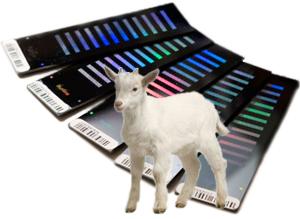
Although it is called a chip, it is completely different from the computing chips used in mobile phones and computers. It is more like a DNA test card covered with tens of thousands of probes.
It looks similar to the hair color chart in barbershops. You only need to draw a little blood from the core sample piglets of the population before weaning, extract DNA, put it on the chip for scanning, and the machine can read the gene of the pig according to the chip signal.
Then the system will compare the genes of this pig with the gene data of hundreds of thousands of pigs in the past, and indicators including litter size, growth rate, feed conversion rate, disease resistance, genetic potential, and the most important indicator of meat taste can all be tested out almost immediately.
Such a magical chip has undoubtedly become the core technology of modern breeding.
But the problem is, as you can imagine, China could not manufacture this kind of chip in the past...
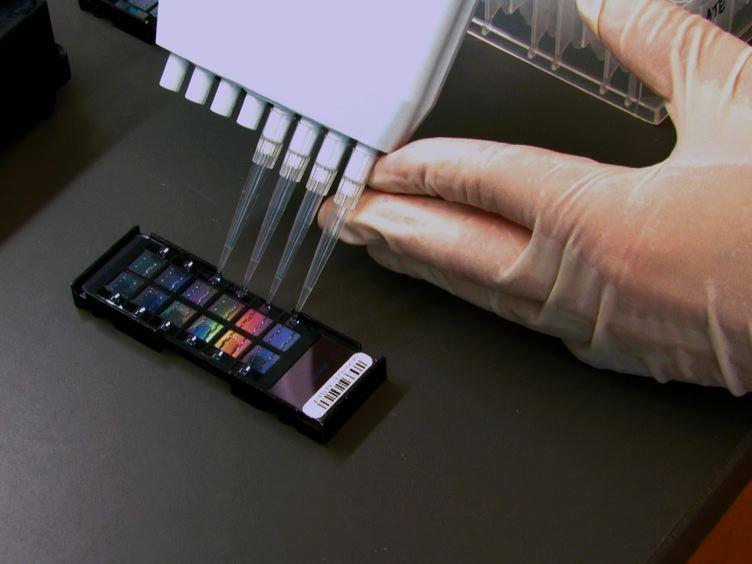
The global high-density solid-phase gene chips and data ecosystem are basically dominated by western giants such as Illumina and Thermo Fisher from the United States.
Take pig testing as an example: not only do we have to use their consumables such as testing chips, but our pig farms have to pay 1200 yuan for testing one sample pig with this gene chip, plus additional patent fees, and each patented gene locus is charged 1 to 8 US dollars separately!
It's just like you bought a printer, and you are forced to buy extremely expensive original ink cartridges, what's worse, you have to pay a royalty to the manufacturer for every piece of paper you print... It's pure robbery!

In addition to the chips that can only be imported from abroad, the consumables, scanning testing equipment and analysis software required for breeding are all controlled by foreign companies.
This means that China raises the largest number of pigs in the world, but it does not fully master the breeding tools to read, analyze and utilize these genetic data. Once foreign suppliers cut off the supply of consumables, or shut down the software and system, we will hardly be able to breed our own high-quality pigs.
Therefore, on the one hand, China has long relied on imported pig breeds, on the other hand, as many as 37 local native pig breeds in China were once in endangered or extinct status... Their precious genes with good meat quality and strong reproductive capacity may be lost forever as the populations disappear.
After all, we don't have our own gene chips and breeding methods.
Fortunately, Chinese pig farming practitioners are extremely outstanding.
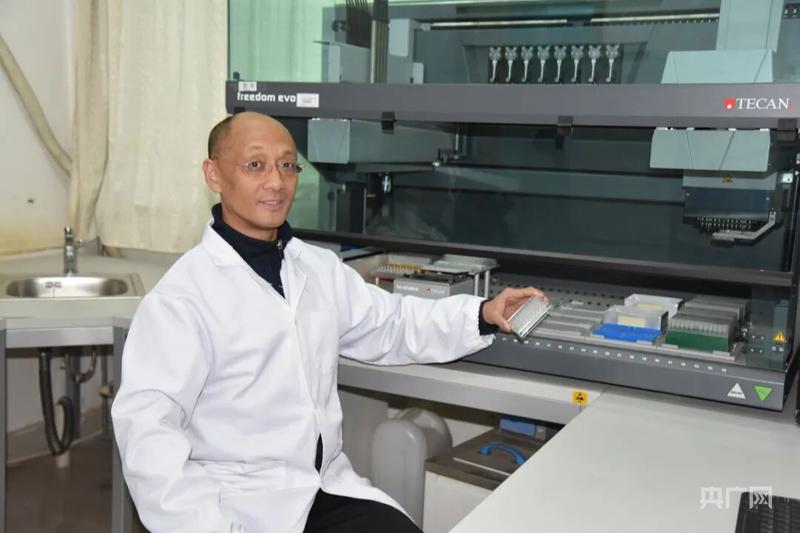
In 1995, a 30-year-old young doctor named Huang Lüsheng decided to develop China's own underlying data and pig chips, so as to get the breeding germplasm back under our control.
In order to collect the purest local pig genes, Huang Lüsheng led his team, carrying liquid nitrogen tanks weighing dozens of kilograms, walked on muddy roads on foot, and climbed to the snowy plateau at an altitude of 3000 meters. This journey lasted for 30 years.
Just think about that we will be out of breath even climbing a few floors of stairs, but Dr. Huang traveled 470,000 kilometers by relying on his own legs and old vehicles, visited more than 70 breed conservation farms in 21 provinces and cities, and finally built the world's largest domestic pig genome DNA bank (covering 220 populations and 215,000 samples)
470,000 kilometers is enough to circle the earth more than a dozen times... The extraordinary strength of the older generation of researchers is fully demonstrated, even the famous anime character Admiral Kizaru will show his respect when he sees this achievement.
With the gene bank, the next step is gene editing.
The pig genome has 2.7 billion base pairs, but which segment controls meat growth and which segment controls meat taste are the core technologies of foreign giants, which will never be disclosed easily.
In order to find these genes on their own, Huang Lüsheng's team led more than 70 teachers and students to the slaughterhouse, and completed accurate measurement of more than 200 indicators for more than 23,000 pigs.
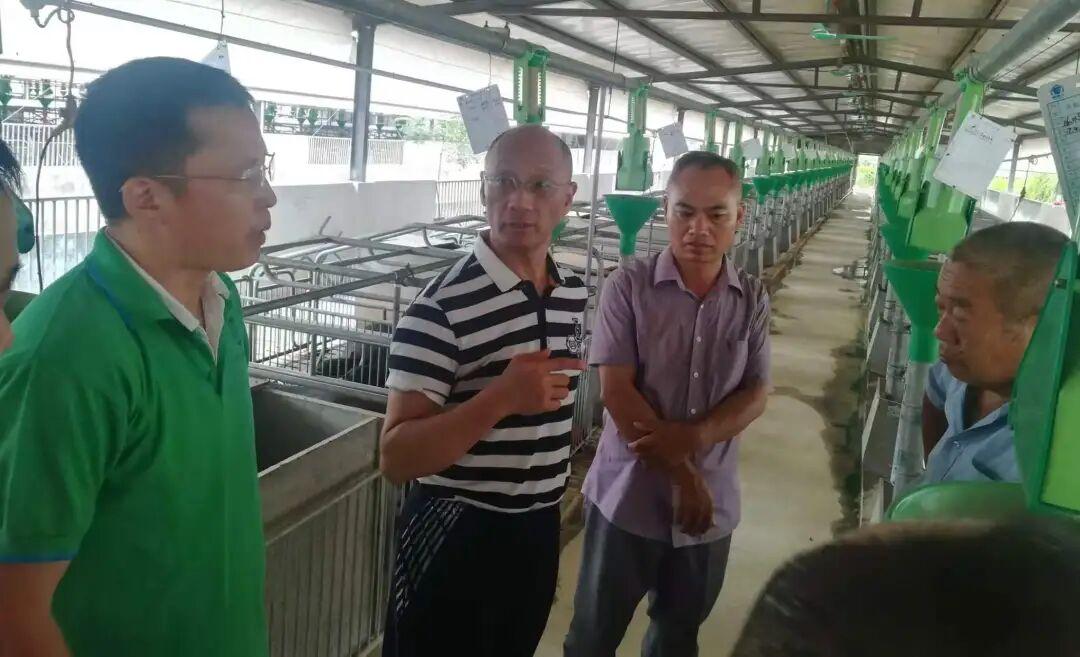
Among the 2.7 billion base pairs, they really found the key genes that revolutionize the whole industry.
The first one is the VRTN gene that took 15 years to find. They found that if this dominant genotype is selected correctly, a pig will very likely grow an extra pair of ribs.
If every pig has one more pair of ribs, China slaughters 700 million pigs every year, which means we can get 1.4 billion extra ribs directly. According to the team's theoretical calculation, under the same meat yield, it can also save 9.41 million tons of feed for the country every year, which is enough to fill 150,000 train carriages, stretching all the way from Beijing to Guangzhou.
This is equivalent to freeing millions of hectares of arable land from pig farming tasks.
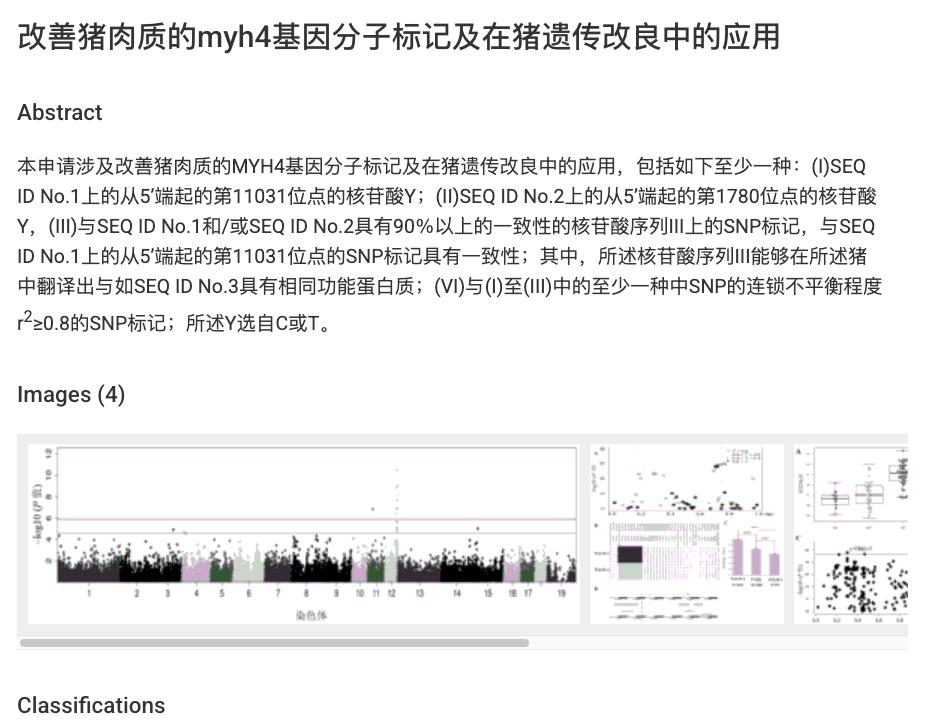
Even more impressive is the MYH4 gene mutation that took 8 years to decipher.
In order to pursue higher meat yield, modern lean pigs are bred to have less and less fat, resulting in worse and worse taste.
But with this specific mutation on the MYH4 gene, the intramuscular fat can be greatly increased, making the ordinary lean meat that costs more than a dozen yuan per jin grow snowflake patterns similar to high-end wagyu beef.
It is no exaggeration to say that we have upgraded local native pork to wagyu-level pork.
Although the genetic problem has been solved, it is far from enough for practical application. Everyone engaged in scientific research knows that if every breakthrough in the laboratory can be directly mass-produced, human civilization would have reached the level of Warhammer 40K long ago.
To truly beat foreign competitors in pig farms, in addition to the technology from Huang Lüsheng's team, we also need to produce mass-producible hardware chips to carry these genetic codes.
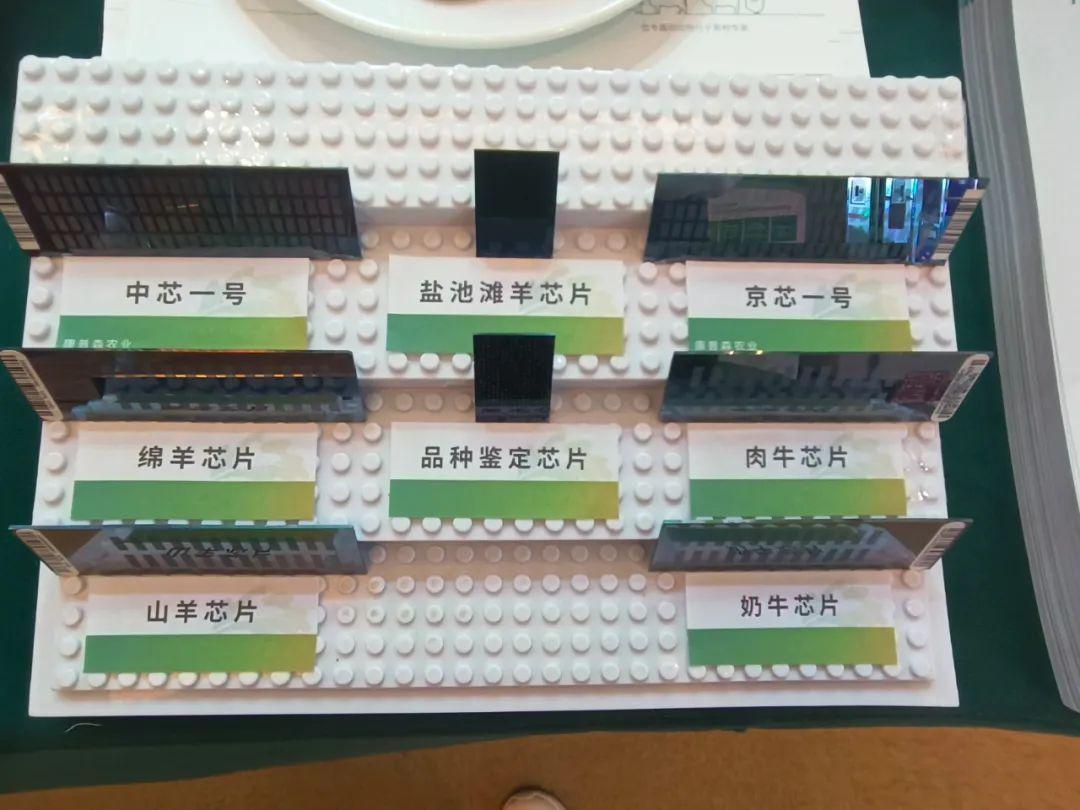
Fortunately, under the leadership of Jiangxi Agricultural University where Huang Lüsheng's team is based, Wen's Foodstuff, China Agricultural University, South China Agricultural University, Sun Yat-sen University and other scientific research institutions and pig enterprises joined forces, with Beijing Compass Biotechnology participating in chip development and testing industrialization, and finally formed the early "Zhongxin No.1" domestic pig breeding chip series.
At this point, there is only one last short board left.
Although the early version of "Zhongxin No.1" was already a real solid-phase SNP chip, and the Chinese team had mastered what the chip tests, how to analyze the data, and how to apply it to Chinese pig breeding, the underlying solid-phase array production platform, scanning equipment and some supporting consumables were still not completely independent from foreign suppliers.
Then a company named Laso Biotech