The unqualified rate of charging piles hits 49.1%, and finally the 3C certification system is able to rein them in.
Hey folks, do you still remember the 3C certification issue for 3C power banks we talked about before?
Now, electric vehicle charging piles are also required to meet 3C certification standards.
Back on August 1st, the State Administration for Market Regulation released an official notice, announcing the mandatory implementation of 3C certification for electric vehicle power supply equipment. Only products that meet relevant standards can be sold legally in the future.
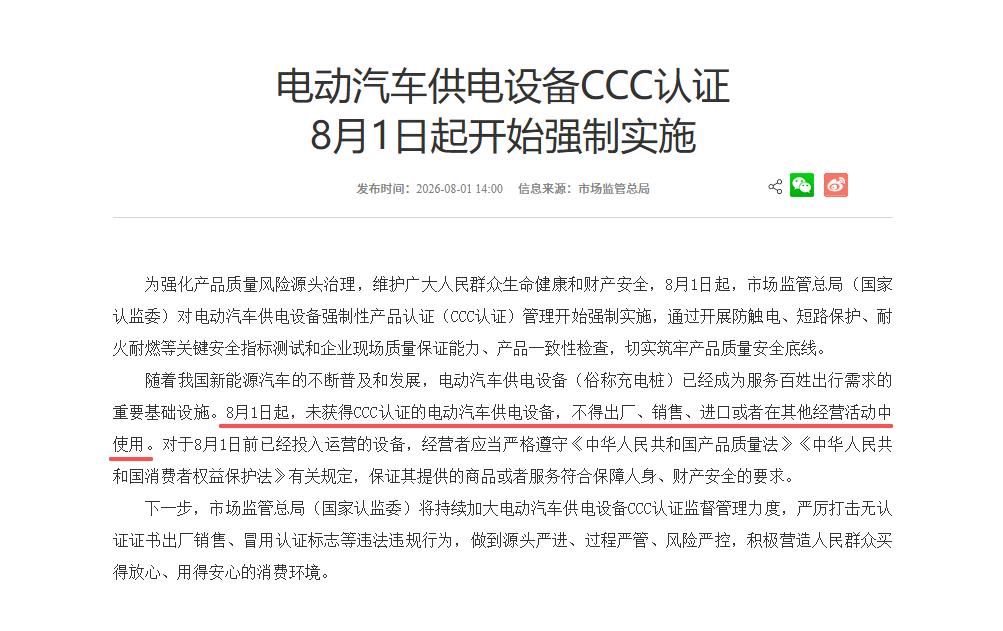
For all charging piles that have already been installed, no extra restrictions will be imposed as long as they are used safely.
This might sound irrelevant to us at first glance, but if you think about it carefully, doesn't it imply that there could be some hidden safety flaws in previously sold charging piles?
And that is exactly the case in reality.
In 2025, the State Administration for Market Regulation conducted a random market inspection. The results showed that among 112 batches of charging pile products from 6 platforms including JD, Douyin, Tmall and Taobao, 55 batches were unqualified, with the unqualified rate reaching as high as 49.1%.
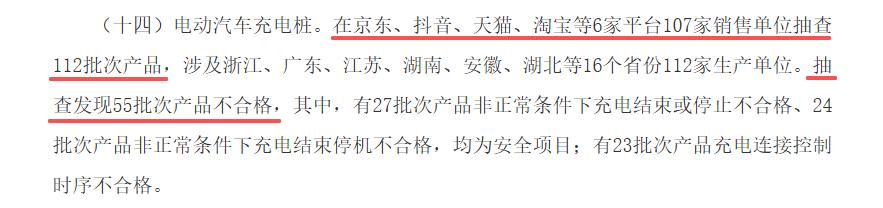
One out of every two charging piles bought online fails to meet the standards, which is really quite alarming. So what exactly are the main unqualified items?
The top two issues are "unqualified performance when charging stops under abnormal conditions" and "unqualified shutdown performance after charging ends under abnormal conditions", involving 27 batches and 24 batches of products respectively.
These two problems mean that when abnormal situations occur during the charging process, such as the BMS sending a stop command, communication interruption, forced gun unplugging, equipment failure or electric leakage, etc., the charging pile will ignore these signals and continue to supply power forcibly.
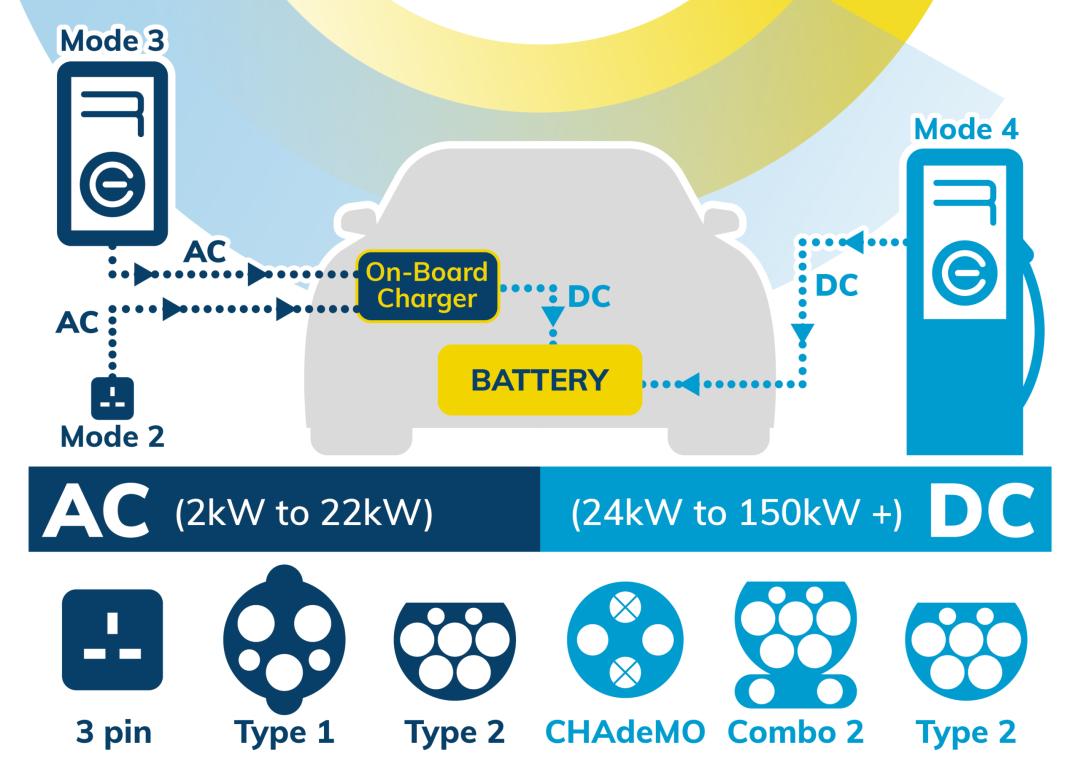
You can compare a charging pile to a water tap and the car battery to a mineral water bucket. An unqualified charging pile is like a broken tap that will never turn off no matter how full the bucket is.
Although the BMS, as the administrator, can close the lid of the bucket directly to stop water from flowing in, it cannot handle the problems happening outside the bucket. Under such circumstances, it may lead to electrification when you unplug the gun, electric arc generation, or even the charging pile catching fire, which is extremely dangerous.

The second major problem is "unqualified charging continuous control sequence", which involves 23 batches of products (some batches overlap with the previous problematic groups).
This problem means that the complete standard charging procedure, including plugging in the gun, handshake protocol, insulation detection, grounding detection, safety confirmation, and finally powering on, may be skipped by some unqualified charging guns, which directly supply power to the device. It's just like you get logged into an account directly without entering the password, scanning the QR code or finishing phone verification, which is obviously wrong.
In extreme scenarios, this will also lead to the same safety risks mentioned above. So it is absolutely true that there are hidden safety flaws in many charging piles.
Back in 2024, the State Administration for Market Regulation had already noticed this problem, so it released Announcement No.50, including charging piles into the 3C certification catalogue, and started accepting 3C certification applications from March 2025.
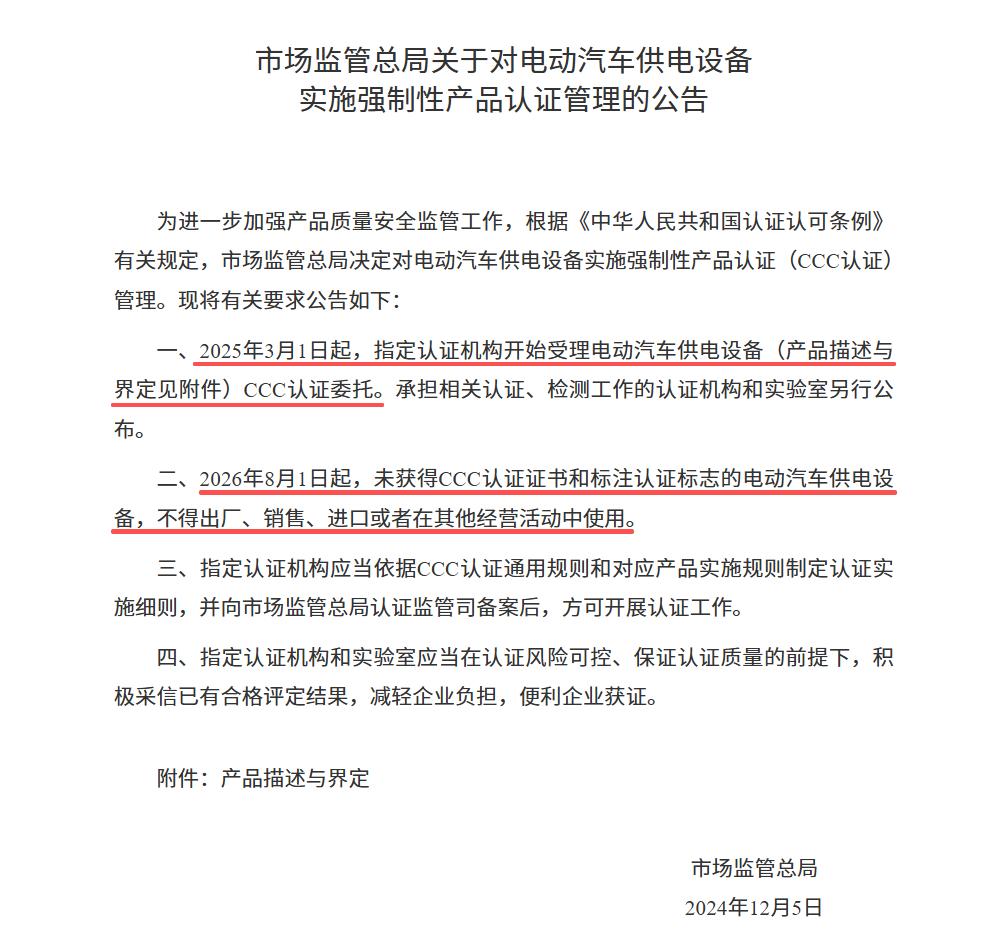
The full implementation of the mandatory 3C standard now was prearranged back then, which reserved a one-and-a-half-year transition period for enterprises, a quite sufficient buffer time.
You should know that this is far more than just sticking a certification label on the product. Back in 2024, two mandatory national standards were released simultaneously with the 3C certification, namely "Safety Requirements and Test Specifications for Electric Vehicle Power Supply Equipment" (GB 39752) and "Safety Requirements for Electric Vehicle Charging Systems" (GB 44263).
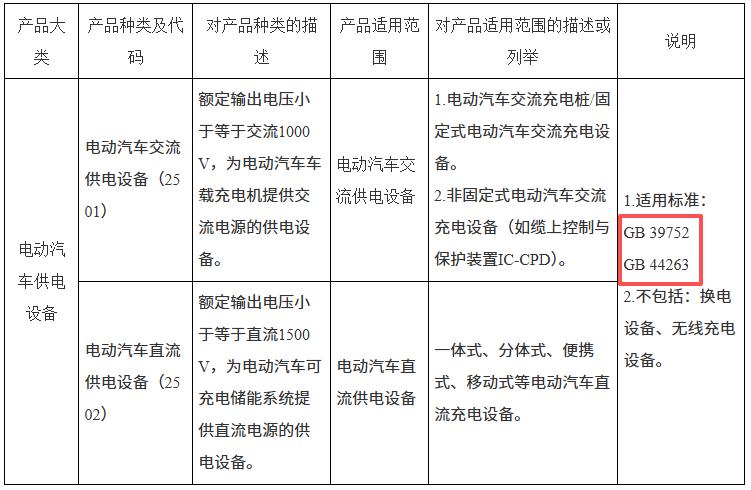
The former standard targets charging piles, while the latter targets electric vehicles under charging, which raises corresponding requirements on electric shock prevention, temperature protection, short circuit protection and overcurrent protection.
But why can't the national standards alone work, and the mandatory 3C certification is a must?
A former industry practitioner who used to work in the charging pile sector, known as Afan (pseudonym), told us: "There were national standards before, but products could pass as long as they finished the type test, which is just a test report provided by third-party institutions. The whole process is not rigorous enough, and enterprises can cut corners easily without being punished unless they are caught in random inspections."
After the 3C standard is released, products of all enterprises must be tested at designated institutions, which is much more reliable. Most importantly, the 3C standard will force enterprises to change their choices on materials and components.
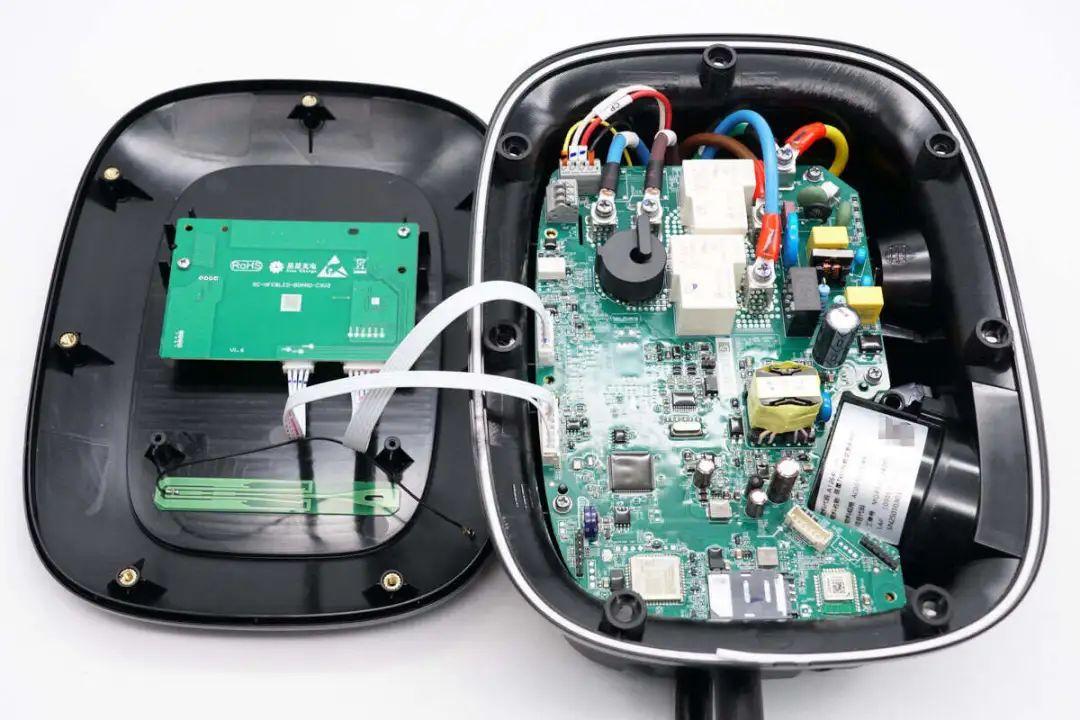
"The 3C system requires all raw materials to be registered, so those non-standard materials or products from small unqualified factories will no longer be used."
In the past, to cut costs, enterprises might omit some necessary materials, or use components of unknown origin, not to mention the potential safety risks, the product quality is very poor at least.
Some netizens once disassembled a no-name charging pile, and found that the manufacturer used aluminum wires to pretend to be copper wires, omitted heat dissipation devices such as cooling fins and fans, did a poor job in sealing, and even did not connect the ground wire. The charging pile stopped working in less than 3 months.
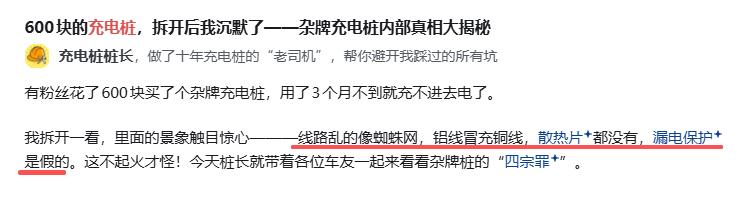
Although this is only an individual case, it at least proves that the charging pile industry does have widespread chaos of shoddy products. After the implementation of the mandatory 3C standard, suppliers will prefer to purchase components that already have quality certifications.
"For example, if you assemble a device and use an ASUS motherboard, since ASUS motherboards are already certified qualified products, it will be much easier for your final product to pass the certification."
With the 3C standard, consumers can make purchases with more confidence. The only possible downside is the price increase.
Since July, charging module manufacturers including Tonghe, Youyou and Yineng Times have announced price rises, with an overall increase of about 15%. Afterwards, complete machine manufacturers including Shenzhen Sinexcel, LonGreen Energy and Lingchong New Energy also raised their prices by 10-25%.
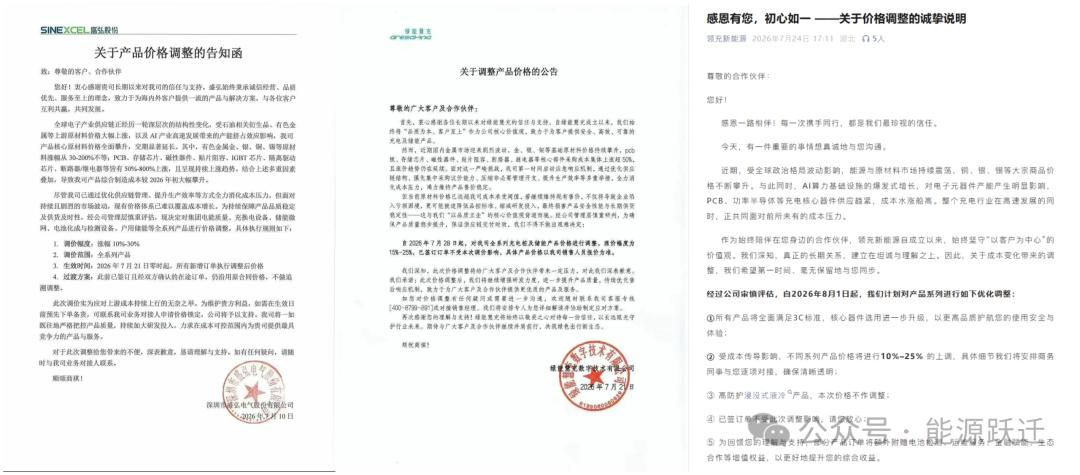
This is not the charging pile industry trying to make exorbitant profits, but the price should have risen long ago, and the new policy just serves as a good opportunity. Due to years of price wars and rising raw material costs, many enterprises are in a situation where they lose money for every product they sell. LonGreen Energy lost more than 20 million yuan in just half a year, and it is already a relatively well-performing player in the industry.
The core reason behind this is the excessive internal competition. "For example, Bull can choose to make no profit to expand its market share and support its stock price. Once it has a large enough market scale, it will be extremely easy for it to make profits later."
For the whole industry, the 3C standard accelerates the survival of the fittest. More strict regulations will be introduced later, no-name manufacturers will be gradually cleared out from the market, and only a few leading players will survive in the end.
So for ordinary consumers like us, does that mean we need to replace our existing charging piles immediately?
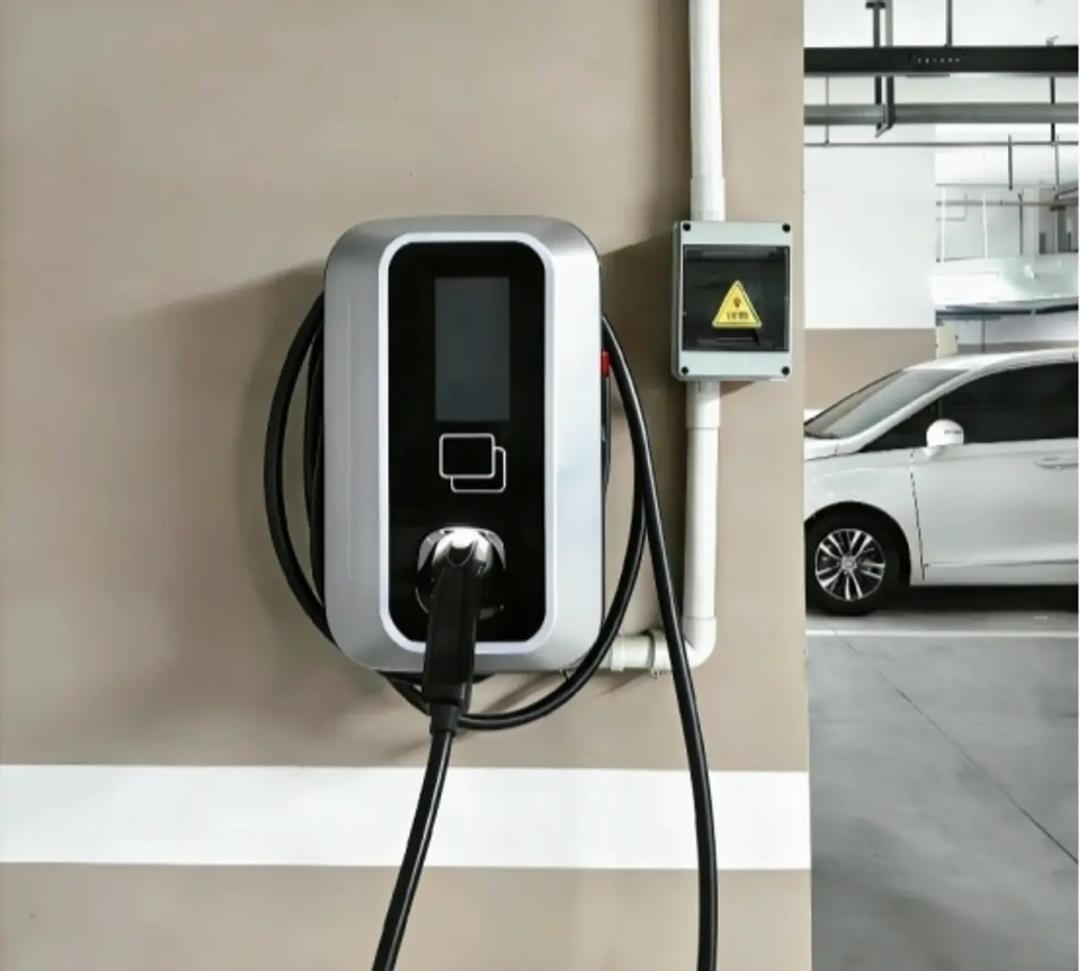
Actually you don't need to panic. Although the 49.1% unqualified rate looks scary, you will find after further research that the random inspection only covers private home charging piles purchased online, excluding public charging piles and official charging piles provided by automakers.
In short, the root of the problem is those low-cost no-name charging piles we mentioned earlier.
For example, among the 15 batches of products tested in Shanghai, well-known brands including Bull, Dahua and Lingchong all passed the test, and the only unqualified product came from "Wudang Lab" on Douyin Mall. It's unfair to say that the whole industry is selling unqualified products, right?

You can easily figure it out: a regular branded charging pile on JD costs about 1000 yuan, while those on low-price platforms only cost a few hundred yuan, how can they possibly provide you with the best quality? As long as you are willing to take the risk, you can still use it carefully.
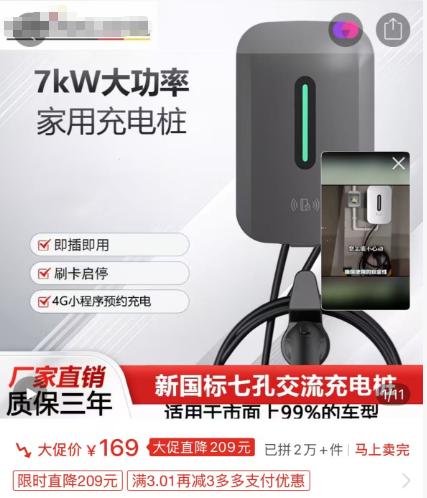
On the other hand, the reason why the government does not require enterprises to recall existing products is that these safety risks are not common, and only exist in a few extreme scenarios. In fact, unqualified products do not necessarily cause safety accidents.
Looking at the current electric vehicle fire accidents, although about 50% of them happen when the vehicles are parked or being charged, the problems mainly lie in the batteries rather than the charging piles. Even for the fire accidents caused by charging piles, the reasons are mostly unrelated to the flaws we mentioned above.
For example, in 2023, a cable fire in the garage of Yiqingyuan Community, Yuhang District, Hangzhou ignited butane gas tanks, causing 2 deaths and 1 injury. The final investigation found that the accident was caused by residents illegally pulling private wires.
In 2024, successive cable fires of charging piles broke out in Xizhiwan Community, Shangcheng District, Hangzhou, which was caused by improper wiring during the charging pile installation process.
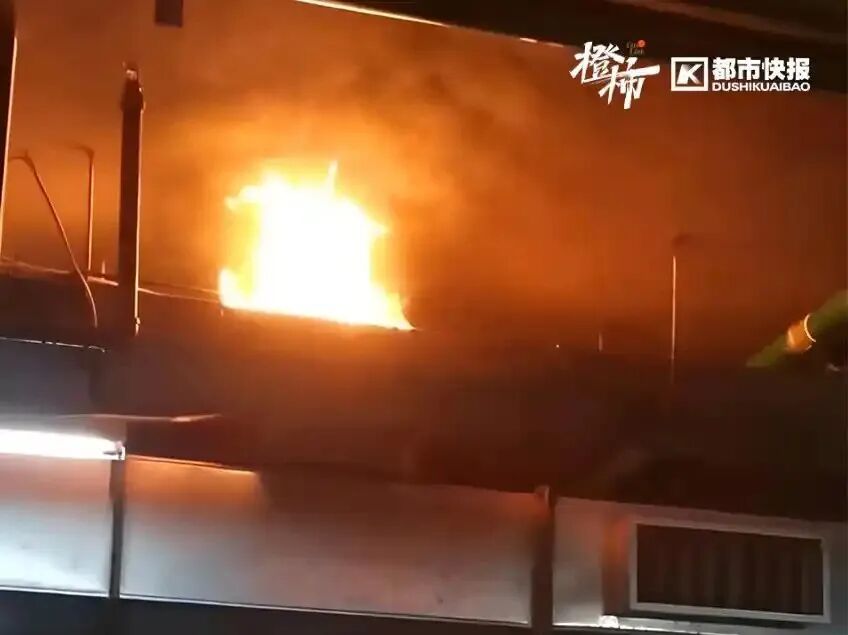
These human errors are more likely to cause safety accidents than the inherent flaws of the charging piles themselves.
So there is no need to be overly anxious. For the charging piles you have already bought, you can first check if they are products of regular well-known brands before making any decisions. For new purchases, you'd better choose products with the official 3C mark.
Up to now, there are still some merchants selling charging piles that do not meet the 3C standard, so you still need to be careful when making choices.
Image and Data Sources:
Announcement of the State Administration for Market Regulation on the Implementation of Compulsory Product Certification Management for Electric Vehicle Power Supply Equipment
CCC Certification for Electric Vehicle Power Supply Equipment is Mandatory Implemented from August 1