Leapmotor's monthly sales hit 100,000 units, is the era of "NIO, XPeng and Li Auto" over?
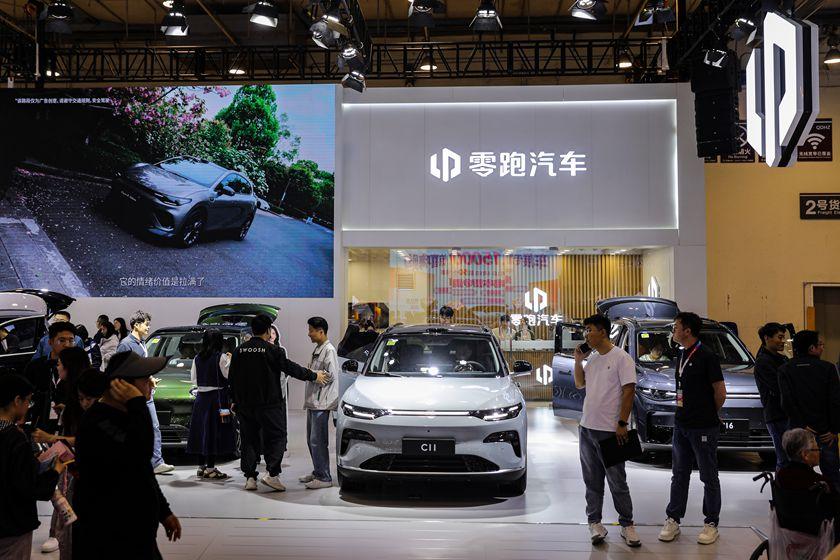
On August 1, 2026, Leapmotor announced its July delivery data: 101,267 units, representing a 102% year-on-year increase. In the 12 years since the birth of China's new energy vehicle startup cohort, this is the first time a brand has achieved monthly deliveries exceeding 100,000 units.
The significance of this figure can only be properly perceived in a comparative framework. In the same month, HarmonyOS Intelligent Mobility delivered 45,000 units, XPeng 38,000 units, NIO 35,900 units, Li Auto 30,500 units, and Xiaomi Auto just over 30,000 units — Leapmotor's total sales alone are roughly equal to the sum of sales of NIO, XPeng and Li Auto. From January to July, Leapmotor's cumulative deliveries reached 457,800 units, advancing steadily towards its full-year target of 1 million units.
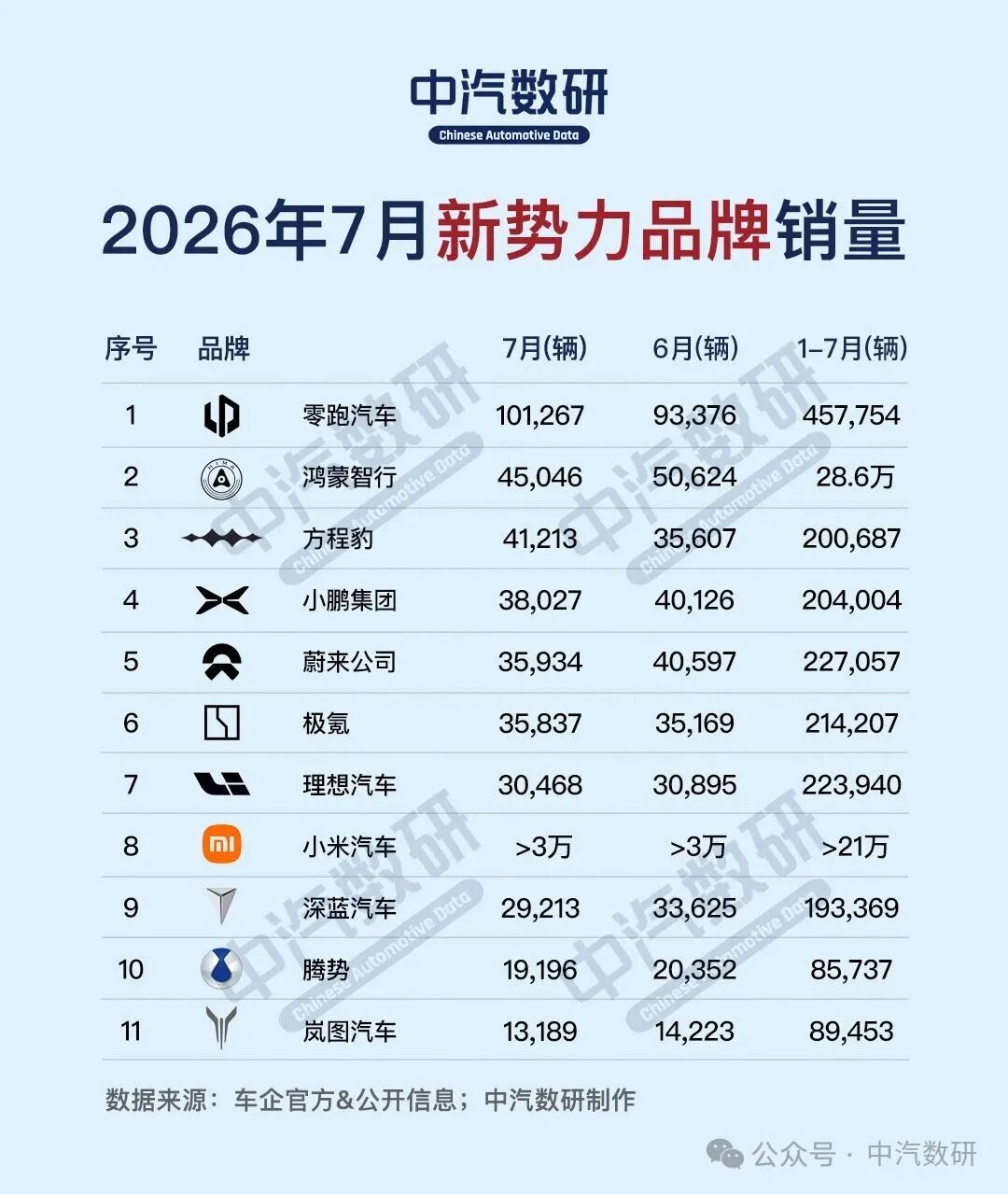
Source: China Automotive Data Research Institute
What is more thought-provoking is that this milestone was not achieved by Xiaomi, which boasts massive public attention, nor by NIO, the textbook case of user operation, nor by Li Auto, the master of product definition. Instead, it was completed by a company long regarded as a "second-tier new energy startup", whose founder rarely delivers memorable lines at press conferences and is even notoriously frugal with advertising investment. Leapmotor's victory is essentially a subversion of internet narrative logic by manufacturing logic.
The brand once known as "half the price of Li Auto" back then now outpaces the combined sales volume of three Li Auto models. Even in terms of profitability, industry observers believe that Li Auto, which has previously earned huge profits, will likely be less profitable than Leapmotor in 2026.
A easily overlooked entrepreneurial history: From security workshop to Hong Kong stock listing below issue price
To understand Leapmotor's current strategy, we must trace back to its origins. Leapmotor is not a star project ripened by capital, but a second entrepreneurial venture of an engineer.
In 2015, Zhu Jiangming, co-founder of Dahua Technology, then vice chairman and CTO, noticed the ubiquitous Renault electric vehicles on the streets during a trip to Spain, which planted the idea of building cars in his mind. On December 24 of the same year, with the support of Fu Liquan, chairman of security giant Dahua Technology, Zhu Jiangming spun off a team of more than 20 people from Dahua's automotive electronics division to formally establish Leapmotor. Dahua Technology, Fu Liquan and Zhu Jiangming held 33%, 32% and 20% of the shares respectively.
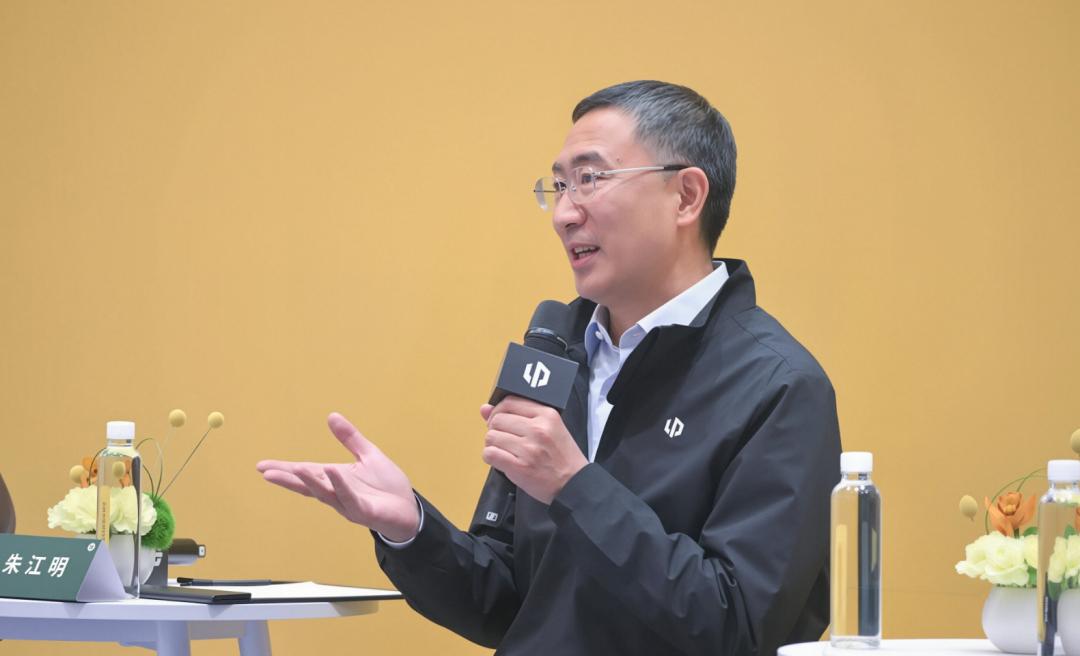
Source: Internet
Starting almost at the same time as NIO, XPeng and Li Auto, Leapmotor had a rather awkward start. Its first model S01, an electric coupe launched in 2019, flopped immediately after release, with cumulative sales of less than 3,000 units. At the critical life-and-death moment, the micro electric vehicle T03 launched in May 2020 became its lifeline, with monthly sales quickly exceeding 10,000 units and total deliveries surpassing 100,000 units, pulling Leapmotor back to the competition table.
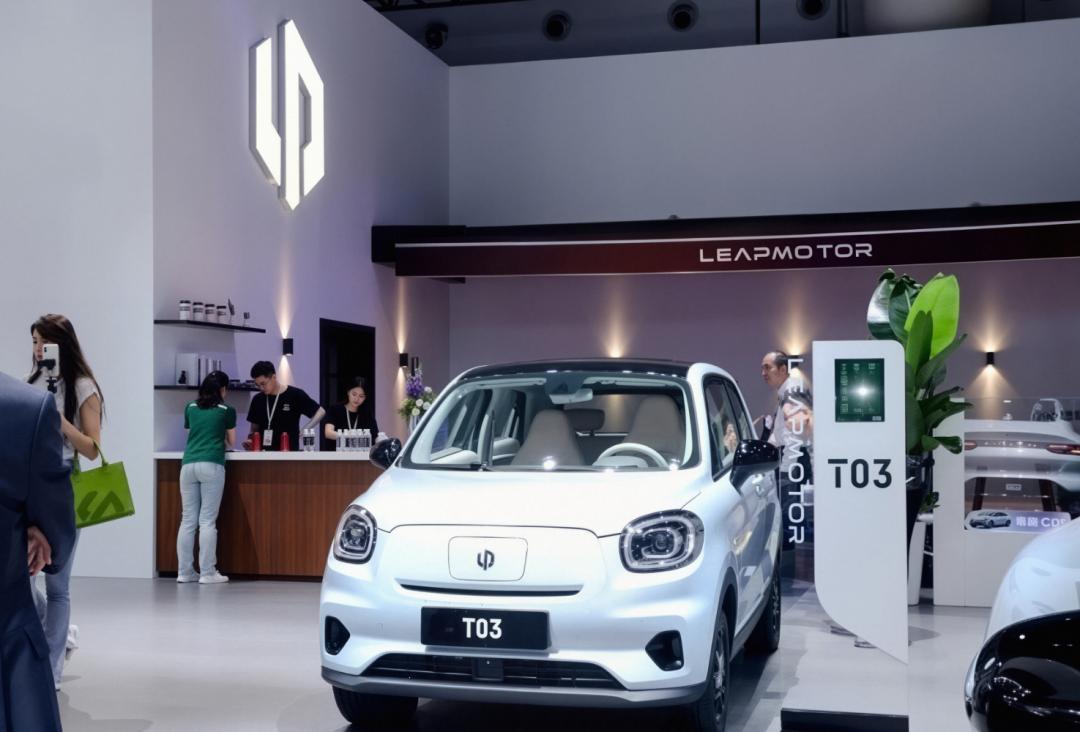
Source: Internet
In October 2020, Leapmotor also independently developed the AI intelligent driving chip "Lingxin 01", becoming the only domestic automaker at that time that had self-developed chips and put them into mass production on vehicles.
The real turning point came with the C11 delivered in October 2021. This extended-range/pure electric SUV, positioned as "300,000-yuan level configurations at 150,000-yuan level price", was colloquially called "half-price Li Auto". Its monthly sales climbed from thousands to over 10,000 units, with cumulative deliveries of 250,000 units, becoming a key pillar for its future profitability.
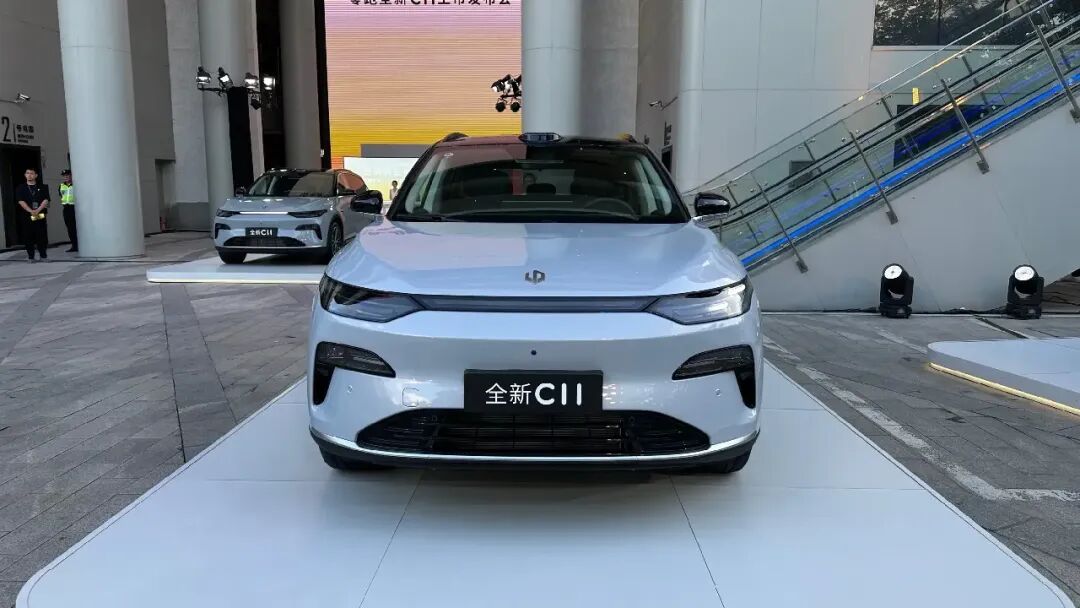
Source: Internet
Leapmotor also faced many setbacks on its capital path. On September 29, 2022, Leapmotor was listed on the Hong Kong Stock Exchange, becoming the fourth publicly traded new energy vehicle startup. However, its stock with an issue price of HK$48 broke immediately on the first trading day, closing down by more than 30% with a market value of only HK$36.4 billion. At that time, the market labeled it as "second-tier", "benchmark of low-price competition for low-speed EVs" and "net loss of 4.8 billion yuan in three years".
In desperate situation, Zhu Jiangming made a decision that later proved to be invaluable: he traveled to Europe twice to intensively contact the world's top five automakers including Volkswagen and Stellantis. In October 2023, Stellantis, the world's fourth largest automotive group, announced an investment of about 1.5 billion euros (about 11.59 billion yuan), eventually becoming Leapmotor's second largest shareholder with a 21.26% stake, with a subscription price at a 14.5% premium. In May 2024, the two parties established a joint venture "Leapmotor International" with a shareholding ratio of 51:49, which is controlled by Stellantis and is exclusively responsible for global sales outside the Chinese mainland. In December 2025, FAW Group also took a 5% stake in Leapmotor with an investment of 3.744 billion yuan.
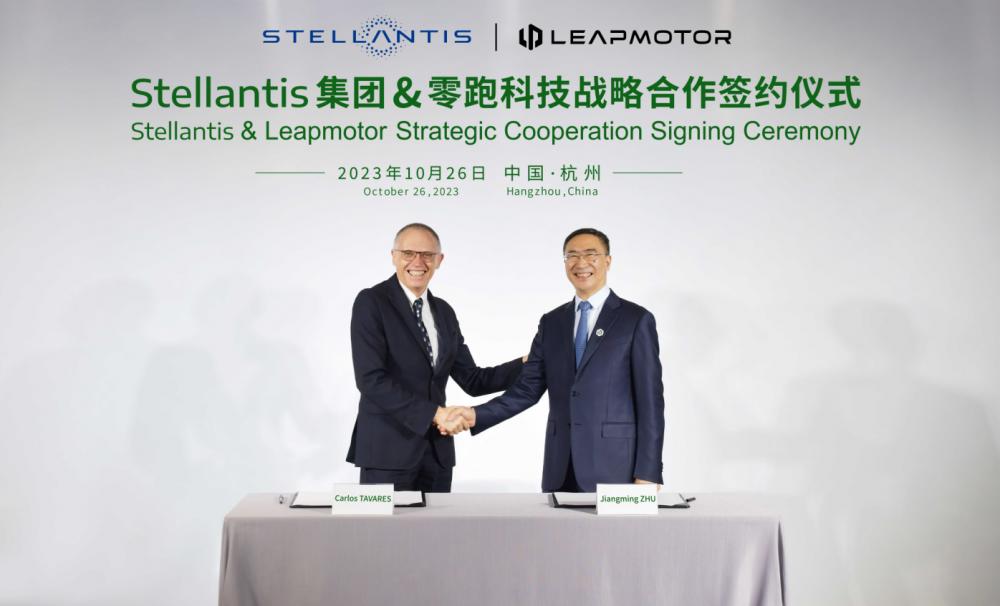
Source: Internet
Everything that followed came naturally: Leapmotor achieved its first quarterly profit in the fourth quarter of 2024, delivered 596,600 units in 2025 with a year-on-year increase of 85.5%, recorded revenue of 64.73 billion yuan, up 101.2% year on year, and had a net profit attributable to shareholders of 540 million yuan — making Leapmotor the second Chinese new energy startup to achieve annual profitability after Li Auto. Counting from that small studio on Christmas Eve 2015, this journey has taken a full ten years.
"BYD among new energy startups": Build cars as electronic products
The industry used to be keen to summarize the respective success formulas of NIO, XPeng and Li Auto: Li Bin's user service, Li Xiang's product definition, He Xiaopeng's technical belief. When it comes to Leapmotor, this discourse system fails — there is almost no narrative in Leapmotor's methodology, only cost sheets.
Zhu Jiangming is a native of Yiwu, with an almost instinctive sensitivity to costs: he would buy 5-yuan instant noodles at the Lawson convenience store downstairs of Leapmotor's headquarters, and queue up with employees to buy 10-yuan Luckin Coffee. This temperament has been integrated into the company's strategy. From the very beginning, Leapmotor bet on "full-stack self-development", and now the proportion of self-developed and self-produced parts in the total vehicle cost has exceeded 65% — everything from electric drives, battery packs, electrical and electronic architectures to cockpit and intelligent driving controllers are made in-house. The A series and C/D series share the integrated cockpit and driving Qualcomm 8650 controller, using scale to spread R&D costs to the extreme.
This is exactly the replication of BYD's vertical integration model among new energy startups. It brings two direct results: first, pricing power. Leapmotor can deploy lidar and advanced intelligent driving functions on the A10, which is priced below 100,000 yuan, turning the slogan of "good quality at affordable price" into a real product advantage. Second, structural profitability. Leapmotor's gross margin reached around 14.5% in 2025, and it achieved a net profit of 540 million yuan amid the brutal price war. While most new energy startups are still relying on financing for blood transfusion, Leapmotor has turned "cost control" into its core competitiveness — self-development reduces costs, low price with high configuration expands sales volume, which further dilutes costs, and the flywheel starts to rotate.
It can be said that NIO, XPeng and Li Auto turned new energy vehicles into tech consumer goods, while Leapmotor turned the industry back to the essence of manufacturing. The former's moat lies in brand and ecosystem, while the latter's moat lies in the cost curve. The 2026 sales ranking proves that in the largest 100,000-200,000-yuan market, the cost curve is more lethal than brand stories.
Channel Sinking + Hit Product Assembly Line: Enter the markets that NIO, XPeng and Li Auto ignore
If full-stack self-development is Leapmotor's "inner strength", channels and product matrix are its "external presentation" — which exactly fills the gaps left by its competitors.
NIO's NIO House is located at Oriental Plaza on Chang'an Avenue in Beijing, with an annual rent of tens of millions of yuan; the stores of Li Auto and Xiaomi are concentrated in high-tier city business districts. Leapmotor took the opposite path: by 2026, its stores expanded to about 1500, focusing on covering third- and fourth-tier cities and even county-level markets. While new energy startups are fighting hand to hand in shopping malls of first- and second-tier cities, Leapmotor sells its cars at a price range that can be covered by the first year-end bonus of young people in county towns. China's new energy vehicle penetration rate rose from 5% in 2020 to 40% in 2024, and the increment exactly comes from the mass market — Leapmotor is precisely seizing this structural dividend.
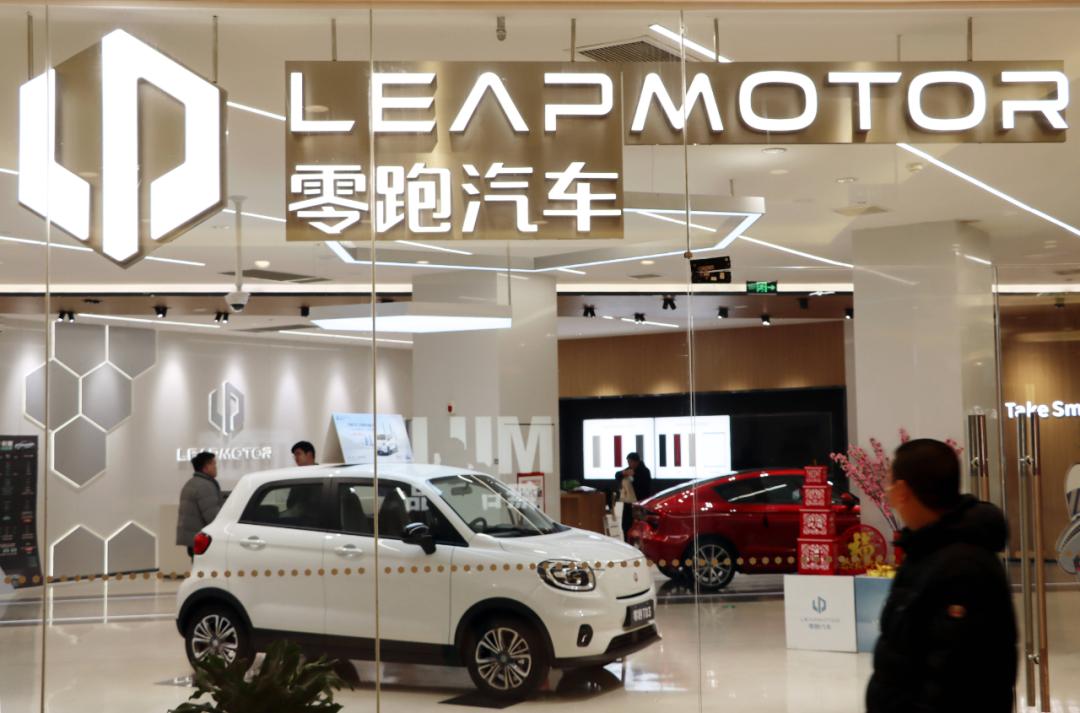
Source: Internet
On the product side, Leapmotor has built a rare "hit product assembly line": the T03 guards the entry-level 50,000-yuan segment, the A series attacks the market below 100,000 yuan, the B series occupies the 100,000-150,000-yuan segment, the C series stabilizes the 150,000-200,000-yuan segment, and the D series explores upward to the 250,000-300,000-yuan segment, with both pure electric and extended-range power options running in parallel. The terrifying part of this matrix is not the outbreak of a single product, but the relay: when the C11 gets old, the A10 takes over (26,800 units delivered in June, with the factory's daily production capacity exceeding 1000 units), the D19 and D99 fill the higher-end market, and the A05 priced at 50,000-80,000 yuan is to be released in August.
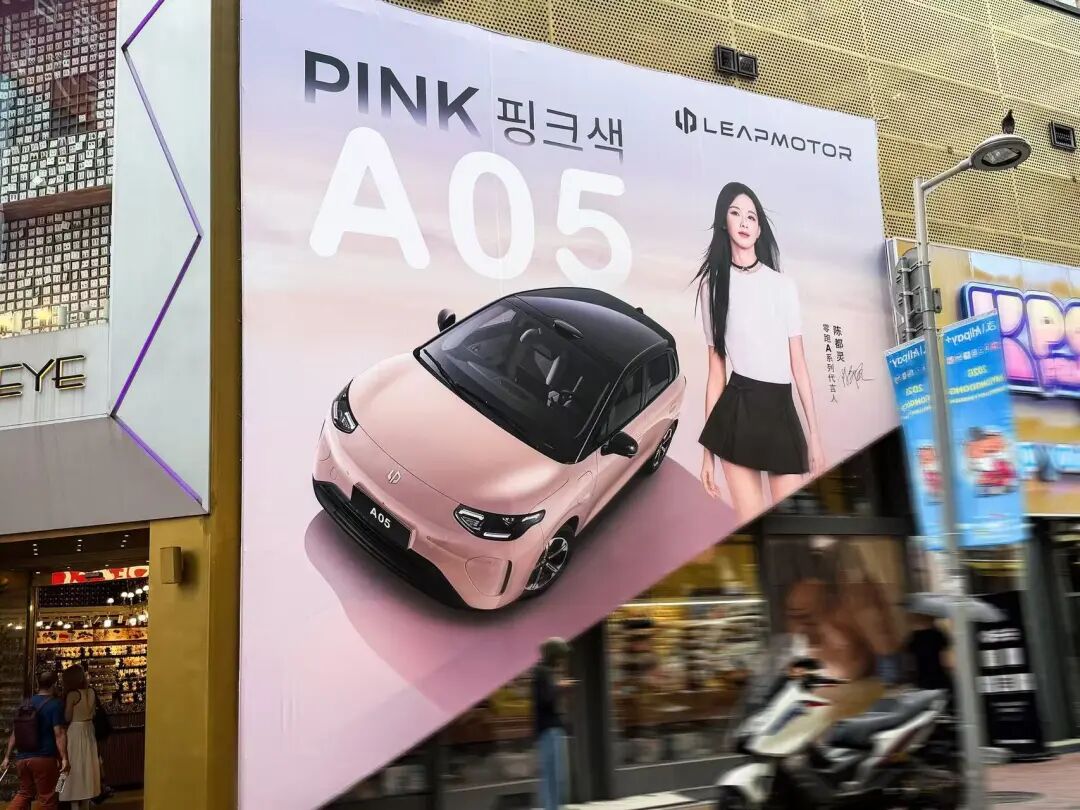
Source: Internet
Since Leapmotor first topped the new energy startup sales ranking with 37,000 units in March 2025, it has refreshed industry records almost every month: exceeding 50,000 units in July, 60,000 in September, 70,000 in October, until breaking through the 100,000-unit ceiling in July 2026. This is not a one-off pulse-like outbreak, but a continuous 18-month upward curve.
Set sail by riding others' ships: The only new energy startup that achieved "reverse joint venture"
There is another essential difference between Leapmotor and other new energy startups: it is the only Chinese automaker that "outsourced" its global market to a multinational giant.
XPeng expands overseas by building its own channels, with cumulative overseas deliveries of about 105,200 units in ten years, which requires heavy investment and brings slow returns. Leapmotor exchanged equity for access to global routes: Leapmotor International is 51% controlled by Stellantis, which directly reuses its distribution and after-sales networks covering more than 130 countries.
As of June 2026, Leapmotor has entered 40 countries with more than 2000 overseas outlets; it exported 67,000 units overseas in 2025, ranking first among new energy startups. In the first quarter of 2026, its overseas deliveries reached 40,900 units, a year-on-year surge of 442%, accounting for 37.1% of its total sales.
