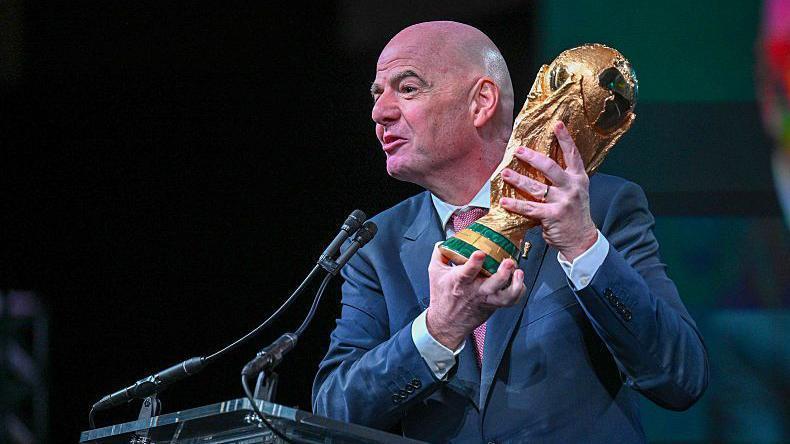
The greediest FIFA president is ready to sell football to capital.
Under the leadership of Infantino, FIFA has explored a brand-new development path — asset privatization.
Packaging the resources of a non-profit sports organization into tradable assets in the market, a task that none of Infantino's predecessors, including Havelange and Blatter, ever imagined or accomplished, may become the most dazzling yet most controversial achievement during his tenure.
Infantino, who took over as FIFA president hastily in 2016, has launched sweeping reforms over the past decade: the World Cup has been expanded to 48 teams with 104 matches; the Club World Cup has been transformed into a global event with 32 participating teams; the FIFA U-20 and U-17 World Cups have been held more frequently, and women's football events continue to expand in scale...
FIFA is hosting more and more competitions, and its business territory is growing larger. Now, this wave of reforms has reached a new milestone. On local time July 28, FIFA officially announced an unprecedented commercial plan: to establish a new commercial entity named FIFA Forward Enterprise (FFE for short) and sell part of its equity to external investors.
In other words, Infantino plans to "sell" football to capital.
Valued at 20 Billion US Dollars, What Is FIFA Preparing to Sell?
A non-profit sports organization and asset privatization used to be products of two completely separate worlds. So how did Infantino and FIFA make this reform reasonable and self-consistent?
First of all, what FIFA is going to sell is not the World Cup, nor any specific single event.
According to the currently disclosed information, this new commercial entity called FIFA Forward Enterprise will be responsible for operating all of FIFA's commercial rights — which include but are not limited to the broadcasting, sponsorship, ticketing and licensing rights of all its events. On this basis, FFE will also be responsible for the "operation and delivery" of events including the men's and women's World Cups and the Club World Cup.
In short, FFE can be regarded as an enhanced version of FIFA's commercial development department and event operation department. Based on FIFA's current commercial development level and event influence, the market values FFE at approximately 20 billion US dollars.
With this valuation as a reference, FIFA's next step is to sell about 20% of its shares to raise 4.2 billion US dollars in funds.
To dispel public concerns that FIFA introducing private equity funds will manipulate the development of football, FIFA specifically emphasized in its official statement that the plan only considers selling a minority stake and will attract third-party institutions that meet the requirements of long-term investment and can help the operation and organizational management of the FFE entity.
After the transaction is completed, external investors will not obtain controlling status, and event rules, football governance and major decisions will still be controlled by FIFA.
But perhaps the more FIFA emphasizes that FFE is purely commercial in nature and that future capital participation will not affect the governance of this non-profit organization, the more uneasy the public will feel. And the capital behind FFE has a very prominent background.
It is reported that FIFA has commissioned JPMorgan Chase to assist in the introduction of external capital, the long-term investment institution Thrive Eternal is regarded as a potential lead investor, and other investors from the sports and media industries have also participated in relevant planning. Public opinion has focused its attention on Thrive Eternal.
After Thrive Eternal was established in April this year, it completed the investment in a minority stake in the San Francisco Giants of MLB, and FFE may become another large-scale sports transaction it participates in.
Different from private equity funds that usually seek to exit after several years, Thrive Eternal is not a traditional sports investment institution. It prefers to hold "permanent assets" such as sports clubs and cultural institutions for the long term. Its actual controller is Joshua Kushner, who has another well-known identity — the younger brother of Jared Kushner, son-in-law of Donald Trump.
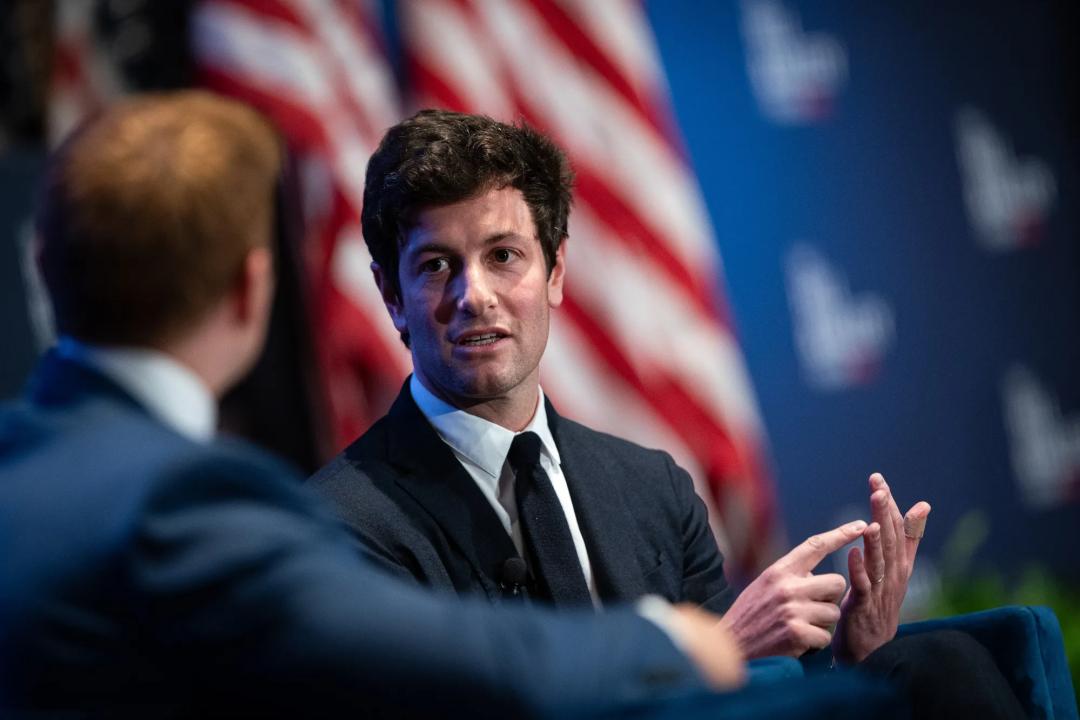
Joshua Kushner
Things are moving in an interesting direction.
As we all know, since the World Cup entered the US-Canada-Mexico cycle, Infantino's exchanges with Trump have become increasingly close. Previously, Trump has repeatedly appeared in high-profile World Cup-related events, and FIFA has continued to expand its business layout in North America.
Now, the potential lead investor is also related to Trump, which adds an unavoidable political color to a transaction that originally belonged to the field of sports business.
However, this plan is currently only in the documents released on FIFA's official website. From written documents to actual implementation, it still needs to be approved by the FIFA Council and 211 member associations.
Therefore, FIFA obviously does not want the public to only interpret this transaction as "selling the World Cup". An interesting detail is that in the official news released by FIFA about the proposed establishment of the FFE entity, the title is "If member associations reach a consensus, FIFA plans to increase the football development fund to 10 billion US dollars".
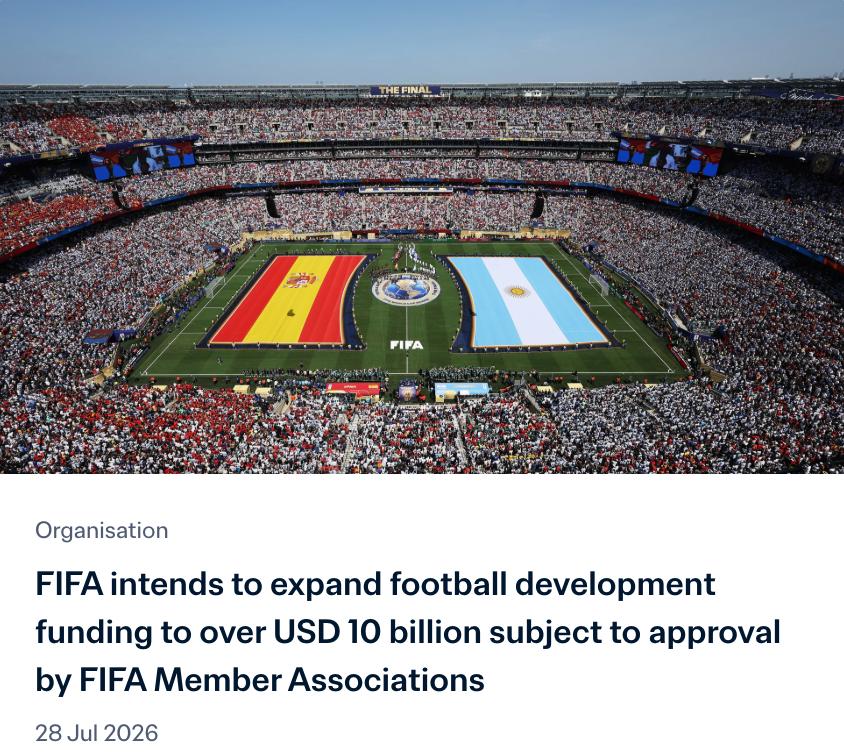
Specifically, the 211 member football associations can additionally withdraw an "optional" fund of 20 million US dollars from the new "FIFA Forward Financing Plan (FFFP)" for "emergency immediate allocation for special projects".
However, this is only the beginning of the proposed "dividend feast". In the new four-year cycle, each member association will also receive regular allocations of 20 million US dollars, a significant increase from the current 8 million US dollars. By the 2031-34 cycle, this figure will rise to 22 million US dollars per country; and by the 2035-38 cycle, it will reach 24 million US dollars, equivalent to three times the current amount.
Infantino seems to be well aware of this old Chinese saying that money makes the mare go. He is trying to convey a message to the outside world: FIFA only hands over its commercial business to a more focused and professional company for operation, and uses capital to expand revenue, so that more funds will eventually flow back to football.
On paper, this is indeed a complete set of commercial logic. But is it really the case in practice?
More Radical Commercialization, Why Now?
FIFA actually does not lack money, but it also urgently needs money.
The just-concluded 2026 World Cup can be called a "great success" in business, and revenues from sponsorship, copyright and tickets all exceeded expectations.
Prior to this, Infantino had set a strict target of 10 billion US dollars in revenue. In fact, the revenue of the single US-Canada-Mexico World Cup will reach 13-15 billion US dollars. For private equity funds that regard FIFA and the World Cup as investment targets, this is obviously a beautiful performance report.
At present, FIFA has already started the copyright sales for the 2030 and 2034 World Cups, hoping to continue the commercial momentum accumulated in this World Cup.
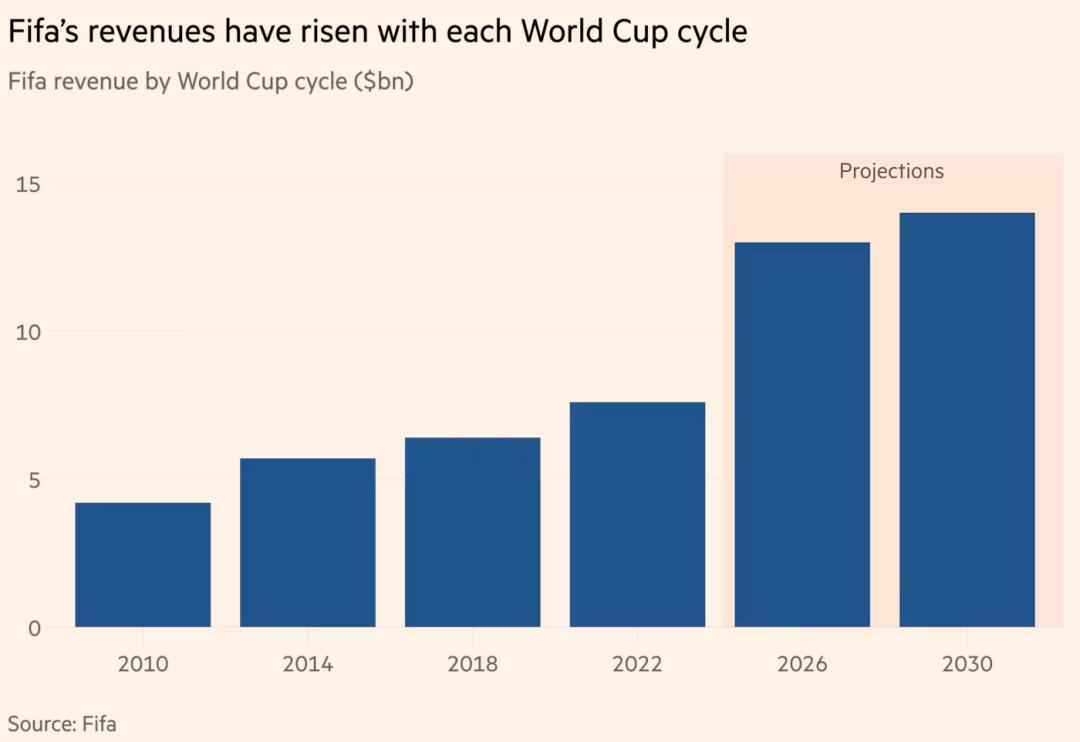
Image source: Financial Times
But in Infantino's grand blueprint, what he values is obviously more than the quadrennial World Cup.
Over the past decade, FIFA has continuously increased the number of its events. The expanded Club World Cup requires long-term cultivation of commercial value, youth events and women's football events require continuous investment, and its 211 member associations are all waiting for financial support. Infantino even publicly stated that without FIFA, "150 countries in the world would not be able to carry out football activities".
The more things FIFA wants to do, the higher its requirements for revenue growth.
The introduction of external investment can allow FIFA to obtain billions of dollars in funds in advance, without waiting for the revenue to be realized year by year in the next few World Cups. The new company can also develop copyright, sponsorship, ticketing, digital content and fan consumption in a way closer to professional sports and entertainment enterprises.
For FIFA, this sum of money can not only support the next round of expansion, but also consolidate the connection between it and all member associations.
Capital also has sufficient reasons to participate in this transaction.
The world's top sports assets are always in short supply, and the World Cup has almost everything that capital values most: the highest global attention, long-term and stable copyright revenue, continuously growing commercial value, and an almost irreplaceable industry status.
Especially in the North American market, as the broadcasting copyright of the US domestic World Cup enters a new round of negotiation cycle, the industry generally expects that the price of the next copyright contract will rise sharply, and is even expected to exceed 2 billion US dollars per year. This expectation of continuous growth in future cash flow has further pushed up the valuation of FFE.
Similar stories have actually happened in other projects.
In 2017, Liberty Media acquired F1's commercial operation company with an enterprise value of about 8 billion US dollars, and then promoted the development of digital media, streaming content and the US market. Drive to Survive even helped F1 attract a large number of young audiences. In 2025, Liberty Media completed the acquisition of Dorna, the holder of MotoGP's commercial rights, bringing the two world top racing events into the same commercial territory.
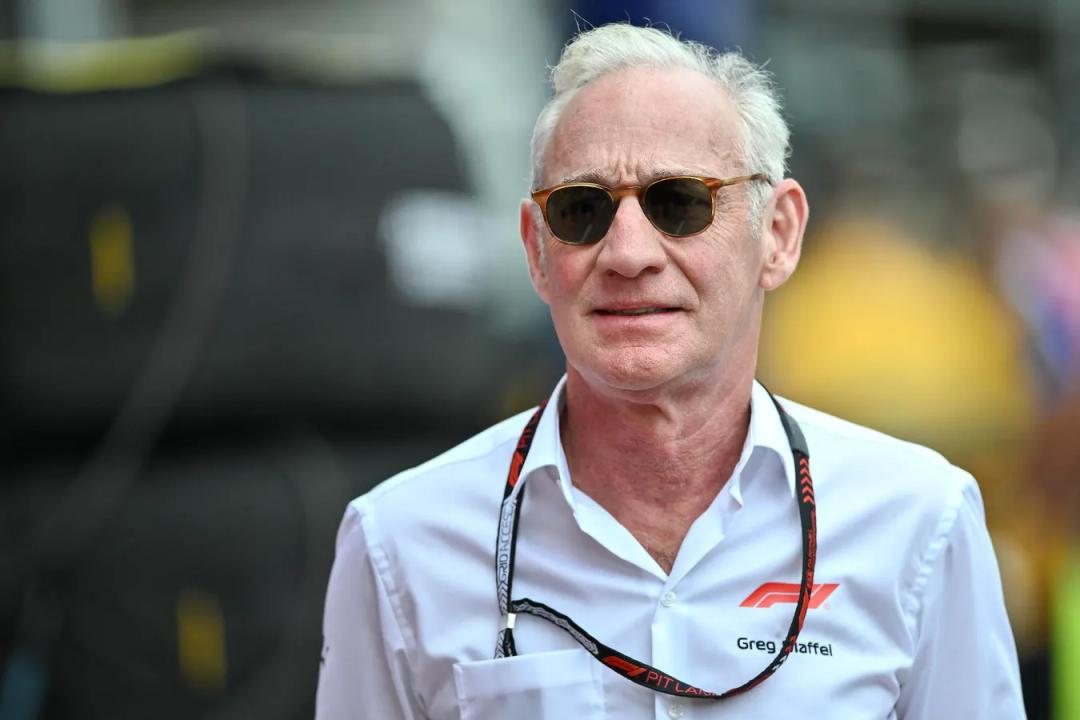
According to the official information released by FIFA, Greg Maffei, the key figure who will be responsible for the preparation of FFE in the future, once participated in Liberty Media's acquisition of F1 and served as the CEO of Formula One Management (FOM).
It can be seen that FIFA has already laid out the whole plan for the establishment of FFE.
In fact, this is not the first time Infantino has tried to promote FIFA's development with the help of capital. As early as 2018, he planned to cooperate with an investment platform supported by Japan's SoftBank to introduce billions of dollars in funds for the new version of the Club World Cup, but the plan was eventually shelved due to public opposition.
In response, FIFA has always maintained a consistent attitude. In Infantino's view, separating commercial operations and introducing professional capital is not a radical innovation, but a more and more common practice in the international sports industry over the past decade.
FIFA also stated in its statement that in recent years, many international sports organizations have reorganized their commercial businesses in similar ways, with the goal of achieving long-term growth and reinvesting the proceeds in sports itself.
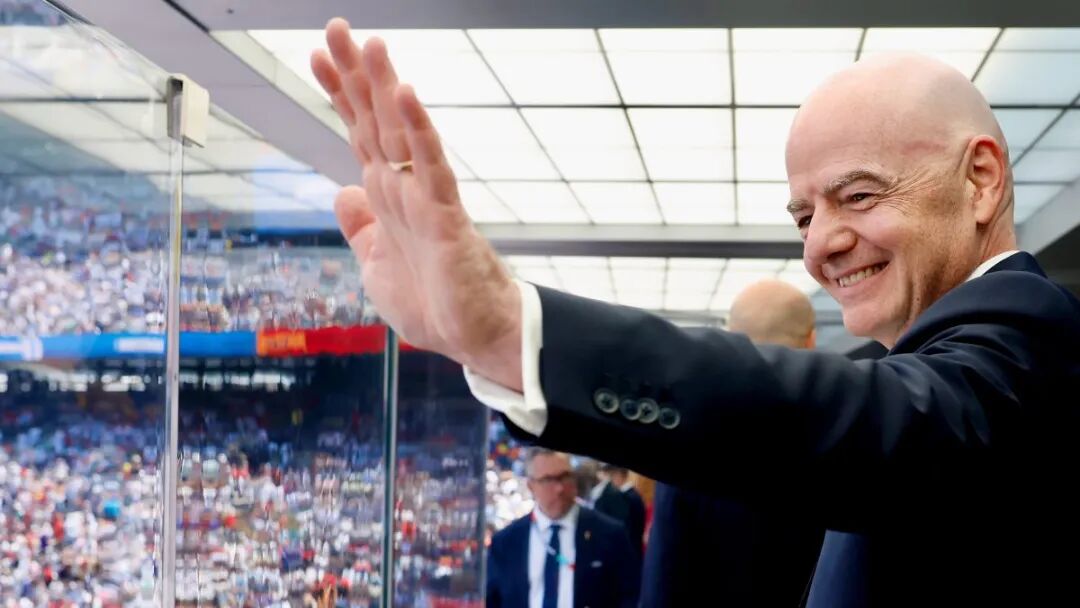
After sorting out all the information about FFE, it is not difficult for us to understand why during the 40 days of the US-Canada-Mexico World Cup, Infantino took his private jet to appear in the boxes of every match as much as possible, and even the unreasonable extension of Balogun's red card suspension has a new explanation.
All these efforts are just like the CEO of a financing project, doing his utmost to roadshow in front of all major investors.
But if we take a longer perspective, we will find that this is not only FIFA's choice, but a problem faced by the entire football industry.
Over the past 30 years, the growth of the football industry has almost been built on "expansion".
The three-tier European competitions led by the Champions League have continuously adjusted their competition systems and expanded the scale of participants. The expanded Club World Cup has further compressed the off-season of clubs, and the UEFA Nations League has filled the original international match days. Even the ultimately aborted European Super League was essentially an attempt to create new commercial increments by reorganizing top events.
However, there is an upper limit to the football match calendar after all. When the match calendar is full and the players' load is constantly approaching the limit, the growth model driven by "expansion" has also begun to hit the ceiling.
For event operators, in addition to continuing to tap overseas markets and develop global growth space such as international copyright, another path is financialization — cashing in the commercial value of the next few decades in advance and introducing long-term capital to participate in operations.
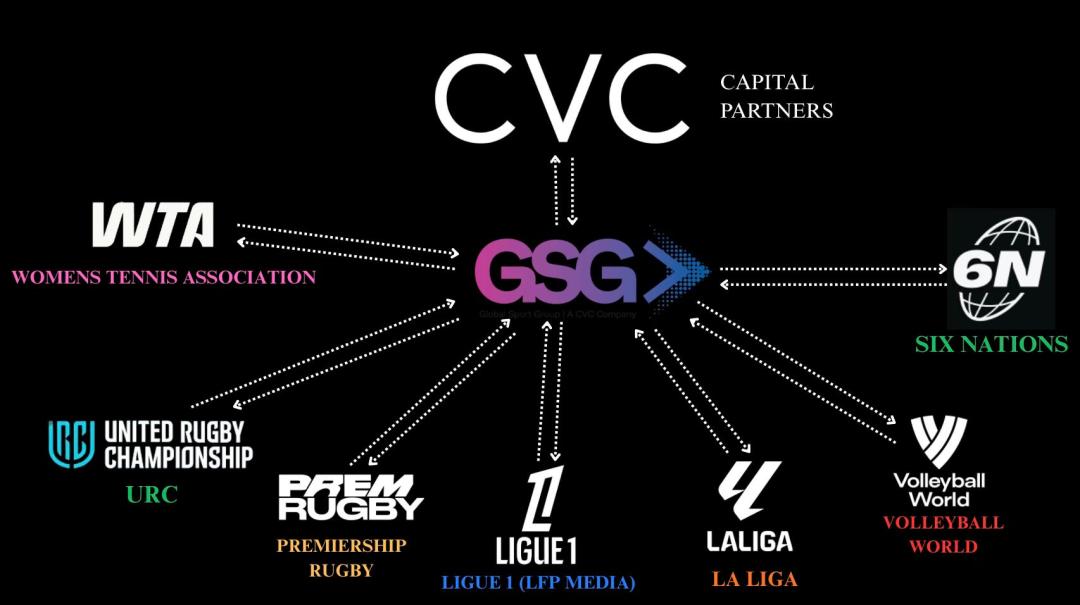
Previously, CVC successively invested in the commercial rights of football events such as La Liga and Ligue 1, which are all manifestations of this idea. The logic behind it is essentially the exploration of the next growth curve after the growth of the football industry slows down.
But this time, what is placed on the capital market is FIFA and the World Cup.