AI is wiping out "the entertainment for the poor"
Old G, a well-known A-share retail investor and gaming enthusiast in the office, is going through the worst summer of his life.
As a veteran "wait-for-discount" player, he follows the principle of buying low and selling high in stock investment, and never purchases games without a discount. This "stingy play philosophy" has worked perfectly for him in the past few years, but everything is different this year.
The stocks he has been reluctant to sell keep hitting new lows every day;
the game consoles he could not bear to buy are now increasingly unaffordable.
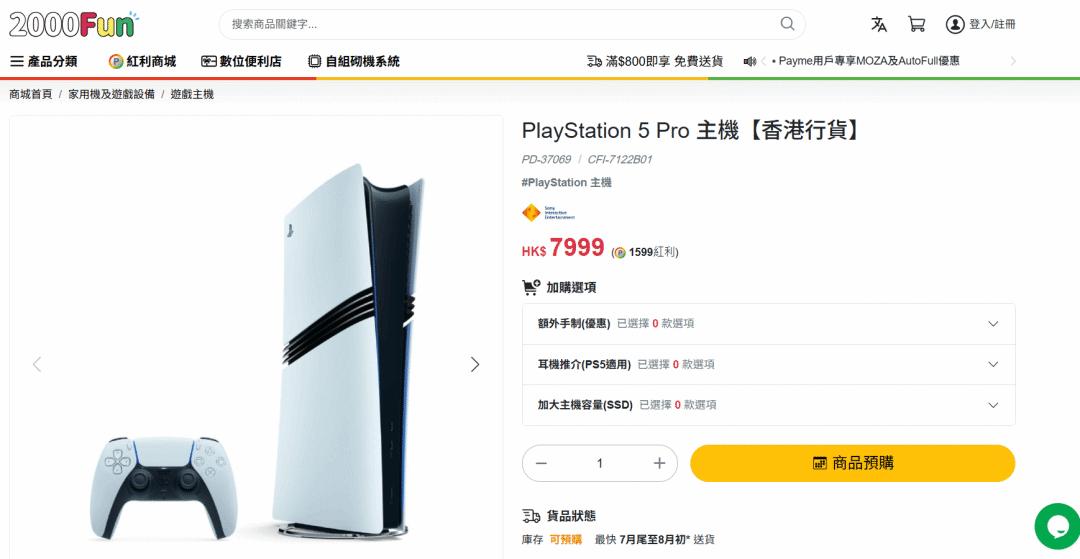
The PS5 Pro that was priced at 5,600 yuan when it launched has now risen to over 7,000 yuan; the Switch 2 he has been watching for a long time has also joined the price hike trend; the highly anticipated Steam Machine has completely flopped.
Even the monthly fees for PS Plus and XGP have risen repeatedly.
The world has changed.
The trend of A-share market has become unpredictable, and the old rule in the gaming world that "buy early to enjoy early, buy late to get discounts" seems to have vanished overnight.
Game Consoles: The Annual Wealth Management Product
At the end of *The Count of Monte Cristo*, Alexandre Dumas wrote:
All human wisdom is summed up in these two words: 'Wait and hope.'
For gamers, neither of these two things exists now.
"Wait-for-discount players will never be enslaved" is the ancestral precept of the gaming community. For the past two or three decades, waiting has been a surefire profitable business: buy early to enjoy early, buy late to get discounts.
The launch of each generation of consoles follows a similar script: a relatively high price is set at the initial launch, paid by core players who do not care about the cost. Then as sales grow and production capacity ramps up, production costs are gradually diluted, and manufacturers are happy to seize market share by cutting prices.
As a result, the price curve of each generation of consoles is like a gentle downhill slope. The PS4 had a price cut a year and a half after its launch, and the Xbox One had so many price cuts that it became a muscle memory for players.
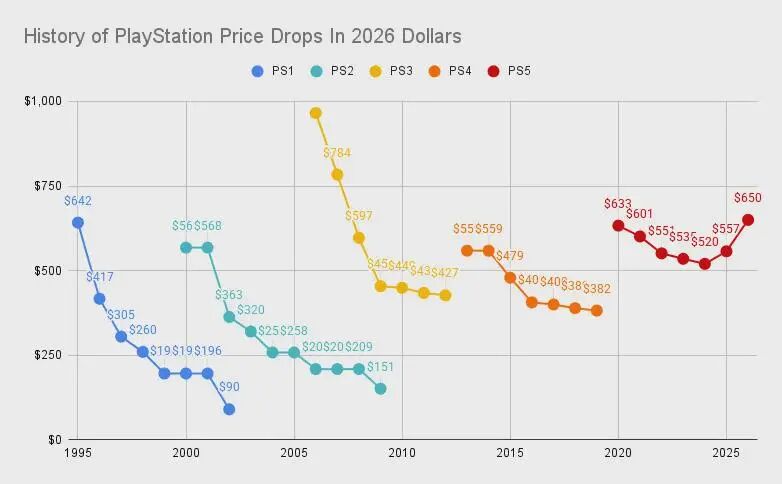
Price changes of PS consoles across generations
No one understands waiting better than console players: it is the path to happiness.
But this rule is now outdated.
The optical drive version of the PS5 was launched at 3,899 yuan, and its price rose by 400 yuan the next year.
Many players held on to the ancestral precept of "buy late to get discounts" and continued to wait, and finally ushered in "good karma" this year: in March, Sony officially announced another global price hike. The domestic digital version was raised by 500 yuan, and the PS5 Pro, which had just been on the market for a short time, saw a 700-yuan price increase, priced at 6,299 yuan to "make friends" with consumers.
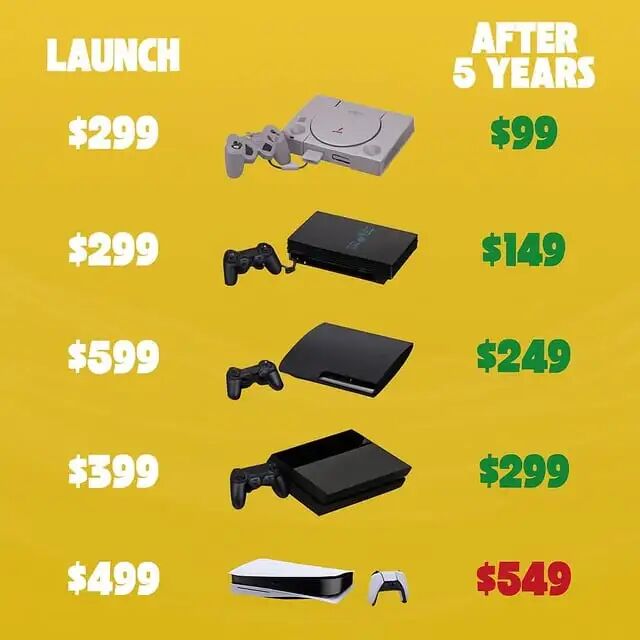
If you buy a digital version of PS5 today, you need to pay one third more than the launch price (from 3099 yuan to 3999 yuan), and the price of PS5 Pro is more than twice that of its elder brother PS4 Pro.
This is only the ideal situation, because you may not be able to get the spot goods. If you ask the scalpers, the spot goods are all priced at over 7,000 yuan.
You can't even pick and choose. Where can you find spot goods now? These are all "greenhouse-grown" game consoles, even I think it's expensive if you think it's too pricey.

Even Nintendo, which has always been known for its "affordable" positioning, could not hold back.
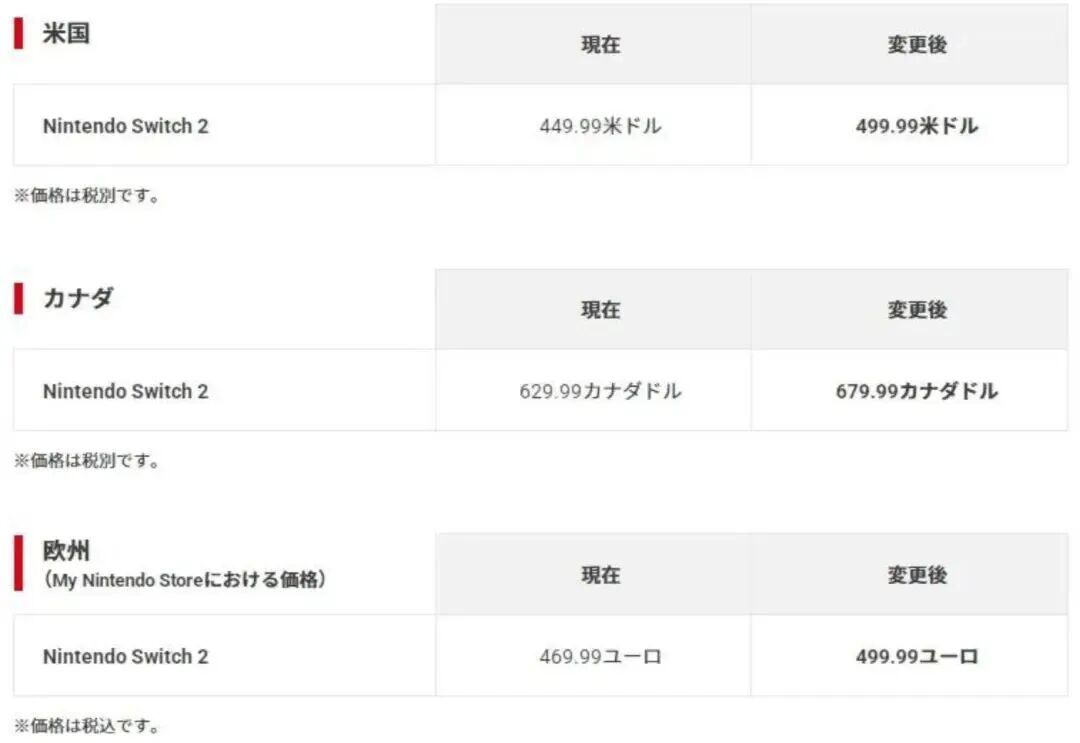
In May this year, the Switch 2 announced a global price hike less than a year after its launch, and the Hong Kong version also confirmed to follow suit in September. It did not even live long enough to reach the traditional age for price cuts, and raised its price first.
Even the entire lineup of the first-generation Switch, which has been sold for nine years, has seen a collective price increase. The old 2017 model has become more expensive in 2026, completely turning into a wealth management product.
That's not all. If you keep paying attention to this industry, you will find that all the once solid rules are disappearing.
In addition to game consoles, the games themselves are also getting more expensive.
Last month, the highly anticipated game GTA6 finally revealed its first suspense: the standard edition is priced at 79.99 US dollars, and the deluxe edition is 99.99 US dollars (the Hong Kong version is 568 Hong Kong dollars and 708 Hong Kong dollars respectively).
The gaming industry has been hesitating for more than ten years to raise the price from 60 US dollars to 70 US dollars, and players complained round after round before barely accepting it. Now, before people can even get used to the 70-dollar price tag, the 80-dollar price has already arrived.
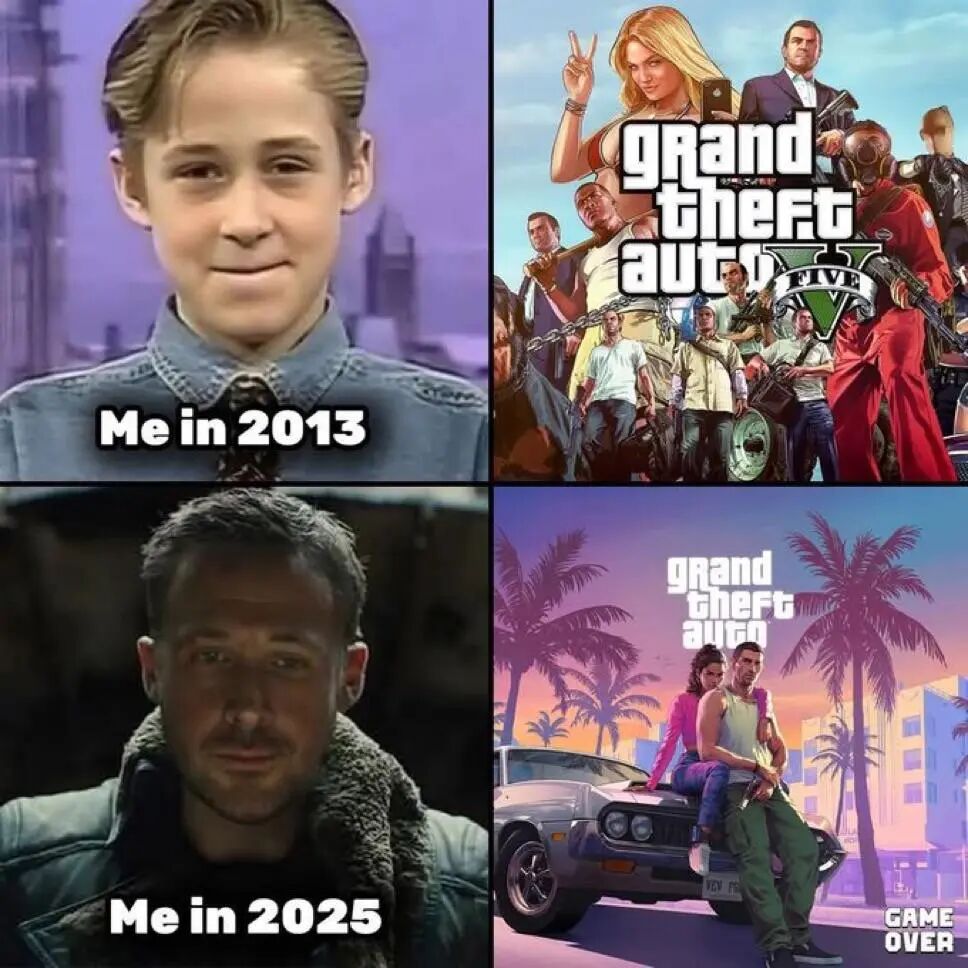
The more "generous" part of Rockstar is that it still offers domestic players access to the low-price region treatment.
But a date can't offset a slap. Rockstar also announced that it will cut the disc version at launch, and the physical box only contains a redemption code, which directly blocks the path for second-hand resale.
In the past, physical discs were the Noah's Ark for poor players: buy a full-price disc at launch, resell it second-hand after clearing the game, and recover most of the cost.
For wealthy players, collecting beautifully made physical game boxes is also a pleasant hobby.
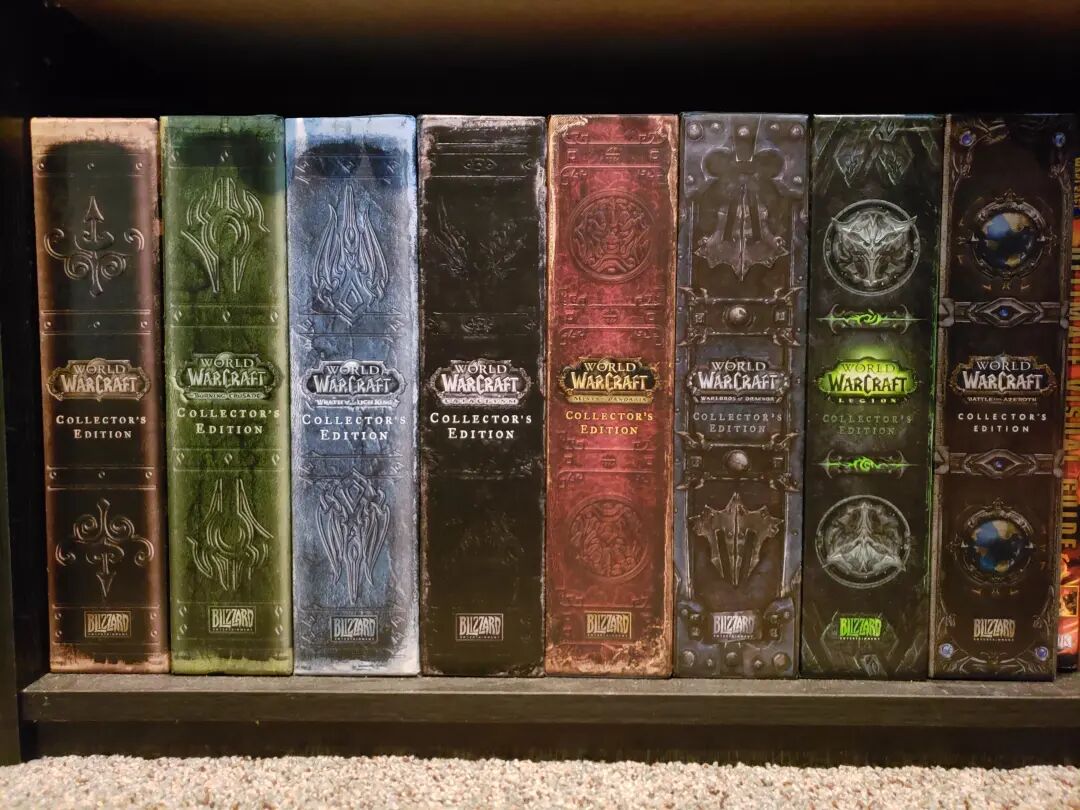
However, all of this will soon become a thing of the past.
Because Sony has just announced that it will completely eliminate physical PS discs by 2028.
For players, you will never truly own a game again, you are just renting it.
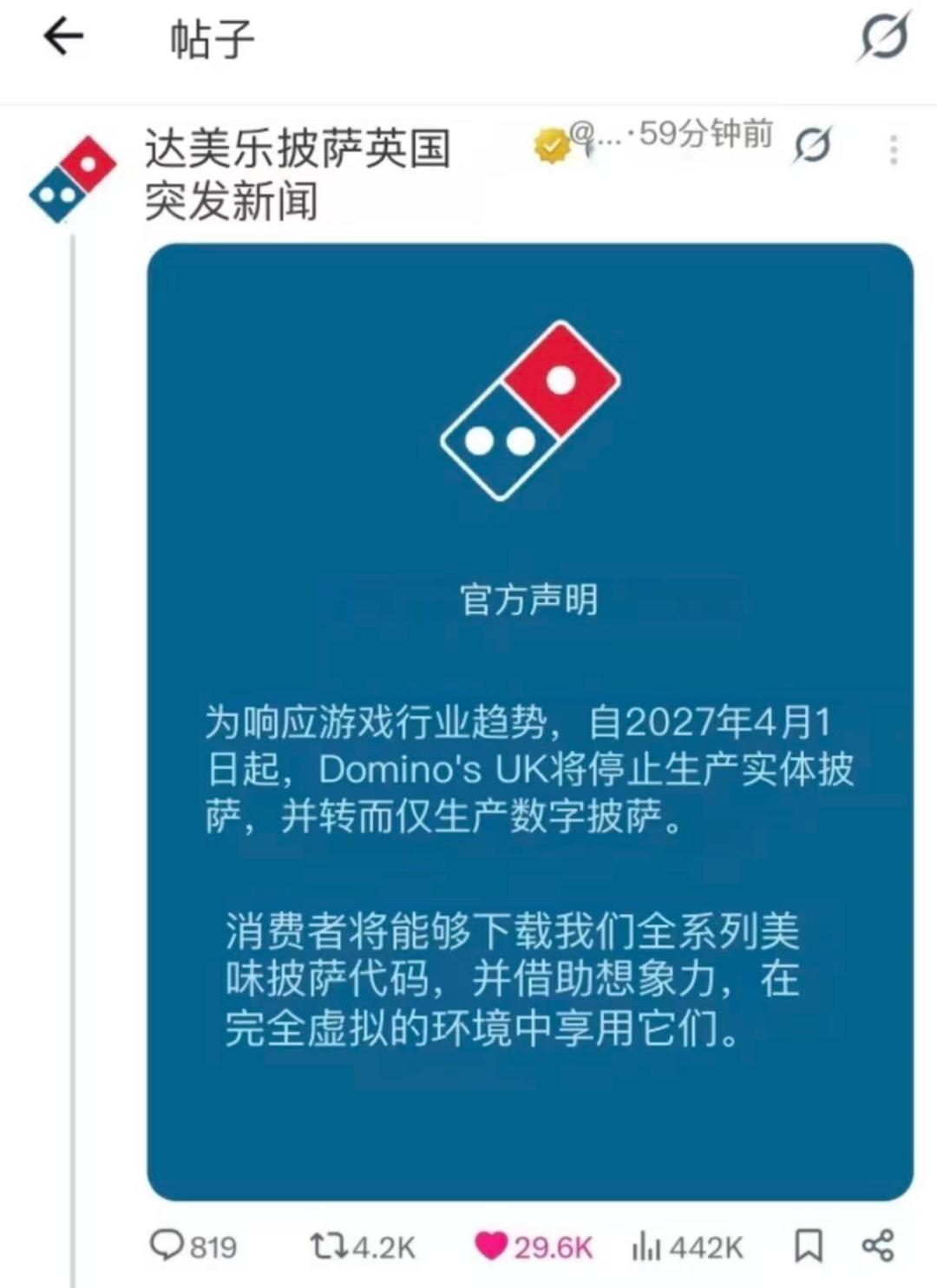
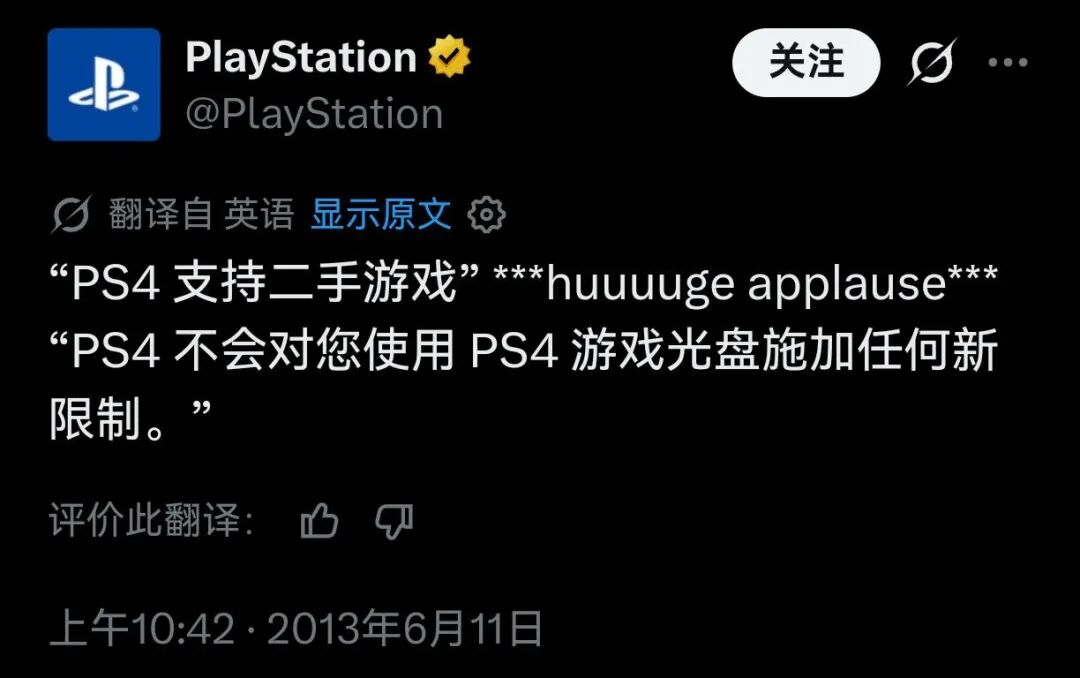
The internet never forgets. Players soon dug up Sony's old statement 13 years ago: when Microsoft announced at E3 that it would restrict players from reselling second-hand games, Sony immediately took the stage and announced:
Players, we will never do such a thing.
After a series of bad news, players placed their last hope on Valve.
They believed that this player-first company would kick those capitalists' butts hard, and the upcoming Steam Machine would "end the console war".
Then the table was indeed overturned, but it was the players' table.
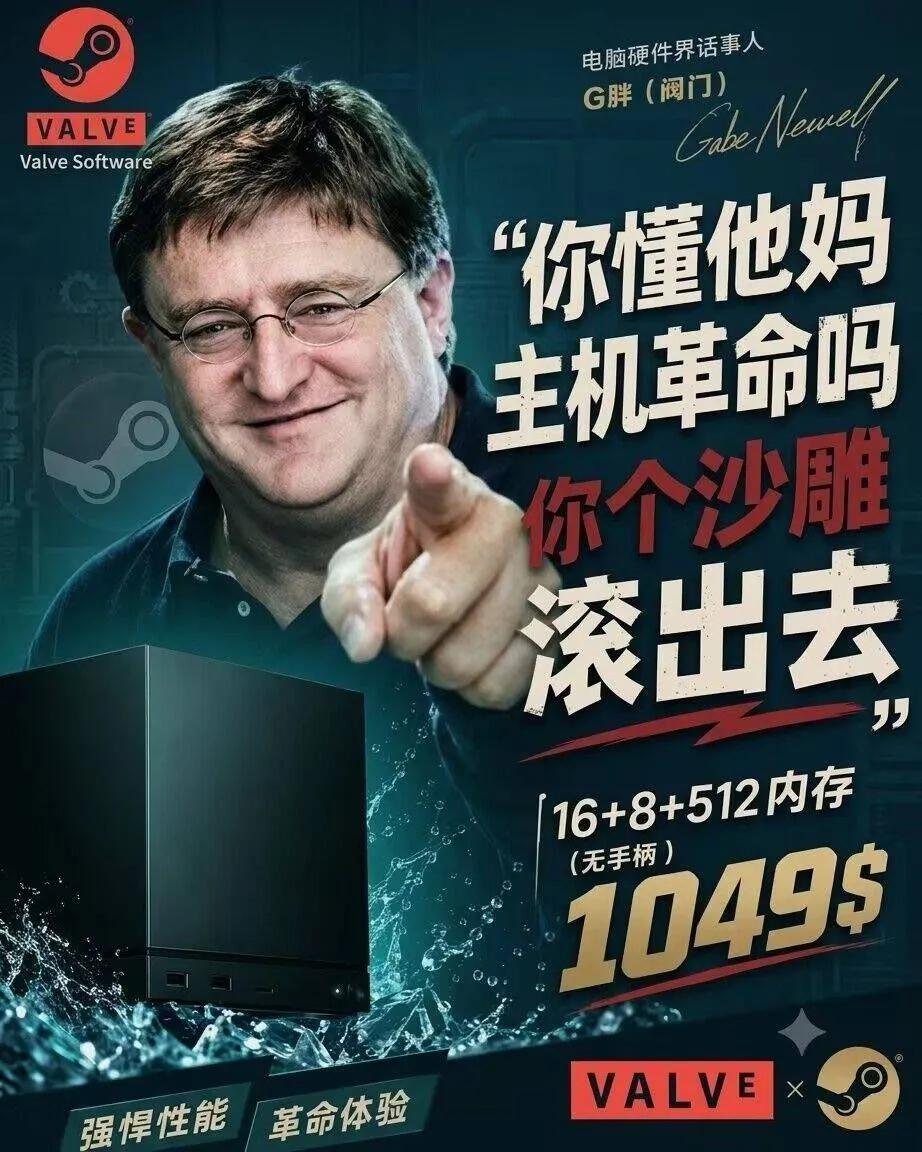
After the official announcement, players found that the cost performance of the Steam Machine was surprisingly "low": 16+512GB RAM, graphics card performance equivalent to GTX 3060, recommended resolution of 1080p, and less than 30 frames when running *Black Myth: Wukong*.
What is more "surprising" than the performance is the price: 1079 US dollars, no controller included. With the same budget, you can assemble a PC that completely outperforms it by following a configuration list on the forum.
At this point, players look around and find there is nowhere to escape:
Consoles are getting more expensive, games are getting more expensive, hard drives are getting more expensive, and even the two ancestral cost-saving paths of "waiting for price cuts" and "reselling second-hand" have been blocked.
Now players have become spinning tops, whipped by the entire gaming industry.
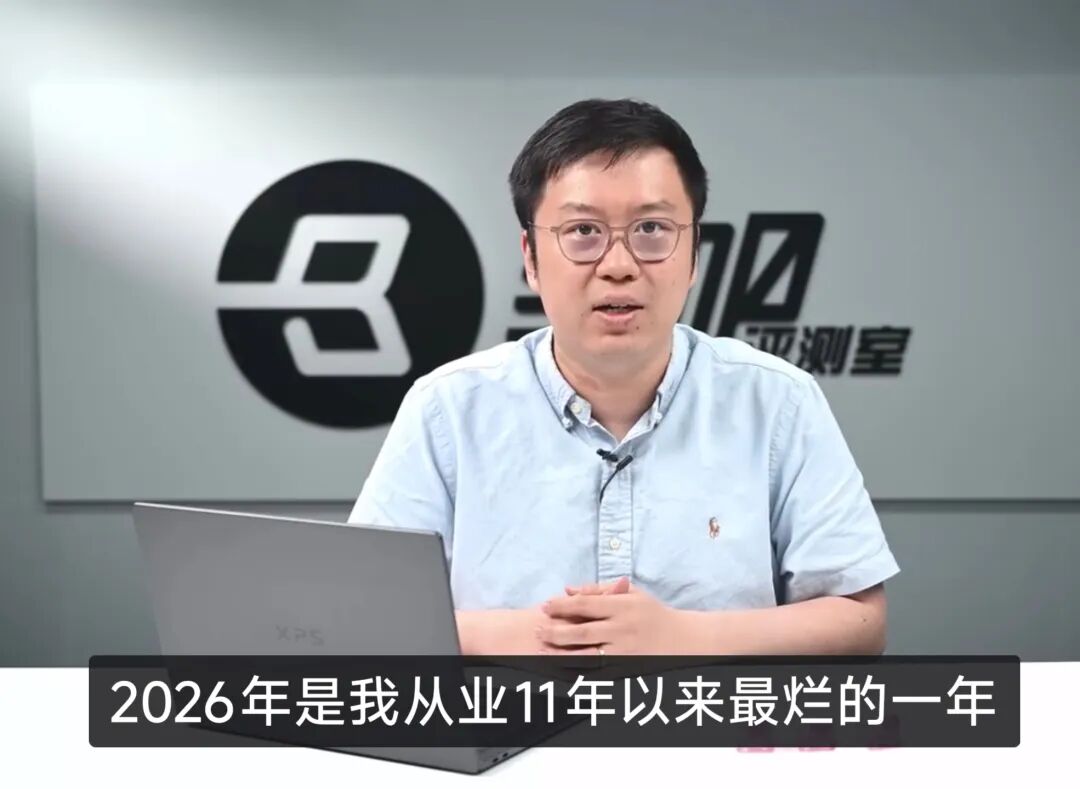
In the Name of AI, Welcome to the Price Hike Era
Faced with players' doubts, the explanations given by various manufacturers are mostly similar.
In multiple price hike announcements, Sony attributed the reasons to "challenging global economic environment", high inflation, exchange rate fluctuations and rising supply chain costs;
Microsoft stated that the manufacturing cost of hardware continues to increase, and the profit of game consoles themselves is limited, making it difficult to maintain the original selling price.
All these are just empty clichés.
Among all manufacturers, Valve is probably the most honest. A while ago, a Valve engineer was interviewed and revealed their experience of purchasing memory:
"They (memory manufacturers) give us a quotation every month, and then tell us: 'You can buy this much.' You only have two choices — buy or not. If we say no, they will never reply to our messages again."
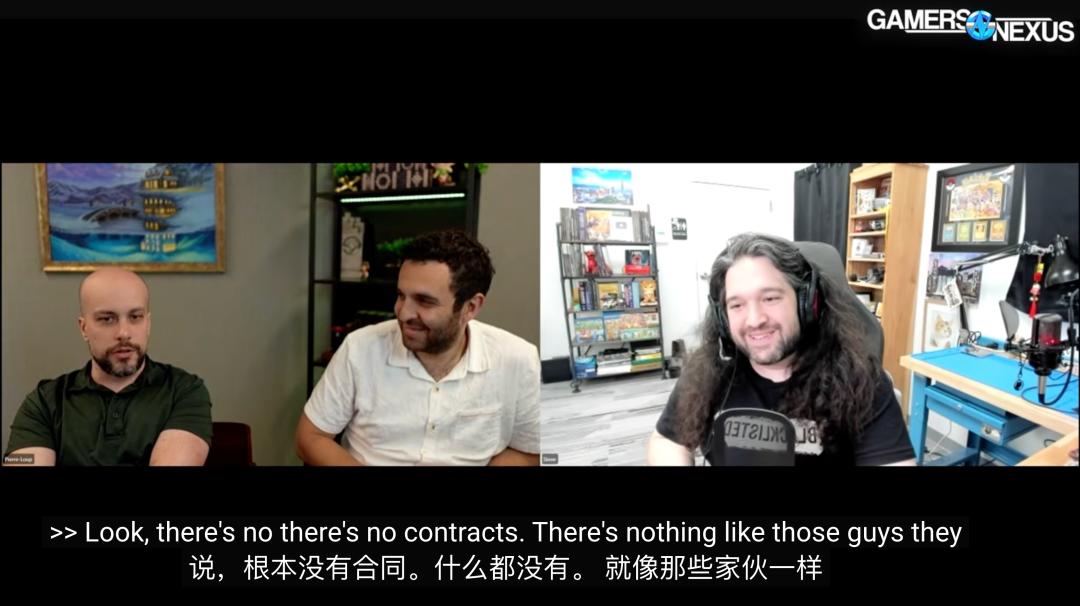
In the eyes of players, Valve is already a giant in the gaming industry, but in the entire semiconductor industry, its say is not as great as imagined.
From the perspective of upstream memory manufacturers, Valve is no different from a melon seller in Huaqiangbei: 15 jin for 30 yuan, take it or leave it.
Not to mention Valve, the entire gaming industry has to step back in the AI era.
For many years in the past, consumer electronics has been one of the largest customers of chip and storage manufacturers. Game consoles, PCs, mobile phones, laptops... these products consume the vast majority of the world's chips, memory and flash memory.
But AI has changed all this.
The most profitable thing today is no longer game consoles, but data centers.
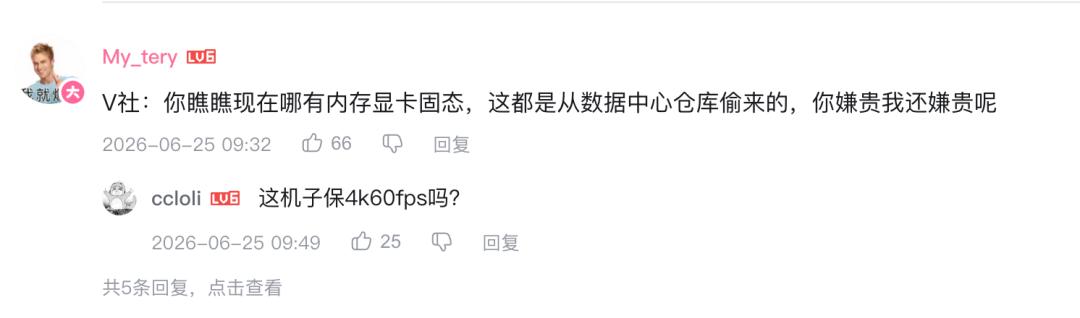
A high-end GPU can sell for tens of thousands or even hundreds of thousands of yuan, and a set of AI servers requires several TB of high-bandwidth memory, enterprise-level SSDs and a large number of advanced chips. In contrast, the profit of a game console priced at several thousand yuan is almost negligible.
As a result, more and more production capacity is flowing to AI. Manufacturers wave checks to compete for limited resources, and chips, memory, hard drives... are all rising in price.

Gamers used to be able to sit at the main or secondary