2026 Interim Report Observation of Film Companies: 7 Companies Recorded a Total Loss of Nearly 700 Million Yuan in the First Half of the Year, Some Are Suffering Capital Drain While Others Are Undergoing Strategic Overhaul
Around July, the A-share film and television sector is enveloped in a subtle, contradictory atmosphere.
On one hand, the densely released 2026 semi-annual performance forecasts show that most companies, from cinema terminals to content producers, have delivered report cards of shrinking profits or even phased losses. The screening side is hit by the double impact of insufficient high-quality content supply and diversion of diversified offline entertainment forms, and the pressure of fixed costs such as rent and depreciation continues to rise. On the content side, affected by the production cycle and release schedule of projects, performance fluctuations remain an unavoidable topic, and "the industry is under pressure" has almost become the unified keynote of this interim report.
On the other hand, the summer box office market presents a completely different picture. *Kung Fu Women's Football* and *Eight Immortals!* have successively posted impressive box office curves, directly refuting the argument that "audiences do not like going to cinemas". Meanwhile, multiple films including *The Stars Are Shining* and *The First Chapter of Three Kingdoms: The Battle for Luoyang* have adjusted their release schedules intensively, adding a certain degree of uncertainty to the market trend in August.

In fact, the simple "winter" narrative can no longer sum up the current film and television industry. The short-term rise and fall of profits is only a superficial phenomenon. The performance differentiation of leading companies, the depth of strategic transformation, and the richness of project reserves are the core variables that determine the future direction of the industry. Hidden in multiple interim reports are not only the current operating pressure, but also real clues of the entire industry restructuring its growth logic.
All under pressure: cinemas and content companies go through their respective tribulations
Judging from the disclosed performance forecasts, the overall film and television industry was in a state of profit contraction in the first half of 2026. Among a number of key companies, only Shanghai Film maintained positive net profit attributable to shareholders, while the rest suffered losses of varying degrees, with a total loss of nearly 700 million yuan.
However, the causes behind the losses differ significantly. There are common factors such as the cinema side being dragged down by the overall market, as well as individual differences in the project rhythm and investment strategies of content companies, and even short-term pains hidden in the strategic transformation period of enterprises.
Cinema companies are the group most directly affected by this round of performance pressure. Ruyi Pictures expects a net loss attributable to shareholders of 120 million to 180 million yuan in the first half of the year, compared with a profit of 536 million yuan in the same period last year. The core reason for the turn from profit to loss is the decline in revenue from the screening side. Its directly operated cinemas in China achieved a box office of 2.55 billion yuan in the first half of the year, down 39.4% year-on-year, with 55.357 million moviegoers, down 32.8% year-on-year. As fixed costs such as rent, depreciation, and energy consumption cannot shrink synchronously with the box office, the cinema business suffered phased losses in the second quarter.
Hengdian Pictures is in a similar situation, expecting a net loss of 52 million to 75 million yuan in the first half of the year, compared with a profit of 202 million yuan in the same period last year. In addition to the decline in screening revenue caused by insufficient supply of high-quality films, the diversion of offline passenger flow by diversified entertainment forms such as script-killing and short videos is also clearly mentioned.
Shanghai Film is the only cinema enterprise that has announced positive attributable profit, with net profit expected to be between 15 million and 19.5 million yuan in the first half of the year, but the year-on-year decline also reached 63% to 72%. What is more noteworthy is that its non-recurring profit and loss adjusted net profit is a loss of 2 million to 2.6 million yuan, which means that the core screening business has actually entered a loss range, and the profit is mainly supported by non-recurring gains and losses.
China Film expects a loss of 100 million to 130 million yuan in the first half of the year. However, judging from the quarterly rhythm, it has been in a balance range between slight profit and tiny loss in the second quarter, which has narrowed significantly compared with the first quarter, showing the performance buffering effect of the whole industry chain layout.
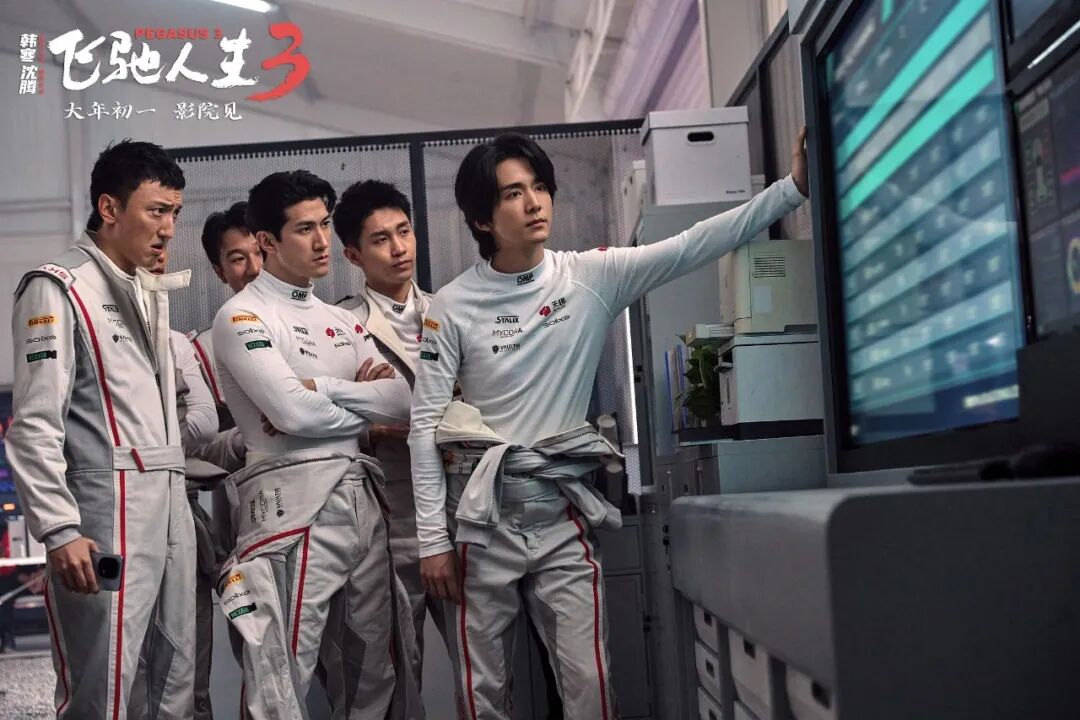
The performance of content production companies shows more distinct differentiation characteristics. Bona Pictures expects a loss of 150 million to 210 million yuan in the first half of the year. Although the amount seems not small, compared with the loss of 1.056 billion yuan in the same period last year, the loss reduction rate has exceeded 80%. The core driving force for loss reduction comes from the box office contribution of the Spring Festival release *Pegasus 3*, and at the same time, the company's strategy of tightening the investment standards for film and television projects and controlling production-side risks has also begun to take effect.
Light Chaser Media achieved a net profit attributable to shareholders of 23.27 million yuan in the first quarter, maintaining a profitable state. Its performance stability stems from the diversification of business structure. In addition to film investment and distribution, businesses such as drama series, animation, and IP derivatives together form an income buffer.
The loss reduction of Beijing Culture has a stronger base effect. The company expects a loss of 33 million to 45 million yuan in the first half of the year, with a year-on-year loss reduction rate of more than 80%. However, the main reason is that the box office of the films released in the same period last year was lower than expected, leading to a large loss base, rather than a fundamental improvement in its main business. This also reflects the general dilemma of small and medium-sized content companies: before the over-reliance on blockbusters is fundamentally solved, performance fluctuations are always the norm.
On the whole, the performance pressure in the first half of the year was not simply caused by demand contraction, but the result of the combined effect of changes in supply structure and consumption habits. For enterprises, the narrowing of loss range, the improvement of market share, and the layout of new businesses, these indicators beyond the financial statement figures, may better reflect the real competitiveness of enterprises.
Experimental period of the "second curve": the "non-box office" arms race among leading players
Under the short-term fluctuations of financial reports, the strategic adjustments of various film and television companies are more worthy of attention. After the industry adjustments in the past few years, the growth model that simply relies on box office revenue is unsustainable. Leading companies have extended to directions such as full-link IP operation, diversified cinema scenarios, and technology-empowered production, trying to build a more stable profit structure to survive cyclical fluctuations.
The core of the transformation on the cinema side is the reconstruction of spatial value through "cinema+". Ruyi Pictures promotes the "Super Entertainment Space 2.0" strategy, introducing multi-format stores such as trendy toy integrated shops, tea drink brands, and selfie experience stores in the cinema system. At the same time, it develops self-developed food and beverage brands to create differentiated products, upgrading cinemas from a single movie-watching place to an offline entertainment consumption node, and improving the comprehensive consumption value per customer.
The cinemas under China Film have also launched IP derivative zones, and implemented immersive experience activities such as parent-child parties, themed DIY, and film character interactions to tap the non-box office consumption potential of family customer groups and strengthen user stickiness to the stores. On the basis of improving quality and efficiency, Hengdian Pictures has increased the construction of themed cinemas and regional flagship stores, locking in core movie-watching groups by upgrading audio-visual experience and service standards. At the same time, relying on the resource advantages of the Hengdian film and television industry belt, it connects the cinema scenarios with cultural tourism consumption.
The transformation direction of content companies is IP ecological operation to extend the monetization cycle. Light Chaser Media is the representative of this path. Its business has covered many fields such as films, dramas, animations, IP operation, music, literature, talent agency, and real-scene entertainment, forming a complete closed loop from IP source development to multi-channel monetization, and its performance is no longer simply tied to the box office performance of a single film.

In the animation field, Light Chaser has established a complete system from original IP incubation to production and distribution, with more than a dozen animation projects in different stages in reserve. At the same time, it has set up a game R&D team to explore the coexistence mode of film and games, converting mature animation art resources into game development assets to further extend the commercial value of IP. Recently, Light Chaser stated publicly that its first 3A game is expected to be launched around 2028.
The transformation of Hengdian Pictures has distinct industrial coordination characteristics. The company clearly proposes to upgrade from the "channel + content" model to the "IP-centered full-link operation model", building a full industry chain layout of "IP + content + technology + derivatives + scenarios".
On the content side, Hengdian Pictures has established the short drama brand "Da Heng Xiao Shu", focusing on AI animation dramas and AI short dramas, applying AI technology to the whole process including script evaluation, scene generation, marketing and operation, and using the advantage of technology cost reduction to enter the short drama track, realizing the coordinated development of long and short content. On the technology side, the company strengthens its production capacity by increasing its equity stake in film and television technology companies, and explores the application of technologies such as virtual shooting and AI post-production in the industrialization of film and television.
On the basis of adhering to the core positioning of main melody and commercial blockbusters, Bona Pictures shifts its strategic focus to "controlling costs, improving quality, and optimizing structure". After the previous performance clearance, the company no longer blindly pursues the expansion of the number of projects, but tightens investment standards, focuses on polishing the quality of head projects, improves the input-output ratio of single films, and at the same time relies on its own cinema channels to form coordination between content production and terminal screening, reducing the distribution risk and marketing cost of projects.
Relying on the advantages of the regional market, Shanghai Film deeply develops high-quality screening and IP derivative businesses, revitalizes stock resources through asset optimization, and steadily extends upstream to content investment to improve its business layout. Beijing Culture is also gradually sorting out stock projects, shrinking non-core businesses, focusing on the realistic and suspense tracks it is good at, and rebuilding its core content production capabilities.
From the perspective of the industry as a whole, this transformation is not an emergency response to short-term difficulties, but an inevitable trend for China's film and television industry to move towards maturity. In the past, the value of film and television companies was highly tied to the overall box office market, and their performance fluctuated drastically with the schedule. When the proportion of diversified income such as IP operation, scenario consumption, and technical services gradually increases, the profit stability of the industry will be significantly enhanced. The core competitiveness of enterprises will also shift from "luck in betting on blockbusters" to the systematic capability of "continuously producing high-quality content + diversified monetization".
The differentiation of summer schedule is only appearance, the second half of the year's reserve is the real card
The mismatch of content supply rhythm in the first half of the year is one of the core reasons dragging down the industry's performance, and the summer schedule is a key window to test the quality of market demand and the company's project reserves. The current market pattern of leading head blockbusters and staggered adjustment of medium-sized films precisely reflects the refinement of the distributors' scheduling strategies, and also lays the groundwork for the performance recovery in the second half of the year.
Ruyi Pictures is the company with the most comprehensive summer schedule layout, and its project echelon covers different audiences and schedule nodes. Its produced Chinese-style animation *Eight Immortals!* achieved a reverse rise at the box office with high reputation, becoming one of the core box office mainstays in the summer schedule, directly contributing content investment income. The comedy sequel *Never Say No to the Office 2!*, which has been scheduled for August, relying on the audience base of the previous work and the stable appeal of the comedy track, is expected to take over the family viewing demand in the second half of the summer schedule.

In addition, the company has a number of reserve projects in the second half of the year, including the realistic theme film *Turning the Mind to Bloom*, the comedy work *Welcome to Dragon Restaurant*, the crime adventure film *Wild Forbidden Land*, and the series sequel *Cold War 1995*, covering different themes and volumes, which can effectively smooth the fluctuation of single films. Coupled with the growth of non-ticket business driven by the recovery of summer passenger flow on the cinema side, the certainty of full-year performance recovery is strong.
Light Chaser Media continues its usual staggered competition strategy, not clustering in the front battlefield of the summer schedule, and accurately matching the segmented tracks and schedule nodes. In the summer schedule, the company's co-invested *Eight Immortals!* has contributed corresponding investment income, and its main-invested female friendship theme film *Miss You* has also been released in cinemas. The core animation project *Go to Your Island* is scheduled for the Qixi Festival schedule on August 19, adapted from a high-popularity IP, focusing on the healing love style, which is differentiated from the mainstream comedy and Chinese-style animations in the summer schedule, and is expected to release box office potential at the node where the viewing demand of couples is concentrated.
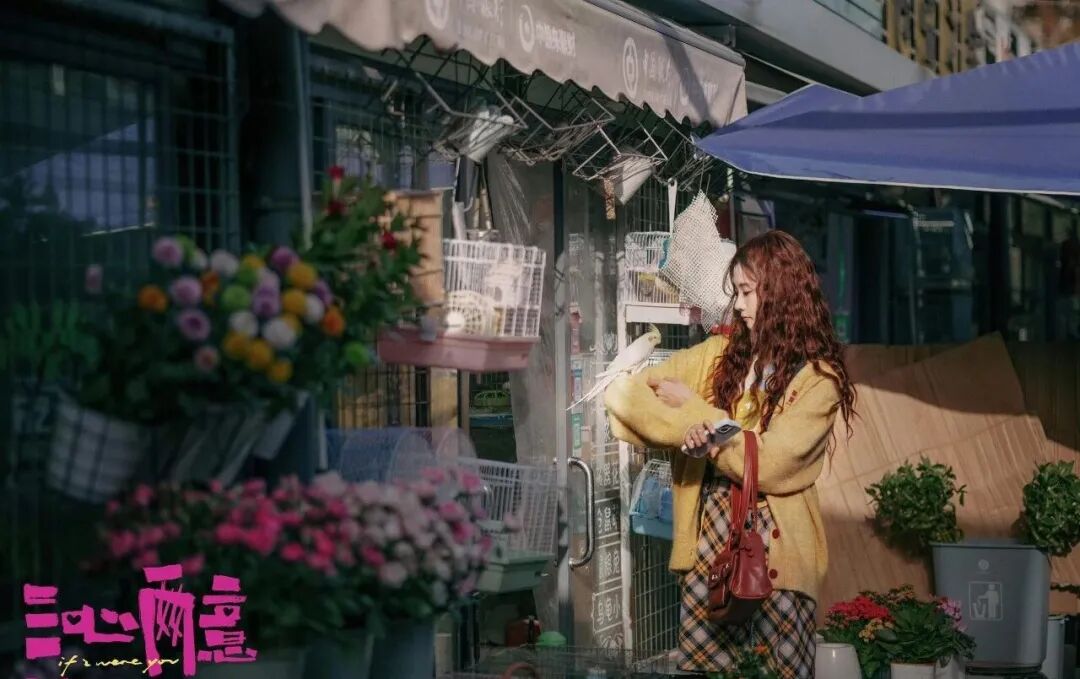
In the second half of the year, the company has also reserved many live-action films such as the realistic theme film *Article 17* and the urban romance film *Three Hearts and Two Meanings*, with rich types and clear echelons. Head projects in the animation track such as *Big Fish & Begonia 2* and *Jiang Ziya 2* are also steadily advancing. Although the release within the year has not been confirmed, continuous IP output provides long-term support for subsequent performance. Coupled with the stable income from dramas, talent agency, IP derivatives and other businesses, the company's profit resilience is significantly stronger than that of pure content production companies.
Bona Pictures achieved a significant loss reduction with the Spring Festival project in the first half of the year, and its project reserve in the second half of the year continues the commercialization path of main melody that it is good at, focusing on high-quality head works. The spy war blockbuster *Kashmir Princess* directed by Andrew Lau is adapted from real historical events, with top cast and production specifications, and is expected to be released in cinemas in the second half of the year. In addition, the company also has projects such as *Wild Forbidden Land* and China's first AI native theater animation *Sanxingdui: Past and Future* waiting for release.
After the previous performance clearance, the company currently strictly controls the cost of projects, prioritizes the input-output ratio, and no longer pursues quantity expansion. As the overall market gradually recovers in the second half of the year, coupled with the channel synergy effect of its own cinemas, it is expected to continue the loss reduction trend, and even achieve single-quarter profit in the fourth quarter.
The recovery logic of China Film and Hengdian Pictures is more tied to the overall recovery of the market, and at the