When 71.7% of convenience stores lose their customers: it is not that they cannot make profits, but that no one walks into the stores.
The convenience store industry is facing a challenge more dangerous than the "price war".
On July 21, CCFA (China Chain Store & Franchise Association) released the Briefing on the Development of Convenience Store Enterprises in the First Half of 2026.
Surveys show that the total number of stores of the 60 sample enterprises reached 127,872, with a net increase of 1,391 stores; enterprises with rising and falling sales accounted for 46.7% and 50.0% respectively; enterprises with flat or growing net profit and declining net profit accounted for 40.0% and 60.0% respectively; the proportion of enterprises with year-on-year decline in sales and profit was significantly higher than the same period last year; the proportion of enterprises with growing online sales also fell back.
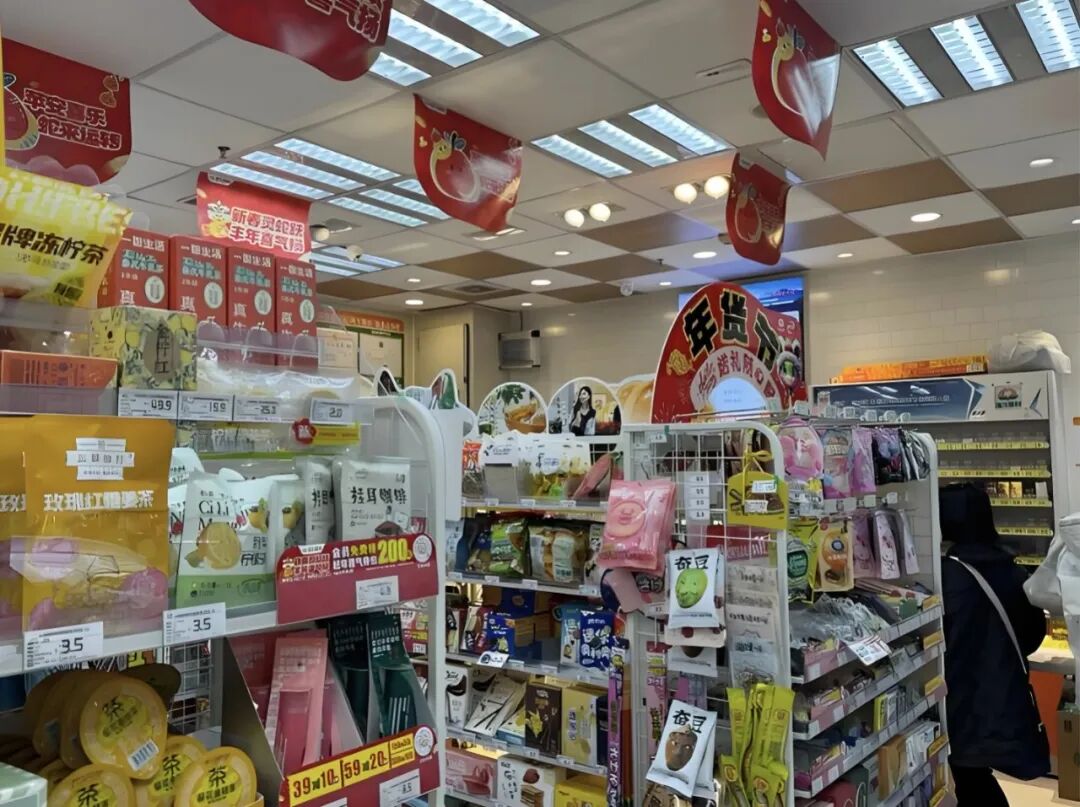
These figures are not optimistic, but in the whole report, the most alarming indicator is neither sales nor profit, but a seemingly unremarkable set of data: 71.7% of convenience store enterprises have seen a drop in customer footfall.
Sales can be boosted by promotions, profit margins can be improved by cutting costs, and online sales can grow with the help of platform traffic. Only footfall never lies: it reflects whether consumers are still willing to step into your store. Sales and profit margins are results, while footfall is the root cause.
When more than 70% of convenience store enterprises are facing a decline in footfall, the problem is no longer the operational deviation of a single enterprise, but the fundamental logic that the entire industry relies on for survival is changing.
Consumers are voting with their feet, and they have been doing so for a long time.
More and more convenience stores, but fewer and fewer customers
At the China Convenience Store Conference held in Changsha in May this year, one word was mentioned over and over again: pressure.
East China, Vice Chairman of Lawson China, frankly said, "The biggest change is the drop in the number of customers coming to the store." Liu Zhongjian, Chairman of Linji, said, "The convenience of convenience stores today may not be as good as before." And Hou Yi, the founder of Hema, did not mince words: "Convenience stores have not evolved truly in 30 years."
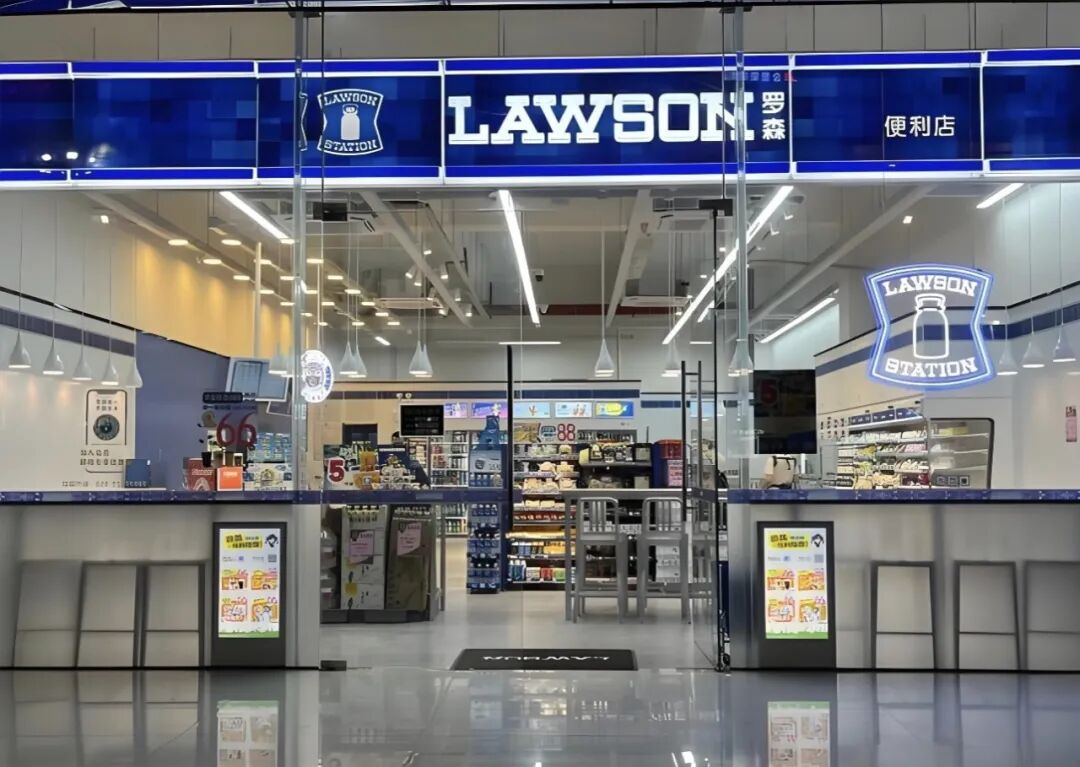
If these remarks were made five years ago, some people might have raised different opinions, but at this year's conference, almost no one in the audience refuted them.
Because everyone is experiencing the same thing: there are more and more stores, but fewer and fewer customers.
According to CCFA data, 7,572 new convenience stores were added nationwide in 2025. In terms of quantity, the industry is still expanding, but another set of data continues to deteriorate: the average daily revenue of a single convenience store nationwide dropped to 4,453 yuan, down 3.9% year on year; the number of customers per store fell 8.7% year on year; sales per square meter dropped by 4%.
In other words, new stores have not brought new customers. Many new stores are only diverting the customer flow of old ones.
Over the past two decades, Chinese convenience stores have believed in a simple logic: the more stores you have, the closer you are to consumers; the closer you are to consumers, the better your business will be. But today, this logic is failing.
Because the core competitiveness of convenience stores — convenience — is being redefined.
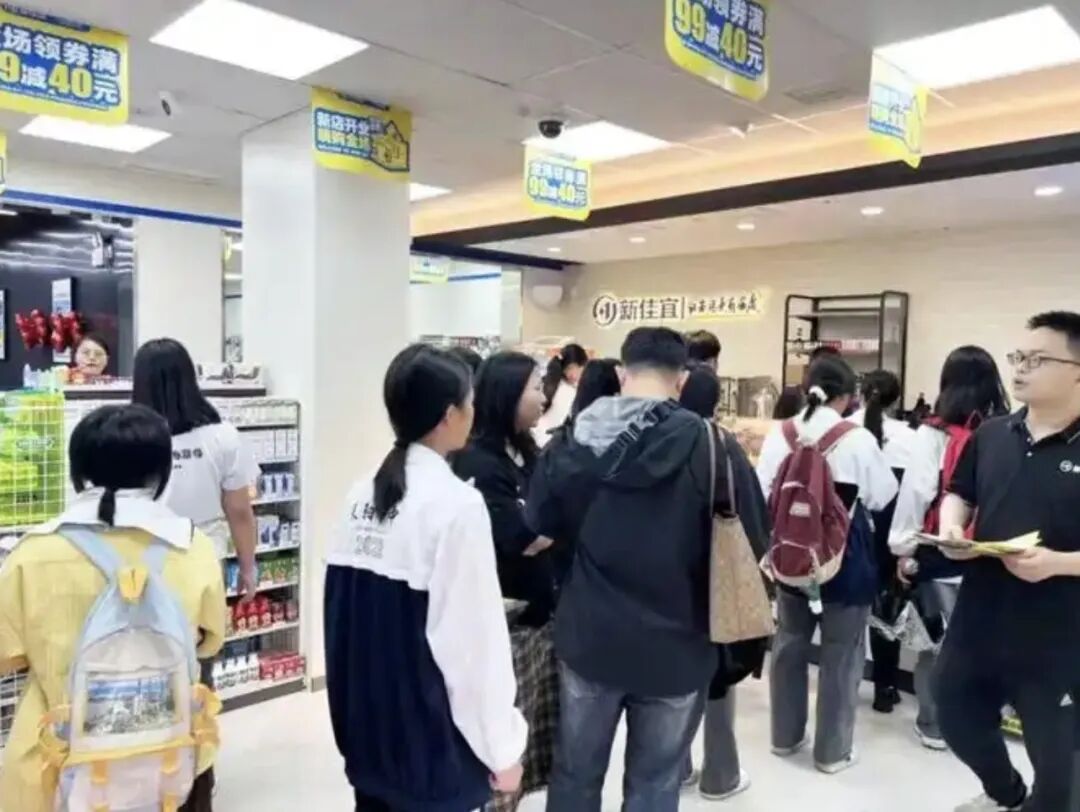
Hou Yi shared a detail at the Changsha Convenience Store Conference: In the past, if people ran out of soy sauce at home in the middle of the night, they would go downstairs to the convenience store. Today, just open your mobile phone, Meituan Flash Purchase, JD Instant Delivery, and Ele.me Near-field Retail can deliver goods to your home in as fast as ten minutes, and many county towns are even faster than big cities.
Consumers suddenly realize that the real convenience is not having a store downstairs, but not having to go downstairs at all. This seems to be just a change in consumption habits, but in fact, it is shaking the foundation of the existence of convenience stores.
In the past, convenience stores sold "distance convenience", while instant retail now sells "time convenience", and time is obviously more attractive than distance.
Nielsen IQ data shows that the sales of fast-moving consumer goods through instant retail have maintained a growth rate of more than 20% for many consecutive years. More and more consumers are getting used to placing orders online.
The advantages that convenience stores once relied on for survival are becoming the advantages of instant retail platforms.
On the other hand, bulk snack stores have taken away another important market share of convenience stores. A convenience store franchisee in Changsha once told Lingshou that in the past, the largest source of customer flow in the store was students and young white-collar workers, but now many young people go directly to Lingshi Henmang, Zhao Yiming or Haoxianglai after work.
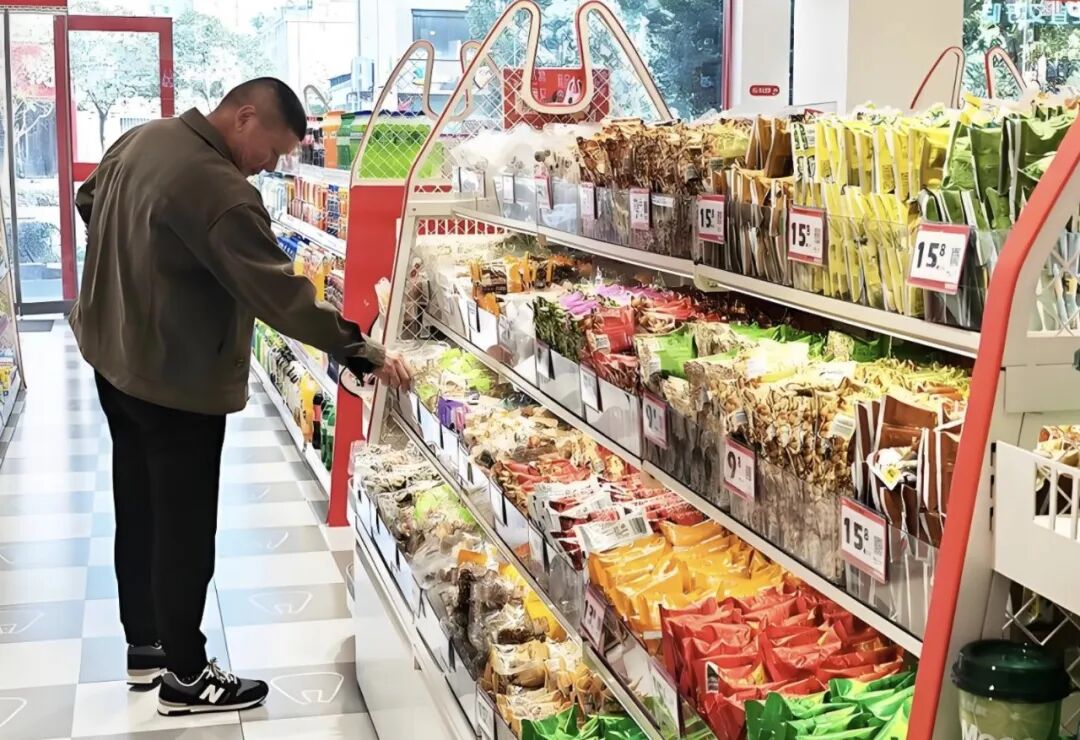
A case of beverages, a pile of snacks, a bag of instant food, the unit price per order often reaches dozens of yuan, while convenience stores are mostly small instant consumption of a few yuan or more than ten yuan. The high-frequency customers who belong to convenience stores are being taken away by bulk snack stores.
The most typical example is the price. 550ml Nongfu Spring is sold for 2 yuan or 1.5 yuan in convenience stores, and 1.2 yuan in bulk snack stores. The prices of the same Coke, Want Want Milk, and Lay's potato chips are generally 20%-40% cheaper.
Consumers may not compare prices every day, but once they compare once, they will form the perception that convenience stores are expensive. Once this perception is formed, it will be difficult to completely reverse it even if promotions are carried out later.
Hou Yi once said, "Many of the best corner locations now have been taken away by snack stores."
This is not an exaggeration. Brands such as Lingshi Henmang, Zhao Yiming, and Haoxianglai have become one of the biggest traffic interceptors for convenience stores. They have not only taken away the snack business, but also the reason why young people walk into convenience stores.
Consumers have not disappeared, they just go elsewhere. As a result, a 71.7% drop in footfall has become inevitable.
Some decelerate, while others grow against the trend
Although the overall convenience store industry is under pressure, not all enterprises are going downhill.
CCFA data shows that in the first half of 2026, 18.3% of convenience store enterprises have achieved growth in both sales and profits. Although this proportion is not very high, it is about 2 percentage points higher than the same period last year.
This means that convenience stores are not without opportunities, but the old logic of relying on store expansion to achieve growth has failed.
New growth comes from capabilities. Looking at these enterprises that are growing against the trend, you will find that they are almost all doing the same things: moving upstream, digging deep into regional markets, and expanding into lower-tier markets.
The first path: move upstream and transform into a commodity company.
In the past, Chinese convenience stores were more like channel providers: the goods were produced by others, the brands belonged to others, and they only sold goods. But today, more and more enterprises find that it is difficult to build competitiveness by selling standard products.
Because anyone can sell Coke, snacks, instant noodles and mineral water, there is no reason for consumers to walk into a convenience store specifically for these products.
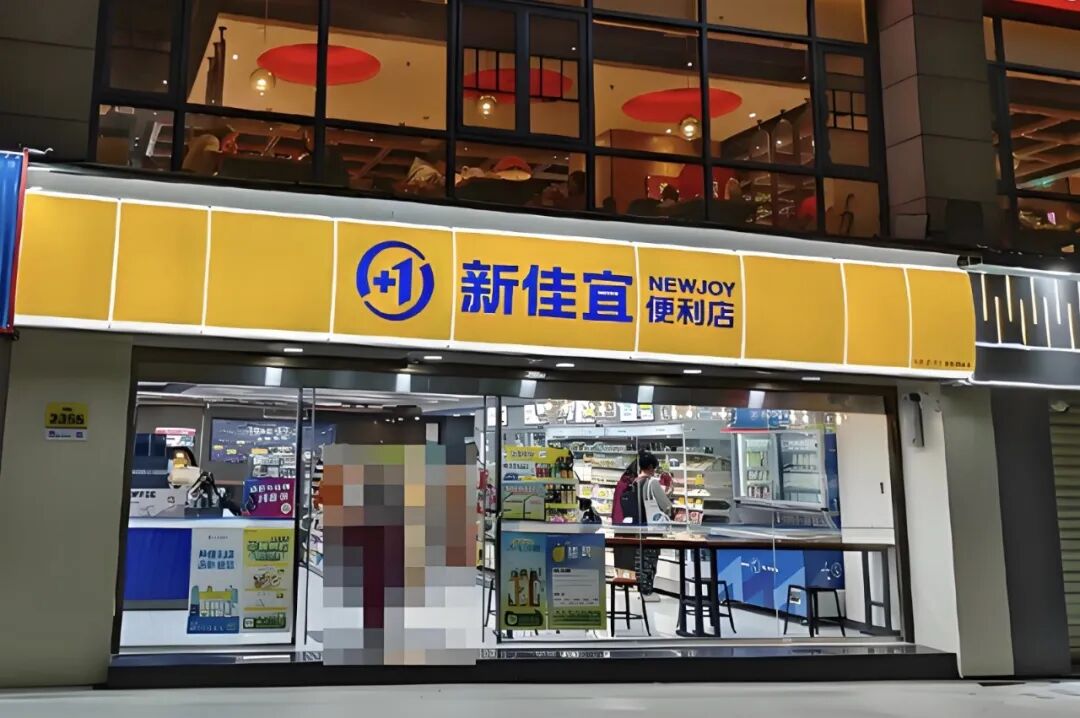
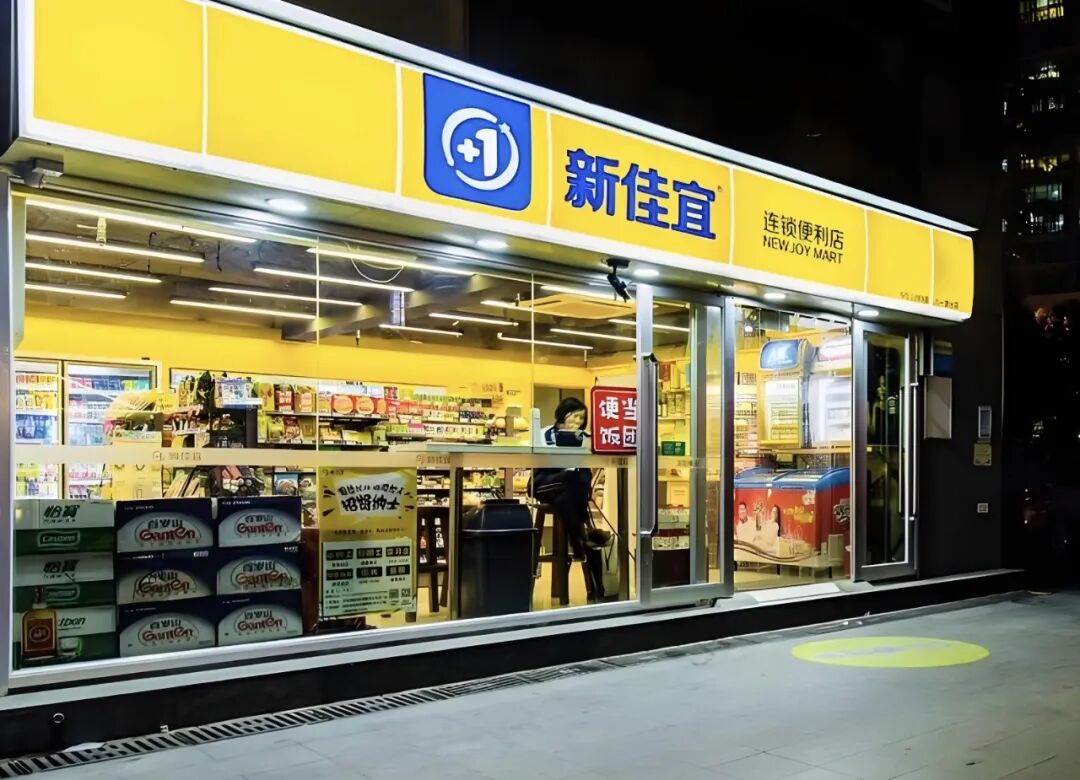
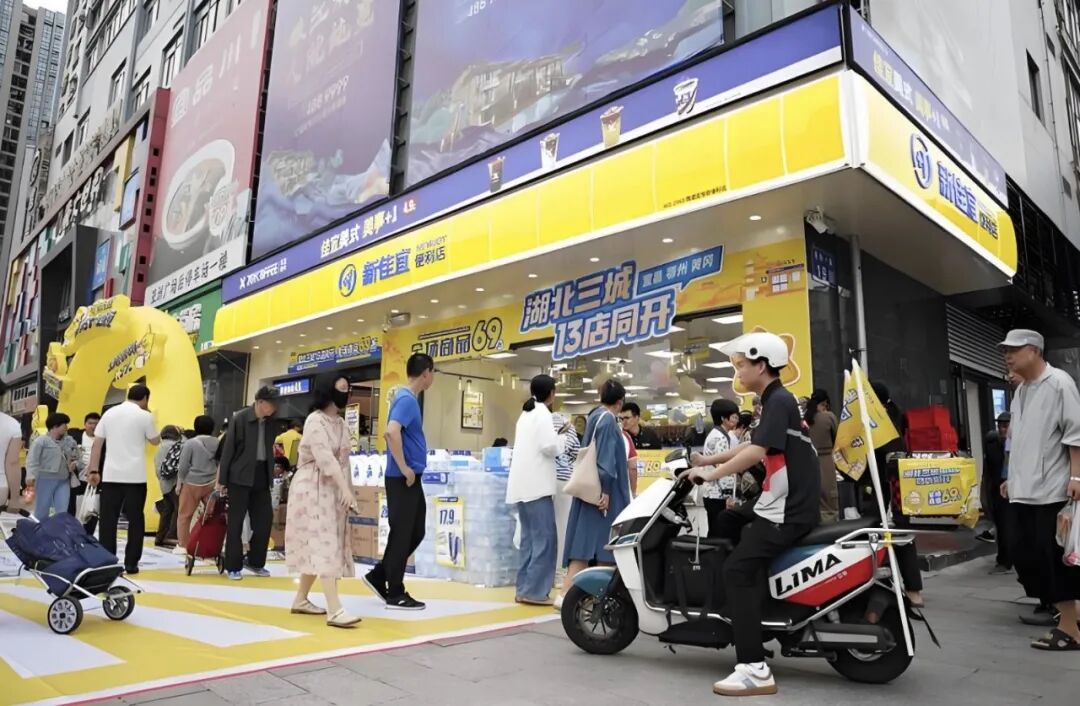
Hunan Xijiayi is the most typical case.
In the past few years, when the industry was frantically opening stores, Xijiayi did something that many peers could not understand: it voluntarily slowed down expansion and invested money in the supply chain.
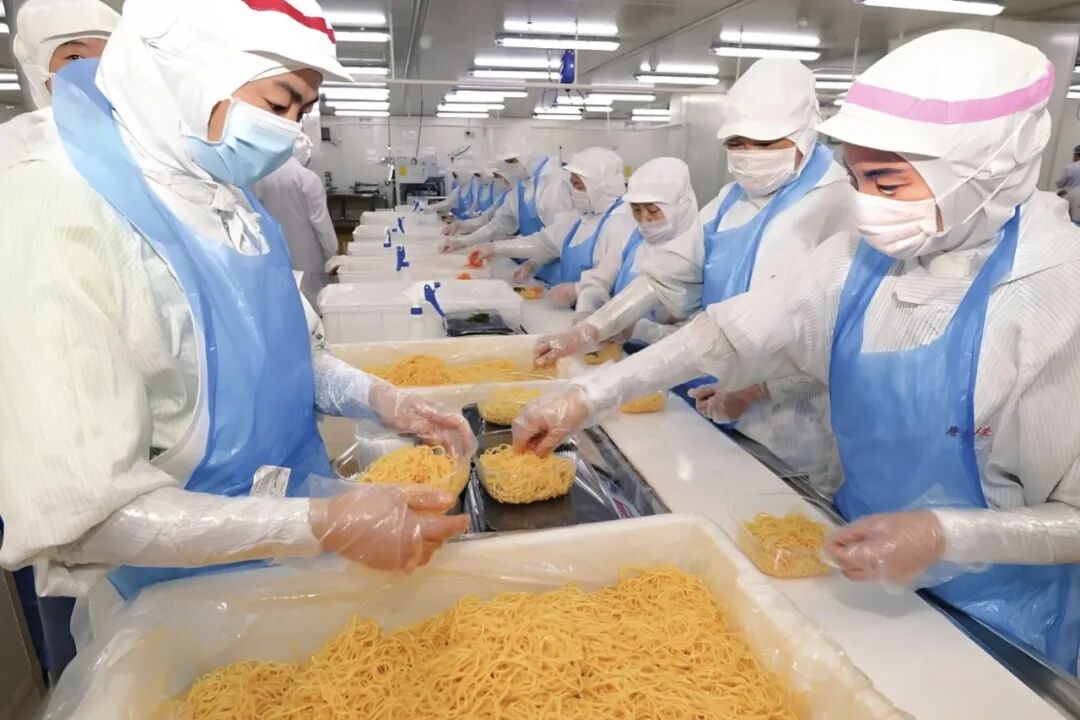
It is understood that Xijiayi has invested tens of millions of yuan to build a fresh food factory covering more than 10,000 square meters, and two ice cup factories at the same time.
The fresh food factory officially started operation in March 2026, and can produce about 50,000 servings of fresh food every day, covering the daily distribution system of all stores.
At the same time, Xijiayi has invested nearly 100 million yuan in total to develop coffee projects in the past four years. In the eyes of many peers, this is a very risky decision, because fresh food factories have long return cycles, large investment, and complex management. But Wu Minyi's judgment is very clear: the most important competitiveness of convenience stores in the future is not the number of stores, but commodity capability.
Because standard products are available to everyone, only fresh food can build competitive barriers.
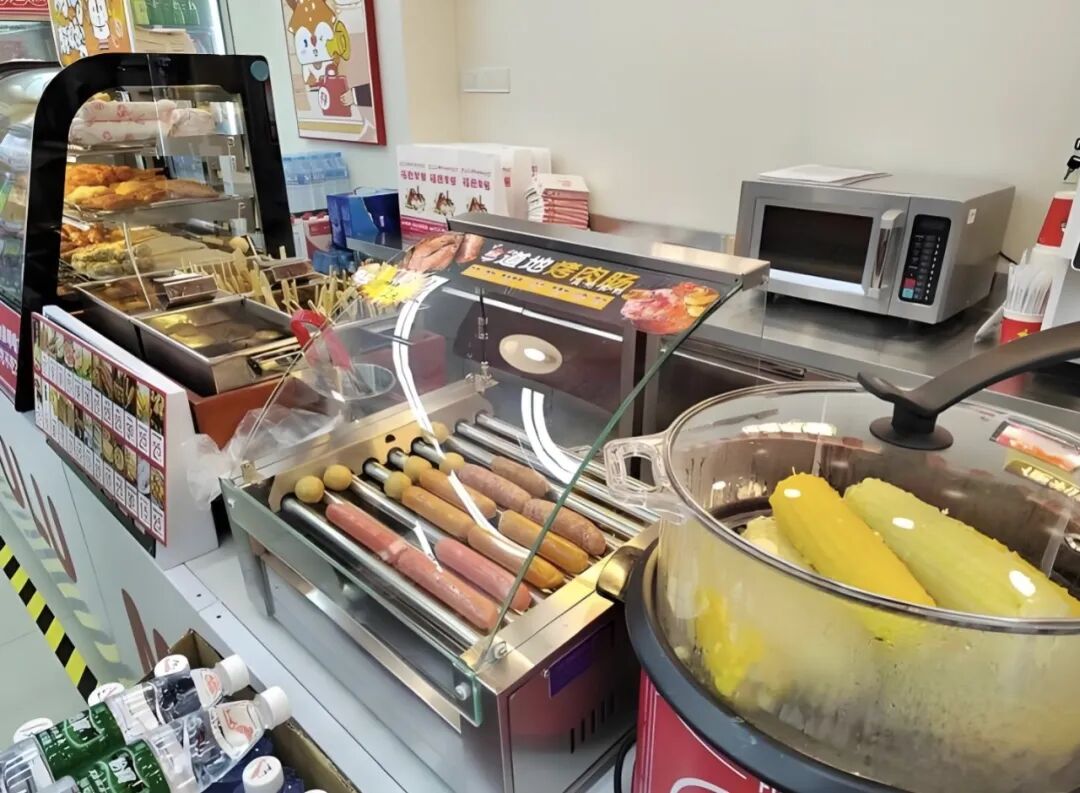
In fact, many consumers who walk into Xijiayi today are not here to buy Coke, but for ice cups, coffee, rice balls, fresh food and short-shelf-life products. These products cannot be fully purchased in snack stores, nor can they be completely replaced by e-commerce. Thus, they have become new reasons for customers to visit the store.
The result is also straightforward: at present, the daily sales of some high-quality stores of Xijiayi have exceeded 8,000 yuan, far higher than the industry average.
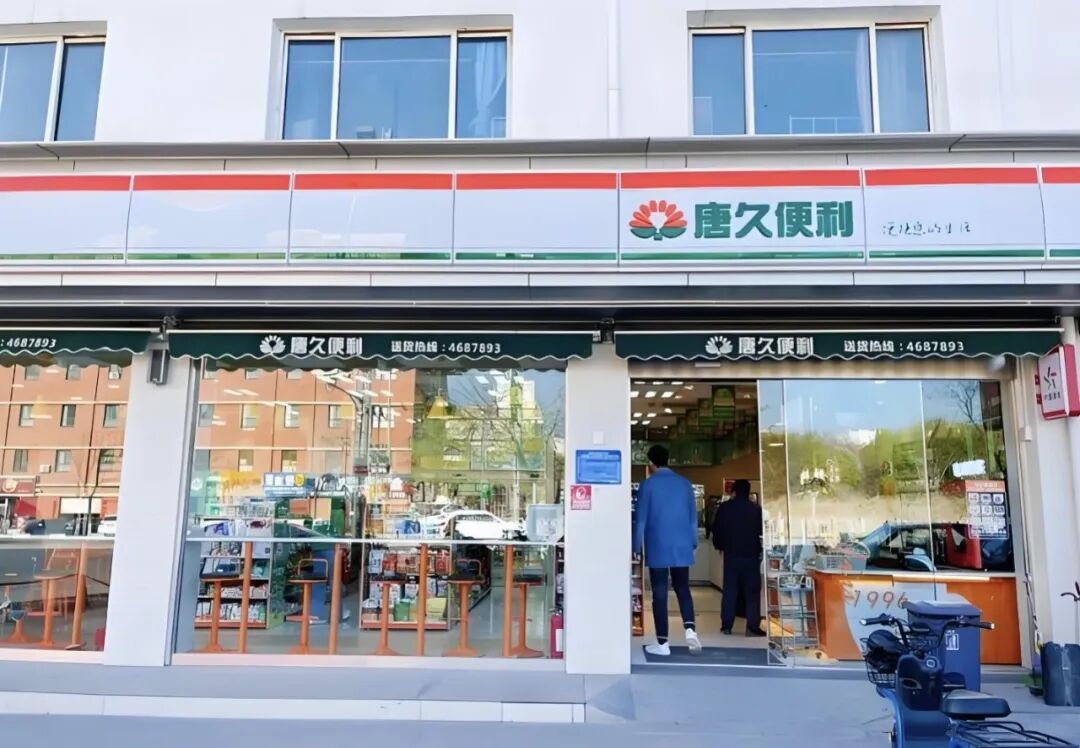
A similar case is Shanxi Tangjiu. Many people do not know that today's Tangjiu has experienced three transformations: it was originally a tobacco and alcohol store, then became a fresh food convenience store, and now it is upgrading to a catering-oriented convenience store.
Wang Feifei, General Manager of Taiyuan Tangjiu, has repeatedly emphasized that the core of convenience stores is products. To achieve this goal, Tangjiu has established 6 self-owned factories and 3 4A-level logistics centers.
Chicken chops, hot food, baked goods, coffee, fresh fruits, Chinese herbal drinks... Almost all are centered on one goal: to turn convenience stores into consumers' five-meal-a-day solutions.
This is actually no longer the logic of traditional retail, but the logic of catering supply chain.
Because today's consumers may not specifically walk into a store just to buy a bottle of mineral water, but they will come in for freshly baked bread, freshly ground coffee and steaming fried chicken.
If you expand your vision to the global market, you will find that everyone is doing the same thing.
In Japan, fresh food sales of 7-Eleven have long exceeded 30%, and the largest sales contribution of many stores now comes from rice balls, bento, desserts and freshly made products.
The cumulative sales of Lawson's "Fried Chicken Kun" have exceeded 6 billion, and many consumers even come to the store specifically to buy fried chicken.
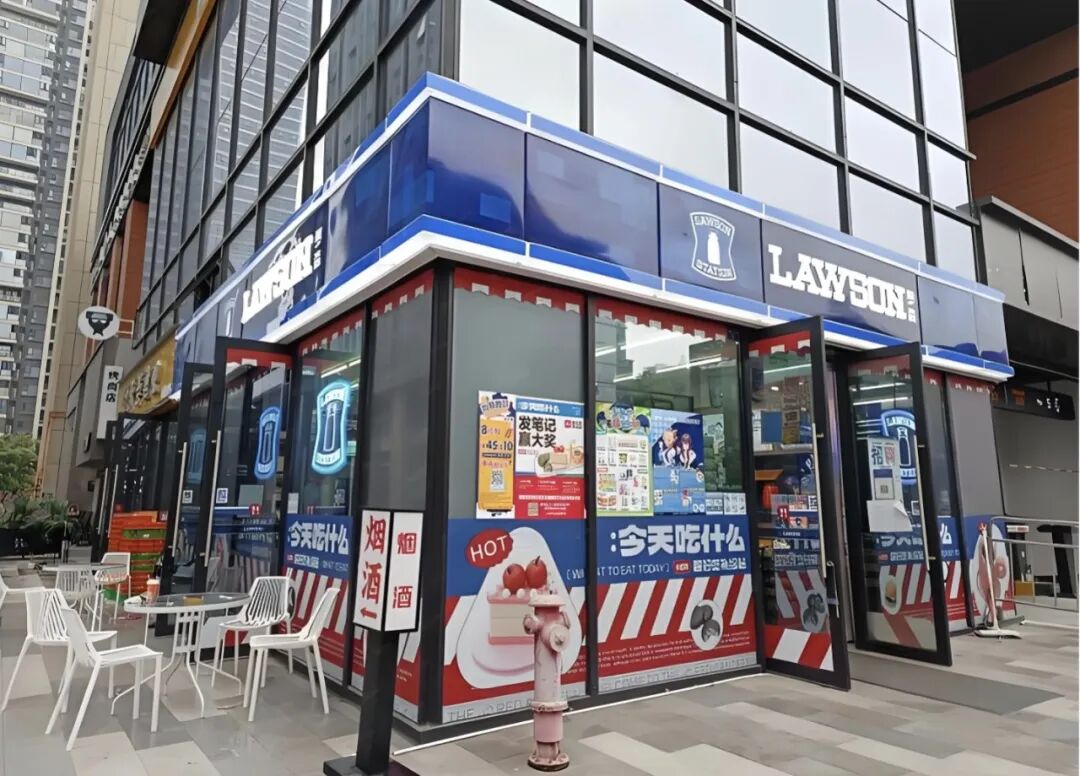
FamilyMart has put forward the "five meals a day" strategy: rice balls for breakfast, bento for lunch, coffee in the afternoon, light food for dinner, and oden for supper, turning convenience stores into all-weather life supply stations for consumers.
In fact, what these cases convey is that the biggest competitor of convenience stores in the future may not be supermarkets, but breakfast shops, coffee shops and fast food restaurants.
The second path: dig deep into the regional market.
If Xijiayi focuses on deepening product capabilities, then Shizu Convenience focuses on penetrating the regional market thoroughly.
Over the past decade, the most popular story in China's retail industry is national expansion. Many enterprises dream of becoming the "Chinese version of 7-Eleven", constantly expanding across regions and replic