Android smartwatches have long been a letdown, and Google's perfunctory and opportunistic practices are the main cause behind this situation.
Every time we check the comment sections of our smartwatch coverage at 3eLife, we always spot readers leaving remarks claiming that Android smartwatches are simply a lost cause that can never succeed.
After seeing so many such viewpoints, we began to ponder: are Android smartwatches really that underwhelming? If consumers all hold this opinion, who exactly is the "party responsible" for this outcome?
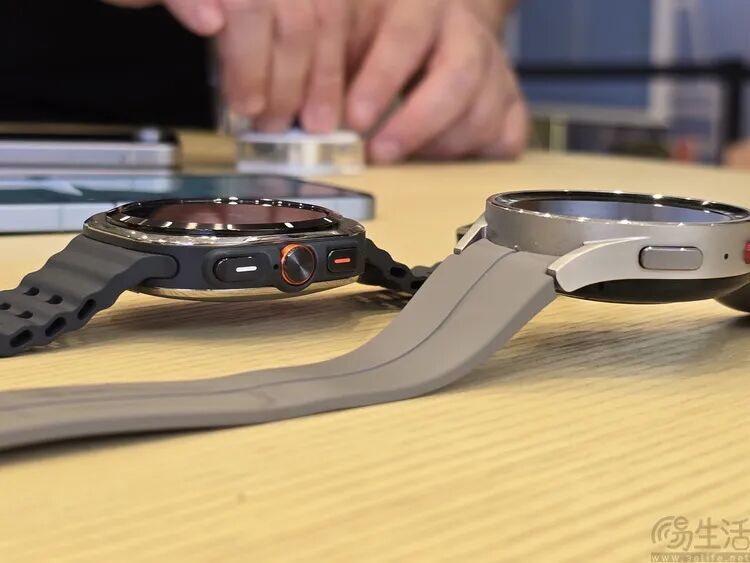
Two consecutive recent incidents seem to have led us to the answer. Compared to chip manufacturers that drag their feet on upgrades and perfunctory small and mid-sized brands, the nominal leader of the Android smartwatch ecosystem — Google itself — is very likely the real culprit behind this mess.
What Has Google Done? They Have Committed At Least Three Betrayals
Back in 2014, Google proposed the "Android Wear" concept, and brought in top-tier Android smartphone vendors including Samsung, LG, Sony, and Motorola as core allies to pioneer the new ecosystem.
But these manufacturers, while proficient in smartphone software and hardware development, had no accumulated experience in the industrial design of watches at all. The result was that the first generation of Android smartwatches generally had crude designs, little more than screens forcibly strapped to wrists. Coupled with the fact that consumers at the time had low acceptance of smartwatches in general, this batch of Android smartwatches naturally failed to deliver a good experience.
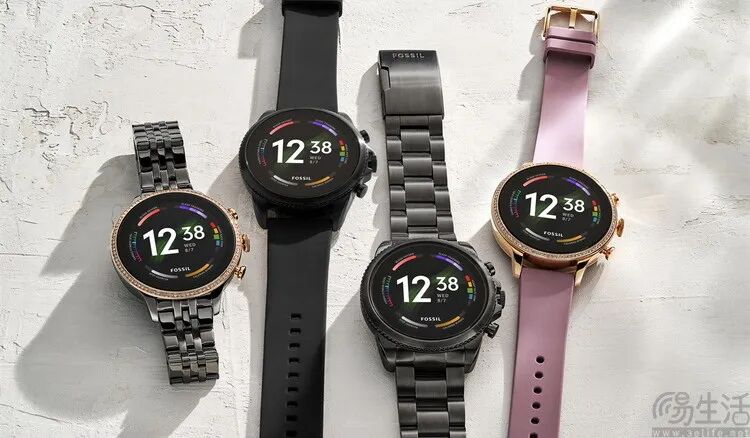
After parting ways with these first-generation smartphone vendor allies, Google adjusted its cooperation direction, partnering with traditional luxury watch brands including Montblanc, TAG Heuer, and Fossil to build the second batch of Wear OS product portfolios. While these Android smartwatches did look more aesthetically pleasing, they had nothing going for them beyond their appearance.
These partner brands only understood exterior design, and fully delegated hardware selection, system adaptation, and feature iteration entirely to Google. As a result, Google grew negligent, failing to update the hardware solutions for Android smartwatches for a long time, and system updates were released at a painfully slow pace. This led to the second batch of Android smartwatches failing as well.
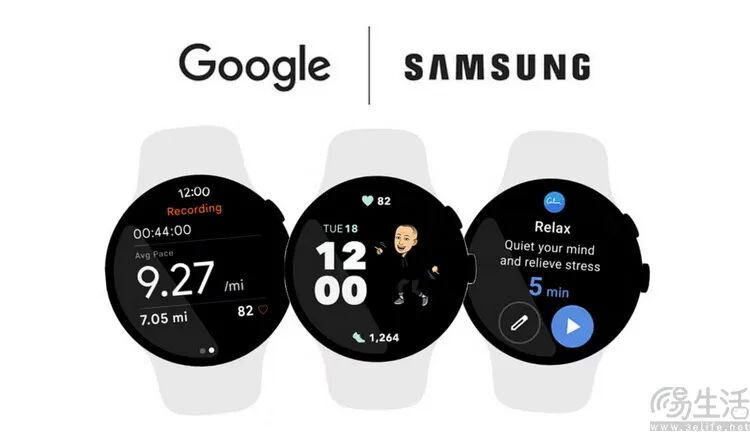
After two consecutive rounds of total cooperation failures, the Android smartwatch ecosystem reached a make-or-break moment. In 2021, Google extended an olive branch to Samsung, and the two parties later reached a landmark agreement: Samsung permanently shut down its Tizen smartwatch system, integrating years of refined Tizen underlying scheduling, power consumption optimization, and health algorithm code into Wear OS to restructure the system's underlying architecture. In exchange, Samsung secured exclusive launch rights for all new versions of Wear OS in subsequent generations, with the Galaxy Watch series getting priority adaptation for all new features.
Samsung Pushes Forward While Google Slacks Off: Who Exactly Is the Leader of Android Smartwatches?
And then what? Next, we saw a strangely inverted dynamic emerge in the attitudes of Samsung and Google toward Android smartwatches.
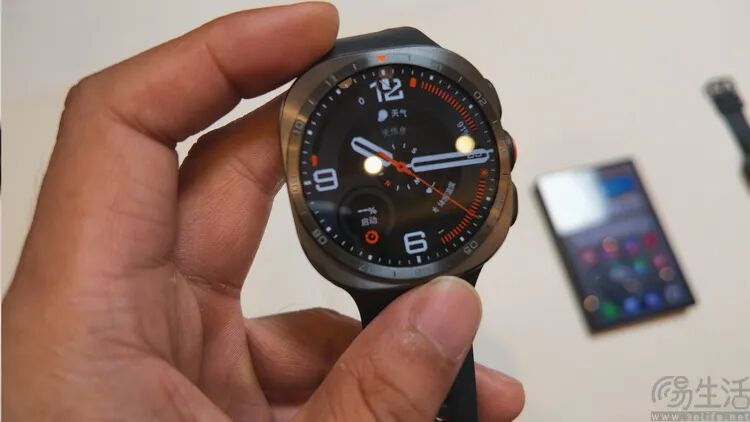
Samsung Galaxy Watch Ultra2
On one side, Samsung worked hard to develop new features for Wear OS, equipping its Galaxy Watch 9 and Galaxy Watch Ultra 2 with the industry's top-tier Qualcomm Snapdragon Wear Ultra master chip built on the 3nm process, and became the first player in the industry to commit to 5 full years of major system version updates.
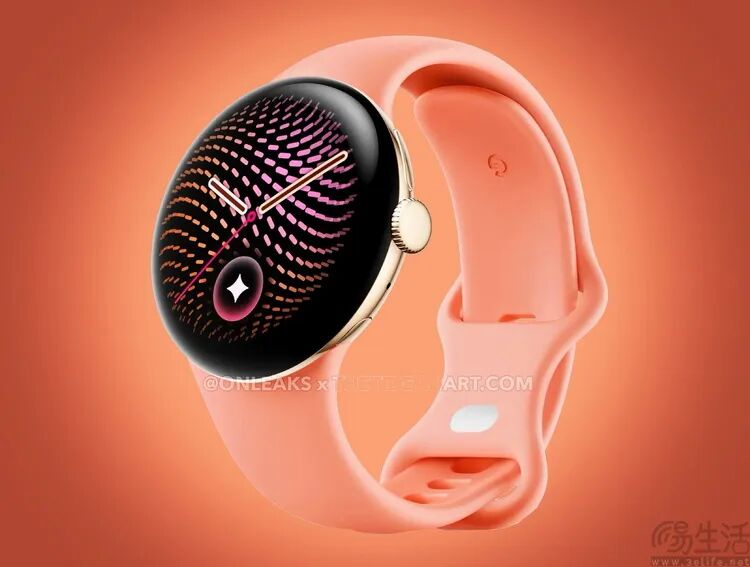
Google Pixel Watch 5 (leaked rumored exterior design)
On the other side, Google's Pixel Watch 5 continued to use an exterior design from years ago, reused the previous generation's outdated platform for its main chip, and only offered 2-3 years of system updates. Even for the underlying system code related to activity tracking and power-saving battery life, the current Wear OS now relies almost entirely on Samsung's R&D capabilities to maintain iteration.
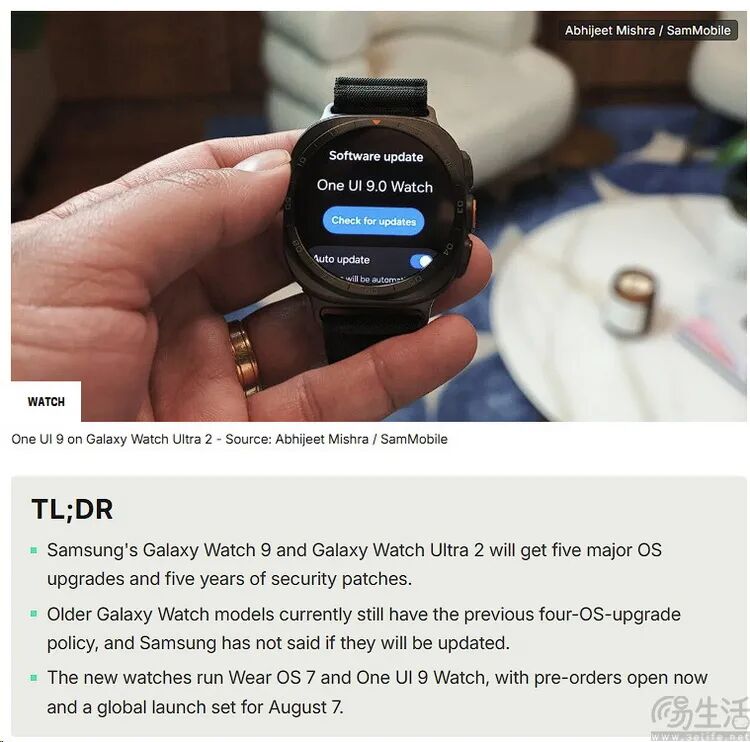
Samsung has confirmed that its new generation of Android smartwatches will support five major system version updates
As for Google? They themselves clearly stated in the Wear OS 7 update notes that the only things they can do now are minor tweaks to the appearance and interface. It's almost impossible to tell who is the dominant player in the Android smartwatch space and who is the nominal OEM manufacturer.
What Consequences Has This Caused? Android Smartwatches Barely Have a Viable Ecosystem Now
After talking through Google's history of abandoning the Android smartwatch ecosystem over and over again, you can probably guess the current state of this product category.
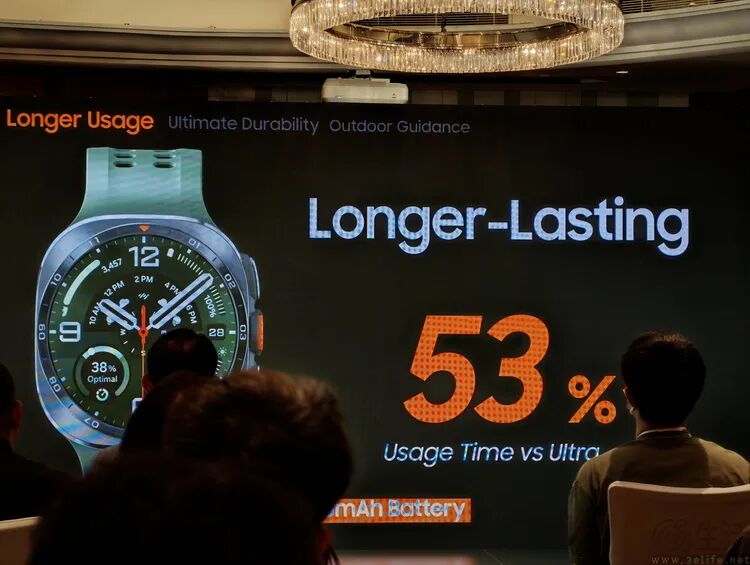
At a product briefing, Samsung explicitly stated that the new watch's improved battery life comes from a larger battery and updated main chip, not from system optimizations
Yes, in the current entire Android smartwatch ecosystem, Samsung is the only player with sufficient scale and budget that can counter Google's negligence through its self-developed software and hardware system.
In comparison, the vast majority of other manufacturers have no capital to break through. They can either put up with the outdated hardware and incomplete software solutions built by Google's half-hearted operations, or abandon the Android smartwatch track entirely, return to the low-cost basic smartwatch market, and use reference design chips and RTOS systems that require far less R&D effort — which might actually let them operate more profitably.
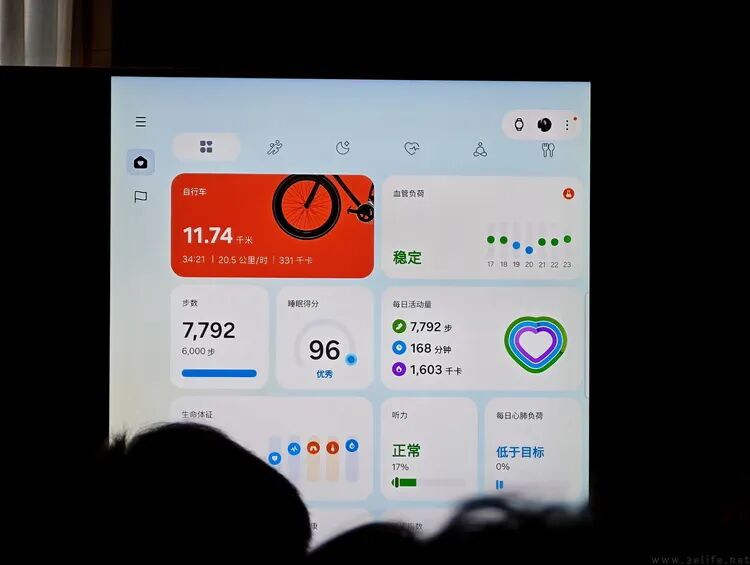
Consumers using Samsung smartwatches might not even realize their devices run on the Android ecosystem
But as a result, from consumers' perspective, their overall impression of Android smartwatches can never be good. Wait, aren't Samsung's smartwatches pretty capable? The answer is that while Samsung uses Google's system, its supporting app ecosystem and interface design are completely redeveloped in-house by Samsung. This leads to the situation where "Samsung watches work great, but their users never realize that the experience has anything to do with Google or Android". Meanwhile, other Android smartwatches are clunky to use, and all the dissatisfaction from those users is directed at Google and the stock Android smartwatch experience.
Google Has No Real Interest in Making Good Watches — It Might As Well Let Samsung Take Over
It's clear that the Android smartwatch ecosystem has now become deeply ironic. While Google owns the copyright to Wear OS, system optimization, hardware standards, AI implementation, and long-term operation are all sustained by Samsung. Google reaps profits from the system copyright, but has run this business perfunctorily for years, repeatedly eroding the trust of its partners and destroying the growth environment for Android smartwatches. In contrast, Samsung keeps investing technology to nurture Wear OS, with its software and hardware capabilities consistently outperforming Google's, and it already has the strength to take over the smartwatch market entirely.
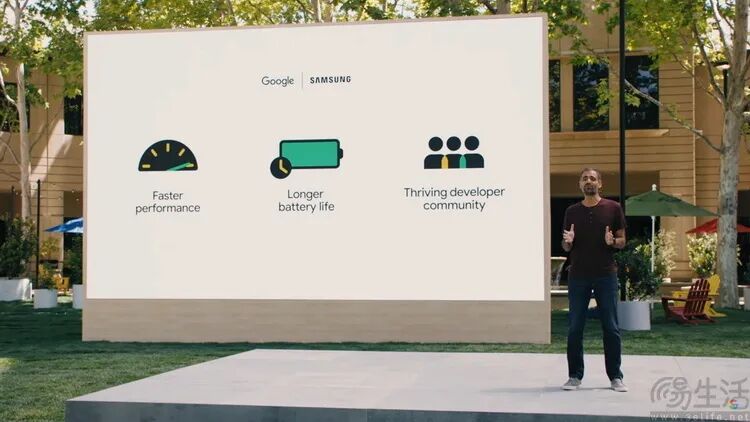
If that's the case, if Google sold the entire Wear OS team, all intellectual property rights, and underlying code to Samsung, Samsung would at least treat it as a core long-term business. With Samsung's capabilities, it could fully unify the planning of hardware upgrade standards, refine the native system experience, roll out consistent AI and health monitoring feature layouts, and even potentially help some small and mid-sized partners thrive — instead of Google, which treats the entire ecosystem as nothing more than a profit-making tool and a testing ground to drain its partners.
In the final analysis, the problem with Android smartwatches was never insufficient hardware limits, nor a lack of willingness from manufacturers to innovate. The root cause has always been the short-sightedness and repeated negligence of Google, the top-level controller. As long as Google maintains its current laissez-faire, profit-obsessed operation model, the widely accepted narrative that "Android smartwatches are a lost cause" will only become more deeply entrenched year after year.
This article comes from the WeChat official account "3eLife" (ID: IT-3eLife), written by 3eJun, and published with authorization from 36Kr.