Integrating Industry Wisdom, Forging Innovation with Trends! 2026 Changping Medical & Healthcare Financial Investment Innovation Forum Held
2026 marks the first year of the 15th Five-Year Plan period, and it is also a critical turning point for the pharmaceutical and health industry as it shifts from scale expansion to value creation. On July 12, the sub-forum of the Beijing·Changping Life Science Forum themed "Industry-Finance Integration for Smart Innovation" — the 2026 Changping Pharmaceutical and Health Financial Investment Innovation Forum (CHIF) — was successfully held at the Changping Petroleum Science and Exchange Center in Beijing. This forum was hosted by Beijing State-owned Capital Operation and Management Co., Ltd., co-organized by the Changping District Featured Industrial Park Promotion Association of Beijing, and jointly undertaken by the Future Science City Management Committee, Zhongguancun Science Park Changping Park Management Committee, Changping District Development and Reform Commission of Beijing, Changping Future Venture Capital Alliance, Beijing Changping Science Park Development Group Co., Ltd., Beijing Changkejing Investment Co., Ltd., and E-Pharmaceutical Manager.
The forum gathered top scientists including Guo Chuan, Deputy Party Secretary, Director and General Manager of Beijing State-owned Capital Operation and Management Co., Ltd., Liu Qiang, Member of the Standing Committee of Changping District Party Committee and Vice District Mayor, Zhou Demin, Professor at the School of Pharmaceutical Sciences of Peking University, Fan Bifa, Director of the Pain Department of China-Japan Friendship Hospital and Chairman of the Painology Branch of the Chinese Medical Association, Ma Juncai, Director of the National Microbiology Data Center of the Institute of Microbiology of the Chinese Academy of Sciences; industry leaders including Li Hong, Vice Chairman of Guangyao International, Hui Zhengqi, Founder, Chairman and CEO of Hui Zhengqi Pharmaceuticals; partners of investment institutions including Cao Xia, Managing Director of CPE Yuanfeng and Director of H50, Song Gaoguang, Partner of Northern Light Venture Capital; as well as representatives of professional service institutions including Du Jing, Partner of BCG, Xu Jia, Lead Partner of the Pharmaceutical and Healthcare Industry in PwC China. Nearly 20 heavyweight guests and more than 150 industry ecological partners gathered at the scene to conduct in-depth discussions on core topics such as M&A integration, transformation of scientific and technological achievements, AI-empowered new drug R&D, and industrial capitalization paths.
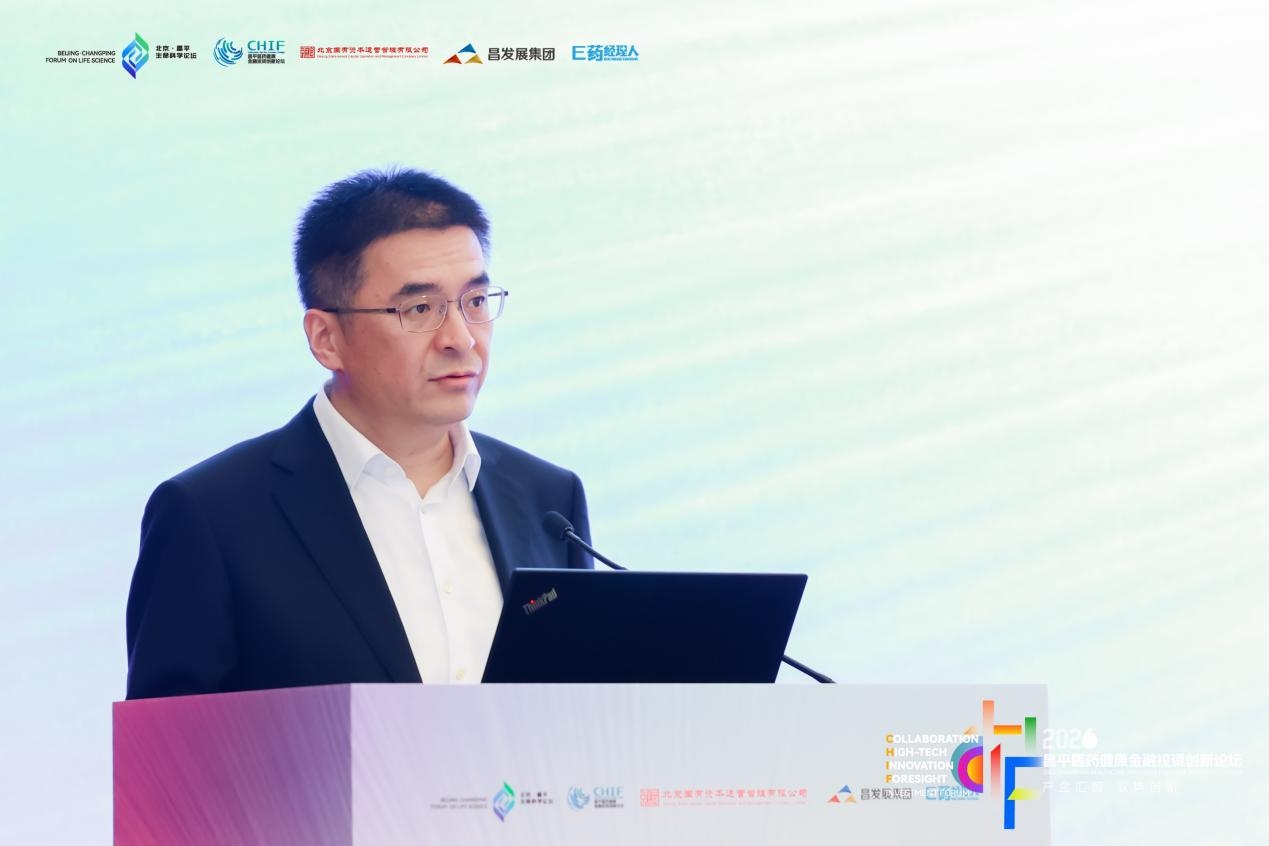
Guo Chuan, Deputy Party Secretary, Director and General Manager of Beijing State-owned Capital Operation and Management Co., Ltd., attended the forum and delivered a speech. He said: "As a municipal state-owned capital operation company under Beijing Municipality, Beijing State-owned Capital Operation & Management Co., Ltd. focuses on the coordinated layout of the Beijing pharmaceutical and health industry between the northern and southern regions, and has established a 20 billion-yuan pharmaceutical health fund, as well as a pharmaceutical M&A fund with a total size of 10 billion yuan, to promote the organic integration of the pharmaceutical health industry chain, innovation chain and capital chain in Beijing. The holding of this forum is an important measure for Beijing State-owned Capital Operation & Management Co., Ltd. to deepen cooperation and seek common development with Changping District. In the future, we will promote strategic collaboration with Changping District in all-round and in-depth ways, actively guide various long-term capitals to precisely focus on emerging industry tracks, and inject strong momentum into the vigorous development of the industry with the power of capital."
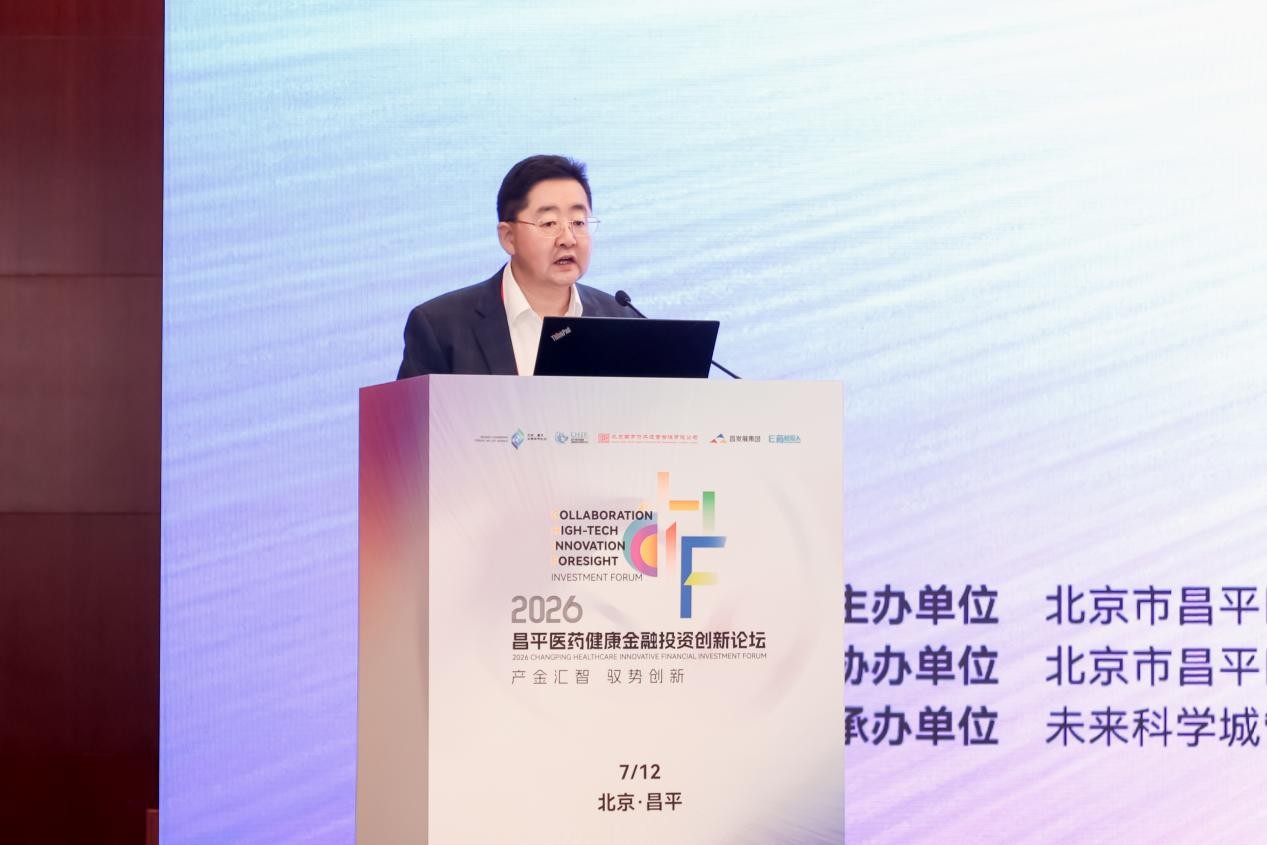
Liu Qiang, Member of the Standing Committee of Changping District Party Committee and Vice District Mayor, attended the forum and delivered a speech. He said: "Changping has an excellent financial ecosystem and is the preferred fertile ground for patient capital investment. It has built a government-guided investment parent fund group with a scale of over 60 billion yuan, forming a science and technology innovation fund group of more than 150 billion yuan in coordination, with accumulated investment in nearly 1,400 enterprises, 48 of which have been successfully listed. In addition, Changping has specially established a 500-million-yuan Life Valley Venture Capital Fund, focusing on hard technology fields such as biomedicine, medical devices, and synthetic biology; at the same time, it has initiated the establishment of the Changping Future Venture Capital Alliance to build a seven-in-one innovation ecosystem of 'government, industry, university, research, capital, service and application', and set up a financial service station in the Life Valley to provide enterprises with investment and financing docking services right at their doorstep. In the next step, Changping will continue to optimize the financial service environment, and strive to build a sci-tech innovation financial ecosystem with efficient flow of factors, precise matching of supply and demand, and full release of vitality."
Top Scientists and Industry Leaders Conduct In-depth Interpretation: How Technological Breakthroughs and Capital Empowerment Drive Industrial Leapfrogging
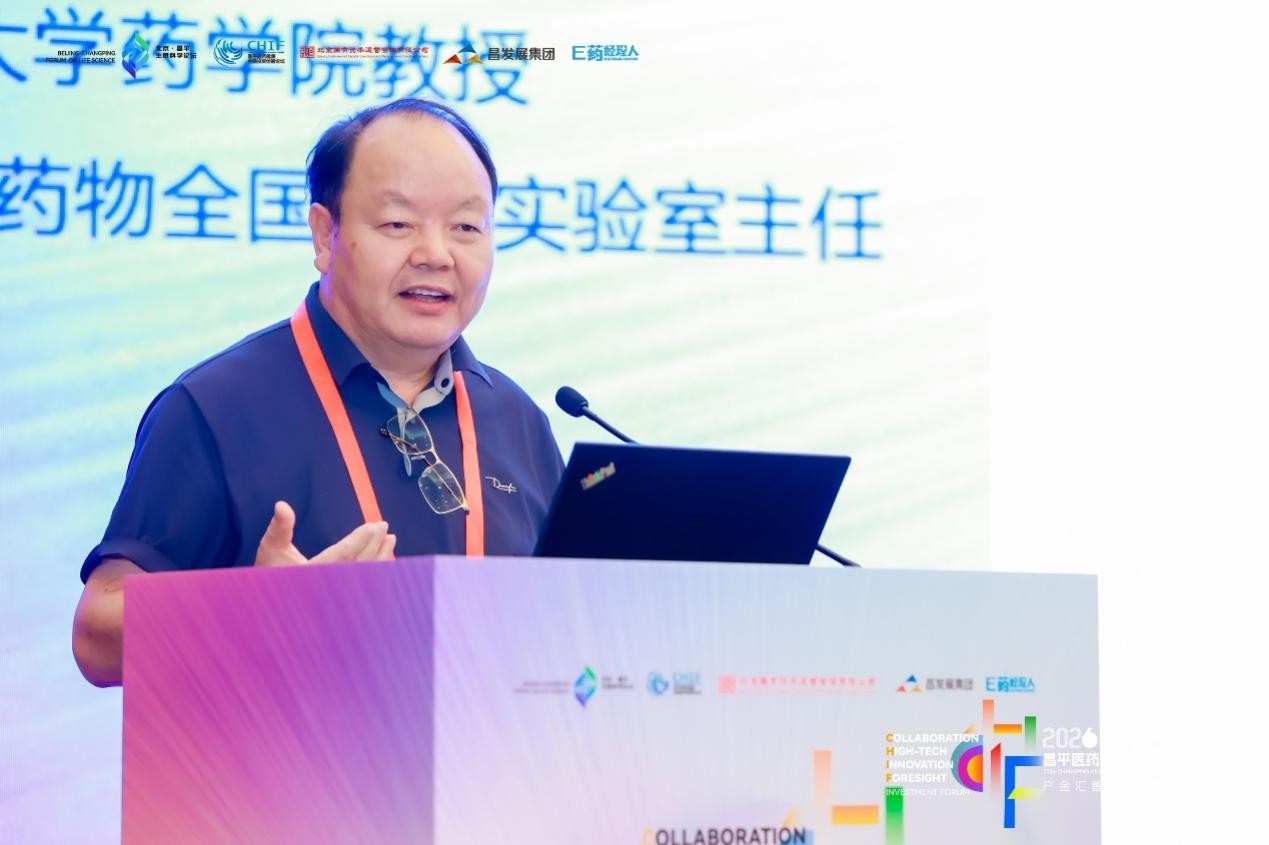
How to cross the "Valley of Death" from the laboratory to industrialization is the core proposition facing the current pharmaceutical and health industry. Professor Zhou Demin, Professor at the School of Pharmaceutical Sciences of Peking University and Director of the State Key Laboratory of Natural and Biomimetic Drugs, systematically sorted out the key breakthroughs of China's biomedicine in the fields of viral vaccines and precise modification of biopharmaceuticals from the perspective of a front-line scientist, and analyzed how basic research can form a joint force with industrial capital. He pointed out: "In China, there is a huge gap between university interest-oriented innovation and enterprise goal-oriented innovation, and this gap has never been crossed. There are problems with the technology itself, but more importantly, how capital can empower it." He took GLP-1 and mRNA vaccines as examples to illustrate: "GLP-1 has become a 70 billion-dollar blockbuster drug since its discovery, just by adding two modifications to 37 amino acids; mRNA vaccines work because uracil is replaced by pseudouridine — neither starts from a new target, but from something that already exists in our cells. The human body is a medicine chest." He shared his team's breakthrough achievements in using synthetic biology technology to modify influenza viruses, transforming them from pathogenic sources of infection into preventive vaccines and therapeutic drugs, as well as the clinical progress of using AAV viruses to achieve "one-time administration and lifelong cure" for Parkinson's disease.
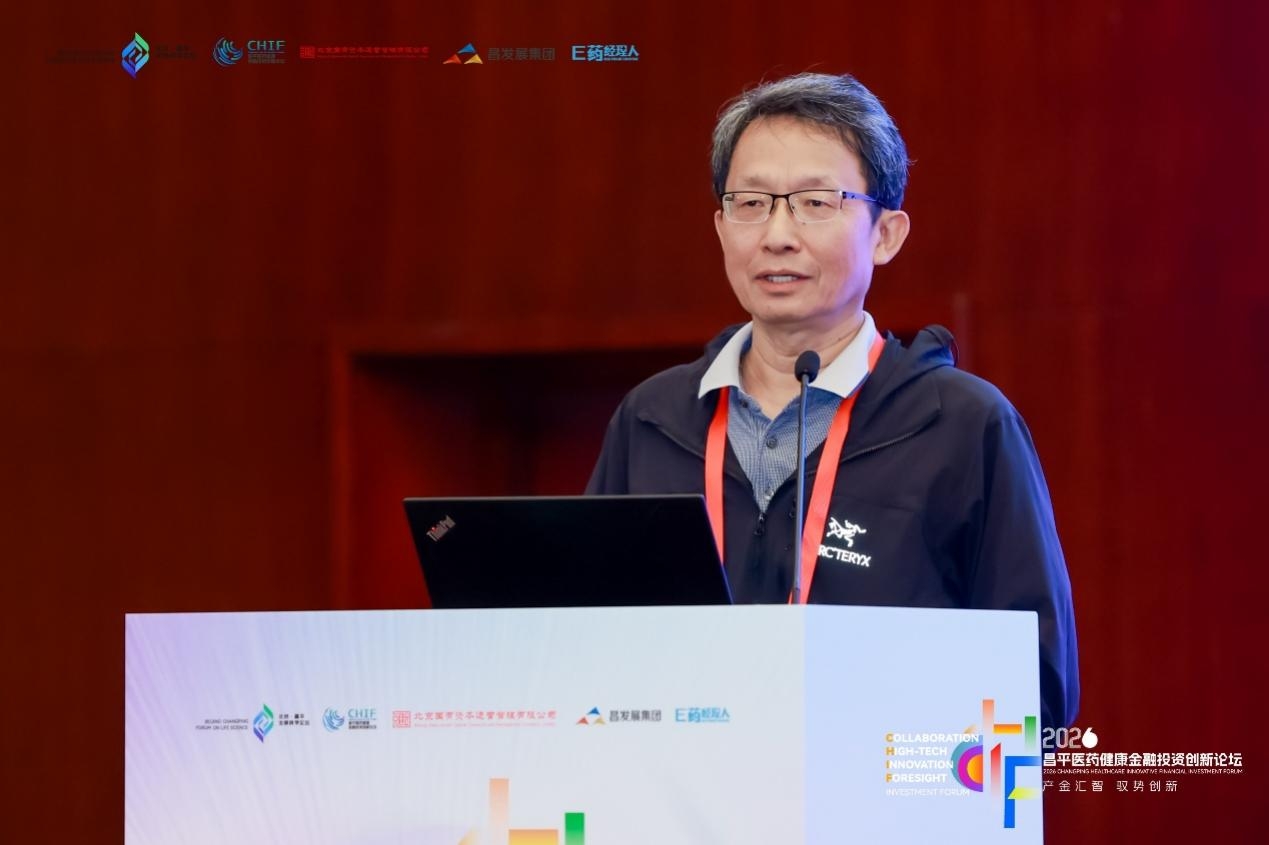
The implementation from technological breakthroughs to clinical value cannot be separated from a deep understanding of clinical needs. Fan Bifa, Director of the Pain Department of China-Japan Friendship Hospital and Chairman of the Painology Branch of the Chinese Medical Association, started from the unique perspective of clinical discipline construction with the theme of "Understanding Comes Before Connection". He emphasized: "The real threshold of brain-computer interface lies in understanding the brain on the basis of fully grasping the working principle of the nervous system. The prosperity of technology will not automatically translate into clinical value — more than 200 capitals have poured into the brain-computer interface field, most of which start from engineering algorithms and consumer electronics, but the real problem is not that we cannot make high-end equipment, but that we cannot find a clinical foothold." He proposed: "Pain is a whole-brain experience, which is the holistic integration of sensation, cognition and emotion. To understand human beings and the brain, we cannot avoid understanding pain. The first step to understanding pain is to objectively quantify it, and quantification precisely requires the ability to understand the brain. Understanding comes before connection — the development of brain-computer interface must be premised on understanding the nervous system, and pain is the most compatible and human-centered clinical fulcrum."
From Data Infrastructure to Business Success: Front-line Industry Practitioners Output Reusable Methodologies
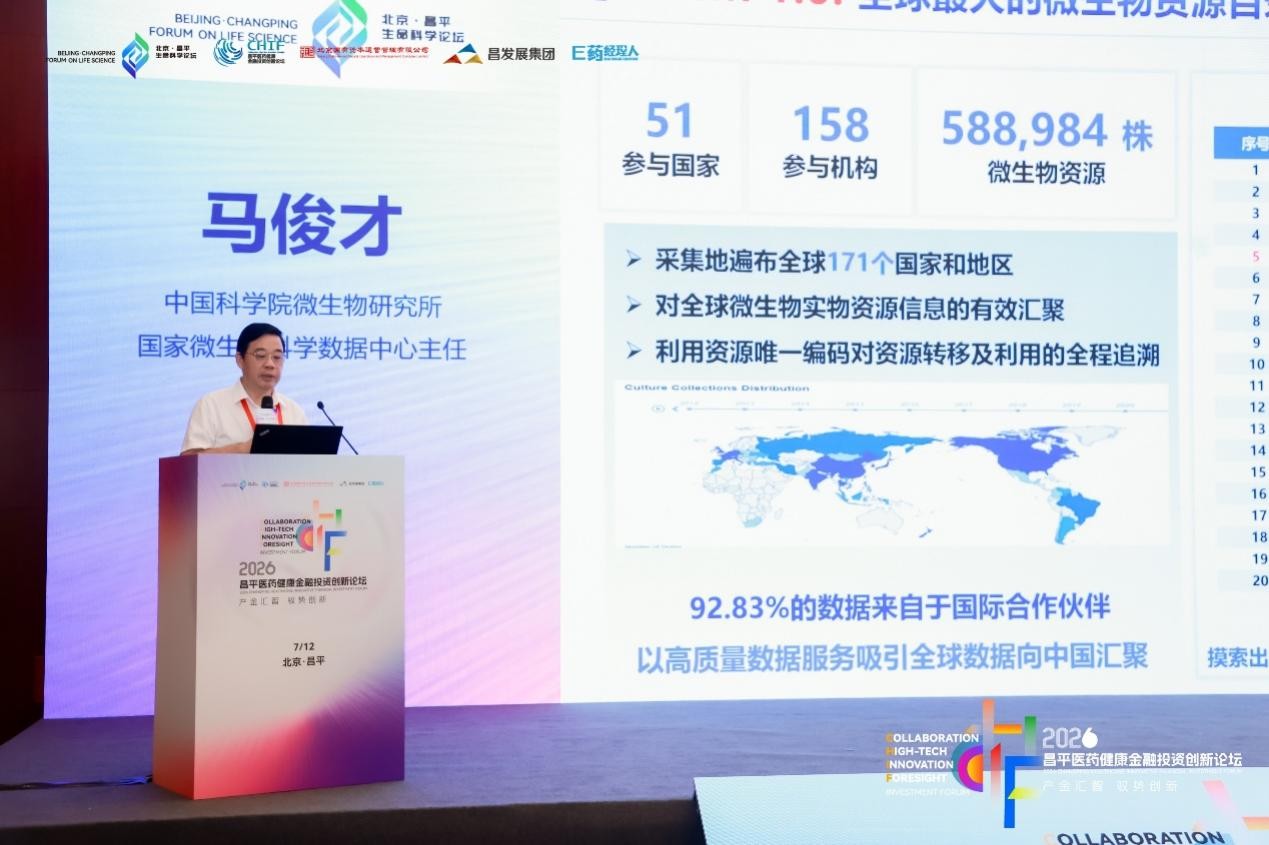
Synthetic biology manufacturing has become a hot field, and AI and data are the underlying fuels. Ma Juncai, Director of the National Microbiology Data Center of the Institute of Microbiology of the Chinese Academy of Sciences, from the perspective of national-level data infrastructure construction, disassembled how AI and big data empower the whole chain of synthetic biology manufacturing from laboratory R&D to industrialization. He pointed out: "The chassis microbial resources in the field of biomanufacturing are equivalent to chips, and China's independent and controllable underlying cell resources are very limited. Big data and artificial intelligence are important ways to empower strain modification. In the future, while gathering and managing data, the National Microbiology Data Center will carry out more R&D work on artificial intelligence and big data products for biomanufacturing, and provide more data products and application services for the biomanufacturing industry." He emphasized: "A data center is not an archive repository. It must provide users with high-quality value-added services."
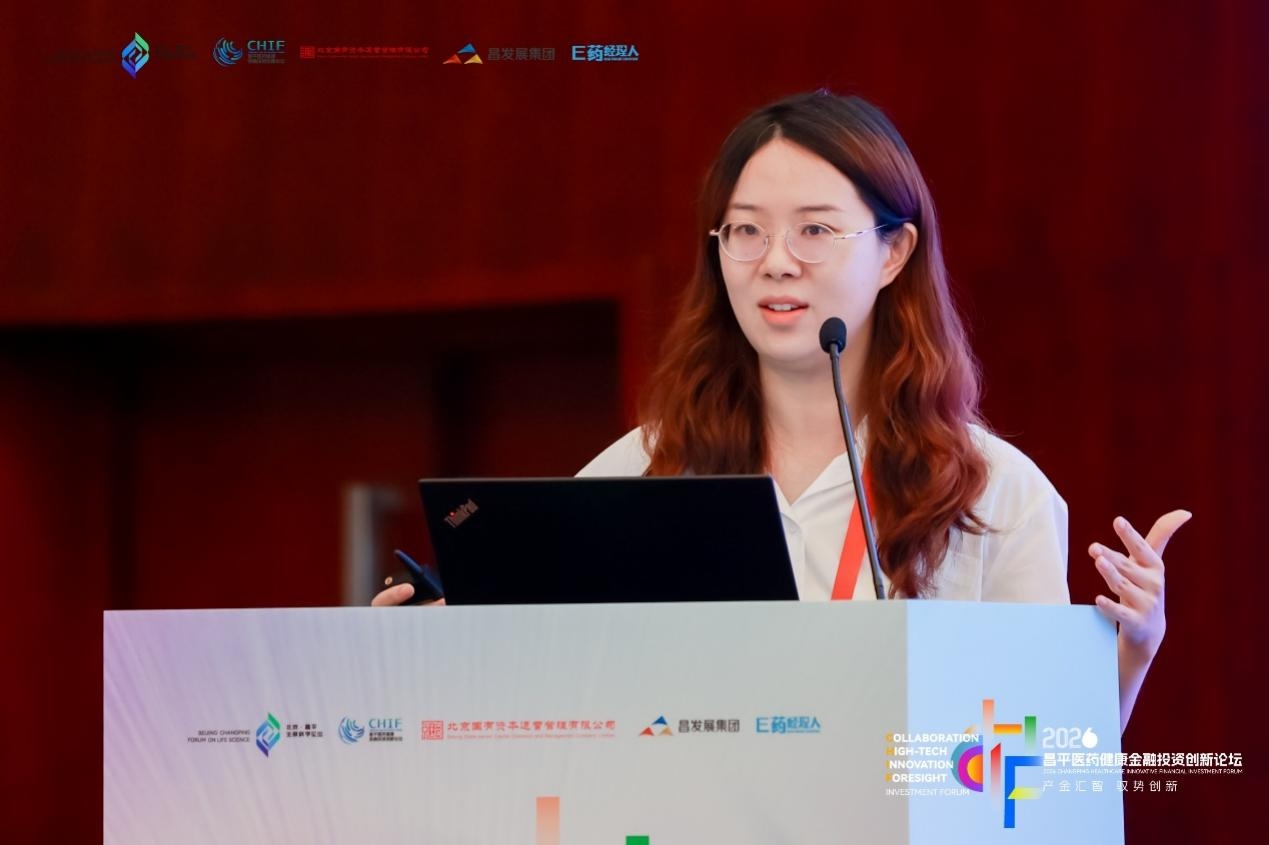
When the path of technology and industry is becoming increasingly clear, how to define the role of capital? Du Jing, Partner of BCG, pointed out in her speech that China's pharmaceutical innovation has completed the efficiency revolution with "more, faster, and more economical" as the core, and the core mission of the next ten years is to move from a highland of efficiency to a peak of value. She said: "In the past ten years, China has completed the path that took Europe and the United States 30 to 50 years in just ten years, relying on the joint boost of policy, capital and technology. Looking to the future, policies provide us with runways, technology and enterprises provide engines, and capital provides fuel — all are indispensable." She further analyzed the gap between China and the United States in the R&D investment volume of innovative drugs: the R&D investment in innovative drugs in the United States in 2025 was about 460 billion US dollars, while that in China was about 40 to 50 billion US dollars, a difference of nearly ten times. In terms of the structure of capital sources, large pharmaceutical companies in the United States contribute about 60% of the total R&D investment, while the proportion of government funds in R&D investment in China is relatively higher. From the perspective of industry-university-research transformation, how to make the source innovation in the academic circle truly realize the industrial connection is still a bottleneck that needs to be broken through urgently in China's innovative drug ecosystem. She emphasized that in the future, it is necessary to broaden the value channel, unblock the flow of capital, consolidate the source supply, and activate the intelligent engine, "join forces to create the future".
Peak Dialogue Confronts the M&A Wave, Disassembles the Real Path of Industrial Integration
In 2025, the value of pharmaceutical M&A transactions returned to the 100-billion-yuan scale, and global biotech M&A continued to heat up in the first half of 2026. The forum specially set up a peak dialogue titled "The M&A Era — Logic and Path of Industrial Integration". Cao Xia, Managing Director of CPE Yuanfeng and Director of H50, Hui Zhengqi, Founder, Chairman and CEO of Hui Zhengqi Pharmaceuticals, Li Hong, Vice Chairman of Guangyao International, and Xu Jia, Lead Partner of the Pharmaceutical and Healthcare Industry in PwC China, participated in the dialogue together.
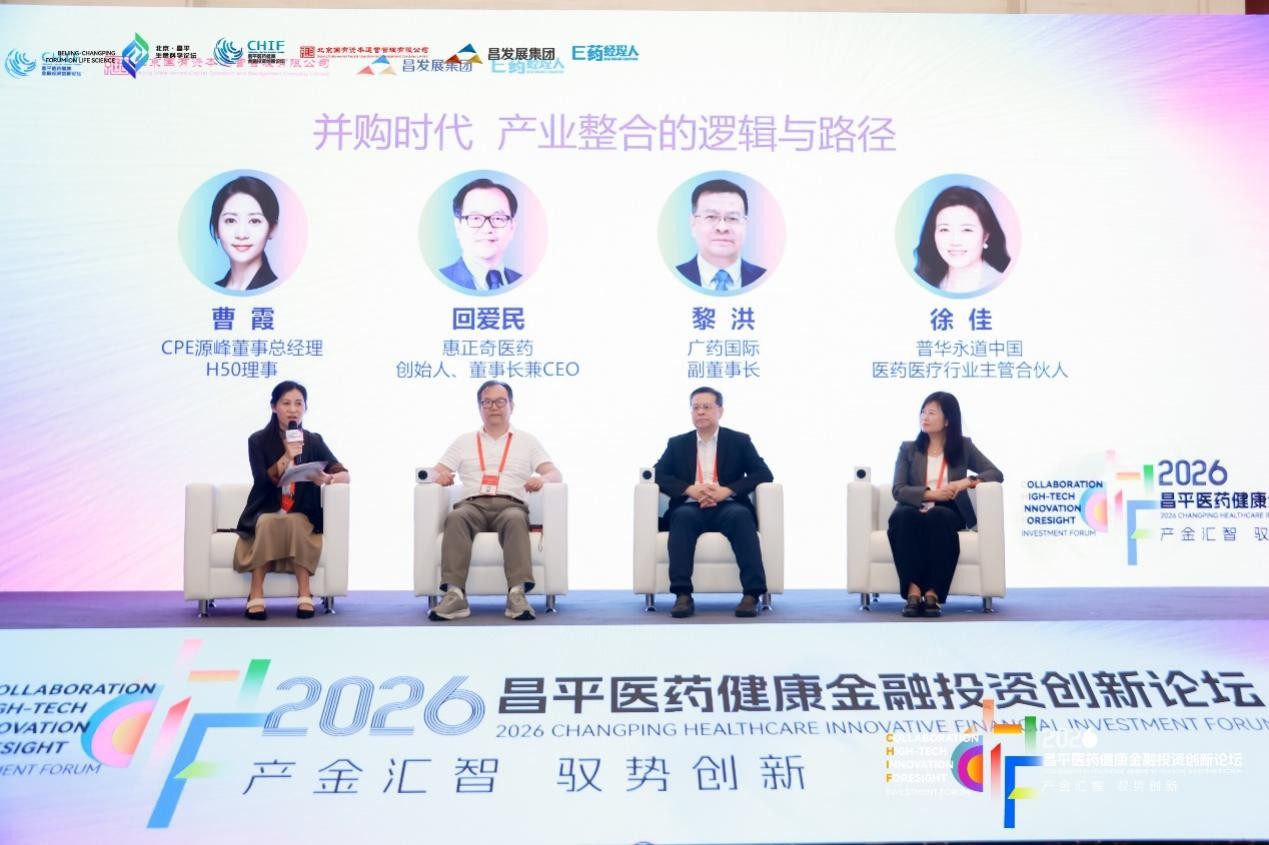
The participating guests conducted in-depth discussions on topics such as window period judgment, buyer logic, valuation game, and integration methods. Hui Zhengqi pointed out: "The history of global biopharmaceutical development has always been accompanied by M&A. Pfizer, Novartis, Sanofi, and Takeda have all grown through continuous M&A. In China, as the technical gold content of small and medium-sized biotech companies (M&A targets) becomes higher and higher, and the financial strength of leading enterprises (acquirers) becomes stronger and stronger, the door to M&A has begun to open a little, and the speed in the next two or three years may exceed our expectations." From the perspective of the industrial side, Li Hong said: "From the industrial point of view, we make a five-year plan — what sales volume we will achieve in five years and which pipeline we will do better in, so we start to acquire products and enterprises from now on. Timing is very critical, and we need to see if the market is mature." Xu Jia analyzed the driving factors of the M&A boom: "Global pharmaceutical M&A reached 100 billion US dollars in 2025. Behind this is that large pharmaceutical companies are facing huge sales gaps brought about by the patent cliff in 2030, and they can only use M&A to supplement their pipelines. At the same time, multinational pharmaceutical companies are also carrying out asset restructuring in China." Cao Xia concluded: "M&A transactions exist in any era, but there are not many buyers who are truly capable of doing a good job in M&A. In the next three years, the combination of powerful Chinese industrial companies and companies with platform technologies or products may be the scenario that generates the most M&A transactions."
Roundtable Discussion on "Capital and AI", Targeting the Core Propositions of AI Pharmaceutical Valuation and M&A
The grand finale of the forum was the roundtable dialogue titled "The Two-Way Rush of Capital and AI — M&A Integration and Valuation Logic of AI Pharmaceuticals", hosted by Song Gaoguang, Partner of Northern Light Venture Capital, with four guests participating: Hu Ruobi, Chief Analyst of the Pharmaceutical and Biotechnology Industry of Guolian Minsheng Securities, Miao Hongjiang, Chief Artificial Intelligence Officer of Nonapus Biotechnology, Shi Hui, Co-founder and COO of Carbon Silicon Intelligence, and Zhang Chunyu, Deputy General Manager of Sanyuan Gene. The guests covered multiple roles such as brokerage research, AI pharmaceutical platforms, and industrial companies, directly addressing industry pain points and outputting practical industrial judgments from technical valuation to commercial implementation, from M&A integration to secondary market pricing.
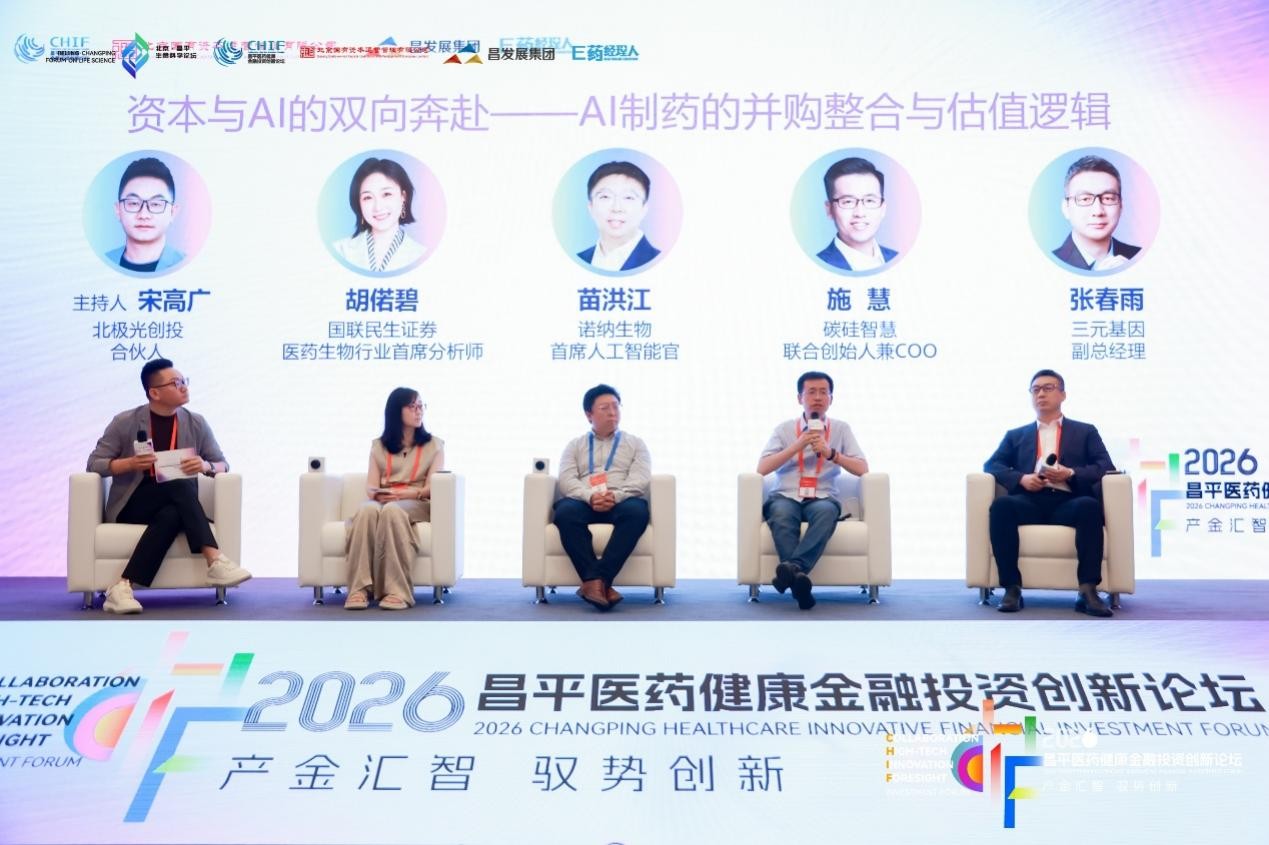
Miao Hongjiang said: "Nonapus Biotechnology has upgraded its AI applications from single-point attempts to full-chain deployment — from target analysis, antibody discovery, antibody optimization to in vitro and in vivo experiments and CMC, AI is deeply involved in every link. What AI brings to drug R&D is not only efficiency improvement, but also breakthroughs in innovation capabilities." Shi Hui believes: "The core value of AI in drug R&D is to efficiently explore a larger chemical space — from molecular generation to higher-throughput