Paying over 100,000 yuan in full and getting nothing in return, another car dealership has suddenly collapsed. The practice of forcing dealers to overstock vehicles to boost sales volumes is killing distribution channels.
Buying a car, how could the risks be this high?
The recent collapse of IM Motor dealerships in multiple regions including Kunming and Zhuhai has gone viral online. Multiple consumers reported that after making full payments at the stores, the outlets suddenly experienced operational irregularities: they could neither take delivery of their vehicles nor get refunds. While IM Motors stated it would cover their losses, no concrete solution has been provided so far, only a single comforting text message.
In an interview with the "Next-Gen Automotive Research Institute" column of Sina Finance, IM Motors stated that due to the large total amount of funds involved and the need to coordinate with multiple institutions, the overall progress of the incident still requires time. The company is currently making every effort to speed up processing and will actively follow up on consumers' reasonable demands.
Serial Collapses: Are Dealers Also Victims?
Dealer collapses are no longer rare events. In January 2024, Guangdong Yongao Investment Group Co., Ltd., which operated more than 80 outlets, collapsed, involving brands including AITO, Aion, Lotus, and Lynk & Co.
In April 2025, Shandong's largest dealer group, Shandong Qiancheng Holdings Co., Ltd., collapsed, leaving more than 20 outlets empty, with the vast majority of these stores primarily selling BYD vehicles.
This recent collapse of IM Motors dealerships is no different from past incidents. What truly deserves in-depth investigation is why dealers keep failing, and how such situations can be prevented.
Simply put, if normal operations were possible, dealers would never opt for a "one-off deal". Behind the frequent dealer collapses lies a last-resort response to massive unsustainable losses.
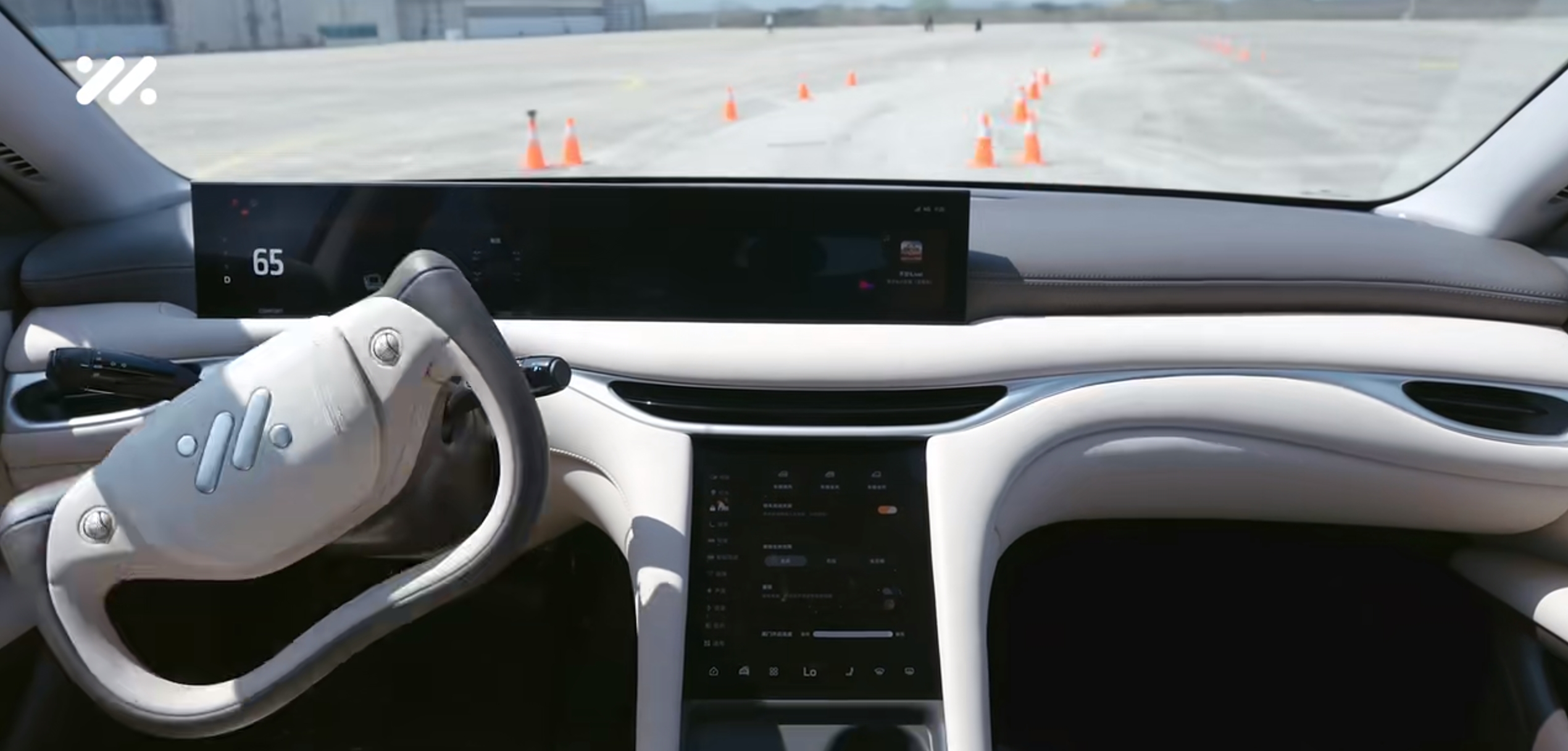
(Image source: IM Motors)
Amid the ongoing unceasing price wars, dealers have to compress their profit margins and slash prices to compete for customers. Data from the "2025 National Auto Dealer Survival Status Survey Report" shows that in 2025, 81.9% of dealers faced price inversions (selling below wholesale cost), with 51.5% of these cases seeing inversions exceeding 15%, and 55.7% of dealers operating at a loss.
More critically, to spread their own pressure, automakers force dealers to pile up inventory through bundled sales practices. For example, when dealers purchase one or several popular high-demand models, they are required to take a certain number of less popular slow-selling models as mandatory add-ons, which continuously increases dealers' inventory and financial pressure.
The China Automobile Dealers Association pointed out in its report that the auto dealer inventory warning index in June 2026 stood at 57.2%, indicating oversupply in the end market. Earning money from automakers has never been easy.
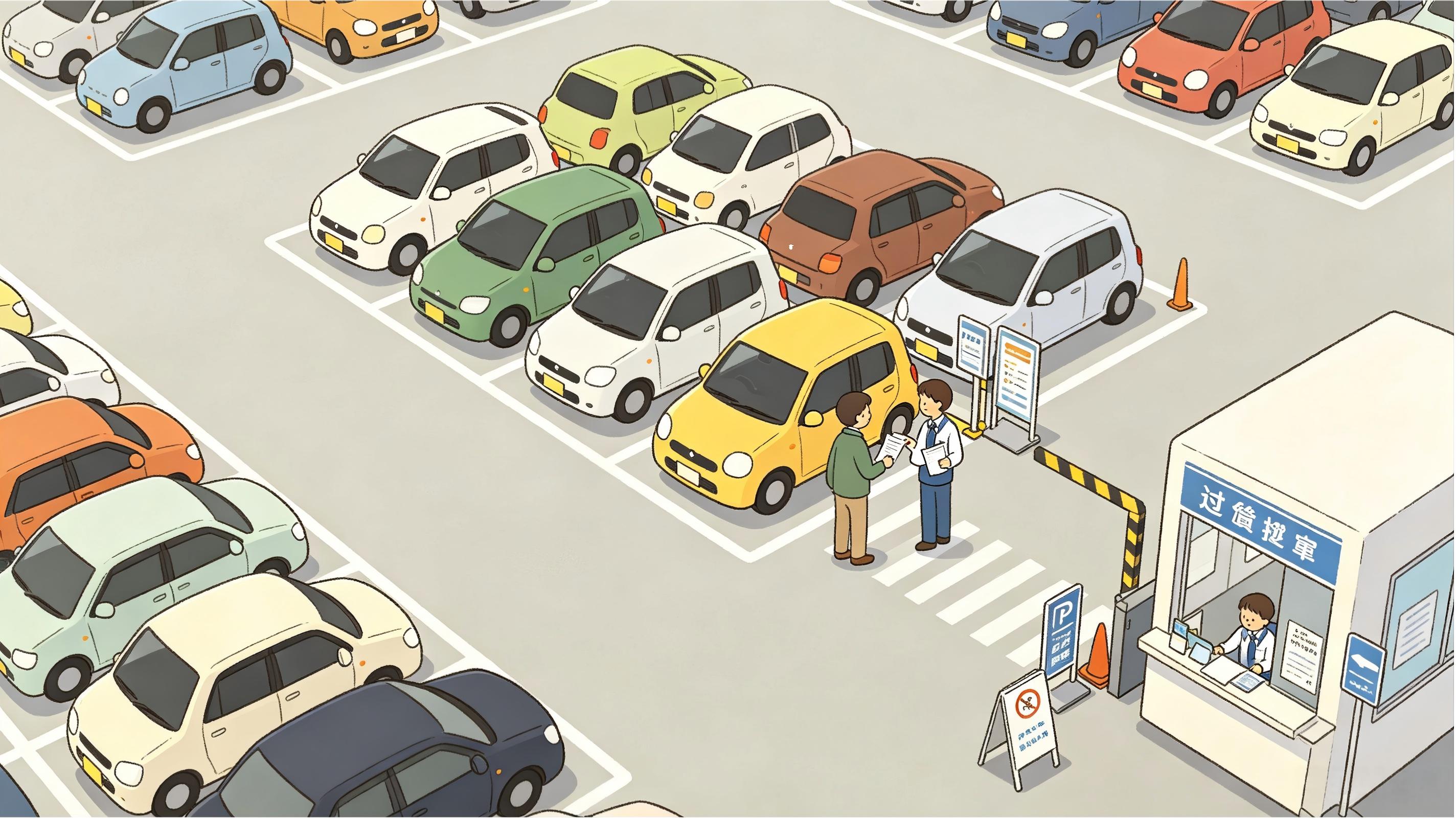
(Image source: Generated by Doubao AI)
In the past, automakers pressured suppliers with long payment cycles and numerous hidden unfair practices, which once caused capital chain break risks for many suppliers, even leading to the bankruptcy of small-sized suppliers. It was not until the situation escalated significantly that the "Regulations on Ensuring Payment of Funds to Small and Medium-Sized Enterprises" was thoroughly implemented, prompting all leading automakers to promise to shorten payment cycles to 60 days.
The difference is that suppliers are located upstream in the automotive industry chain, while dealers are downstream. In contrast, suppliers have greater bargaining power and are less vulnerable to pressure from automakers.
Under the direct sales model, automakers directly control funds, vehicles, and vehicle certificates, keeping risks manageable. Under the dealership model, vehicle ownership, capital flows, and certificate management are all dominated by dealers, with automakers lacking effective supervision. Once a dealer's capital chain breaks, risks such as "misappropriating car purchase funds and mortgaging vehicle certificates" easily arise, and ultimately consumers and automakers are forced to bear the costs.
EV Insider (ID: dianchetong233) believes that when facing dealers, consumers find it difficult to defend their rights through legal channels. Shifting the focus to automakers and leveraging public opinion to safeguard their rights undoubtedly yields better results. That is exactly why every time a dealer collapse incident occurs, automakers become the target of widespread public criticism.
What Consumers Need Is Not Just Loss Coverage, But a Healthy Operating Environment
When the Yongao Group collapsed, AITO immediately stepped forward and stated that it would voluntarily cover losses for consumers who had already made payments, demonstrating the responsibility expected of a premium brand. During the IM Motors dealer collapse incident, the automaker also stated it would assume responsibility for covering losses, but what consumers need is not just post-incident compensation, but a reliable environment where they can purchase cars with full peace of mind.
In the view of EV Insider (ID: dianchetong233), relying solely on automakers' post-incident loss coverage is far from sufficient. Such compensation can only resolve the most urgent crisis of a single isolated incident, and cannot stop industry-wide risks from happening repeatedly. Only by making joint efforts from three parties: automakers, the industry, and consumers, to restructure a sales ecosystem characterized by "controllable risks, shared benefits, and mutual win-win cooperation", can the root cause of dealer collapses be addressed.
On the product side, automakers should streamline their SKUs and focus on best-selling hit models. This can not only reduce their own inventory preparation costs, but also lower the complexity of dealers' inventory management and the capital they need to tie up.
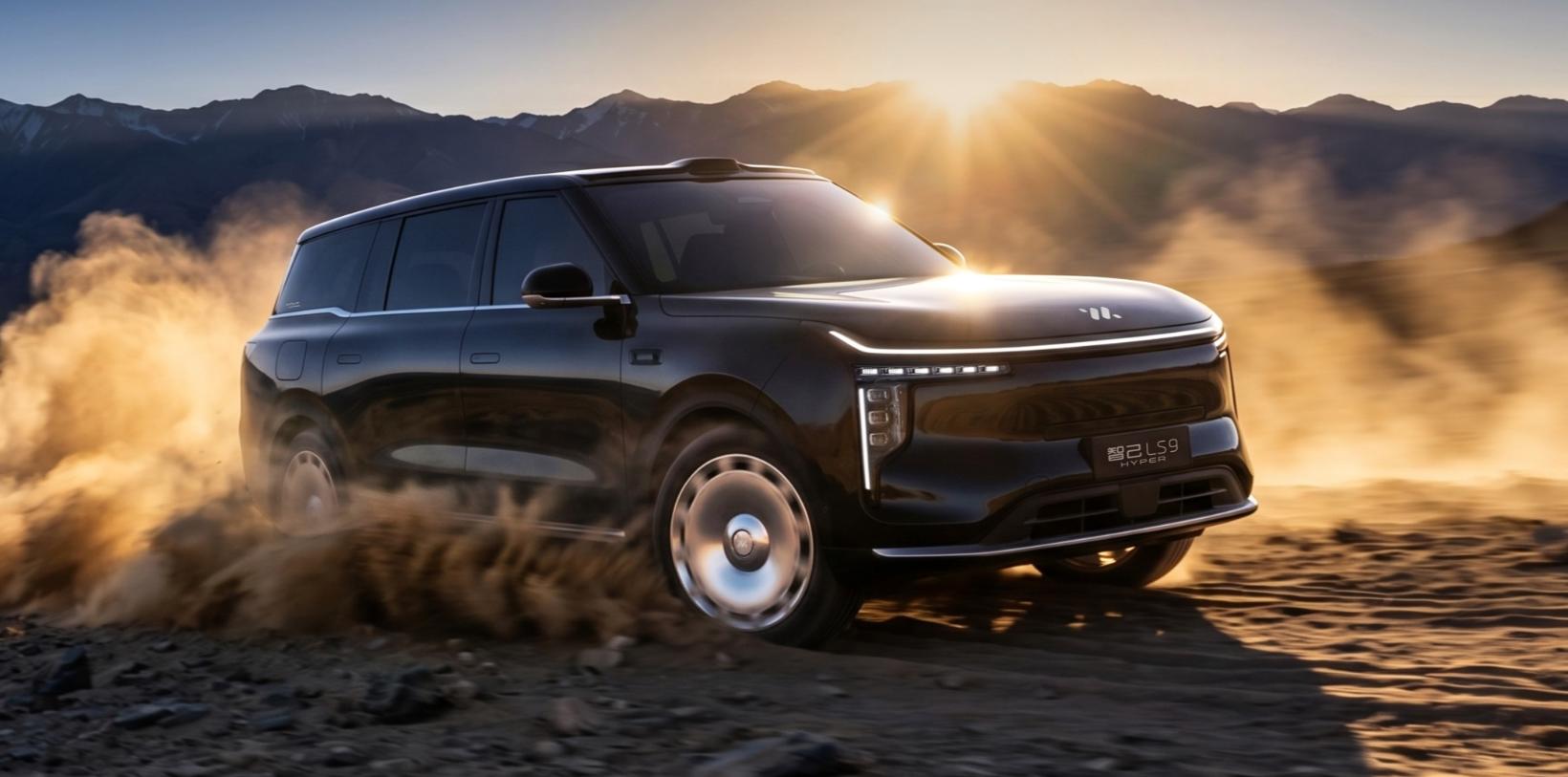
(Image source: IM Motors)
Automakers also need to establish a multi-dimensional evaluation system for dealers, assessing their "financial strength, credit records, management capabilities, and industry experience", and reject entities with high debt and excessive leverage. At the same time, a dynamic exit mechanism should be set up: for dealers facing continuous losses, excess inventory, abnormal capital flows, or compliance issues, rectification or termination of cooperation should be launched immediately to prevent risks from accumulating.
The agency distribution model is an effective solution to the dealer collapse problem. Under this model, dealers are only responsible for vehicle display and sales, while vehicle ownership, funds, and vehicle certificates are controlled by the manufacturer, fundamentally eliminating the risks of misappropriation and mortgage. Automakers should strengthen direct user connections, allowing car ordering through official apps/websites, direct delivery from the manufacturer, and unified after-sales service nationwide, to reduce over-reliance on individual single dealers.
Relevant regulatory authorities and automakers can also jointly promote the introduction of unified industry standards for dealer fund supervision, vehicle certificate management, and order fulfillment, clarifying the division of rights and responsibilities between automakers and dealers. A national credit file system for auto dealers should be established, publicly recording dealer collapses, credit defaults, and regulatory violations, accessible to both automakers and consumers, forming a binding mechanism where "one dishonest act leads to restrictions everywhere".
However, these models have both advantages and disadvantages. After streamlining SKUs, the price range covered by vehicle products may shrink; the agency model prevents dealers from helping automakers boost sales and share operational pressure, forcing automakers to bear greater financial burdens. Formulating unified industry standards sounds simple, but reaching a consensus among so many automakers and dealers is no easy task, and how to effectively enforce supervision is an even greater challenge.

(Image source: Generated by Doubao AI)
The successive incidents of dealers absconding with funds are essentially the concentrated outbreak of long-term imbalances in the entire fuel vehicle and new energy vehicle distribution system, and the problems cannot be simply blamed on a single automaker or individual store.
Upstream suppliers have policy constraints to guarantee payment cycles, but downstream dealers have long been in a disadvantaged position without strong supervision. Automakers on one hand transfer production and sales pressure through forced inventory stocking and bundled vehicle allocation, and on the other hand lack normalized control over store funds and vehicle certificates, resulting in a complete absence of risk buffer mechanisms. In the end, ordinary consumers with no bargaining power are forced to pay the price.
Automakers' commitment to covering losses is only a passive remedial measure, which can only compensate for property losses, while consumers' time costs and rights protection costs receive no compensation at all. It treats the symptoms but not the root cause.
Post-incident loss coverage is the minimum responsibility baseline for automakers, but it is by no means a long-term solution. Only when automakers shift from the short-term mindset of "piling up inventory to chase sales volume" to the long-term philosophy of "mutual benefit and shared success", streamline SKUs, cancel forced inventory stocking, optimize rebate policies, and strictly enforce risk control; and when the industry transforms from "disordered competition" to "standardized governance", elevating the status of directly-operated stores, balancing the risks of authorized dealers, and cultivating a healthy ecosystem.
However, neither automakers nor dealers are likely to be willing to embrace this new model.
The Single Word "Money" Blinded the Eyes of Automakers and Dealers
In the early days of the new energy vehicle industry's rise, brands such as NIO, Li Auto, XPeng, and Leapmotor all adopted the direct sales model. But today, most new EV brands have basically abandoned the pure direct sales model, switching to a hybrid "direct sales + dealership" model, and are continuously phasing out underperforming directly-operated stores.
The underlying reasons are as follows: First, the direct sales model is not conducive to rapidly expanding store networks, which may affect consumers' access to vehicle test drives and inspections. Second, the direct sales model has no dealers to share the pressure of stocking inventory vehicles and boosting sales targets. Third, the operating costs of self-run stores are excessively high, which places a heavy financial burden on automakers.
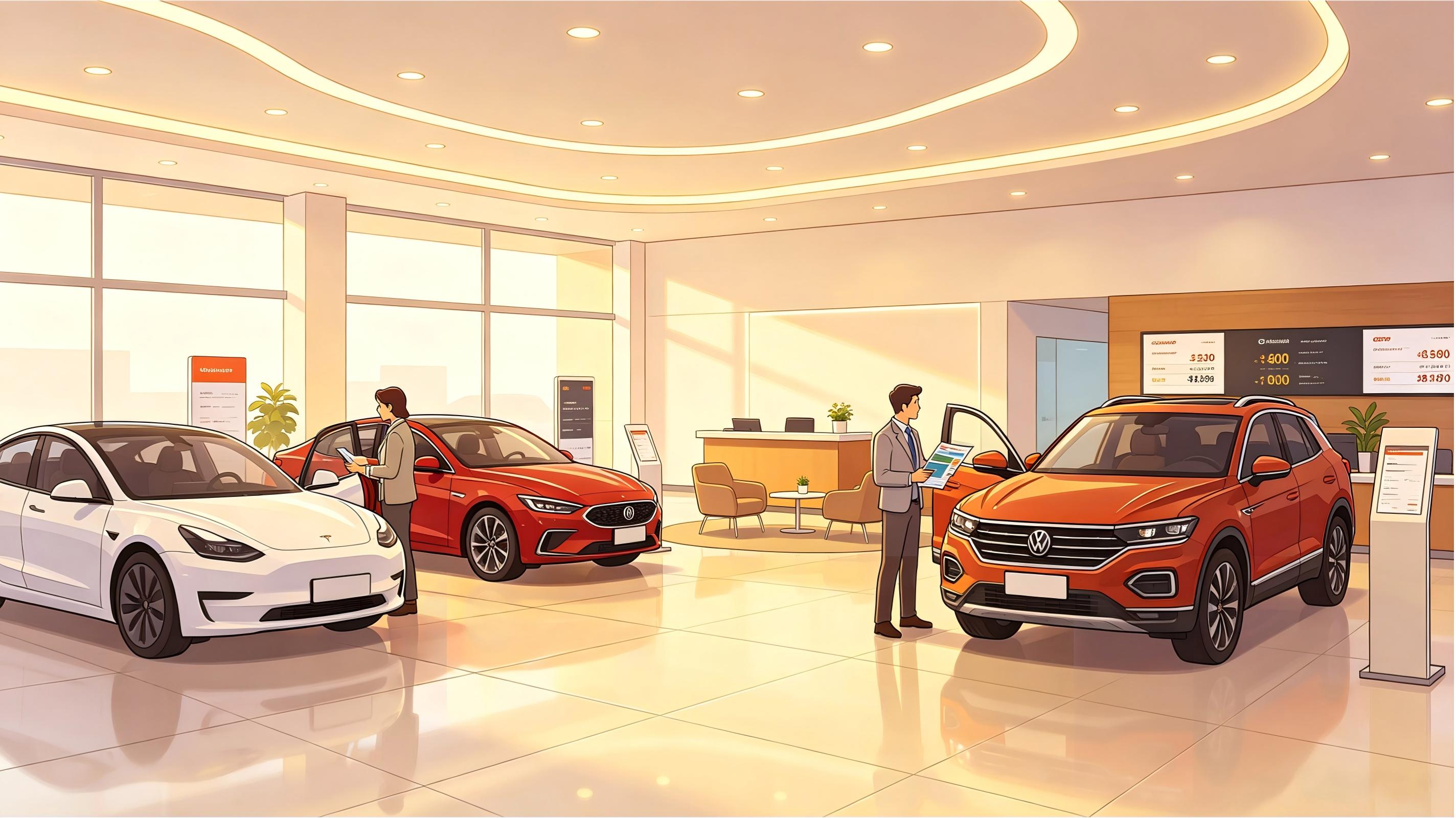
(Image source: Generated by Doubao AI)
New EV brands shifting from direct sales to dealership models aims to leverage dealers' capital, store networks, and local resources to reduce their own expansion pressure and quickly cover the market. But this does not mean automakers can shift all risk responsibilities onto others.
The essence of dealer collapses is the concentrated outbreak of mismatched channel expansion speed and risk control capabilities, fragile capital chains, and single profit models. To cut costs and rapidly boost sales volume, automakers switched from pure direct sales to a mixed dealership model, passing on inventory pressure and capital risks layer by layer. Combined with the continuous price wars that led to widespread price inversions and loss-making operations for dealers, this ultimately gave rise to the chaos of misappropriating car purchase funds and mortgaging vehicle certificates.
Currently, automakers' post-incident loss coverage can only compensate consumers for their direct property losses, but cannot make up for the time and energy they spent on safeguarding their rights, which remains a solution that only addresses surface-level symptoms rather than root causes. To fundamentally resolve this dilemma, we cannot rely on passive remediation. Automakers must abandon the short-sighted practice of forced inventory allocation, improve dealer risk control and capital supervision systems, promote a more stable agency distribution model, and the industry must also improve unified regulatory standards. Only by building a healthy ecosystem that achieves win-win outcomes for automakers, dealers, and consumers can the recurring chaos of channel collapses be finally ended.
This article is sourced from "EV Insider" and is republished by 36Kr with authorization.