Live-action short dramas, forced onto the big screen by AI
Live-action short dramas are collectively targeting cinemas.
Recently, the film version of the phenomenal short drama Such a Good Girl has revealed its production team setup, with filming scheduled to start in Sanya in September. This major short drama IP, which was approved for project establishment back in May, recorded 4 billion views on the Hongguo platform in 2025 and propelled two top short drama stars, Ke Chun and Yu Yin, to fame. However, after the initial hype, both the online drama version and the Korean adaptation of Such a Good Girl gained relatively little traction.
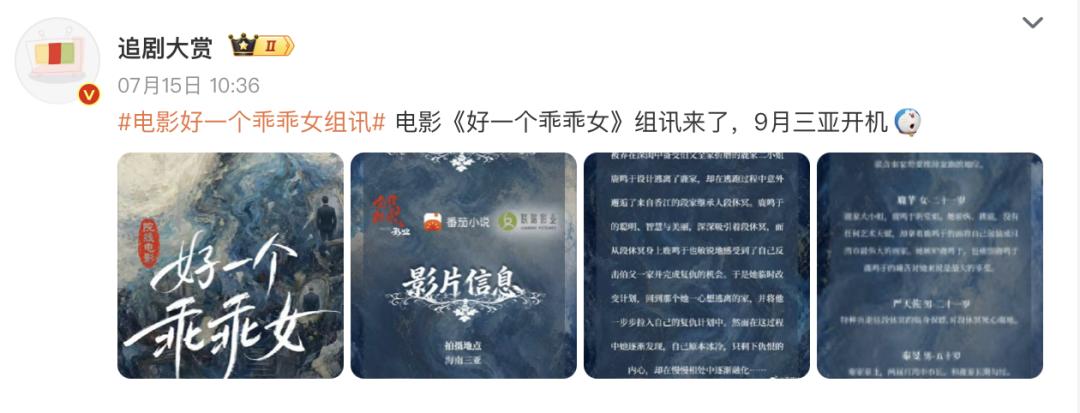
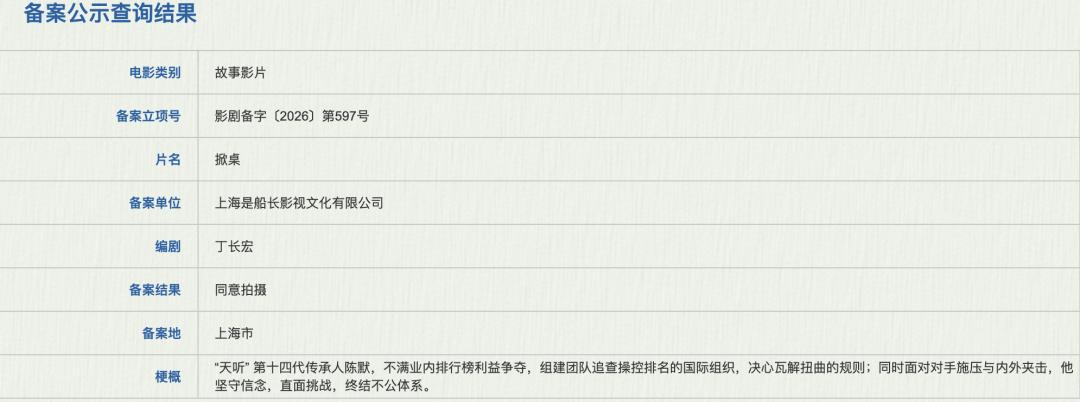
Previously, top short drama IPs such as Three Members of the Same Family in the Same Class and Table-Flipping have also been approved for project establishment by the National Film Administration. From web dramas to theatrical films, from vertical screens to the big screen, live-action short dramas are attempting to step out of their familiar content ecosystem.
This shift is no accident.
Over the past two years, live-action short dramas have risen rapidly thanks to frequent hit works, low-cost production and platform support, becoming the fastest-growing new track in the entertainment industry. However, entering 2026, the industry landscape is changing: there are fewer breakout hits, fewer new projects, adjustments to platform policies, and rapid expansion of AI-generated short dramas. The dividends that once fueled the growth of live-action short dramas are beginning to fade.
Theatrical films are becoming a brand-new attempt for live-action short dramas to find a second growth curve. But questions also arise: can films really become a new way out for live-action short dramas?
Short Drama Industry Starts to Make Theatrical Films
In the past few years, short dramas and theatrical films were two tracks that barely overlapped, but now this boundary is being broken.
Including Such a Good Girl, other phenomenal short drama IPs of recent years such as Three Members of the Same Family in the Same Class and Table-Flipping all received project approval from the National Film Administration in May this year, with film versions expected to be released. This means that live-action short dramas are taking their first step from vertical-screen content to theatrical releases.
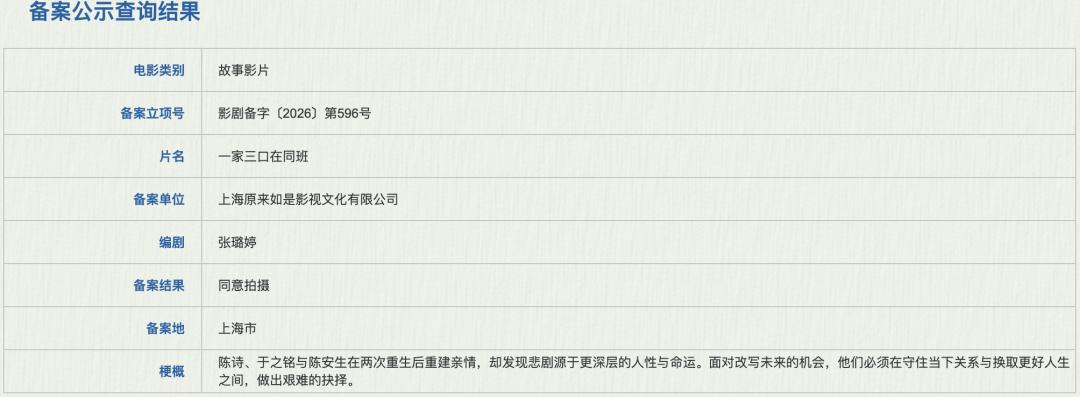
Although these short dramas have all chosen to be adapted into films, their paths are different.
Among them, Such a Good Girl is closer to a re-creation. According to project approval information, the film version will retain the core character relationships and emotional essence of the original work, but will not copy the short drama plot. Instead, it will restructure the story to fit the narrative rhythm of a film. This approach emphasizes extending the IP value, aiming to attract not only the original short drama audience, but also a broader group of moviegoers.
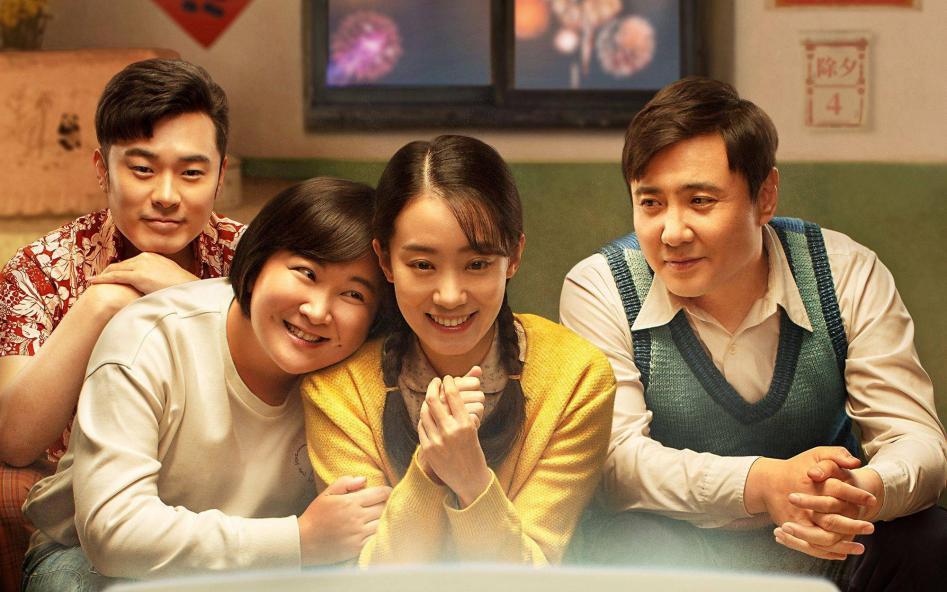
In contrast, Table-Flipping and Three Members of the Same Family in the Same Class are more inclined to continue the IP story. Based on retaining the original story settings and character relationships, they will expand the worldview, which is closer to fan-oriented development, hoping to achieve cross-media transformation with the accumulated audience base.
In addition to the differences in content development approaches, actions across the industrial chain are becoming increasingly noticeable.
In recent years, platforms such as Fanqie Novel and Hongguo Short Drama have successively opened up film adaptation authorization for short drama IPs, encouraging mature short drama IPs to enter the film market. In the past, the commercial development of short drama IPs mostly stayed within internal cycles such as sequels, side stories, and long-form dramas. Now, theatrical films have become a new development direction, which means short drama IPs are extending to a more complete content industrial chain.
What is more noteworthy is that it is no longer just short drama companies entering this track.
For example, behind the film versions of Three Members of the Same Family in the Same Class and Table-Flipping is Shanghai Yuanlai Rushi Culture. Although this company was established not long ago, its core team has long been engaged in film distribution and IP marketing, and participated in the marketing of many hit films including Nezha: Birth of the Demon Child and Dying to Survive. Its upstream affiliated company is Bukong Culture, which has worked on film projects such as Hi, Mom and YOLO, with core businesses covering IP development and film reputation marketing.
This shows that the film adaptation of short dramas has begun to attract the participation of the traditional film industrial chain, rather than being just a cross-border attempt by short drama teams.
In fact, this is not the first time short dramas have moved closer to films.
Previously, Xiaohongshu launched a short film support program, and many platforms have tried to explore content forms such as micro films and vertical-screen films. At the same time, top short drama actors including Ke Chun and Yu Yin have also successively announced plans to enter the big screen. From actors to IPs, and then to production companies, the short drama industry is testing the film market in different ways.
If we look at all these actions together, we will find a common trend: live-action short dramas are beginning to actively break through their original content boundaries.
However, this does not mean that theatrical films have become the standard answer for live-action short dramas. Against the backdrop of the rapid rise of AI-generated content and the slowdown in the growth of live-action short dramas, theatrical films are more like an active exploration for the industry to find a second growth curve. Its emergence is not only because there is still room in the film market, but also because the original development model of live-action short dramas has reached a stage where new growth must be sought.
Why Has Film Adaptation Become a New Choice for Live-Action Short Dramas?
It may not be accurate to regard the increasing number of short drama IPs being adapted into films as a voluntary upgrade.
Essentially, live-action short dramas breaking into cinemas is a forced experiment — its underlying driving force is not ambition, but anxiety.
Over the past two years, live-action short dramas have almost reaped the last wave of content dividends on the mobile internet. With advantages such as short production cycles, high delivery efficiency, and a mature business model, a large number of production companies have flooded into the market, resulting in frequent breakout hits. The industry myth of "finishing filming in ten days and recouping costs in one week" once prevailed. However, as the track shifts from an incremental market to stock competition, the original development logic of live-action short dramas has begun to fail.
Judging from the situation in the first half of the year, under the impact of AI dramas, live-action short dramas are entering a major reshuffle phase. According to data from the China Netcasting Services Association, about 128,000 micro short dramas were launched across the industry in the first quarter of 2026, of which AI-generated dramas accounted for more than 95%. Phenomena such as reduced project output, unemployed actors, and retreating investments have continuously shattered the prosperity myth of the live-action short drama industry. In particular, the difficulty for top production teams to create phenomenal hits, the scarcity of high-quality short dramas, and the fact that most of the released episodes are backlogged from last year have also fueled widespread rumors of the decline of live-action short dramas.
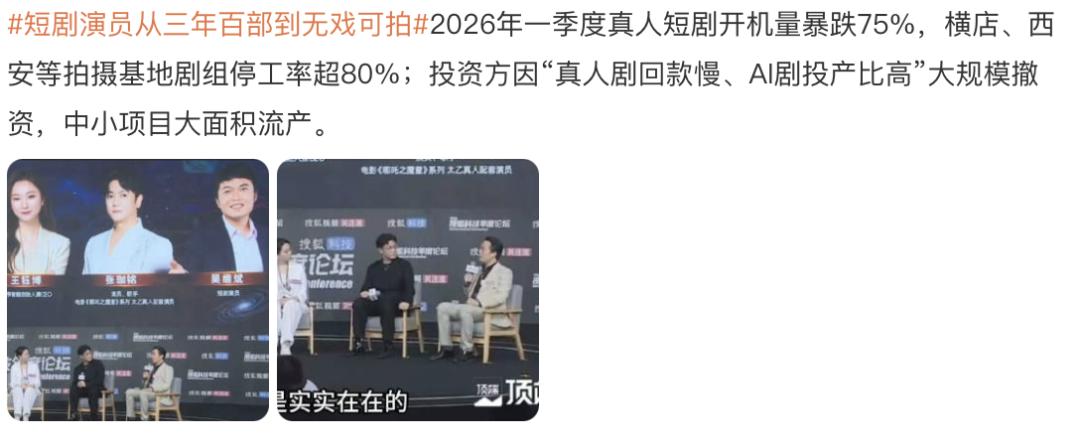
This change is also reflected among practitioners. Top short drama actors including Yu Yin and Han Yutong have publicly mentioned that the number of live-action short drama projects starting production has decreased, leaving many actors unemployed. Actor Xu Peng even chose to return to his hometown to make a living by selling vegetables.
At the same time, platform strategies are also changing.
Since the beginning of this year, Hongguo Short Drama has adjusted its minimum guarantee policy, with the minimum guarantee share for some projects declining. Many production teams have had to reassess project returns, and some live-action short dramas that were already in preparation have even suspended development. For a large number of production companies that rely on continuous project operations, fewer projects and lower minimum guarantees mean cash flow pressure and greater return uncertainty, which also means that the previous development model of relying on high output volumes no longer works.
The era when platforms took more risks and production companies expanded rapidly is gradually coming to an end. As platform dividends weaken, live-action short dramas have to find new sources of revenue. Film adaptation has thus become the most obvious possible direction.
Secondly, AI has not only changed efficiency, but the entire competition rule. If platform policies affect profits, AI has changed the entire competitive environment on which live-action short dramas depend.
In the past, the biggest advantage of live-action short dramas was that they were faster than long-form dramas and cheaper than films. But after the emergence of AI, this advantage is being rapidly eroded. Now, an AI-generated short drama, from script generation, character design to shot production, can be quickly completed with the help of models.
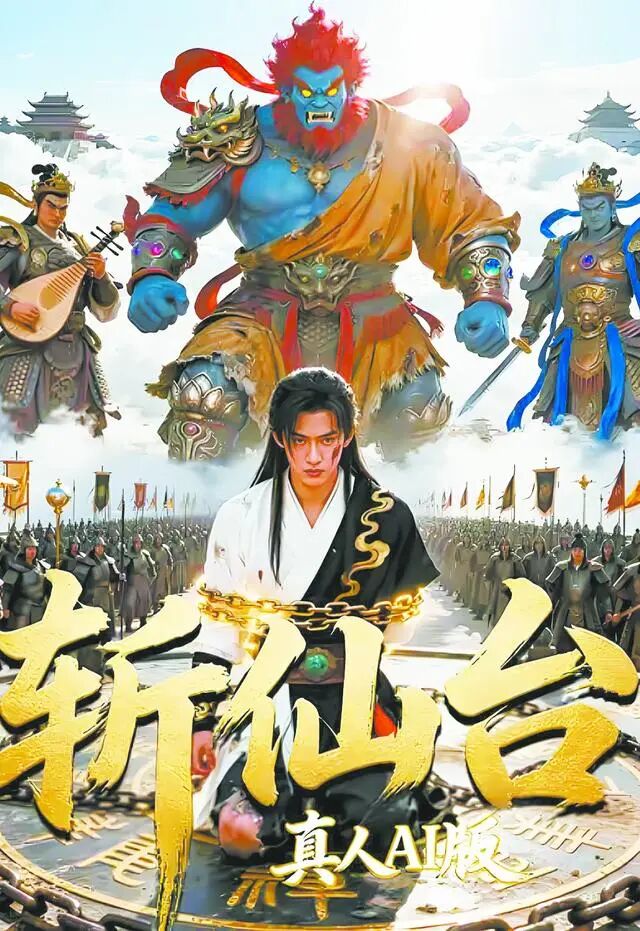
This means that the competition faced by live-action short dramas is no longer just from another production company, but from an almost infinitely growing supply of content. The first to be impacted by AI is not theatrical films, nor long-form dramas, but exactly the assembly-line content that live-action short dramas are best at and most dependent on. Because the more standardized and formulaic a story is, the easier it is to be replicated by AI.
This is why more and more live-action short drama teams are starting to think about new directions.
If they continue to stay in the competition logic of "faster, cheaper, more productive", live-action creators can hardly beat AI. But if they shift to content forms that place more emphasis on character building, actor performance, and emotional expression, developing films based on short drama IPs, live-action content still has advantages that AI cannot easily replace.
In addition, the overly short life cycle of IPs is also a long-standing problem in the short drama industry.
Over the past two years, live-action short dramas have created one hit myth after another. Works such as Such a Good Girl, Wushuang, and Becoming a Stepmother in the 1980s have all gained amazing views and discussion attention in a very short time. But this enthusiasm often comes quickly and fades away just as fast. The entire industry has always been operating at high speed around the cycle of "producing hits — exhausting hits — looking for the next hit", making it difficult to form long-term IP assets through continuous operation like TV dramas and films can.
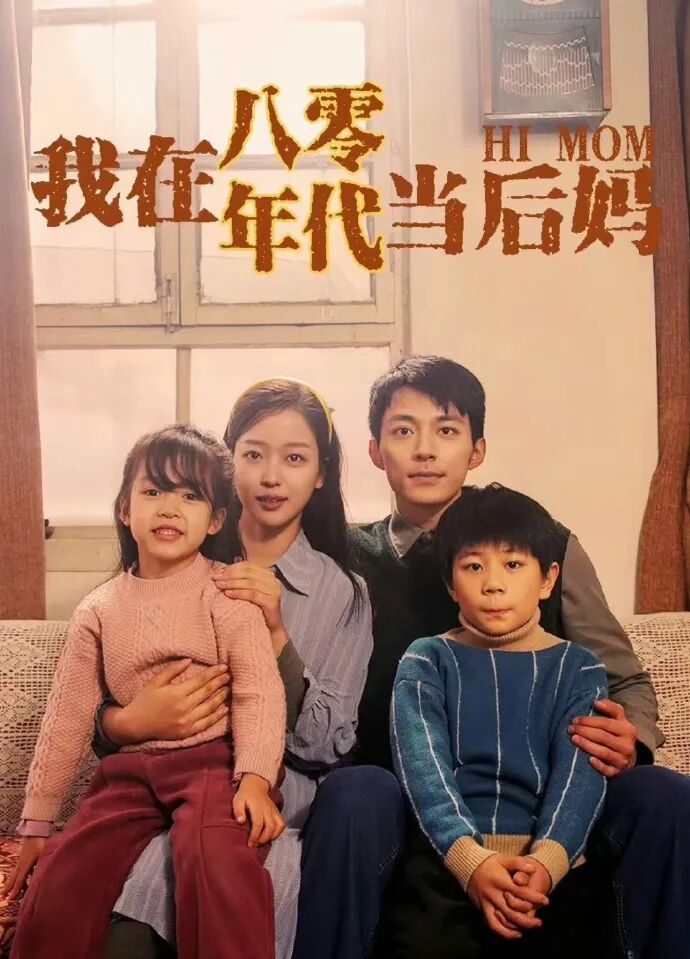
Film adaptation precisely provides such a possibility.
For top short dramas that have already passed market verification, theatrical films do not just mean producing one more work, but also converting one-off hits into long-term assets. After the film, they can continue to develop long-form dramas, overseas remakes, derivatives, brand co-branding, and offline experiences to form a more complete commercial chain.
The choice of live-action short dramas to adapt to films is essentially an expansion of cross-media IP operation capabilities.
Will Theatrical Films Become a New Way Out for Live-Action Short Dramas?
At this year Shanghai International Film Festival, the production team of Three Members of the Same Family in the Same Class admitted that film adaptation faces challenges such as capital, industrial standards, and cross-domain team transitions. "We are truly passionate about it, so passionate that we are willing to put aside our own concerns first, and focus on whether the story is worth being brought to life."
There is no standard answer as to whether the film adaptation of short drama IPs can succeed. But what is certain is that it is neither a groundless adventure, nor a "universal panacea" that can solve all problems. It is more like an industrial upgrading experiment.
Objectively speaking, the most obvious advantage of short drama IPs being "adapted into" films is that it reduces the trial-and-error cost of original films.
In recent years, the most noticeable change in the film market is that investments have become increasingly cautious. Both platforms and film companies are more inclined to invest in mature IPs that have been verified by the market, rather than creating original stories from scratch. From online literature, animation to hit TV series and mythological stories, IP adaptation has become an important source of film content.
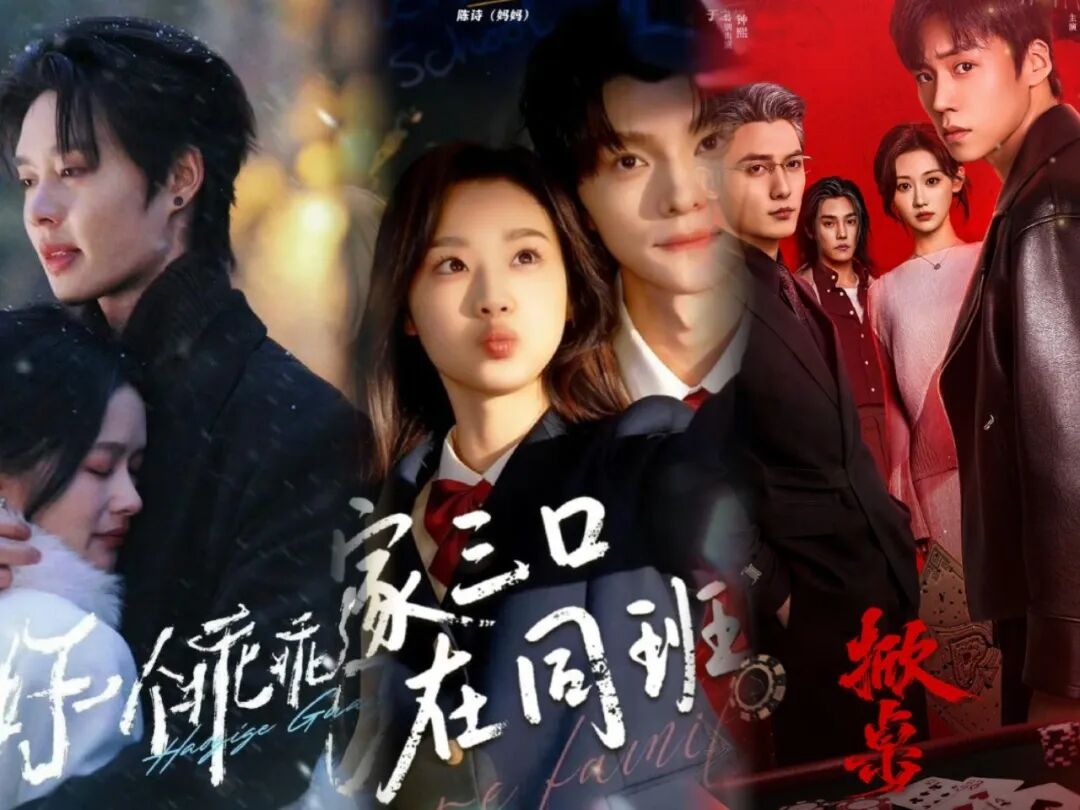
Live-action short dramas also have such a foundation. For example, Such a Good Girl has gained over 4.2 billion views on the Hongguo platform, which not only shows that it has a large audience base, but also proves that it has completed a round of market verification. For the film market, the greatest value of this kind of IP does not lie in how much box office it can bring on its own, but in the fact that it has already proved the story is viable, the characters are appealing, and the emotional resonance is strong.
Secondly, the greatest competitiveness of live-action short dramas was never production scale, but emotional efficiency. In the past, many people thought the biggest feature of short dramas was "pleasing to the audience". But what really supports users to keep paying is not the plot twists themselves, but the ability to arouse emotions in a short time.
Whether it is the emotional entanglement in Such a Good Girl or the family relationship in Three Members of the Same Family in the Same Class, essentially they all accurately hit a certain