With an average cost of 70 yuan per person, people queue frantically for 2 hours — affordable tempura specialty stores are sweeping across the country
Tempura with a 70-yuan per-person budget is booming, with queues lasting at least 1 hour
At 11:30 a.m., the Insider turned from the subway to the B2 floor of Qingdao MixC, heading to a restaurant named "Hakata Ichiban Tempura Steak Rice". He originally thought there would be no queues on a weekday, but before even stepping inside, he saw a bustling line at the entrance: groups of two to three people, totaling around 20 to 30 diners waiting.
Facing the queue was a "tempura show": two chefs in traditional Japanese uniforms and tall hats were skillfully coating ingredients in batter, frying them, then using long chopsticks to fish out golden, crispy tempura and arrange them on oil-absorbing paper. This scene, paired with the queue at the door, was the best possible advertisement.
Since he was dining alone, the Insider got a spot fairly quickly. The restaurant staff at the entrance mentioned that on weekday lunchtimes, groups of 2 to 3 people waiting for connected tables would need around 1 hour, while evenings would take over 1.5 hours. On weekends, the waiting time could stretch to 2 hours.
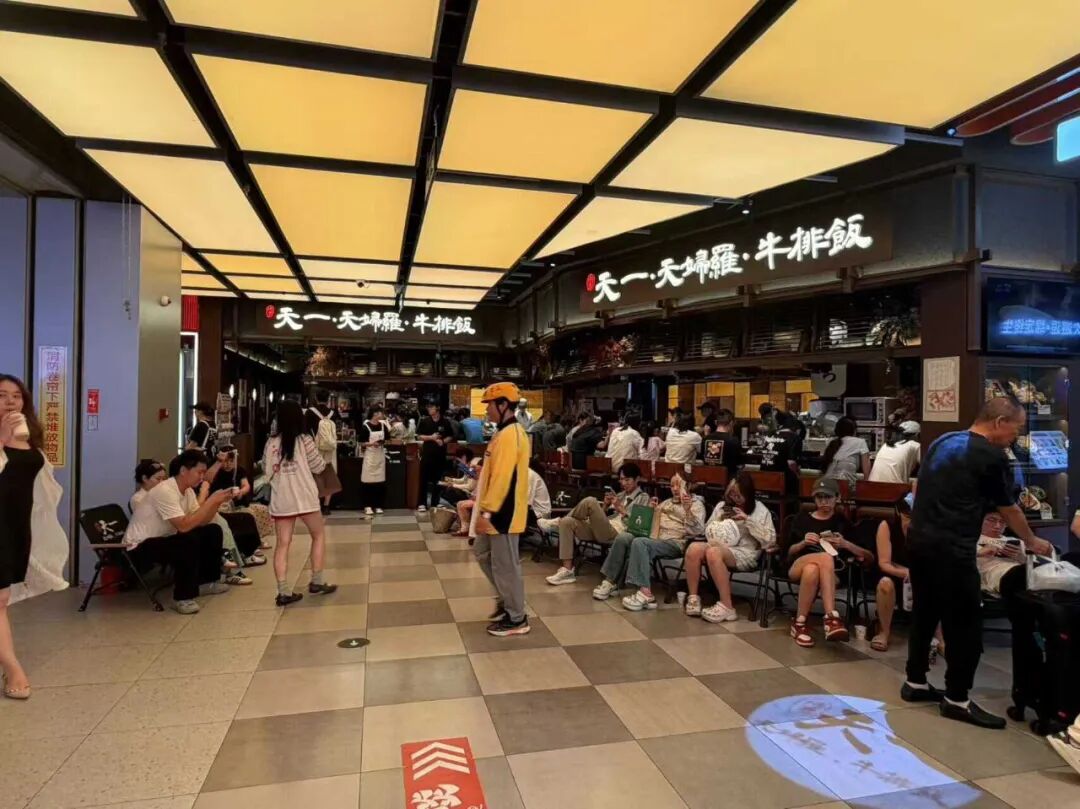
The tempura queue phenomenon isn't limited to Qingdao; it's also happening in cities like Guangzhou and Beijing. The Hakata Tempura branch at Guangzhou Panyu Tianhe Mall is almost always in a perpetual queue state: at 7 p.m. on a Saturday, all the waiting numbers were already exhausted upon arrival. At the Hakata Ichiban location in Beijing Chaoyang Hopson One, a 1-hour wait on weekday lunch has become the norm.
Today, mid-range tempura specialty restaurants with a per-person budget of 60 to 70 yuan are rapidly opening in core business districts across the country, becoming the "new darling" chased after by young white-collar workers and shopping malls alike.
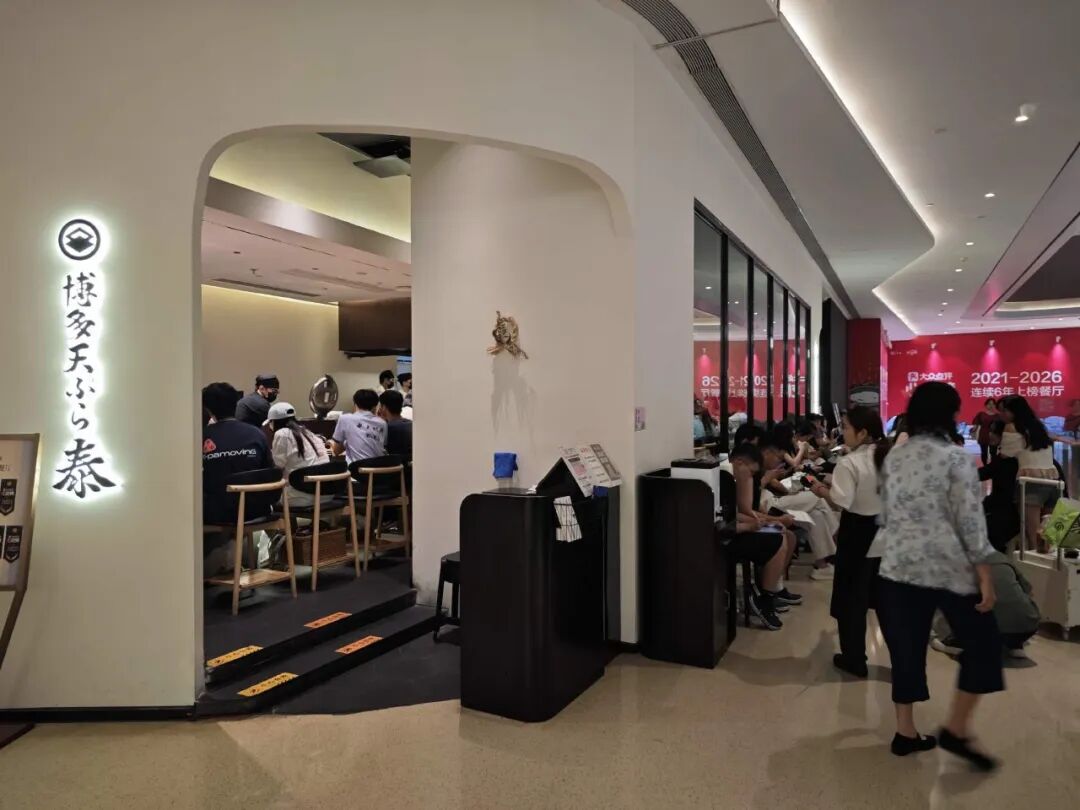
However, the similarly named brands do not share the same operators. It is important to clarify that "Hakata Tempura Tai" and "Hakata Ichiban" are two completely different brands. Hakata Tempura Tai is a sub-brand of the well-known Japanese ramen chain Hakata Ikkousha, which opened back in 2016, while Hakata Ichiban is a newer emerging brand. In addition, Shanghai also has the "Daily Tempura" specialty restaurant chain, which has already opened 5 to 6 locations, also following the affordable pricing strategy.
The core reason these tempura specialty stores have quickly won over customers lies in their successful innovation of the traditional Japanese dining model. Most of them adopt the "counter dining" format: diners sit around the bar, watching chefs fry and serve tempura fresh on the spot. This not only shortens the serving process and ensures the crispy texture of the batter coating, but also adds a sense of performance and ritual to the dining experience.
At the same time, the 60 to 70 yuan per-person price point drastically lowers the consumption threshold compared to high-end tempura dining that often costs hundreds of yuan, perfectly matching the psychological needs of young customers who want to "enjoy a nice meal, take great photos, and share on social media without spending too much".
Behind the Trend: A Convergence of Multiple Popular Dining Movements
A close analysis of these long-queuing tempura restaurants reveals that their widespread popularity is the result of multiple overlapping dining trends coming together.
The Counter Dining Format: A Viewing Spot and a Perfect Photo Spot
Everything can now be served at the counter. The "counter dining" concept originally exclusive to high-end Japanese cuisine has been "democratized" and applied to mass-market dining, allowing customers to witness the entire cooking process right in front of them.
Inside the tempura restaurant, chefs in Japanese-style uniforms focus intently on coating ingredients in batter, lowering them into hot oil, gently flipping the food with chopsticks, and quickly lifting them out. The entire frying process unfolds like a rhythmic live performance.
Watching the cooking process greatly enhances the customer experience, while also capturing their attention and lowering their expectations for traditional table service.
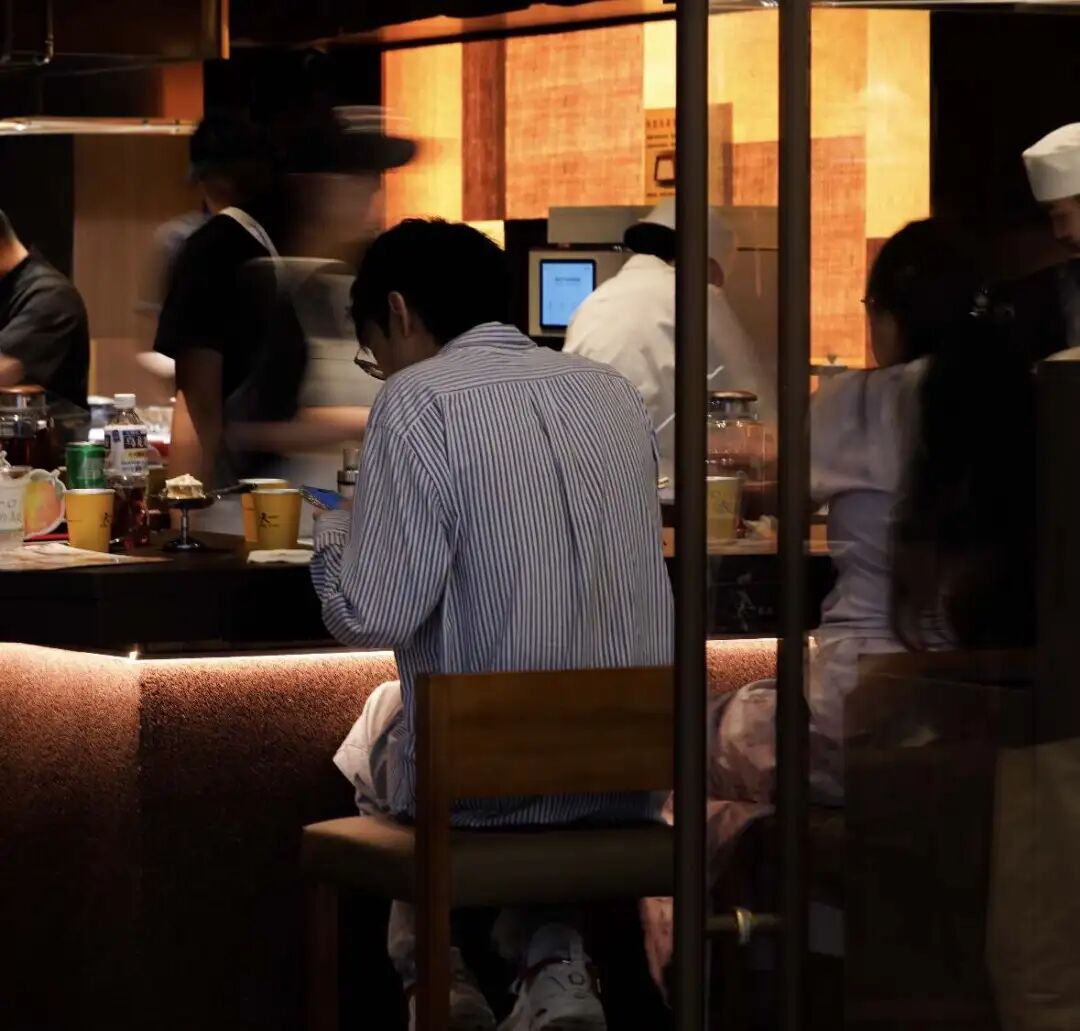
This seating arrangement isn't just a viewing spot—it's also an ideal location for shooting content. In the current era dominated by short-video sharing, the tempura frying process and steak searing process are perfect video materials. Previously, restaurants only needed to be "photogenic" for still photos; now they need to provide ready-to-use video content, which is why counter dining has exploded in popularity.
The Rise of Japanese Single-Item Specialties: From Full Menus to "Minimalism"
In the past, when customers walked into a Japanese restaurant, they would face a thick menu covering everything from small appetizers to sushi, tempura, udon noodles, unagi rice, and sukiyaki—seemingly including every Japanese dish imaginable.
In recent years, the trend has shifted dramatically, with Japanese single-item specialties gaining traction. This started with the sushi craze led by brands like Sushiro, followed by the popularity of sukiyaki all-you-can-eat spots like Niu New Sukiyaki. Menus have been streamlined to focus on just one core category, eliminating decision fatigue for customers, who only need to choose the exact dish they want.
During the era of "full Japanese restaurant menus", public awareness of Japanese food was already widespread. When a single signature item is broken out into its own standalone specialty, it creates novelty without requiring extra market education for customers.
The New Version of "Solo Dining": Light Social Gatherings with Full Dining Freedom
When the Insider visited the restaurant, he got a vacant spot immediately because he was dining alone, skipping the queue entirely. The staff member managing the entrance mentioned that most diners now come in pairs, and connected tables for two people have the longest waiting times.
After sitting down, the Insider observed that most customers were stylishly dressed young women, dining in pairs. They sat slightly turned towards each other, chatting while enjoying crispy, juicy fried tempura, and finishing off their meal with a portion of pudding or soufflé—sweet treats that cut through the richness, wrapping up their casual, pleasant gathering on a sweet note.
Earlier solo dining concepts focused on private booths, solitude, and quiet seclusion, emphasizing "eating well by yourself". The new generation of solo dining breaks down the boundaries of isolation, with the core keyword being coexistence rather than being alone—it's no longer just one person eating, but a flexible "1+1" dynamic.
It's a light social gathering where everyone retains full choice freedom, no compromises needed for others' preferences. The set meal structure of tempura restaurants is perfectly designed for this scenario: each person gets a complete, satisfying set meal, with the option to add extra sushi or desserts, allowing for a relaxed, dignified dining experience.
Everywhere are "Picture-Perfect Meals": Visual-First Consumption Decisions
The "picture-perfect meal" trend, which first emerged in Yunnan-Guizhou cuisine, has now evolved into its third generation, with a wider variety of cuisines and more diverse aesthetic standards. This reflects a major shift in the dining industry: aesthetic appeal is no longer an extra bonus point—it has become a basic requirement. The first factor customers consider when choosing a restaurant is whether the food looks good.
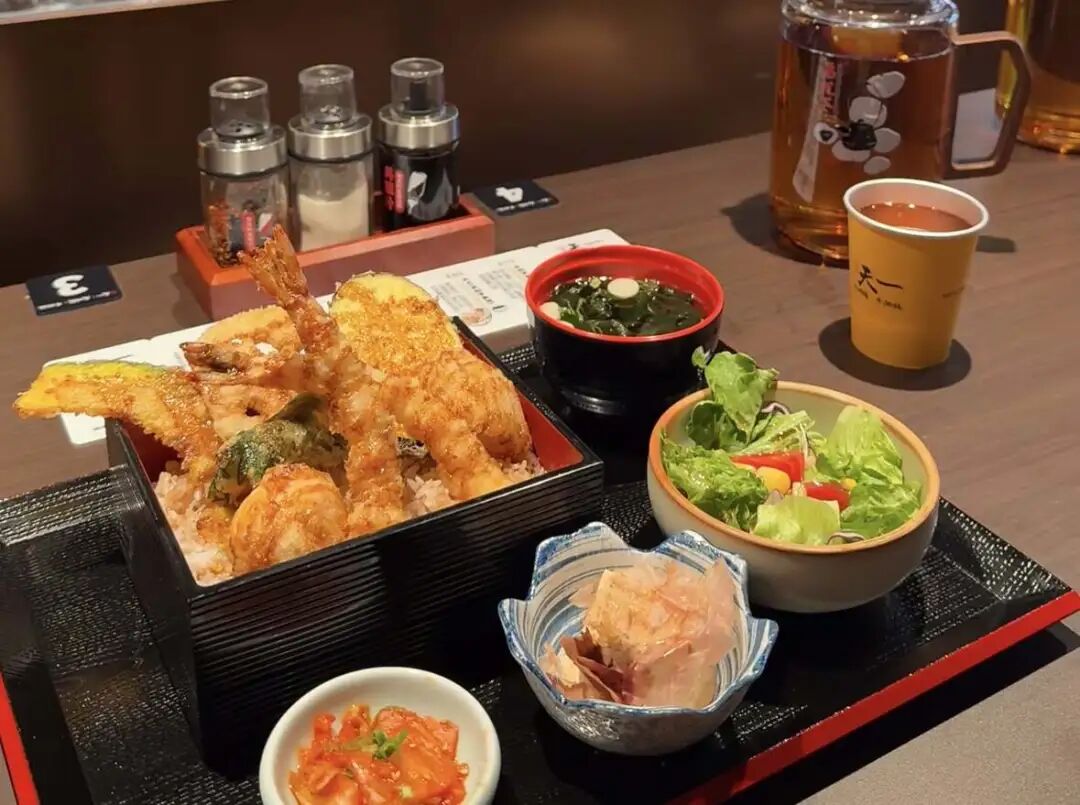
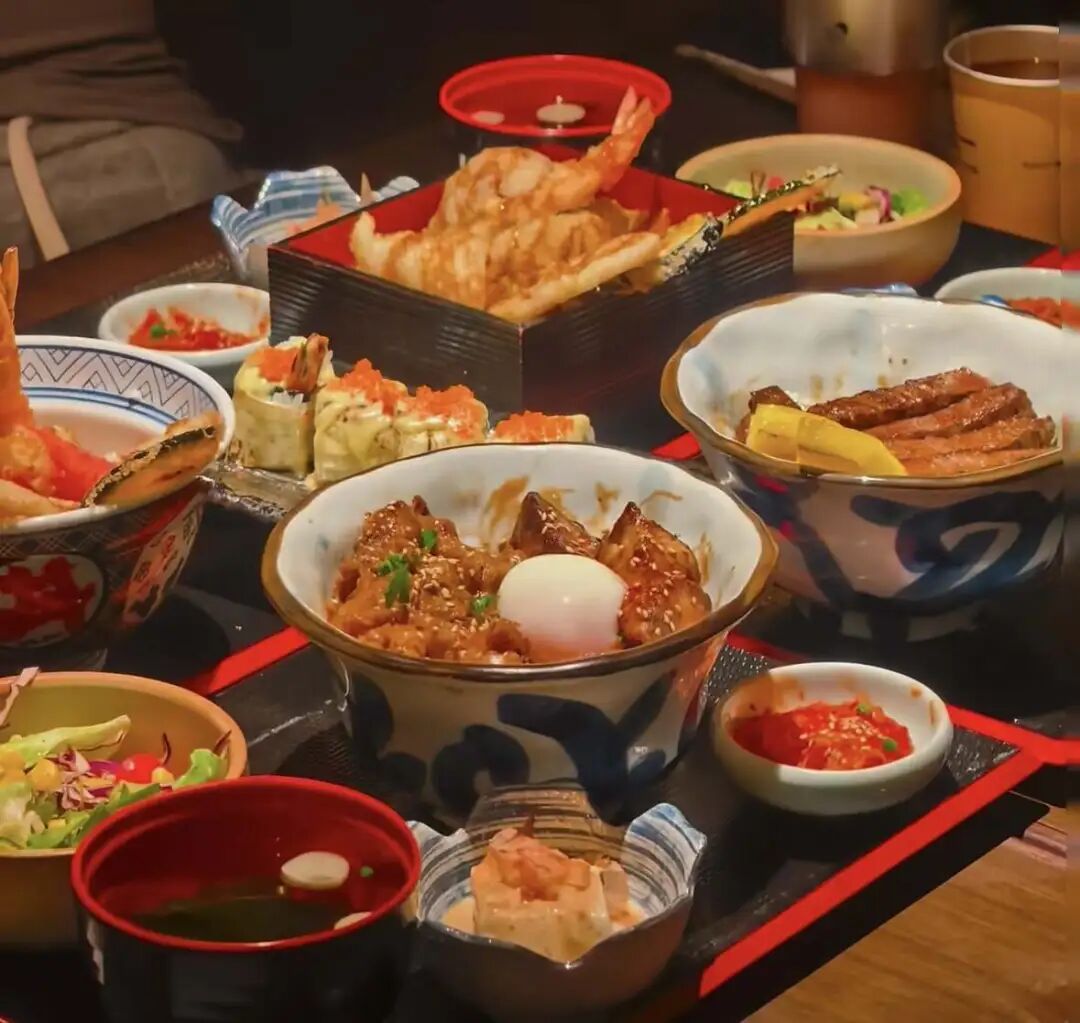
The newly reimagined tempura dishes naturally carry this "picture-perfect" DNA: set meals are presented in elegant Japanese-style lunch boxes, with golden crispy tempura sitting on top of rice, looking fragrant and inviting. The sides of vegetable salad, small tofu appetizers, pickles, and soup add rich colors and delicate plating to the entire presentation.
It's easy to see why these popular tempura restaurants hit all the key consumer priorities young people care about: the simple, focused single-item strategy removes decision fatigue; the visible on-the-spot frying process enhances the experience; the delicate plating makes it effortless to take great photos; and the individual set meals allow groups of friends to dine together without forcing everyone to compromise on their flavor preferences.
Fully aligned with modern consumption habits across product design, space layout, and social scenarios, it's no surprise that these restaurants continue to see long queues amid multiple overlapping trends.
"Democratization" and "Elevation" in the Major Dining Industry Trends
In Japan, a country famous for creating legendary dining masters, there is a "Tempura Master" who shares equal fame with Jiro Ono, the "Sushi Master": Tetsuya Saotome. He entered the profession at 17, and over more than 50 years has fried over 30 million pieces of tempura, barely taking any days off.
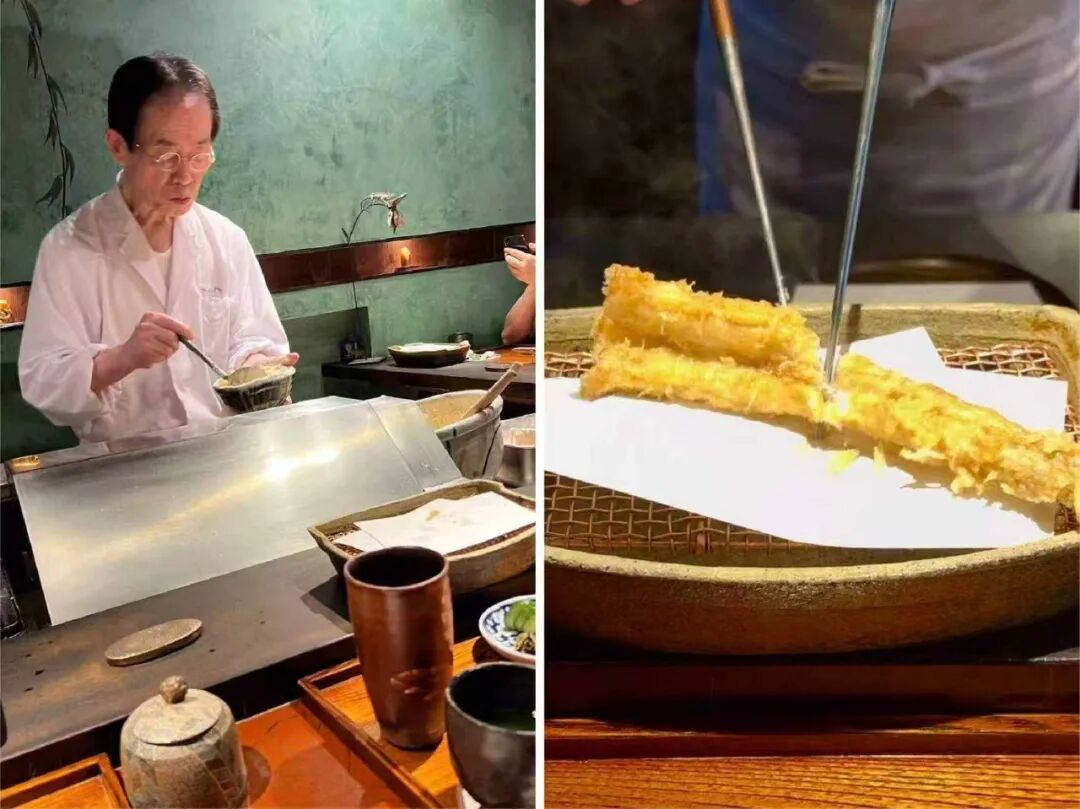
He believes tempura is not just simple "fried food", but a precise scientific experiment centered around controlling moisture, and a wonderful form of culinary art. Of course, to experience the skills of the "Tempura Master", you would need to spend around 2000 yuan just for a relatively complete meal.
Shanghai also has many high-end tempura brands, including the Michelin-starred Ginza Onodera Tempura originating from Tokyo's Ginza district, where the lunch set meal costs around 980 yuan, and the dinner set is even more expensive.
Backed by refined culinary philosophy, seasonal premium ingredients, craftsmanship, and a strong sense of ritual, tempura has become a high-end dining category. Now, you can experience this same culinary art for just 100 yuan, making the perceived value skyrocket.
This approach to restaurant creation is exactly the most popular trend in the dining industry: making high-value culinary experiences accessible at affordable prices.
This caters to consumers' demand for experiences where perceived value exceeds the price paid. When you realize that a similar experience would cost dozens of times more at a high-end restaurant, the meal in front of you instantly feels extremely valuable. "Experience elevation amid consumption democratization" has become the most powerful winning strategy in the current dining industry.
Downward: making high-value signature items more affordable; Upward: "experience elevation" for traditional fast food.
Looking back at the popular dining brands of 2026, you can see this pattern: reimagined noodle shops, dumpling bars that now serve alcohol, and braised pork rice spots full of Taiwanese cultural elements—all are successful examples of fast food upgrading into casual full-service dining. Customers are no longer satisfied with just a bowl of noodles, a plate of dumplings, or a serving of braised pork rice; they are seeking better dining environments and more complete, satisfying dining experiences.
Back to the tempura category, the current model also starts from the basic need of satisfying hunger, then adds the counter dining experience, introduces desserts and other categories to perfect the overall offering, completing the "elevation" of a simple fast food concept.
"In the 5th Consumption Era, the core of consumption has shifted from 'material goods' to 'happiness and well-being', and consumer demand has moved from functional needs to immediate emotional satisfaction. This means that happiness is no longer just the end result of consumption—it is the starting point."
In "The 5th Consumption Era", Japanese sociologist Akira Miura put forward this viewpoint, which we can roughly interpret as: today's highly purpose-driven consumption is gradually transforming into consumption focused on enjoying the process and satisfying emotional needs. From this perspective, the long queues outside tempura specialty restaurants are a small but distinct footnote to this major shift in consumer behavior.
For restaurant operators, the challenges they face are not limited to fine-tuning internal management processes—even more critical is the ability to timely capture and respond to external consumer emotional trends. The latter brings far greater challenges, but also far greater opportunities.
This article is from the WeChat public account "Restaurant Owner Insider", written by Cai Daqi, and published with authorization from 36Kr.