Disassembling CXMT's Prospectus: Where Has the Cyclic Narrative of Memory Gone?
Today, July 16th, Changxin Technology launched its online subscription for A-share IPO. With a fundraising scale of 29.5 billion yuan, it marks the largest A-share IPO in 2026 and the second-largest in the history of the STAR Market.
Just a week ago, the experience of another memory giant cast a shadow over this grand event. On July 10th, SK Hynix landed on the NASDAQ with an issuance size of 24.5 billion US dollars, setting the record for the largest overseas listing transaction by a foreign company in the US market. Its share price rose by 13% on the first trading day after listing, enjoying a moment of unprecedented glory. However, just one trading day later, the global memory sector suffered a sharp setback, recording one of the most severe single-day declines in nearly two decades.
This incident serves as a reminder. The spotlight of the AI boom is so bright that it easily makes people overlook the fact that the cyclical nature of memory chips has never disappeared — it has only been temporarily masked by the market frenzy.
After conducting an in-depth analysis of Changxin Technology's prospectus, we have reached a fundamental conclusion: The second half of 2027 to early 2028 will likely mark the cyclical peak of this current memory industry cycle.
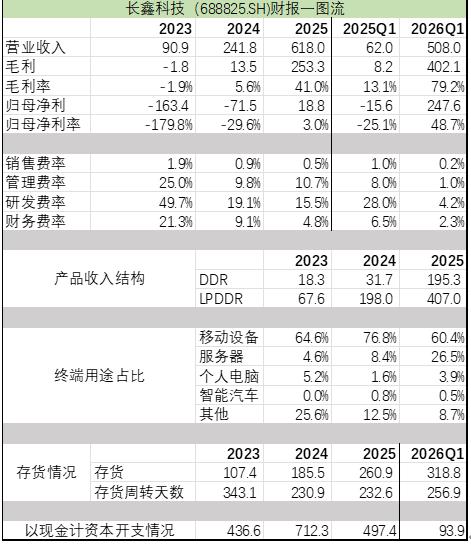
Figure: Key financial figures disclosed in Changxin Technology's prospectus (Unit: 100 million yuan)
01 The Tide of the Industry Cycle
Memory chip manufacturing has long been universally recognized as a highly cyclical industry for a very extended period of time.
However, since the beginning of this year, viewpoints from institutional media outlets and public statements by SK Hynix CEO Choi Tae-won have both claimed that the memory industry will bid farewell to its traditional cyclical patterns.
The rationale behind this claim is clear: the explosive surge in AI demand will trigger a massive increase in long-term agreement (LTA) orders across the memory sector, leading to a prolonged market environment where supply falls short of demand. Meanwhile, the customized nature of HBM4 will enable memory manufacturers to lock in stable client orders, thereby smoothing out historical cyclical fluctuations.
Yet from a macroeconomic perspective, the essential characteristic of a cyclical industry lies in the fact that the flexibility of the supply side is far lower than that of the demand side. No matter how dramatically market demand expands, it takes wafer fabs more than two years to progress from initial planning to mass production, and the full cycle from production ramp-up to final delivery is even longer.
Therefore, based on first principles of economics, no matter how much demand increases, the industry cycle can only be extended, rather than eliminated entirely.
Building on this macro-level cyclical judgment, we need to clearly identify the current stage of the memory industry's market narrative from a cyclical perspective:
(1) HBM has indeed weakened the industry cycle, but LTAs are not a universal solution, and 2028 is a critical inflection point
It is evident that HBM has become the core source of confidence for memory manufacturers to "break away from the traditional cyclical narrative".
SK Hynix currently holds a 56%-58% global market share in HBM, with its long-term agreement orders already locked in through 2028. Starting from 2026, Samsung will implement a minimum 3-year long-term supply framework for all new contracts with its major clients. SK Hynix is also negotiating up to 5-year general DRAM contracts with Google, using its HBM3E supply rights as leverage to extend long-term partnerships.
Memory manufacturers are locking in clients through 3-5 year long-term agreements to "smooth out" fluctuations on the demand side.
Nevertheless, LTAs are not a universal panacea. While long-term contracted clients can establish a stable price floor for HBM, LTAs will most likely cap profit margins, reducing price elasticity — which is counterproductive to a market environment characterized by supply shortages. This is also one of the core reasons why KIS downgraded Hynix's stock rating earlier this week.
From a supply and demand perspective, LTAs essentially represent a bet on a time difference: they assume that the demand market will remain stable over the next 3-5 years. If AI capital expenditure (Capex) falls short of market expectations, this LTA mechanism will function in a benign manner.
As for the actual current gap in HBM supply, SemiAnalysis has released precise quantitative data: the HBM supply gap will be approximately 6% in 2026, and will expand to 9% in 2027. This means that at least over the next three years, HBM will not have any demand-side impact that could disrupt the industry cycle.
Turning to the supply side, SK Hynix's new Yongin fab will be completed as early as 2027. The first HBM wafer fab in South Korea's Yongin cluster will begin production in 2027. Micron's HBM production plans in Idaho and Singapore are scheduled to launch in 2027, and its new plant in Hiroshima, Japan is targeted for mass production in 2028. Samsung's P4 fab in Pyeongtaek has already been put into operation, but its fifth factory dedicated to HBM will not contribute to production capacity until after 2028.
Major memory manufacturers are aligning their capacity expansion timelines, planning to significantly increase HBM production capacity around 2028. Since most long-term agreements are concentrated within the next 3-5 years, from the current HBM market perspective, there will be no significant cyclical fluctuations in the next 3-5 years. However, due to the prevalence of LTAs, capital returns may fall short of initial market expectations.
Therefore, for investors who prefer stable growth, the HBM-driven industry cycle is undoubtedly a worthwhile investment target. But for investors who pursue explosive growth, this narrative requires more careful consideration.
(2) DRAM is currently in a dual-dividend period, yet HBM remains the core pillar supporting the industry's valuation narrative
Naturally, in addition to HBM, DRAM also plays a crucial role in the memory cycle narrative.
As highlighted in KIS's research report, the current price growth rate in the DRAM market is even higher than that of HBM, leading to a certain degree of price inversion between the two products. DRAM prices have risen by approximately 4.5 times from Q3 2025 to Q2 2026, and the price of DDR5 16Gb has cumulatively increased by 307% since September 2025.
The reason behind this trend is straightforward: the three major global memory giants have redirected the vast majority of their advanced process capacity to the production of HBM and enterprise-grade DDR5, resulting in a significant contraction in overall DRAM market supply. For other DRAM manufacturers, this current stage presents an opportunity to enjoy dual dividends:
First, besides the massive HBM memory requirements on the server side, DRAM remains an indispensable component. The current heterogeneous computing architecture also requires high-capacity DDR to work in synergy with high-bandwidth HBM.
This trend can be clearly observed from changes in Changxin Technology's 2025 revenue structure: among all end-consumer markets, the server sector has recorded the most rapid growth in revenue proportion.
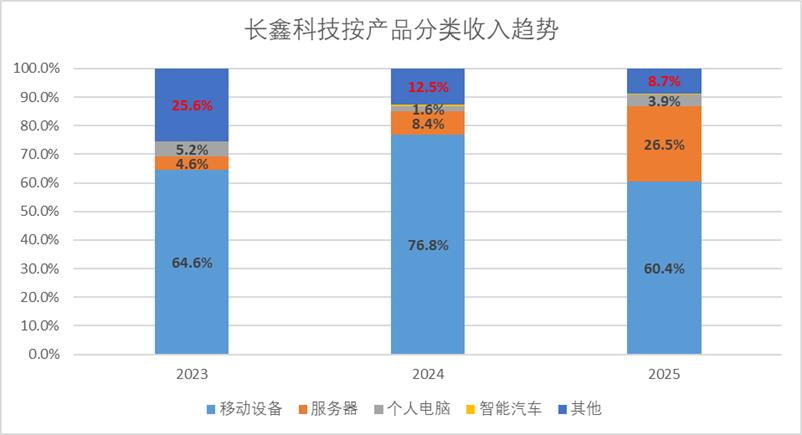
Second, as major memory manufacturers have concentrated their production capacity on HBM, there is a clear market gap in DDR product supply.
Producing the same capacity of HBM consumes approximately three times the wafer area required for standard DDR5 memory. This "capacity crowding-out" effect has created a structural shortage in the general-purpose DRAM market.
According to data from SemiAnalysis, overall DRAM supply will be about 7% lower than demand in 2026, while the HBM gap will reach 6% and expand to 9% in 2027. By 2027, nearly half of the global DRAM production capacity will be locked in by HBM and long-term agreement contracts, leaving no available supply for small and medium-sized clients. For Changxin Technology, which focuses on DDR products, this represents a structural opportunity created by leading giants voluntarily ceding market space.
Yet HBM remains the core anchor that underpins the entire valuation narrative.
First, the core factor shaping the valuation logic of memory manufacturers still revolves around long-term agreements. Manufacturers without HBM supply capabilities, even if they benefit from phased demand spillovers, cannot lock in long-term product prices and thus cannot break away from the traditional valuation framework.
Second, although current price elasticity is relatively high, this price inversion will eventually prove to be a temporary phenomenon in the long run. After HBM4 is shipped in large volumes, its long-term price elasticity will definitely be higher than that of DDR products, a characteristic that DDR products cannot replicate.
(3) Downstream manufacturers are experiencing a surge in inventory, and the DRAM cyclical peak may arrive earlier than the HBM peak
Different from HBM, which is primarily driven by AI capital expenditure, DRAM is simultaneously affected by both capital expenditure and consumer electronics demand, making it more sensitive to cyclical fluctuations.
If we focus solely on DDR products, taking Changxin Technology as an example, mobile applications still account for the largest proportion of its current shipment volume. Therefore, end-market inventory levels will still significantly impact the price cycle of DDR products.
First, let's examine the actual status of end-market sales.
In reality, the prosperity of the consumer electronics market is far less robust than the AI sector. IDC forecasts that global PC revenue will still grow by 1.6% in 2026, but this growth is entirely driven by rising average selling prices (ASP), while total shipment volume will decline by 11.3%.
The smartphone market faces even more severe conditions than the PC market. IDC predicts that global smartphone shipments will drop by 12.9% in 2026. In Q1 2026, domestic smartphone shipments in China reached only 69.8 million units, representing a 3.3% year-on-year decline.
Next, let's analyze the inventory levels of downstream manufacturers.
In response to this round of structural adjustments in memory production capacity, consumer electronics manufacturers have been passively restocking since 2024. Their total inventory balance has nearly doubled during this period.
TrendForce explicitly pointed out in its latest July report that although the overall DRAM market will remain in an extremely tight supply state in Q3 2026, due to downward revisions in consumer-grade application demand and the high existing price base, the growth rate of contract prices has clearly narrowed, with an expected sequential quarterly increase of only 13% to 18%.
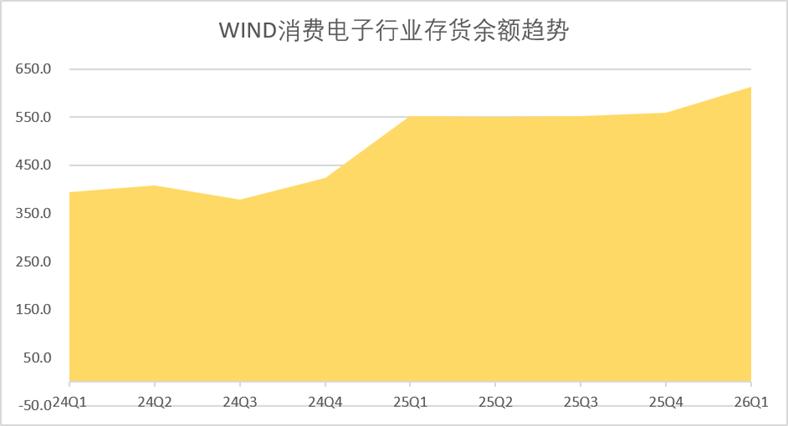
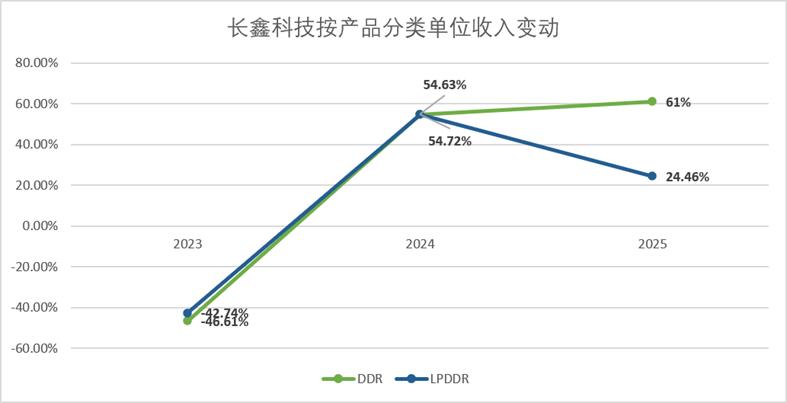
Especially when looking at the per-unit revenue of Changxin Technology's products, the growth rate of LPDDR (mobile memory) per-unit revenue has already recorded a phased decline compared to 2024.
Therefore, as Bloomberg previously predicted the supply-demand balance point for memory chips will arrive in Q4 2027. If large-scale HBM capacity expansion in 2028 is the critical point to verify whether HBM can sustain the memory industry cycle, then the cyclical inflection point for DRAM will most likely arrive several quarters earlier than that of HBM.
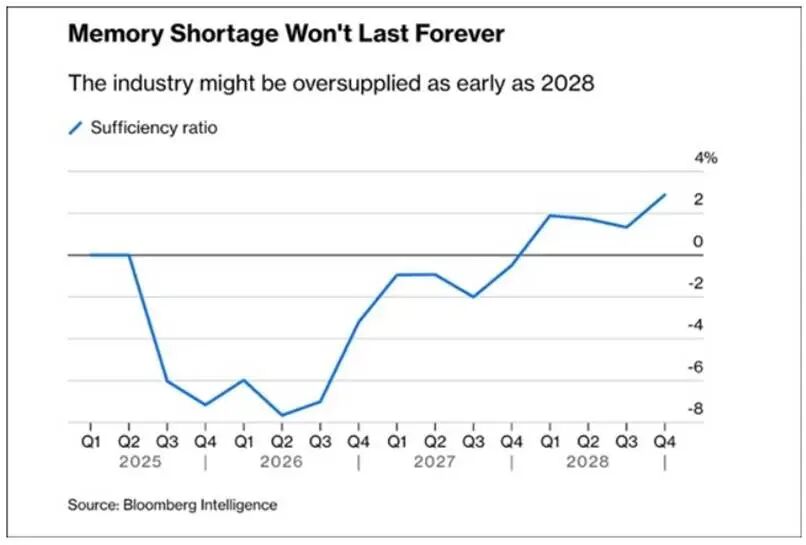
For DRAM manufacturers, the current high price elasticity of DRAM is real, but they must remain vigilant against the risks brought by the downturn in the consumer electronics market.
Overall, the memory industry's value center will move upward over the next 4-6 quarters. DDR products will reach their cyclical prosperity peak by the end of 2027, while for HBM, we need to observe the market prosperity level of AI capital expenditure after LTA contracts expire and capacity expands in 2028 to determine the new round of industry value center.
02 The Challenges Facing Changxin Technology
Turning back to Changxin Technology itself, after sorting out the macro narrative of the memory industry cycle and DRAM market, we need to refocus our attention on this leading domestic DRAM manufacturer that is about to list on the STAR Market:
1) From a fundamental perspective, Changxin Technology's performance is impeccable
If we only look at its financial data, Changxin Technology is currently experiencing a textbook-level performance explosion.
In Q1 2026, the company achieved a total revenue of 50.8 billion yuan, representing a 719% year-on-year growth, with net profit attributable to shareholders reaching 24.762 billion yuan, a 1688% year-on-year increase. The company forecasts that its total revenue for the first half of 2026 will reach between 110 billion yuan and 120 billion yuan.
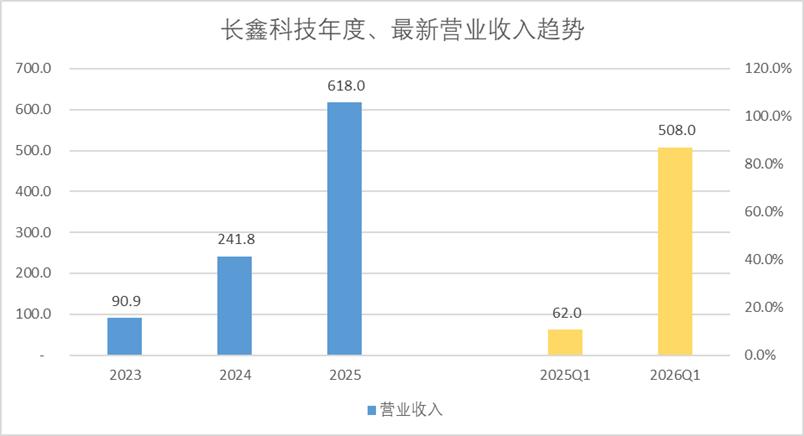
This steep V-shaped reversal curve is remarkably sharp, and the company's global market share is also climbing rapidly.
According to data from Omdia, Changxin Technology's global DRAM market share has increased to 7.67% in Q4 2025, ranking 4th globally and 1st in China. Its production capacity is also expanding at an accelerated pace.
From a long-term cost curve perspective, there are no obvious flaws in its operations. All cost items have recorded significant declines over the past two years. From Changxin Technology's standpoint, manufacturing enterprises remain the core players in the current memory industry value chain.
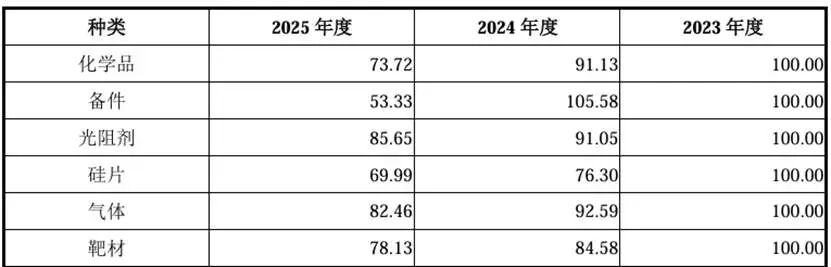
Naturally, wafer prices will definitely record a significant increase this year. However, Changxin Technology's total inventory balance has also risen noticeably, with raw materials accounting for 24.34% of total inventory — a proportion higher than that of finished goods inventory. Overall, this provides a certain degree of support for the supply-side cost curve. That said, the company's relatively high balance of work-in-progress inventory has extended