Bulk snack retailing doesn't need to play tricks with product specifications.
Are the low prices of bulk snack stores really relying on "tricks"?
Recently, some media outlets visited several leading bulk snack chains and found that the net weight of several products differed from their counterparts sold through other channels. After comparing the per-gram price with the same-brand products in regular supermarkets, they claimed that "bulk snack stores are not genuinely offering lower prices."
What is the actual situation? To clarify this, we compiled the prices of dozens of best-selling items across bulk snack stores, chain supermarkets, convenience stores, and e-commerce platforms — including the controversial Master Kong Iced Tea and Lay's Potato Chips mentioned above. By calculating their unit prices and per-gram prices, we concluded that bulk snack stores maintain a stable price advantage across all FMCG distribution channels.
The reason why different product specifications and price points exist in the food, beverage, and related industries is primarily that brand owners, during the transition phase between old and new sales channels, use the logic of "these are not identical products" to stabilize the market while balancing the interests of all stakeholders.
The combination of high quality and low prices at bulk snack stores fundamentally comes from direct procurement, eliminating middlemen markup; the profit margins of bulk snack brands are built on efficiency optimization driven by scale operations. There is absolutely no need for them to play tricks with product "specifications."
The controversy over specifications and prices does not hold up
Bulk snack stores, which have drawn significant public attention lately, have found themselves at the center of a dispute sparked by differing product specifications and corresponding price points.
After some media outlets discovered that certain product specifications at bulk snack stores differed from those in other channels, they compared these items on a per-gram basis and hastily drew a simplistic conclusion — that bulk snack stores are not genuinely offering lower prices.
We do not deny that a small number of supermarkets might sell 500ml Master Kong Iced Tea for 2.2 yuan or 40g Lay's Potato Chips for 3 yuan. But how often can you actually find these prices in your daily shopping? The odds of encountering such deals are extremely low, and these isolated cases cannot represent the broader market reality.
Furthermore, this line of reasoning commits a fundamental statistical error. Leading bulk snack brands carry thousands of SKUs — does identifying price discrepancies in just two or three out of hundreds of measured products justify labeling the entire business model as "trickery"?
In fact, the practice of different specifications corresponding to different prices is widespread in the retail and FMCG industries. So, when we convert all prices to a per-gram basis using the aforementioned logic, do bulk snack stores still maintain price competitiveness?
The controversy piqued our curiosity. We visited popular bulk snack chains like Haoxianglai and Snack Busy, along with various chain supermarkets, convenience stores, and e-commerce platforms, to compare prices of best-selling beverages and food items on the market. Our conclusion is that the price advantage of bulk snack stores remains fully intact.
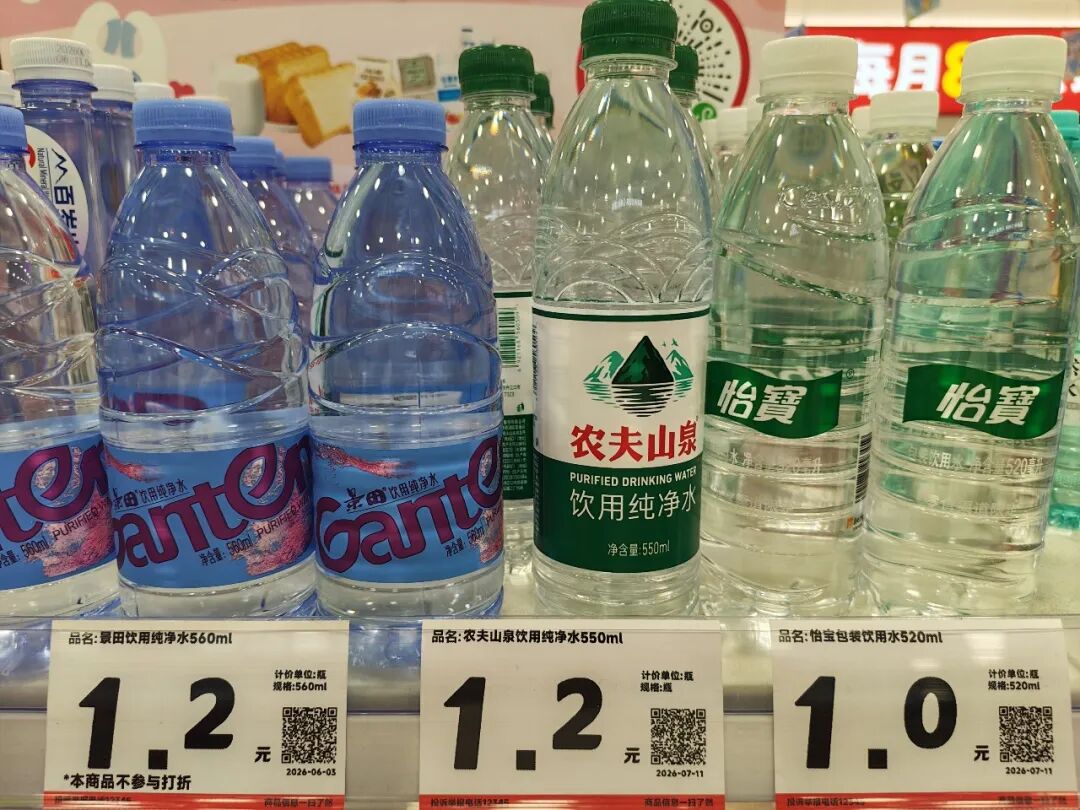
Summer is the peak sales season for bottled beverages. For the popular bottled water brand C'estbon, the standard 555ml version costs 1.2 yuan at Snack Busy, 1.5 yuan at chain supermarkets like RT-Mart, and 2 yuan at convenience stores like Meiyijia. Haoxianglai primarily sells a simplified 520ml packaging variant priced at 1 yuan per bottle, with an even lower per-gram cost.
The 468ml version of Master Kong Iced Tea is priced between 2 yuan and 2.2 yuan at both Haoxianglai and Snack Busy. The 500ml version of the same product typically sells for 3 yuan to 4 yuan in chain supermarkets and convenience stores, though we did find a discount store within a 5-kilometer radius selling it for 2.5 yuan. Even at that price point, the per-gram calculation still favors bulk snack stores — but would you really drive 5 kilometers just for that bottle of tea?
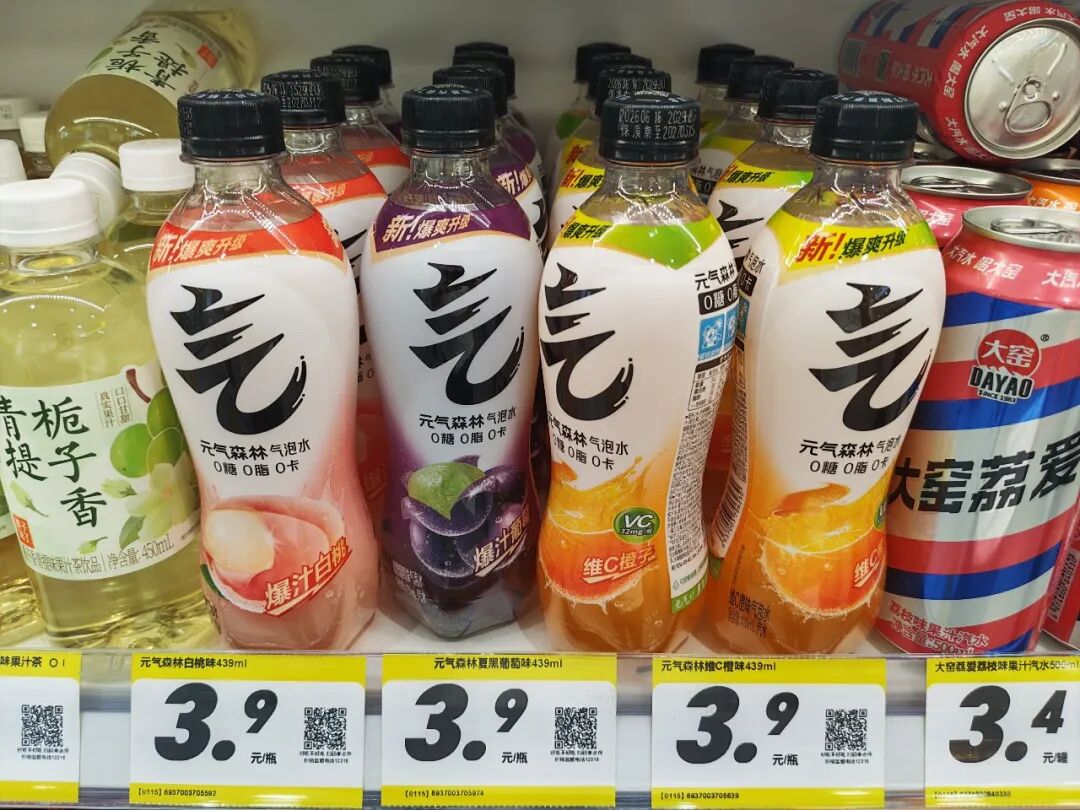
The 439ml multi-flavor sparkling water from Genki Forest is priced at 3.9 yuan at both Haoxianglai and Snack Busy. Supermarkets and convenience stores predominantly sell the 480ml version at 4.5 to 5 yuan, resulting in a per-gram price that is 5% to 14% higher than that of bulk snack stores.
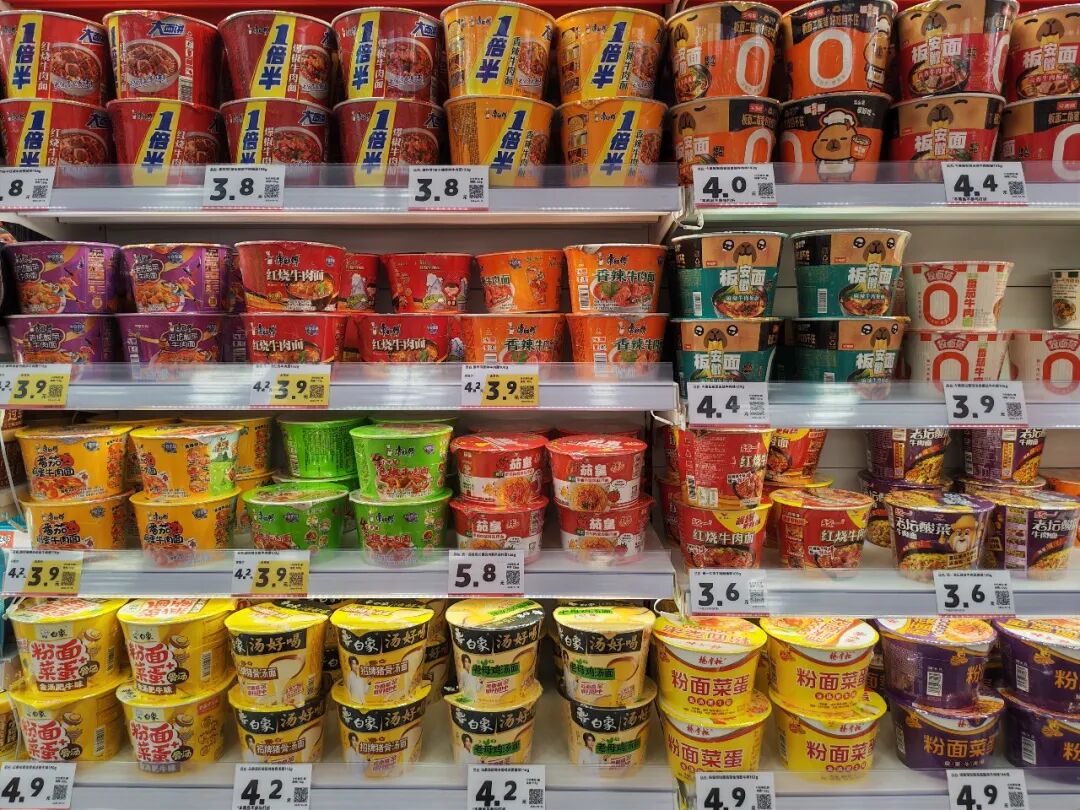
The 120g cup of Uni-President pickled cabbage instant noodles sells for 3.6 yuan at Haoxianglai and Snack Busy, while the exact same product costs 4 yuan at Yonghui Superstores and 5.3 yuan at Lawson convenience stores.
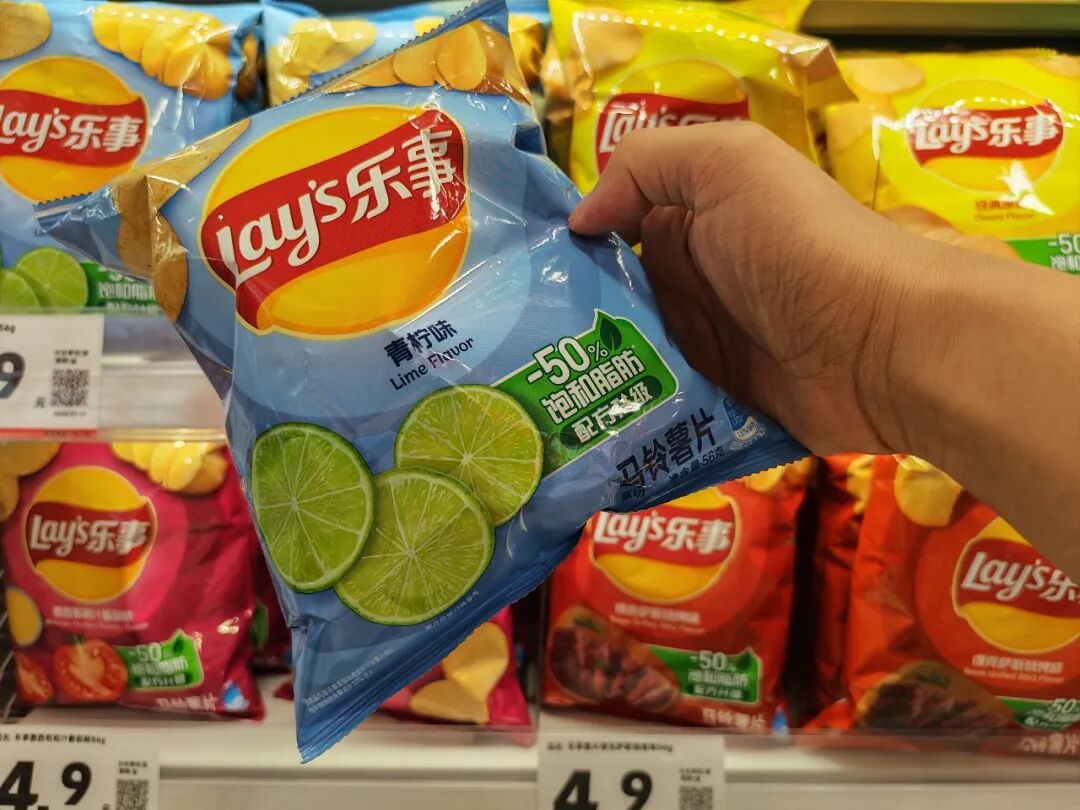
For the popular Lay's bagged potato chips, Haoxianglai and Snack Busy mainly stock two specifications: 35g priced at 2.8 yuan, and 56g priced at 4.9 yuan, resulting in per-gram prices of 0.08 yuan/g and 0.088 yuan/g respectively. Comparisons show that supermarkets and convenience stores carry various specifications including 35g, 40g, 56g, and 70g, with per-gram prices ranging from 0.089 yuan to 0.145 yuan.
After compiling data on more than 50 best-selling products across the market and comparing their unit prices and per-gram costs, we found that bulk snack stores comprehensively outperform chain supermarkets and convenience stores in terms of price advantage. Some e-commerce platforms offer bulk case purchases that deliver certain price benefits when converted to per-unit or per-gram costs, but these options lack the convenience of physical stores.
In reality, pursuing the absolute lowest price for every single product is neither meaningful nor achievable. The core reason bulk snack stores continue to attract consumers is that their overall price level is sufficiently low and remains stable over time.
When we interviewed several consumers, their general sentiment was that they enjoy visiting bulk snack stores because the outlets are numerous, conveniently located for easy access, offer low prices, and carry a relatively complete range of products.
A beverage industry professional told us that direct comparison based solely on per-gram price holds little practical value. For a bottled beverage, the vast majority of costs lie in packaging, warehousing, logistics, and distribution — slight variations in the liquid content itself have minimal impact on manufacturers' production expenses.
If that's the case, why does the FMCG market have such a wide variety of product specifications and price points?
Brand owners differentiate products through specifications
The practice of customizing different product specifications and pricing for different distribution channels first emerged in the livestream e-commerce sector.
In those early days, influencer livestreaming was an overwhelmingly dominant sales channel. Top influencers, seeking to maintain price advantages and demonstrate appreciation for their followers, demanded that partner brands provide the lowest possible market prices.
This pricing model inevitably faced resistance from brands' traditional distribution channels. To balance the interests of all parties, brand owners introduced a system where different channels carried products with different net weights and corresponding different price points.
The core value of this strategy does not lie in per-gram price comparisons, but in signaling to the entire market that "these are not identical products." Meanwhile, the primary driving force behind brands' vigorous promotion of this system is to prevent the long-standing problem of cross-channel product diversion.
The current discrepancies in product specifications and pricing for food and beverages across traditional channels, bulk snack stores, and e-commerce platforms are essentially identical in nature to the dynamics that existed in the early livestream e-commerce market.
After several years of development, bulk snack stores have evolved into a high-impact distribution channel with exceptional sales capabilities. Listed companies such as Yanjin Shop, Jinzai Food, and Liuliumei have all achieved performance growth by embracing the bulk snack channel.
"High cost-effectiveness, low gross margins, and high inventory turnover" are the defining characteristics of the bulk snack channel. Brands seeking entry into this market must offer sufficiently compelling price advantages, otherwise consumers will simply not accept their products.
However, the traditional distribution channels for these FMCG brands — including chain supermarkets, convenience stores, and traditional distributors — have struggled to accept the "dimensionality reduction attack" launched by bulk snack stores.
To protect their foundational traditional channel business while simultaneously pursuing growth through new outlets like bulk snack stores, FMCG brands attempting to balance the interests of all parties and cater to every distribution channel have been forced to launch products with different specifications and price points tailored for each channel. As our earlier price comparisons across channels demonstrate, bulk snack stores still maintain highly competitive pricing — a low price that you can actually access is the only genuinely low price.
A channel manager at an instant food company told us that brands would prefer not to operate this way, as changing product specifications increases production costs. Furthermore, a channel's ability to drive sales has little correlation with product specifications.
Bulk snack stores do not profit through "tricks"
In recent years, returning to my hometown during holidays, I have witnessed the remarkable transformation of township landscapes. The most notable change is that even small towns now have their own version of a CBD. A Haoxianglai store, several milk tea shops, and a cluster of red storefront signs concentrated at a single intersection draw the vast majority of local foot traffic.
A friend from my hometown told me that in the past, there were no proper supermarkets, and general stores were filled with counterfeit brand products. Now, with the arrival of bulk snack stores, the shelves are stocked with reputable branded goods at low prices — the stores are extremely popular among young people, who often have to wait in long checkout lines.
The phenomenal success of bulk snack stores fundamentally stems from their highly accessible, consumer-friendly price points. For high-consumption categories like snacks and beverages, regular prices at bulk snack stores are typically 20% to 30% lower than those in traditional supermarket channels — a difference that delivers powerful appeal to consumers.
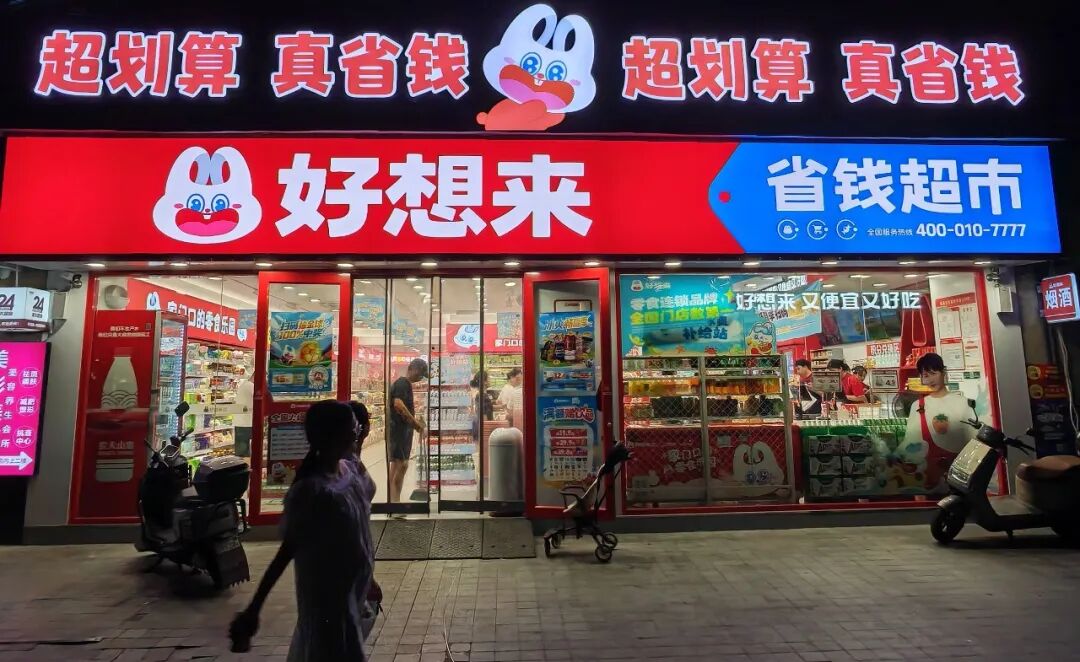
Many people wonder how bulk snack stores manage to deliver both high quality and low prices, and how these businesses remain profitable. The answer is surprisingly simple — they eliminate middlemen markup.
The traditional FMCG market historically operated under a multi-layered structure: provincial general distributors → municipal/county-level distributors → retailers → consumers. Every layer added its own markup, making products expensive by the time they reached end users. In contrast to this traditional model, bulk snack brands source products directly from brand owners, cutting out multiple intermediate links to create a direct supply line from manufacturers to retail outlets.
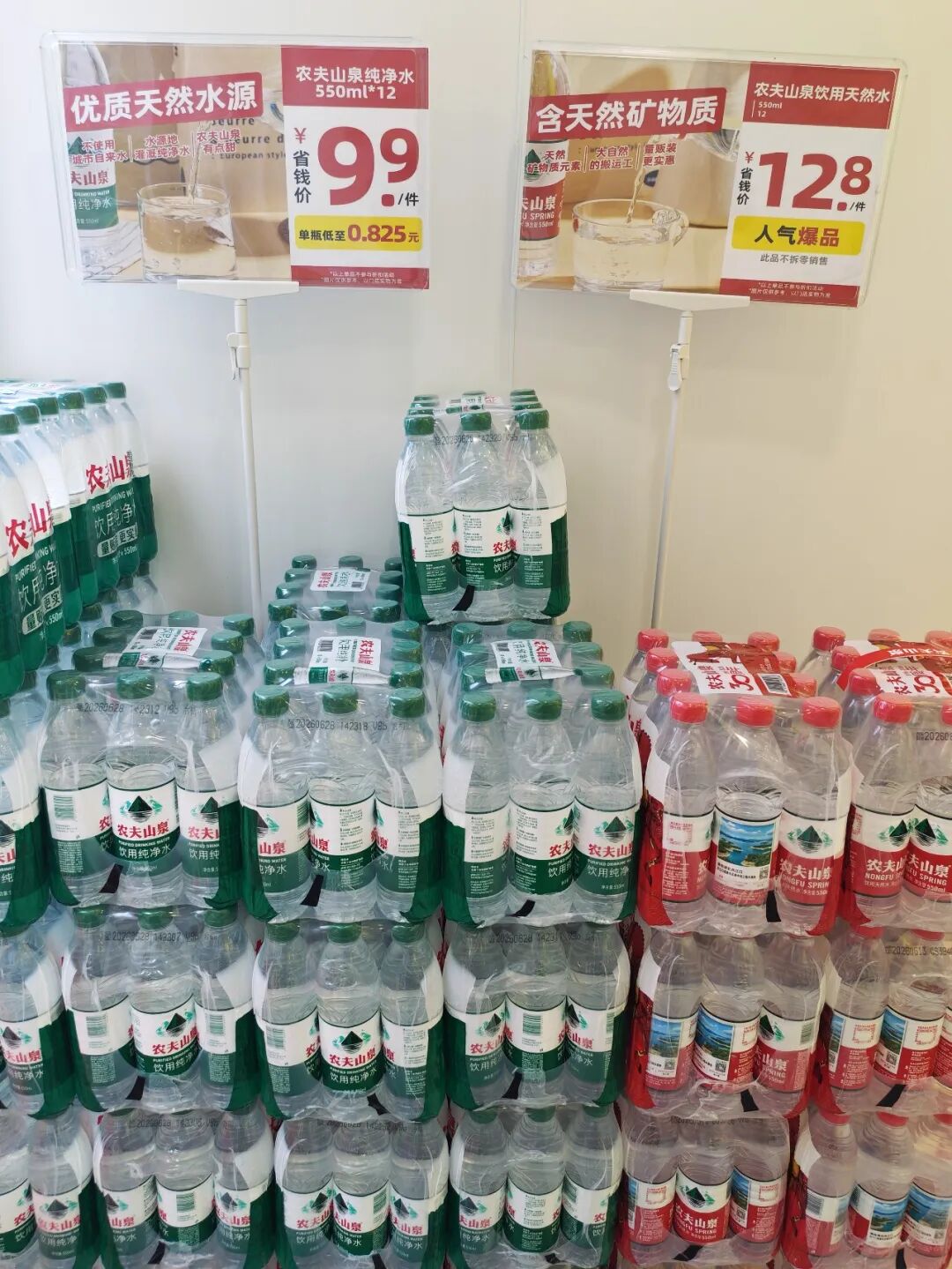
Take bottled water, the highest-selling beverage category in summer, as an example. The iconic 550ml red-bottle Nongfu Spring, a superstar product in China's FMCG market, had an ex-factory price of around 0.6 yuan per bottle a few years ago. Due to recent cost increases driven by rising PET plastic prices, that figure has climbed to approximately 0.7 yuan.
In traditional distribution channels, after passing through several tiers of distributors, the cost for final retailers to purchase stock is around 20 yuan for a 24-bottle case (with minor variations depending on timing and order volume). To remain profitable, most retail outlets sell the water for 2 yuan per bottle, with a few discounting it to 1.5 yuan.
At bulk snack stores, operators prioritize rapid inventory turnover by displaying bottled water prominently at store entrances and selling it in packs priced at 12.8 yuan for 12 bottles. Even after accounting for warehousing, logistics, and other operational costs, the business remains profitable as long as sales volume is sufficiently high and inventory turnover remains fast.
The simple concept of eliminating middlemen markup forms the foundation of an extremely valuable business model. The two systems operate on fundamentally different commercial logic: while traditional channels focus on earning 1 yuan from a single customer, bulk snack stores aim to earn 0.1 yuan from each of 10 customers through more competitive pricing. One model prioritizes high gross margins built on layers of distributors, while the other prioritizes rapid inventory turnover.
Chain supermarkets carry overly broad product assortments and face high store operating costs, leading them to underprioritize food and beverage categories. E-commerce platforms face limitations in their order fulfillment capabilities, and the FMCG industry historically lacked direct channels to reach end consumers. Today, bulk snack stores — with their extensive outlet networks, wide geographic coverage, and highly specialized product focus — have successfully achieved this vertical integration capability.
The frequent criticism directed at bulk snack stores ostensibly revolves around pricing and product specifications, but in reality, it represents a battle for distribution channel dominance. They are not the first retailers to offer channel-exclusive customized products — e-commerce platforms and membership supermarkets have implemented similar strategies for years. However, bulk snack stores have expanded at an unprecedented pace, too quickly to leave a buffer period for the old distribution system. In just a few years, they have grown from regional operations to a network of 10,000 stores, expanding from lower-tier markets into first-tier cities — making them the first to be placed under intense public scrutiny.
In essence, bulk snack retailing is a business model built on small profits but high sales volumes, relying on economies of scale and service excellence to generate returns. Once leading bulk snack brands establish advantages in store networks, supply chains, and user scale, maintaining a balanced focus on product quality, pricing, and customer service will be the key to preserving their core competitiveness. There is simply no reason for them to resort to low-level tricks involving product specifications.
This article originates from the WeChat Official Account "Zebra Consumption" (ID: banmaxiaofei), authored by Xu Ji, and published on 36Kr with authorized permission.