The hidden business in the venture capital rush to Hong Kong: Everyone gets a flight ticket, but admission tickets are extremely rare
In the co-working space of Central's Landmark, desk rentals have jumped 30% this year, with bookings backed up for two weeks. The front desk staff cannot specify what most clients do, only noting that the majority speak Mandarin, carry fund presentations, and talk endlessly about tech innovation funds, Type 9 asset management licenses, and government matching capital.
This is a snapshot of Hong Kong's venture capital scene in 2026.
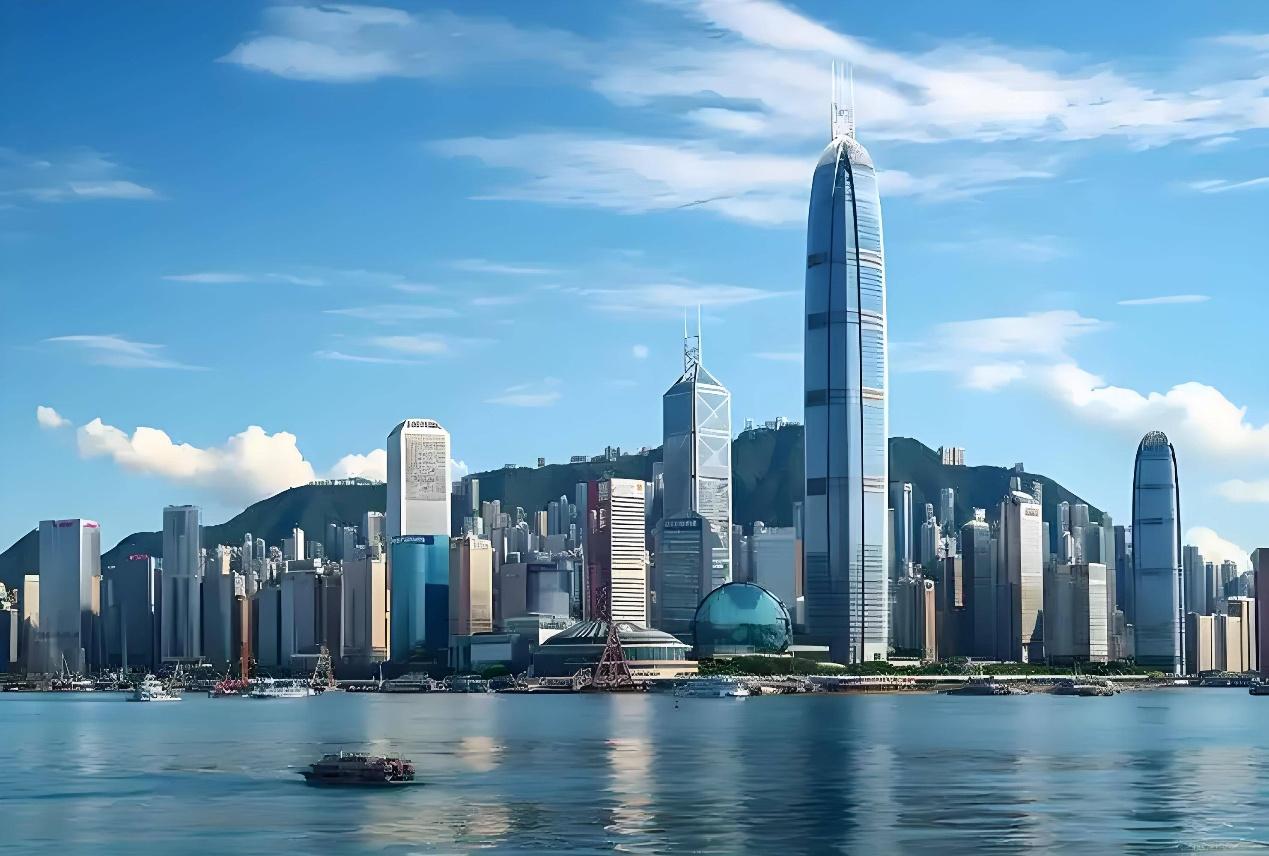
Over the past six months, mainland investment peers have been a common sight on flights to Hong Kong, with forums and roadshows running back-to-back, matching the buzz Singapore saw in 2022.
Yet beneath the crowds, this boom differs fundamentally from Singapore's frenzy three years ago. Among the GPs flooding into Hong Kong, only a few are targeting overseas LP fundraising, while most are chasing eligibility for the Hong Kong government's multi-billion-dollar innovation guide fund. Everyone can afford a plane ticket, but fewer than 10% of applicants will actually secure a spot at the table.
Once the Hong Kong government opens its purse strings, the "nominee hosting" business is the first to boom
In April 2026, the first batch of approvals under the Tech Innovation Venture Capital Fund Optimization Program was announced: 9 institutions out of 65 applicants secured access to the government's 1:3 capital matching scheme. Each individual fund receives HKD 150 million to 250 million in public funding, which can leverage total capitalization of HKD 800 million to 1 billion after attracting private capital — an undeniably appealing proposition for RMB funds struggling with fundraising headwinds.
The rules are clear: selected GPs must be registered in Hong Kong and hold, or be in the process of applying for, the SFC's Type 9 Asset Management License.
These two requirements block the vast majority of mainland firms. Many small and mid-sized GPs are unwilling to spend six months applying for a license, nor can they absorb the operating costs of a local Hong Kong team. As a result, partnering with a licensed local institution through nominee arrangements has become the industry's unspoken shortcut.
Hong Kong's "office manager" service providers have consequently been overwhelmed by demand.
Most of these firms evolved from long-established local Hong Kong asset management teams, offering one-stop services including registered address hosting, license access, compliance operations, and local liaison — typically charging 20-30% of the fund's management fee, with some claiming a small cut of performance carry. Nominally, the licensed entity acts as the fund manager, but actual investment decisions and deal sourcing remain under mainland team control, with rights and obligations defined via private side agreements.
This model operates on the edge of regulation: the Hong Kong SFC does not recognize "shell licenses" and requires licensed firms to demonstrate substantive participation in investment management, with a full in-house investment research and compliance team.
Since 2026, regulatory scrutiny over address shell arrangements and empty licensed entities has intensified sharply. Fines for false registered addresses can reach HKD 5,000, with serious violations risking license revocation.
Even so, the queue of mainland GPs seeking nominee hosting continues to grow. For many, securing application eligibility to claim a spot is far more urgent than dotting every compliance i.
Spending capital correctly is harder than fundraising, with return-to-investment rules stricter than mainland standards
Many GPs assume that securing government matching capital means they have cleared the final hurdle — but the real challenges lie ahead. The fund's return-to-investment rules are multi-layered, with implementation standards stricter than most mainland government guidance funds.
First, 100% of capital must be deployed into enterprises tied to Hong Kong's tech innovation ecosystem.
Second, no less than 50% of funds must go to Hong Kong-based entities, or non-local firms that maintain a formal tech innovation presence in Hong Kong.
Third, after receiving funding, portfolio companies must spend no less than half of their investment proceeds locally in Hong Kong — covering hiring, R&D, and procuring local services.
These three stacked requirements effectively tie capital deeply to industrial development.
The Hong Kong government is not just chasing financial returns; its priorities are project landing, talent inflow, and commercialization of research achievements. Review evaluations do not focus on AUM, but on a firm's hard tech investment track record and its ability to bring mainland industrial resources to the territory.
In practice, many firms respond by wrapping mainland projects in a Hong Kong "shell": relocating their R&D center or intellectual property holding entity to Hong Kong, hiring a handful of local staff, and renting a small office to check the box of local operations. These maneuvers are technically compliant, but fall far short of genuine industrial embedding.
Hong Kong's universities boast strong research capabilities, yet industrialization conversion has long been a weak point. Simply shifting registered addresses will not close that gap.
More critically, the assessment logic is fundamentally different. Mainland guidance funds often balance DPI and exit timelines, but Hong Kong's scheme prioritizes industrial metrics: how many firms set up local bases, how many R&D jobs are created, how many university research partnerships are established — these are the core KPIs. GPs must adapt not just to cross-border compliance, but to a full shift in identity from financial investor to industrial service provider.
Foreign capital has not flooded back; most new liquidity is mainland capital circulating offshore
A popular narrative claims global capital has rediscovered confidence in China and is flooding back into Hong Kong.
This is only half true.
Traditional overseas LPs such as Canadian pension funds and Middle Eastern family offices never actually left Hong Kong — but their allocation logic for China-facing assets has not fundamentally changed. The only firms they are willing to back are long-established top-tier institutions, leaving small and mid-sized GPs locked out of their capital pools.
The actual incremental capital driving this boom comes from the mainland itself: cross-border guidance funds from local governments, industrial capital's offshore platforms, and liquidity unlocked by the new Capital Investment Entrant Scheme, which together support the primary market's liquidity.
Looking at the investment immigration channel alone, nearly 3,200 applications have been approved since the new policy launched, driving over HKD 95 billion in capital inflow. Among this, the mandatory tech innovation investment portfolio has exceeded HKD 3 billion, targeted at AI, biotech, and advanced materials sectors, and delegated to external GPs for management by the Hong Kong Investment Corporation.
This capital represents guaranteed policy-driven funding, and is the target many GPs are chasing.
The same pattern holds for Hong Kong's family office ecosystem. Surveys show over 90% of family offices have set up a presence in the city, but their core allocations remain concentrated in stocks, bonds, and public funds — the share of capital flowing into primary market tech projects remains very low. For many family offices, their tech innovation allocation is fundamentally a compliance requirement to meet investment immigration rules, rather than a proactive asset allocation decision.
From this perspective, Hong Kong and Singapore have taken two distinct paths.
Singapore serves Southeast Asian projects and global offshore capital, while Hong Kong acts as a bridge connecting mainland hard tech and Chinese cross-border capital. The two are not in a zero-sum competition; each has solidified its own core market. Few firms that previously relocated to Singapore have closed their offices there; most have added a Hong Kong location to operate a dual-headquarters model, with separate teams managing capital and deals on each side.
Can the 18C Chapter market deliver on exit expectations?
The primary market's momentum can only be sustained if exit channels remain open. Hong Kong's IPO performance in the first half of 2026 has injected confidence into the venture capital community.
The Chapter 18C Specialized Technology Board welcomed 13 new listings in the first half, raising nearly HKD 300 billion in aggregate — more than the total number of listings in the prior three years. AI large model, semiconductor, and robotics firms dominated the new listings, with deals like Biren Technology, MiniMax, and Zhipu AI ranking among the top ten fundraisers. Hard tech enterprises accounted for over 60% of total IPO proceeds, perfectly aligning with the guidance fund's investment focus.
This fundraising-to-listing pipeline appears to be fully operational, yet hidden risks persist. Chapter 18C listed companies generally suffer from weak liquidity, with some recording average daily turnover under HKD 10 million, leaving them under constant pressure of valuation inversion. Most primary market investments made today will not reach their exit window for 3-5 years, and it remains uncertain whether the market will have enough capacity to absorb so many hard tech enterprises by then.
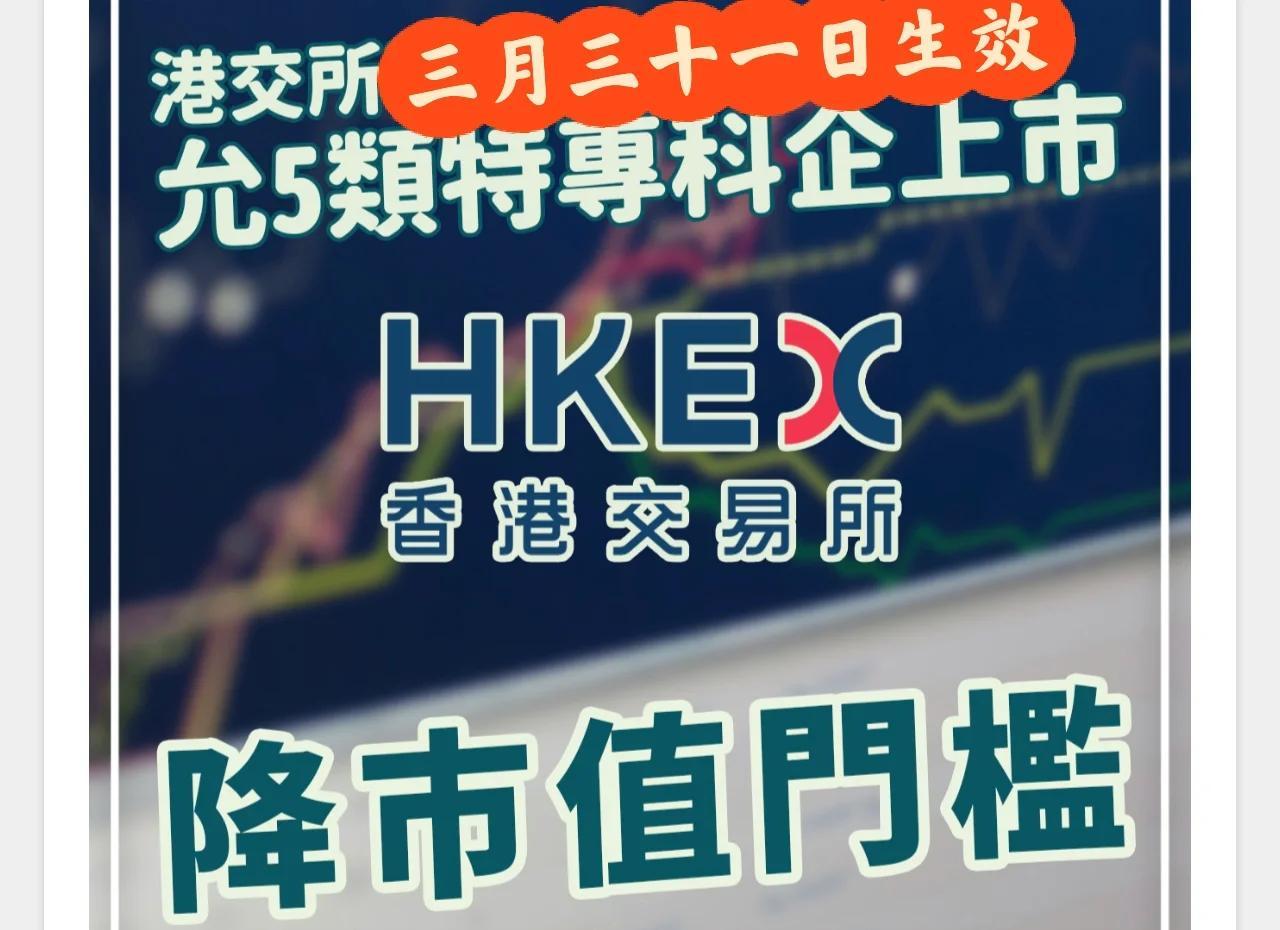
The deeper issue lies in deal sourcing.
The vast majority of Specialized Technology firms listing in Hong Kong are mainland-originated. Homegrown Hong Kong hard tech unicorns remain extremely scarce. Hong Kong functions primarily as a capital corridor and listing hub, not a cradle for original breakthrough projects. Without a maturing local industrial ecosystem, relying solely on imported deals cannot sustain long-term momentum.
Ultimately, this venture capital boom in Hong Kong is essentially the extension of mainland tech innovation industry into cross-border capital markets. The government provides funding and policy support, mainland GPs bring projects and resources, and the capital markets open exit channels — this three-way collaboration has positioned Hong Kong as a hard tech cross-border hub.
Yet beneath the fanfare, asset bubbles are forming.
Gray-area nominee licensing practices, paper-only arrangements to meet return-to-investment requirements, and trend-chasing deployments that ride on policy coattails are eroding the industry's long-term value. For Hong Kong to truly become a global tech innovation center, it cannot rely solely on government capital as bait — it must cultivate a self-sustaining, organic local industrial ecosystem.
Right now everyone is buying a ticket to Hong Kong, but when the tide recedes, we will see who is truly building long-term business, and who only came to catch a fleeting policy wave.