EV owners whose vehicle insurance has lapsed are collectively going through a harrowing ordeal.
"Electric cars are cheaper to run than gas cars — it costs just a few cents per kilometer!"
A few years ago, this exact slogan drew countless Chinese car owners into the embrace of electric vehicles.
Back then, a salesperson’s line — "Charge your car at home at night, it’s even cheaper than taking the subway" — made many people feel they weren’t just buying an electric car, but a financial product that "earns you more the longer you drive it."
But now, these "first movers" are hitting a harsh "battery cutoff line."

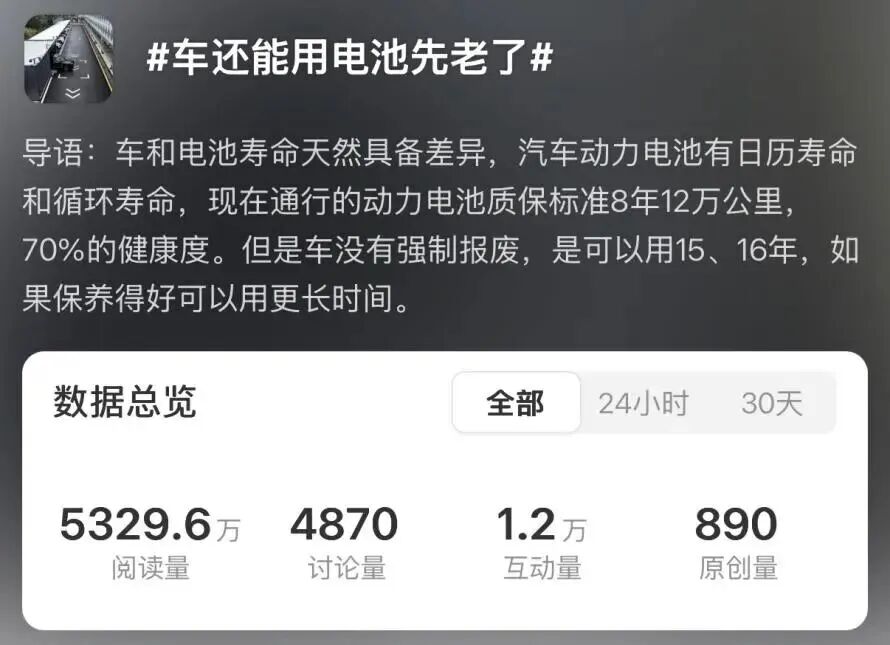
Since 2016, government regulations have required automakers to provide a minimum 8-year or 120,000-kilometer warranty for core components including batteries, motors, and electronic control systems. That means by 2026, the vast majority of the first batch of new energy vehicles covered by these warranties will have gradually passed their "newbie protection period."
According to a report by *China Consumer News*, 320,000 new energy vehicles will go out of warranty in 2025, the figure will reach 980,000 by 2028, and rise to 7.2 million by 2032. Over the next 8 years, the total number of new energy vehicles with expired power battery warranties will approach 20 million.

Once the warranty expires, the battery may charge slower, the range drops, no one wants to buy the used car, and replacing the battery costs an arm and a leg... The first batch of electric car owners’ dream that "electric cars are cheaper than gas cars" is being shattered by reality.
Is this an unavoidable growing pain in the advancement of electric vehicle technology, or a consumer myth that was overdrawn in advance?
The first batch of electric car owners hit the "8-year cutoff line"
Most early electric car buyers probably heard salespeople confidently assure them: "Your electric car battery has an 8-year warranty, drive with complete peace of mind."
That statement isn’t wrong on its own — but it only tells half the story, leaving out the critical follow-up: what happens to owners after those 8 years?
The so-called "lifetime warranty" doesn’t actually stay with you forever.
Countless preconditions are already written into the purchase contract: you must be the first registered owner, you must get scheduled maintenance exclusively at authorized 4S dealerships, annual mileage cannot exceed the limit, and you cannot perform unauthorized repairs...

None of these conditions seem overly strict when viewed in isolation.
But applied to an electric car that will be used for many years, they act like landmines that could go off at any moment. Violate even one clause, and the "lifetime warranty" can instantly turn into a "terminated warranty."
Surveys from platforms such as Autohome show that over 90% of 4S dealerships enforce warranty time limits extremely strictly — even being one day late for scheduled maintenance can trigger the warranty void process.
Public CCTV reports also note that many automakers’ lifetime warranties come with various hidden restrictions, and once the vehicle enters the used car market, subsequent owners can also face the risk of losing warranty coverage.
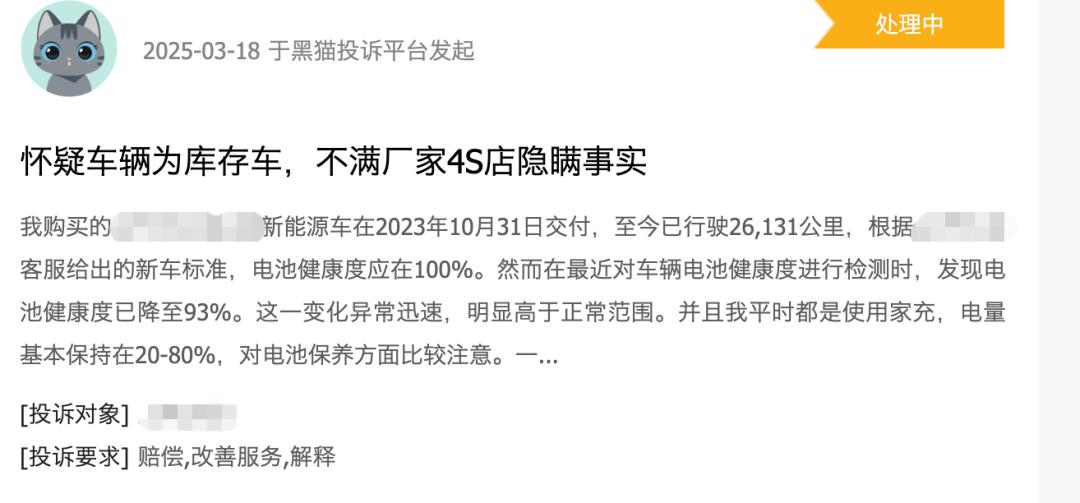
The moment the warranty expires, the battery risk is no longer covered by the automaker — it shifts entirely to the car owner.
Worse still, battery degradation does not happen overnight. It gradually erodes the owner’s driving experience step by step.
On social media, countless owners complain about the plummeting range of their aged electric cars.
When they first bought the car, a 400–500 km range was more than enough for daily commutes; a few years later, the range shrinks visibly. Where they once only needed to charge twice a week, now they have to hunt for charging stations every two or three days. Where they could spontaneously take long trips on a whim, now they have to calculate battery levels even for their daily commute.
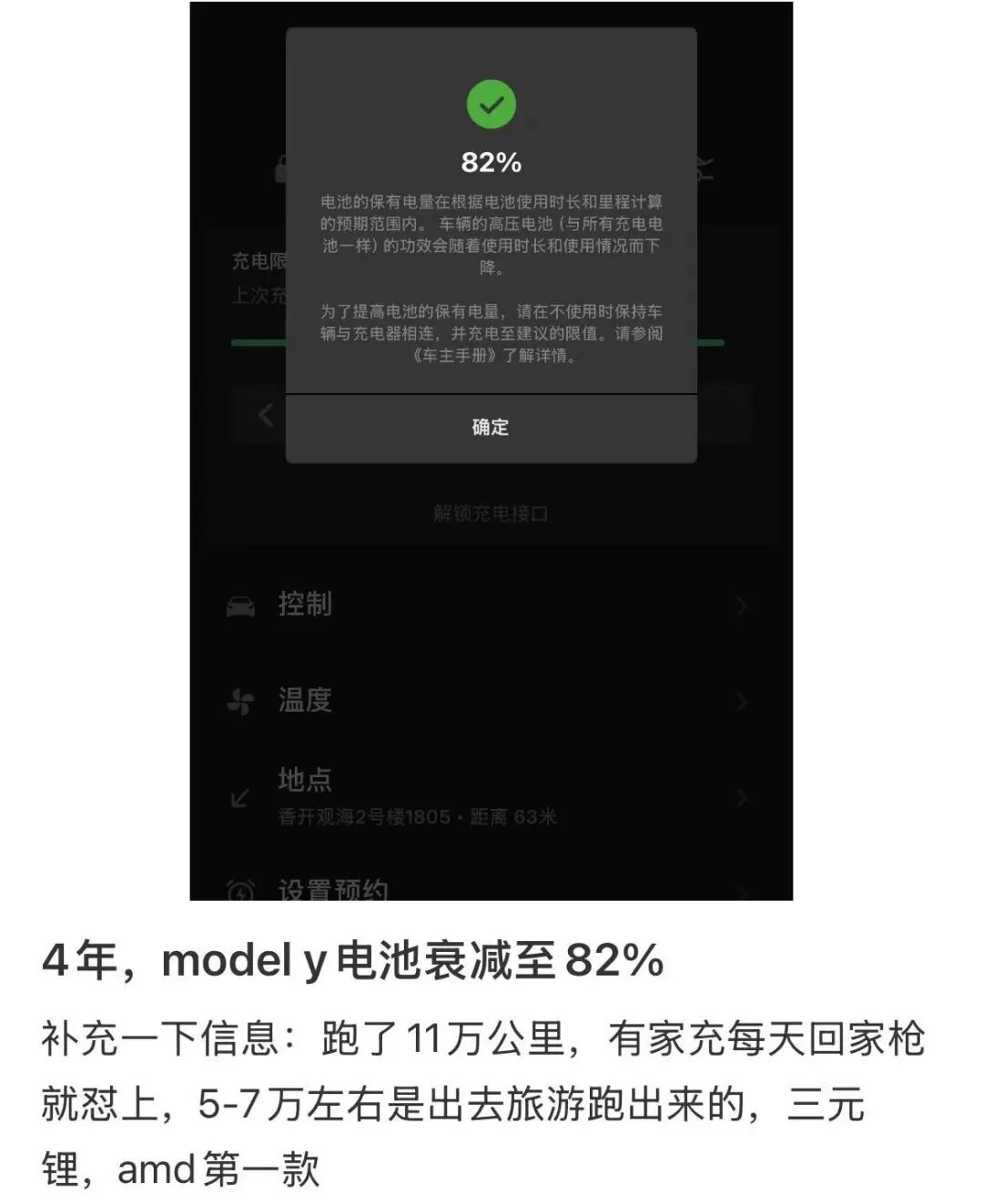
Yicai Global once reported that a WM Motor owner drove 730 km and had to charge 5 times along the way — sometimes needing a recharge after just 130 km of driving.
Even more heartbreaking than reduced range is the rapid depreciation of used electric cars.

For used car dealers, there is no way to accurately assess the battery health of old electric cars, predict future failures, or calculate repair costs. As a result, they can only offer extremely low purchase prices.
One used car dealer said he "wouldn’t even glance at" electric cars over six years old: "They have zero residual value — I wouldn’t take them even for free."
That’s when the most awkward moment arrives for the first batch of electric car owners: The car still runs, but its battery has aged prematurely.
Owners who tried to save money find their wallets drained by battery replacement costs
Nearly every electric car owner ran the numbers when buying their vehicle: gas cars cost 70–80 cents per kilometer, while electric cars cost only a few cents. Driving 20,000 km a year would save at least 10,000 yuan. At that rate, after 7–8 years of driving, the total savings would almost pay for half the car.
That math worked in earlier years, but it completely overlooked the single biggest expense: the massive repair risk once the battery warranty expires.

Some people think, if the warranty is over, just replace the battery. The problem is, cars are not smartphones — battery replacement costs far exceed most people’s expectations.
Not long ago, a photo went viral in automotive circles showing a bill of 226,000 yuan for a first-generation Mercedes-Benz electric car owner to replace their battery!
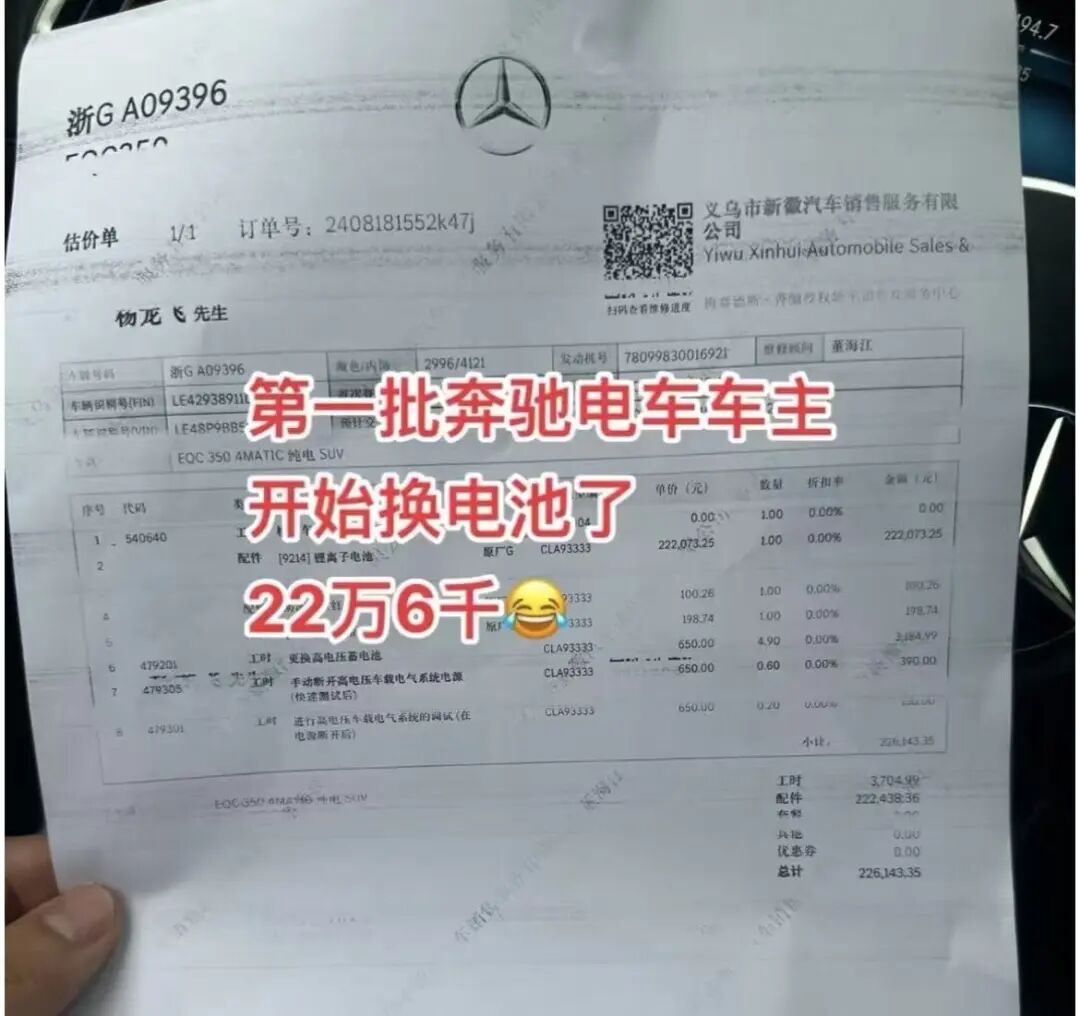
Another owner reported that after driving their new energy vehicle for 8.5 years, the range dropped from around 400 km to just 100 km — and replacing the battery would cost over 200,000 yuan.
According to incomplete statistics from Jin Cuodao Auto Review, most brands charge between 80,000 and 100,000 yuan for a battery replacement, with some brands charging nearly 200,000 yuan.
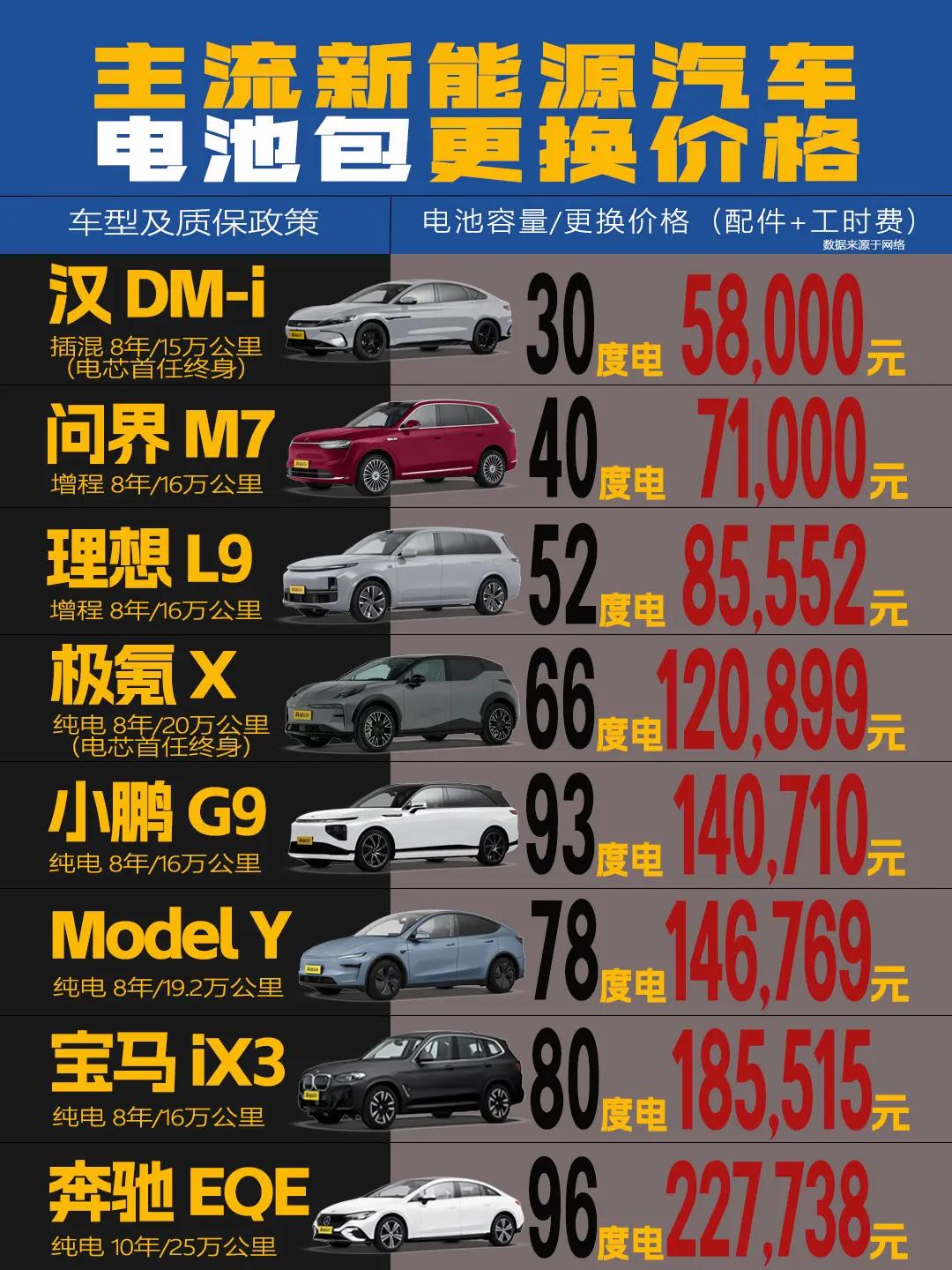
Data from China Insurance Automotive Safety Index also shows that replacing a 73.6 kWh battery pack costs about 118,000 yuan, while the total vehicle price was only around 250,000 yuan.
What does that mean? An 8-year-old electric car might only be worth a few tens of thousands of yuan on the used market; to keep it running properly, the battery replacement would cost more than the car itself.

Why is replacing a battery so expensive?
First, power batteries are not ordinary repair parts.
After a gas car’s warranty expires, owners can choose between 4S dealerships and third-party repair shops. They can get service wherever is cheaper and more reliable.
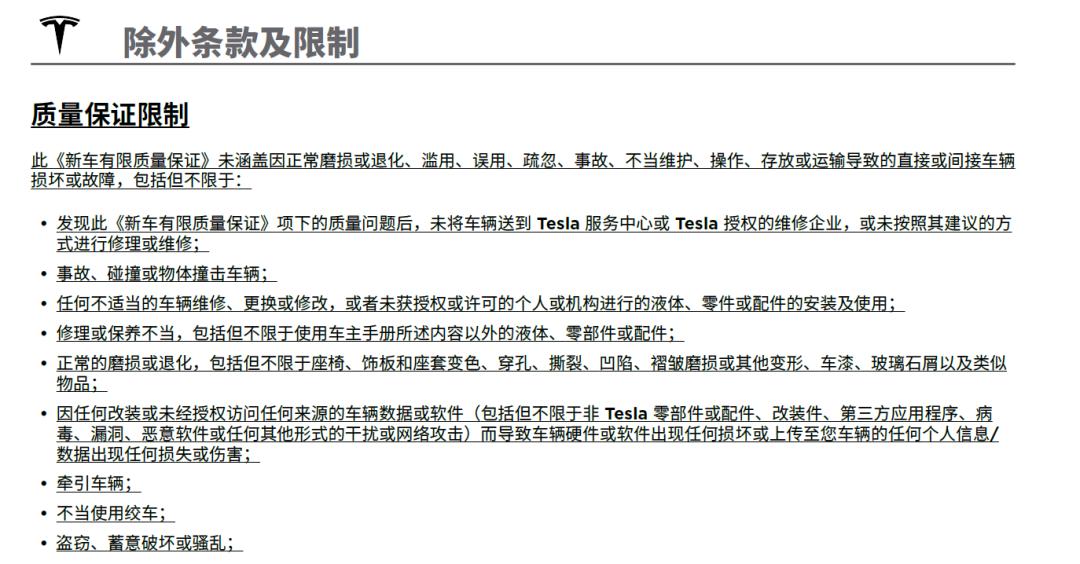
Electric cars are different. When it comes to the three core electric systems, especially the power battery, ordinary repair shops cannot legally work on them — they would risk being sued by the automaker. As a result, post-warranty repairs are almost entirely monopolized by automakers and their authorized service centers, leaving owners with no room to negotiate prices.
Second, even with proper use, natural battery degradation is completely unavoidable.
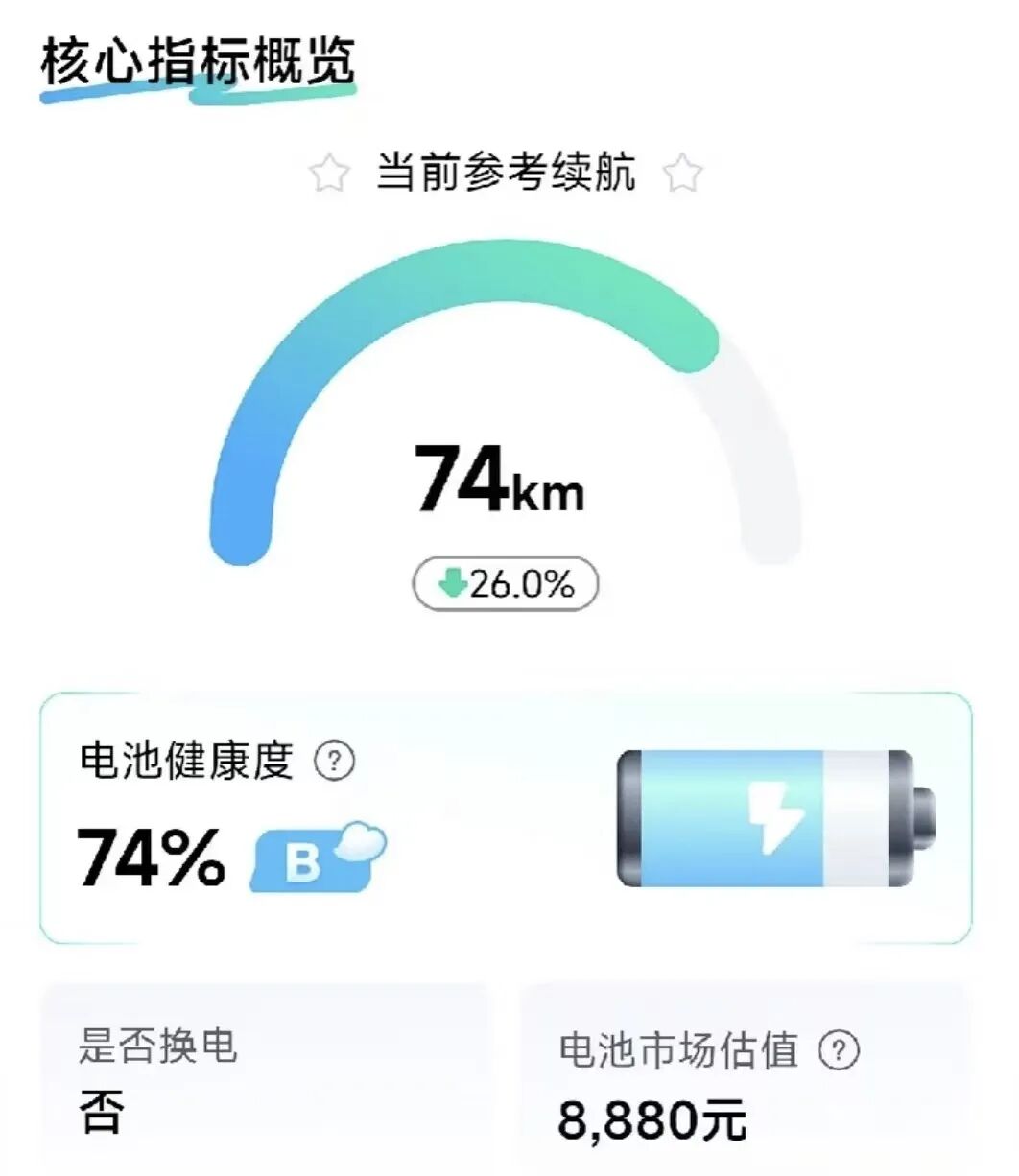
Experts from the China Automotive Engineering Research Institute once explained that lithium iron phosphate batteries have a cycle life of around 3,000 charges, while ternary lithium batteries last over 2,000 cycles.
But that "lifespan" does not mean the battery is completely dead — it means its capacity has dropped to around 80% of its original level.
Reports from the China Association of Automobile Manufacturers also show that as vehicle age increases, average battery health gradually declines: cars over 5 years old have an average health level of 83.75%, and vehicles with over 150,000 km on the odometer have an average State of Health (SOH) of only 80.96%.
Post-warranty electric car owners might save a few cents per kilometer compared to gas cars, but once a battery problem arises, the repair bill reaches five or six figures. All the money they saved over the years gets completely wiped out by this "battery surprise bill."
Vehicle-battery separation cannot cure battery anxiety
Facing the painful experiences of the first batch of electric car owners, the parties that truly deserve to be held accountable are the automakers themselves.
Over the past few years, automakers have excelled at promoting only the first half of the story, hyping the advantages of switching from gas to electric cars as if they were perfect and trouble-free.
But when the first batch of owners cross the warranty line, the real, unaddressed problems finally come to light: Who guarantees long-term battery health? Who regulates unreasonable repair prices? Will replacement batteries even be available for old electric cars in the future?
Vehicle-battery separation has been hailed as a new solution. For users who have access to a well-developed battery swapping network and are willing to pay long-term monthly rental fees, it does lower the initial purchase threshold and alleviates some of the anxiety about battery degradation.
But the problem is that vehicle-battery separation should never be advertised as "automakers have perfectly solved battery anxiety."
First, vehicle-battery separation merely reclassifies the battery from "owner’s asset" to "platform asset," turning a one-time purchase cost into recurring long-term rental payments.
Second, the problems owners face — battery degradation and high repair costs — do not disappear because of vehicle-battery separation. Instead, the division of responsibility for after-sales repairs becomes even more convoluted.
