Radio and television have finally eliminated set-top boxes, but now few people watch TV.
Let me start with a thought-provoking question: When was the last time you sat down properly to turn on your TV and watch a live program?
Looking back, I think the last time I turned on my TV was last month when a friend came over, and we cast a horror movie to the big screen. Normally, after getting home from work and collapsing on the couch, my hands automatically reach for my phone to scroll through short videos. The TV? It's nothing more than a fancy living room decoration — who actually watches TV every day (just kidding~)
It's really quite nostalgic to think about it. A dozen years ago, TVs never got this kind of cold shoulder.
Back in my childhood, the first thing I did after school was grab the remote control, and wait in front of the TV for *Big Pinwheel*, *Cartoon City* and *Animation World* on CCTV Children's Channel. I followed *Approaching Science* and *Exploring Discovery* on CCTV 10, and I knew every prime-time TV drama on CCTV 8 by heart.

Back then, the TV was the absolute center of the home. The whole family would gather after dinner to watch TV series, which was a daily unshakable routine.
Speaking of that era, there was a dedicated accessory for watching TV — the set-top box.
If you're around my age, you definitely remember this device well. Back then, you had to use two remote controls to watch TV: turn on the set-top box first, then the TV. If the picture froze, a couple of taps on the box would fix it. Paying for cable TV service and unplugging the smart card were common operations in every household back then.
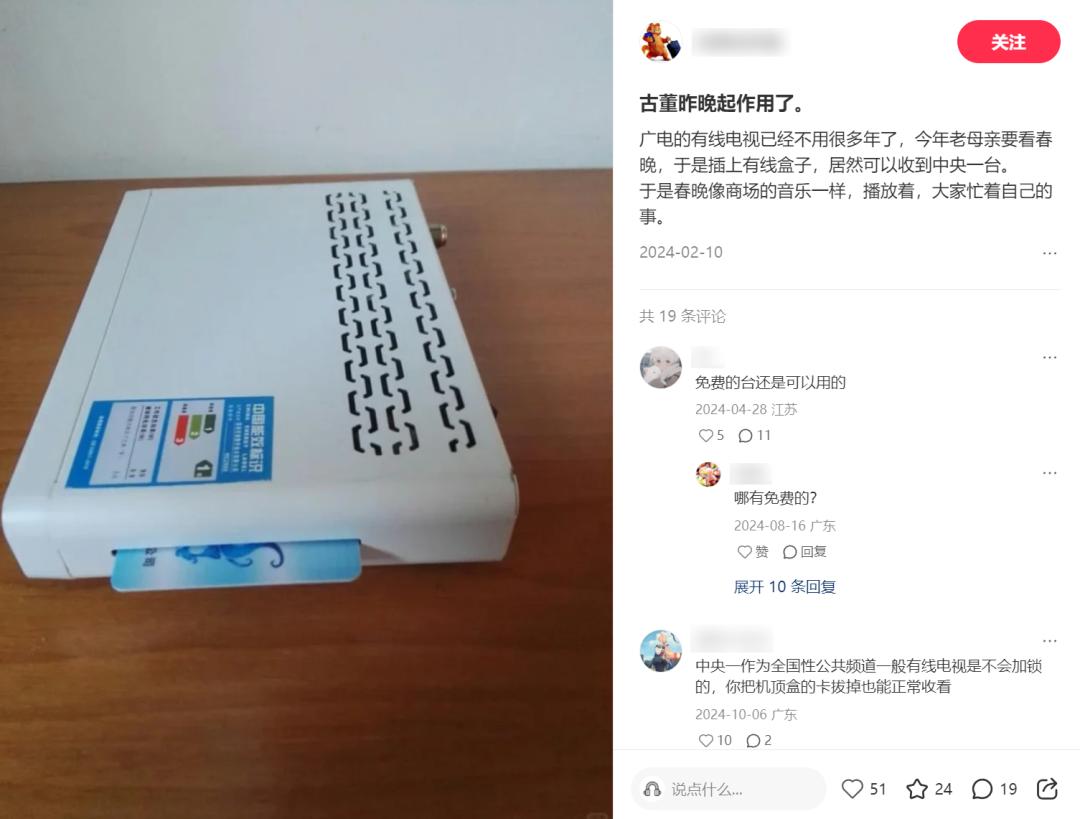
But just recently, China's National Radio and Television Administration (NRTA) announced a major initiative: to promote "integrated TVs" nationwide, with one single goal — to completely phase out set-top boxes.
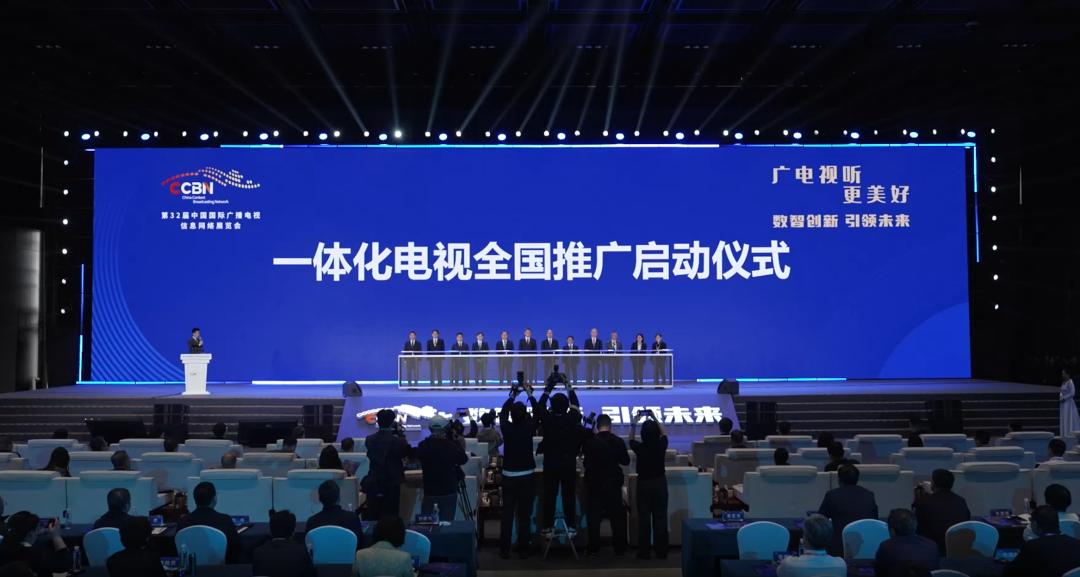
I know some of you might say, "Wait, set-top boxes have already been phased out ages ago, why are they bringing this up now?"
That statement is partially true. If we're talking about physical set-top boxes, many households have already put them aside for a long time. Especially after smart TVs became popular, people can simply cast content from their phones or install apps to watch shows. Over the years, set-top boxes have become increasingly irrelevant.
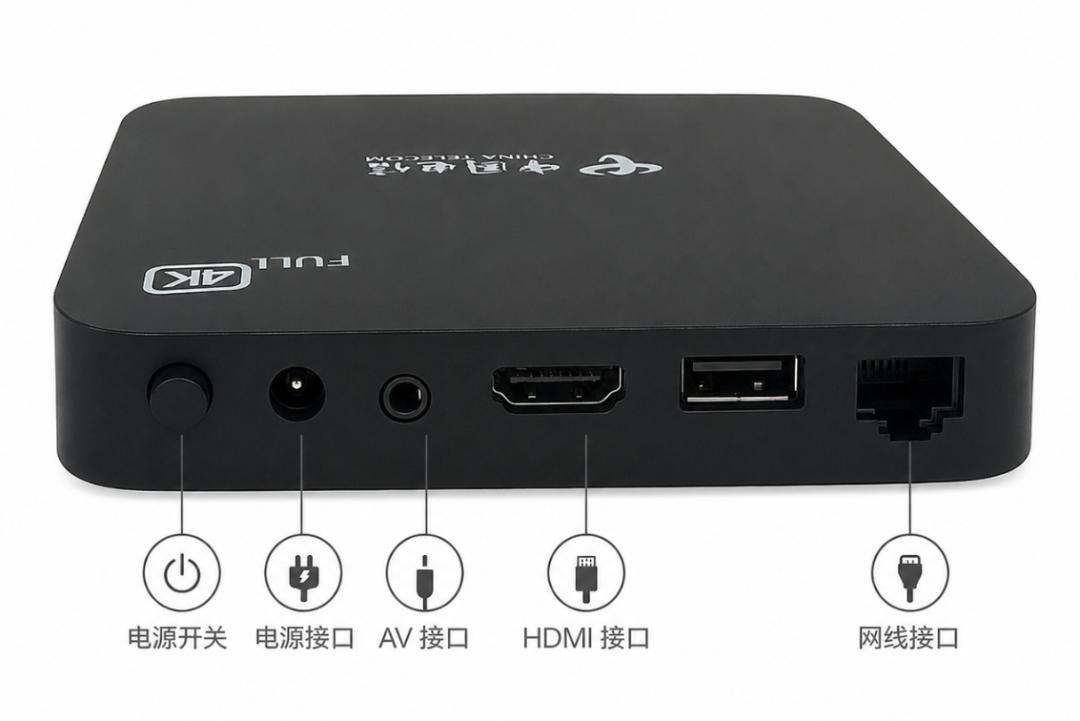
What's more, even if you want to watch proper live TV channels, a set-top box is no longer a necessity.
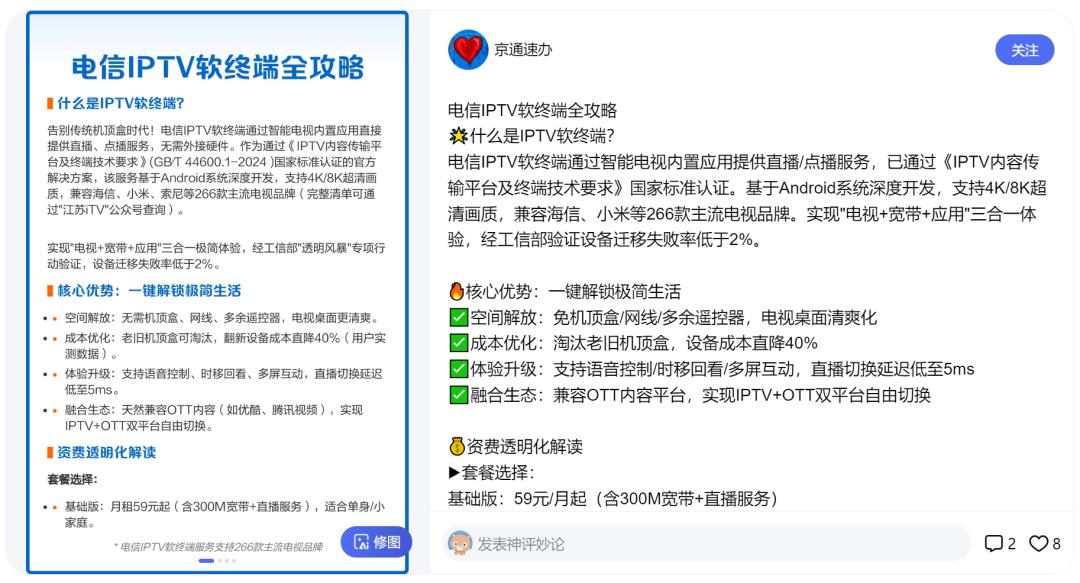
Now, the government mandates all TVs to have built-in DTMB terrestrial digital TV, so you can watch TV stations for free just by plugging in an antenna. All-in-one TVs with CAM slots can directly decode cable signals by inserting a conditional access card. Operators are also promoting IPTV soft terminals, where you can watch private-network live streams just by installing an app.
At the very least, you can install licensed apps like Yangshipin or Migu Video to watch live broadcasts of major satellite TV channels. However, these apps use the public internet, which isn't as stable as dedicated private networks. During peak hours, buffering, lag, and reduced picture quality are common issues.
But here's the problem —
Even though there are so many solutions, none of them are truly user-friendly. You either have to mess around with antennas and slots, or put up with unstable public internet speeds. Some apps won't even let you watch 4K content without a premium subscription. For elderly family members who just want to watch live TV simply, the threshold is still too high.
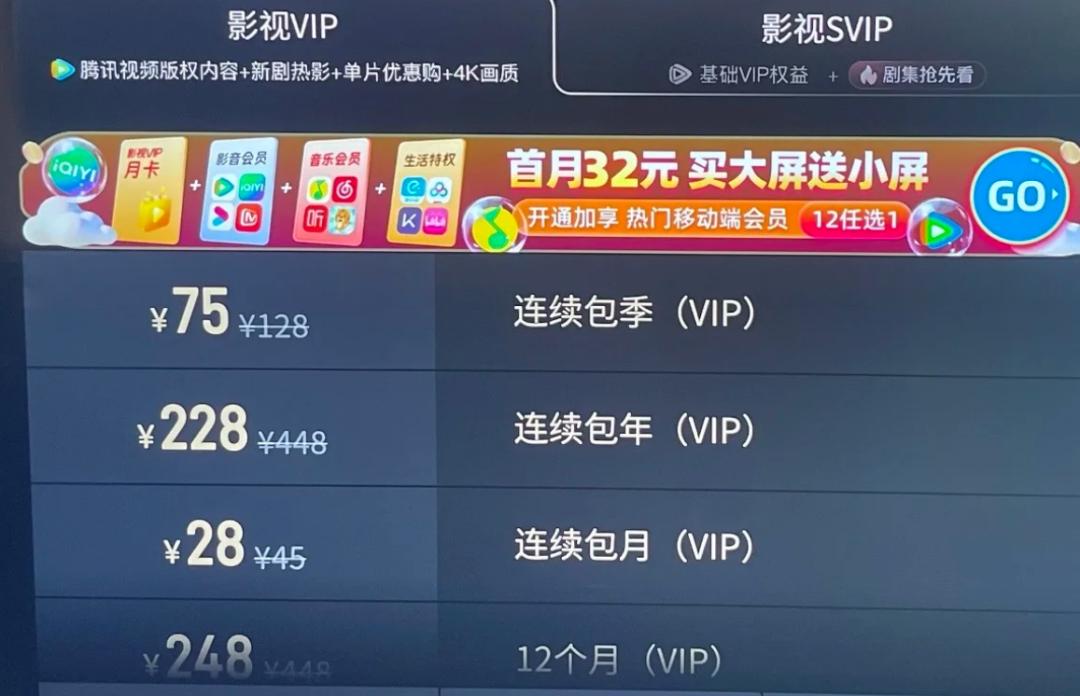
What the NRTA is doing with integrated TVs is essentially simplifying all this — functions that used to be handled by set-top boxes, like live stream decoding, authorization, and replay, are all built directly into the TV's factory system. With unified standards, you get full-screen live TV as soon as you turn on the TV, and one single remote control handles everything.
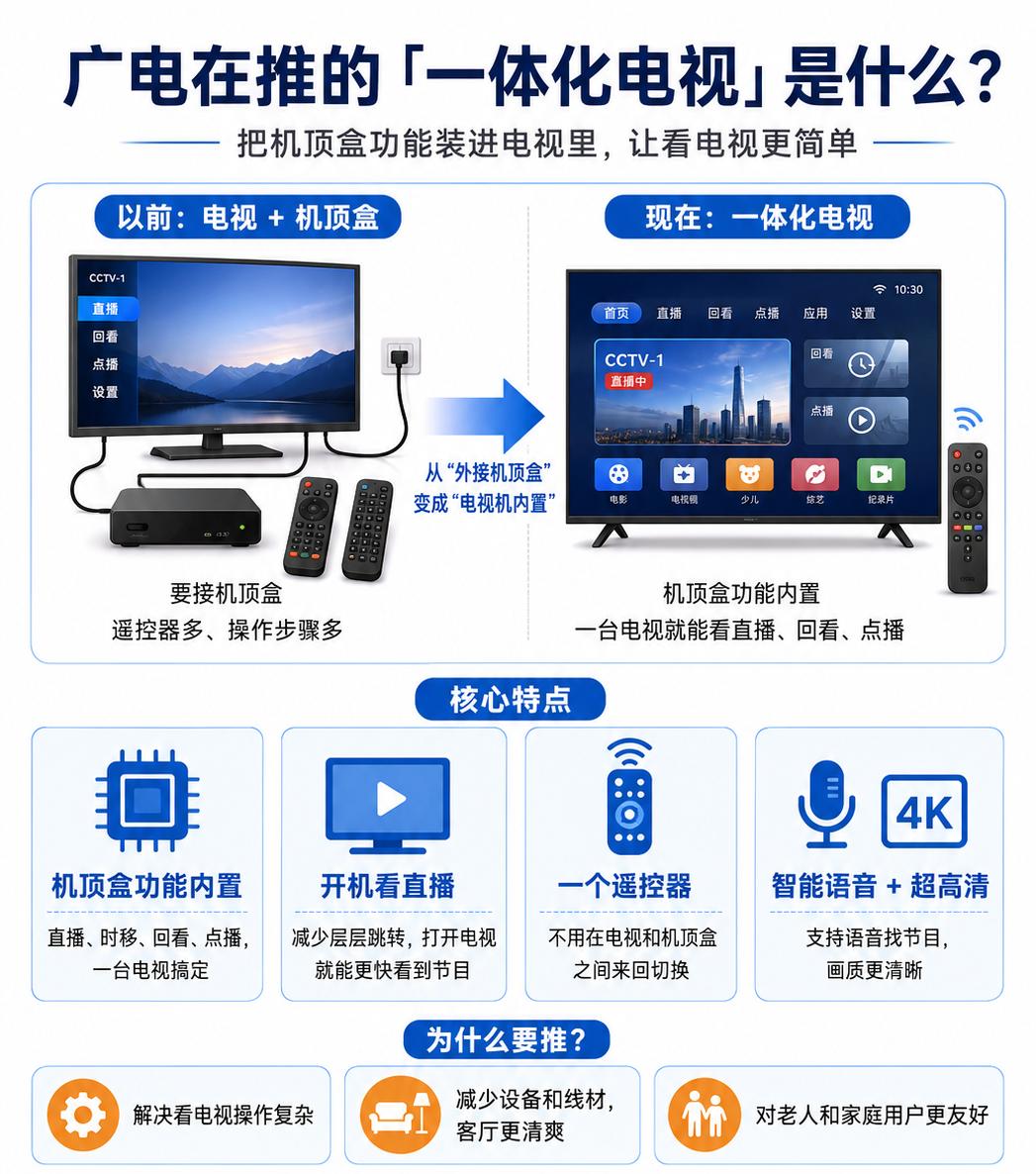
On June 15 this year, the NRTA officially included this scheme into industry standards —
Newly manufactured TVs will come pre-installed with private-network live streaming functionality. Older TVs can use a small HDMI adapter the size of a USB drive to achieve the same experience as old set-top boxes. Newer smart TVs are even simpler: they just need an official system update, no extra hardware required.
As for existing old set-top boxes at home, you don't need to rush to throw them away. There won't be a one-size-fits-all shutdown. The phase-out will be gradual until the end of 2027, providing a sufficient buffer period.
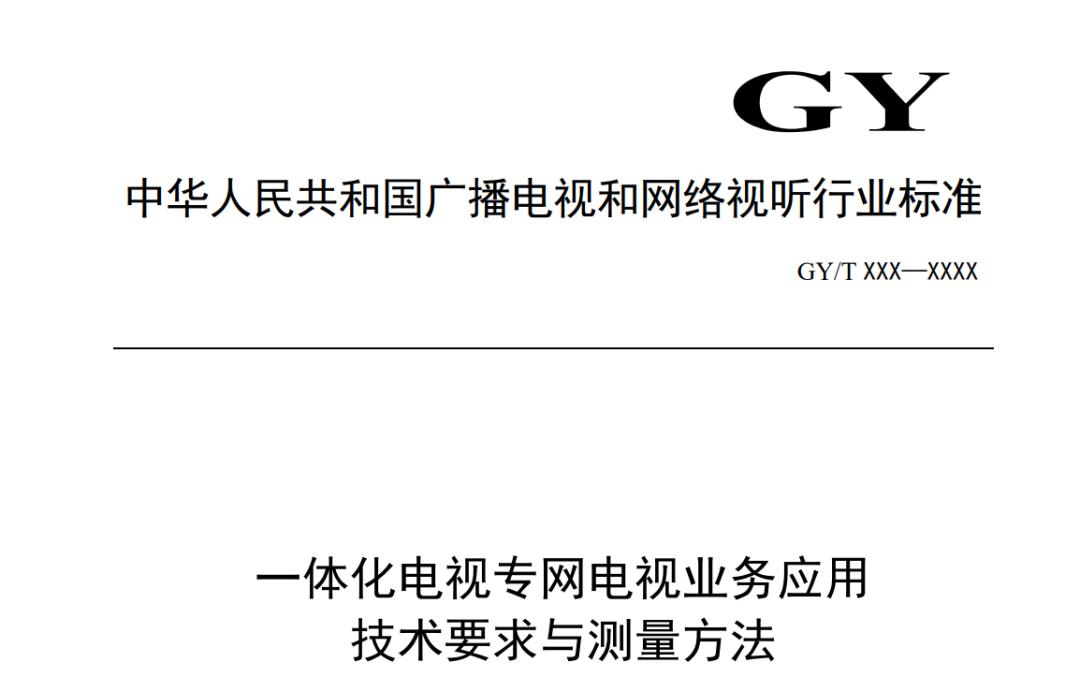
At this point, it seems like this should be a happy ending — someone finally solved all the annoying problems with watching TV.
But while the NRTA is trying to make watching TV simple again, a more realistic problem has emerged — nowadays, fewer and fewer people are willing to sit down properly and watch TV, and TV sales have been continuously declining.
According to data from AVC, retail sales of color TVs in the Chinese market in 2025 reached only 27.63 million units, a year-on-year decrease of 10.4%, hitting the lowest record in nearly 10 years. Looking back, 2016 was the peak of domestic TV sales, with 50.89 million units sold throughout the year.
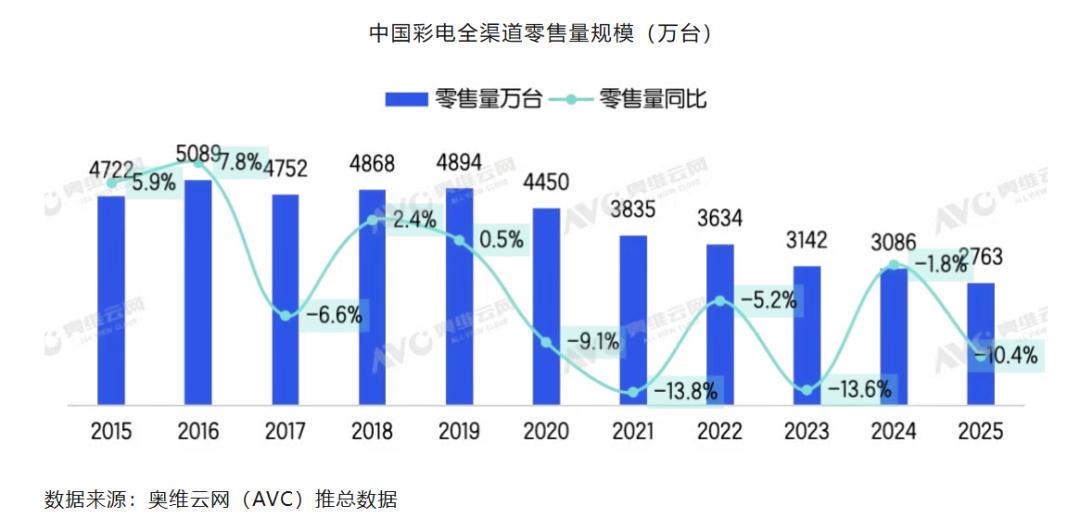
In just nine years, TV sales have almost halved. Even with government subsidies for home appliances in recent years, TV sales still couldn't hold steady in the second half of 2025, plummeting 20.0% year-on-year. To put it plainly, policy stimulus can only boost consumption in the short term, and cannot stop the long-term downward trend.
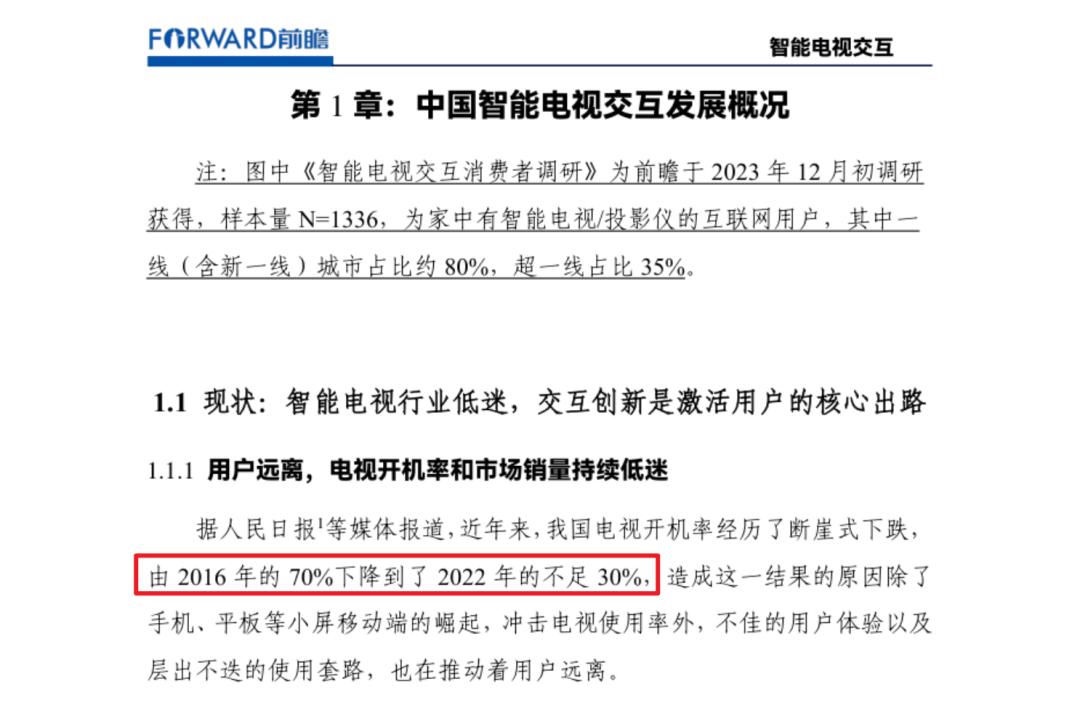
The daily household TV usage rate is even worse — it has dropped from around 70% in 2016 to about 30% in 2025, which means 7 out of 10 TVs are gathering dust most of the time.
I've seen many people online attribute poor TV sales to too many ads, complicated interfaces, and confusing tiered subscription systems...
To be fair, these are indeed valid complaints, but they're not the core reason. It's unfair to say TV manufacturers haven't tried to improve. In recent years, their regulator, the NRTA, has taken strong measures to improve the TV viewing experience.
From cracking down on confusing subscription systems and regulating auto-renewal services, to banning boot ads on cable TV and IPTV set-top boxes, mandating direct full-screen live TV on startup, and now promoting integrated TVs to completely eliminate set-top boxes — almost every pain point users have complained about has been addressed.
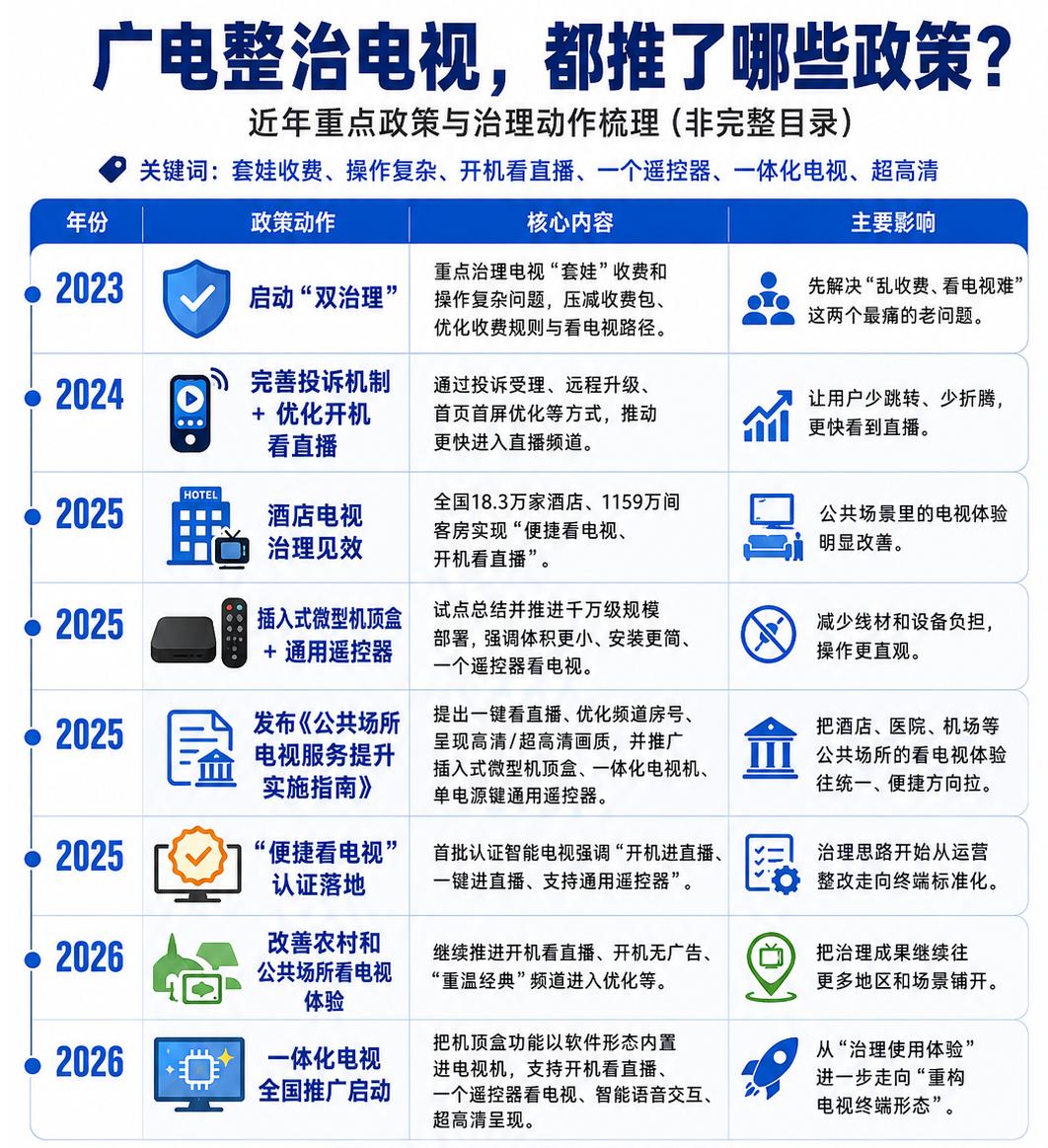
But what's the result? Almost everything that needed fixing has been fixed. TVs are indeed much easier to use than before, but the people who used to watch them just aren't coming back...
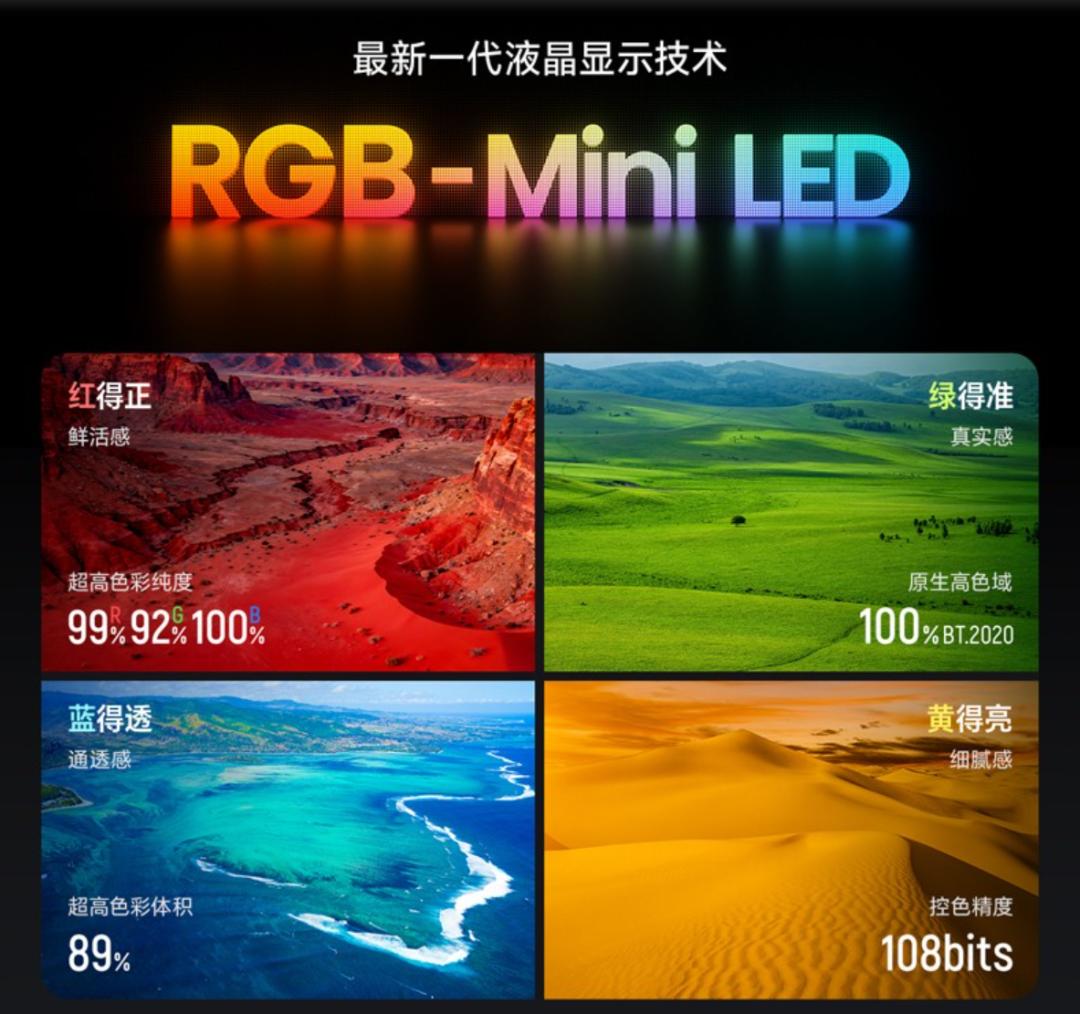
And if you've been following the TV industry, you'd know that even though manufacturers can't sell as many units, they haven't slacked off on innovation — Micro LED, RGB Mini LED, high-refresh-rate screens, image processing chips, their specs are getting more and more impressive, with top-tier hardware configurations.
Despite all this competition, TV prices have been getting lower and lower. Now you can buy a large-size 4K TV for just two or three thousand yuan, something that would have been unthinkable a decade ago.
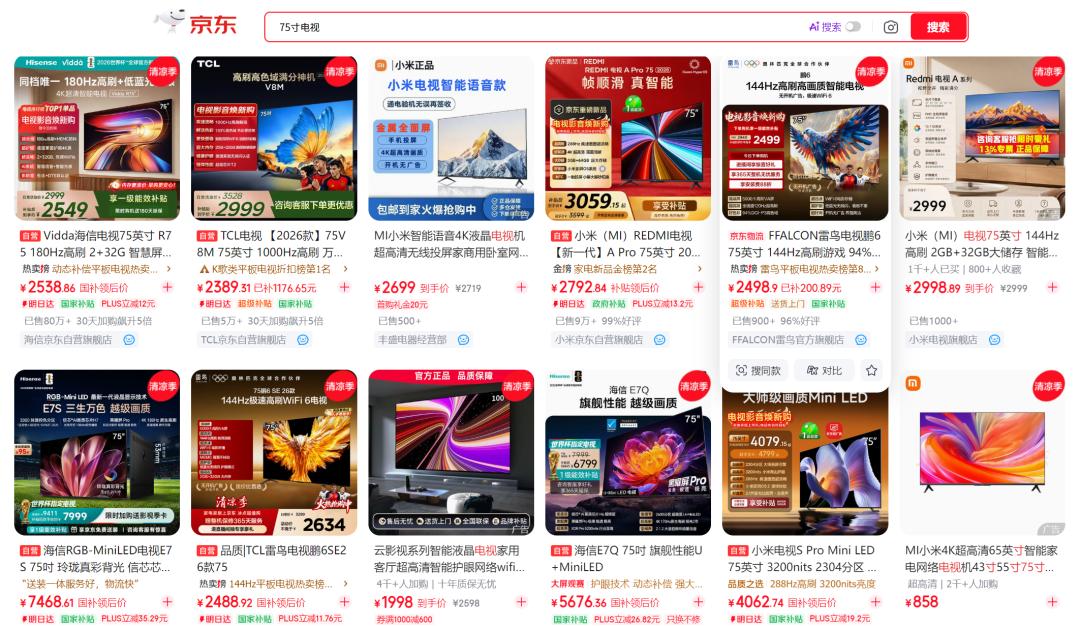
But even with such high-spec hardware and great value for money, there's one thing manufacturers can't stop — the way we consume content has already completely changed.
Let me explain: In the past, when we watched TV, we passively received whatever programs the TV stations arranged. If you missed the broadcast time, you could only wait for a rerun.
But now? Short videos give you a thrill every dozen seconds, web dramas can be watched at 2x or 3x speed, you can watch whatever you want whenever you want, just by searching. Phones and tablets are portable, you can watch while lying down, sitting, or even in any posture. Algorithms also accurately push your favorite content to you.
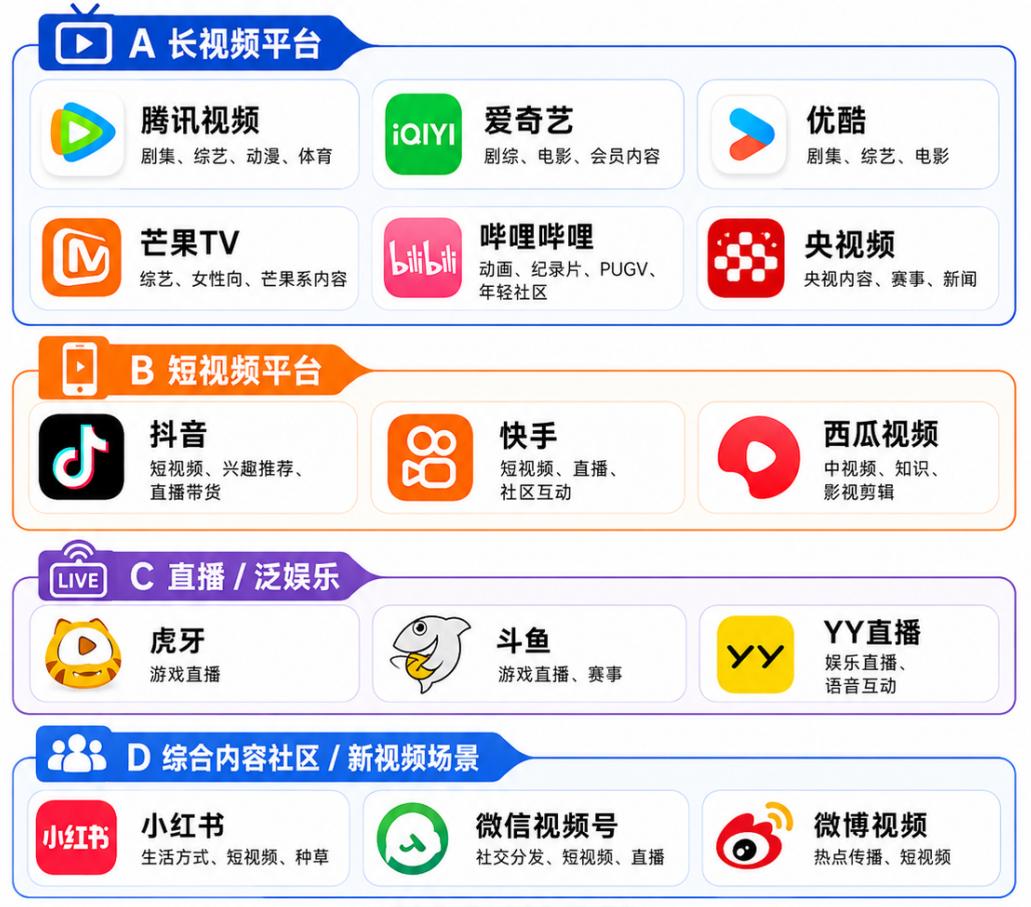
In contrast, even the smartest TV requires you to sit facing it in the living room. Its slow pace and lack of interactivity put it at a natural disadvantage.
In 2025, revenue from short videos and live streaming in China reached 479.544 billion yuan, a year-on-year increase of 11.28%. Meanwhile, cable TV network revenue was 72.158 billion yuan, down 2.41% year-on-year. These two figures clearly illustrate one fact —
It's not that people don't want to watch content anymore, it's that they don't want to watch it on TV anymore.
If the main purpose of TVs in the past was simply "watching TV", now their main purpose has become "not watching TV". Some people connect their TVs to PlayStation or Switch to play games, some cast content from their phones or NAS to watch dramas, and others use them as large external monitors.
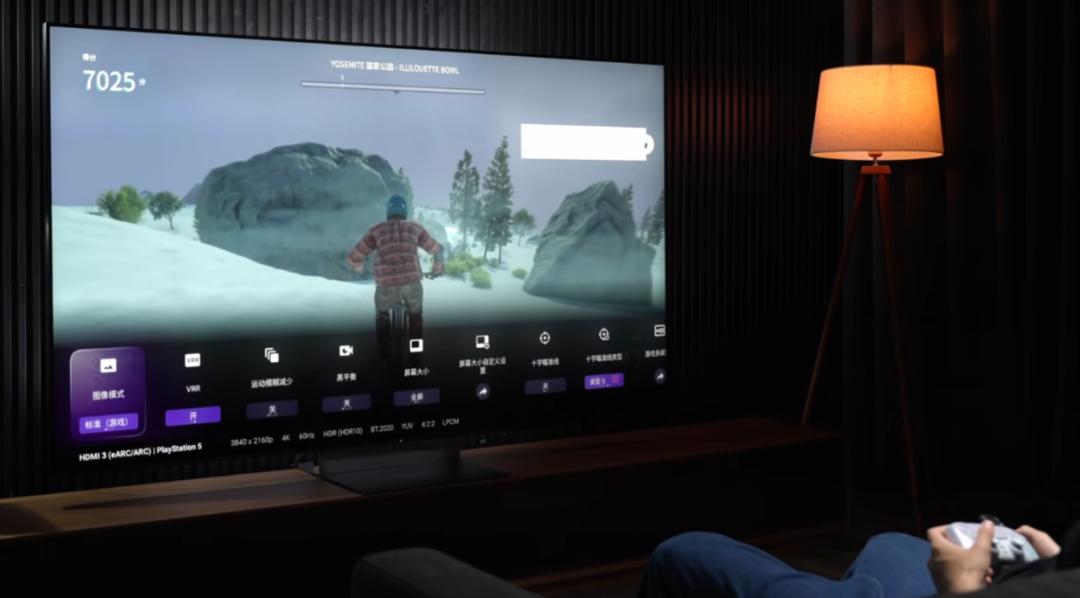
As for traditional TV channels and live broadcasts, many people barely watch them a few times a year. The only ones who still stick to live TV channels are mostly the elderly in the family.
But don't worry too much about these manufacturers going out of business. As the domestic market keeps shrinking, they've already found a second way out — going global. And guess what? The skills they honed through fierce domestic competition have become a huge