Among the new forces, some are taking the lead, while others are under immense pressure.
Halfway through 2026, as the June sales figures for new EV brands have been released one after another, it is now a critical moment to review and summarize their performance in the first half of the year. For those brands that shouted the "1 million annual sales" target at the start of the year, have they hit the 50% progress mark with half the time elapsed? Have their flagship ace products become runaway hits?
If we only look at the numbers, mainstream new EV brands have delivered solid performance. However, amid a continuously shrinking overall market and overlapping policy impacts, the test for each brand's systemic strength has reached another critical juncture. Whoever can hold steady and stay on track will gain a greater edge to advance into the next round of elimination.
Lingpao = Leading the Pack
Looking back at the performance of new EV brands from January to June 2026, Leapmotor has carried on its momentum from 2025, establishing itself as a uniquely top-tier player among new automakers. It continues to move forward both swiftly and steadily, with its leading advantage steadily expanding. In the first half of the year, Leapmotor recorded total sales of 356,000 units. Notably, after exceeding 80,000 units in monthly sales in May, it delivered another strong performance in June with 93,000 units handed over, marking a 95% year-on-year surge.
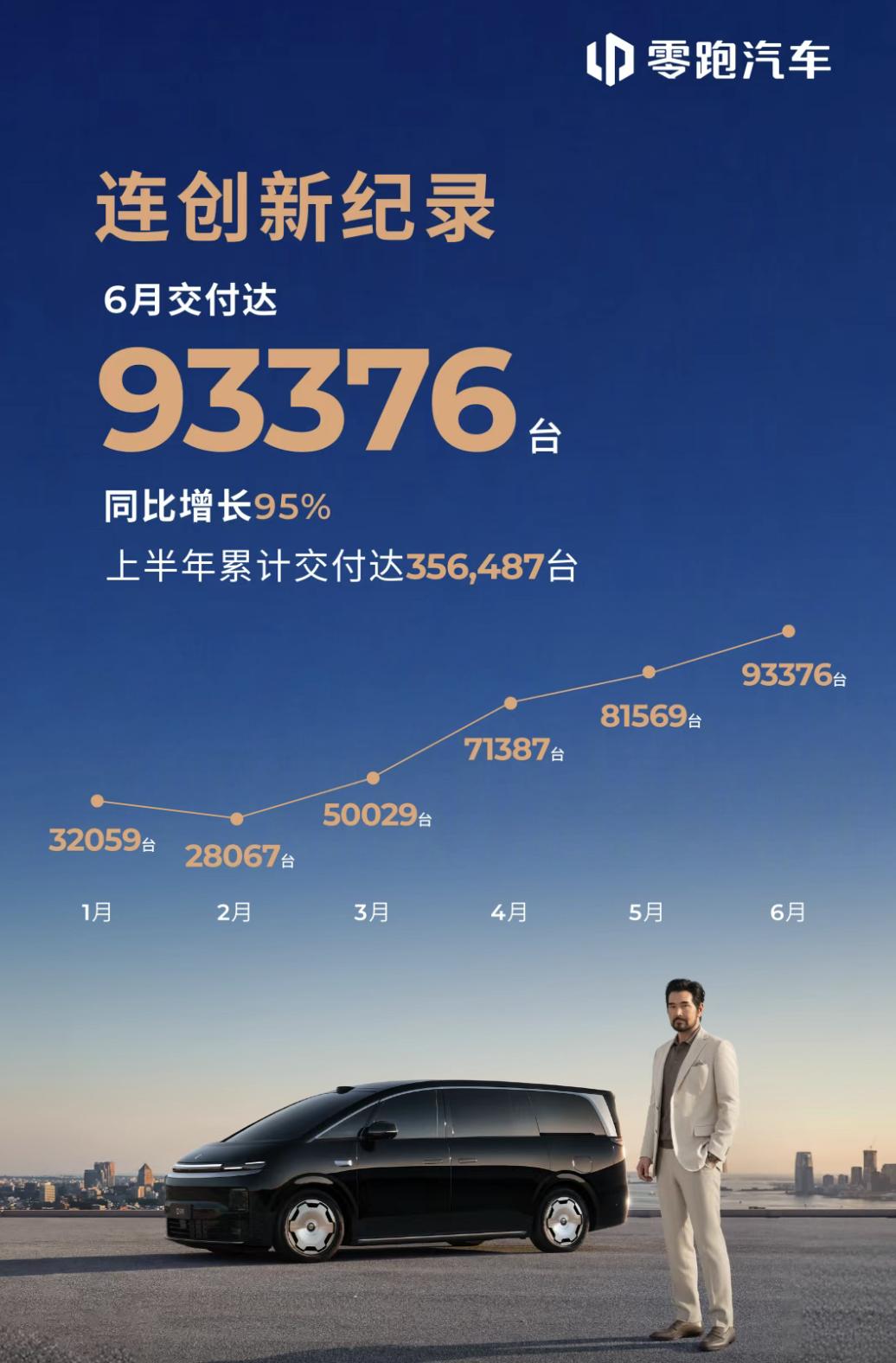
More importantly, in March this year, Leapmotor released its 2025 annual financial report, showing that the company achieved a net profit attributable to shareholders of 540 million yuan in 2025, securing full-year profitability for the first time and becoming China's second profitable new EV maker following Li Auto.
What exactly did Leapmotor do right? This is a question many people are pondering. *Node Auto* believes that relying solely on cost-effectiveness would hardly allow Leapmotor to sustain growth in the domestic market amid pressure from established giants like BYD and Geely. Therefore, exports have become a sharp weapon to break free from cutthroat domestic competition.
Zhu Jiangming, Founder and Chairman of Leapmotor, has repeatedly emphasized the importance of "globalization" for overcoming internal market saturation. Zhu envisions that the first step is to achieve a sales split of 60% in China and 40% overseas, and a future state of 40% domestic sales and 60% overseas sales would represent the optimal state of true globalization. Data shows that in the first half of the year, among Leapmotor's nearly 360,000 total global deliveries, nearly 100,000 units were exported — exceeding its total export volume for the entire last year, with exports accounting for nearly 30% of total sales, leading the pack among new EV brands.
*Node Auto* holds that Leapmotor's explosive growth potential stems from the combined long-term momentum of its technical strength and strategic choices. At the same time, we also notice that Leapmotor has set an aggressive annual sales target of 1 million units for 2026, with less than 36% of the goal completed in the first half. To hit the target, it will need to average over 100,000 units per month in the second half. For Leapmotor, is this an impossible mission, or a miracle waiting to happen?
Harmony Intelligent Mobility Alliance (HIMA): AITO Maintains Solid Core Position
Right after Leapmotor comes the Harmony Intelligent Mobility Alliance, whose five sub-brands combined delivered 242,000 units in the first half of the year. Interestingly, *Node Auto* found that many media outlets no longer rank the alliance based on its total overall sales. Even so, AITO still secures a spot in the top 10 with monthly sales of 30,000 units, remaining the sales pillar of the HIMA lineup and accounting for roughly 60% of the alliance's total deliveries.
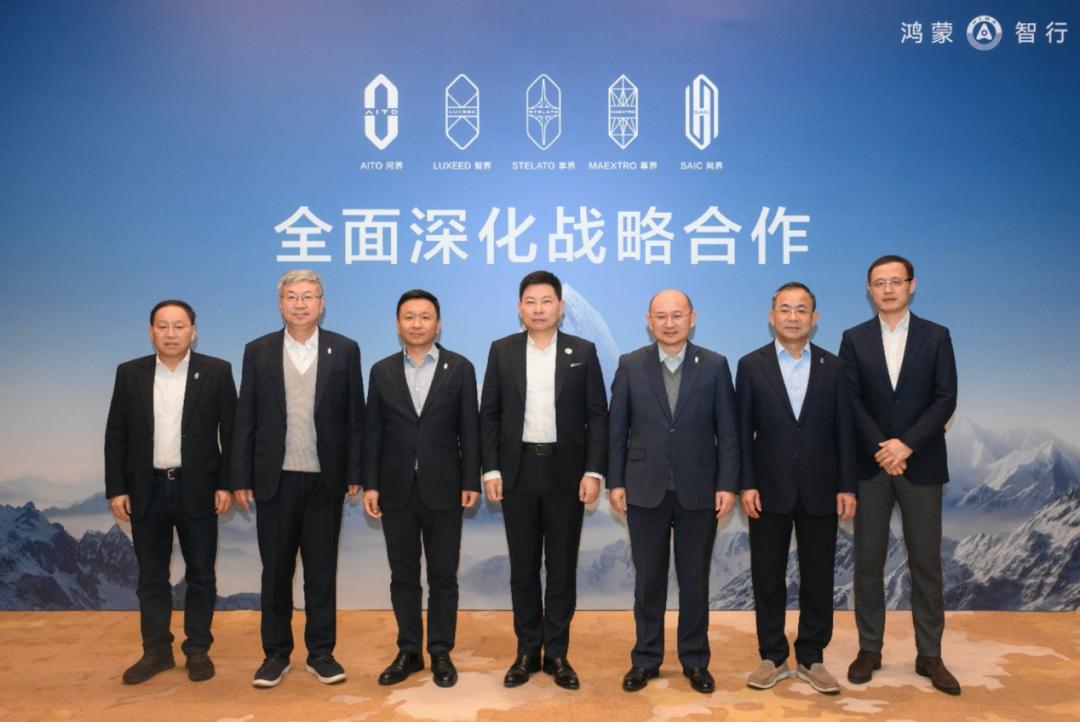
It is worth noting that as early as the end of 2025, at the HIMA Comprehensive Deepening Strategic Cooperation Conference, Richard Yu, Huawei's Executive Director, Chairman of the Product Investment Review Committee, and CEO of the Terminal BG, revealed during a live broadcast that HIMA's core 2026 target is to deliver 1 million to 1.3 million new vehicles for the full year. Based on January-June sales performance, only 18.5% to 24.0% of the target has been completed, leaving an extremely arduous task for the second half of the year.
Meanwhile, the other four "Jie" sub-brands under HIMA (excluding AITO) are also continuously ramping up efforts to iterate their product lines. For instance, the million-yuan premium luxury brand Zunjie has firmly established a foothold in the ultra-high-end automotive market. The youngest brand, Shangjie, saw its debut model Z7/Z7T series exceed 10,000 deliveries just one month after launch, opening up more room for imagination regarding its future performance.
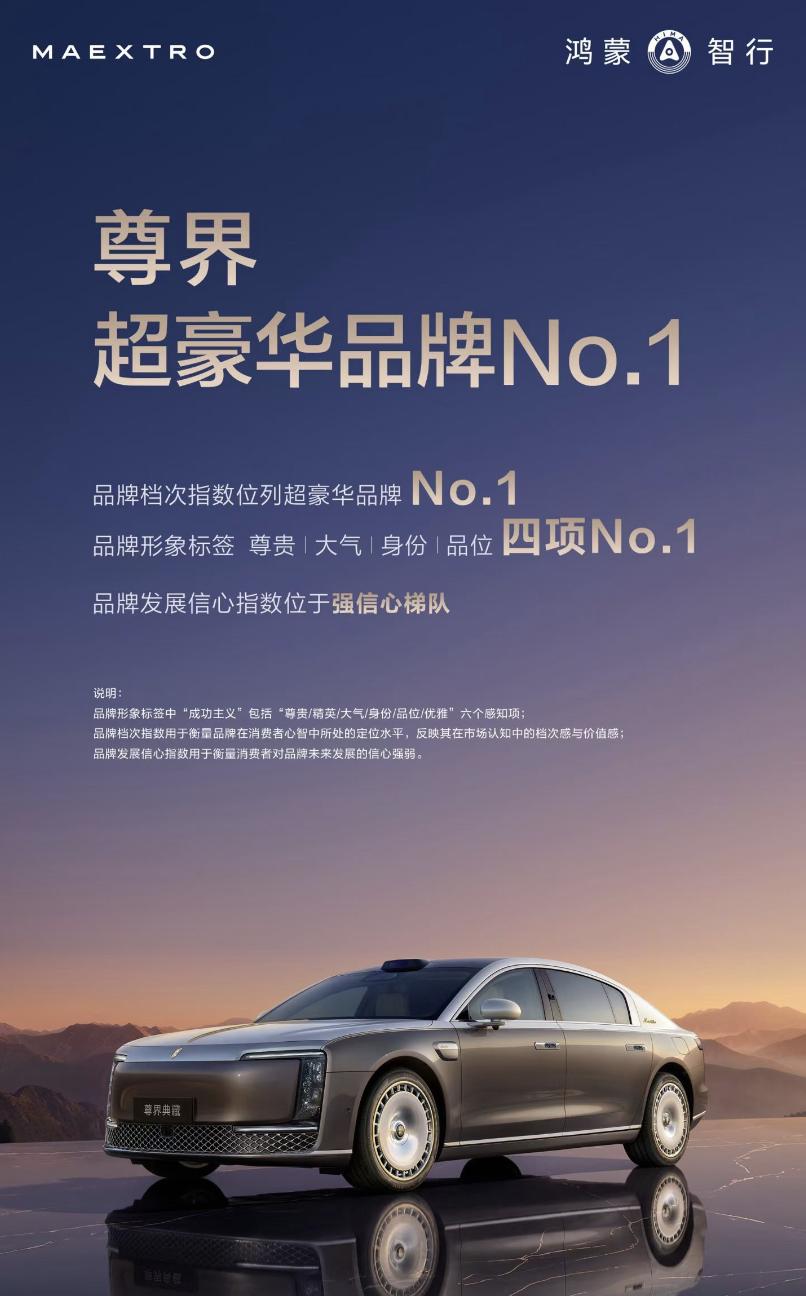
*Node Auto* believes that HIMA has reserved many key moves for the second half of the year, such as the all-new Zhijie RX SUV — the alliance's first model to break away from the previous numerical naming convention, set to debut in the autumn. Judging by its product launch rhythm, the coordination between different product lines within HIMA has grown increasingly mature. While the push for 1 million annual sales presents significant challenges, what responsive measures HIMA will roll out in the second half of the year is well worth watching.
Li Auto Can Perform Even Better Than "Ideal"
In May 2026, Li Auto launched its landmark all-new Li L9 Livis, playing its first major card in the second phase of advancing embodied intelligence. The impact of this model on sales will become clearly visible in the second half of the year. Even before this flagship new model fully kicks into gear, Li Auto still posted total first-half deliveries of 193,500 units, ranking right after Leapmotor and HIMA. If counted as a standalone brand, Li Auto comes second only to Leapmotor.
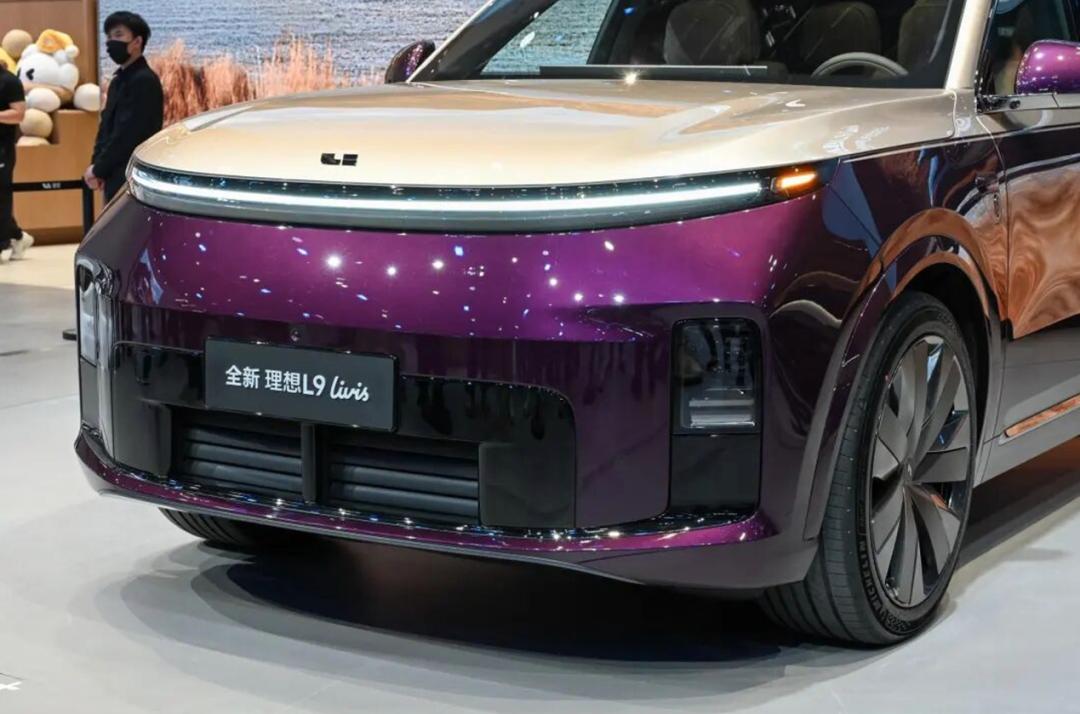
However, in *Node Auto*'s view, for a brand that once led all new EV makers, this performance is sufficiently steady — but it can still be even more "ideal". Simple calculations show Li Auto averaged 32,000 monthly sales in the first half of 2026, making it the most consistently performing new EV brand besides Leapmotor. Even in February, a month that saw sales slumps for many automakers, Li Auto still delivered over 26,000 units.
Looking at Li Auto's current product lineup, the Li i6 has already become half of the brand's business and its new sales pillar. It recorded monthly sales above 16,000 units in January-February, then further climbed to over 20,000 units per month starting in March. For those who once doubted Li Auto's ability to make pure electric vehicles, the Li i6's performance has completely shattered all their preconceived biases.
Meanwhile, Li Auto's range-extender ace model, the Li L6, still maintains average monthly sales above 5,000 units. While this figure cannot match its peak performance, such results remain highly commendable as the popularity of range-extender vehicles cools down in the domestic market. According to data from the China Passenger Car Association, wholesale sales of range-extender vehicles in May 2026 reached only 95,000 units, down 24.9% year-on-year and marking the sharpest drop in 5 years.
For Li Auto, conditions will become even more favorable in the second half of the year. In particular, the all-new Li L9 launched in the first half will officially enter its sales ramp-up phase, leading Li Auto's entire portfolio of pure electric and range-extender models into the era of embodied intelligence.
NIO: Grouped Operational Strength Shows Clear Results
Thanks to the combined efforts of its three brands — NIO, Onvo, and Firefly — NIO Group achieved total first-half sales of 191,100 units, ranking just after Li Auto. What brings even greater reassurance to NIO's leadership is that all three of its brands posted positive year-on-year growth in June, kicking off the fierce second-half battle on a strong note. The once-underestimated niche Firefly model is about to hit 70,000 cumulative deliveries.
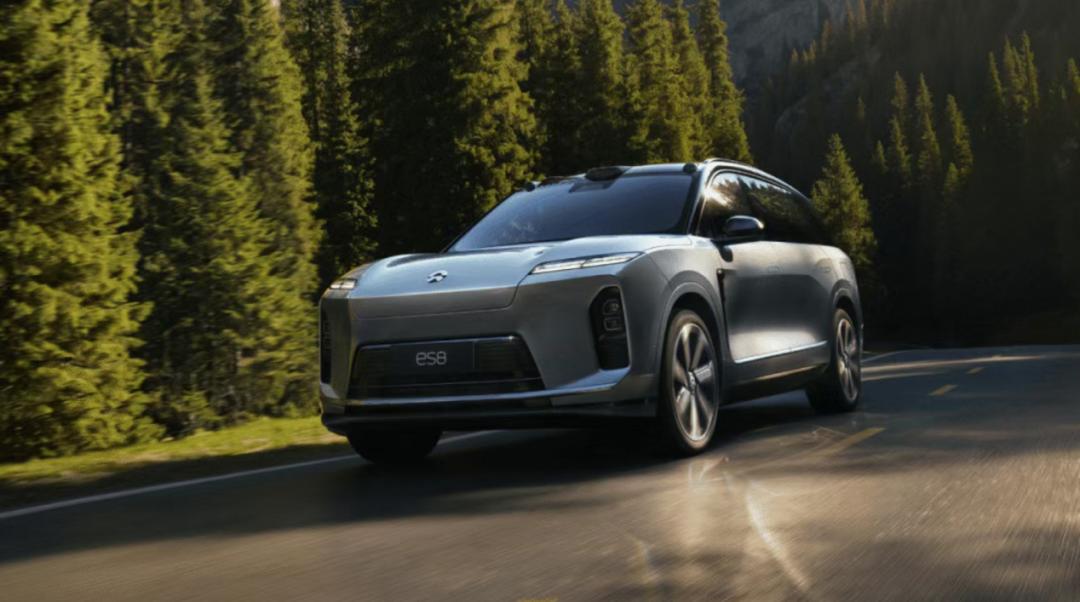
With sales stabilizing, NIO's losses are no longer a topic the public fixates on relentlessly. Looking back at the first half of the year, *Node Auto* observed that NIO has projected a more low-key and pragmatic image among new EV makers: its executives made far fewer viral public remarks than before, while its product launch rhythm has grown increasingly mature and efficient. For example, the large 5-seat version of the NIO ES8 is scheduled for official launch on July 9. The performance of its high-end models will determine NIO's financial results, while its mid-to-entry-level offerings will help NIO consolidate its core market base.
It should be noted that while NIO's overall sales have improved, this growth relies on the joint efforts of three brands. This means its operational and service costs are still higher than those of other automakers. Therefore, in *Node Auto*'s view, NIO is far from the point of celebrating early success. However, NIO has successfully established clear positioning differentiation for its three sub-brands, with the market recognizing the premium, mid-range, and personalized small car identities. As long as it stays on its current track, avoids unforced errors, and continuously optimizes its internal management structure, bright prospects lie ahead.
Xiaomi: All the Suspense Unfolds in the Second Half
In the first half of 2026, Xiaomi Auto did not release specific monthly sales figures, but estimates put its total half-year deliveries at over 180,000 units. Based on performance data, Xiaomi's results are highly competitive against its rivals. However, compared to Xiaomi Auto's own past trajectory, both its momentum and growth faced significant headwinds in the first half of 2026. At the start of the year, Xiaomi Auto set a full-year sales target of 550,000 units. Based on its first-half performance, progress has been relatively slow, meaning Xiaomi will need to sell over 370,000 vehicles in the second half to hit its goal.
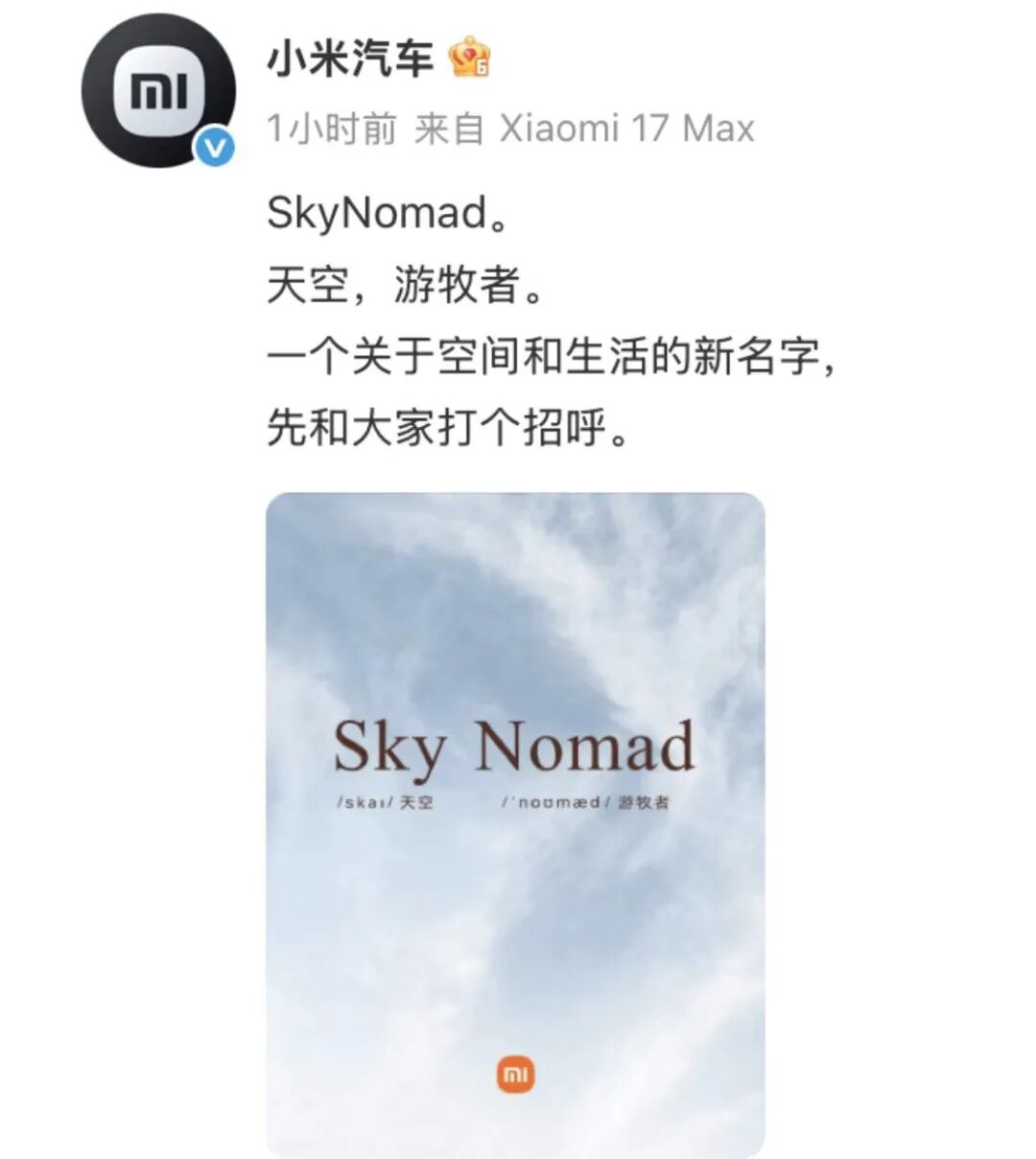
Xiaomi Auto will ramp up efforts in the range-extender segment in the second half of the year. On July 8, the company officially announced its all-new product series name "SkyNomad". The name, evoking the idea of "a nomad of the skies", marks Xiaomi's official start of building hype for its range-extender products.
On the foundation of achieving 180,000 sales with only two existing models, the SkyNomad range-extender product line will push Xiaomi's sales growth even further in the second half. *Node Auto* boldly speculates that, leveraging Xiaomi's proven marketing prowess, the launch of the new SkyNomad range-extender model will once again deliver a masterclass in marketing to the entire automotive industry.
Of course, as we mentioned earlier, the fading popularity of range-extender vehicles in the current domestic auto market also introduces more uncertainty for Xiaomi's new model, casting a shadow over whether Xiaomi Auto can achieve its full-year sales target.
XPENG: Accumulating Strength for a Breakthrough
Similar to Leapmotor, XPENG Group — which maintains sales volume via cost-effective models while simultaneously pushing into the high-end market — recorded total first-half deliveries of roughly 166,000 units, averaging 27,000 units per month. Reviewing its first-half performance, XPENG faces structural concerns as sales are heavily reliant on a single model: the XPENG MONA M03 accounts for nearly 44% of its monthly sales, even though its official price range sits between 119,800 yuan and 151,800 yuan.
In other words, the better the XPENG MONA M03 performs, the more it becomes a bittersweet burden for XPENG Group. While it keeps the sales numbers looking strong, it contributes very little to profitability. *Node Auto* believes XPENG's high-end models must deliver far more robust performance at retail to boost the brand's overall prestige.
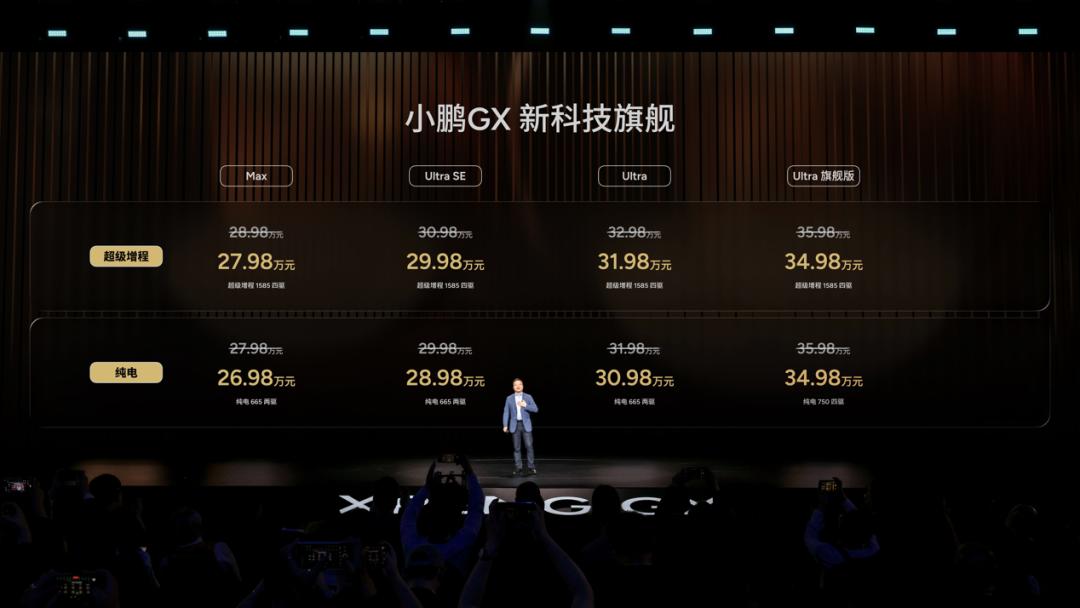
The flagship XPENG GX is XPENG's landmark model for entering the physical AI era. Just like the all-new Li L9, it acts as the key to opening the door to the next generation of mobility. On the pricing front, XPENG has set a limited-time guidance price range of 269,800 yuan to 349,800 yuan — a strategy that can be described as "dimension-reduction strike", which fully signals to the public XPENG's strong desire for the model to deliver exceptional sales.
According to official data, the XPENG GX received 24,863 firm orders within 12 hours of launch, and these orders will translate into actual deliveries in the second half of the year. *Node Auto* believes XPENG Group has the potential to unleash long-accumulated strength. If it can make further progress in overseas expansion, the brand will undergo a qualitative transformation.
Summary
From the chaotic early days with over 200 fledgling new EV makers to the 2026 landscape that has now stabilized around the core players NIO, XPENG, Li Auto, Leapmotor, Xiaomi, and HIMA, *Node Auto* believes the mainstream new EV brand landscape has largely settled. Leapmotor, thanks to its partnership with Stellantis, has rapidly opened up the European market, establishing a dominant, unmatched position among new automakers.
The brand most likely to make the next breakthrough could