Volkswagen's Transformation Deadlock: No Layoffs Means the Company Perishes, While Layoffs Will Cost the CEO His Job First
No layoffs kill the company, layoffs kill the CEO.
This is the harsh reality facing Volkswagen Group, the global traditional automotive giant.
The CEO is pushing for layoffs, claiming the company will face certain demise without workforce cuts and restructuring. But as soon as the news broke, the CEO himself might be the first one ousted...
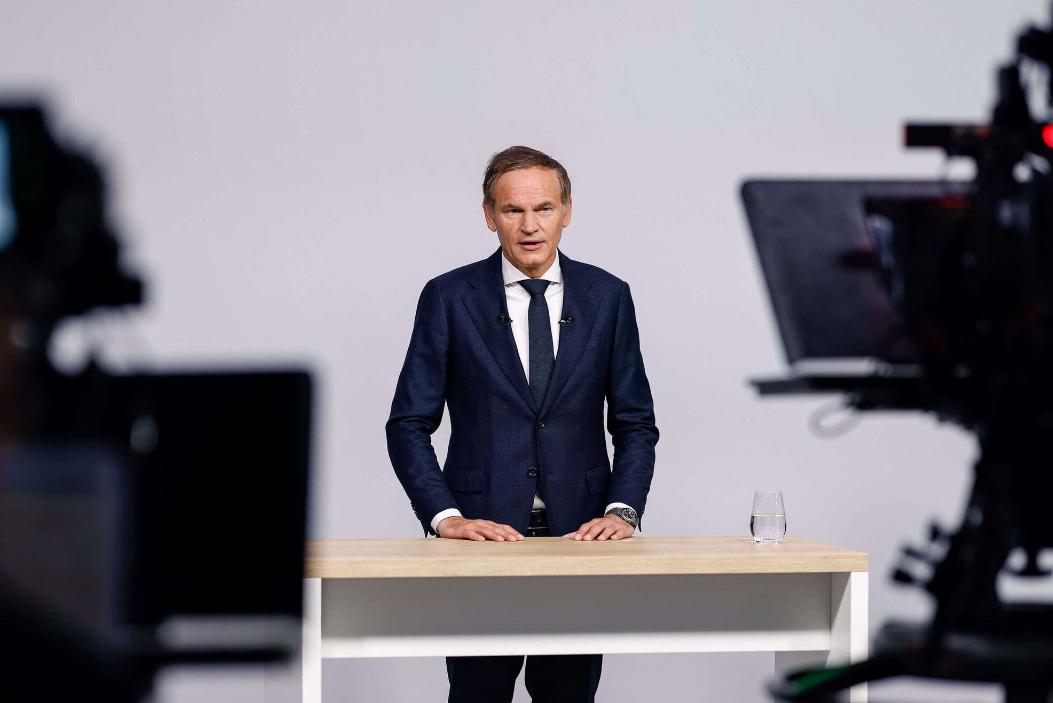
Here's what happened: Recently, Volkswagen Group CEO Oliver Blume proposed an unprecedented "survival rescue" plan:
Up to 100,000 job cuts, closing 4 German factories, and considering splitting core business units.
△
If implemented, this could become the most radical restructuring in Volkswagen's 89-year history, and one of the largest in the automotive industry's history, comparable to General Motors' desperate survival measures on the eve of its 2009 bankruptcy.
But previous Volkswagen CEOs have already proven through bitter experience: touching factories and jobs in Volkswagen is equivalent to pressing the "nuclear button" of the supervisory board.
This time is certainly no exception.
The plan has faced fierce opposition from labor unions and the German state of Lower Saxony — the former deeply influences Volkswagen's decision-making through the supervisory board, while the latter, as Volkswagen's second-largest shareholder, holds a critical veto power.
As a result, the head of Volkswagen Group is forced to walk a tightrope between saving the company and keeping his own job:
Without layoffs, Volkswagen will accelerate its decline amid the Chinese market boom and electrification wave; with layoffs, Oliver himself could become the next CEO to be "ousted" by the unions.
What's even more awkward is that Volkswagen's management was also grilled by analysts with a soul-searching question —
Does the future of Volkswagen Group lie in Wolfsburg, or in Hefei, China???
Volkswagen's largest layoff in history first corners the CEO
Volkswagen CEO Oliver Blume is about to face the biggest test since taking office four years ago.
According to Reuters, on July 9, Volkswagen's supervisory board will meet at its Wolfsburg headquarters to discuss the CEO's proposed most radical restructuring plan in Volkswagen's history.
According to insiders, Oliver is considering closing 4 domestic German factories and expanding global layoffs to up to 100,000 positions.
It should be noted that Volkswagen had 667,000 employees worldwide in the 2025 fiscal year, meaning 100,000 layoffs would account for nearly one-seventh of its total workforce.
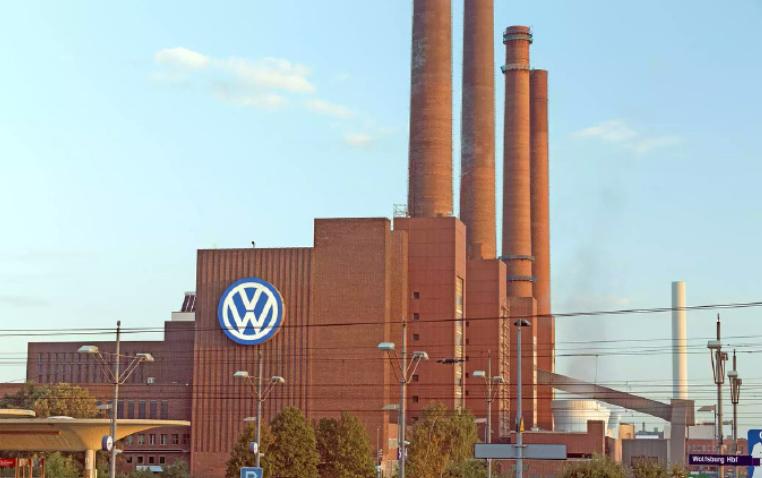
Moreover, this reform does not target marginal businesses — the involved factories include Hanover, Zwickau, Emden, and Audi's plant in Neckarsulm. The closure of these four factories alone could put more than 45,000 jobs at risk.
Volkswagen's CEO and CFO even intend to split the core Volkswagen brand and its components business into independent entities.
This far exceeds the restructuring agreement Volkswagen reached in 2024 — cutting 35,000 jobs by 2030.
In absolute terms, 100,000 layoffs could become one of the largest restructurings in automotive industry history, comparable only to General Motors' situation around its 2009 bankruptcy (74,000 layoffs over four years, closing 21 factories).
Not only that, Volkswagen also plans to reduce capital expenditure over the next five years by about 15%, to slightly more than 130 billion euros (about 1 trillion yuan).
In other words, this reform goes far beyond just jobs and production lines — it touches domestic German factories, the group's investment rhythm, core brand structure, components system, and Volkswagen's long-standing most sensitive internal structural balance.
As can be imagined, the implementation will face enormous obstacles.
Germany's IG Metall union and Volkswagen's works council have clearly stated that if these plans move forward, they will do everything possible to stop them.
Lower Saxony's Minister-President Olaf Lies also publicly opposed weakening workers' influence, saying that worker participation is an indispensable part of Volkswagen's success story.
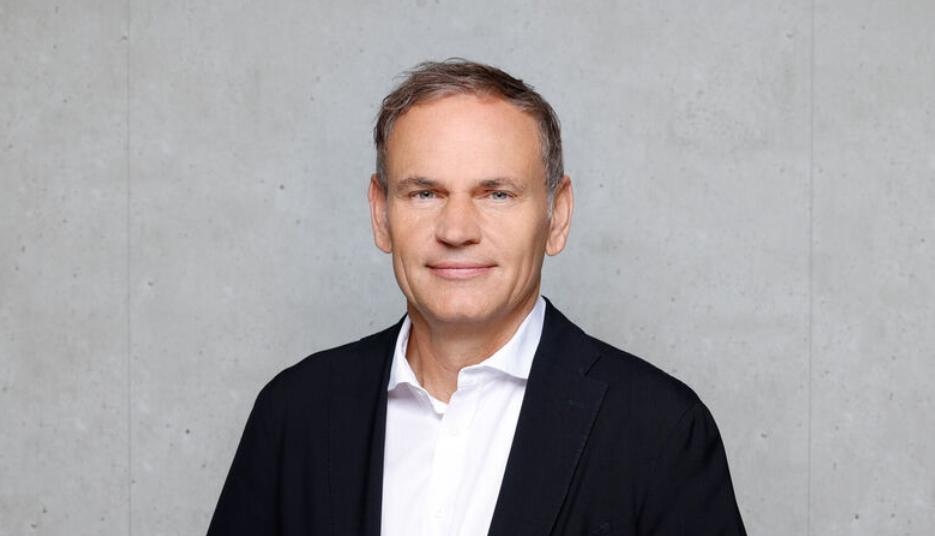
This is where CEO Oliver's real danger lies.
△
Volkswagen is not a company where a CEO can slam the table and push through major changes. Its governance structure is uniquely complex:
Porsche and the Piech family hold key voting rights, Lower Saxony is Volkswagen's second-largest shareholder, Qatar is also an important investor, and unions and works councils deeply participate in strategic decision-making through the supervisory board.
Therefore, Lower Saxony holds a critical veto power under the framework of the Volkswagen Law, making it difficult for any major spin-off or structural adjustment to bypass this hurdle.
While unions do not hold Volkswagen shares, they possess enough power to change a CEO's fate. More troublesome is that, following the unexpected departure of a shareholder representative from Volkswagen's supervisory board last month, labor representatives now occupy 10 out of 19 seats.
This means the labor camp has gained greater influence on the supervisory board, reducing the room for the chairman to break deadlocks with a decisive vote.
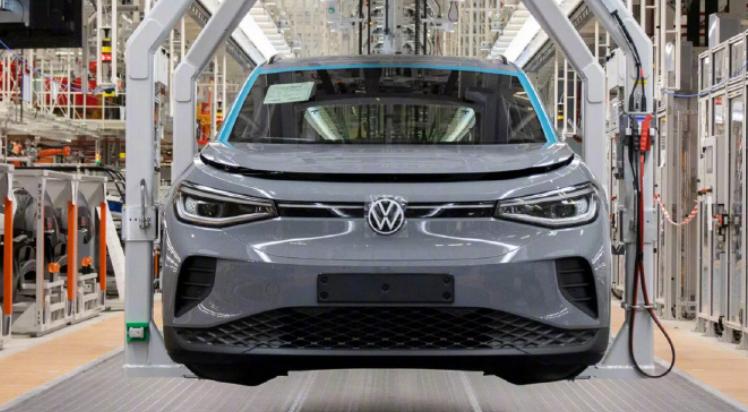
This puts Oliver in an extremely awkward position. It's worth remembering that Volkswagen's previous CEO Herbert Diess tried to push for accelerated electrification transformation and organizational reform, but was forced out in 2022.
Even earlier, Bernd Pischetsrieder also stepped down as Volkswagen CEO in 2006 due to labor relations pressure.
It can be said that Oliver is now facing a dilemma with no way out:
Without layoffs, under the dual pressure of costs and competition, Volkswagen can only watch its market share get eroded; with layoffs, he will most likely follow in Diess's footsteps...
Even so, the CEO known for seeking consensus has not backed down, because the long-established automotive powerhouse Volkswagen Group has truly reached a moment when drastic, bone-cutting reforms are unavoidable.
Why does Volkswagen have to "operate on itself"?
If looking purely at sales figures, Volkswagen ranks second only to Toyota, still being the world's second-largest automotive group by sales, with numerous brands and a vast business territory.
But the larger its scale, the heavier the burden of transformation becomes.
The outside world has brought three layers of pressure to Volkswagen: slump in the Chinese market, weak demand in Europe, and increasing overseas trade restrictions.
The most painful blow for Volkswagen is still the Chinese market. China was once Volkswagen's most important source of profit and one of the most reliable growth engines for Germany's automotive industry.
For a long time, Volkswagen in the Chinese market was almost equivalent to a "success model for foreign automakers". Its joint venture system, premium pricing for fuel vehicles, channel scale, and local manufacturing capabilities all contributed to Volkswagen's strong position in China.
But with the rise of new energy vehicles, those days are gone. Volkswagen's business model, which relied on fuel vehicles, global scale, German manufacturing, and the Chinese profit pool, is being revalued by the new energy and intelligent era.
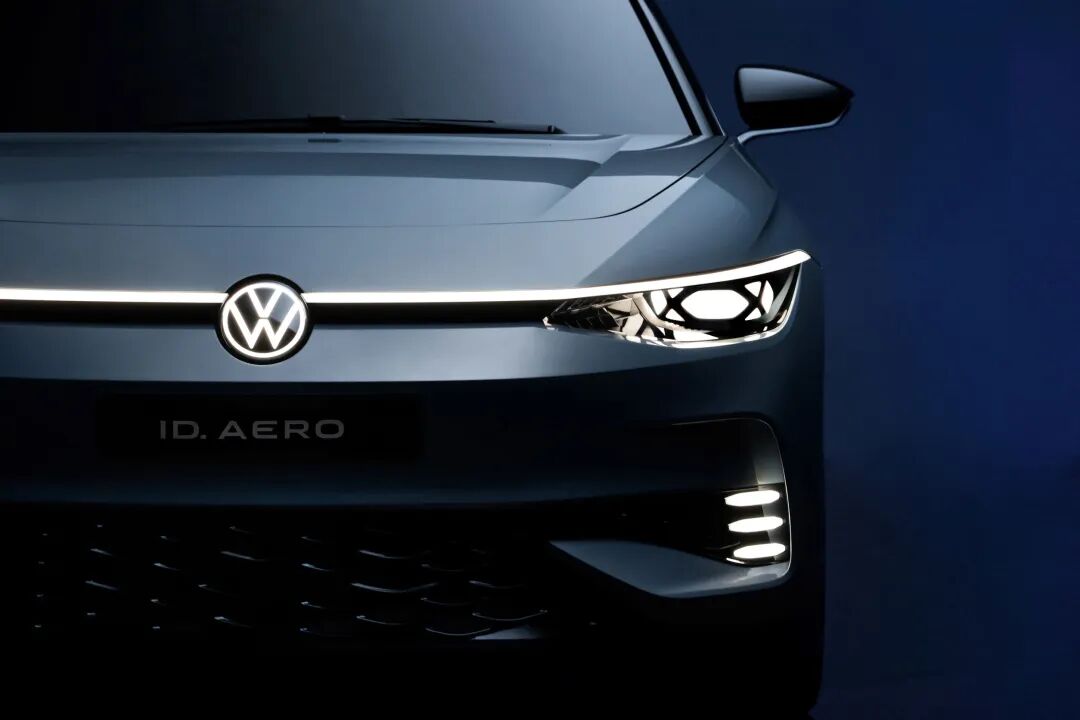
Volkswagen, which used to top China's auto sales rankings for years, was pushed out of first place by BYD in 2024, and fell to third place again in 2025.
At the same time, Chinese automakers are also expanding aggressively into Europe. Dozens of Chinese automakers have launched or are about to launch products in Europe. As of May this year, the combined market share of brands like BYD, Chery, SAIC, and Leapmotor in Europe has doubled compared to the same period last year.
Over the past decade, Volkswagen's profits in China have plunged by more than 80%; the profit margin of Porsche, Volkswagen's luxury brand benchmark, has also dropped sharply from 18% when it went public four years ago to 1.1% last year.
To win back Chinese consumers, Volkswagen has already started making changes. Over the years, Volkswagen has continued to increase local investment in China, pushing forward the Volkswagen Anhui joint venture while partnering with Xpeng Motors to catch up on intelligent EV platforms and software capabilities.
But judging from its stock price, the capital market has now begun to lose patience.
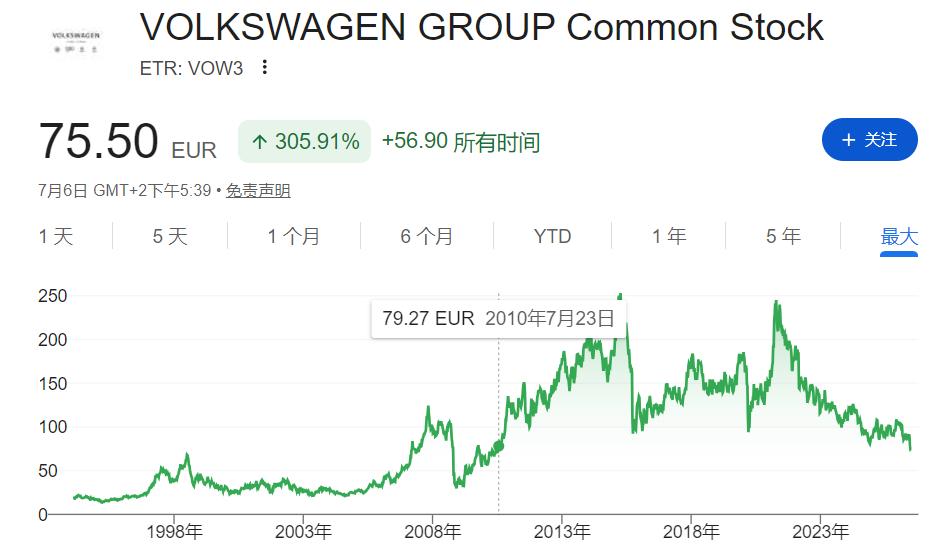
Volkswagen's current share price has fallen to its lowest level since July 2010, even lower than during the "Dieselgate" scandal a decade ago. Dieselgate was widely regarded as the biggest corporate crisis in Volkswagen Group's history.
Therefore, under the pressure of costs and competition, Volkswagen is destined to undergo a heart-wrenching transformation.
Independent external analysts believe that Volkswagen's supervisory board meeting may eventually adopt a "50/50" compromise plan — closing two out of the four factories and scaling back the layoff numbers.
But even with compromises, layoffs and factory closures will only delay rather than solve the problem. The SdK association representing Volkswagen's minority shareholders also stated bluntly: "Cost-cutting is not a strategy... they only delay the inevitable decline."
This is where the real difficulty lies. Layoffs and factory closures can alleviate short-term cost pressure, but cannot directly solve the problems of product appeal, production efficiency, and market response speed.
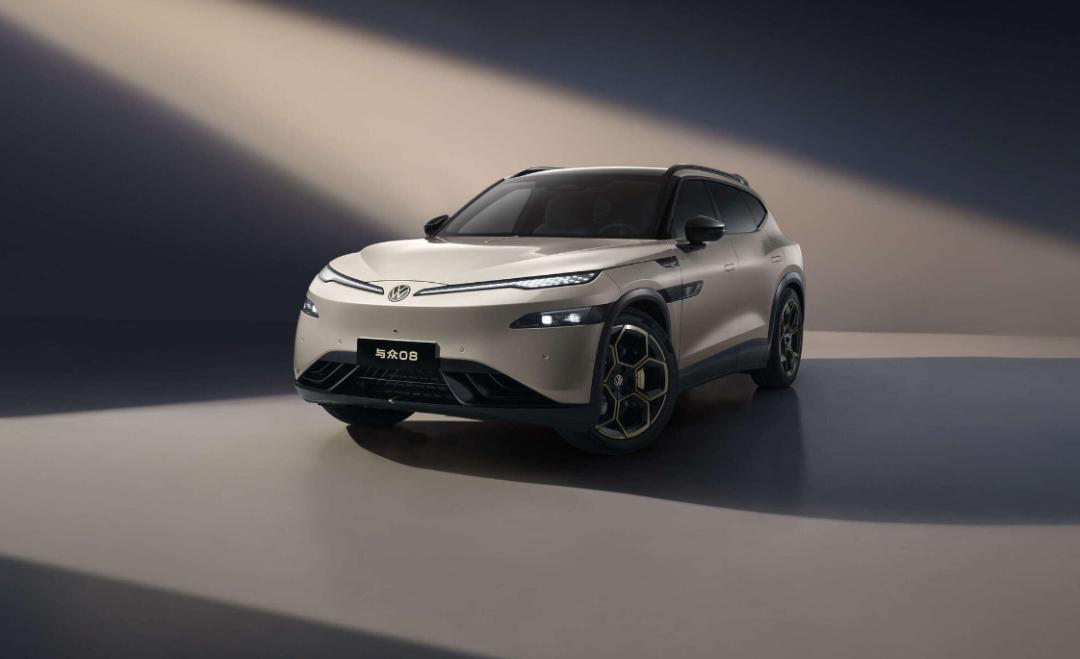
Especially after Chinese automakers have brought competition back to Europe, Volkswagen's entire production, decision-making, and governance system built around Wolfsburg (Volkswagen's headquarters, a German city born out of Volkswagen) still needs to fully adapt to the new global automotive competition landscape.
That's why German automotive industry analyst Ferdinand Dudenhöffer raised that somewhat harsh, soul-searching question —
Does Volkswagen's future lie in Wolfsburg, Germany, or in Anhui, China?
This article is from WeChat official account "Smart Vehicle Reference", author: Youju Wuche, published with authorization by 36Kr.