With an annual revenue of 20 billion yuan and effortless profits for 30 years, the long-standing success secret of the pet-capturing industry has been leaked.
The monster-catching game market is becoming increasingly crowded.
Over the past few years, China's gaming industry has continued to heavily invest in the monster-catching genre. Particularly, Tencent's Roco Kingdom: World, as a trailblazer in the domestic monster-catching segment, first validated the massive market potential of this category in China. Since then, more and more developers have been eager to grab a slice of the market. For instance, Collapse: Fate Sprites will launch its second closed beta this Thursday, Blue Star Chronicle: Travel Ballad is about to start its recruitment test, Imo has officially scheduled its release for Q3, Moonwatcher will enter testing in Q4, while Shine On! Lumi is also eyeing the market aggressively.

Moreover, due to the unique nature of monster-catching games, developers often need to plan merchandise and plush toy designs long before the game's launch. After achieving success, they must further develop more derivative products to fully unlock the value of the "monsters" within the game and build the IP itself. For example, Roco Kingdom launched a full range of derivatives including plush toys, animations, and films as early as a decade ago when its browser game version became a hit. Following the success of Roco Kingdom: World, development on a card game spin-off was quickly put on the agenda.
To some extent, as the monster-catching market becomes increasingly saturated, competition no longer focuses solely on the fun of core gameplay. It also hinges on whether your monster designs can be memorable, whether they can appear in offline scenarios, and the overall IP operation capabilities — whether these monster characters can become objects that support long-term consumption and even emotional companionship. However, there are very few teams in China with relevant experience in this field. For this reason, the industry's attention has inevitably turned to Pokémon, which is celebrating its 30th anniversary, with total cumulative shipments of its series exceeding 515 million copies, and its sales revenue rising nearly 30% last year to reach 531.428 billion yen (approximately 22.2 billion RMB).
In fact, the 30-year-old Pokémon hasn't had an easy time lately. Perhaps there's some strange truth to its name: ever since the announcement of Pokémon Turmoil, the IP has been plagued by continuous controversies. Earlier this year, Pokémon sparked huge public outcry in China over issues related to its card event locations. Recently, Pokémon GO drew global controversy over concerns that its data could be used for military purposes; even Nintendo itself has acknowledged the severe problem of scalpers hoarding Pokémon cards. Logically speaking, Pokémon should be grateful just to avoid setbacks caused by public backlash in China, let alone achieve further development.
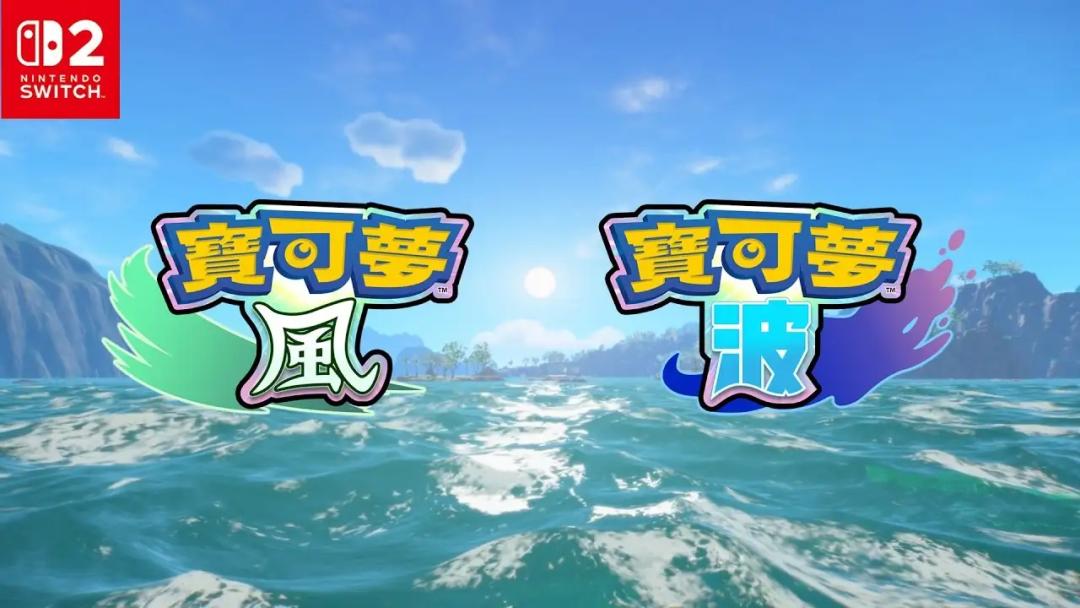
Yet in reality, Pokémon's offline expansion in China is accelerating. In April, it hosted a massive, month-long free offline event at Shanghai Zhongshan Park. Since the start of this year, the official has announced plans to open 11 new official Pokémon Card Gyms across 10 cities including Wuhan, Chengdu, Nanjing, and Qingdao, nearly doubling last year's total. In June, it also revealed a collaboration with Wahlap Technology to develop a brand-new offline amusement product called "Pokémon Spot".
Behind this lies two key factors: on one hand, the Pokémon system demonstrates rapid crisis response and strong risk resilience; on the other hand, this is tied to its internal corporate structure. For example, the developer and operator of Pokémon GO was never Game Freak, but Niantic, which later even sold off the game business. In fact, many issues that are mistakenly attributed to "Pokémon" are actually operational accidents from second-party or even third-party partners, rather than problems with Game Freak's core games themselves.
In an increasingly crowded market, how to design truly standout monsters, how to gradually turn a single "creature" into an IP product that can withstand the test of time, and how to move forward amid controversies — Pokémon has spent 30 years exploring these questions. Game Freak's creature design prowess and The Pokémon Company's IP operation approach still offer valuable reference points today.
In the past, the outside world rarely had a clear view of how Game Freak and TPC actually handled these challenges. However, as large amounts of internal design documents, scrapped early drafts, development records, and world lore review requirements have leaked in recent years, we can now clearly see that Pokémon's success is no mystical fluke. It is underpinned by a complex, strict, and even somewhat cumbersome product logic.
01
Design Starts from "Necessity"
Almost every time a new generation of Pokémon or a new monster-catching game is announced, a familiar set of complaints emerges in player communities:
"This is so ugly", "Fan designs are way better", "How can this even be called a Pokémon?", "Can't they just make something cool and pretty?"
In a sense, this has become a longstanding tradition of the Pokémon series, and even of monster-catching games in general. When each new generation is unveiled, players always criticize the designs as unappealing or lacking that "Pokémon feel" — yet every generation still produces new fan-favorite characters that become the benchmark for future titles. From Mimikyu to Meowscarada and many other designs that were mocked pre-release before winning over players post-launch, Pokémon consistently completes this cycle of aesthetic acclimatization amid controversy.
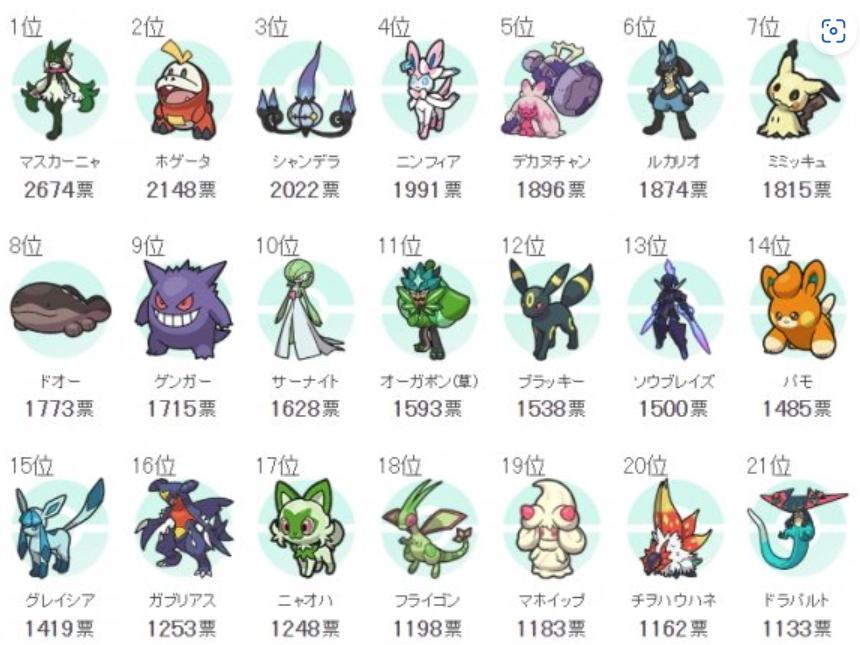
To many players, Game Freak's biggest contribution to the Pokémon IP is reliably producing dozens of new Pokémon each generation, rather than developing a polished new game. The so-called "Pokémon feel" has become the most frequently used yet hardest-to-define term in player discussions of Pokémon design.
Interestingly, even current Game Freak art director Ken Sugimori — the designer of classic Pokémon like Gengar and Mewtwo — once admitted in an interview that he couldn't clearly explain what the "Pokémon feel" is. There is no magic formula that guarantees a design will feel like a Pokémon; it mostly reflects the individual personality of the designer.
But looking back at years of Game Freak interviews and related documents, we find that Pokémon design is far more complex than "drawing a few cute monsters", and is deeply intertwined with gameplay. Contrary to the common assumption that the art team draws new Pokémon first before planners fill in their stats and moves, in reality, a Pokémon is often created not because the designers wanted to make something cool, but because the game itself needed that specific Pokémon.
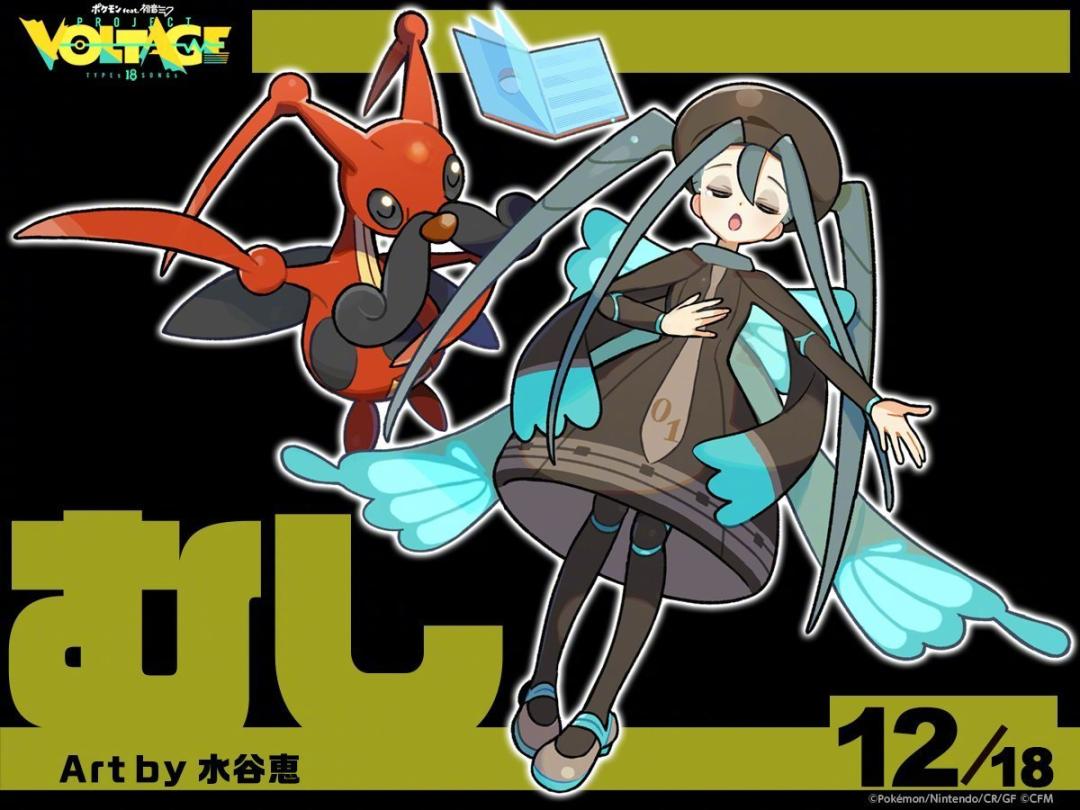
In Pokémon design, beyond the creative freedom of the design team, the planning team also puts forward requirements for new Pokémon based on game balance and gameplay needs. From the leaked materials, we can see countless Pokémon born out of requirements like "There aren't enough Water-type Pokémon, so we plan to place some in a certain area late in the game", "We need a Pokémon that can use this special move", or "A Ghost-type Pokémon that inhabits ancient ruins".
In other words, Pokémon are not just standalone character illustrations — they are functional units within the game system. They need to fill out type distributions, fit map ecosystems, regulate player encounter pacing, maintain battle balance, and visually help players understand why a creature lives in a certain location and possesses its specific types and moves. Even many outstanding Pokémon designs get scrapped simply because there are too many Pokémon of that category, or their types and colors are directly modified.
Stunfisk from the Black and White generation is a typical example. It was originally conceived because "there are no thin Pokémon, so we wanted to design the thinnest Pokémon ever". Its early concept was "a trap-like Pokémon that gives you an electric shock when stepped on", designed based on the anglerfish with Water-Electric typing and a blue color scheme. However, during late-stage overall type balancing, its types were changed to Ground-Electric, which resulted in its color being altered to that curry-like yellow-brown we see today.
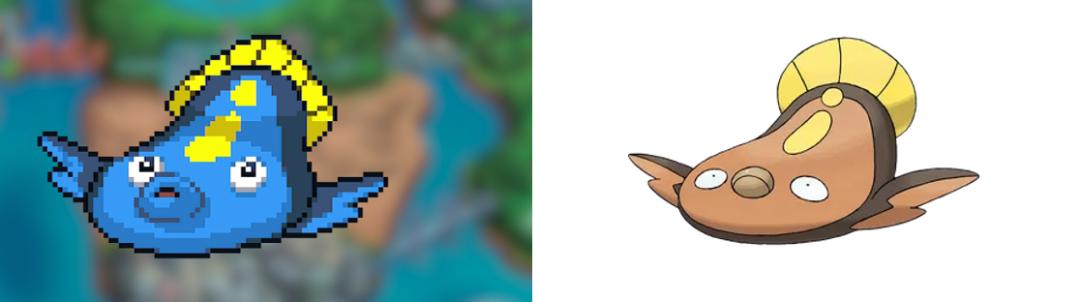
It's fair to say that many Pokémon designs don't start with "is this pretty?" — they start with "what are we missing?". This "gap" could refer to a missing niche in type distribution, a gap in map ecology, a need for new gameplay demonstrations, or even an untested design direction. Some Pokémon designs are literally "making dumplings just to use up a bit of vinegar" — built entirely around one specific creative concept.
A recent hotly debated example is "Mega Starmie". As one of the original 151 Pokémon, Starmie already contained subtle tributes to Ultraman in its base design. Its new Mega evolution takes this homage further, simply stretching its two "legs" to create a humanoid silhouette that strikes Ultraman-like poses. While players initially roasted the design, its memes went viral across global social media, and it was later voted one of the top two most popular Mega Pokémon of 2025, second only to Charizard.

This philosophy differs from the design approach of many monster-catching games. Some developers fixate on making their creatures "cute", "pretty", or "cool" — which easily grabs initial attention, but quickly leads to homogeneous, interchangeable designs. What truly matters for a Pokémon isn't its standalone artistic appeal, but whether it can seamlessly integrate into the entire game world.
In reality, Pokémon never requires every single creature to win players over at first glance. Ken Sugimori once mentioned that one of his core design principles is to "maintain balance". If a Pokémon feels too cool, he adds a slightly "uncool" detail; if it's too serious, he injects a playful element. He used Oshawott as an example: removing the three freckles on its face would make it objectively cuter, but it would also become far less memorable — so he insisted on keeping them.
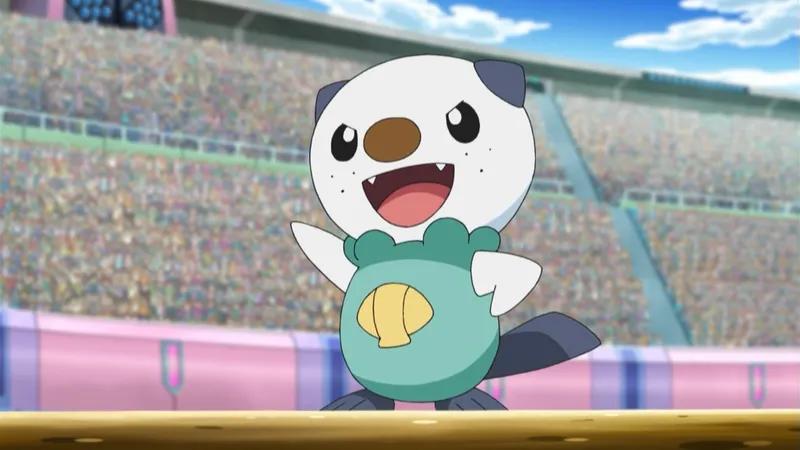
This explains why some Pokémon designs that seem unappealing at first gradually win players over through their lore, battle mechanics, and ecological traits as players spend more time with them.
Of course, precisely because Pokémon designs are so tightly integrated with the game, an interesting concept doesn't guarantee it will make the final cut. Many scrapped Pokémon drafts weren't rejected for being "ugly" — they were discarded because there was no suitable place for them in the current game structure. Sugimori once explained that each generation only introduces around 100 new Pokémon purely out of battle balance considerations, not because they ran out of ideas. Both internal documents and interviews reveal there are countless discarded design drafts, often numbering several times or even dozens of times the final roster of Pokémon in each generation.
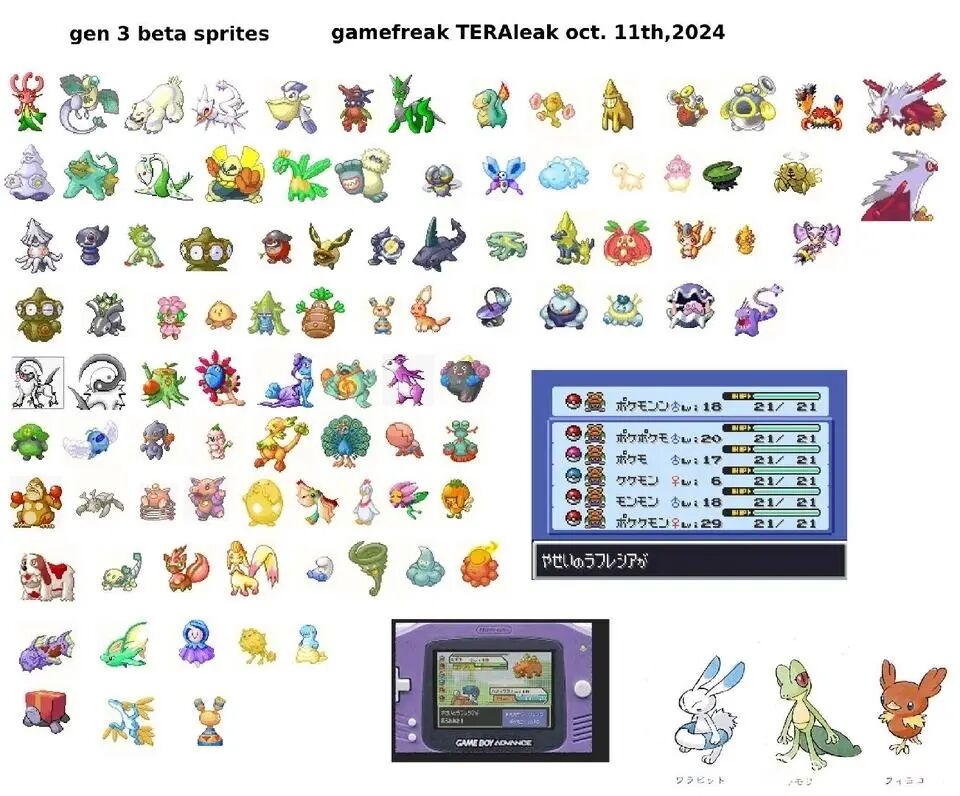
Especially as the Pokémon IP continues to expand globally, design review processes have become increasingly complex. It's no longer just a question of "does this Pokémon look good?" — every design must simultaneously pass checks for in-game balance, map ecology, animation performance, card game functionality, toy manufacturability, religious sensitivity, cultural risks, geopolitical considerations, and commercial licensing requirements.
There's a longstanding rumor among players that Pokémon shouldn't use too many colors or have overly complex limbs, because every Pokémon will eventually be adapted into animations, trading cards, and plush toys. Overly intricate designs would drive up production costs. While this claim may lack an official source, interviews and internal documents do confirm that the TV animation, TCG, and anime teams are brought into the design process early to ensure consistency across films, games, and cards.
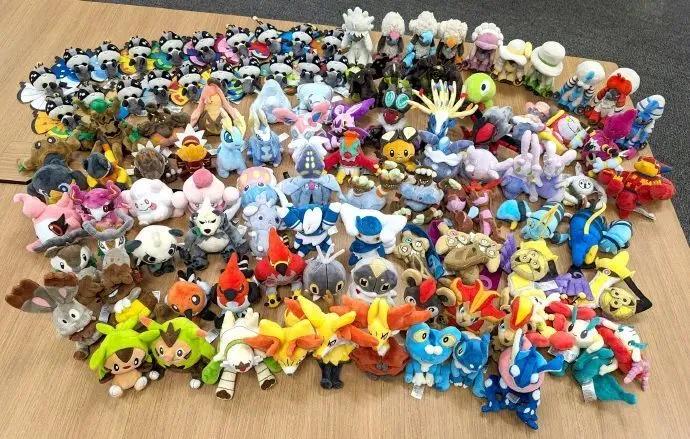
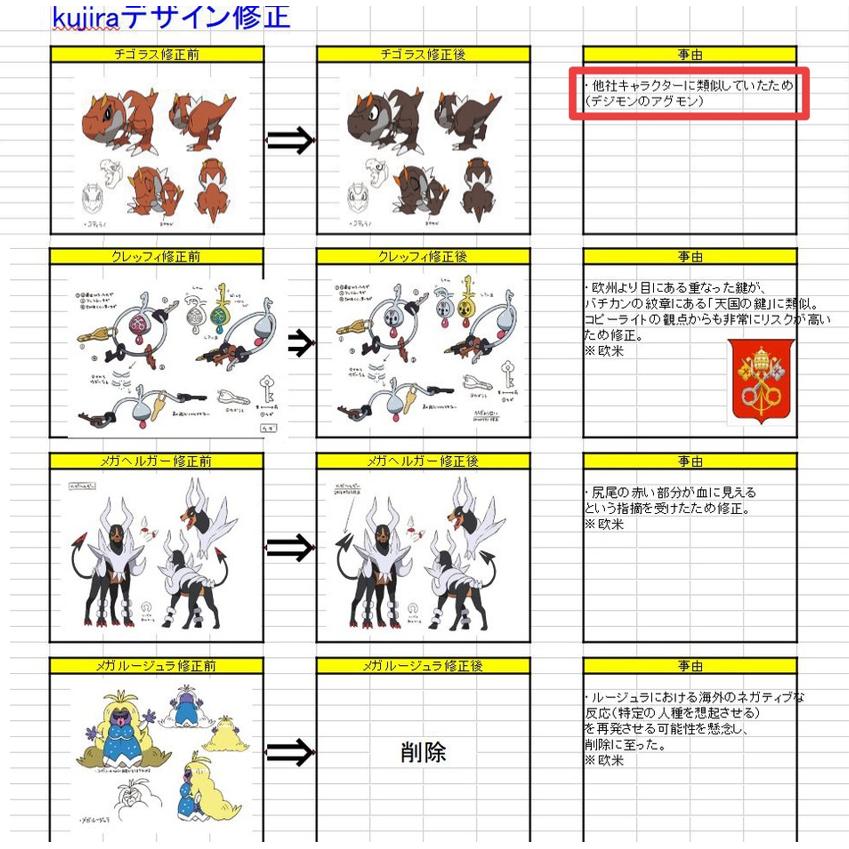
According to player-compiled materials, the reasons for adjusting or scrapping Pokémon designs are indeed extremely diverse. For example, Klefki was modified to avoid religious concerns, while a scrapped Mega form of Jynx was discarded over early racial sensitivity issues. Some designs were rejected because they too closely resembled real peacocks; some were too realistically rendered and clashed with the series' overall tone; some had red color schemes that could be associated with blood; others were discarded or modified because they bore too much resemblance to creatures from other franchises, such as Final Fantasy's Chocobo, Dragon Quest monsters, or Digimon's Agumon.
Among all the leaked materials, what players regret most is the scrapped Flying-type Eevee evolution that was discarded because it overlapped with fan-made designs. As one of the most recognizable Pokémon besides Pik