The extremely advanced 3.5mm headphone jack, who was the first to eliminate it?
In the past two days, there has been a “retro” trending topic in the digital circle: Why are wired earphones making a comeback?

The reason is that a large number of young people are speaking out against the decline of wired earphones and criticizing the hot sales of wireless earphones. The comment section is abuzz, and some netizens are complaining and asking, “Who on earth started the trend of removing the wired earphone jack?”...

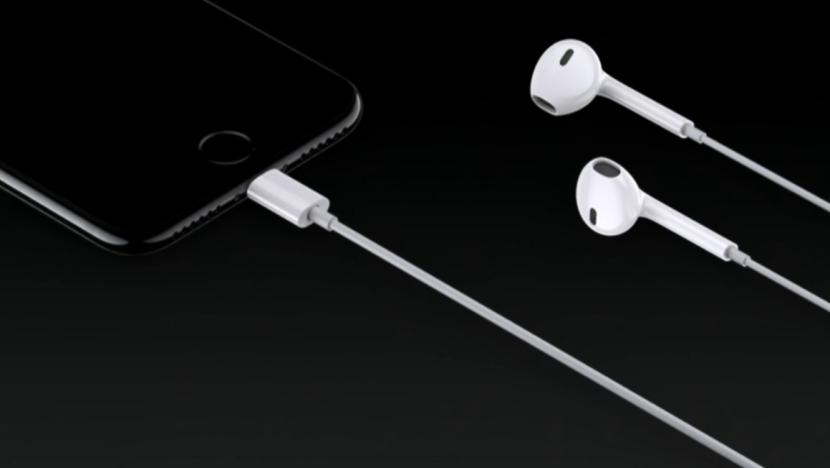
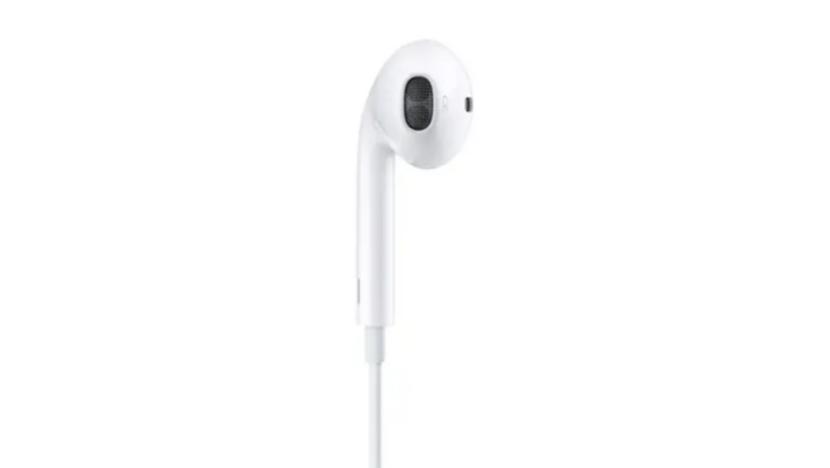
Some people blame Apple for setting a bad example, while others blame Android phone manufacturers for blindly following the trend. Some people quietly take out the dusty EarPods from their drawers, plug in a Type-C adapter, and connect them to their phones.
Interestingly, this so-called nostalgia may not be just lip service.
According to data from research firm Circana, after five consecutive years of declining sales, the sales of wired earphones stopped falling and increased by 3% in 2025. In the first quarter of 2026, sales skyrocketed, making wired earphones a category with remarkable growth in the entire earphone market.

Ten years ago, the entire industry joined hands to consign the 3.5mm headphone jack to the dustbin of history and ingrained the idea that “wireless = advanced, wired = outdated” in users' minds. Ten years later, young people are picking up that wire again.
To talk about today's resurgence, we need to look back at the “history of the elimination of wired earphones.”
Many people say that the culprit is Apple. In 2016, when the iPhone 7 was released, Tim Cook “sealed the deal” on the removal of the 3.5mm headphone jack at the launch event.
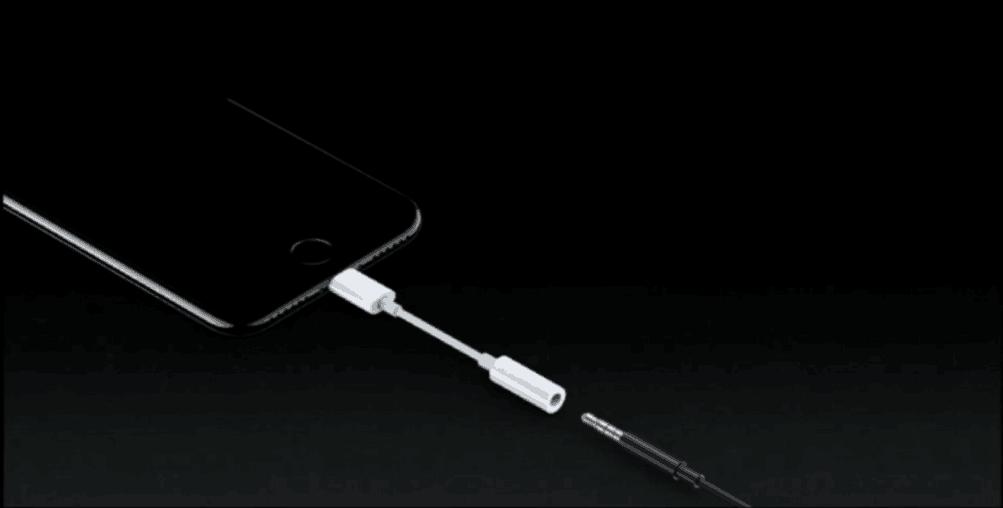
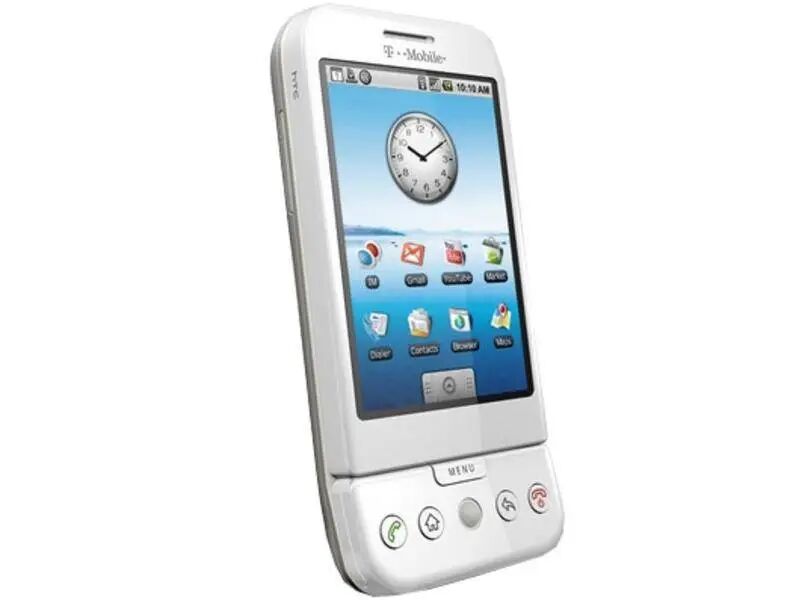
But to be precise, the world's first mobile phone to remove the headphone jack was launched in 2008. It was the Android-based HTC G1.
Early on, domestic manufacturers also experimented with mobile phones without headphone jacks. For example, the OPPO Finder and OPPO R5 launched by OPPO in 2012 and 2014 respectively did not have a 3.5mm headphone jack, but they didn't make much of a splash.
It goes to show that Apple really has influence. After a series of domestic manufacturers such as Xiaomi and Huawei followed suit with the headphone jack-free design, the fate of wired earphones became truly precarious.
However, it's one-sided to deeply link the fate of wired earphones with a particular mobile phone brand. Instead, it's the unspoken understanding among manufacturers that really led the entire industry to follow suit and completely eliminate wired earphones from the flagship market.
Manufacturers have plenty of reasons for eliminating wired earphones. For example, fewer holes make it easier to achieve dust and water resistance; it saves more internal space, allowing for larger batteries and better camera modules; and it promotes wireless audio and embraces the “hole-free future,” among other things.
Are these reasons true? Half of them are.
Removing the headphone jack can indeed simplify the waterproof structure and free up a little space, but it's far from being a “must-cut.” During the same period, Samsung flagships with headphone jacks still achieved IP68 water resistance, and their bodies weren't much thicker.
Actually, waterproofing and space are just convenient excuses. The real secret lies in business.
The 3.5mm is an open and universal standard that has been used for over 70 years. There are no patent fees and no ecological barriers. Whether it's a nine-yuan-and-nine-cent street stall earphone or a several-thousand-yuan monitoring earphone, they can both play sound when plugged in.
What does this mean for manufacturers?
It means that once users buy a mobile phone, manufacturers can't earn a single cent from the earphone segment.
Things are completely different when the headphone jack is removed. Users either have to buy an official adapter or directly purchase Bluetooth earphones.
Behind this small earphone cable could be a new market worth tens of billions of dollars every year.
Even better, after Apple set the precedent, Android manufacturers followed suit without even having to discuss. In just four years, by 2020, it was almost impossible to find a flagship mobile phone with a headphone jack on the market.
Everyone understood each other tacitly. They jointly eliminated the universal interface, sold Bluetooth earphones together, and reaped the benefits of the ecological premium.
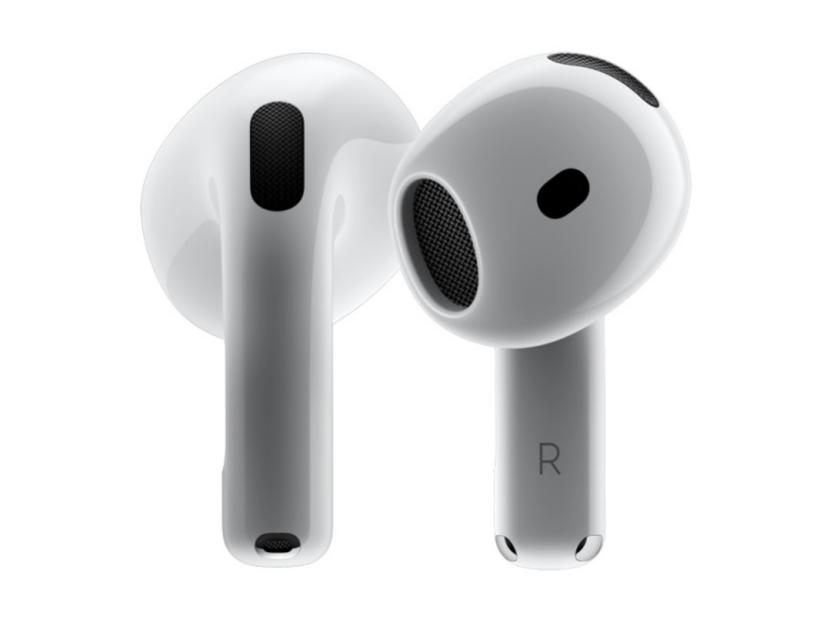
Although users complained, they eventually got used to it.
After all, the manufacturers' rhetoric was very misleading. Wireless is the future, and wired is old-fashioned. Using Bluetooth earphones means keeping up with the times.
No one ever asked users if they wanted this “future.” Anyway, the old option had been removed.
One of the most common things Bluetooth earphone manufacturers have been saying in recent years is: “Now, lossless Bluetooth technology is very mature. Ordinary people can't tell the difference between it and wired earphones.”
There's some exaggeration in this statement. Bluetooth's “lossless” is the best in the field of lossy compression, which is fundamentally different from the true lossless of wired earphones.
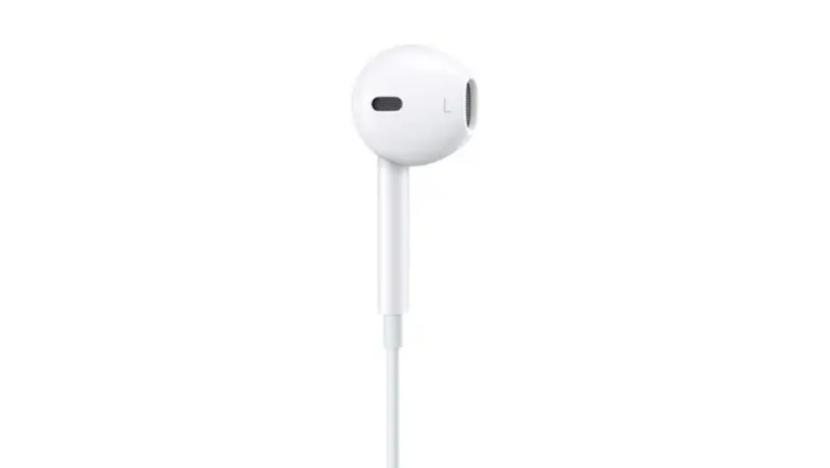
With wired earphones, the mobile phone directly transmits the analog electrical signal through the copper wire. There's no upper limit to the bandwidth, and all the data can be sent to the diaphragm intact, with zero compression and zero delay.
Bluetooth is different.
It transmits digital signals via radio waves. The bandwidth itself is limited, and a portion of it has to be allocated for connection control and sending instructions. As a result, the actual bandwidth available for audio is even smaller.
Therefore, the audio must first be compressed and packaged, and then the earphones receive and decompress it. During this compression and decompression process, details are inevitably lost.
This is just in an ideal environment. In the subway or in an office with many people and devices, Bluetooth signals interfere with each other, and the bit rate automatically decreases, resulting in a significant drop in sound quality.
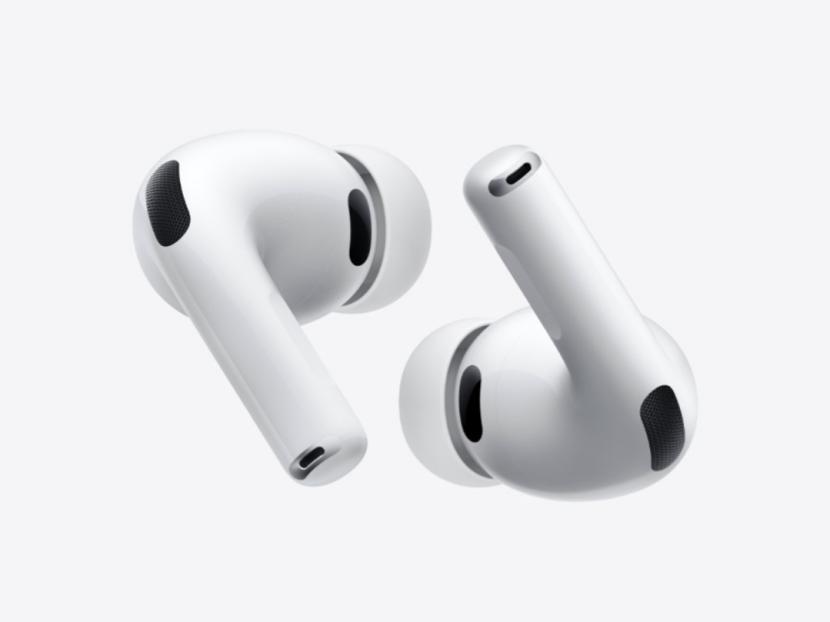
Besides sound quality, latency is another major drawback of Bluetooth earphones that can't be avoided.
Wired earphones have a direct physical connection, so the signal is transmitted instantly, with almost zero latency. Bluetooth earphones need to go through encoding, transmission, reception, and decoding. Even in the best-optimized low-latency mode, there's still a latency of 30 - 50ms.
Many people attribute this resurgence of wired earphones to the Y2K retro trend, thinking that young people are just being trendy and trying something new.
This view is only partially correct. If you really ask those who have started wearing wired earphones again, many of them were forced back by the pain points of Bluetooth earphones.
A statement resonated with many netizens: Except for being wireless, wireless earphones have nothing but drawbacks; except for being wired, wired earphones have nothing but advantages.

Bluetooth earphones are small and have a split design. Losing a single earpiece or the charging case is almost an everyday occurrence.
Let's do a survey in the comment section. If you've lost any, please reply with 1...
Anyway, almost all my friends around me have had the experience of replacing their AirPods. Replacing a single earpiece and the charging case costs several hundred yuan, which is enough to buy more than a dozen pairs of ordinary wired earphones.
What about wired earphones?
The whole cable is connected together. It's hard to lose them whether you put them in your pocket or hang them around your neck. If they break, you can just replace them for a dozen or twenty yuan without any hesitation.
Battery life is also a major drawback. If you forget to charge the case of your wireless earphones before going out, the earphones will stop working by the afternoon. If they run out of power during your commute, you won't even be able to listen to music.
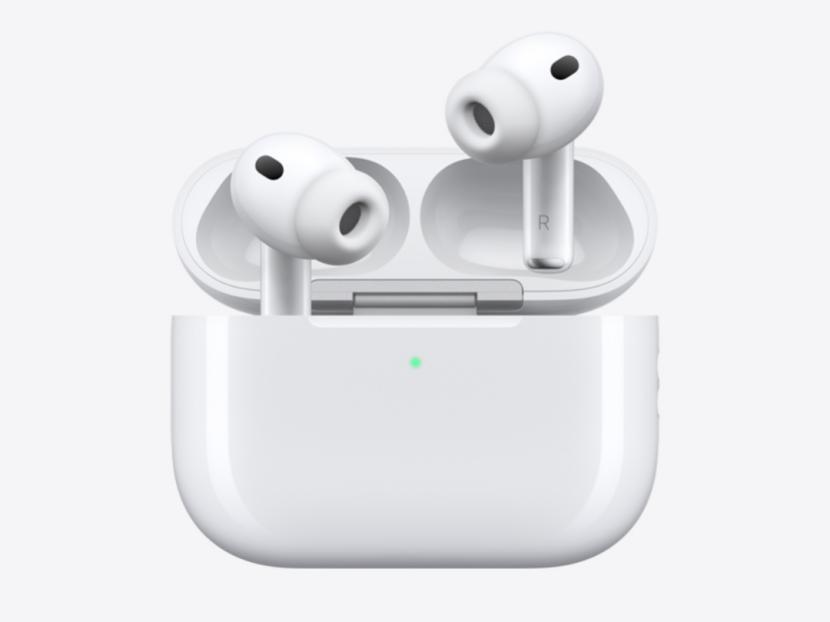
Wired earphones don't have this problem at all. They start playing as soon as you plug them in, and you don't have to worry about charging.
This sense of “certainty” has become a scarce commodity in the digital age where everything needs to be charged.
Of course, the trend factor has also added fuel to the fire.
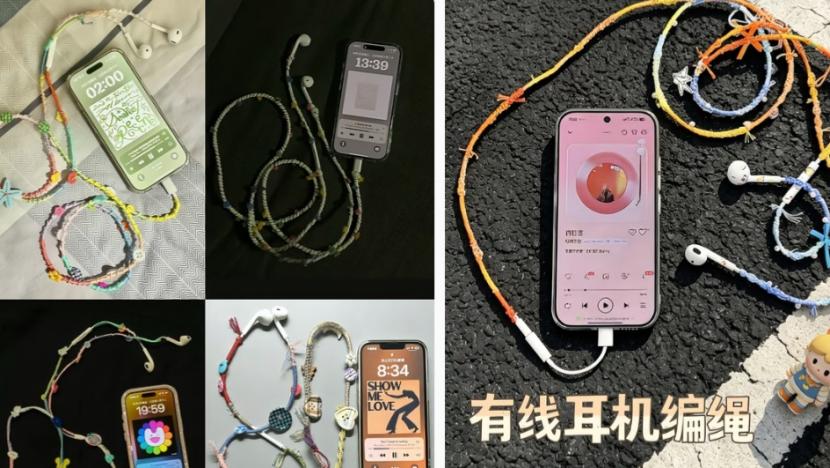
Nowadays, young people wearing wired earphones also add a decorative element. There are numerous posts about “wired earphone outfits” on social media. A classic white cable wrapped around the neck, paired with a sweatshirt or a retro suit, has actually become a fashion item.

Some people even customize their earphones by reweaving the cable, replacing the transparent cavity, or sticking colorful stickers. They can transform a dozen-yuan earphone into a unique item, which is much more personalized than the ubiquitous white TWS earphones.
From being a digital accessory to a fashion item, the change in the market has directly doubled the demand. In essence, what people are buying is not just an earphone but an aesthetic attitude that doesn't follow the crowd and isn't standardized.
Looking back at the changes in earphones over the past decade, it's actually a classic scenario in the digital circle.
Manufacturers first define what is “advanced” and what is “backward,” telling you that the old things should be eliminated and the new things are the future. Then they remove the old options and force you to accept the new standards. Finally, they make a fortune from the new private ecosystem.
This was the case with removable batteries before, and it's the same with wired earphones. In the future, there may be more interfaces and functions following this path.
However, the resurgence of wired earphones precisely shows that users aren't always led by the nose.