BYD, which sells 400,000 vehicles monthly, only sold 686 units in India, while Suzuki sold 190,000 units. India: No technology access, no market share
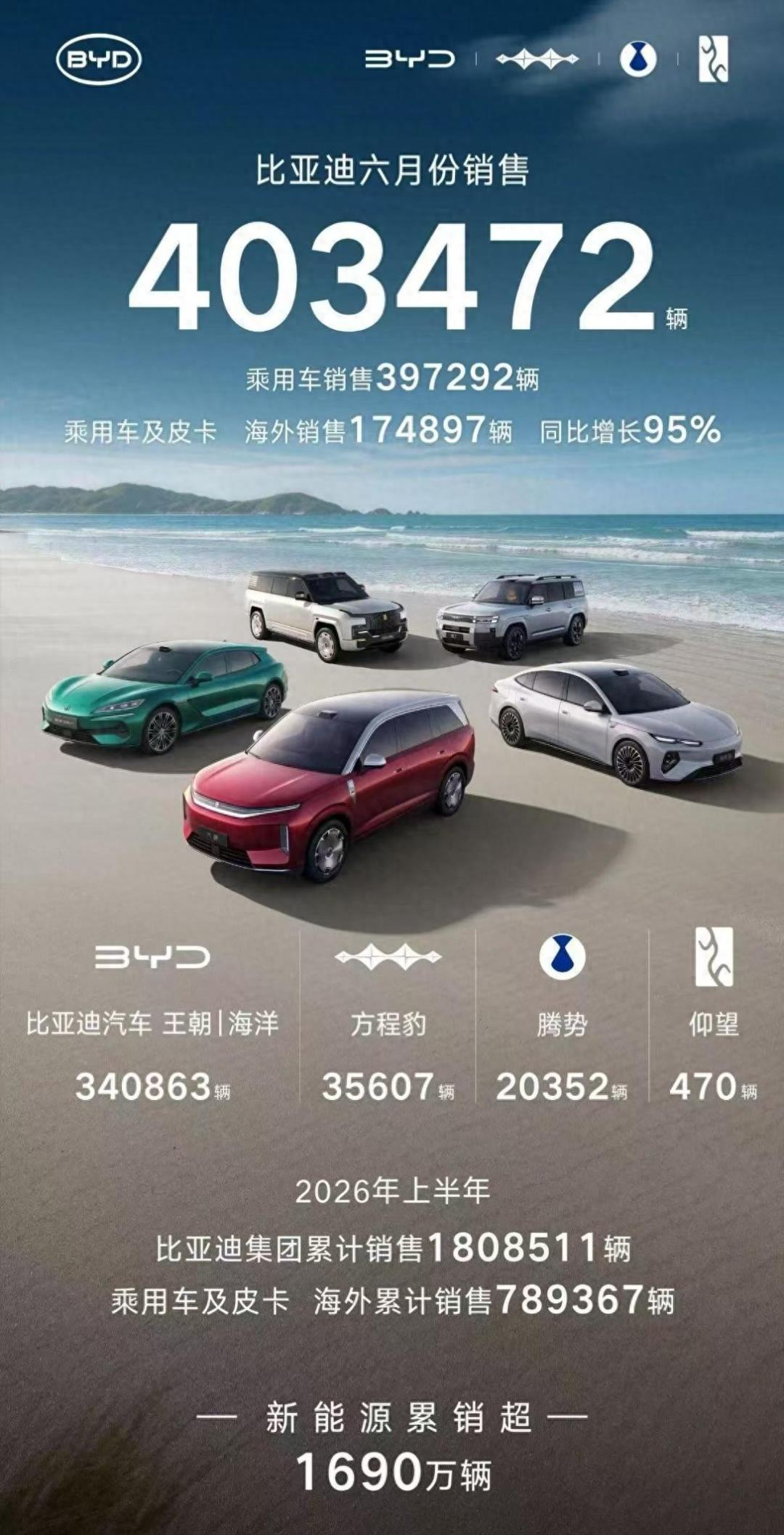
Recently, there is a set of interesting data. On one hand, BYD sold 403,000 vehicles in June 2026. On the other hand, the entire Indian auto market reached a historical high in May 2026, with only 440,000 vehicles sold. BYD's monthly sales are almost equivalent to the entire monthly sales volume of the Indian market.
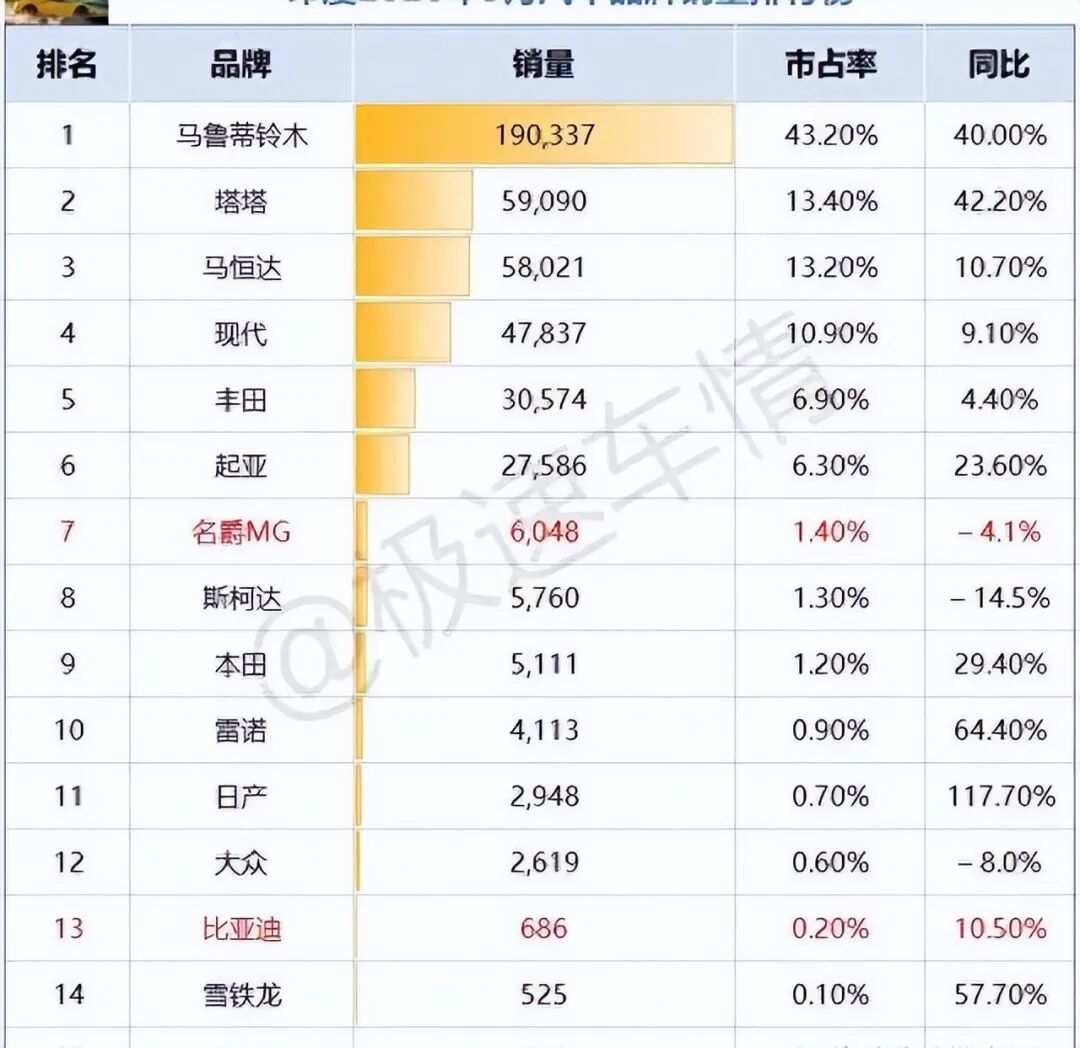
However, in the Indian market in May, BYD only sold 686 vehicles, accounting for a market share of 0.2%, even less than VinFast from Vietnam.
On one hand, BYD is making great progress in the global market; on the other hand, it is facing difficulties in India.
Maruti Suzuki, the leader in the Indian market, sold 193,000 vehicles in India in May, with a market share of 43%, which is basically unshakable.
In the 1980s, Suzuki jointly established Maruti Suzuki with the Indian government. At that time, the Indian government held 74% of the shares, while Suzuki only held 26%.
After Suzuki entered the Indian market, it directly transferred its small - car production line from Japan. Since India held the majority of shares, it adopted a thorough localization strategy from the very beginning.
What does thorough localization mean? It is not simply assembling cars locally. Instead, core components such as engines, gearboxes, and chassis, as well as stamping parts, interiors, plastic parts, and engine accessories are almost all produced in India. The localization rate of parts exceeds 95%.
By not importing parts, it avoids high tariffs, and the cost of parts is minimized.
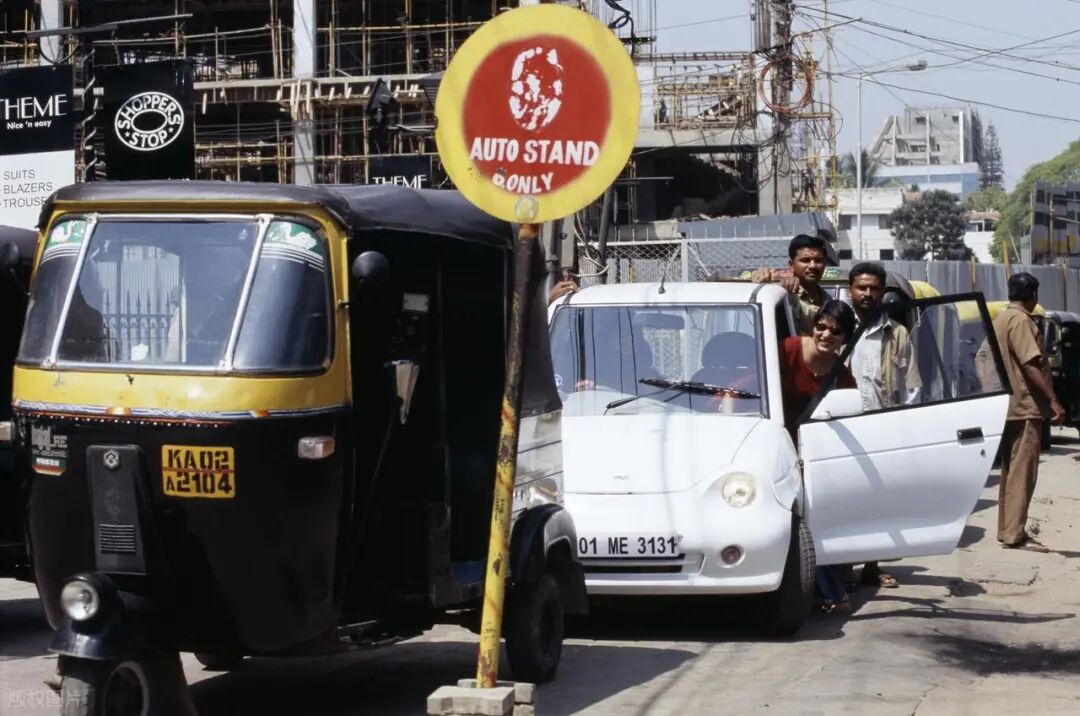
Its factory is in India, its suppliers are in India, 99% of its employees are Indians, and the models are specially developed for the Indian market - narrow body, high chassis, fuel - efficient and durable, suitable for the road conditions and income levels in India.
In the eyes of Indians, Suzuki is not a Japanese brand but their own national car.
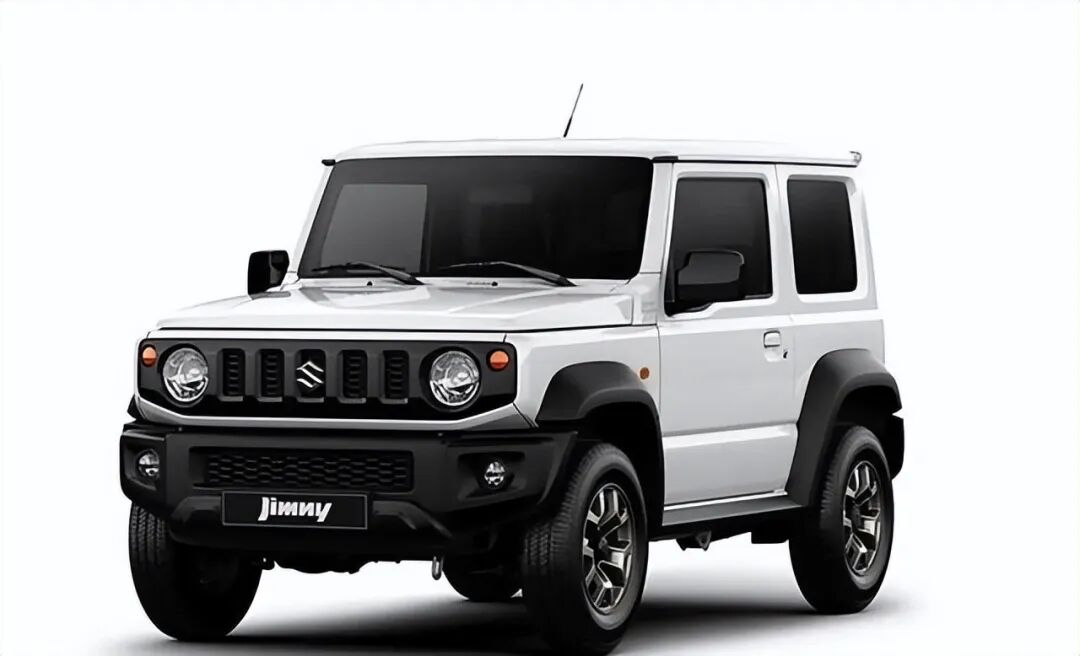
Suzuki's main models, such as Alto and Swift, are small two - door cars. Their prices are equivalent to 30,000 - 60,000 RMB. The 1.2L small - displacement engines have extremely low fuel consumption, which fully meets the commuting needs of the Indian middle class.
Suzuki's success today is also inseparable from the protection policies of the Indian government. High tariffs keep imported cars out. Foreign car companies have to form joint ventures and localize if they want to enter the market.
Suzuki achieved its success by Indianizing the entire company and localizing its technology. In essence, it has become an Indian car company. Currently, among the top three in the Indian market, Suzuki, Tata, and Mahindra together account for nearly 70% of the market share. It is extremely difficult for outsiders to break in.
Why can't BYD sell well in India?
BYD also considered localizing in India. In 2023, it planned to invest $1 billion to build a vehicle factory with an annual production capacity of 100,000 vehicles in India. By using the CKD assembly model, it could avoid the 70% - 110% import tariff on complete vehicles, and the car prices could be significantly reduced.
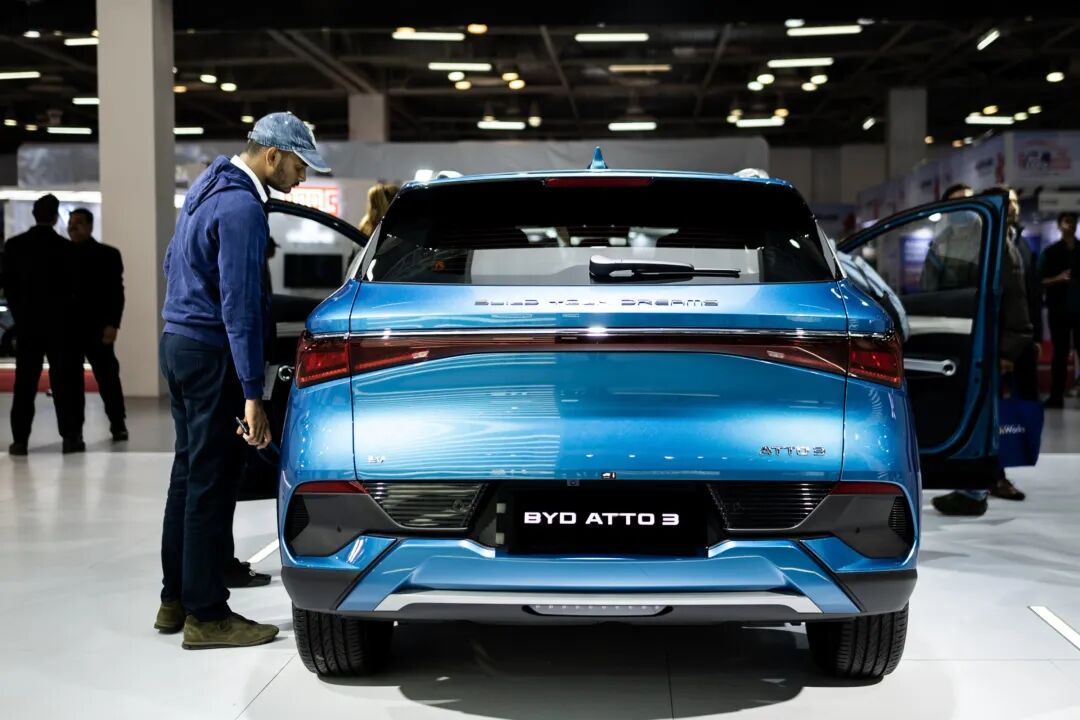
However, the Indian government put forward two conditions, which directly blocked the way.
The first condition is that the foreign shareholding ratio cannot exceed 49%. That is to say, BYD must form a joint - venture company with an Indian enterprise, and the controlling stake must be in the hands of Indians.
The second condition is even tougher. It requires BYD to license its core technologies of the three - electric system, including blade batteries, motors, and electronic controls, along with the patent drawings, to India, so that Indian local parts enterprises can directly produce them. In short, it means asking you to hand over your core technologies.
Therefore, the negotiation failed, and the factory - building plan was shelved. Without a factory, BYD can only rely on importing complete vehicles.
The import tariff on complete vehicles in India can be as high as 110%. For a car worth 200,000 RMB, the tariff alone is 200,000 RMB. BYD's cars are already not cheap in India. With the addition of tariffs, their cost - effectiveness is completely gone.
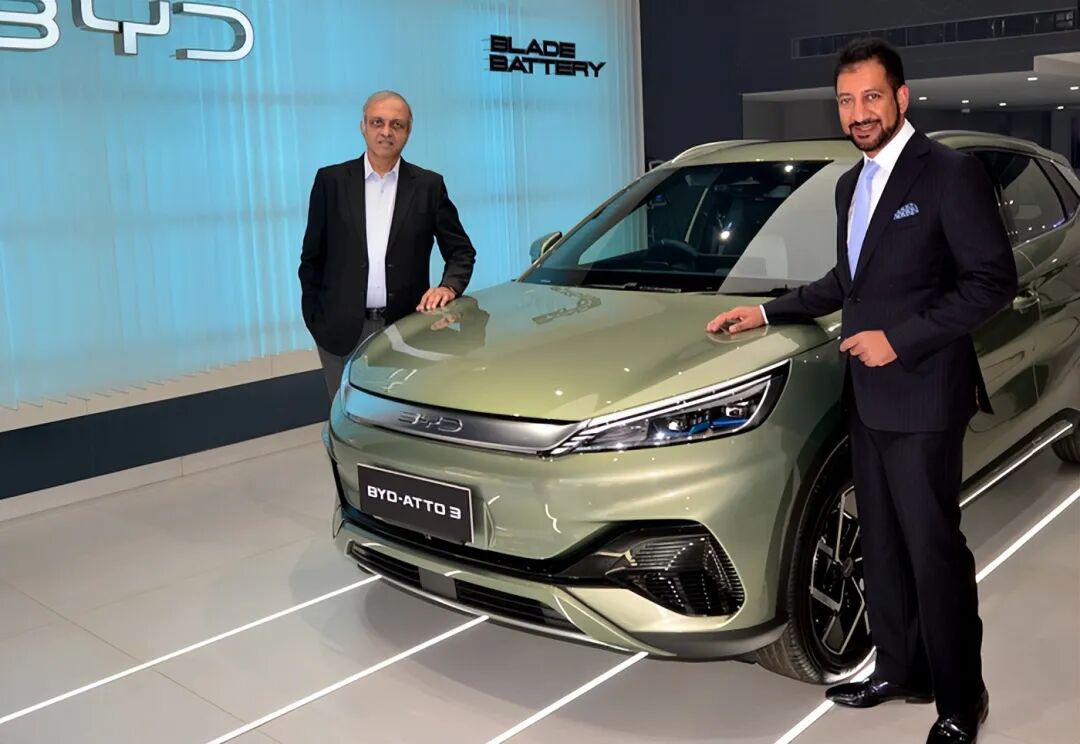
In addition, there are few sales outlets in India, a shortage of charging piles, and various implicit administrative barriers. It is not surprising that BYD only sold 686 vehicles.
That is to say, if you don't give your technology, India won't let you in. It has raised the threshold for imported cars unprecedentedly and restricted them strictly. The huge gap in sales volume between Suzuki and BYD in India shows with figures that if foreign companies don't build factories in India and transfer technologies, they won't be able to enjoy the dividends of the Indian market.
Handing over technologies to India and being squeezed out by the "apprentices" has almost happened to every manufacturer that has built a factory in India.
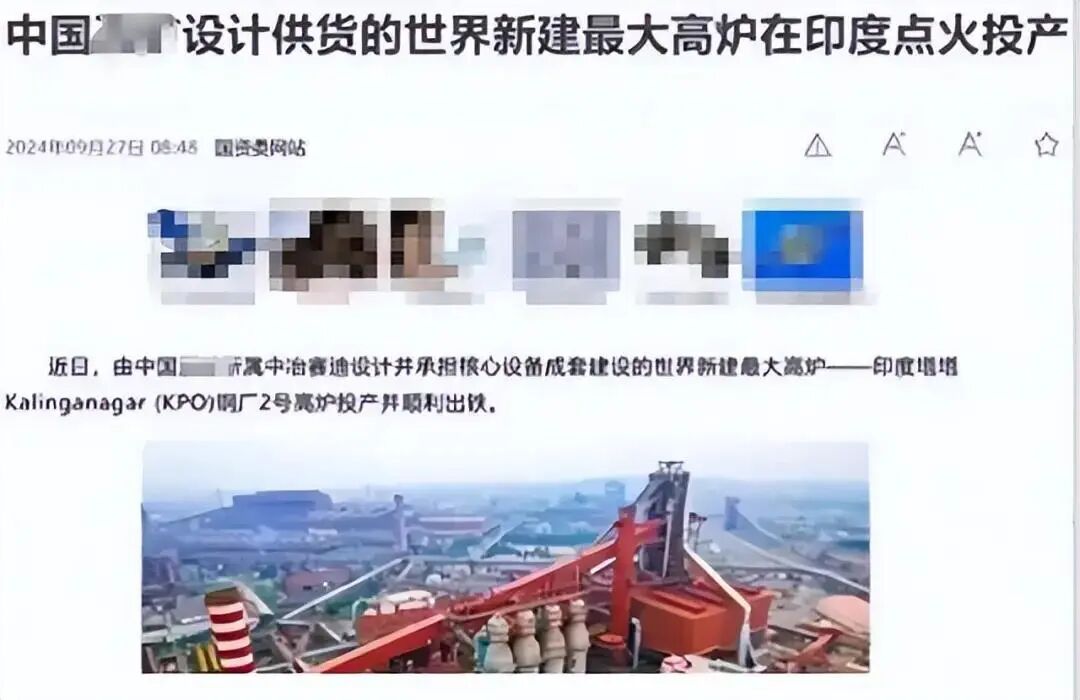
For example, Chinese mobile phone manufacturers built factories in India and promoted the development of its industrial chain. Now, India has become the largest production base for Apple iPhones in the United States. The Wuhuan Company under China National Chemical Engineering Co., Ltd. undertook the coal - to - fertilizer project in Talcher, India. Later, Chinese enterprises also helped India build the world's largest blast furnace, but they faced a 15% - 25% tariff increase.
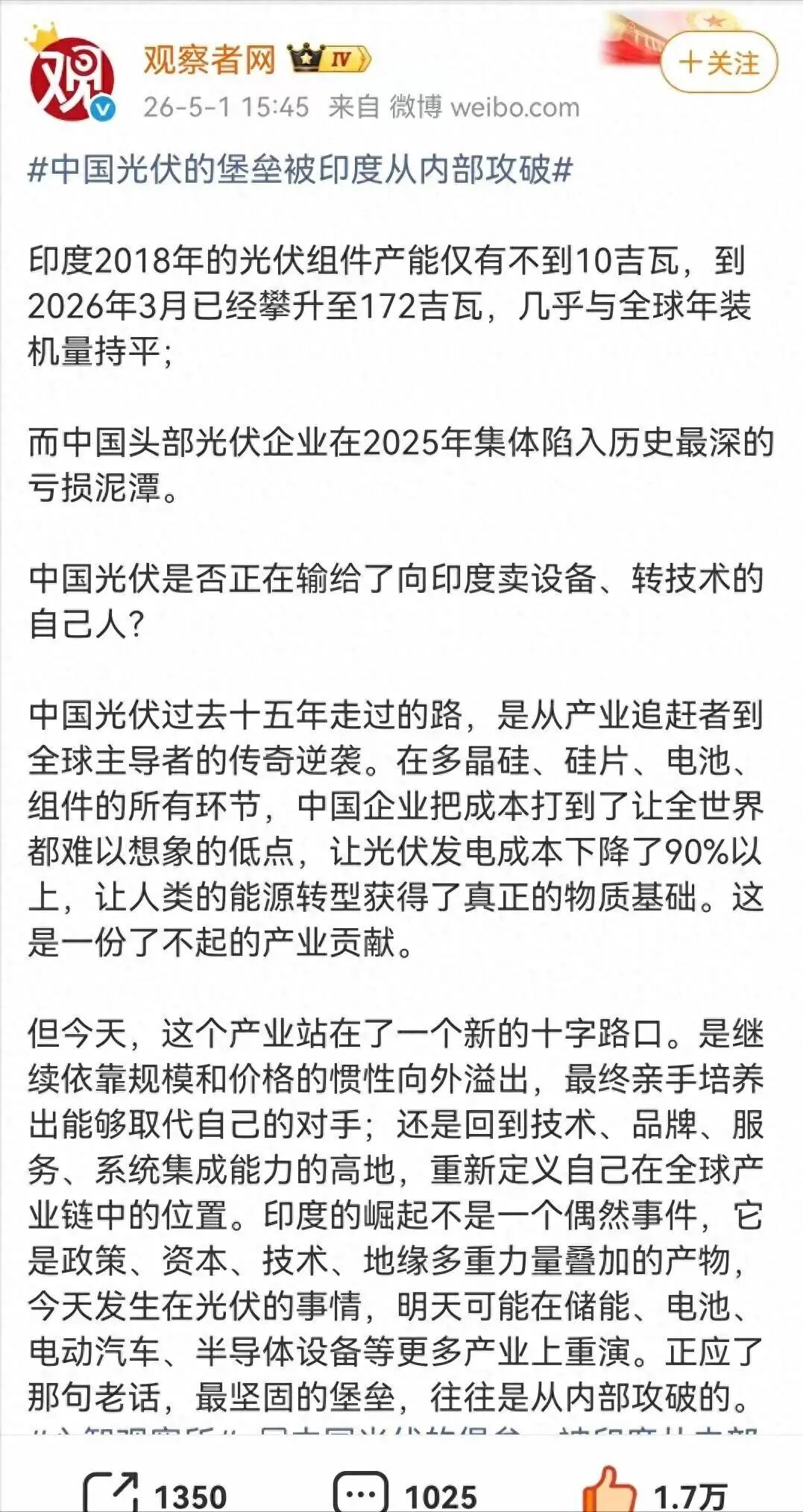
In the photovoltaic field, after Chinese enterprises helped India's production capacity exceed 100GW, India imposed high tariffs to restrict Chinese products and exported its own products globally.
India's production capacity of photovoltaic modules soared from less than 10GW in 2018 to 172GW in 2026, almost equal to the global annual installed capacity. However, Chinese photovoltaic enterprises collectively fell into losses.
In the fields of power transformers, UHV equipment, petrochemical pipes, and construction machinery, Chinese enterprises have also invested heavily in building factories, transferring technologies, and training local talents. Eventually, after their technologies were acquired, they were either squeezed out of the Indian market or their enterprises were acquired.
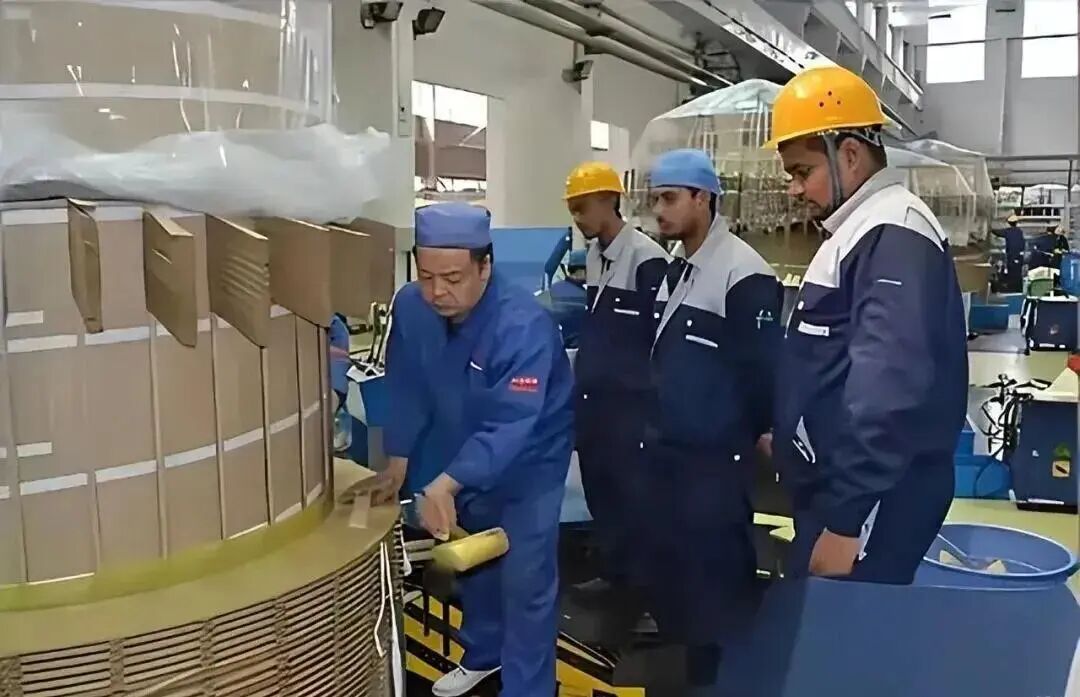
India adopts a "closing - the - door - to - beat - the - dog" strategy. After the industrial chain is established, it deals with foreign enterprises one by one. As a result, Chinese - funded enterprises end up in a mess and leave dejectedly.
Not only Chinese - funded enterprises, but also many other companies such as Vodafone, Amazon, and Samsung have suffered setbacks in India. Indian expert Jayant believes that even the French Rafale, the Japanese Shinkansen, and the American Ford couldn't withstand this approach.
For Chinese - funded enterprises, India's strategy is to use Chinese money and technology to eliminate Chinese products. Indian media has clearly pointed out this before. India can only achieve this strategy by luring Chinese - funded enterprises to build factories and obtain Chinese technologies.
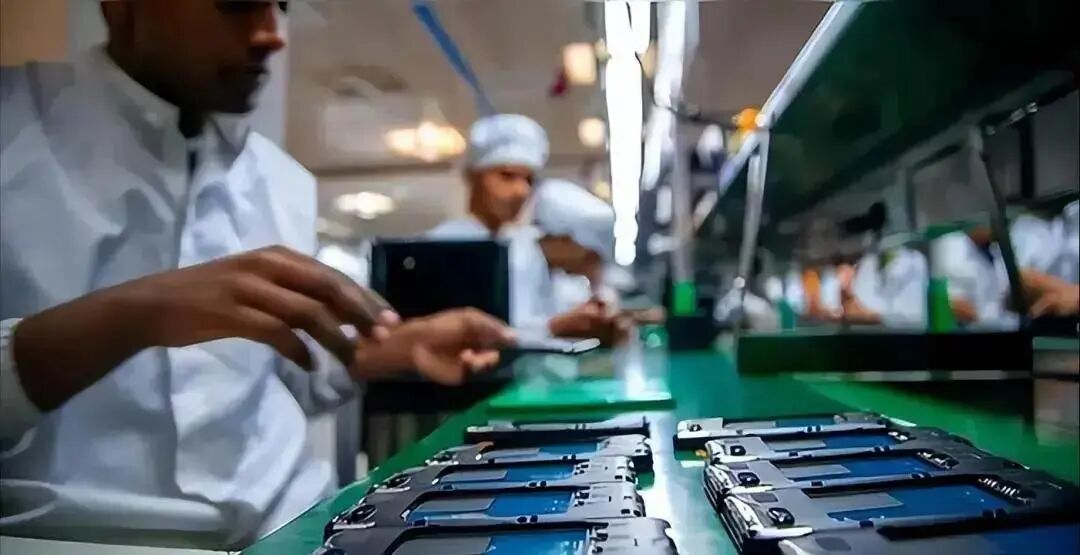
BYD has been engaged in new - energy vehicle R & D for more than 20 years. In 2025 alone, its R & D investment reached 32 billion RMB, and the cumulative R & D investment exceeded 160 billion RMB. Technologies such as blade batteries, DM - i hybrid systems, eight - in - one electric powertrain systems, and vehicle platform architectures are the core barriers for its global sales.
What will happen if these technologies are transferred to an Indian joint - venture company?
Referring to the path of fuel - powered vehicles: local giants such as Tata and Mahindra can quickly master the technologies through the joint - venture company, set up their own production lines, and produce similar models that are 30% cheaper than BYD's. In a few years, BYD will have no place in the Indian market.
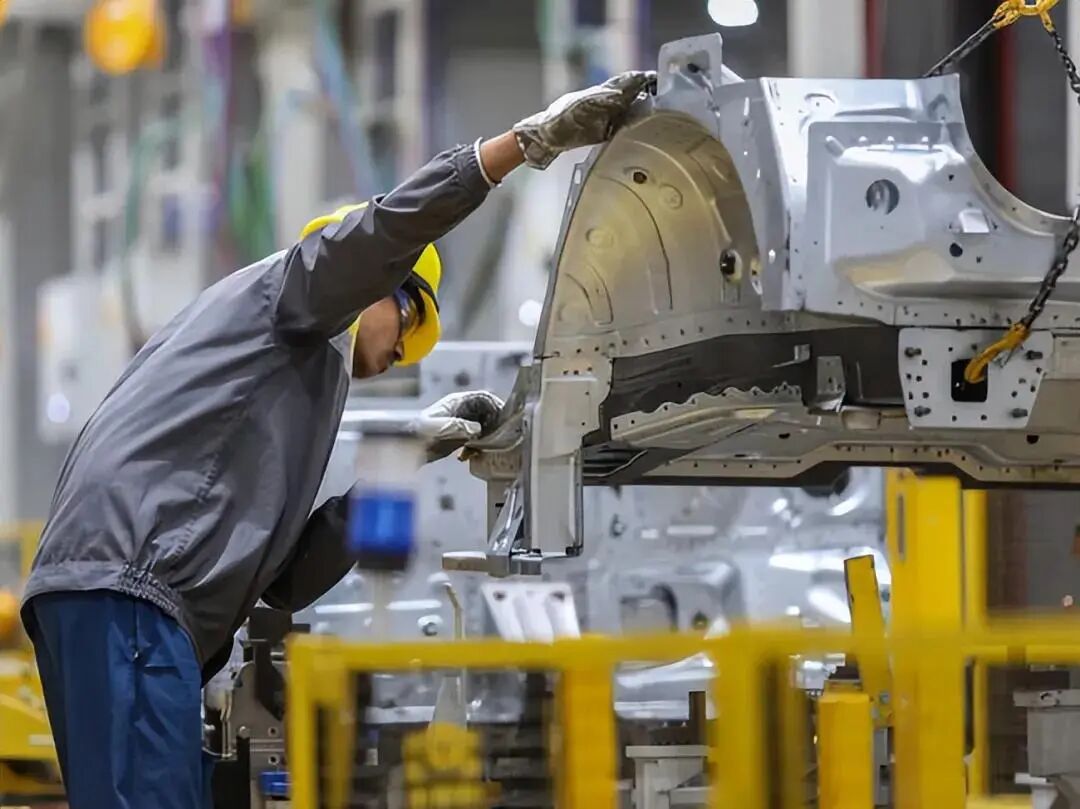
Not only will BYD lose its share in the Indian market, but also the Indian enterprises may use its technologies to compete in the Southeast Asian, Middle Eastern, European, and American markets, which is equivalent to cultivating a deadly rival for itself.
In fact, the penetration rate of new - energy passenger vehicles in India is only 4.3%. In the entire fiscal year of 2026, the total sales of electric passenger vehicles in India were less than 200,000, which is even less than BYD's half - month sales volume.
In this market, Tata and Mahindra are the dominant players. They assemble cars by purchasing parts from China and do not have core technologies.
India is very eager for Chinese electric - vehicle technologies. Chinese car companies should have strategic determination.
India now has a very strong demand for developing electric vehicles and having its own battery technologies. India is highly dependent on overseas oil imports. If the electric - vehicle industry develops, the pressure of oil imports will be greatly relieved.
Everything that China has is what India wants.
The foreign media "Ember" pointed out that India is eager to show the world a path to modernization, a path that does not require deep dependence on fossil fuels.
According to Bloomberg's report, not only Reliance is strengthening its ties with Chinese enterprises. The chairman of the Adani Group in India visited the headquarters of CATL in China and its automated energy - storage production line last July.
The JSW Group has reached a cooperation agreement on new - energy vehicles with Chery Automobile. However, Chery stated that its cooperation with the JSW Group is only in the field of parts supply and does not involve technology.
Whether it is CATL or Chery, India wants to obtain technologies through cooperation, but Chinese enterprises will not be deceived anymore. Once core technologies are involved, they will stop the cooperation in time.
India is very clear that Suzuki has been Indianized in India and is under India's control. However, no matter how well Suzuki sells, India has only developed the supporting industry for fuel - powered vehicle parts, which does not represent the future of technology. What Chinese enterprises have is what India needs for its industrial upgrading.
For Chinese enterprises, safeguarding the technology red line is always the top priority.
We can sell products, equipment, and system - integration services