Are popular tea drinks collectively embracing "Chaoshan-style" trends? Niche fruits are in short supply
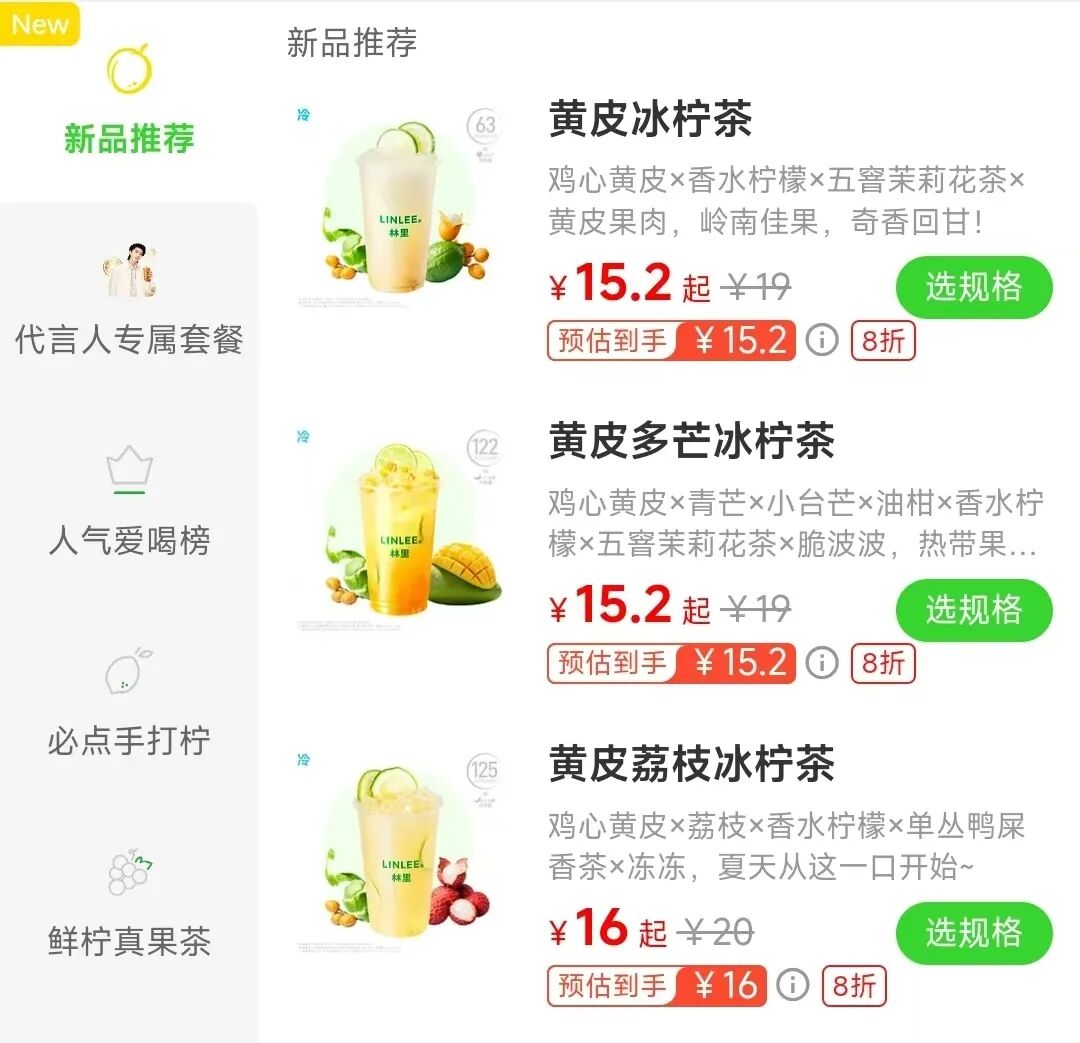
Looking through the recent tea drink recommendation lists of netizens, it's not hard to notice that once niche fruits like "wampee", "emblic leafflower fruit", and "guava" have made a strong entry into national tea drink brands.
HEYTEA has been promoting guava from last year to the first half of this year. Whether it's fruit tea, milk tea, or specially - blended tea series, netizens even joked and asked, "Did guava save HEYTEA's life?" But undeniably, HEYTEA has explored every possible way to use guava, and also led the entire tea drink market to become familiar with the guava flavor from being unfamiliar.
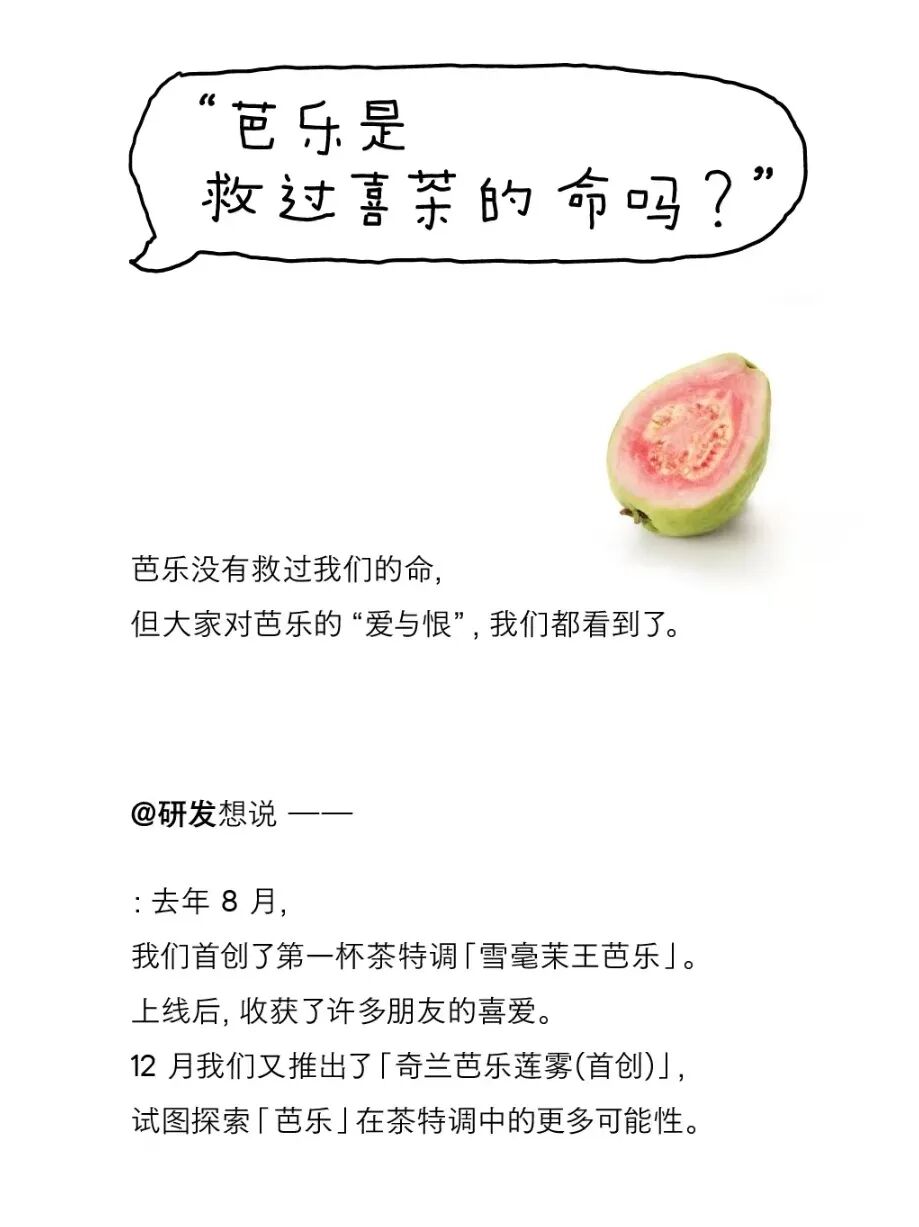
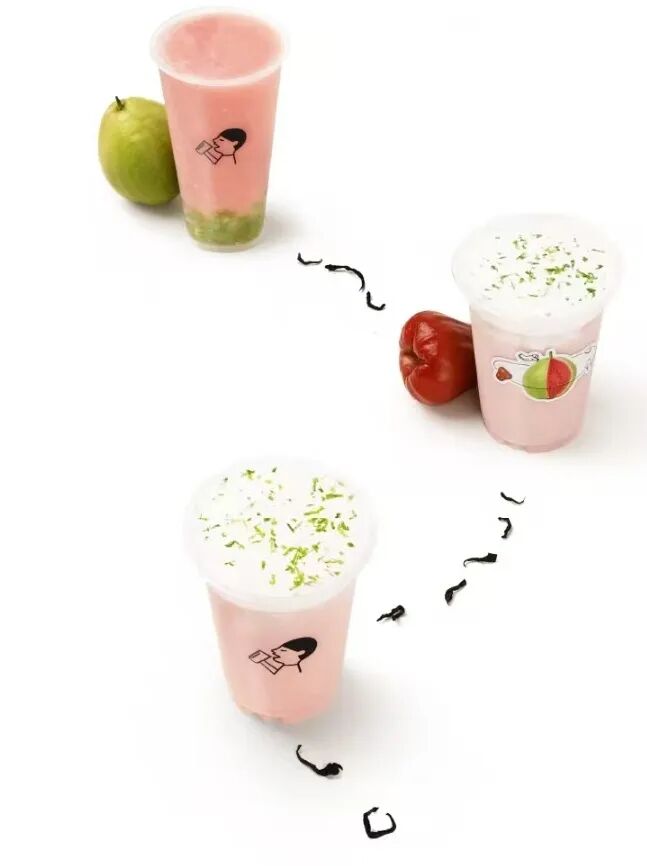
HEYTEA's "Guava Series"
The new product of Linli Hand - Made Lemon Tea in June is wampee. Wampee Iced Lemon Tea, Wampee and Mango Iced Lemon Tea, Wampee and Lychee Iced Lemon Tea combine the unique aroma of wampee with lemon tea. It's a brand from Guangdong, using Guangdong wampees, and combining with the lemon tea loved in the Guangdong market, fully leveraging the regional characteristics.
Needless to say about emblic leafflower fruit. After Nayuki's Tea became extremely popular with its popular emblic leafflower fruit - based drink, emblic leafflower fruit juice has long become one of the choices for many tea drink brands. Whether as the main flavor or a compound - paired flavor, the concept of "sweet aftertaste in 3 seconds" of emblic leafflower fruit is highly suitable for summer drinks.
Interestingly, most of these once - niche fruits come from Chaoshan, Guangzhou, making the national tea drink market seem to be "Chaoshan - influenced". Some netizens even asked, "Why do most milk tea shops now feature Chaoshan flavors?"

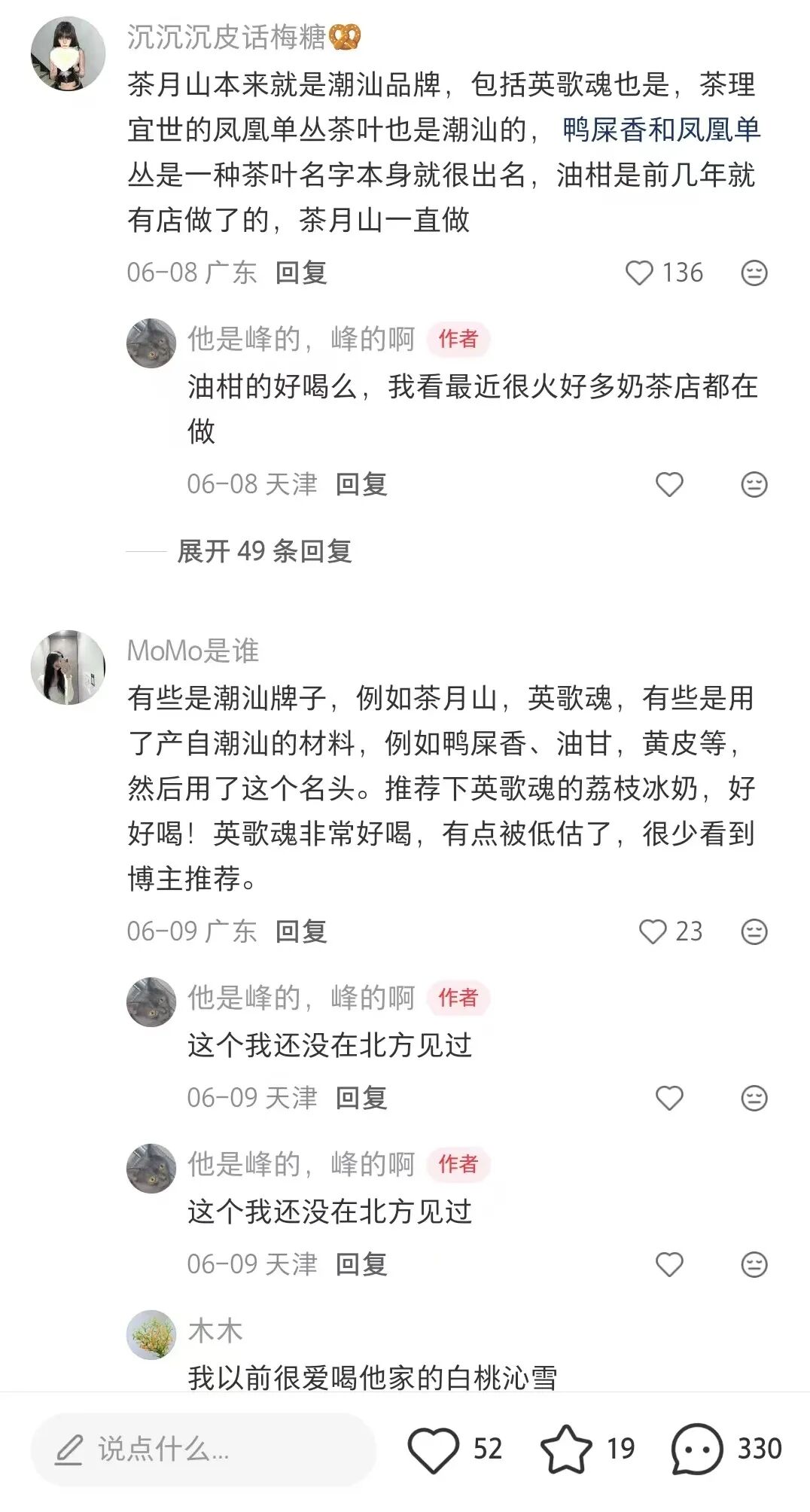
Netizens' discussions
Why can these niche "Chaoshan - flavored" fruits become "regular guests" in the tea drink market?
It seems that tea drink products that stand out using "niche fruits" all carry a "Chaoshan characteristic", which is not a coincidence.
Born with "blockbuster genes"
Chaoshan fruits represented by emblic leafflower fruit and olive have a unique flavor of "bitter first, then sweet". This distinct - layered experience can enhance the after - taste of drinks, objectively adapting to the innovation of tea drinks.
Fruits like guava and wampee have a natural and highly recognizable aroma. After blending, they help to enhance the layering of drinks.
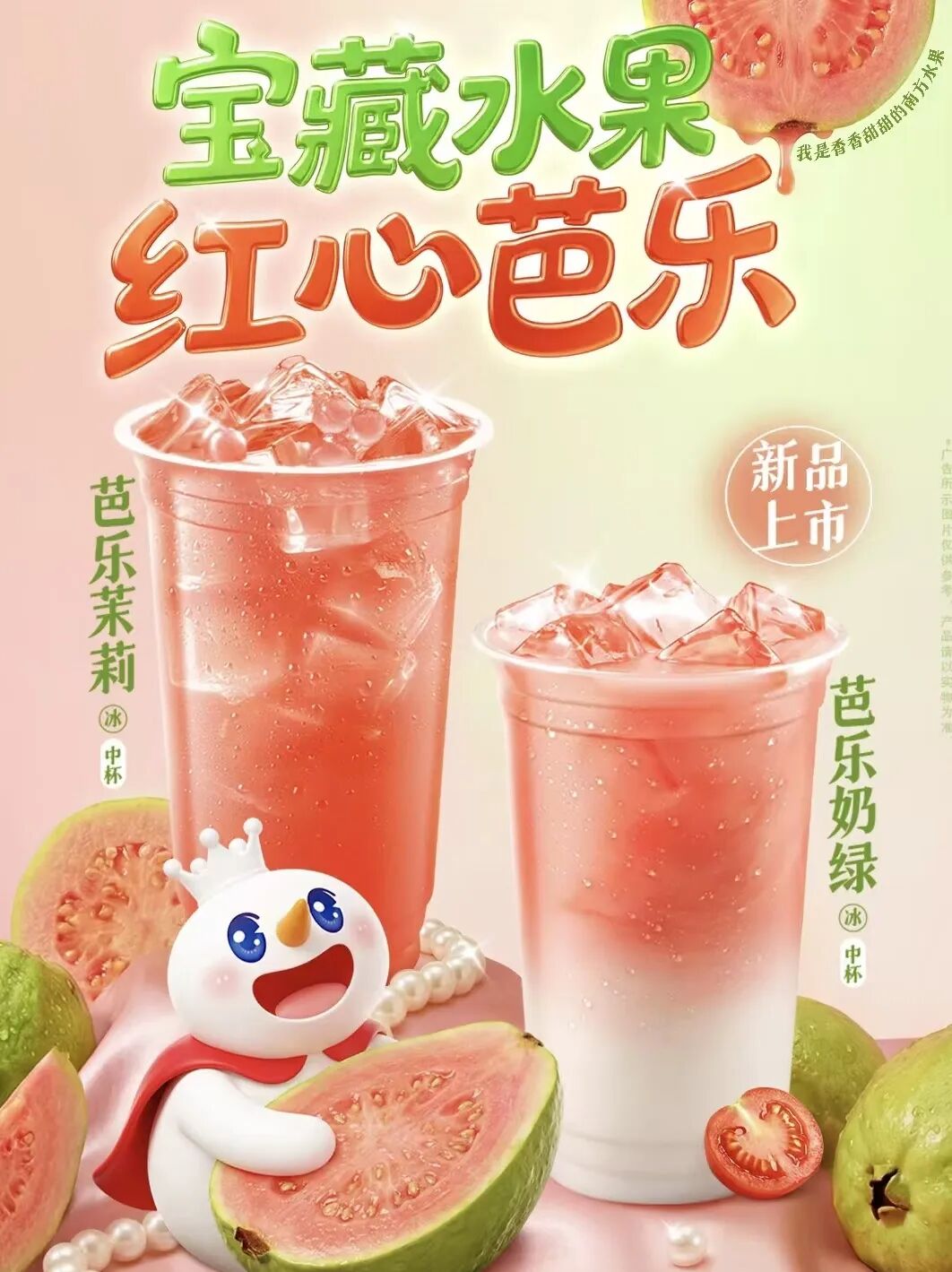
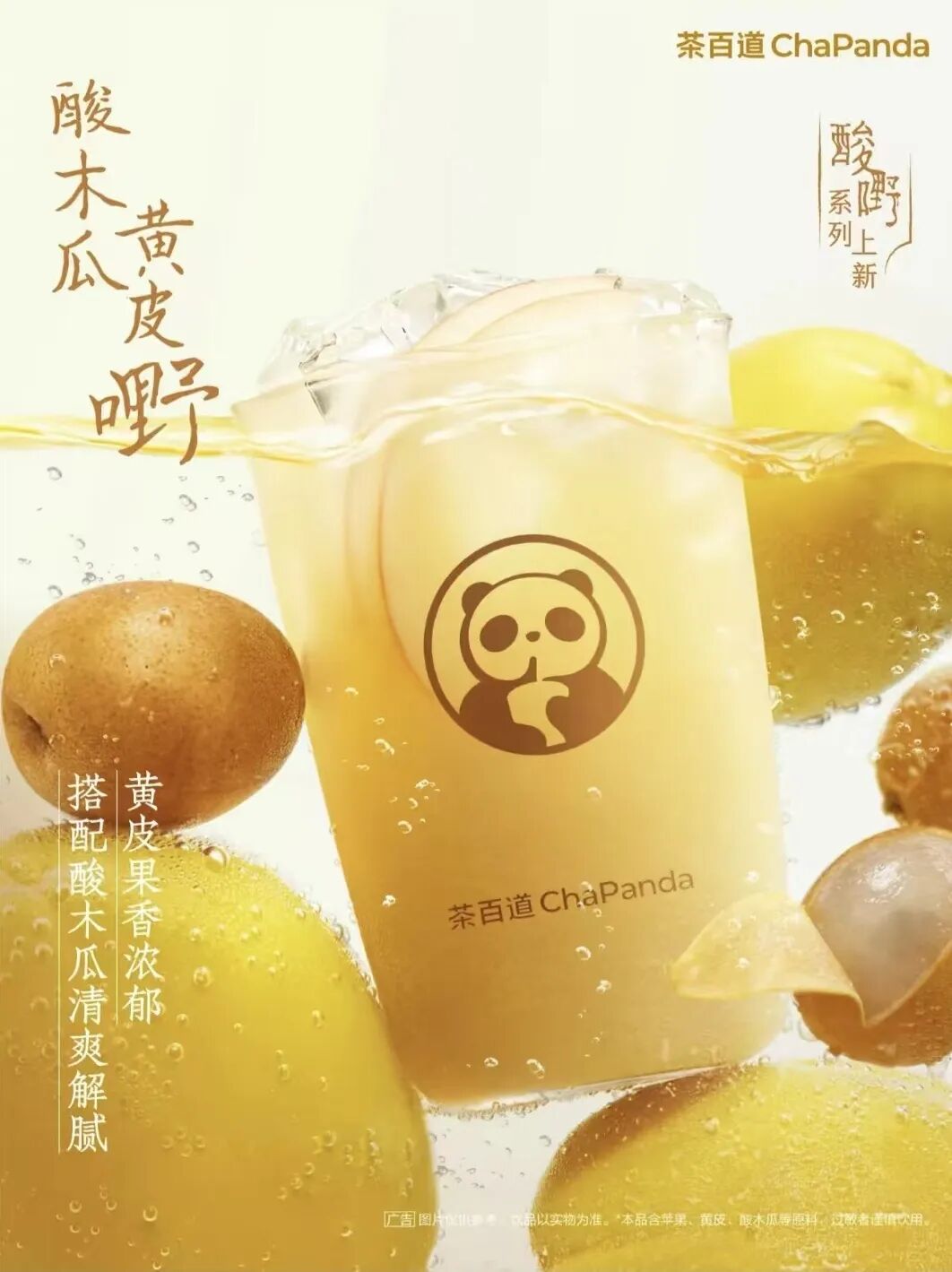
Left - Mixue Bingcheng's "Guava" products, Right - Cha Baidao's "Wampee" products
The "regional" narrative rewrites the consumption logic
On the other hand, leading tea drink brands took the lead in exploration and promotion. Relying on their national layout scale and marketing capabilities, they increased the market's awareness and interest in "unfamiliar" flavors.
With the rapid spread of the information network and social media, the consumption demands of the young consumer market are now iterating. "Niche" is no longer just "niche", but "region" and "culture", giving drinks with distinct regional characteristics a unique story.
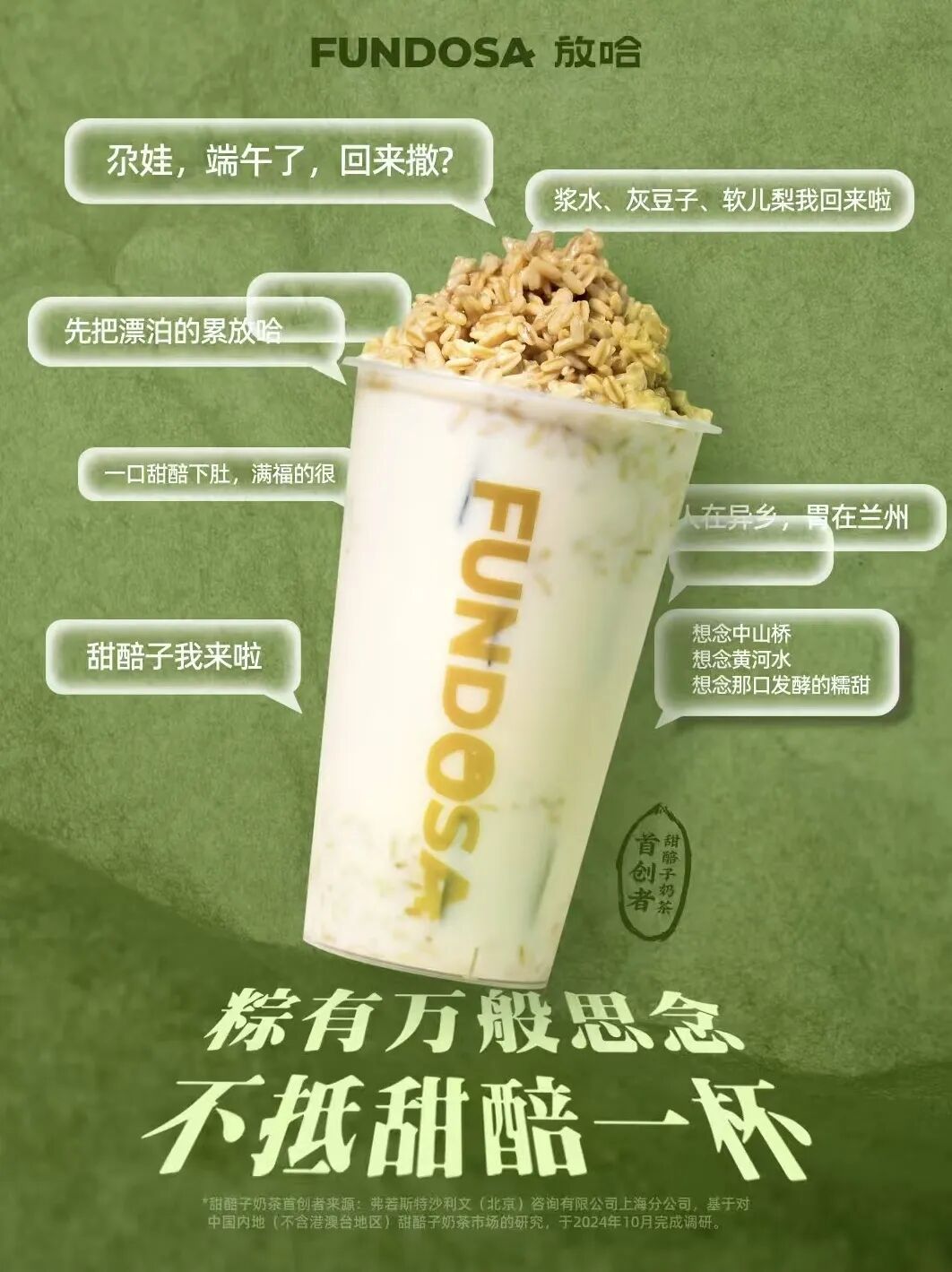
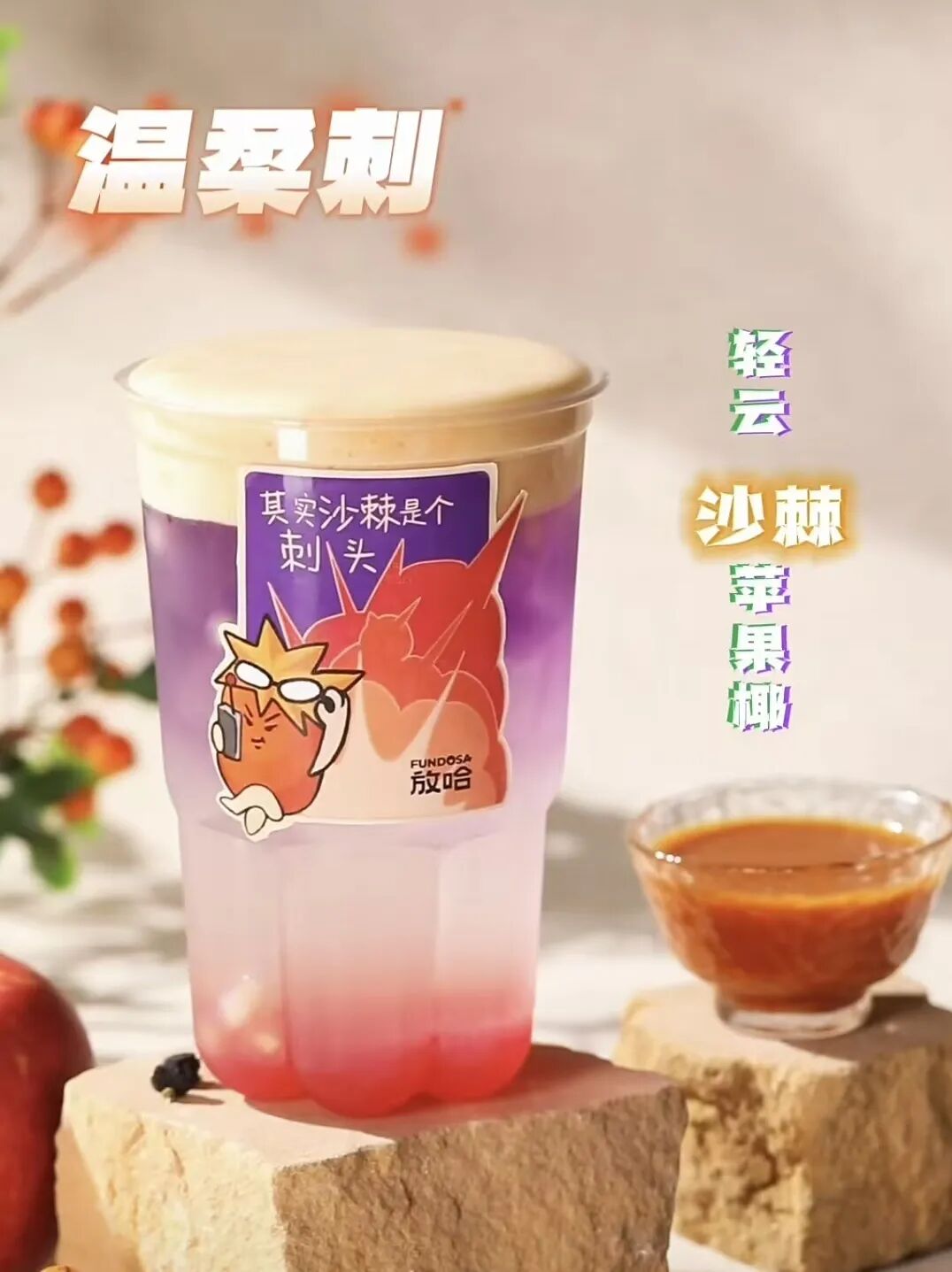
The northwest brand Fangha uses niche ingredients like "sweet fermented grains" and "sea - buckthorn", which are also highly region - specific
Accelerated layout of the supply chain
The unique flavor and culture are the foundation, but what really enables these niche fruits to reach the whole country is the joint promotion of the supply chain and tea drink brands.
For example, in the case of fruit juice and pulp, the supply chain raises standards for raw materials, production processes, and logistics, so that brands across the country can produce "region - specific" products. For fresh fruit processing, leading tea drink brands ensure that fresh fruits reach stores as quickly as possible, removing peels and seeds during production to provide consumers with the freshest flavor and taste... These layouts together make it possible for "limited - time" tea drinks to become "long - term" offerings.
Differentiation forces the "exploration" of raw materials
Actually, it's not just Chaoshan. "Local flavors" from Yunnan, Guizhou, etc. have also emerged this year. For example, Xinhui tangerine - pu'er tea from Jiangmen, galangal from Chaoshan, sour papaya from western Yunnan, litsea cubeba from Xishuangbanna, green mango from Guangxi, etc. More regional - characteristic raw materials are gradually gaining popularity.
When popular fruits like grapes, mangoes, and strawberries have been repeatedly developed and consumers' sense of freshness is continuously decreasing, on the one hand, tea drink brands are looking for new taste symbols to establish a differentiated perception. On the other hand, the entire tea drink and even the catering market are exploring new growth points based on "regionality".
This also creates a positive two - way driving cycle between regional ingredients and new tea drinks.
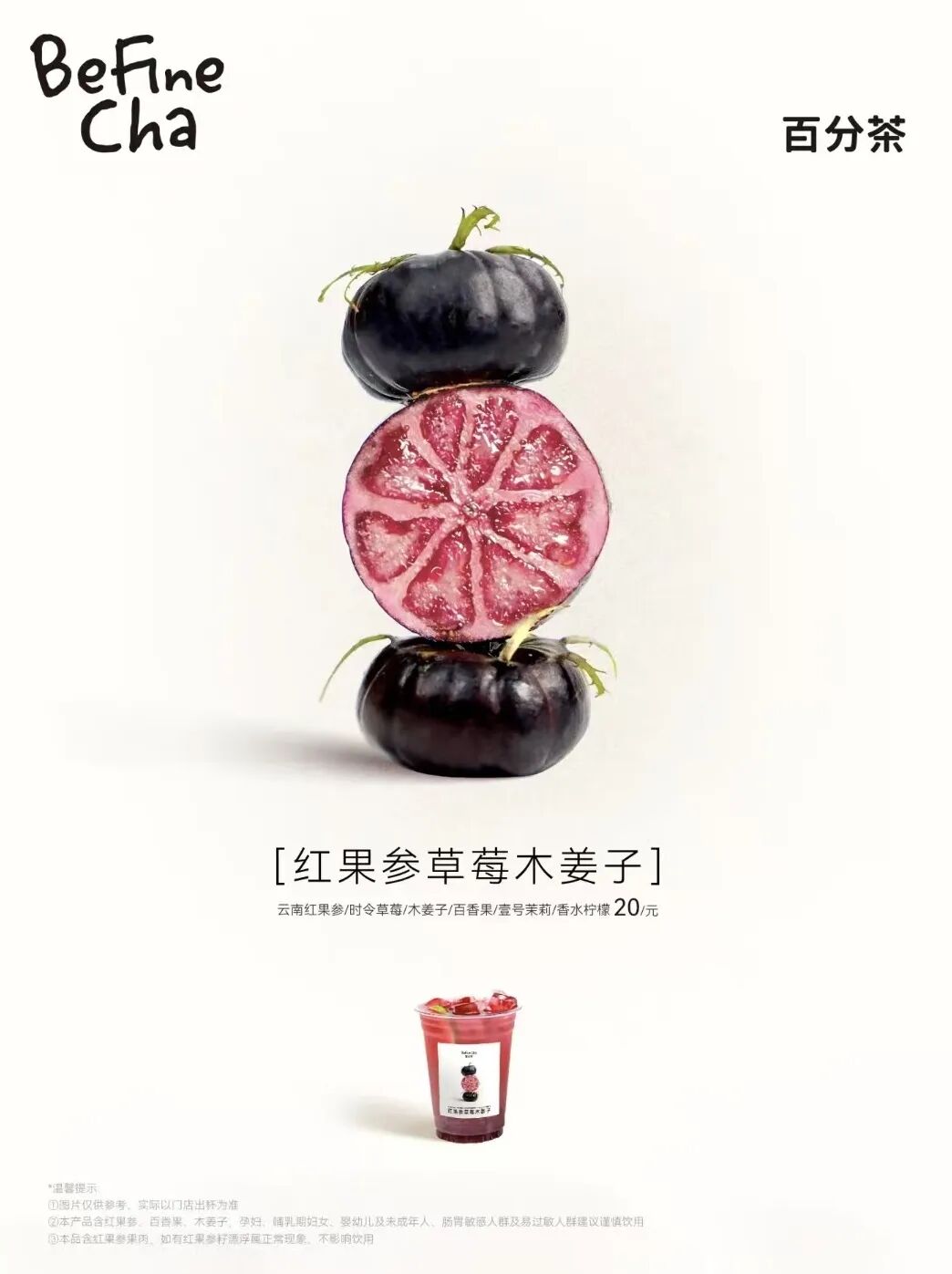
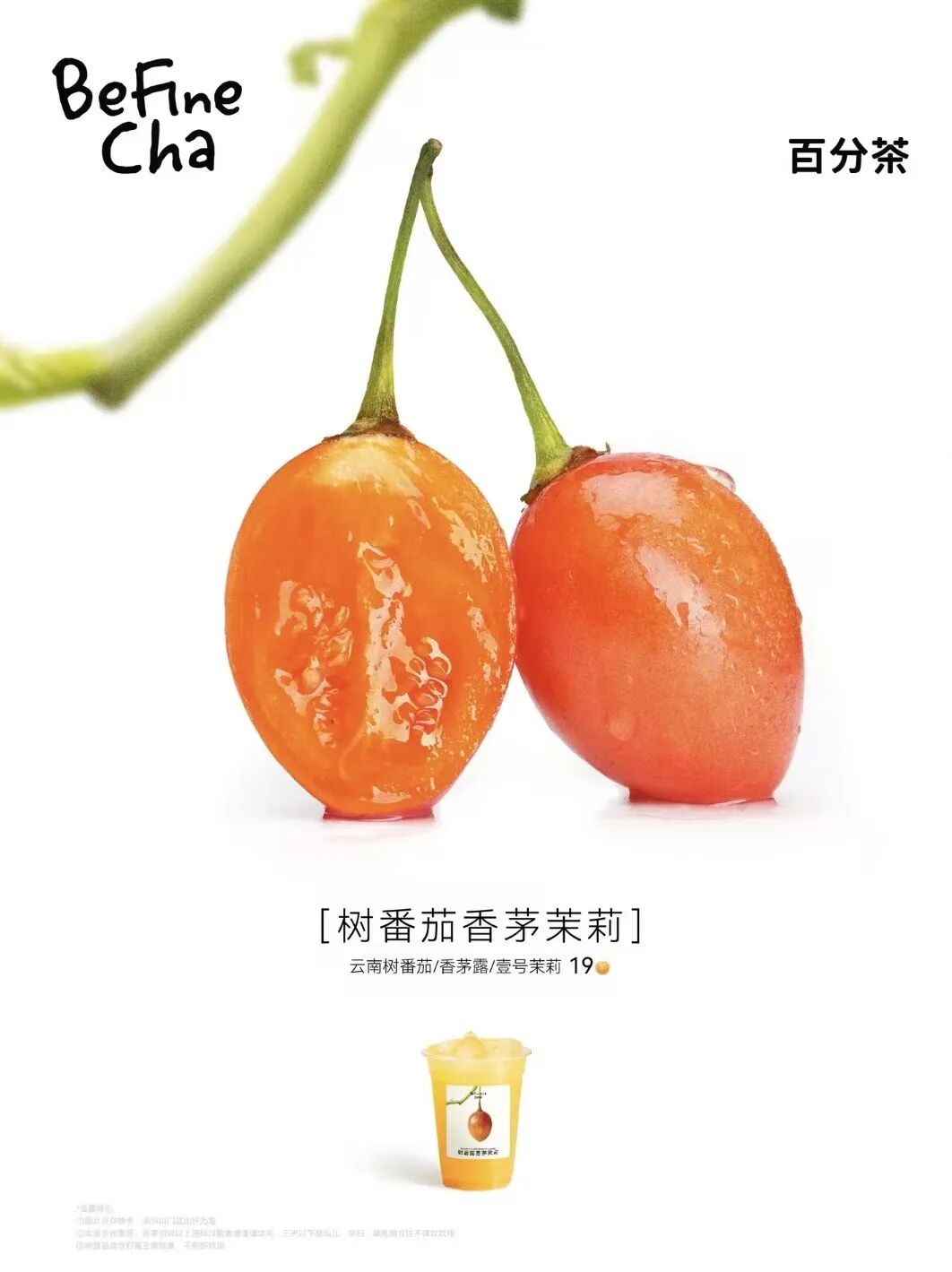
Bai Fen Cha continuously explores the innovative application of novel ingredients such as "campanumoea javanica", "litsea cubeba", "tamarillo", and "lemongrass" in drinks
However, in practical application, niche fruits are indeed in short supply. In China, a vast country rich in fruit resources, there is a ceiling for the "niche" that can be commercialized: some have too small a yield to be scaled up, resulting in cost problems; some have extreme flavors that are difficult for the general consumers to accept; for some raw materials, even if they can meet the overall flavor requirements of the drink after blending, there is a lack of "niche" recognition...
For new tea drinks, regional ingredients are not limited to fruits. When drinks and catering are integrated, there are still many undiscovered elements that can be used as a source of differentiation. But perhaps, a more worthy question to consider is not "who will be the next one", but how to make the already - found "regional ingredients" have different depths and thicknesses.
True differentiation is not just about having "what others don't have", but about whether we can dig deeper and do better in the same things.
This article is from the WeChat official account "China Beverage Express", author: YY. Republished by 36Kr with permission.