With two of the three games granted version numbers now open for pre-registration and the third set to launch soon, what other cards does ByteDance Games have up its sleeve this year?
In April this year, ByteDance completed the sale of Moonton. However, its gaming business did not fade into obscurity. It still has multiple new game reserves from seven in - house studios.
The Game Matrix compiled a list of ByteDance's current game projects based on the official websites of Zhaoxi Guaangnian, TapTap, and ByteDance's recruitment website. Apart from "Radium Blitz" which was launched in May, three unreleased games have obtained game licenses ( "Shadow Hunters", "JungoJam", "TotoBia"), and two have opened pre - registrations ( "JungoJam", "Code: Team2"). Among them, there are both self - developed projects and agency - distribution projects.
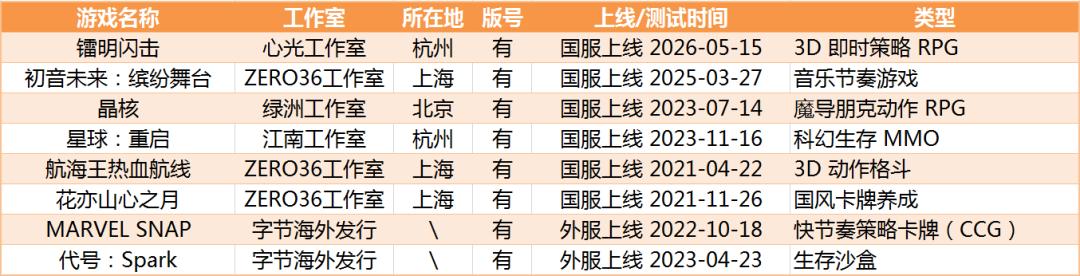
From the project list and recruitment directions, it can be seen that ByteDance's current gaming strategy is no longer to heavily invest in large - scale AAA games. Instead, it prioritizes survival with profitable products and then seeks opportunities for breakthroughs through mini - games or AI.
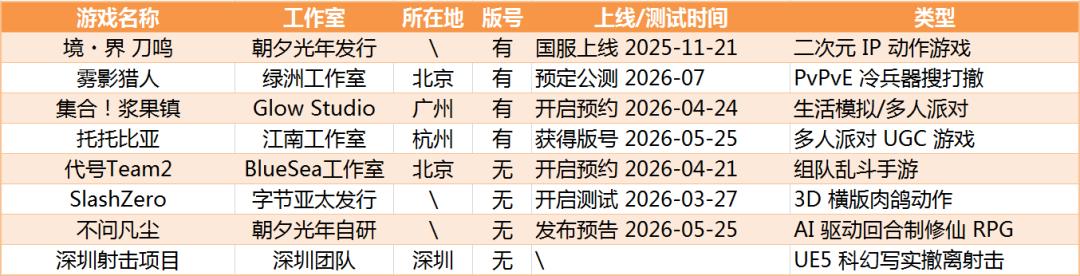
ByteDance's gaming business has not withdrawn. Instead, it has embarked on a more practical path to survival.
Restrained product scale, each studio manages its own business
Let's first take a look at the specific games. The eight games listed on the official website of Zhaoxi Guaangnian have all been launched and most of them are in stable operation. It should be noted that "MARVEL SNAP" and "Code: Spark" are not self - developed by ByteDance but are only distributed overseas by ByteDance.
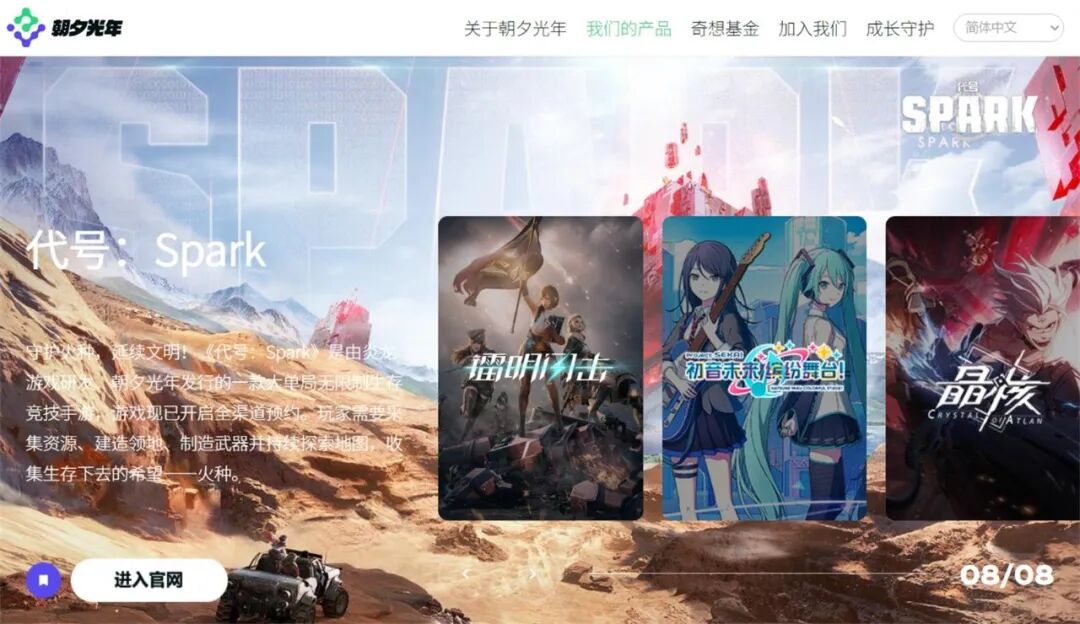
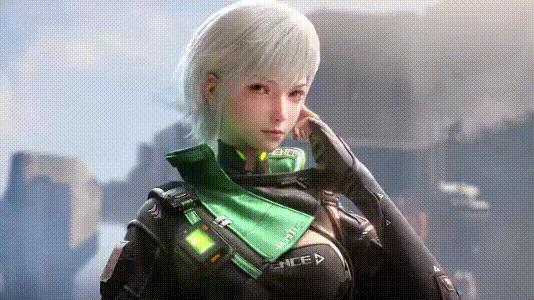
Among the games on the official website, "Radium Blitz" from XinGuang Studio is a newly launched game. It was publicly tested on May 15th this year, featuring a 3D adult female anime style combined with tower - attack gameplay. The game did not conduct large - scale promotions when it was launched. Instead, it relied on the natural spread of old fans accumulated from games like "High - end Figure Collection". Its performance after the public test was not outstanding.
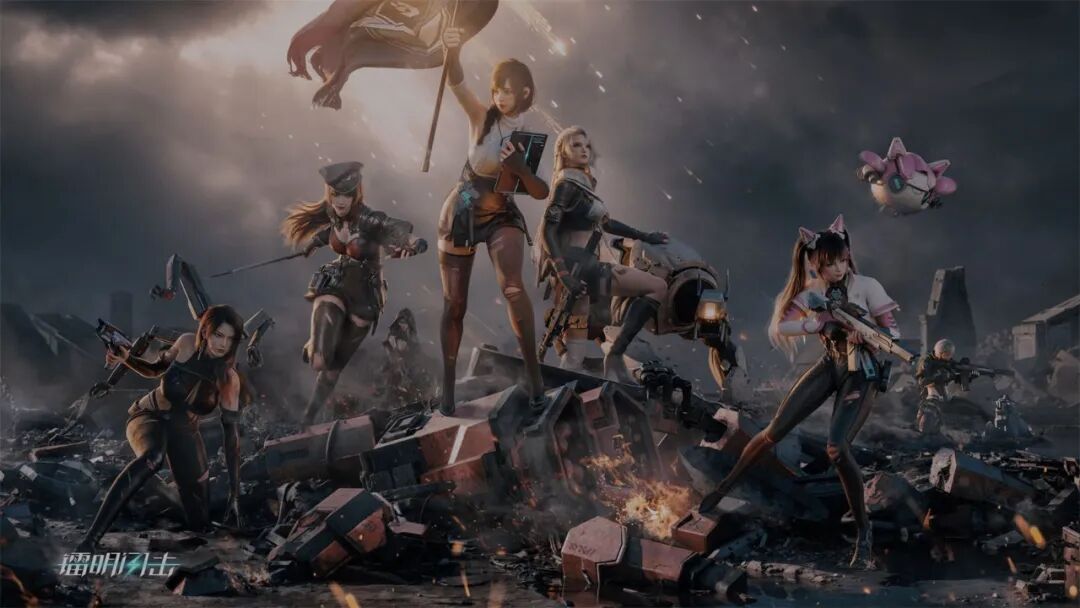
From the situation of "Radium Blitz", it can be seen that ByteDance's current gaming strategy is that each studio is responsible for its own financial situation. New projects need to be backed by the revenue of the studio's existing games, and there will no longer be large - scale promotion and marketing campaigns.
XinGuang Studio originally had a flagship anime project called "HuiJing", which is now basically on hold. The reason why "Radium Blitz" was successfully launched is that its cost is controllable. The game's R & D cost is mainly spent on art resources, and other aspects are kept as cost - effective as possible.
In fact, each studio under ByteDance's gaming business is actively conducting similar cost management.
Currently, the still - active studios under ByteDance include, in addition to Hangzhou XinGuang Studio which focuses on the anime direction, Hangzhou Jiangnan Studio ( "Planet: Reboot"), Beijing Oasis Studio ( "Crystal Core"), Shanghai ZERO36 Studio ( "Hatsune Miku: Colorful Stage", "One Piece: Burning Blood Route"), as well as several studios such as Beijing BlueSea and Guangzhou Glow Studio which originated from Youai Interactive Entertainment. There is also a shooting game team located in Shenzhen.
Among them, "Shadow Hunters" from Oasis Studio is about to be launched during the summer vacation. The game features a fantasy action search - fight - retreat gameplay on the PC platform. It is the first new product from Oasis Studio after "Crystal Core" and also another new product from ByteDance's gaming business after "Radium Blitz".
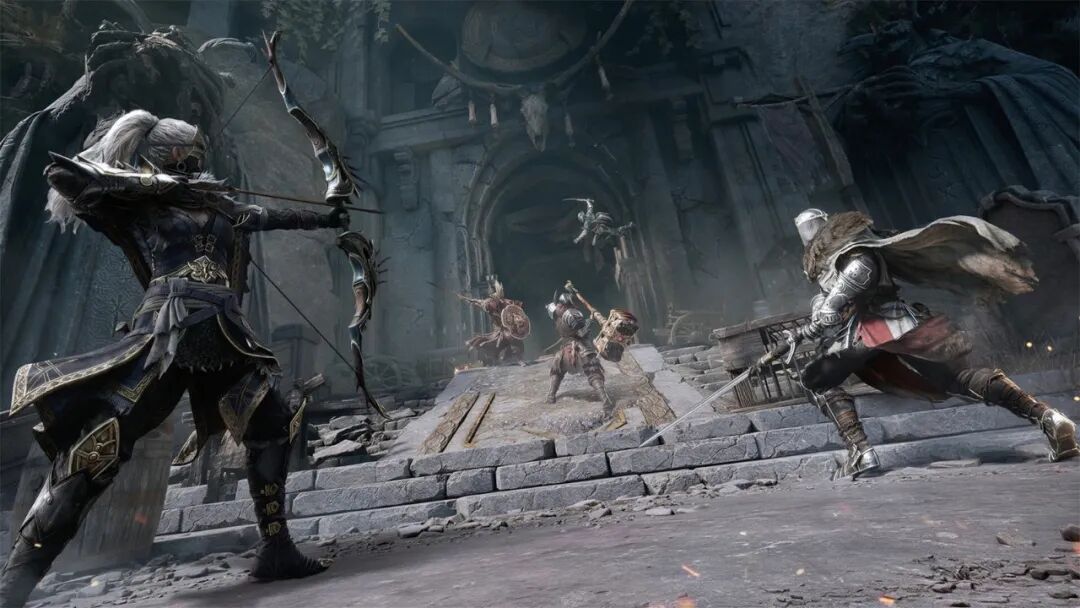
Before the contraction of ByteDance's gaming business, Oasis Studio had four or five projects in development, including the rumored "Crystal Core 2". However, many projects have since gone silent, and the only one that has made it to launch is "Shadow Hunters", which was initiated in 2023. Judging from the product form, the game is targeted at the global market, with the expectation of achieving good results on the PC platform.
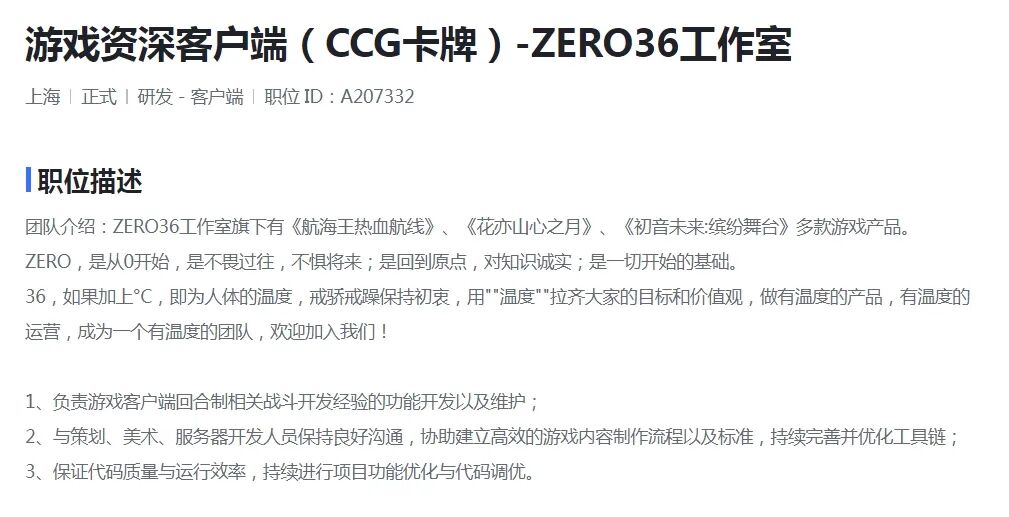
Shanghai - based ZERO36 Studio is now mainly responsible for IP - related projects. Some projects from other Shanghai studios have also been transferred to it for unified management. "Hatsune Miku: Colorful Stage" has maintained good performance in the rhythm game field after its launch. Recruitment information shows that the studio also has several IP projects in development, such as Star Wars and DC - related projects.
In ByteDance's recruitment information, there is also a shooting project in development in Shenzhen (Code: NEON). According to public reports, the project is led by the former producer of "CrossFire: Blade". It is a UE5 science - fiction realistic PVE cooperative shooting game. It seems that this game is more hardcore in positioning and has a relatively large investment scale. However, there has been no new news about the game, and the progress of the project is currently unknown.

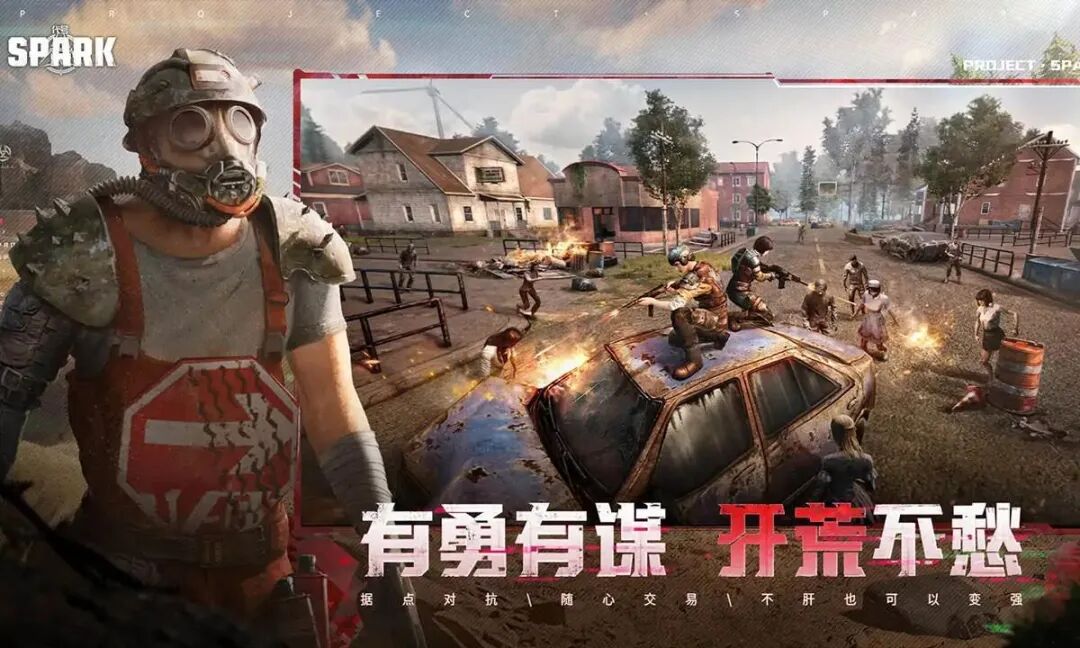
ByteDance's game distribution line is still active, mainly following up on already - signed projects. For example, "Code: Spark" on the official website is developed by Yanlong Game and was previously distributed overseas by ByteDance's gaming business. The game obtained a license for the Chinese mainland market in March this year and was officially named "Return to Amberley". Judging from the fact that the game is still listed on the official website, ByteDance may still be responsible for its distribution in the Chinese mainland market.
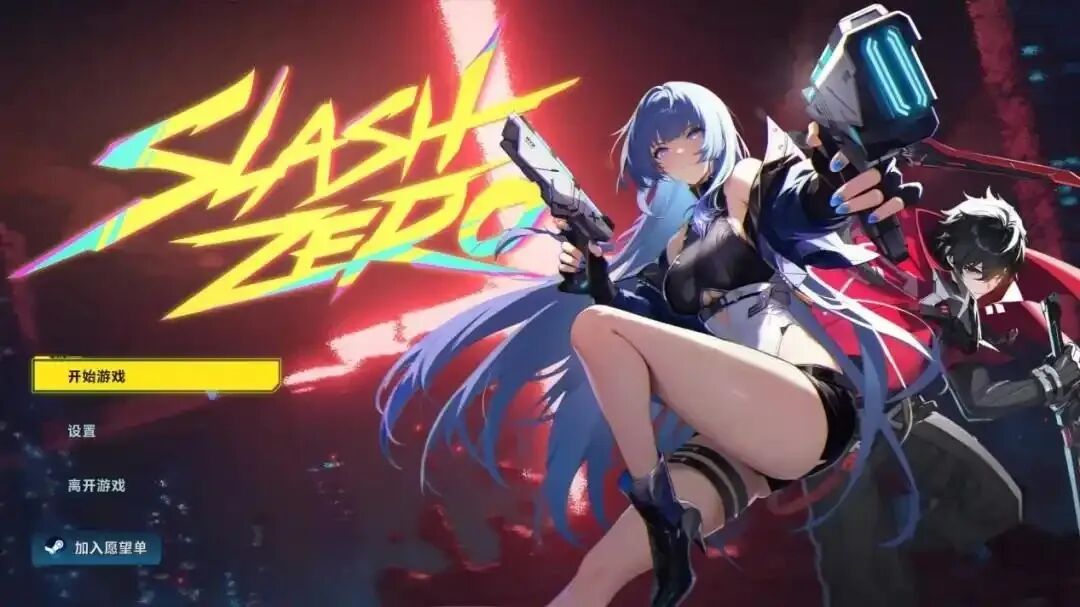
Another side - scrolling roguelike game, "SlashZero", has had its global distribution transferred to Skystone, but ByteDance's gaming business is still responsible for its distribution in Hong Kong, Taiwan, Japan, and South Korea.
Besides the above projects, the most popular gaming track for ByteDance this year is still in the directions of life simulation and party UGC.
"JungoJam" from Guangzhou Glow Studio is positioned as a casual life - simulation game combined with multi - player party social features. It has obtained a game license and opened pre - registration in April.
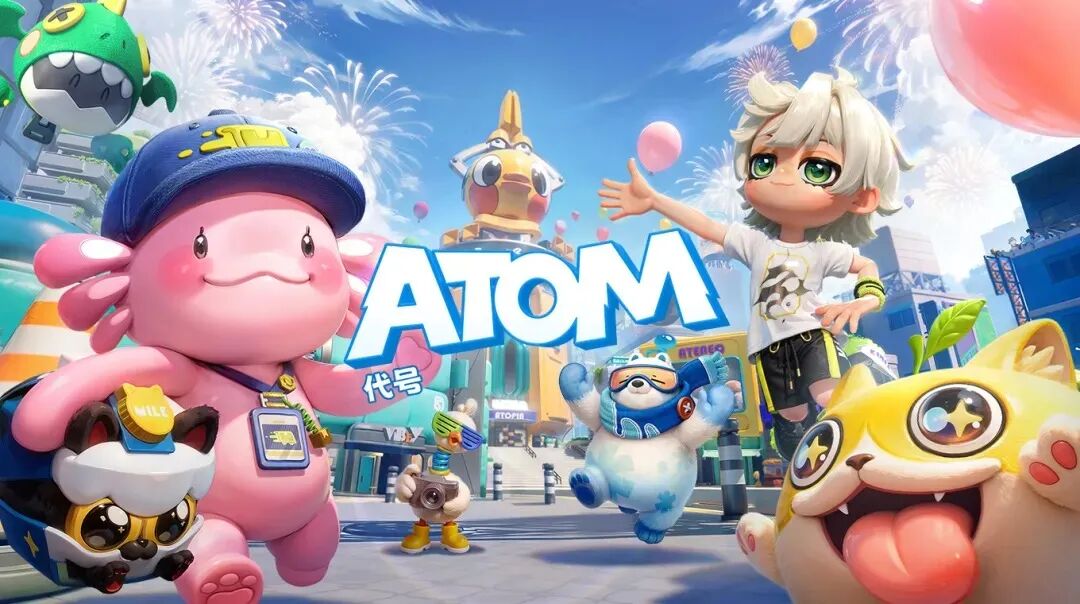
"TotoBia" (Code: Atom) from Hangzhou Jiangnan Studio is a multi - player party + UGC game. It obtained a game license in May and has not yet opened pre - registration or testing.
Although "Code: Team2" from Beijing BlueSea Studio has not yet obtained a game license, it has opened an official account on TapTap and started pre - registration in April. The game features a 2V2V2 team - based casual brawl gameplay.
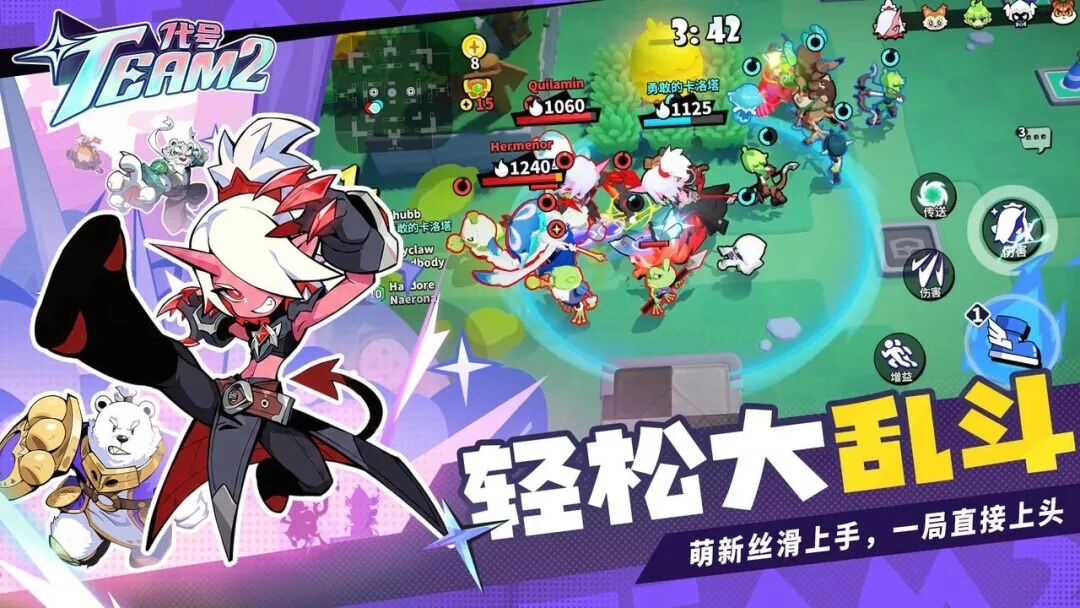
The three projects have similar positioning, which indicates that multiple studios under ByteDance's gaming business are interested in the directions of light - competition, light - social, party, and UGC. This is not a coincidence but rather the gaming teams' active alignment with the company's strategic direction.
What's the real intention behind ByteDance's ALL - in AI strategy?
Since ByteDance announced the contraction of its gaming business at the strategic level, how to re - position themselves has become a real problem for each studio under ByteDance's gaming business. It would be best if they could find a buyer like Moonton. However, for most teams, their scale may not attract suitable buyers.
Therefore, actively adjusting themselves and re - integrating into the ByteDance system has become a direction worth exploring.
The rapid development of ByteDance in the field of AI has provided opportunities for each studio.
ByteDance's investment in the AI field needs no further elaboration. And gaming is naturally the best scenario for AI application, without a doubt. This has also made the teams remaining in the ByteDance system unconsciously move towards the AI direction.
Take the three different teams from Guangzhou, Hangzhou, and Beijing launching light - competition social products as an example. The reason why they all choose this direction is, besides cost, to consider the possibility of combining with AI.
For example, UGC games are one of the most direct directions for current AI applications. Both overseas and in China, major AI platforms are promoting "game development without coding" to attract game developers. This is not only to incubate interesting new games but also to showcase their own AI capabilities. Teams launching products in this direction can naturally better connect with the company's AI resources.
Another example is life - simulation games. This field is already quite crowded, with many large - company projects. However, from the enthusiastic discussions about the AI NPCs in "Star Valley", it can be seen that the application scenarios of AI in life - simulation products are very extensive and have great potential. Game teams investing in this direction may be able to leverage ByteDance's advantages in AI.

Therefore, regardless of the differences in the types of games developed by each studio, moving towards AI is a trend. This is not only because ByteDance has powerful AI capabilities but also because AI - powered games are currently a major trend.
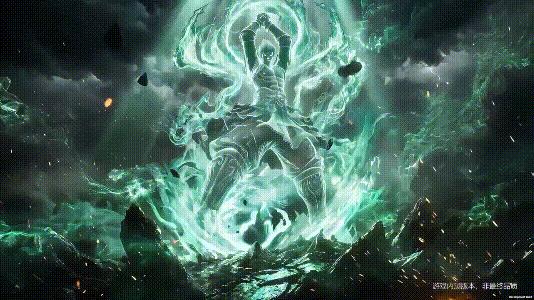
The most representative project among them is undoubtedly "Beyond Mortal World", which released its first technical test PV in May.
This one - and - a - half - minute trailer was almost entirely generated by AI, including characters, scenes, and animations. The scene details and character facial expressions shown in the PV are not rough and are already qualified game materials. Rather than saying that this PV showcases an AI - native game, it is more like a demonstration of ByteDance's powerful video - generation ability of Seedance 2.0.
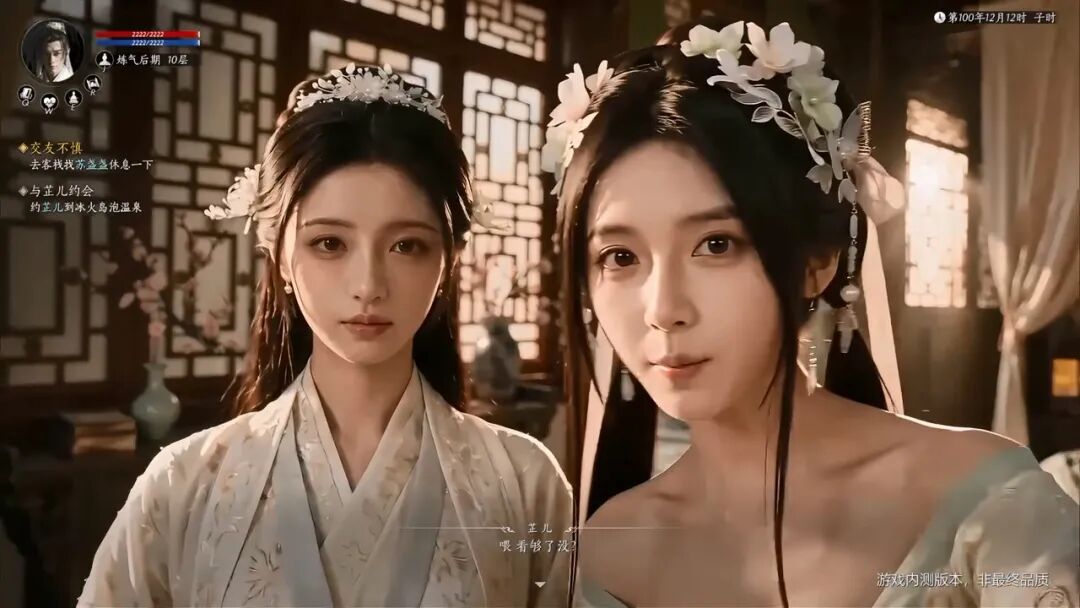
The producer also said in an interview that this is a fast - paced project within ByteDance's gaming business to test the implementation of AI. Their team is small, with only about 20 people. The goal is to achieve the rapid generation of game materials based on the existing available AI resources and challenge the limit R & D efficiency of game projects.
Based on these information, "Beyond Mortal World" itself is like an experiment in an alchemy furnace. Although the producer hopes to launch the game by the end of the year, it is still unknown how many difficulties there are between the PV and a complete game product.
However, the direction explored by "Beyond Mortal World" is likely to be in line with ByteDance's AI strategic direction.
Recent