Apple seeks supply from ChangXin Memory Technologies, a quiet counteroffensive of storage chips, South Korean media: Chinese pursuers have arrived
According to a report by China New Jingwei citing the British "Financial Times" on the 27th, to ease the cost pressure brought by the rising prices of memory chips, Apple is lobbying the US government to obtain approval to purchase memory chips from Chinese semiconductor company ChangXin Memory Technologies (CXMT).
That is to say, Apple is evaluating the inclusion of CXMT's DRAM chips in its supply chain and preparing for subsequent compliance processes.
Many people's first reaction is "Apple can't bear the cost and is looking for cheap products." This statement is correct.
On June 25th local time, Apple implemented a global price increase for its MacBook, iPad, and many other hardware products, with an overall increase of about 20%. The reason was the significant increase in the cost of memory and storage chips.
Apple's market value evaporated by $263 billion in a single day, setting the second-largest single-day decline in history.
But if you only focus on the cost, you haven't understood that the global storage industry is quietly changing.
Globally, those capable of mass-supplying DRAM memory, Micron, Samsung, and SK Hynix together account for more than 90% of the global market share, making it a typical oligopoly market.
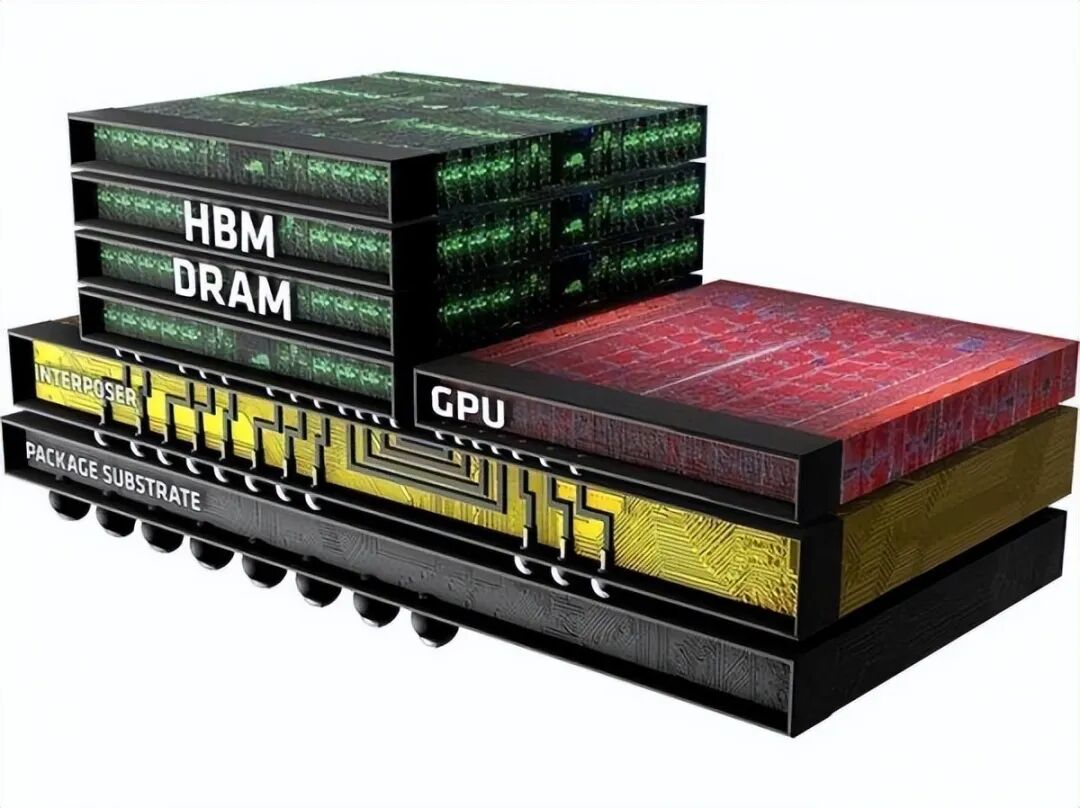
In the past three years, AI data centers have expanded crazily, siphoning advanced process production capacity to produce HBM, squeezing the supply of ordinary memory. Memory prices have skyrocketed all the way, with DRAM rising by 386% throughout 2025.
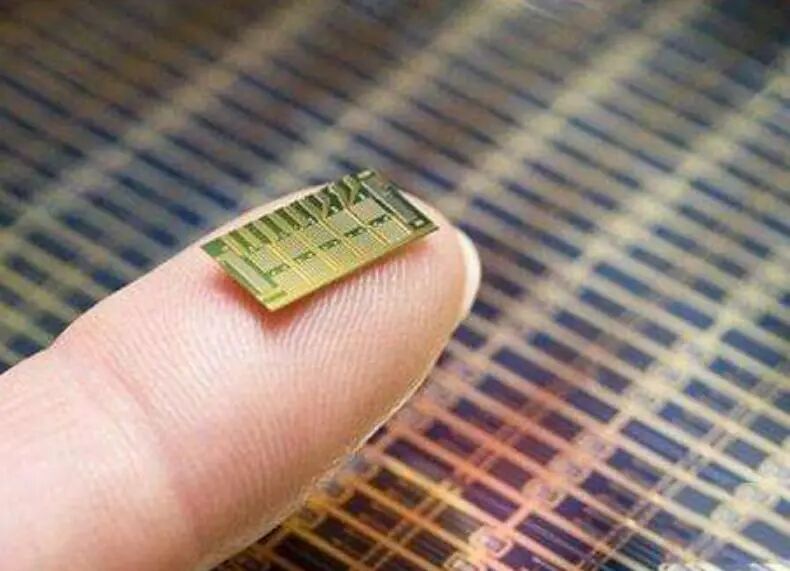
Producing HBM will squeeze out the production capacity of ordinary DRAM used in mobile phones and computers. This is essentially determined by the technical characteristics of wafer fabs.
The production lines of the same generation of DRAM chips are universal. A 17nm-level DRAM production line can produce LPDDR5X for mobile phones and server memory. By slightly adjusting the process parameters, it can produce the core particles of HBM.
There is no strict boundary for the production line itself. What to produce depends only on which product is more profitable.
The shipment value of a 12-inch DRAM wafer used to produce consumer-grade LPDDR5X particles is about $3,000 - $4,000.
But if it is used to produce the core particles of HBM3E, including the value after stacking and packaging, the final value of the entire wafer can be 5 to 8 times higher.
More importantly, the customers of HBM are all enterprises of the level of NVIDIA, Microsoft, and Google. Once an order is signed, it is for a year, with stable and high premiums.
How to choose? The answer is self-evident.
For Apple, this is the most uncomfortable part. In the past, it could always get the best price and priority.
Now the attention of the three companies is on AI customers. Apple's order priority has decreased, and the price has to increase. Looking for a fourth supplier is essentially taking back the pricing power from the three giants.
Can CXMT take Apple's orders? The catfish is more important than the order
What is CXMT's current level?
First, look at the technical specifications. The main products currently in mass production at CXMT are DDR5 and LPDDR5X particles with a 17nm process, with a maximum rate of up to 8533Mbps. In terms of timing parameters and power consumption performance, compared with the same-generation products of Samsung's 1znm and SK Hynix's 1ynm, the overall gap is within 5%.
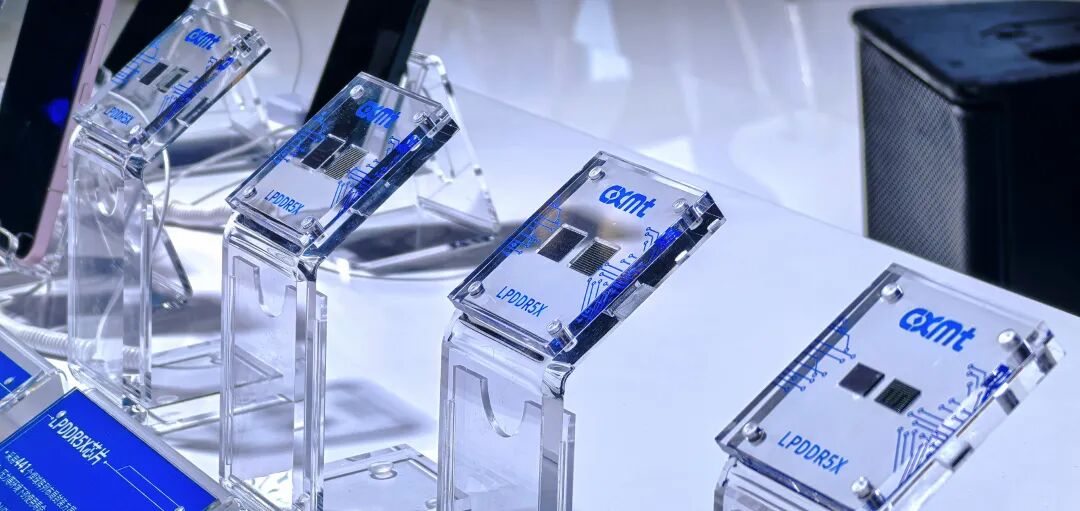
This level fully covers the entire needs from entry-level tablets to high-end laptops. Even for the unified memory architecture of the MacBook Pro, CXMT's current specifications are completely sufficient.
The process naming of DRAM is different from that of logic chips. The core factors are the storage density per unit area, yield rate, and power consumption.
CXMT's 17nm process has reached the mainstream level of the international first echelon in terms of storage density, and the mass production yield rate has been stable at over 90%. The passing line for large-scale mass production in the industry is 85%. The yield rate of Samsung's same-generation process is about 92% - 93%, and the gap is very small.
This yield rate means that CXMT has the foundation to stably supply top customers.
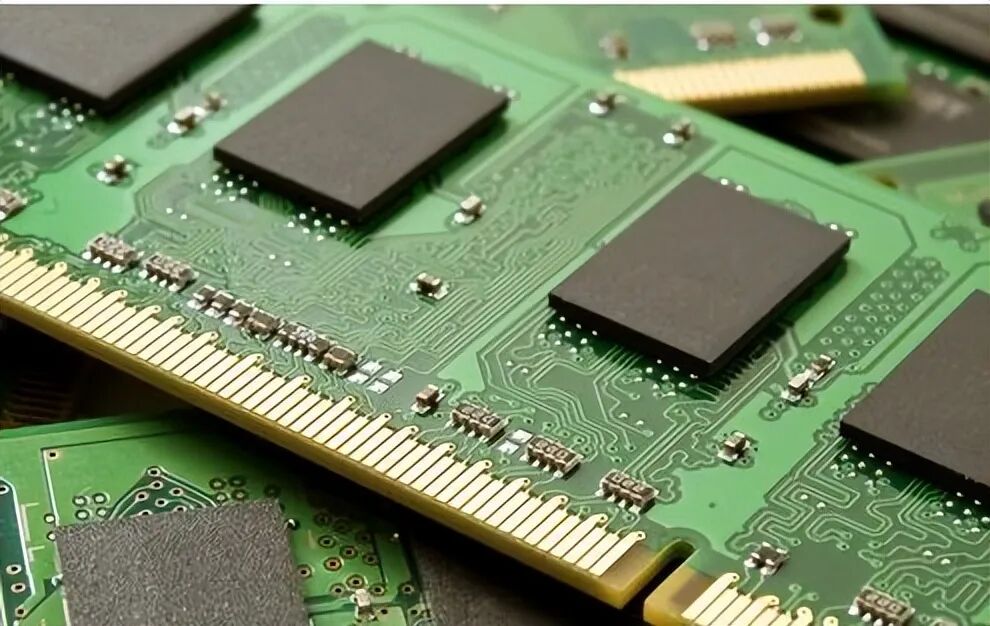
Finally, in terms of production capacity, as of the first half of 2026, the monthly production capacity of 12-inch wafers at CXMT's Hefei factory has exceeded 300,000 pieces, with a target of reaching 350,000 - 400,000 pieces by the end of the year. Converted to an annual basis, it accounts for about 10% of the global DRAM wafer production capacity, firmly ranking fourth in the world.
The most crucial point is: Different from the three giants who are all tilting their production capacity towards HBM, CXMT's current production capacity is almost entirely concentrated in the general DRAM field.
This means that in terms of consumer-grade DRAM, CXMT has much better supply flexibility - once you place an order, it can arrange production without competing for production capacity with AI customers.
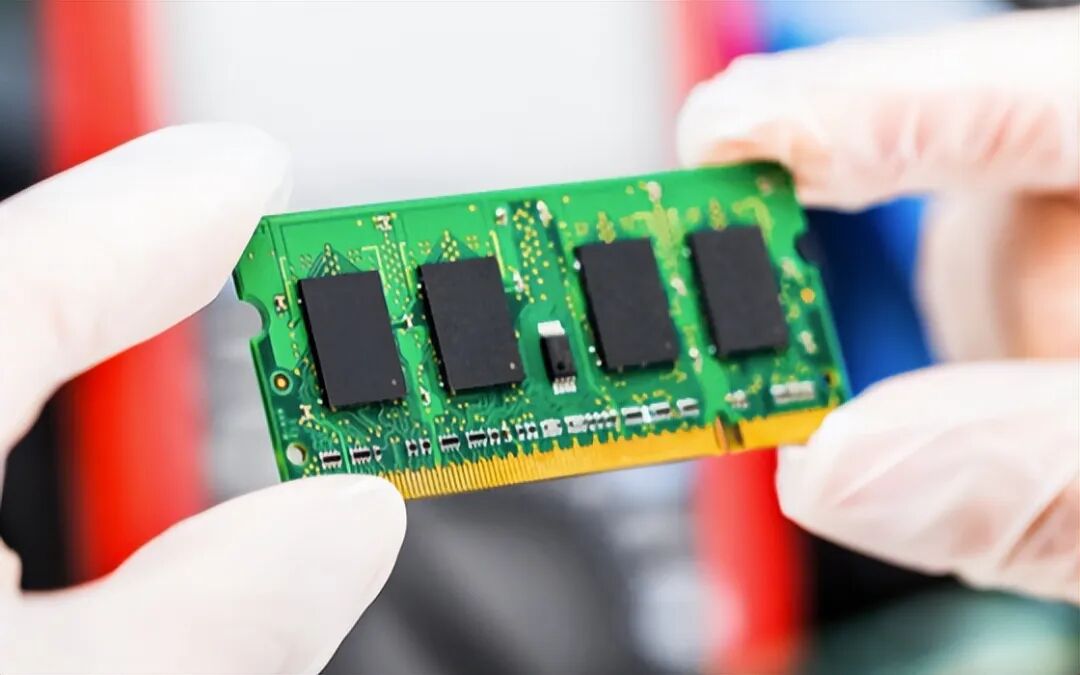
Apple's introduction of new suppliers is a multi - supply chain strategy that it has used for decades.
Apple has always been cautious. According to its convention, the path for introducing new suppliers is always "start with low - end products and then move to high - end products, start with small - scale production and then move to large - scale production."
Most likely, it will first conduct small - scale trial production in non - core product lines such as entry - level iPads and old - model Macs, and the proportion may be less than 10%. After running through the entire process of quality control, delivery, and compliance, it will gradually penetrate into high - end models.
The storage industry is a typical oligopoly market. There is competition among Samsung, SK Hynix, and Micron, but there is more tacit understanding - they all shrink the conventional production capacity together and enjoy the benefits of price increases together. No one will rashly cut prices to grab orders.
But once CXMT enters Apple's supply chain system, even if it only accounts for 10% of the share, it will break the pricing tacit understanding of the three companies. In the future, it may be more difficult for the three giants to raise prices collectively.
This is Apple's classic "multi - supply chain strategy": The greatest value of a backup supplier is not supply but balance of power.
When BOE entered Apple's screen supply chain, the initial order volume was also small, but it directly softened Samsung's OLED quotation.
For customized components like screens, this is the case. For products like DRAM that are highly standardized and can be switched almost seamlessly, the balance of power effect will only be stronger.
From Apple's perspective, as long as the news of "evaluating CXMT" is released, although Samsung and SK Hynix are still making money from AI, they are already panicking inside.
South Korean media: Chinese pursuers are coming
Recently, Yangtze Memory Technologies' global market share of NAND flash memory has jumped from 8% in the same period of 2025 to 13%.
Large South Korean companies such as Samsung and SK Hynix have officially issued warnings that Chinese pursuers are coming, and the chasing speed of Chinese storage manufacturers has exceeded expectations. South Korean industry insiders believe that their rapid expansion in technology and production capacity is directly threatening the market positions of Samsung and SK Hynix.
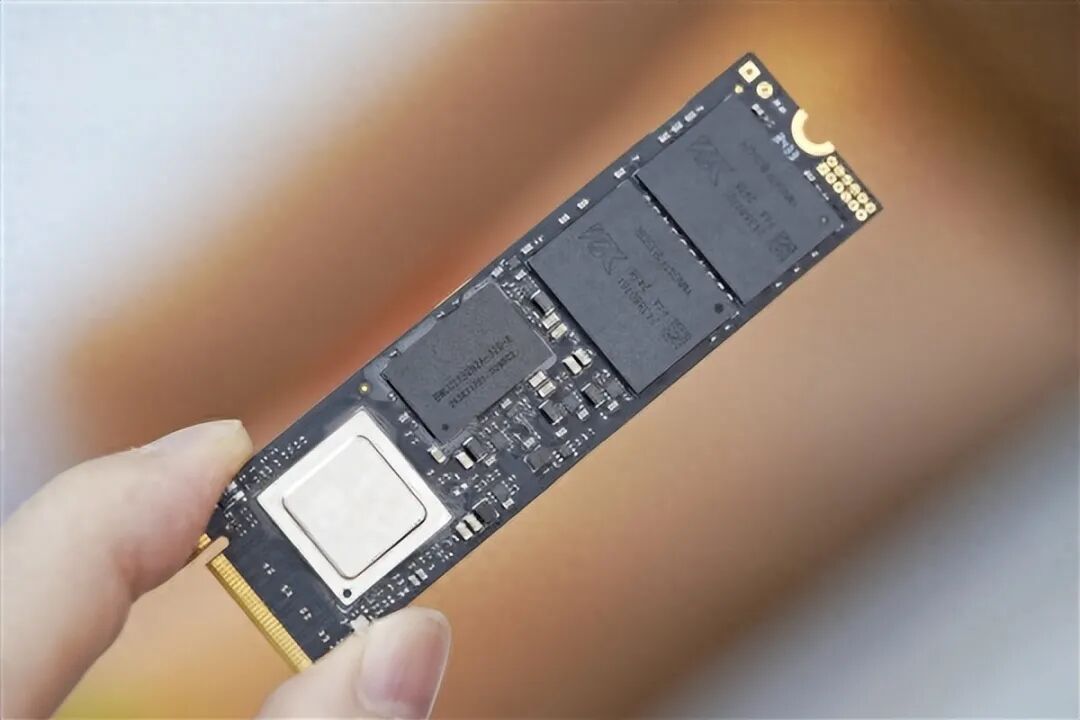
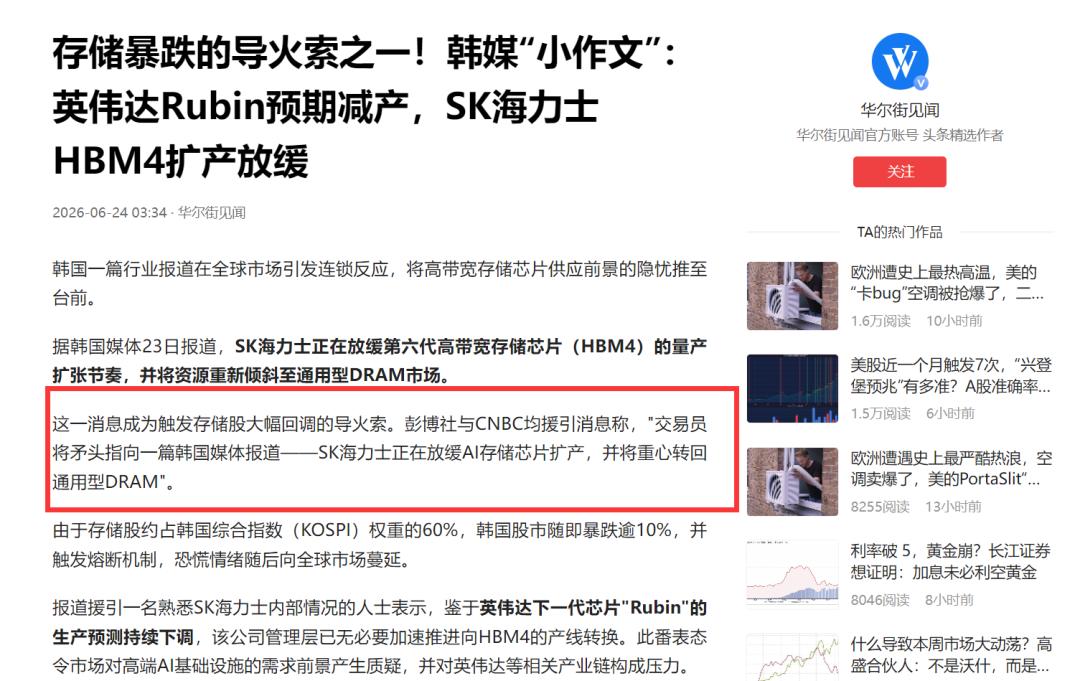
According to a report by South Korean media on the 23rd, SK Hynix is slowing down the mass production expansion rhythm of the sixth - generation high - bandwidth memory chips (HBM4) and re - tilting its resources towards the general - purpose DRAM market. This news has become the fuse for a significant correction in storage stocks.
The South Korean storage industry is not stupid. HBM may be a short - term cash cow, but the general - purpose DRAM market is the basic business. If the basic business is lost, it will be a big deal.
Therefore, Apple's move is actually working. South Korean storage companies may choose to sacrifice some AI storage interests in order to protect their basic business from being eroded by CXMT and launch a counter - attack.
South Korean manufacturers are very clear that for CXMT, Apple's supplier certification is one of the most stringent standards in the industry. To pass Apple's tests, CXMT has to comprehensively upgrade its process details, material selection, and quality control system.
There is a default rule in the consumer electronics industry: Passing Apple's certification is proof of excellent quality.

After BOE entered Apple's supply chain, the orders from domestic Android flagships increased rapidly, and cooperation with overseas customers also became much smoother.
CXMT's current customers are mainly concentrated in domestic manufacturers and overseas second - tier brands. If it obtains Apple's supplier qualification, it is equivalent to directly getting an entry ticket to the global high - end market. Its market share will increase rapidly and will be transmitted upstream.
Domestic etching equipment, thin - film deposition equipment, photoresist, and target materials will all get more verification opportunities and mass production orders.
The progress of upstream materials and equipment will, in turn, reduce CXMT's costs and enhance its competitiveness, forming a positive cycle.
This is what Samsung and SK Hynix are worried about. Apple's move will be very effective. Now Samsung and SK Hynix may turn back to re - layout the general - purpose DRAM market to prevent CXMT from expanding too fast after getting Apple's orders and threatening their basic business. This time, they want to hold down the basic market of the general market before the gap is torn open.
For CXMT, there is obviously still a tough battle to fight. For Samsung and SK Hynix, Converting a production line from the HBM process to consumer - grade DRAM requires re - making photomasks, adjusting the yield rate, and conducting reliability tests, which will take at least two or three months. During this period, the production capacity loss is very large.
So once the three giants shift their production capacity to HBM, it is not so easy to shift it back in the short term. Apple also doesn't want to be controlled by others anymore.
Therefore, CXMT's opportunities cannot be blocked. Looking back at the development of domestic storage in the past decade or so, it has been building production lines one by one and climbing up process nodes one by one, from a yield rate of 50% to 90%, from DDR3 to DDR5, from being untrusted to being used.
Apple's approach to CXMT is a pure business choice. Apple needs a supplier that can balance the three giants, and CXMT needs a stage to prove itself. But this road will definitely not be smooth. There are still many hurdles to overcome, such as compliance, quality control, production capacity ramping up, and the South Korean manufacturers' counter - attack.
But one thing is