With over-specification becoming outdated and parameters shrinking, is smartphone imaging entering the "post-processing" era?
Nowadays, the imaging parameters of mobile phones are becoming increasingly similar.
Whether it's a mid - range phone or a flagship phone, when you open the details page, you'll basically see a combination of "a main camera with XX million pixels + a telephoto lens with XX million pixels + an ultra - wide - angle lens with XX million pixels". Configurations such as 200 million pixels, periscope telephoto lenses, and large - sensor cameras, which were once only found in flagship phones costing over 5000 yuan, are now available in mid - range models priced between 2000 and 3000 yuan.
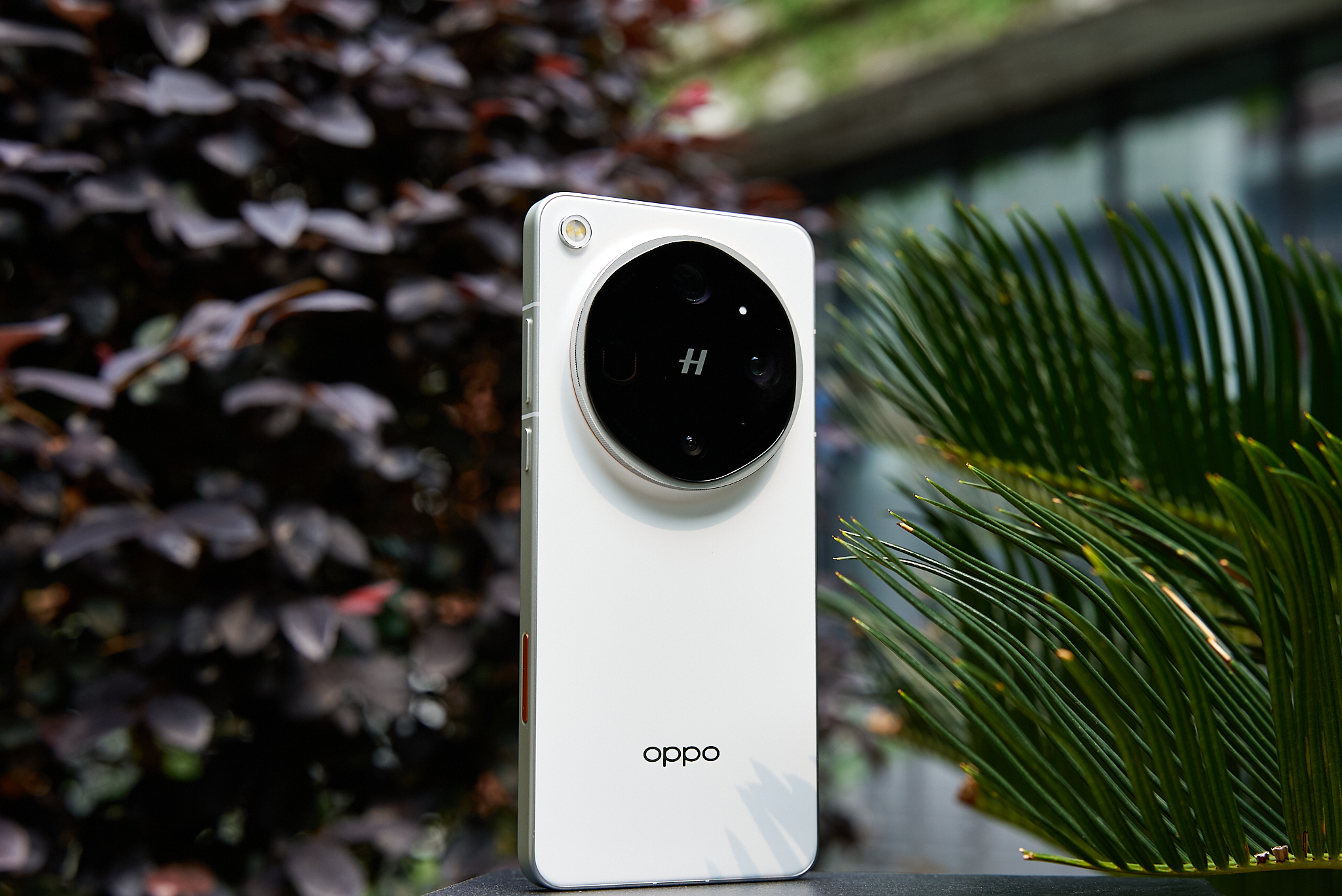
(Image source: Leitech)
Leitech (ID: leitech) doesn't mean that these parameters are bad. The experience brought by hardware upgrades is obvious to all. However, for platform users, it's really hard to decide which phone to buy among those with similar performance, functions, and imaging parameters.
So this year, imaging flagships have started to "cool down" collectively: The vast majority of manufacturers have chosen a more balanced solution. They have stepped back from the one - inch sensor and reduced the size of the main camera to a more balanced level, while also upgrading the telephoto, ultra - wide - angle, and color sensors. This is not a technological regression but rather that manufacturers have realized that it's better to make the whole system flawless than to optimize a single lens to the extreme.
But the question is, if there's no significant difference in hardware, where does the differentiation come from?
The answer is simple: post - processing.
Post - processing has become the new competitive point in mobile phone imaging
If the focus of mobile phone imaging competition in the past few years was "how well the photos are taken", now manufacturers are more concerned about "what users can do after taking photos".
The reason is actually quite simple. Nowadays, mobile phones can take good photos in most scenarios, but users' needs are not fully met. They want more beautiful colors, cleaner pictures, and more diverse modes, which are exactly what post - processing functions can provide.
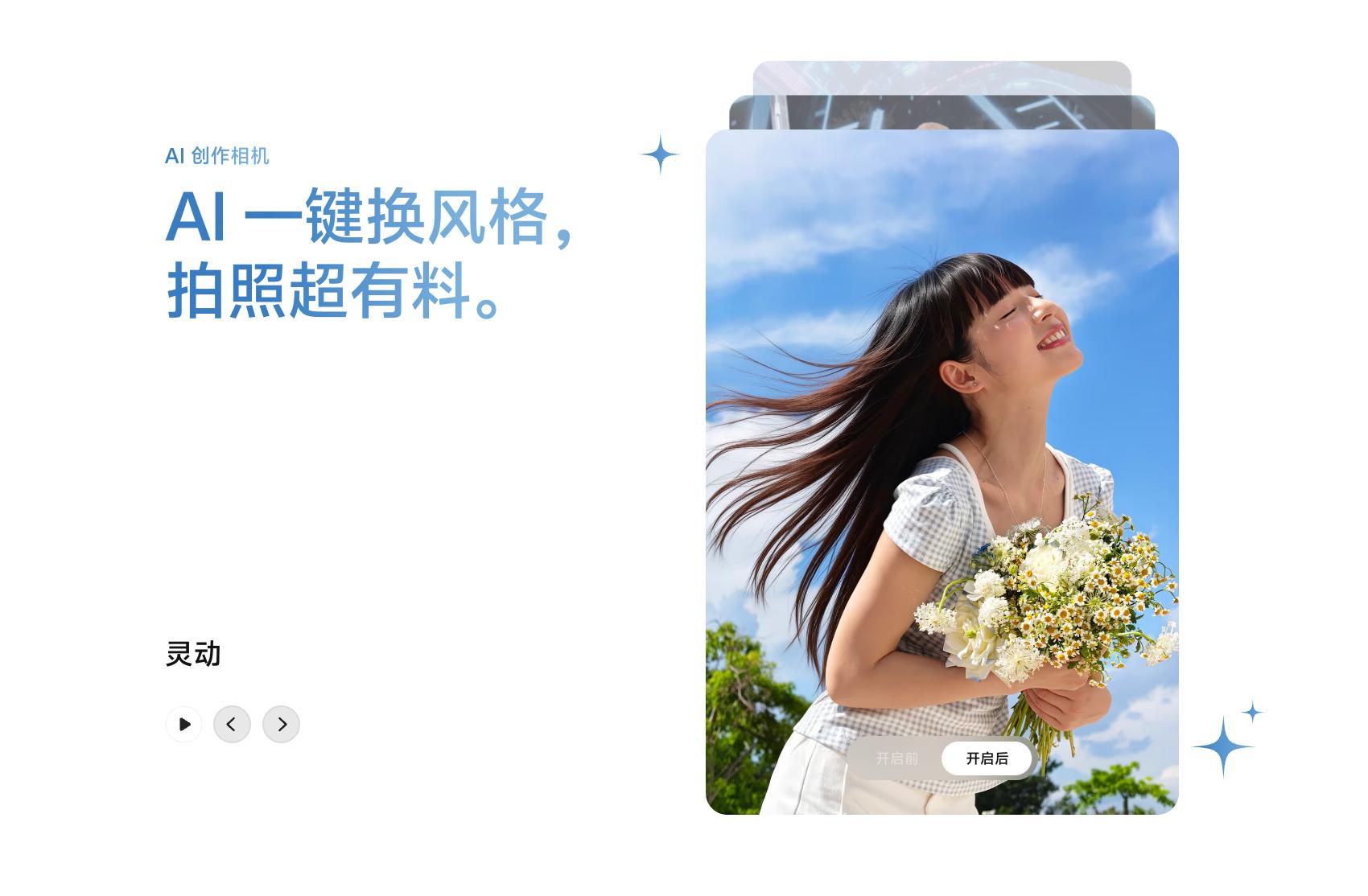
(Image source: vivo official)
More importantly, the cost and threshold of post - processing functions are much lower than those of hardware.
Improving sensors and lens elements requires substantial R & D investment, and due to physical limitations, the room for improvement is getting smaller. However, post - processing functions mainly rely on algorithms and AI. They can be continuously iterated through software updates, with relatively low costs and are easier to create differentiation in terms of visual experience. With the same hardware, different algorithms can produce vastly different results.
For example, AI photo editing, which has been quite popular this year, has evolved from a small function hidden in the photo album to a major selling point for many mobile phones.
In the past, although AI photo editing was labeled as "AI", it basically just adjusted the brightness, saturation, and contrast and then applied a favorite filter. It was neither truly AI - powered nor very convenient. Now, AI photo editing has penetrated every aspect of the shooting process. For instance, OPPO has launched the "One - sentence photo editing" function. You just need to tell the Xiao Bu assistant, "Help me brighten the light of this photo", and the system will automatically optimize it. It also supports AI portrait fill - light. Just say "AI fill - light", and the system will automatically recognize the face, optimize the light and texture, making ordinary photos look like professional portraits.

(Image source: OPPO official)
Honor has taken a different approach and developed the "AI Color Tracking" function. The official claims that it can accurately identify 16.77 million colors and provide style presets such as blue tones, sunset, and autumn colors. For example, if you take a photo at the seaside and the sea looks gray, in the past, you had to manually adjust a series of complex parameters such as color temperature, hue, and saturation in Lightroom while ensuring that the color of the main subject remained unchanged. Now, with AI Color Tracking, you just need to select a "Blue Tone" preset, and the sea will instantly become blue and transparent.
These small functions may not seem as intuitive as the improvement in pixels and sensor size, but they can enable even novice users who know nothing about photography to turn an ordinary photo into a high - quality "blockbuster" ready for direct output.

(Image source: Huawei official)
More interestingly, AI photo editing can change the entire workflow of mobile phone imaging. In the past, the process of taking photos with a mobile phone was usually: take a photo, import it into a photo - editing app, make a series of adjustments, and then export and publish it. The time spent on post - processing was much longer than that on shooting. Not to mention that many users didn't know how to adjust the parameters. Now, all these processes can be completed directly in the mobile phone photo album, making post - processing no longer exclusive to professionals. Ordinary users can also easily produce high - quality photos.
If AI photo editing only breaks the upper limit of static photos, then the series of changes made by manufacturers to Live Photos are revolutionizing "dynamic materials".
In the past few years, Live Photos were just a "toy" exclusive to iPhone users. However, after WeChat and short - video platforms fully supported it, it has become a "new way of daily recording".
However, post - processing of Live Photos has always been a difficult problem in the industry. If there are passers - by in a dynamic photo you took, in the past, you basically had to accept it. But now, vivo has taken the lead in developing the Live Photo AI Passer - by Removal function.

(Image source: vivo official)
Basically, you just need to select the passer - by, and the system will automatically analyze each frame, remove the passer - by, and intelligently complete the background. It should be noted that a Live Photo is essentially a short video, and removing an element from it is much more difficult than from a static photo. However, vivo has achieved it, and the effect is quite good. It can even retain the dynamic effect after removing the relevant element.
In addition to AI passer - by removal, manufacturers have also come up with more features for Live Photos, such as photo - splicing, dynamic filters, and intelligent frame selection. On the surface, you just press the shutter once, but in fact, the system has prepared static photos, dynamic clips, and subsequent editing materials for you.
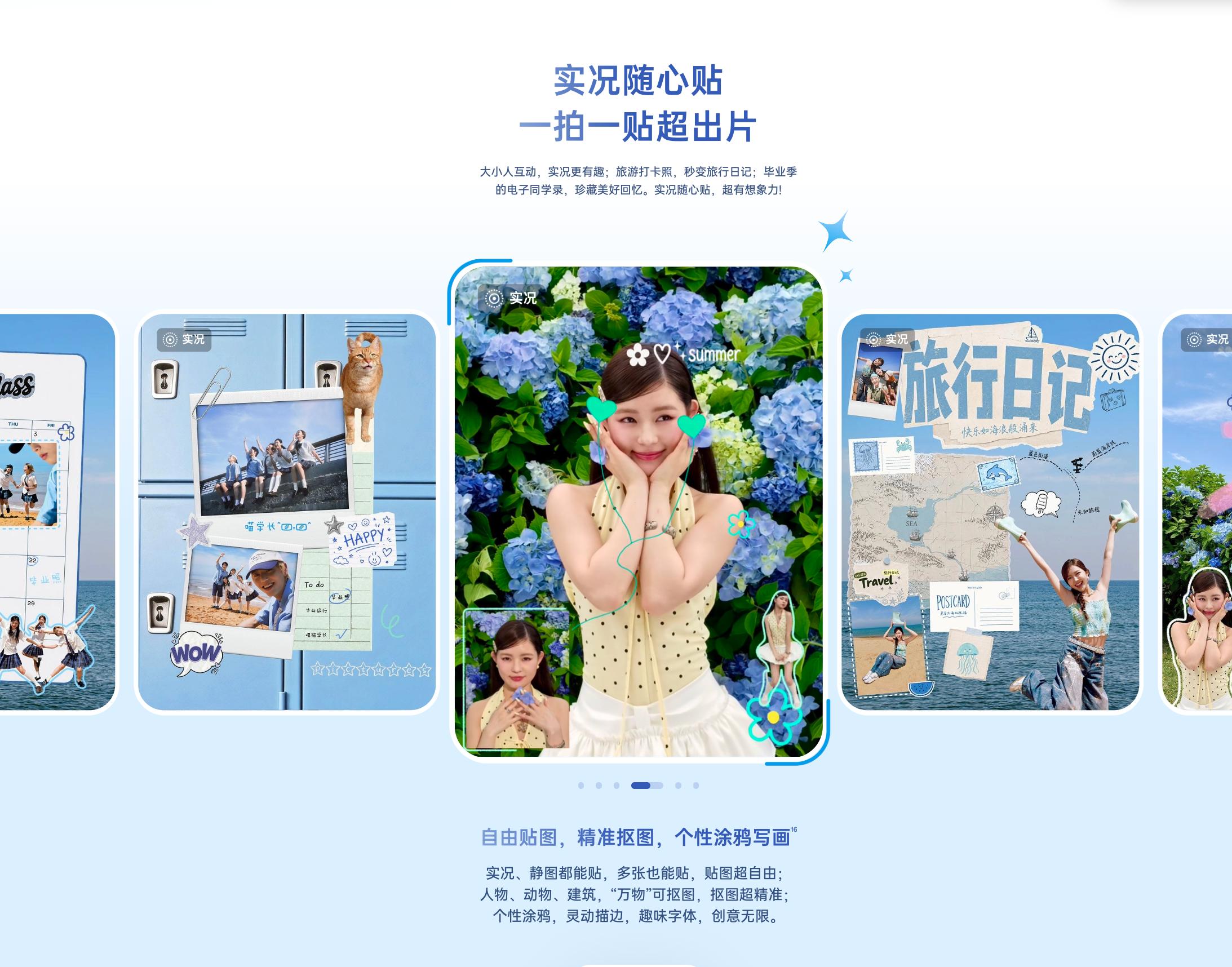
(Image source: OPPO official)
The rise of Live Photos essentially represents the transformation of mobile phone imaging from "taking good photos" to "using them well". In the past, when evaluating the imaging ability of a mobile phone, we mainly looked at hardware parameters such as pixel count, sensor size, and aperture. But now, users are more concerned about: Can I directly post the photo on WeChat Moments after taking it? Can I remove passers - by with one click? Can I achieve the desired color style?
The rise of post - processing functions is redefining the boundaries of mobile phone imaging.
Color has become the new battlefield in mobile phone imaging
However, compared to post - processing, Leitech is more concerned about color management.
Why? Because color is the "soul" of a photo. The visual experience of the same photo can be completely different when adjusted to warm, cold, or vintage tones. But color management is also the most difficult. It requires precise algorithms, a large amount of training data, and an understanding of users' aesthetic preferences, which is a challenge for many camera manufacturers, let alone for mobile phone manufacturers that are just starting out.
In the past few years, each brand has emphasized its "brand flavor". For example, Xiaomi has the Leica flavor, Huawei has the Red Maple flavor, OPPO has the Hasselblad flavor, and vivo has the Zeiss flavor. Users can easily tell which brand of device took the photo at a glance. This "brand flavor" is indeed a form of differentiation.

(Image source: Leitech)
However, the side effects are also obvious: The skin tone in photos taken by the same phone can vary greatly under indoor warm light, street lights, and natural light on cloudy days. There are also significant color differences between the main camera, telephoto lens, and ultra - wide - angle lens. When combined in one photo, it looks like they were taken by three different devices.
Over time, users have started to complain: Why is the skin tone in my photos always yellowish? Why does the seaside photo look gray? Why is there such a big color difference between the main camera and the telephoto lens?
Actually, what users want is not the "brand flavor" but "beauty".
So since 2025, imaging flagships have started to shift towards "color authenticity". Huawei took the lead in developing multi - spectral imaging technology, namely the "Red Maple Original Color Imaging". It uses a multi - spectral sensor to assist with white balance and skin tone, especially emphasizing the stability of skin tone and overall atmosphere in night scenes and under mixed light sources. Vivo and OPPO have also successively launched the original color lens and multi - spectral system. By adopting a purer optical stacking scheme in front of the sensor and combining it with more precise white balance algorithms and color matrices, they aim to make the color tones output by the main camera, telephoto lens, and ultra - wide - angle lens as similar as possible.
First achieve "authenticity", and then achieve "beauty". This is the correct evolutionary direction of color management.
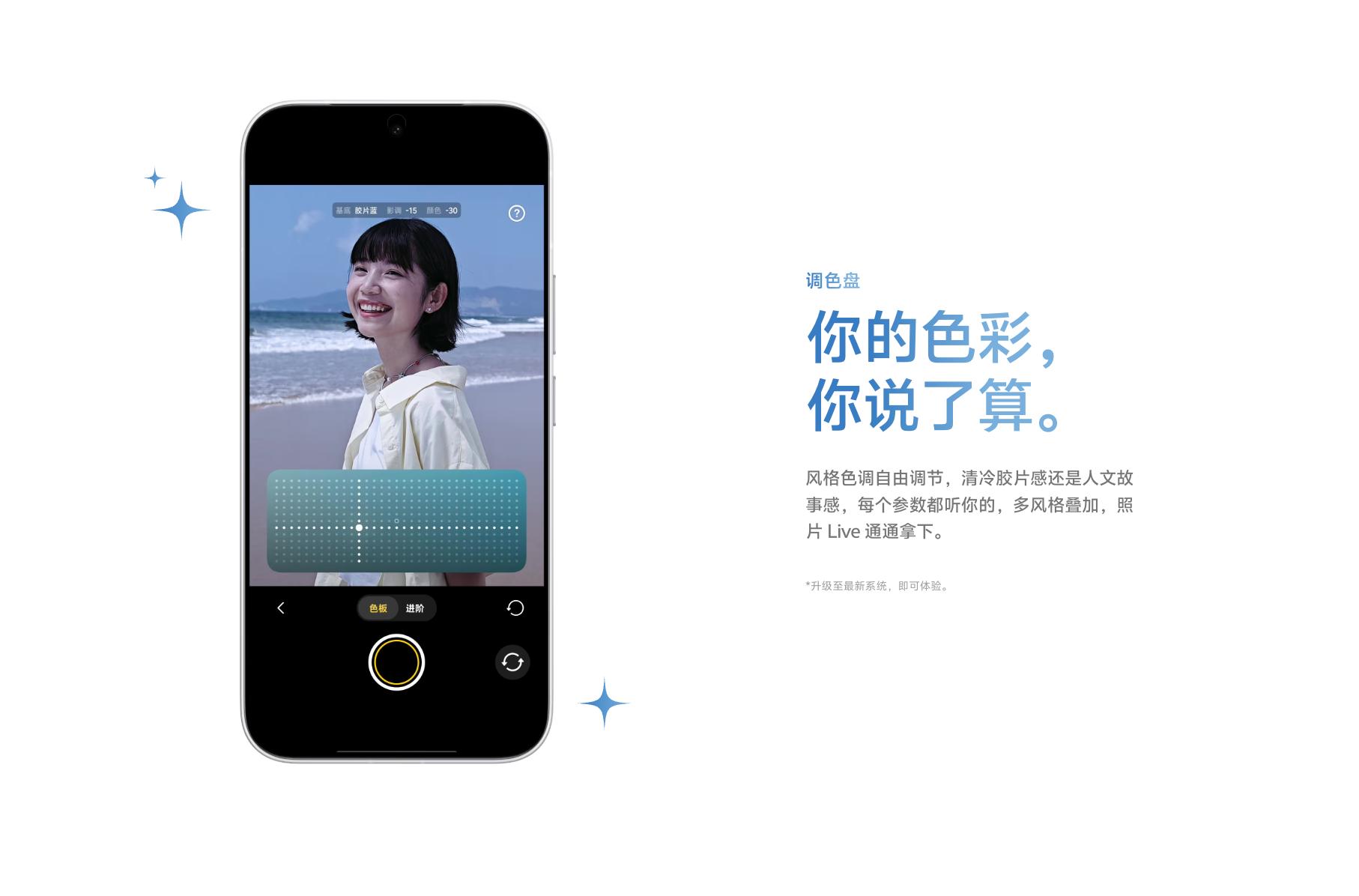
(Image source: vivo official)
However, it's actually very difficult to achieve both "authenticity" and "beauty". Real - life colors may not be what users want. For example, the sky in a photo taken on a cloudy day is indeed gray, and the indoor environment under warm light is indeed yellowish. These are "real", but not "beautiful".
So the color management done by mobile phone manufacturers now is not just a simple "restoration of reality" but also an "optimization" on the basis of reality. Manufacturers are starting to use AI to recognize scenes and automatically determine whether a photo should be warmer or cooler, and whether the saturation should be enhanced or suppressed. For example, if you take a photo at the seaside, the system knows that the sea should be bluer; if you take a photo of the sunset, the system knows that the sky should be warmer.
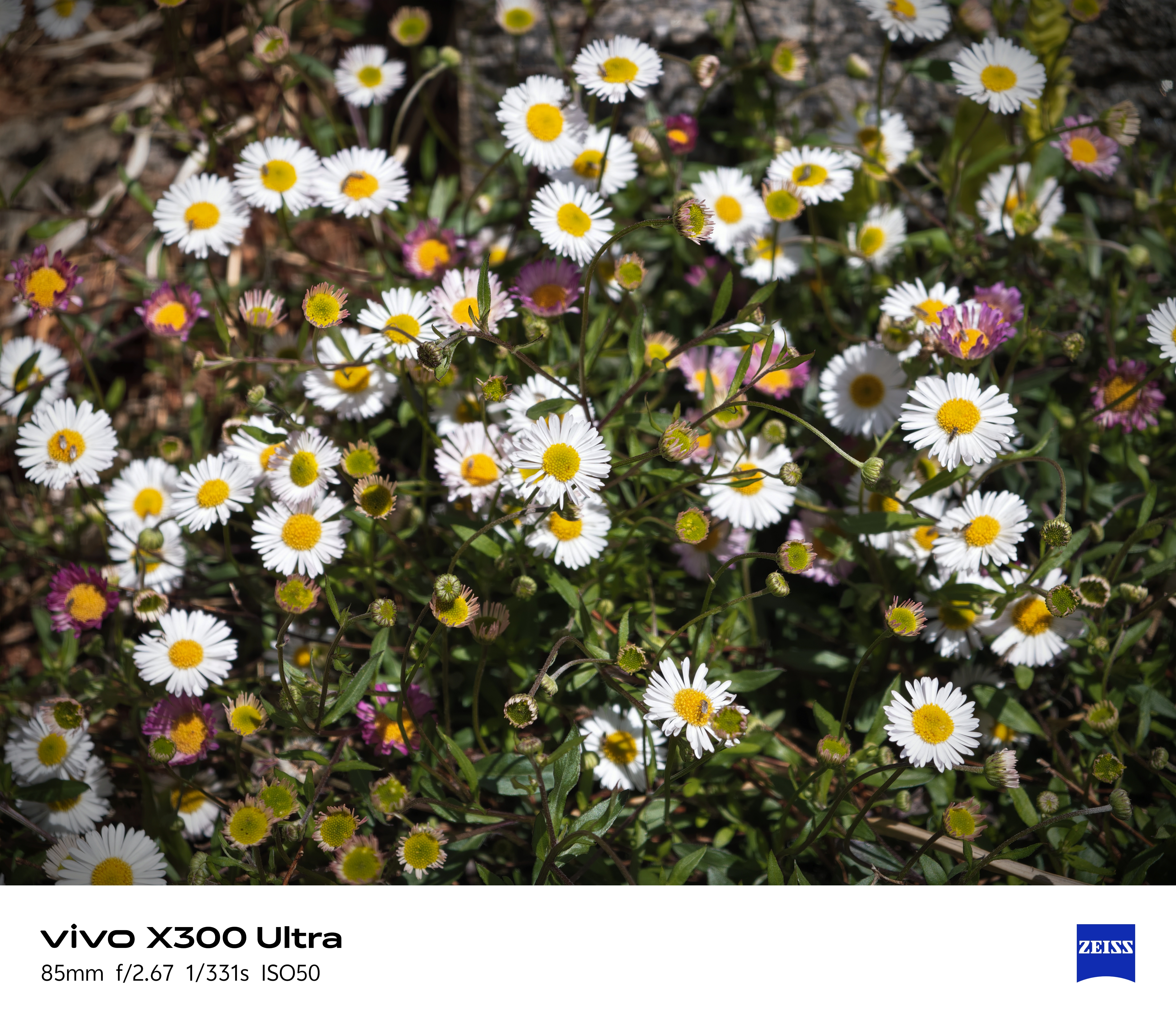
(Image source: Leitech)
This is why Leitech says that color management is the "ultimate manifestation" of post - processing functions. Because it is not just a simple filter or color - adjustment tool but a complete solution from hardware to software, from shooting to post - processing. It requires precise algorithms, a large amount of training data, an understanding of users' aesthetic preferences, and in - depth integration at the hardware level.
Only manufacturers that can achieve this are qualified to claim to have a say in "color management".
No more component - stacking, the evolution direction of mobile phone imaging is correct
If we were to summarize the mobile phone imaging of the past two years in one sentence, Leitech believes that this is the era when mobile phone imaging has finally emerged from the "component - stacking anxiety period".
Manufacturers have finally realized that what users really care about is not "how far you can shoot" but "whether the photos I take casually in daily life look good and stable". The homogenization of hardware parameters is not scary. What's scary is the lack of differentiation ability. Post - processing functions are becoming the key to creating a gap in user experience.
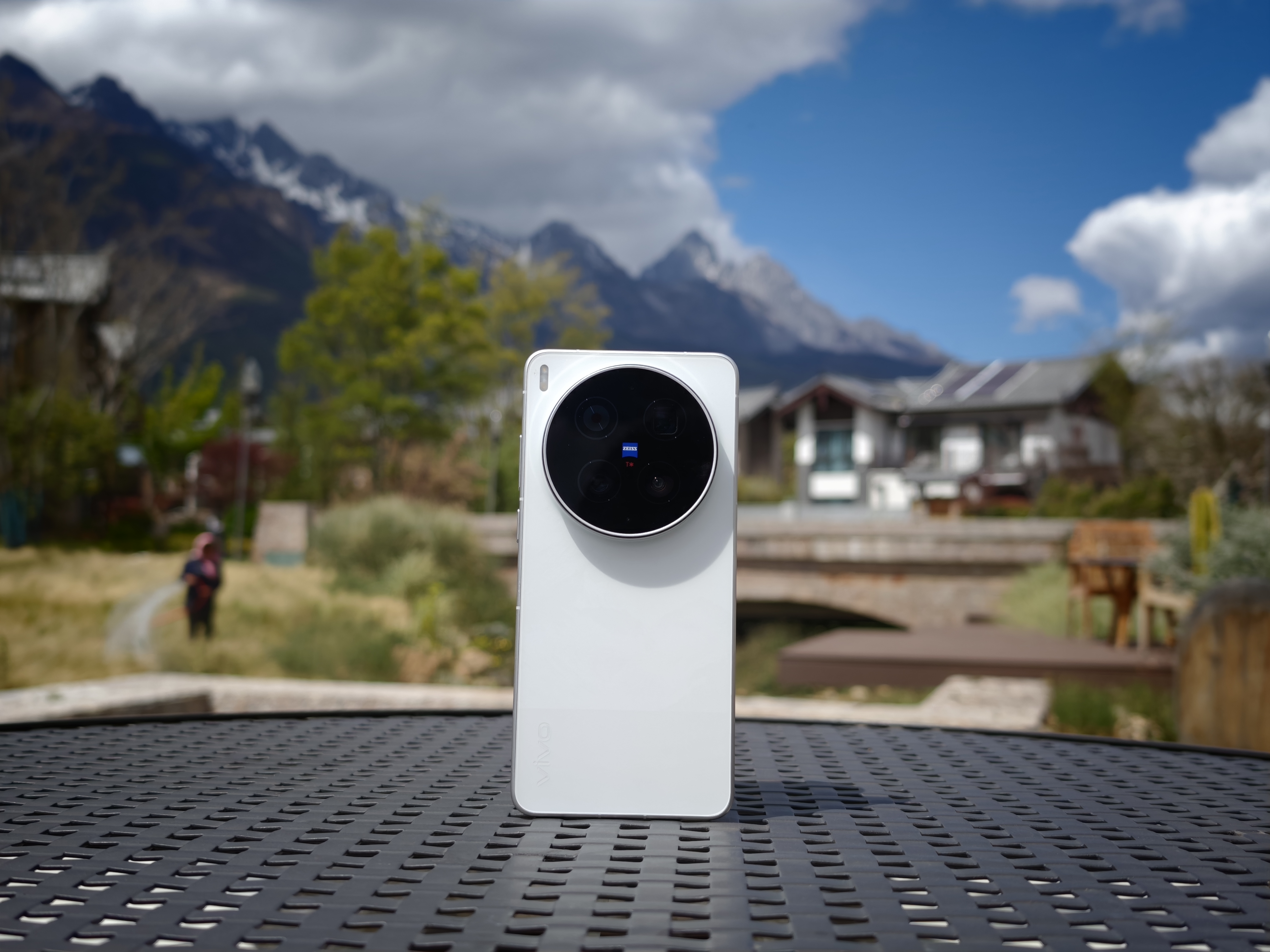
(Image source: Leitech)
For ordinary users, this is definitely a good thing. You no longer need to worry about "whether the phone can take good photos in this light" or "whether you need to