When sleep becomes a business, who can capture the market of 500 million people suffering from insomnia?
Recently, a large number of sleep experience centers have suddenly emerged across the country. On the surface, it seems to be a new offline business model, but what it truly indicates is not that Chinese people suddenly are willing to spend money to sleep in a store.
Instead, a structural change is taking place in the sleep industry: in the past, the sleep business sold products. Today, the sleep business has started to sell services.
In the past, consumers believed that a good pillow, a good mattress, or a bottle of melatonin could improve sleep. Today, more and more people are beginning to need detection, evaluation, intervention, experience, and long - term management.
Therefore, the truly worthy aspect of sleep experience centers to study is not whether they can make money from one - hundred - yuan naps. Instead, it is that for the first time, they have transformed the issue of "sleeping well" from a product - purchasing problem into a service - delivery problem. This is the real start of the sleep industry entering its second stage.
1
The sleep industry's past business was too simple
For a long time, the sleep industry was a very straightforward business of selling goods. Selling mattresses and pillows.
Selling bedding sets and aromatherapy products. Selling melatonin and white - noise machines.
All brands did business around the same logic: as long as they sold you a better product, you could sleep better.
For a long time, consumers' understanding of sleep was also very simple. If you couldn't sleep well, it might be because the pillow was uncomfortable; it might be because the mattress was too hard; it might be because the room was too noisy; it might be because of excessive stress.
So consumers were willing to keep buying things to try. Changing a pillow or a mattress. This was the earliest form of the sleep economy: consumers judged the problem themselves, and brands provided a tool. The transaction was completed at the moment of purchase. The biggest advantage of this model was its simplicity. Brands didn't need to take responsibility for the results. They only needed to be responsible for production. Mattress - selling companies never promised when you would fall asleep.
However, the issue of sleep itself is too complex. It's not a problem that can be completely solved by a pillow, nor is it a result that can be fully guaranteed by a mattress. If a person can't sleep well, it might be related to the mattress, or it might be related to anxiety; it might be related to breathing, or it might be related to diet.
Most of the time, consumers themselves simply can't figure out why they can't sleep well. They just feel that their minds can't stop when they lie down.
Products can only offer possibilities, not deliver results. You might not sleep well even if you buy a pillow. You might not wake up more refreshed even if you change a mattress.
You might not solve the real problem even if you take melatonin. What's more troublesome is that when consumers still can't sleep well after changing one product after another, they will develop trust fatigue towards the entire sleep product category.
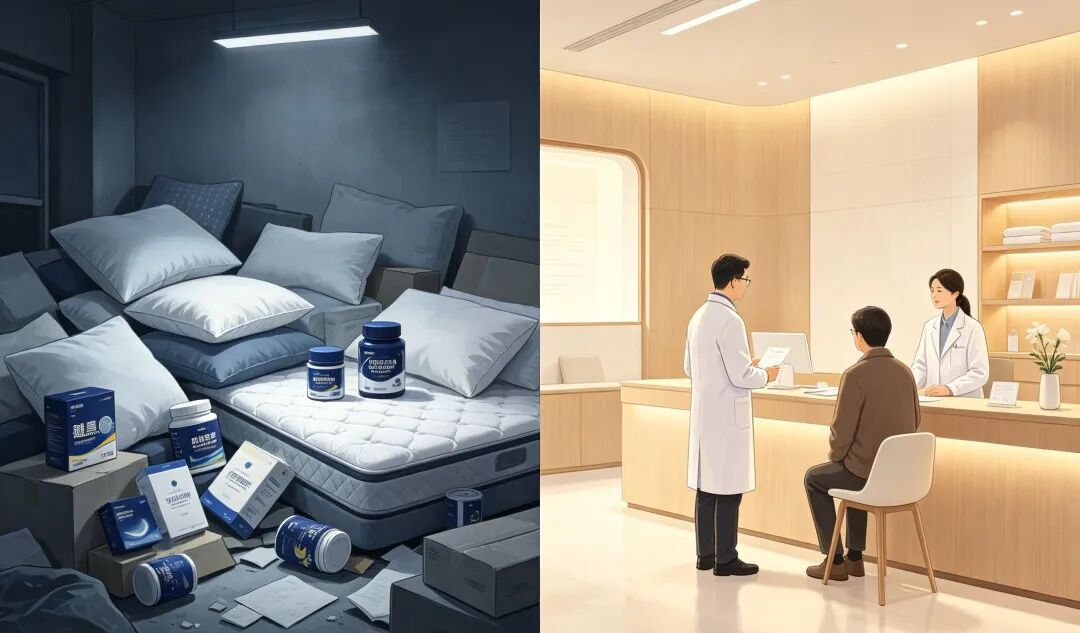
How can I be sure that this solution will work for me? After this question arises, the sleep industry will inevitably shift from "selling products" to "selling services".
Because only services can turn "possibilities" into "certainties". Products can give you a softer pillow, but services can tell you that your problem doesn't lie in the pillow at all. Sleep experience centers emerged at this juncture. They are not just better mattress stores. Instead, they represent a completely different business logic.
2
Sleep experience centers don't sell sleep; they sell judgment and experience
Many people, when they first see a sleep experience center, might think this business model is a bit absurd. Spending 100 yuan to sleep in a store for an hour.
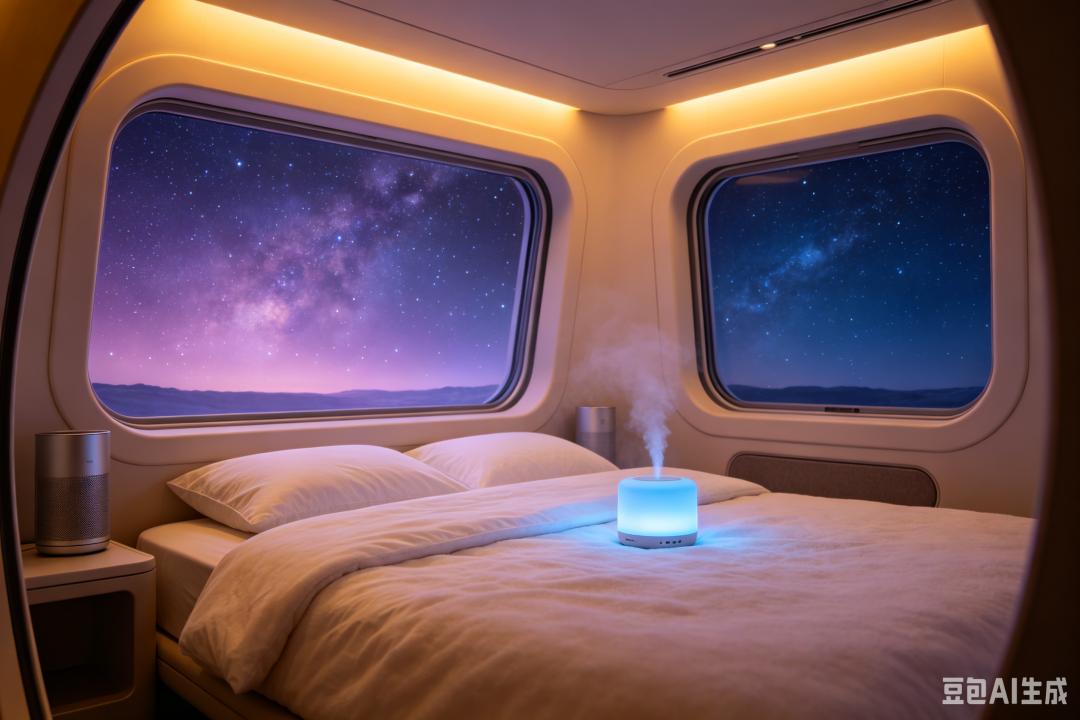
This in itself sounds like a consumer anecdote. But if we only understand it as "selling nap space", we are seeing it too superficially.
What sleep experience centers really sell is not the time on the bed but a process of judging sleep problems. When consumers enter a sleep center, they usually don't go there just to take a random nap.
Most likely, they already have some clear discomfort: long - term difficulty falling asleep. These problems are not severe enough to require an immediate visit to the hospital.
But they are already significant enough to affect daily life. And it is precisely this "in - between state where it's not serious enough to see a doctor but still very uncomfortable" that has a huge market gap.
It caters not to ordinary leisure seekers but to people with mild to moderate sleep problems. This group is very special.
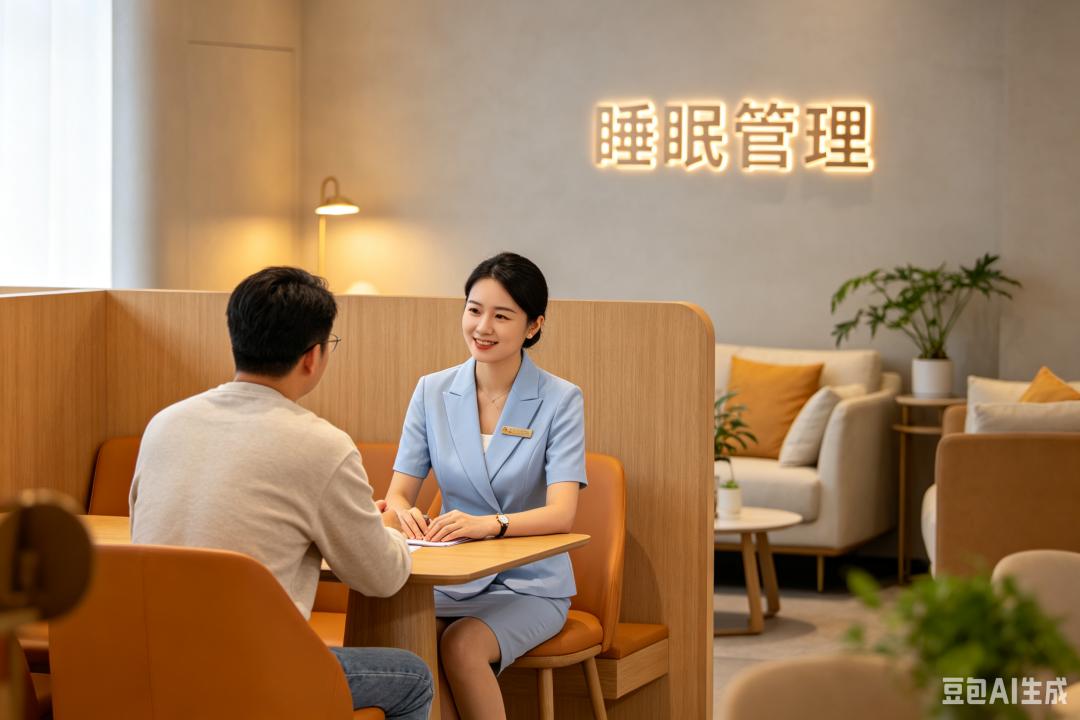
They haven't entered the medical system yet, but they have started to actively seek solutions. So the primary value of a sleep experience center is not to let people sleep for an hour. Instead, it is to transform a vague sleep problem into a consumable problem that can be explained, evaluated, and intervened.
This step is very crucial. Because the real starting point for many consumer industries to make money is not the product itself but "the definition of the problem". Why has the medical aesthetics industry grown so large? It's not because of hyaluronic acid. It's because it has defined problems such as wrinkles, dullness, sagging, and facial shape as manageable projects.
Why has the oral care industry grown so large? It's not because of toothbrushes. It's because it has defined problems such as crooked teeth, yellow teeth, and periodontal issues as long - term manageable health assets.
The fitness industry is the same. It doesn't sell treadmills. It transforms vague feelings such as overweight, poor posture, and lack of energy into a set of quantifiable, trackable, and improvable training programs.
The same change is happening in the sleep industry. In the past, consumers only knew that "I haven't been sleeping well lately". This was a vague feeling that couldn't be commercialized. But in a sleep center, this problem is dissected: once it is quantified, consumers immediately understand what they need to solve.
The sleep center re - defines the issue of "I haven't been sleeping well lately" as: you need detection, you need evaluation, you need intervention. The judgment itself is a high - value service. Because when a person is confused, they are willing to pay for "someone to clarify the problem". This also explains why a sleep center is not a business that makes money by turning over tables. If its value were just a bed and a quiet room, it would be just a nap bar. But a sleep center provides a starting point for judgment. From this moment on, a trust relationship is established.
3
The sleep industry is replicating the medical aesthetics industry
If we look further, we'll find that sleep centers are becoming more and more like medical aesthetics institutions. Medical aesthetics institutions don't sell a single injection of hyaluronic acid.
Instead, they sell a long - term plan for "becoming more beautiful". When consumers first enter the store, they might only spend a few dozen yuan on a small bubble facial treatment, but when they leave, they already have a skin test report in hand.
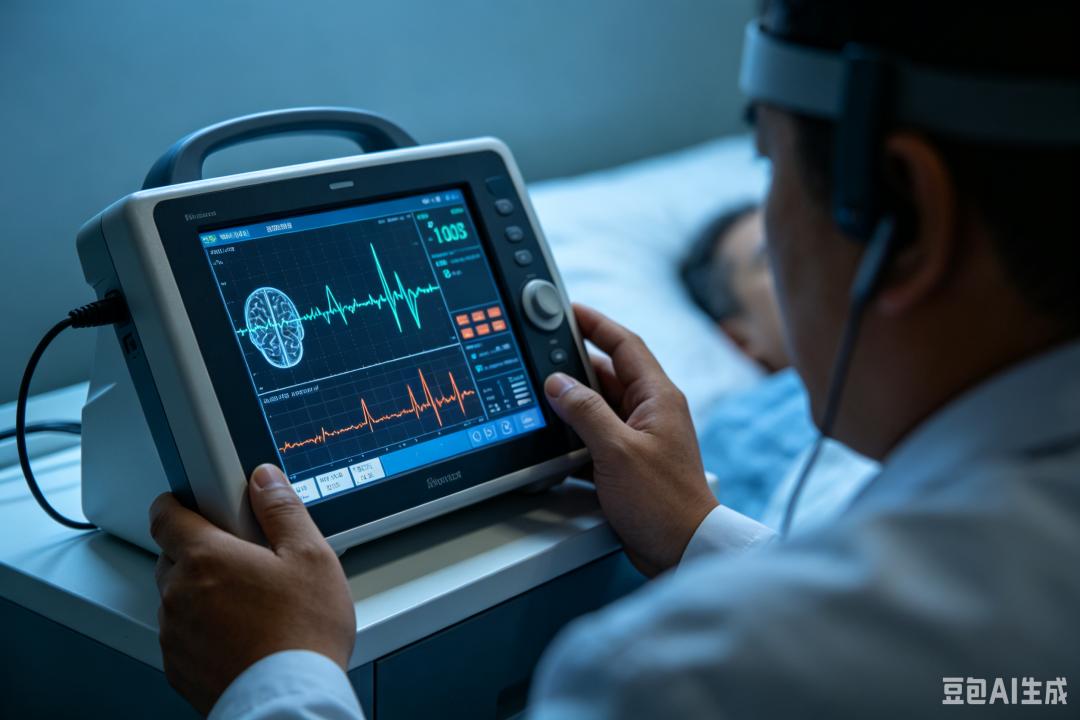
Sleep centers are following the exact same path. They first attract users to the store with a 99 - yuan or 149 - yuan sleep experience. Then, through communication with sleep experts, they understand the users' sleep problems.
Next, they use methods such as sleep machines, ventilators, micro - pressure oxygen chambers, aromatherapy, head treatments, and sleep monitoring to let users feel the difference. Finally, they recommend equipment, memberships, courses, consultations, or full - case management services.
This is completely different from the logic of traditional retail stores. Traditional retail stores pursue immediate conversion. Users are expected to make a purchase decision within ten minutes of entering the store.
Sleep centers pursue the establishment of trust. They're not in a hurry to get you to pay. They first let you take a nap and let you truly feel the changes in your body. So, sleep centers don't make money by turning over tables. If they only rely on the one - hundred - yuan - per - hour sleep experience, it's difficult to cover rent, labor, equipment depreciation, and operating costs.
The real money they want to make is in the follow - up. There are sleep equipment worth thousands of yuan, home sleep machines worth tens of thousands of yuan, long - term sleep consultations, annual membership management, nutritional supplements, and health checks.
There's even B - end transformation output for traditional health centers, hotels, and office spaces. This is the complete business structure behind sleep centers. This also explains why some sleep centers look like experience stores rather than ordinary stores.
Traditional retail stores sell a specific product and solve the problem of "to buy or not to buy". Sleep centers sell a complex result and solve the problem of "to trust or not to trust".
Just as a person is willing to spend money to look better, they might also be willing to spend money to sleep better. The premise is that they believe you can really help them solve the problem. So the core ability of a sleep center is not the equipment, not the decoration, not the service process, but the efficiency of establishing trust. This is where the sleep industry is most similar to the medical aesthetics industry.
They both sell a result that is difficult to standardize but that consumers care about extremely. Medical aesthetics sells "becoming more beautiful". Sleep centers sell "sleeping well". Both need to transform subjective feelings into objective indicators, both need to use experiences to open up trust, and both need to use long - term management to lock in users. The medical aesthetics industry has verified the feasibility of this model over the past twenty years, and the sleep industry is now following the same path from the beginning.
4
Who can capture the 500 million insomniacs?
Let's return to the question in the title: when sleep becomes a business, who can capture the 500 million insomniacs?

The answer might not be the person who is best at selling mattresses, nor the person who is best at selling melatonin. It might not even be the person who opened the first sleep experience center today. The companies that really have a chance to capture this market might be those that can accomplish four things.
First, they can clarify sleep problems.
One of the biggest pain points in the sleep industry is that consumers don't know why they can't sleep well. Their feelings are vague, and their attributions are random.
One day they suspect it's because of excessive stress, and the next day, after seeing an advertisement, they think it might be because of a lack of melatonin. So companies must have the ability to explain.
They can't just say "our mattresses are more comfortable" or "our instruments are more advanced". Instead, they need to help users understand: where exactly is your problem, what kind of sleep problem do you belong to, and what should you solve first. This might seem like popular science, but in fact, it's a prerequisite for sales.
Because sleep is not an impulse purchase. It requires trust. And trust can only be built on the basis of "you really understand me". When a user feels that you understand their sleep problem better than they do themselves, conversion will happen naturally.
Second, they can let consumers experience changes.
The most difficult part of selling sleep products is that it's hard to verify the results immediately. Whether a mattress is good or not requires many days of sleep to draw a conclusion.
Whether a pillow is suitable also takes time to adapt. But consumers' patience is limited. If they buy three products and none of them work, they won't believe in the fourth one.
The significance of a sleep experience center is that it at least allows consumers to feel a difference once. Even if it's just a feeling of being more relaxed.
Even if it's just being more awake after a short nap, even if it's just feeling that finally someone understands their problem. This sense of experience is the first step in building confidence. Only after having a good first experience will they be willing to try a more long - term solution. So experience is not the goal. Experience is the entrance to subsequent consumption.
Third, they can provide long - term solutions.
Sleep problems usually can't be solved by a single purchase. A user might not sleep well today, and next month, they might not sleep well again because of work stress.
When the season changes, new problems might arise. A truly valuable sleep company must provide continuous service. The more complete this system is, the stronger the user's stickiness will be.
If a company only sells equipment once, it's still following the traditional product - selling logic. Only if it can provide continuous service around the user's sleep state is it true sleep management.
Once this long - term relationship is established, users won't leave easily. Because all their sleep data, improvement records, and personal preferences are stored in this system, and the cost of migration is extremely high.
Fourth, they can establish a strong enough trust boundary.
The sleep industry has a natural risk: it's too close to the medical field. But it can't easily claim to provide a cure. It can talk about improvement.
It can talk about management and intervention. But if it makes excessive promises, it will enter the risk zone. If a sleep center tells users that "we can cure your insomnia", it will immediately face compliance risks regarding medical advertising.
It will also face disputes when the promised results are not achieved. This means that the future threshold for the sleep industry is not just about products and traffic. It's also about professionalism and compliance. The companies that can establish credible service standards, training systems, effect evaluations, and product boundaries are the ones that might last longer.
Otherwise, sleep centers can easily become another concept - based health center, experiencing short - term popularity but long - term loss of trust. There have been too many such lessons in the industry's history. From sweat saunas to head treatment centers, from essential oil spas to sleep pods, many business models have briefly boomed under the banner of sleep but have quickly declined due to unverifiable effects and a lack of service standards.
If sleep centers want to avoid this old path, they must build a moat in terms of professionalism and compliance.