The storage shortage spreads, Cook hints at price hikes for Apple products, is the most expensive iPhone in history coming?
The iPhone in the second half of the year may really become more expensive.
According to a report from The Wall Street Journal, Tim Cook recently confirmed that due to the continuous soaring costs of storage chips such as memory and flash memory, Apple will raise the prices of some products. In the past, such statements usually only appeared in supply - chain leaks and analysis reports from third - party testing institutions, and were rarely directly stated by Apple's top management.
Of course, Apple has not announced the specific list of price increases, nor has it named the iPhone 18. However, the problem is that if even Cook is no longer able to absorb the cost pressure internally, then the iPhone 18 Pro, which relies most on high - end configurations and needs to maintain profit margins, will probably not be spared.
Storage price increases are too much for Apple to bear
This round of price increases is not the traditional way of mobile phone manufacturers trying to earn more. Apple has indeed raised prices actively to increase profits in the past. When the iPhone XR/XS series was released, Apple significantly increased the prices, but was quickly taught a lesson by the falling sales and quickly lowered the prices. But this time is different. Apple is facing a common problem that other mobile phone manufacturers are also facing: AI has led to an increase in storage prices, doubling the cost pressure on mobile phones.
The continuously expanding AI infrastructure is consuming a large amount of memory, flash memory, and high - bandwidth memory production capacity. Naturally, storage manufacturers are more willing to allocate production capacity to AI customers with higher profits and more stable orders. As a result, consumer electronics brands such as mobile phones and PCs find that the most common memory and flash memory are becoming the most unstable cost items with soaring prices.
For Apple, storage is not a configuration that can be easily cut. Macs need to run local AI, and 16GB of memory is already the minimum standard; iPhones need to shoot 4K, ProRes, and spatial videos, and also need to support Apple Intelligence, so the storage capacity and memory specifications can only increase.

(Image source: Apple)
In the past, Apple could lock in orders in advance through its strong supply - chain bargaining power. However, now the price increase is not a short - term fluctuation of a single supplier, but a shift in production capacity caused by the entire AI industry chain. So Apple's only options are to absorb the cost itself or let users pay the bill.
In fact, Apple has taken many measures to deal with the storage price increase. Previously, Apple signed long - term supply orders with storage giants such as Samsung and SK Hynix. At the beginning of the year, supply - chain sources reported that Apple paid double the price. Then, Apple used its abundant cash flow to frantically purchase storage inventory in the market, not only stocking up for itself but also leaving its competitors short of memory.
Looking back now, these measures can only solve short - term difficulties and cannot stop the long - term trend. The price of storage is still rising. Samsung and SK Hynix will surely not be satisfied with the double - contract price. Moreover, they are now fully focused on high - profit products such as HBM, and the production capacity available for consumer electronics is decreasing. And the storage inventory in the market is limited, and Apple's large - scale demand cannot be met for long.
Cook said that the price increase is inevitable. In fact, Apple is giving a warning: the storage cost is too high, and it can no longer bear it, so it has to raise the price.
Why didn't it raise prices before but does so now?
This is not the first time Apple has faced rising costs. In the past, it often did not directly raise the starting price but made the price increase more decent through configuration and product lines.
The most typical method is to keep the entry - level price and then adjust the storage levels. Apple's most notorious practice in the past was the extremely high storage premium. For example, when the iPhone used to start with 64GB, the next - level capacity became 256GB, and Apple did not provide a 128GB option at all. If you gritted your teeth and chose the 256GB version, you would find that the price difference between it and the 64GB version was even higher than buying a high - specification SSD of the same capacity on the market.
The situation with Macs is similar. Apple has long maintained a seemingly acceptable starting price with 8GB + 256GB and then obtained profits through high - priced memory and hard - drive upgrades. When AI functions required more memory, Apple gradually upgraded the entire Mac line to start with 16GB. Although this was a good thing, it also increased the memory cost of the devices.
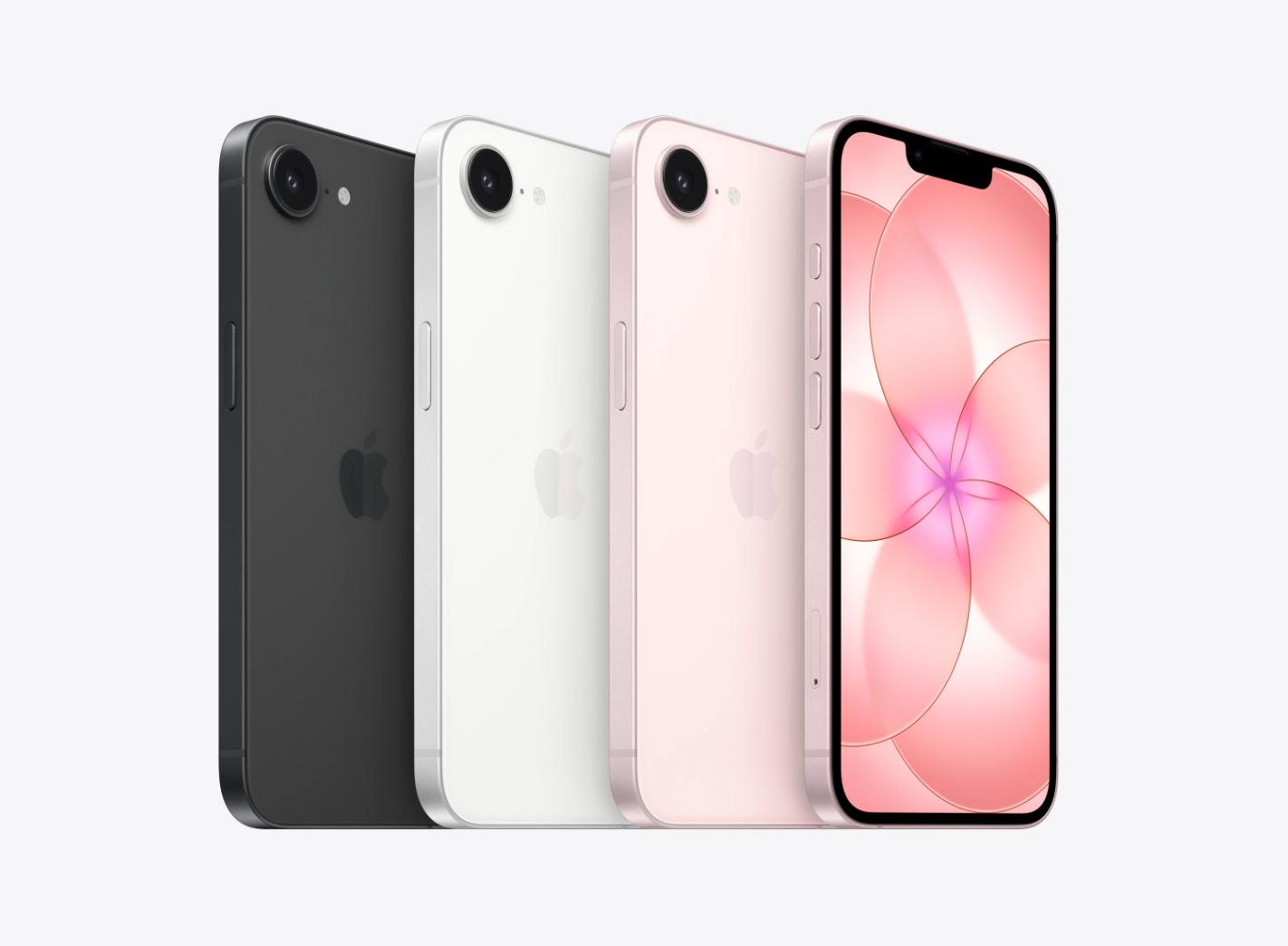
Another method Apple uses is to reserve more expensive configurations for more expensive models. The standard - version iPhone is more conservative, without high - refresh rate, telephoto lenses, and the chips are even cut down; the Pro series uses the highest - specification chips, cameras, screens, and interfaces. The advantage of this is that Apple can let price - sensitive users buy the basic version and stay in the ecosystem, while allowing high - end users who are willing to pay to bear more costs.
(Image source: Apple)
In addition, Apple has extended the product cycle. There are many series and models of the iPhone currently, including the affordable e - series, Air, standard version, Pro, Pro Max, and there will be a foldable version in the future. Apple's product - line price stratification is very detailed. Users don't necessarily buy the latest model every year, but can always find an iPhone model at an acceptable price.
The problem is that these tricks are not enough now. If the storage cost only increases slightly, Apple can adjust and absorb it itself; but if it is a long - term and structural increase, a price increase is inevitable.
Moreover, Apple is at a very awkward time point.
On the one hand, AI has increased the hardware cost. Apple has often talked about edge - side intelligence, privacy computing, and local models in the past. These directions require more powerful chips, larger memory, and more stable storage performance. Apple cannot promote AI on one hand and keep the new phones at a relatively low memory specification on the other hand.
On the other hand, Apple's AI is not strong enough to make users willingly pay more. In the past few years, Apple has remained stable in imaging, performance, and ecological synergy, but in the main line of generative AI, the outside world generally believes that it is struggling to catch up. The reconstruction of Siri, the expansion of Apple Intelligence, and the enhancement of visual intelligence are all important, but they have not formed a killer reason like "buying a new iPhone is for it".
This makes the price increase even more unappealing: the cost has indeed increased, and the experience does need to be upgraded, but the innovation that users feel may not be magnified synchronously.
For Apple, the most ideal way to raise the price is to increase both the quantity and the price, such as offering larger storage, more powerful chips, better imaging, and longer battery life. But if the iPhone 18 Pro is just upgraded as usual and the price is significantly increased, users may feel like: Apple can't hold on anymore, but why should I bear it?
The iPhone 18 Pro shoulders a heavy responsibility
What's more troublesome is that there is a problem with the product cycle of the iPhone 18 series itself.
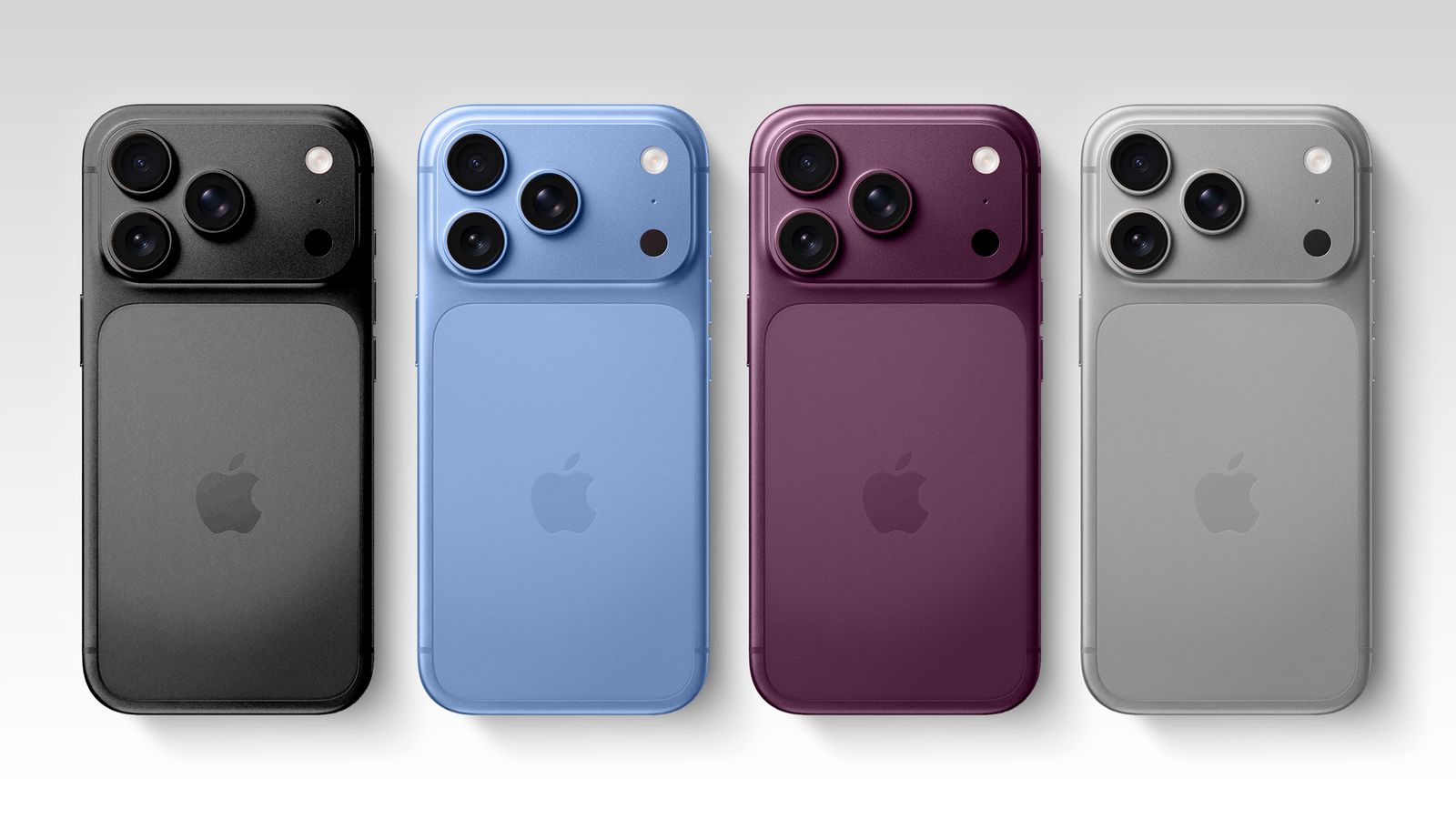
According to multiple reports, Apple is adjusting the iPhone release cycle. The autumn press conference will launch the iPhone 18 Pro, iPhone 18 Pro Max, iPhone Air2, and iPhone Fold. The standard - version iPhone 18 will be postponed to the spring of 2027 and released together with the iPhone 18e. Although the foldable iPhone will be released in the autumn, due to the influence of yield rate, production capacity, and supply - chain ramping up, it will be postponed to next year for sale. The iPhone Air2 does not have particularly obvious upgrades compared to the first - generation model, and its sales are expected to be still very dismal.
This autumn and winter, the only two models that can really support Apple's sales and profits are the two Pro models.
This is no small matter for Apple. In the past, new iPhones at the autumn press conference were all upgraded collectively in the same series: the standard version was responsible for high - volume sales, the Pro was responsible for profits, and the Pro Max was responsible for high customer - unit prices. In this way, users with different budgets could make decisions within the same replacement cycle. But if the standard version and the foldable version are absent, users' choices will be much simpler and more cruel. They either continue to use their old phones or directly buy the more expensive Pro.
In the context of storage price increases, this product cycle will further magnify the price pressure. Without the standard version, Apple loses a high - volume best - seller, and without the foldable version, Apple loses a super - important product. As a result, all the pressure will be put on the iPhone 18 Pro. It has to be sold at a high price and in large quantities, which will inevitably affect Apple's sales and performance this year.
(Image source: MacRumors)
Apple's current troubles are not limited to this, including the transition of the CEO and the lag in AI.
The WWDC in June this year was regarded as Tim Cook's last major Apple event. If he steps down as CEO in September 2026 and John Ternus takes over, the iPhone 18 Pro is likely to become the most important product for the new management. In Cook's era, Apple was strongest in the supply chain, profit margins, service revenue, and ecological scale; as a hardware engineering leader, the outside world will naturally expect Ternus to bring stronger product upgrades.
To be honest, the AI - related functions in iOS 27 have had quite obvious upgrades compared to iOS 26, and in terms of user experience, it has done quite well. However, the most crucial problem is that the core part of Apple's current AI system comes from the Gemini solution purchased from Google. In other words, Apple's self - developed large - model ability cannot support a decent AI experience. Apple is wealthy and has sufficient cash flow, so it can buy third - party technical solutions to solve current problems. However, as long as Apple fails to build its self - developed AI strength, it means that its Achilles' heel is in the hands of others.
For Ternus, as soon as he takes office, he will face a bunch of problems: storage price increases, catching up in AI, the difficulty of producing the foldable version, the postponement of the standard version, and the shrinking of the industry. None of these problems is fatal on its own, but together they are very tricky.
Conclusion
Of course, Apple will not collapse because of a price increase of one - generation iPhones. It still has the most stable high - end user group, the strongest ecological stickiness, and the most mature global retail system. However, the challenge in the second half of this year is that Apple may need to answer three questions from users for the first time: Why is it more expensive? Why should I buy it now? Why is Apple's AI still worth waiting for? If these three questions are not answered well, even if the iPhone 18 Pro sells well, it will be difficult to replicate the past confidence of being expensive but justifiable.
Therefore, the iPhone 18 series is not simply doomed. It's just that Apple's old tricks don't work anymore. In the past, Apple could control costs with its supply - chain capabilities and absorb price increases through configuration adjustments. But when AI causes storage costs to rise again and again, the standard - version iPhone and the foldable version cannot appear in time, and there is a leadership transition between Cook and the new CEO, Apple will find it difficult to easily solve all problems this time.
A price increase is not scary. What's scary is not having strong enough new reasons when raising the price. For Apple, the iPhone 18 Pro may still be the most - watched flagship this year. But for users, the problem becomes more realistic: if the new iPhone is more expensive, will you replace your phone immediately?