DeepSeek raises 500 billion yuan: The anti-capital experiment of the quantitative trading guru Liang Wenfeng
A financing that reverses the priorities has rewritten the rules of the game in the AI circle.
On June 16th, DeepSeek completed its first round of external financing, raising over 50 billion yuan and achieving a valuation of over 338 billion yuan, setting a new record for single - round financing in the domestic AI industry. However, what's more thought - provoking than the numbers is the transaction structure hidden behind them.
Founder Liang Wenfeng personally invested 20 billion yuan, accounting for approximately 40% of this round of financing. His investment amount exceeded that of any institution, including Tencent and the National Major Industry Investment Fund. Except for the National Artificial Intelligence Industry Investment Fund, external investors do not have voting rights, no board seats, and can only share financial returns according to their investment proportions. They are also subject to a five - year lock - up period.
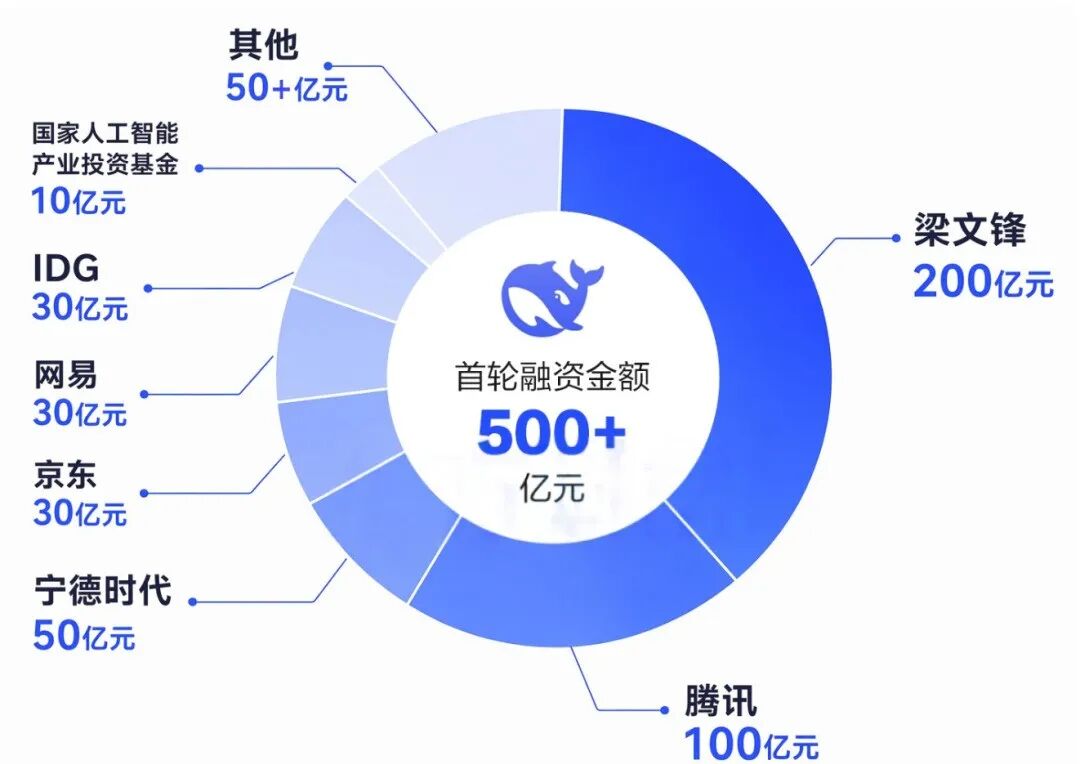
Put simply: The money has come in, but no one can touch the steering wheel of the company. This financing has created a magical scenario where the party in the dominant position becomes the subordinate. The key to understanding all this lies in Liang Wenfeng's other identity.
01 The Abnormality of the Financing: The Founder Becomes the Largest Investor
The financing logic of normal technology startups has always been clear: Founders give up equity in exchange for funds, and investment institutions invest to gain decision - making power. Both parties are bound by performance and listing expectations. This model has accompanied the growth cycles of numerous technology companies on both the NASDAQ and the Hong Kong Stock Exchange and is the generally recognized default script in the industry. No one questions this logic because it is designed to balance the interests of both sides: Those with money look for those with technology, and those with technology look for those with money, meeting each other's needs.
However, this round of financing by DeepSeek has completely subverted this logic. Liang Wenfeng personally invested 20 billion yuan, accounting for approximately 40% of this round of financing. His investment amount exceeded that of any institution, including Tencent and the National Major Industry Investment Fund, making him the largest single investor in reality. The abnormality of this event is not only reflected in the astonishing numbers but also in the role reversal: The person who theoretically needs to be invested in has instead contributed the most money. Although investors have come in, the relationship between the host and the guest has quietly reversed. It is the founder who is financing this round, rather than external institutions investing in the company.
The equity structure also reflects this dominance in the legal text: Before the financing started, Liang Wenfeng increased his direct shareholding ratio from 1% to 34% through industrial and commercial capital increase. After including indirect shareholding, his ultimate beneficial share reached 84.29%, and he holds 100% voting rights. Except for the approximately 1 billion yuan directly invested by the National Artificial Intelligence Industry Investment Fund, all external investors do not get board seats, do not have core decision - making voting rights, can only share financial returns according to their investment proportions, and are subject to a five - year lock - up period, unable to withdraw at will.
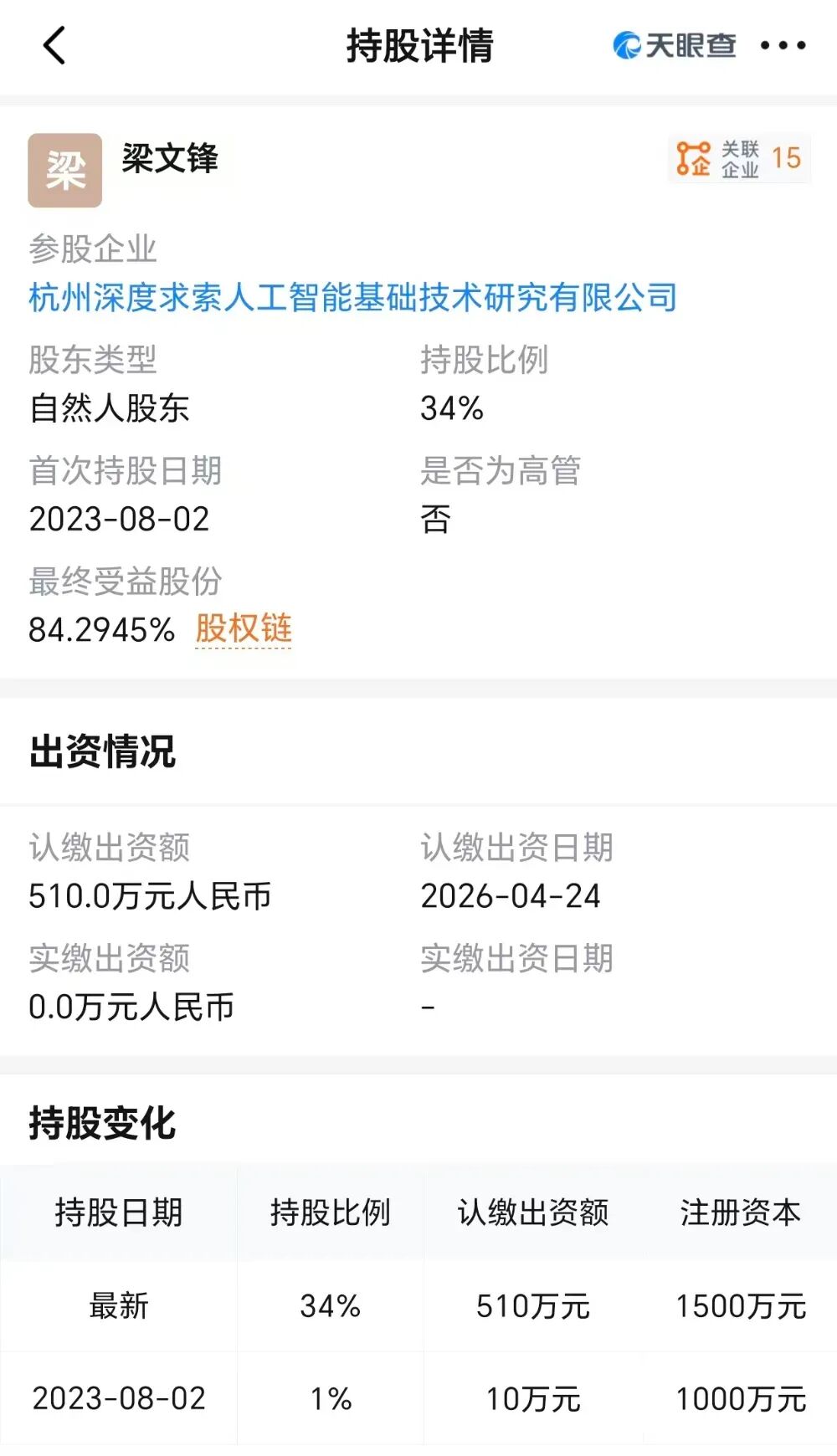
In other words, external funds are not buying the steering wheel of the company but just a financial dividend ticket sitting in the back row without a say. Even institutions of the scale of Tencent and the National Major Industry Investment Fund can only be pure financial investors in this round of financing. They have entered the door but cannot sit at the table. This is not the founder's momentary whim but is structurally designed into the entire transaction framework. First, secure the control completely, and then invite external funds in. The order cannot be wrong, and the logic cannot be chaotic.
02 The Confidence for Dominance: Self - Sufficient Cash Flow to Support Long - Term R & D
However, dominance is never built on thin air. What supports this almost overbearing rule is an extremely solid cash - flow foundation. Liang Wenfeng's other identity is the founder of Magic Square Quantitative, a leading domestic quantitative private equity firm. This company is not well - known to the general public, but in the field of quantitative investment, it is already a real industry benchmark.
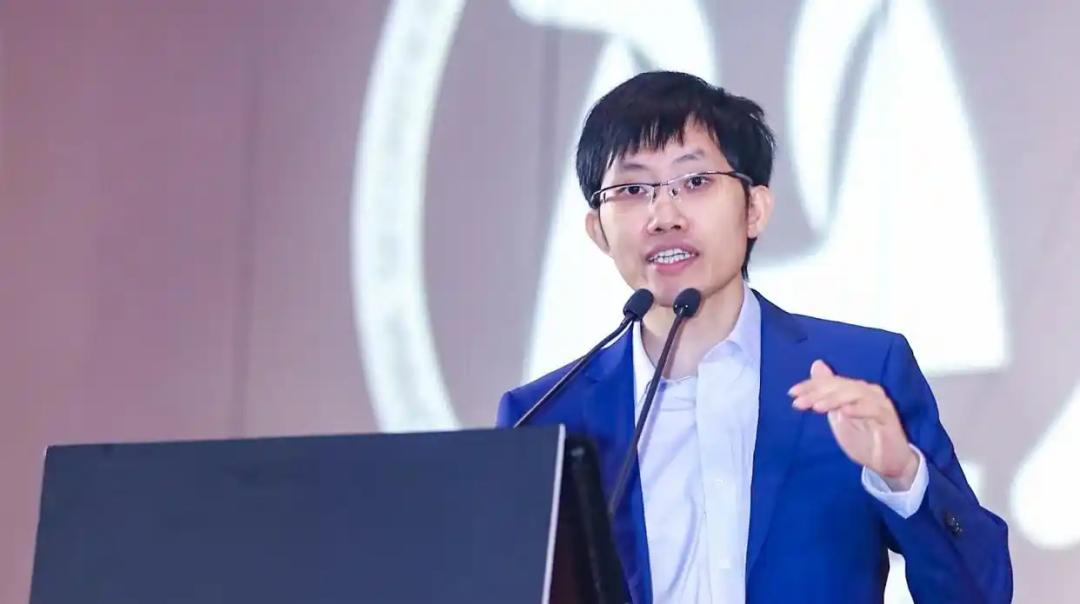
Magic Square Quantitative currently manages assets of over 70 billion yuan, with an average annual return of 56.55% in 2025. In the long term, the average annual return in the past three years was 85.15%, and in the past five years, it reached 114.35%. Regardless of the fluctuations in the secondary market, it can continuously generate considerable management fees and performance shares every year. It is like a cash machine that does not rely on any external blood transfusion and can continuously generate its own cash.
DeepSeek was established in July 2023 and was initially just an AI business department incubated within Magic Square Quantitative. In the first three years of its establishment, it hardly opened up external financing, and all R & D investments were supported by its own funds. This is particularly out of place in the large - model track, where money is burned like water. Most players in the industry rely on venture capital for financing. In each round of financing, they must present a bright growth curve and a commercialization story, and they inevitably adjust their directions according to the financing rhythm. The model route follows the investors' expectations rather than the logic of the technology itself. DeepSeek's starting point is the opposite from the beginning because it doesn't lack money at all, so it doesn't need to please anyone.
Therefore, the core demand of this round of financing was not to fill the funding gap from the start. It aims to solve two more specific problems. First, to set a market - based price for employee stock options. In the past year, at least five core R & D members of DeepSeek have confirmed their departures: Luo Fuli, a core contributor to V3, was poached by Lei Jun to Xiaomi with an annual salary of tens of millions; Guo Daya, a core researcher of R1, joined ByteDance; and Wang Bingxuan, the core author of the first - generation large - language model, went to Tencent. Without a fair market valuation, stock options are just a piece of paper and cannot retain those who truly understand the model. This round of financing is essentially to set a tangible price for stock options, rather than really needing these 50 billion yuan for burning. Second, to bind with the National Major Industry Investment Fund to obtain long - term priority supply of domestic computing power, laying a foundation for the subsequent technical route of adapting to domestic chips.
This is a round of financing with a clear strategic purpose, rather than a last - ditch effort to find a way out. It is this cash - flow confidence that makes the commitment to open - source and in - depth long - term AGI development not just the founder's emotional statement but a real choice supported by the system and funds.
03 The Breakthrough in the Route: An Independent Path Out of the Silicon Valley Model
In the past two years, the development of the domestic AI industry has always revolved around a narrative framework benchmarked against Silicon Valley. Every time OpenAI completes a round of financing, a financing wave follows in China; when Google launches a closed - source strategy, the domestic industry collectively discusses the survival of the open - source route; when NVIDIA chips are scarce, the domestic industry collectively falls into GPU anxiety. The script of the entire industry seems to be following the overseas prompt, and few people stop to seriously ask: Is this logic transplanted from Silicon Valley really suitable for our own conditions and rhythm?
DeepSeek's combination of strategies has no corresponding sample in the Silicon Valley startup template. The founder's absolute control, self - sufficient cash flow, binding with the domestic computing power base, and commitment to the long - term open - source route. These four elements together do not belong to the venture - capital - driven model shaped by the famous American startup incubator Y Combinator, nor do they follow the classic approach of domestic Internet giants that bind market share through the traffic ecosystem. It is a path that grows from its own business genes, rather than a replicated version from an external script. This difference, although seemingly subtle, is actually a world of difference in reality.
There is a detail in this path that is worth noting: The National Artificial Intelligence Industry Investment Fund directly invested approximately 1 billion yuan, retaining voting rights and not being subject to the five - year lock - up period. This is the only exception in the entire framework, reflecting the high priority of computing power sovereignty in the entire strategy. DeepSeek refuses the control rights of all institutions in terms of business logic but leaves an always - open door for the national team in terms of computing power. This is not a contradiction but a reality: To run the model on domestic chips, this door must be kept open.
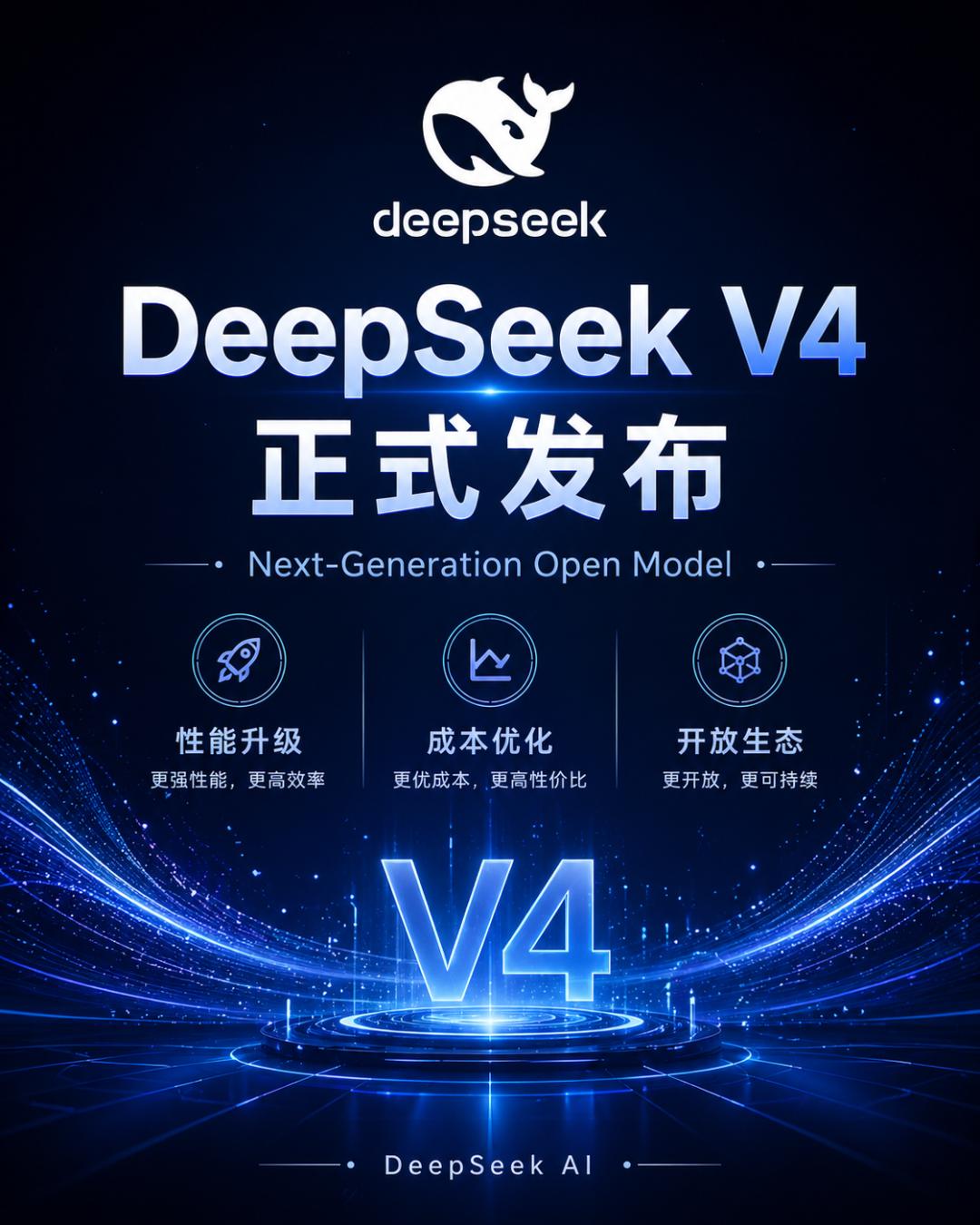
In fact, when DeepSeek V4 was released, Huawei announced that its Ascend Super Node series of products fully support the DeepSeek V4 series of models. Through the synergy of chip and model technologies, Huawei has completed the adaptation of Ascend 950 and Ascend A3 Super Node series and provided a training reference implementation based on Ascend A3 to support the full - process implementation of the model from training to inference. Many industry insiders said that the full - stack adaptation of DeepSeek V4 based on Huawei Ascend marks that the domestic large - model and domestic computing - power chips have completed the entire process from training to deployment.
Of course, the challenges on this path cannot be avoided. The cost of training frontier models continues to rise, and the commercial cost of open - source is increasing year by year. Whether personal will can effectively balance industrial laws in the long term is an unknown that needs time to verify. However, one thing is certain: DeepSeek has opened up an independent path for China's AI narrative that no longer needs to measure itself against the Silicon Valley coordinate system. The domestic large - model industry is entering a new stage of real differentiation from the technology - catching - up stage.
The successful 50 - billion - yuan financing is a milestone in the industry's differentiation.
Some live in the financing cycle, seizing the market through scale expansion; some adhere to the original intention of technology, using stable cash flow to support long - term exploration. Liang Wenfeng has taken a path that Silicon Valley cannot write: The founder holds 84% of the shares, contributes the largest amount of money himself, the national team follows the investment, and the model route is bound to domestic chips.
Whether this path can lead to the end of AGI is still unknown. However, it at least proves one thing: There is never a single standard answer for AI startups. When the capital frenzy subsides, the one who can have the last laugh may not be the one with the most money but the one who holds the whole deck of cards in their own hands.
This article is from the WeChat official account “Technology New Knowledge” (ID: kejixinzhi), written by the New Knowledge - AI New Consumption Group and published by 36Kr with authorization.