850,000 new energy vehicles have become "orphaned vehicles", and the number will continue to rise in the future. The concern that has long lingered in new energy vehicle owners' minds is turning into a reality.
850,000 vehicles have become "orphan vehicles", and there will be more in the future. What new energy vehicle owners are worried about is happening.
Today, the penetration rate of new energy vehicles has exceeded 60%, but it doesn't mean that car companies have got the ticket to success.
From Yu Chengdong to Li Bin, they are all giving warnings. For the annual domestic automobile retail volume, people should be mentally prepared for a year-on-year decline of 15% to 20%. Moreover, in the future, most car companies won't be able to bear the high - intensity investment in intelligent R & D and will go bankrupt.

What makes new energy vehicle owners feel uneasy is whether their vehicle - using rights can still be guaranteed when car companies suddenly go bankrupt in the future.
Data shows that by May 2026, 23 new energy vehicle enterprises have entered the state of bankruptcy liquidation, reorganization or full - scale production suspension, involving about more than 850,000 vehicles.
The data is here. This is not an individual event, but an increasingly serious consumer risk: Many people have spent hundreds of thousands of yuan to buy cars, which have become "orphan vehicles" after the car companies go bankrupt.
Many people ignore a problem. In the era of fuel vehicles, people really weren't afraid when car companies went bankrupt.
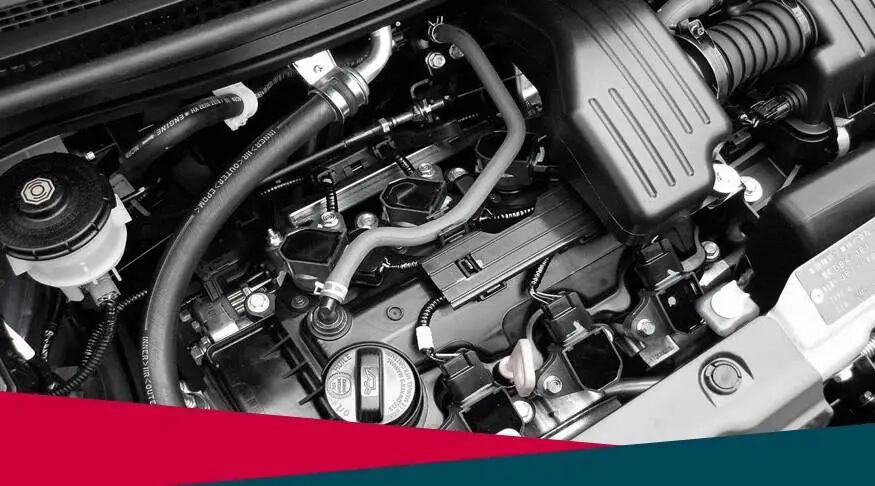
Why? Traditional fuel vehicles are a precise mechanical integration, which requires about 30,000 parts, including engines (thousands of moving parts such as pistons, crankshafts, turbines), gearboxes (gear sets, valve bodies), complex exhaust and fuel injection systems, etc.
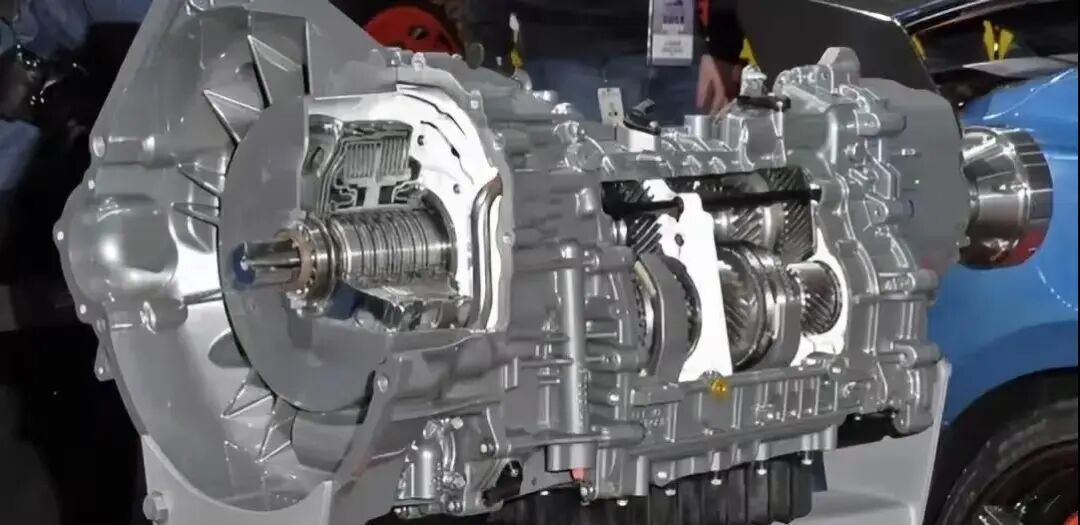
The chassis, engine and gearbox of a car are essentially a bunch of mechanical gears and large core parts. Many parts of different brands are interchangeable and replaceable.
As long as the mechanic in the roadside repair shop is skilled, there's no need to worry about not finding replacement parts. You can drive the car for more than a decade without any pressure.
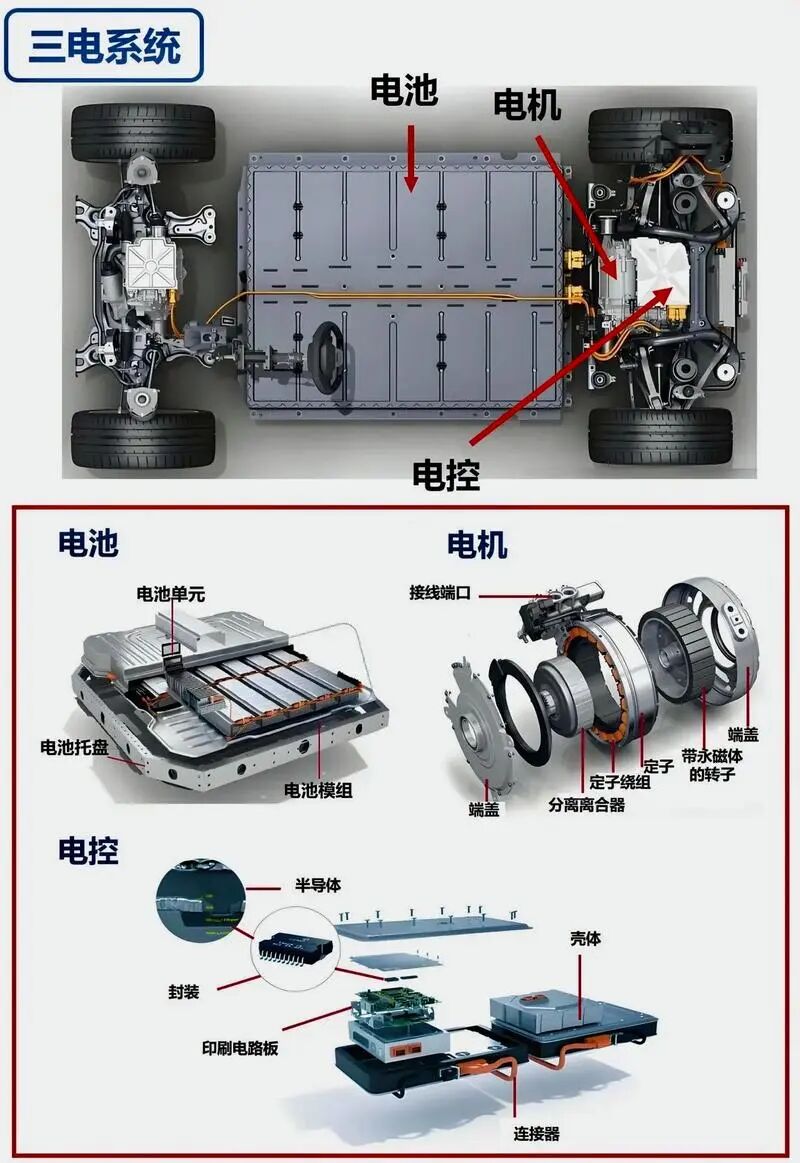
But now, intelligent electric vehicles are like large - sized smart phones in iron shells! The mechanical structure has been greatly simplified, and the number of parts in a whole vehicle usually drops to about 10,000 to 15,000. The three - electric system has replaced the power assembly, and in the continuous development, it increasingly relies on software, chips, servers and cloud - based services.
When a car company goes bankrupt, the so - called OTA services, software services, in - vehicle systems, mobile apps, etc. will also stop.
This means that there will be no OTA, the mobile app will become invalid, the remote control of the vehicle will not respond, the voice assistant will fail, and the navigation cannot be updated.
The car can still be driven, but the so - called "intelligent" experience premium will disappear at the moment when the car company goes bankrupt. The "futuristic" things you spent a lot of money on may first become useless.
Many car companies offer "lifelong three - electric warranty" when selling cars. Once the enterprise no longer exists, the original factory has no spare parts, and the suppliers also stop production. Then the so - called lifelong warranty is just an empty promise.
You should know that the battery, motor and electronic control are the most valuable parts of new energy vehicles. The battery alone often accounts for about 30% - 40% of the total vehicle cost.
Once the battery is damaged, the repair and replacement costs can be tens of thousands or even hundreds of thousands of yuan, which is difficult for ordinary families to bear.
Moreover, the batteries of many delisted brands use customized solutions. The market repair system simply can't repair them and there are no spare parts. As a result, many vehicles are forced to be scrapped in advance.
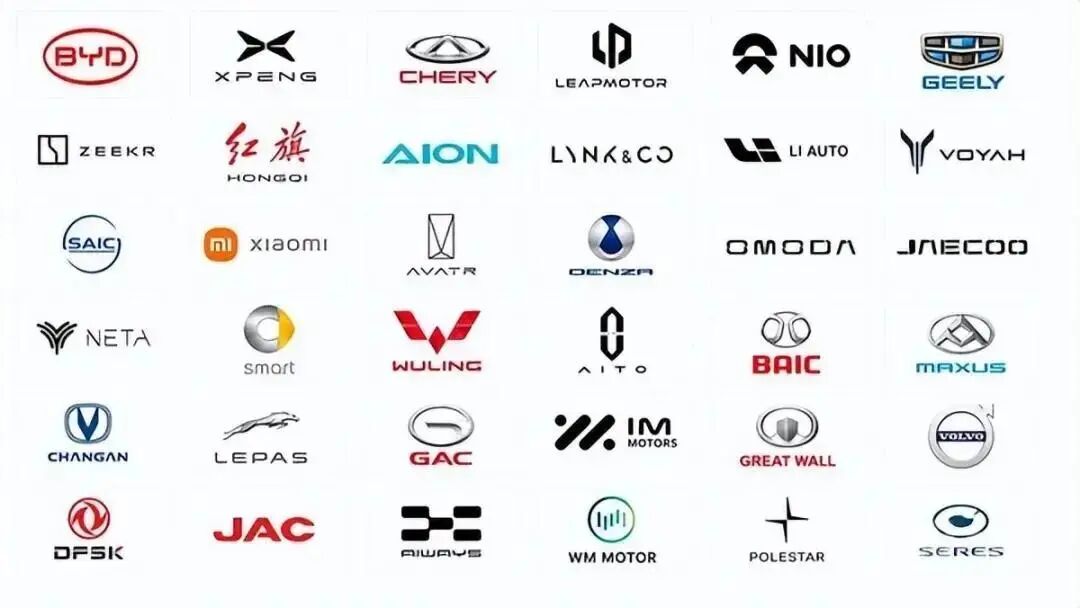
Now the elimination race is coming. No country in the world has as many automobile brands as China.
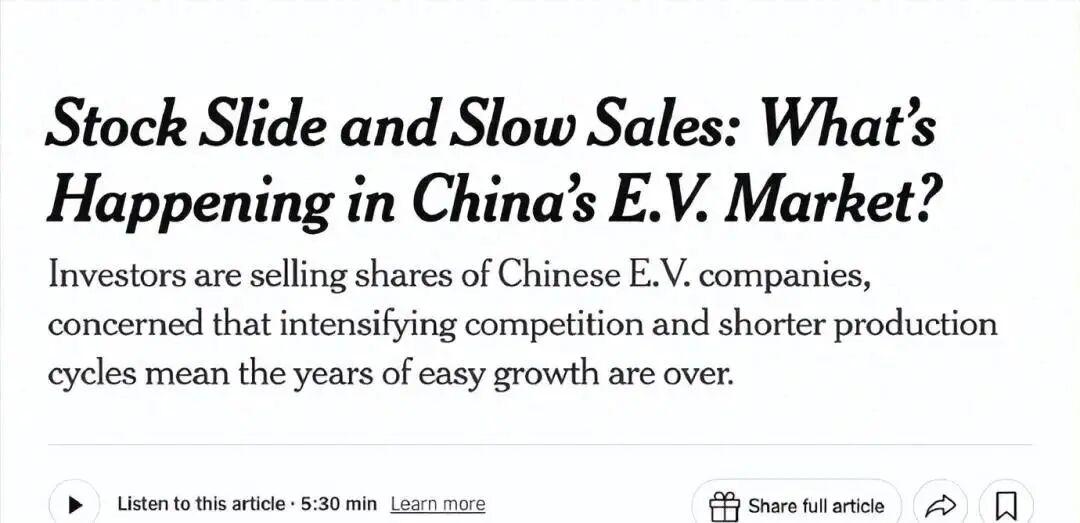
Foreign media predict that most of China's 129 new energy vehicle brands won't last until 2030. Many brands will be eliminated or fall into continuous losses in the next four years.
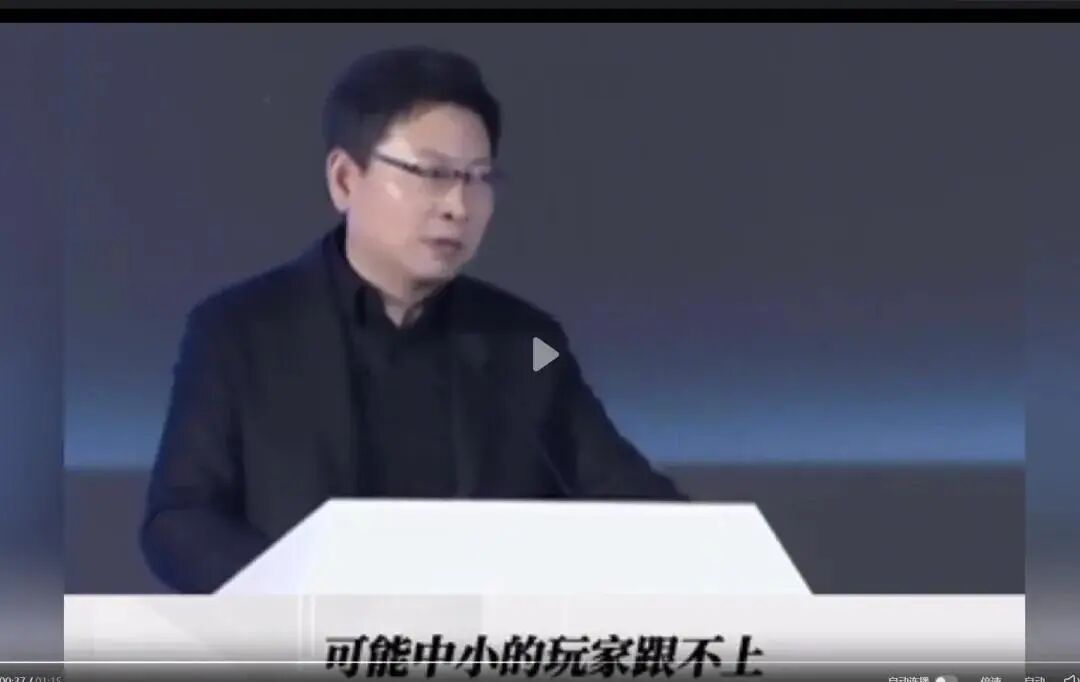
Previously, Yu Chengdong also said bluntly that the major reshuffle in the automobile industry has begun. Because in the era when electrification is moving towards intelligence, the investment scale is very large. If the investment intensity is not enough, it can't be supported. Small and medium - sized players may not be able to keep up. In the future, most car companies will hardly escape the fate of being eliminated.
Whether it's the prediction of foreign media or domestic car company bosses, there will be no more than 15 car companies left in China in the future. More than 80% of the brands will go bankrupt. This means that there will be a huge number of orphan vehicles in the market in the future due to bankruptcy.
The elimination race will accelerate, and there will be more and more orphan vehicles
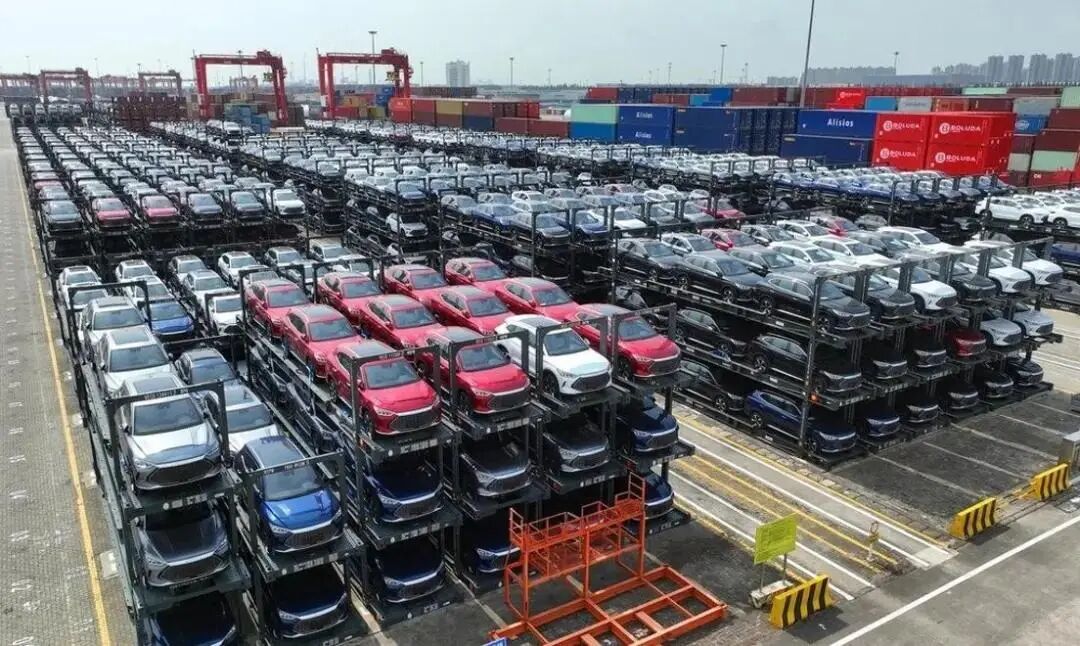
A few years ago, when the new energy boom came, capital rushed in like crazy. Now the total production capacity of the whole industry has exceeded 50 million vehicles per year. The real demand in the domestic market is at most less than 30 million vehicles a year. Plus 10 million vehicles for export, the total demand is only 40 million.
That is to say, there are tens of millions of production capacities idle all year round, which is equivalent to the production capacity of the entire German automobile industry idling and burning money.
Moreover, the domestic automobile ownership is approaching saturation. The national automobile ownership has reached 370 million. On average, there is one car for every four Chinese people, and many families have more than one car. The main market has become replacement purchases.
First - time purchases are a rigid need, while replacement purchases are optional consumption.
In the next stage, car companies have high R & D costs for competition, the update speed of new products is very fast, the cycle is short, the inventory pressure is high, and price wars are almost inevitable and will become more and more fierce. Many car companies that can't support their cash flow will go bankrupt quickly.
Then, there will be more and more orphan vehicles in the market.
According to regulations, after a car company delists, it must ensure the supply of spare parts for 10 years. Annual inspections, vehicle transfers, insurance purchases and warranties are not affected.
But in reality, when many car companies delist, the supply of spare parts, annual inspections, warranties, etc. can hardly be guaranteed.
In the case of fuel vehicles, when a car company goes bankrupt, it's completely okay to use aftermarket parts and salvage parts for daily minor repairs.
The only drawback is that the number of spare parts for unpopular models decreases, the waiting time for repairs becomes longer, the price of second - hand cars will drop faster, and it's difficult to resell them.
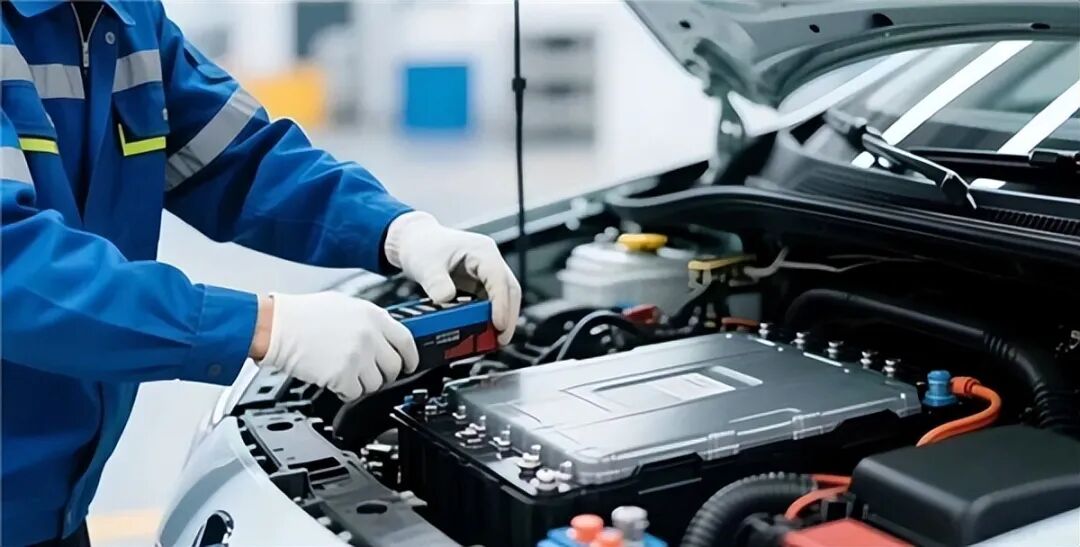
But when a new energy car company goes bankrupt, it's very likely that there will be no place to repair the car. Most outside repair shops can't repair them.
Moreover, the bankrupt car companies are often assembly plants. They don't have independent technologies in battery, electronic control, motor intelligence, in - vehicle systems, cockpits, etc. When problems occur, even the manufacturers don't know where the problems are, let alone the repair shops.
Moreover, most of the cars of these bankrupt car companies have problems in quality and quality control. Once a repair shop takes on such an order and fails to solve the problem at one time, it's very likely that the subsequent problems will be blamed on the repair shop by the car owner.
Therefore, generally speaking, repair shops don't dare to take the repair orders of vehicles from bankrupt car companies.
This means that when buying a new energy vehicle, the car owner'd better pray that the car company won't go bankrupt. Once it goes bankrupt, the owner has to pray that the car won't have problems. Once problems occur, the owner has to be prepared to bear all the losses and get ready to buy a new car.
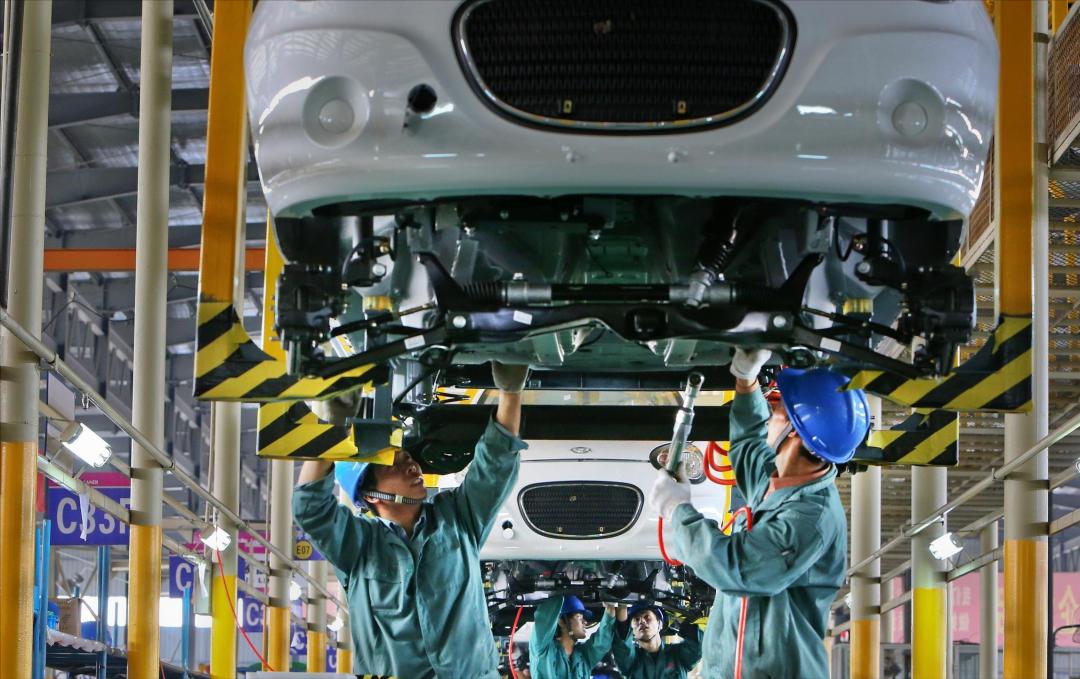
This means that consumers should be more careful when buying a car. Don't just look at whether the car looks good, whether the price is cheap, or whether the in - vehicle refrigerator, color TV and big sofa are high - end.
Instead, they should consider whether this brand will still survive during their vehicle - using period, and whether their after - sales, repair and warranty - related rights can be guaranteed during the next 10 - year vehicle - using period.
Car companies' bankruptcy shouldn't be at the expense of car owners. The industry should establish a backup mechanism
For the industry to move forward, some players have to withdraw, but the cost of withdrawal shouldn't be entirely shifted to car owners. If the rules are more perfect and the guarantees are in place in advance, this elimination race can proceed more steadily.
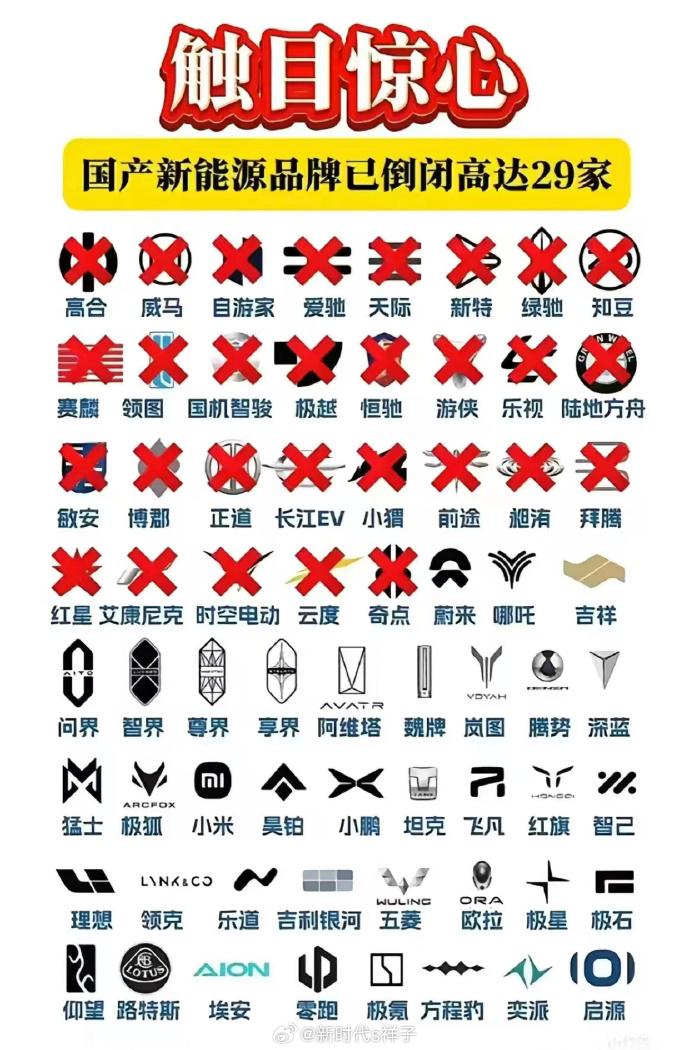
For the new energy vehicle industry, to avoid millions or even tens of millions of car owners being affected by car companies' bankruptcy in the future, two problems may need to be solved at present.
Firstly, now the three - electric diagnostic protocols and in - vehicle systems of most car companies are encrypted and not authorized externally.
Even if a third - party repair shop has the qualification and equipment, it can't read the fault codes or disassemble the battery pack. It can only replace appearance parts and do basic maintenance, but still can't solve the core problems.
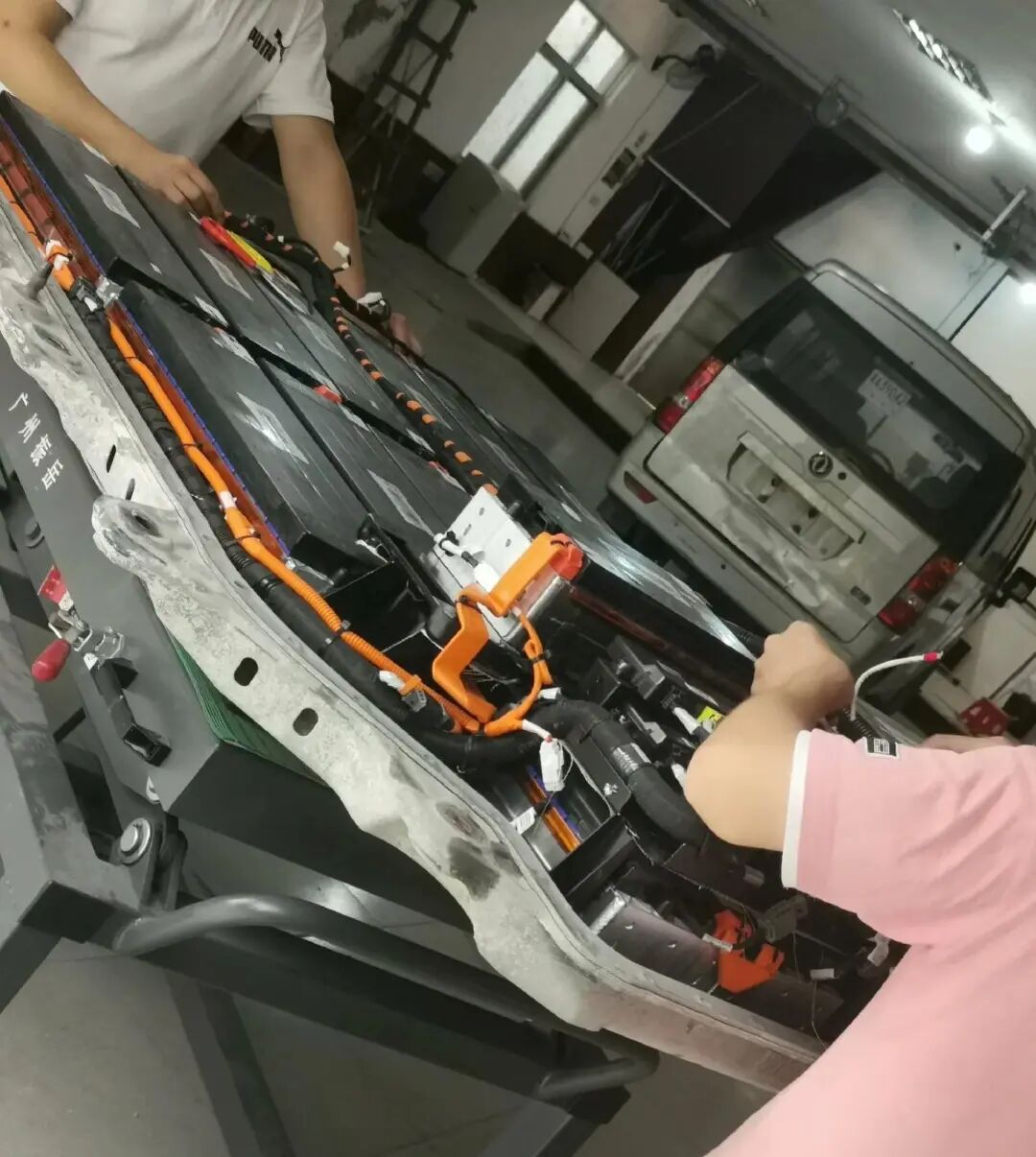
To put it simply, car companies keep the after - sales service in their own hands. They not only make money from selling cars but also from subsequent repairs. But once the enterprise is gone, this way is blocked.
Secondly, there is a lack of pre - event guarantee. Now, usually, the enterprise is liquidated after it goes bankrupt, but by then there is no money left. What really works is pre - event backup.
Just like the public maintenance fund for commercial housing, for each car sold, 3% of the sales amount should be set aside as an after - sales guarantee fund and stored in a third - party supervision account to deal with the spare parts supply and basic services after the enterprise