He, the top-tier podcast star, hasn't made big money yet
In an era when everyone can create authenticity, how long will the audience still be willing to believe?
At the end of July last year, the video podcast "How Fresh It Is" produced by JustPod for Bilibili was launched. In the first episode, Yu Qian, a cross - talk actor, had a chat with young actress Li Yitong about the second - dimension "goods" culture. It was quite a contrast to see a cross - talk actor seriously asking about "collecting merchandise". The video got over two million views in less than a week after its launch.
This was the first wave in the video podcast boom of 2025.
At the beginning of that year, Bilibili elevated video podcasts to the highest priority across the platform. In February, it launched a recruitment program called "Watch Podcasts on Bilibili". In July, it came up with the "Video Podcast Outreach Program", promising a billion - level traffic. "Luo Yonghao's Crossroads" and "Chen Luyu's Ramblings" were also launched in August, and their view counts kept hitting new highs. Subsequently, many media professionals entered the field, and a large number of creators distributed their programs to platforms like Douyin and Xiaohongshu. A "video podcast craze" suddenly emerged.
But for Cheng Yanliang, the founder of JustPod, he saw this trend early but didn't get involved for a long time.
Around 2018, he believed that YouTube had already become the world's largest "podcast platform", and videos "had a future from the start". According to the data disclosed by YouTube at the beginning of 2025, the number of users watching podcasts on the platform each month had exceeded one billion. The problem lies in the cost and ROI. A pure - audio podcast can be produced by two people, while the cost of a video podcast is several times higher, including lighting, camera setup, subtitles, makeup, and styling. Even today, when someone asks him if he wants to do it, he still says, "It's expensive. Don't expect high cost - effectiveness."
The turning point came from the platforms. When the platforms were willing to provide traffic, brand owners followed. The practice was to move a talk show into a studio. The platforms prepared free recording studios in several cities. As for shooting, there was no shortage of manpower in the market. Video teams that were out of work flocked in overnight.
Cheng Yanliang analyzed that in the pure - audio era, relying only on Apple Podcasts and Xiaoxiao Universe, there was no guarantee of high view counts. Once entering the video field, the data volume is naturally large. One episode can easily get over a million views, which gives brand owners "a sense of security". There is also an illusion of "getting a bargain". In the eyes of many brand owners, video podcasts are like the big - budget video blockbusters that used to cost millions of yuan to produce. Now, with only one - tenth of the budget, they can be made.
Video has boosted the podcast industry. Data shows that in 2025, the scale of the Chinese podcast market exceeded 5 billion yuan, with around 150 million listeners. More than 40% of brand owners increased their investment, and their consumption on video podcasts increased by 40% year - on - year.
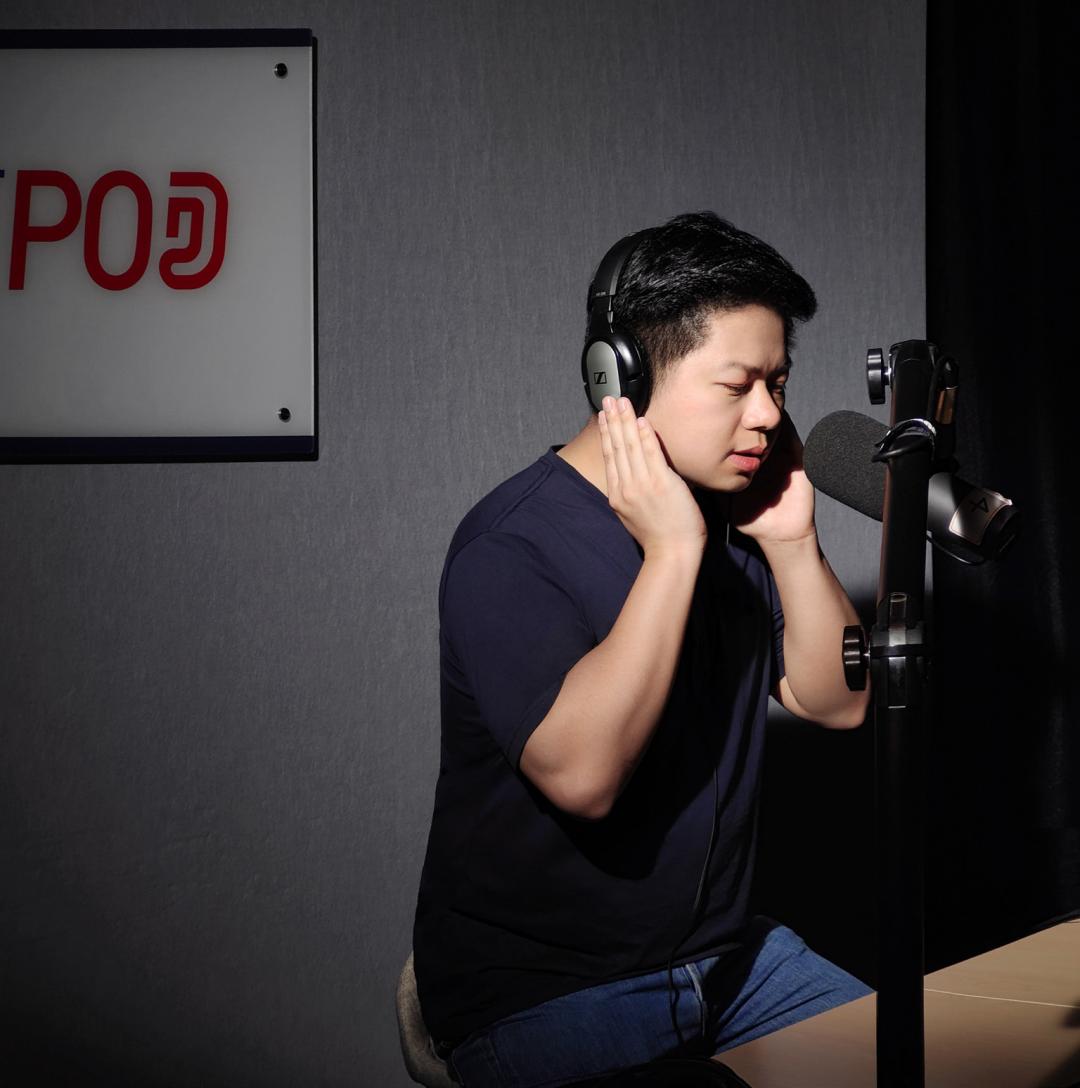
Source: Respondent
However, in Cheng Yanliang's view, the reality is quite different: Most brand owners' investment in podcasts still accounts for less than 5% of their total budget, and they are still in the trial - and - error stage. Podcast advertising still has the old problem - it "works subtly", and it's difficult to track conversions and easy to underestimate the effects. It's just that the visible view counts of videos temporarily cover up this problem.
In the past few years, it was a group of foreign - funded brand owners, especially American sports and beauty brands, that supported the overall podcast market. In the past two years, their sales in China have declined, and they have collectively reduced their budgets. For JustPod, this meant that the revenue growth rate slowed down significantly last year, and it failed to exceed the 30 - million - yuan mark.
At the end of 2025, questions started to mix with the applause. In a public event in December, Luo Yonghao called on podcast peers to embrace video. He said that the video version contributed 80% - 90% of his traffic. Almost at the same time, the industry began to publicly discuss: Is this "video podcast craze" a real demand from users or just a short - term prosperity driven by platform subsidies? When the tide recedes, will there be "naked swimmers" left?
Cheng Yanliang's test criterion is very simple: There has to be an "amateur superstar who becomes famous naturally based on this medium". Weibo, Douyin, and audio podcasts have all produced such people, but video podcasts haven't. The most popular video podcast hosts currently all entered the field with pre - existing fame.
Li Zhiming and Feng Guangjian, the founders of Ritan Park, also hold a similar view: The current popularity of video podcasts largely depends on celebrity interviews. They told "China Entrepreneur" that their team has discussed video - making in recent years and even tried to shoot a podcast documentary, but they suspended it due to the narrow audience.
This is the paradox of the podcast industry: In an industry with over 100 million users, JustPod, the top - tier production company, only has a dozen employees and an annual revenue of a few thousand yuan.
The process of making a podcast is not a mystery: First, have several meetings to clarify "why to make it" and "for whom". Then, determine the host and the update rhythm, and jointly set the general framework and topics for each episode with the host. After doing the preparatory work, you can start recording, mixing, noise - reducing, and adding manuscripts. Then, distribute it to various platforms and conduct long - term operation and maintenance, which takes about two to three months in total. The process is not difficult, but the difficult part lies in those non - standardizable judgments, such as who to invite, what to talk about, and how to make it sound true... These steps need to be "custom - made" according to the host's personal characteristics. Whether a program can succeed often depends on the host's ineffable aesthetic sense and sense of proportion.
In Cheng Yanliang's view, the podcast monetization chain is long and difficult to standardize and replicate. It is an extremely fragmented and hard - to - converge individual business. Although podcasts seem to be a hot trend now, with a large number of celebrities entering the field, it is still not a good business, let alone a big business.
A Former Journalist's Bet
Essentially, Cheng Yanliang is not a "believer" in podcasts.
In 2013, he graduated from the Advertising Department of Shanghai Normal University. He chose this major quite casually. In those years, he was following the American TV series "Mad Men" and thought the advertising industry was "glamorous". After entering the industry, he found it was a tough job. What really fascinated him was reading and journalism.
A friend introduced him to an interview at the newly - established new media platform "Jiemian". He submitted his resume and several Douban articles and had an interview that lasted over an hour. Thus, his four - year journalist career began. From real estate to consumption, and then to pan - culture, he got to know many celebrities, and his vision gradually broadened.
Those years coincided with the most drastic round of media transformation, with the emergence of new media platforms. But Cheng Yanliang became more and more convinced that these were all products of the times and policies - the phased tasks of centralized media were almost completed.
In 2017, he quit his job and started looking for new opportunities. It was a time when entrepreneurship was booming, and he wasn't worried. "I could just go to a company and do brand public relations if things didn't work out."
He quickly set his eyes on podcasts. This was a popular media form in the United States. The crime podcast "Serial", launched in 2014, set the fastest record of 5 million downloads on iTunes and later had a cumulative download of over 100 million. After studying the most popular programs, he judged that with the popularization of noise - canceling headphones, smart speakers, and intelligent driving, the time available for audio would be extended, and long - form audio definitely had a future. He didn't know when this day would come, but he was very sure it would. "I regarded it as a new tool for influence and wanted to take a gamble."
He found Yang Yi, who was the duty editor of "Nightly Business Report" at Shanghai TV Station. Yang Yi came from a TV - related family. According to him, his great - grandfather ran a newspaper during the Republic of China era, and several generations of his family had a passion for radio and television. Cheng Yanliang didn't think he had such a passion. He was from a background of print journalism and regarded sound more as a "tool". Yang Yi, on the other hand, regarded it as a career. At that time, he had already produced a program called "Yang Yi's Radio" on Himalayas, which just made up for Cheng's lack of knowledge about this field.

Source: Respondent
In February 2018, their first program, "Left and Right", was launched. The entry point they chose was a bit "niche". They were like hosting a cultural salon, inviting scholars and writers to talk about topics such as the party feuds in Germany after World War I and the espionage history of Japan. In the early Chinese podcast world, the program's knowledge density and high - quality production were quite eye - catching, and they gradually attracted a specific group of listeners - highly educated people working in multinational institutions.
Business came to them on its own. Cheng Yanliang was used to sharing each episode on his WeChat Moments. In the first year of the program's launch, old friends from companies like GGV Capital and LinkedIn sent him private messages, saying, "Why don't you also produce our company's podcast?" "At that time, podcasts were a very 'American' thing," Cheng Yanliang said. "Reid Hoffman, the founder of LinkedIn, had his own podcast. Most of the clients who came to us had American - funded backgrounds and had an understanding of podcasts."
But at that time, there were only him and Yang Yi in the company. They carried suitcases and traveled around the country to record for clients, so the original program was often interrupted. During this period, Apple Podcasts were widely popularized. Because of its stable quality, "Left and Right" was recommended by the editorial department for more than a dozen months in a row and won the "Best Podcast of 2019" on Apple.
However, they still didn't make a single cent from the original program. JustPod naturally developed two "legs": the non - profitable original program and the corporate podcast service that "gets paid upon delivery".
Two Legs
Content is content, and clients are clients. Cheng Yanliang clearly draws a line between them.
He deeply feels that people who focus on content are often not good at serving clients. Once there is a disagreement, the paying side is always right. So he split the team into two parts. Most of the people work on the To - B business, and only he himself is in charge of the original program. JustPod is half like an advertising company and half like a traditional media.
The team is not large. Even today, it only has a dozen employees. There is only an office in Shanghai, and there is one employee each working remotely in Beijing and Guangdong. He doesn't want to build a "platform". If he were to rely on data to get financing, podcasts might not meet the standards in every aspect. He just likes to keep trying within a safe and limited scope.
The To - B business accounts for about 70% of the company's revenue. But the most difficult part is never the production but educating the clients. He has to explain from scratch what podcasts are and who the listeners are. Most of the people who come to him "heard that podcasts are popular and just came on a whim", and most of them are eventually discouraged by him.
There are only a few cases where they hit it off. BASF, a German chemical company, is one of them. Cheng Yanliang originally knew nothing about the chemical industry. After chatting, he found that it was a field full of pseudo - science. The brand owner wanted to do science popularization. He showed them an American podcast about the agricultural knowledge behind salads, and the client was very excited and said, "Let's do it like this."
Most of the time, he is doing subtraction. In 2019, a clothing company wanted to produce a podcast and planned to promote products during the "618" shopping festival three months later. But it was almost impossible for a new program to attract customers and sell products within three months. So he simply recommended that they find a program with an existing audience to place ads. "Discouraging clients is a common thing," Cheng Yanliang said helplessly. "This business is like hunting. You fire ten shots, and only two or three hit the target."
There is one business deal he still remembers. A financial institution wanted to produce a daily - updated podcast about US and Hong Kong stock market information. The news from the previous night had to be sorted out at 4 a.m., dubbed at 5 a.m., and released on time at 6 a.m., just like the rhythm of a TV station's morning news. A contract for 300 episodes a year worth several million yuan was not a small amount for JustPod, which only had a dozen employees.
"This kind of work would swallow up the team. Several people would have to work in shifts and get up at 3:30 a.m. every day," Cheng Yanliang said. The people recruited from the TV station had some idea, but the people he recruited didn't understand at all, and some even had a breakdown. He voluntarily stopped the program after about 200 episodes, and later the client replaced it with a pure AI program.
He is also constantly exploring the commercialization path of the original program.
From 2019 to 2021, Cheng Yanliang ran an MCN for a while, incubating programs such as "East Asian Observatory", "Inappropriate", and "Beiwanglu". He used his status as an "Apple Featured Supplier" to promote them to the homepage.
That was actually the first golden period of Chinese podcasts. In 2020, Xiaoxiao Universe was launched, and QQ Music and Litchi FM successively opened podcast modules. The number of programs increased several times in three years. According to relevant institutional estimates, there were about 86 million people listening to Chinese podcasts in 2021, and this number rose to 117 million two years later. "Danei Mitan" and "Ritan Park", which entered the market earlier than Cheng Yanliang, received investments in the million - yuan level and started to incubate program matrices. It seemed that everyone thought the wind was coming.
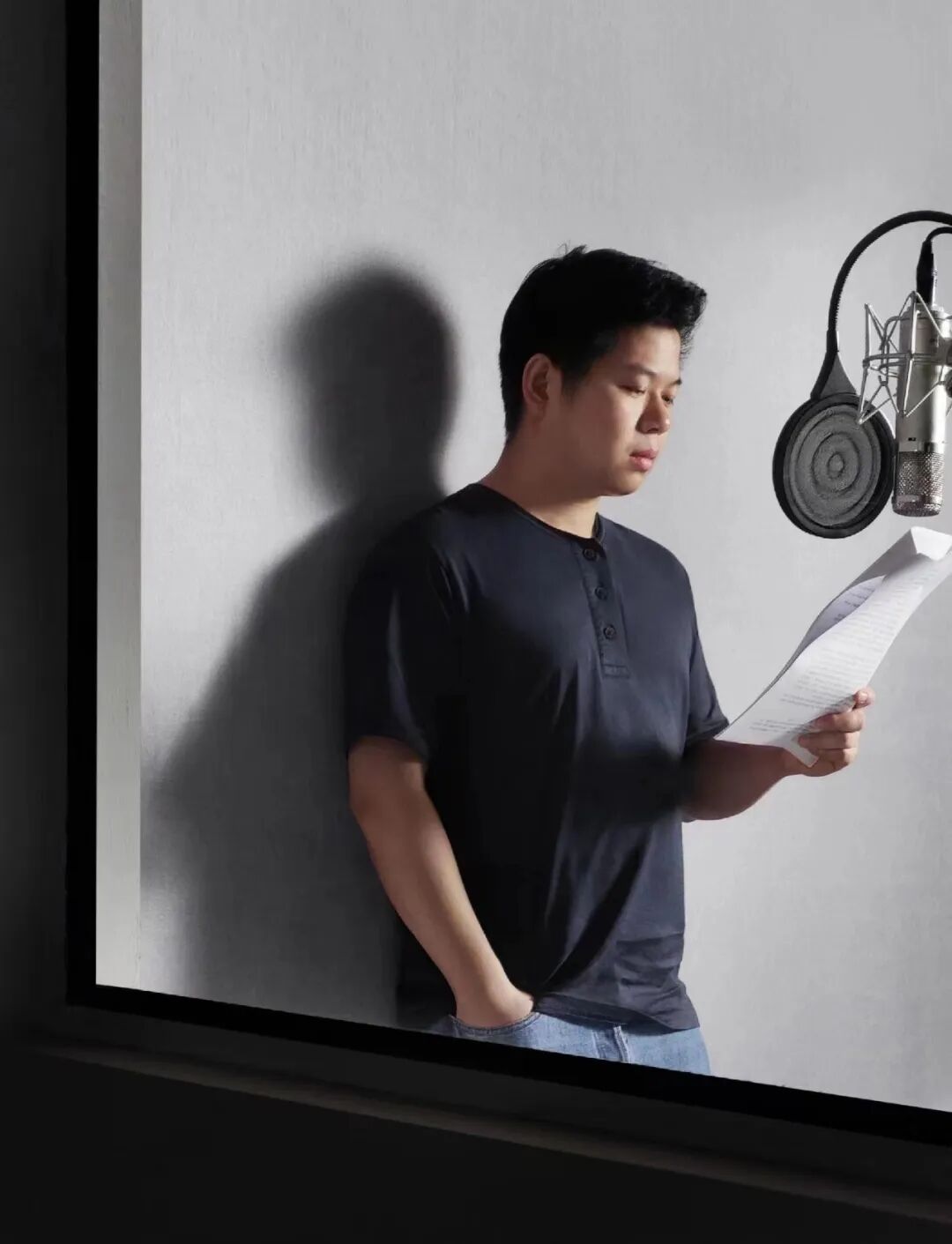
Source: Respondent
However, a disappointing fact is that podcasting is a slow - growing business, and not everyone is suitable for it. It's very difficult to turn private expression into a weekly - updated program and keep it going. Many podcast programs stop updating after one or two episodes. Ren Ning, the investor of "Danei Mitan", later said in an interview that as a listener, he liked programs with strong personal characteristics, but as an investor, he knew that most programs were difficult to commercialize. At the same time, short - videos,