Box office champion ≠ Most profitable: The 10 highest-return movies in Chinese film history
After 45 days of release, the box office of "Love Letter to Grandma" has exceeded 1.682 billion yuan, and it continues to break records.
What's even more amazing is that the total production cost of this biggest dark horse in 2026 was only 14 million yuan. Due to the unpopular theme and the use of dialect throughout, it faced difficulties in raising funds in the early stage. Eventually, more than 100 young people from Chaoshan region crowdfunded an average of 50,000 to 100,000 yuan per person, raising most of the startup funds for the movie. Someone who invested 100,000 yuan may expect a final dividend of over 2 million yuan. It is predicted that the film's share of the box office revenue has exceeded 300 million, and the return on investment for investors will continue to rise.
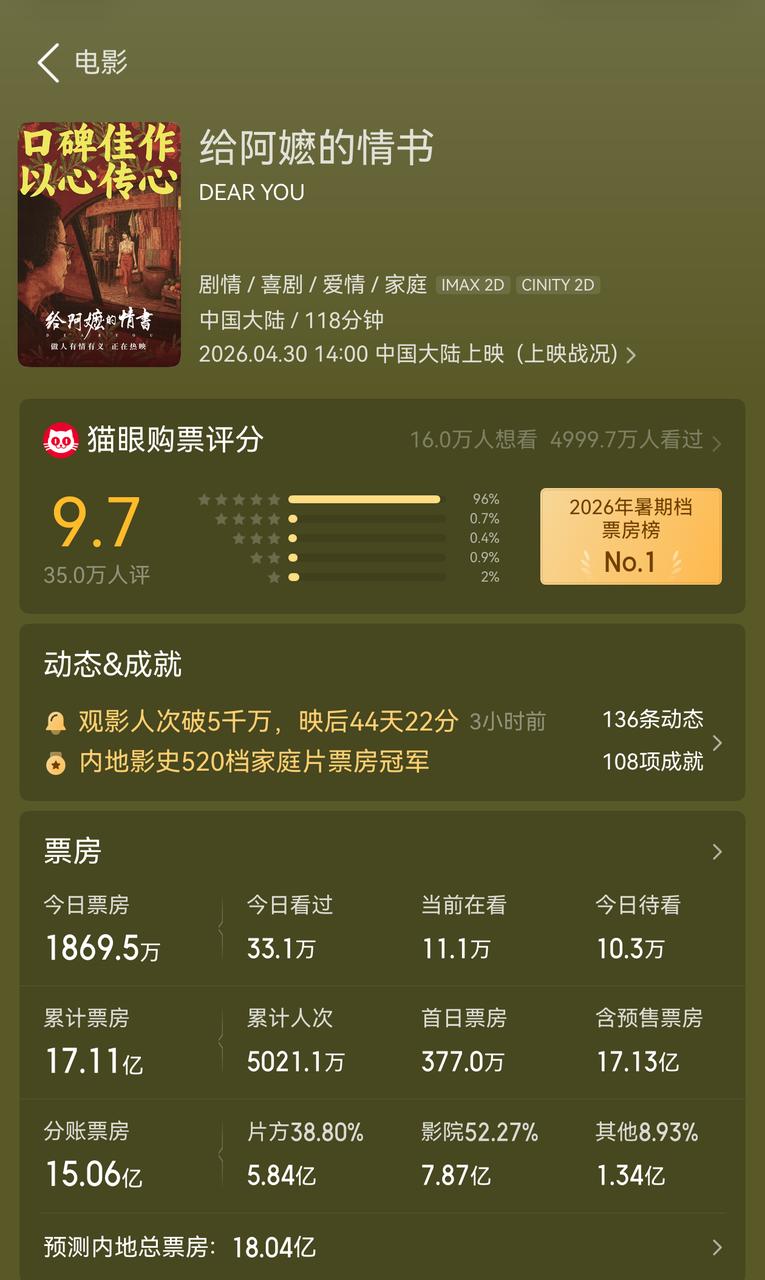
According to the formula: Net revenue of the film producer = Box office share × Share ratio of the producer - Distribution service fee (estimated at 12%), on the day when the box office of "Love Letter to Grandma" exceeds 2 billion, the return on investment for early investors will exceed 20 times. This figure has firmly secured the second place in the history of domestic film investment return ratio.
A single movie has unexpectedly created hundreds of "millionaires" in Chaoshan region. This Chinese-style love letter once again verifies an unbreakable truth in film history: What really determines investment returns is never the production scale, but whether the content can touch people's hearts.
So, what elements are the key factors in determining the return on investment? Guduo attempts to sort out the top ten movies with the highest return on investment in Chinese film history based on public financial data and the producer's financial reports. However, due to the long investment cycle of movies and the large number of participants, most of them will go through transfers between companies, equity transfers, and second and third rounds of equity premium, making it impossible to conduct a one-by-one statistical analysis. Therefore, we calculate uniformly based on the initial investment and final return. In addition, revenues outside the domestic box office, such as overseas box office and derivatives, cannot be included in the statistics.
But precisely because of this, we can use this method to find a clear path that eliminates the clutter: What things did the movies that made big money for investors do right from the content side?
From "Shaolin Temple" to "Love Letter to Grandma"
From "Shaolin Temple" to "Love Letter to Grandma", these ten movies span more than forty years and vary in types, but they have one common feature: They achieved great things with a small amount of money.
Let's first take a look at the complete list:
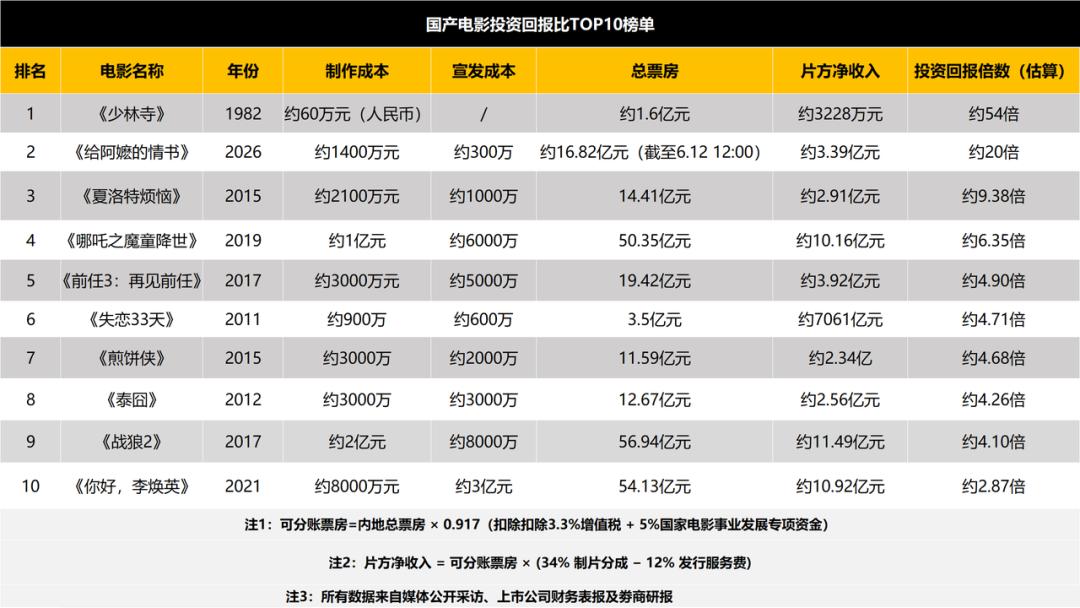
(Some high-return movies such as "Where Are We Going, Dad?", "The Unknown", and "A Cool Fish" are not included in this list for now because there are significant differences in cost data, such as extremely short shooting cycles, special production models, or large discrepancies in the data disclosed by different parties.)
"Shaolin Temple", which has yet to be surpassed, remains the most profitable movie in the history of domestic films. From an investment perspective, although the initial Hong Kong investment team actually transferred the distribution rights and box office revenues to the mainland, the film was shot with a cost of HK$2 million (equivalent to about 600,000 yuan), and it sold 1.6 billion movie tickets at 0.1 yuan each in the mainland, resulting in a total box office of 160 million yuan. This means that at least 500 million people went to the movies to watch this film - at that time, China's total population had just exceeded 1 billion. Even calculated according to the current proportion after deducting a large amount of theater shares and distribution deductions, the return on investment is as high as 54 times.
In 1982, at the beginning of the reform and opening up, cultural life was extremely scarce. "Shaolin Temple" is a kung fu movie with real swordplay and no special effects. Jet Li's every move was real. This nationwide movie-watching craze was a product of a specific era and cannot be replicated.
However, compared with the huge and lasting influence brought by "Shaolin Temple" later, its revenue seems even insignificant. It is said that after the screening of "Shaolin Temple", a large number of teenagers left home, skipped school, and took trains to the Shaolin Temple to apprentice. Later, it also drove the prosperity of the temple for decades and the revival of countless martial arts training classes. In any case, this movie that mutually achieved the era proves how glorious dreams a movie can bring to people and even how many people's life trajectories it can change.
Forty years later, "Love Letter to Grandma" brings a different meaning. After a cycle of the film industry from rapid development to gradual decline, a low-budget movie has once again hit the emotional chord of the era. It lacks all the requirements of film industrialization: big IPs, big stars, grand scenes, strong suspense, and even standard Mandarin. Everything goes against the conventional movie standards, but it has one thing: emotional intensity. The Chaoshan dialect, the warmth of grandma, and the delicate portrayal of female friendship have hit the current audience's yearning for slow narratives and sincere emotions. After years of bombardment by special effects blockbusters, this kind of return to simplicity has become a scarce commodity.
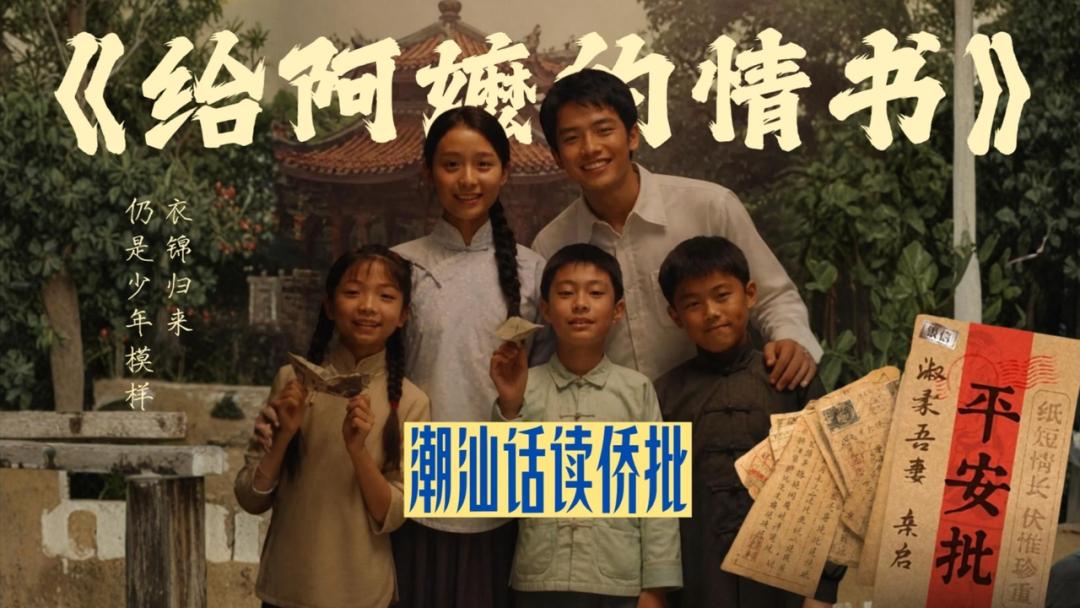
Over a span of forty years, the underlying logic remains the same: They are selling the extreme "yearning" hidden in the hearts of the audience. One is the enthusiastic embrace of foreign things and the full outbreak of national pride in the early days of reform and opening up; the other is a touch of warmth in an era of material abundance and spiritual scarcity.
The two generations of movies rely on different things. One relies on the content gap in the era of material scarcity, and the other relies on the emotional gap in the era of information overload. In essence, they are the same: When the supply-demand relationship is severely imbalanced, even with a low cost, it can still fetch a sky-high price.
Counterintuitive: Why do these movies have such high returns?
These ten movies span more than forty years, and their return multiples range from 2 to 54 times. How did they achieve this? Looking closely, there are basically three paths.
First, contrary to the logic that investors usually fall into, the movies with the highest return ratios are all innovative in genre, meaning there were few similar movies before.
Before "Lost in Thailand", the domestic road comedy genre was almost non-existent. It magnified the daily funny points of the "troublesome journey" to the extreme. Coupled with the three comedy aces, Xu Zheng, Wang Baoqiang, and Huang Bo, it managed to generate a box office of 1.267 billion yuan with a cost of 30 million yuan. Before its release, "Love Is Not Blind" was generally considered a TV drama theme, but it targeted the Singles' Day slot and the loneliness of urban single young people with a cost of over 9 million yuan.
"Wolf Warrior" also had a hard time finding investment. Competing with it in the same period were big stars and big IPs like "Sky Hunter" and "Eternal Love". However, Wu Jing achieved a box office of 5.69 billion yuan with a cost of 200 million yuan. He later said that this was not his personal achievement but an outburst of the audience's patriotic sentiment.

If it's not a brand - new genre, then find a blank area in a saturated genre. "Goodbye Mr. Loser" and "Ex - File 3: The Return of the Exes" fall into this category. They have a common approach: In a seemingly saturated genre, find a small blank space and then magnify the most simple emotions in human nature. "Goodbye Mr. Loser" combined time - travel nostalgia with a mid - life crisis, being funny yet sad. "Ex - File 3" turned "breaking up" into a national emotional event.
Second, make the audience laugh or cry.
More than half of the ten movies are comedies or romantic films. This shows that making the audience laugh or cry is much cheaper and more effective than making them watch special effects.
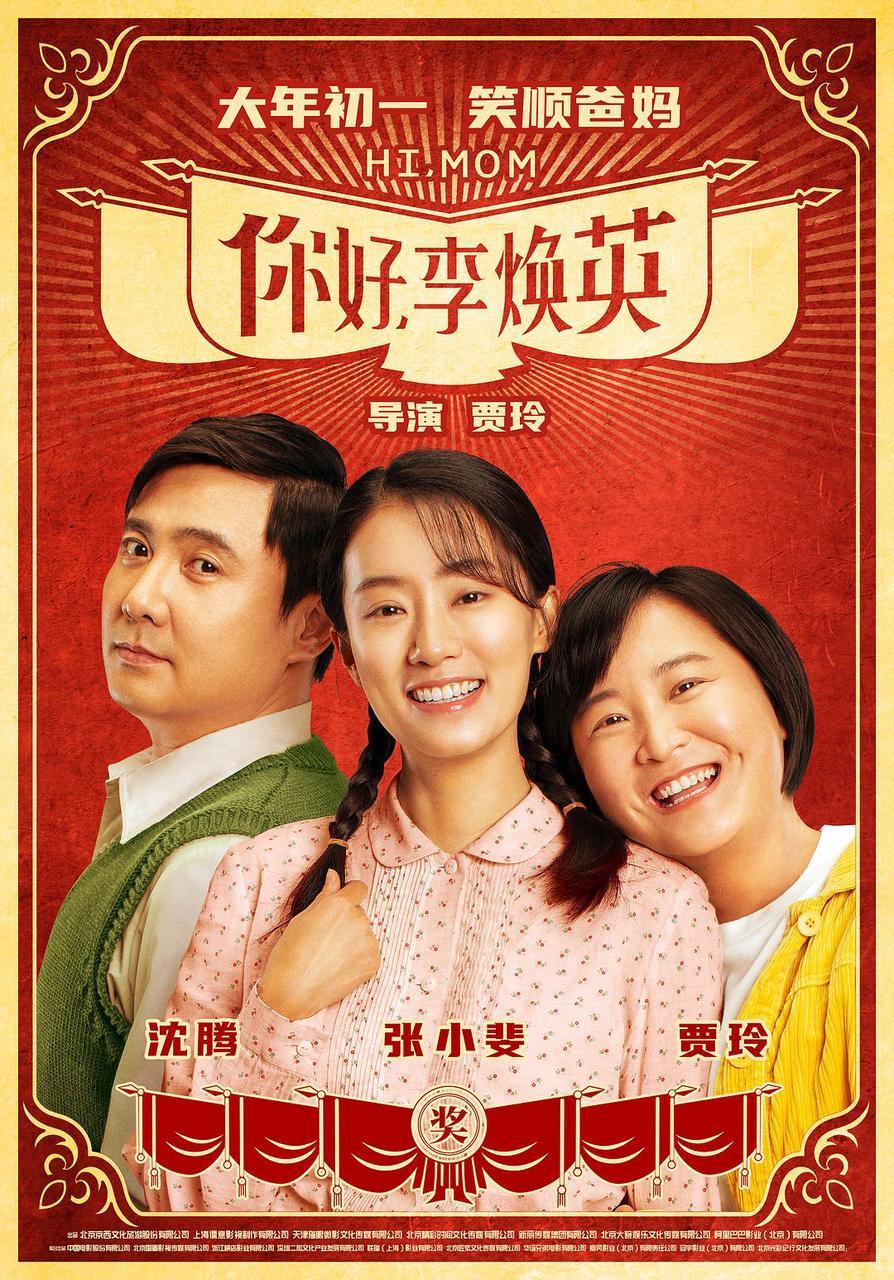
"Goodbye Mr. Loser" had a production cost of 21 million yuan and a promotion cost of 10 million yuan, and it got a box office of 1.44 billion yuan. "Ex - File 3" had a production cost of 30 million yuan and a promotion cost of 50 million yuan, and it got a box office of 1.94 billion yuan. "Hi, Mom" had a production cost of 80 million yuan and a promotion cost of 300 million yuan, and it got a box office of 5.41 billion yuan. Although the cost levels are different, the underlying logic is the same: Use emotional connection instead of visual bombardment.
Third, the medium - cost range is the "friendly range for return on investment". Among the ten movies, seven have a production cost of less than 50 million yuan. Once the production cost exceeds 200 million yuan, even if the box office is high, it's difficult for the return multiple to rank among the top. This is why "Ne Zha: Reborn" with a box office of 15.4 billion yuan didn't make the list.
However, there are two exceptions in the list: "Ne Zha: Birth of the Demon Child" and "Wolf Warrior 2" are the two movies with the highest costs, but their return multiples are still impressive (6.35 times and 4.10 times). They prove a truth: Heavy - industry blockbusters can also achieve high returns, provided that they become the best in their genre. "Ne Zha" with a production cost of 100 million yuan and a promotion cost of 60 million yuan turned "I am the master of my own fate" into the spiritual totem of a generation of young people. "Wolf Warrior 2" capitalized on the common denominator of national self - confidence.
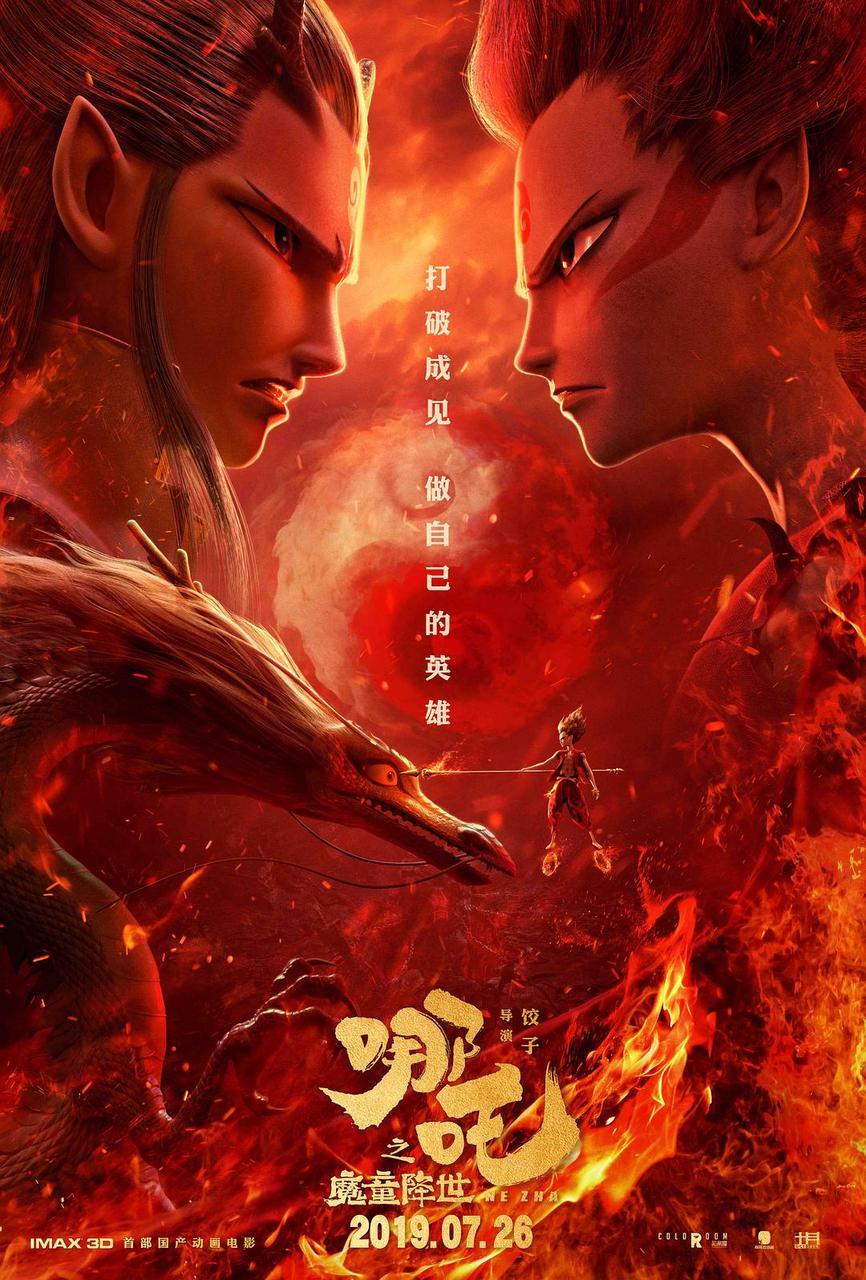
The common point of these two movies is that they are not only qualified products but also explosive ones. In their respective genres, they have reached the extreme, so much so that the audience is willing to buy tickets to watch the same movie two or three times.
Looking back at these ten movies, the three paths are different. Genre innovation depends on courage and insight; emotional resonance depends on understanding the audience; cost control depends on being clear - headed. But no matter which path, the core is the same: Let the audience see themselves or the person they want to be in the movie. This is the underlying logic of "high returns".
The other side of the box - office figures
The movies on the list prove how amazing it can be to achieve great results with a small investment. But conversely, does a high box office mean high returns? Not necessarily.
We often say that "Ne Zha: Reborn" has a box office of 15.4 billion yuan, making it the champion of the Chinese film box - office history. But why didn't it make it into the top ten in terms of return on investment? The reason is simple: The cost is too high. "Ne Zha: Reborn" had a production cost of over 500 million yuan and a box office of 15.446 billion yuan. Although the return on investment multiple exceeded 3 times, due to the large cost base, this figure is not advantageous on the list of return efficiency.
But this doesn't mean that "Ne Zha 2" is not successful. On the contrary, it represents a different kind of success: large - scale and amazing absolute profits. With a cost of 500 million yuan, it got a box office of over 15 billion yuan, and the producer can earn billions after the box - office share.
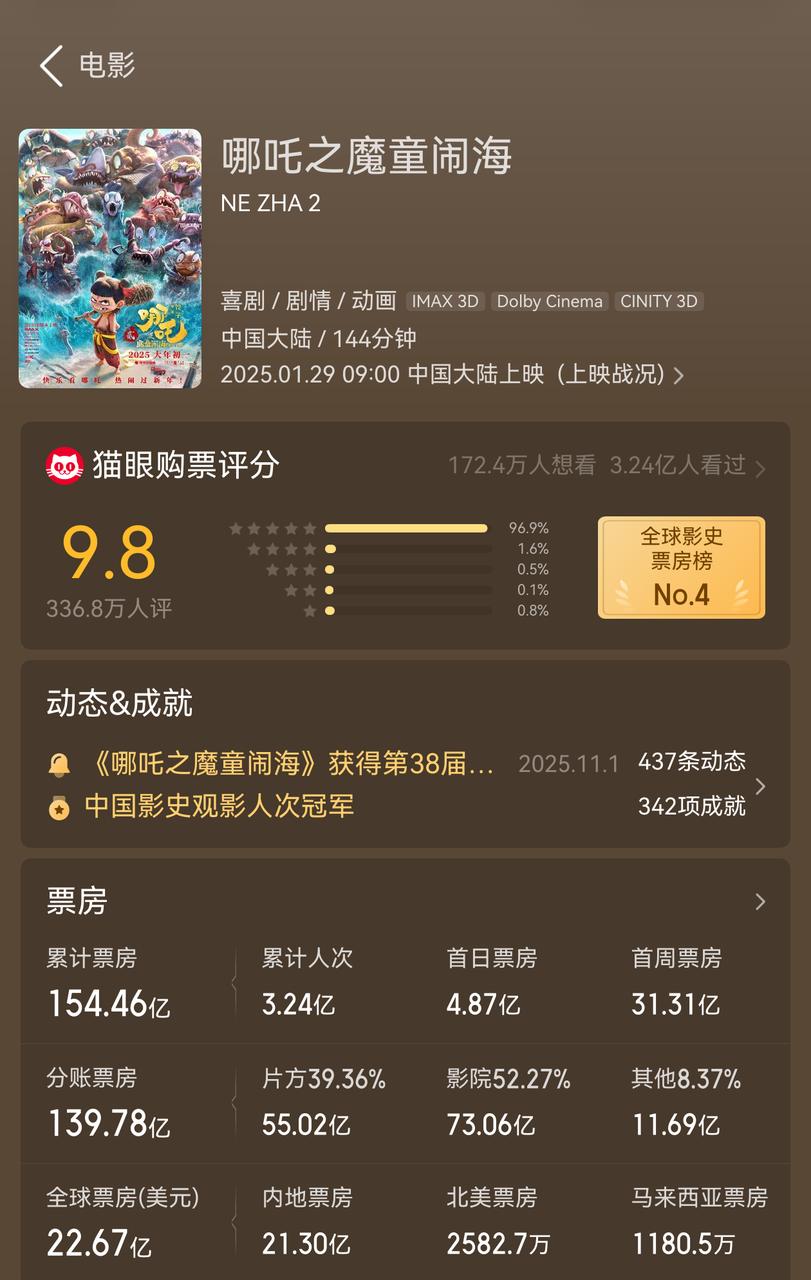
So, there are actually two ways to measure whether a movie is profitable: one is to look at efficiency (return on investment), and the other is to look at scale (absolute profit). "Ne Zha 2" is the champion in the latter category. The return on investment ratio is suitable for measuring who spends their money most effectively, while the value of heavy - industry blockbusters lies in that they can bring huge total profits and drive the development of peripherals and technological upgrades.
Outside the list, there is another type of more dangerous movie: high box - office but losing money. It sounds contradictory, but it's not uncommon in recent years. Some fantasy blockbusters have a production cost of 300 to 500 million yuan, plus tens of millions or even hundreds of millions of promotion fees. They need a box office of 800 million or even 1 billion yuan to break even. If the final box office is only a little over 1 billion yuan, the return multiple is only 2 to 3 times, and the producer has little left after the box - office share. More extreme cases are those movies with out - of - control costs and under - expected box - office, and the losses are astonishing.
Many people understand the truth that a high box office doesn't equal high returns, but when investing real money, they are often easily carried away by the numbers.
These cases actually give a simple reminder to the industry. The return figures of several times or even dozens of times on the list are almost the products of the right time, place, and people, and are difficult to replicate. If investors bet according to this model, they will probably be disappointed. In contrast, the medium - cost range (20 to 80 million yuan) is still the range with the largest trial - error space: If it succeeds, it has the potential to become a hit; if it fails, the losses are limited. Too low a cost often makes it difficult to guarantee the production level, while too high a cost makes it easy to be tied to the box - office.
Regardless of the cost, the most fundamental question is to figure out why the audience buys tickets. None of these ten movies is built on