A complete guide: How new smartphones cut corners on specifications
Recently, a specter called "memory shortage" has been hovering over the entire mobile phone industry.
Under its influence, some well - reputed models have been forced to stop production, some on - sale models have increased in price, and for some newly released phones, "cutting corners" has become the biggest issue for which they are criticized.
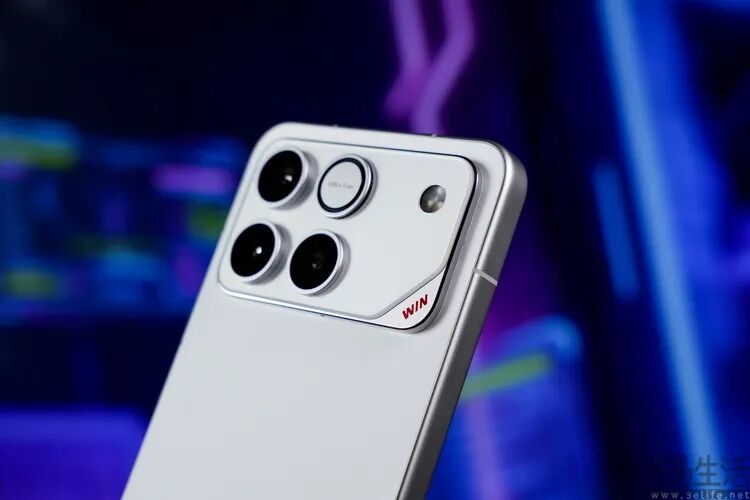
That being said, when the rising cost is a reality that the entire industry has to face, continuing to accuse manufacturers of "cutting corners" or "raising prices" actually loses its meaning. For consumers, a more practical thing is to understand the "tricks" of cutting corners to help themselves and others avoid pitfalls better.
Today, we at San Yi Life will tell you how most models in this industry have cut corners so far.
Since there is a memory shortage, the first thing is to reduce the memory
Two or three years ago, some mobile phone manufacturers were still shouting about "eliminating 12GB and popularizing large - capacity memory", highlighting 16GB or even 24GB memory capacity as a major selling point for their models.

But now, not only has 12GB become the mainstream memory capacity for high - end models again, but 8GB or even 6GB memory has also become popular again in some lower - end products.
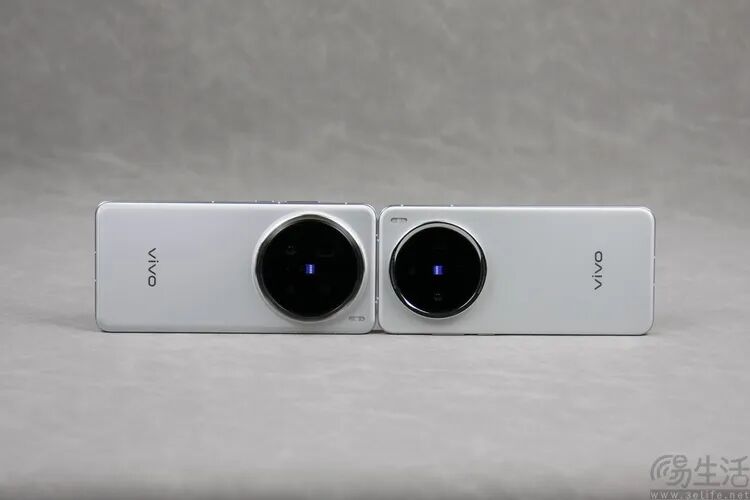
In late 2024, the top - end version of vivo X200 Pro was the first to use 10667MHz LPDDR5X memory
Moreover, the "cutting" of memory is not only about capacity but also about memory frequency. As early as late 2024, mass - produced mobile phones using 10667MHz LPDDR5X memory appeared in the mobile phone industry. But even now, although new flagships equipped with either Qualcomm Snapdragon or MediaTek Dimensity mobile platforms nominally support this memory, most of the flagship phones that consumers can actually buy still use the 9600MHz specification from two or three years ago.
To be honest, does this mean that the actual performance of the phone has been compromised? Of course, but what can we do?
A smaller flash drive is not a problem, but a poorer - quality flash drive is really a rip - off
In addition to memory, flash storage is also one of the core factors for the reduction of mobile phone hardware configuration this year.
If you have an understanding of the mobile phone market this year, you may know that many manufacturers have "upgraded" the flash storage of their flagship products to UFS4.1.
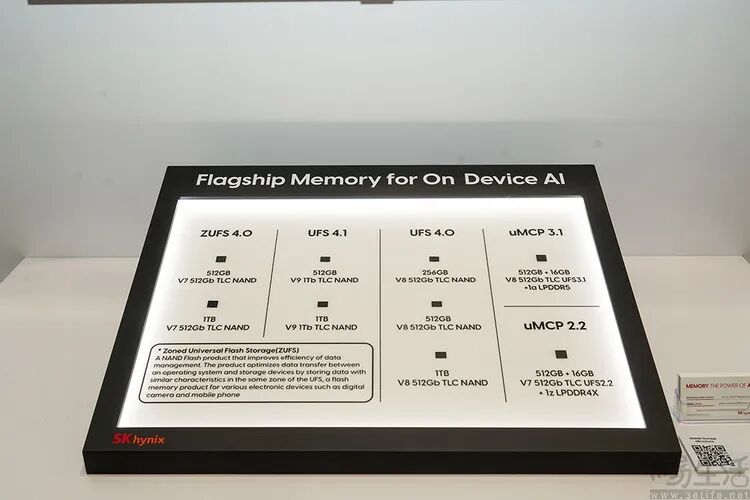
Do you know what has changed in UFS4.1 compared to its predecessor, UFS4.0? On the positive side, the UFS4.1 specification supports active defragmentation and dynamic SLC Cache technology. But its "worst" aspect is that it allows the use of QLC flash memory particles, which were not allowed in the previous UFS4.0 specification. That is to say, it can be made with flash memory of poorer quality and shorter lifespan.
So, do you still think that if a brand's previous flagship model used UFS4.0 flash storage, upgrading to UFS4.1 must be an upgrade?

If it was UFS4.0 before and is updated to UFS4.1 through firmware, it is actually a good thing
Compared with the serious speed reduction and potential lifespan issues that QLC flash memory may cause, the apparent reduction of flash storage capacity in most models nowadays may not be that significant. After all, 1TB capacity was never the main - push specification before, and now reducing it to a maximum of 512GB may not be very noticeable to most users.
Fewer and poorer cameras are presented as "progress"
Actually, compared with memory and flash storage, the impact of imaging configuration on the cost of smartphones is not as widespread. Because the imaging configuration of many mid - and low - end models is already at the bottom, even if manufacturers reduce the "filler triple - camera" to a "filler dual - camera", their target users may not really care.
On the other hand, if manufacturers intentionally cut corners on the imaging configuration of mid - and high - end products or even "entry - level high - end" imaging models, it will actually damage the interests of users.

For example, does a 200 - megapixel camera necessarily perform better than a 50 - megapixel one? You should know that among current 200 - megapixel sensors, there are many non - flagship CMOS with sizes like 1/1.4 inches or 1/1.56 inches, which are obviously inferior to the 50 - megapixel flagship solutions with 1 - inch or 1/1.2 - inch sensors. So, if mobile phone manufacturers only talk about "pixel upgrade" and avoid mentioning the sensor size, you should be vigilant.
Of course, this is a relatively subtle way of cutting corners. A more straightforward approach is often to directly reduce the number of rear cameras. For example, with a "200 - megapixel main camera", it seems reasonable to cancel the independent telephoto camera.
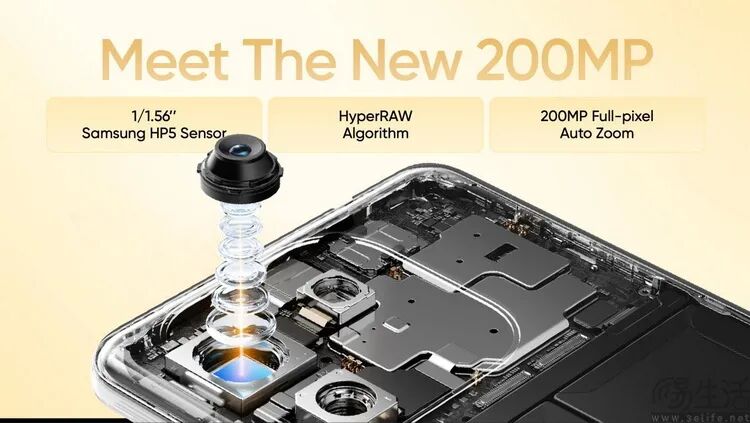
Another example is that although there are still independent telephoto and ultra - wide - angle cameras, they are replaced with smaller sensors and shorter (telephoto) focal lengths. Of course, this situation is more concealed and often requires special research on product information to discover.
Of course, some products use a "self - defeating" approach. For example, when the telephoto camera is actually cancelled, the opening of the ultra - wide - angle secondary camera is deliberately made to look like a square of a periscope telephoto camera. At first glance, it seems that the telephoto camera is still there. But if consumers care about this, isn't it more embarrassing?
Special glass or "composite material"? This is a question
After talking about memory, flash storage, and imaging, which are high - cost components that are easy to cut corners to save money, let's look at a part that is not very expensive but is easy for manufacturers to use to "reduce costs and increase profits", that is, the material of the phone body shell.
Presumably, you all know that many new phones, even top - end flagships, now offer models with "composite material" backs. Compared with traditional glass and ceramic shells, these composite material versions are often lighter and thinner in terms of data, which easily gives people the impression that they are "more advanced".
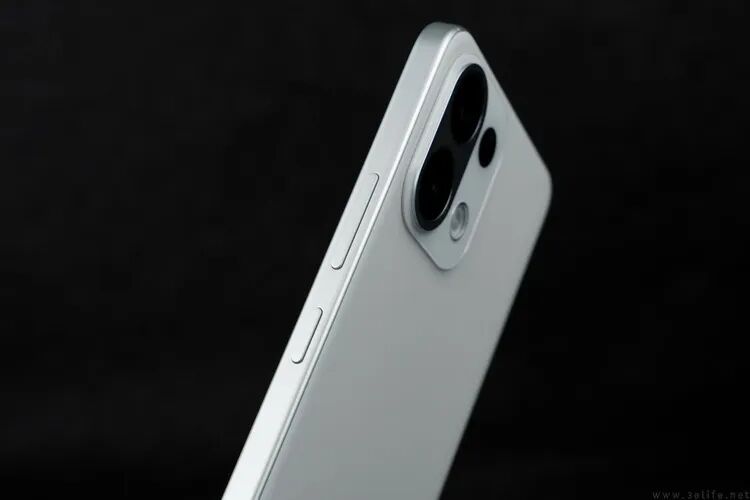
But are these composite materials really more advanced? In fact, most of them are "glass - fiber - reinforced plastics" that appeared in the 1970s and are widely used in bus seats and other places. This material does have high strength and is very light, but it also has insoluble drawbacks. For example, once it is damaged, it is extremely difficult to repair, and the glass fibers in the cross - section may even hurt users. More importantly, a thin piece of reinforced plastic is much cheaper than the previous special tempered glass.
Of course, some manufacturers know that consumers still prefer glass bodies and have a phobia of "composite materials", so they still launch models with glass on both the front and back.

The screen glass is from Corning, and the back glass is self - developed
But the question is, is the glass used in these models now the same as the glass used before?
Actually, if you observe carefully, you will find that in the past, most manufacturers would actively claim that their products used the latest special glass substrates from Corning, Asahi Glass, or Schott, and even compete for the first - launch of relevant new special glasses.
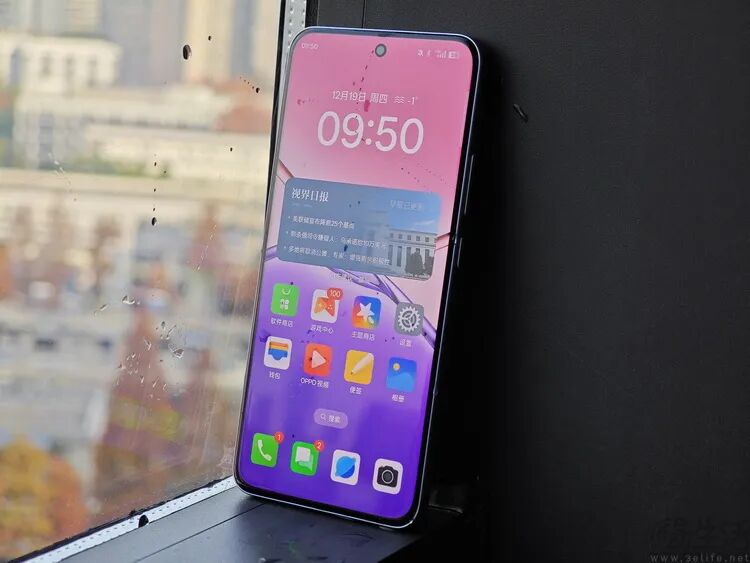
But now? Manufacturers either say they use "self - developed" glass or simply stop announcing the supplier of the glass substrate. In this way, it is impossible for us to judge the cost changes behind these materials.
Performance regression is the least likely, but some manufacturers still dare to do it
Why do we put "performance regression" of mobile phones in the last place in terms of possibility? This is because for mobile phone manufacturers, at least they will announce what SoC (main control chip, processor) each model is equipped with.
Even if some low - end models may be vague about the SoC model on the official website page, they still dare not not write the SoC model clearly on the "specification page".

Therefore, in principle, if a mobile phone used a high - performance SoC in the past, but after "upgrading" or "modifying" the model, the SoC becomes a model with poorer performance, it is obviously impossible to hide this.
But even so, there are still manufacturers "taking risks". Of course, they often try to cover it up when doing this. For example, they give the new model a different suffix, making it seem like a derivative product of another series rather than a directly "downgraded" successor model.
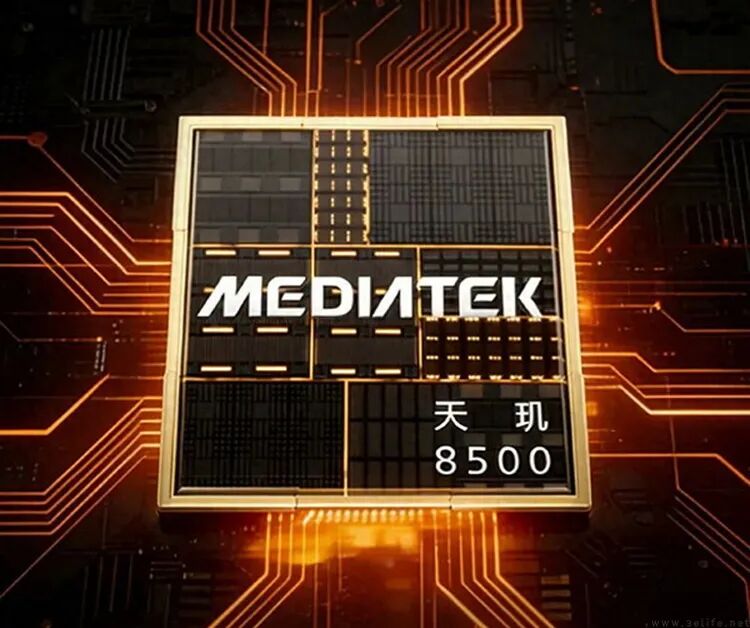
Dimensity 8400, Dimensity 8450, Dimensity 8500, and Dimensity 8550 are essentially the same Die
Or, although they don't actually change the SoC, they give the main control a new name through "technical cooperation", making it seem a bit more powerful.
Generally speaking, compared with the previous practices of reducing memory, flash storage, and cameras, models that dare to directly cut corners on the SoC specification are currently extremely rare. But precisely because of this, when the mobile phone industry generally enters the "era of major cut - backs", they are more concealed and harder for consumers to detect.
This article is from the WeChat official account "San Yi Life" (ID: IT - 3eLife), written by San Yi Jun, and is published by 36Kr with authorization.