Domestic soda brands are making a comeback in droves – just how profitable is nostalgia?
A few days ago, someone bought Wahaha online and got a bottle of Guoran Bobo as a gift. This is a mixed fruit juice soda produced by Hongsheng Group, with the brand name KELLYONE. And Zong Fuli's English name is exactly Kelly.
Some people say that the soda beverage has fired the first shot for Zong Fuli to take control of Hongsheng. But the question is, facing the current market pattern of the soda industry, how much chance of success does this ambition really have?
Ten years ago, the most prominent drinks in the freezer were either Pepsi or Coca - Cola. But now, standing in front of the dazzling freezer, you may have to take some time to decide which flavor of soda to drink.
In the past few years, a group of domestic sodas with local memories have been making a strong comeback into the public eye. In 2025, the revenue of Dayao, which originated in Inner Mongolia, exceeded 5 billion yuan, and Beijing's Beiyangling also entered the 1 - billion - yuan echelon. Behind them, dozens of regional domestic soda brands such as Bingfeng, Asia Soda, and Bawangsi have frequently appeared in offline stores and social platforms.
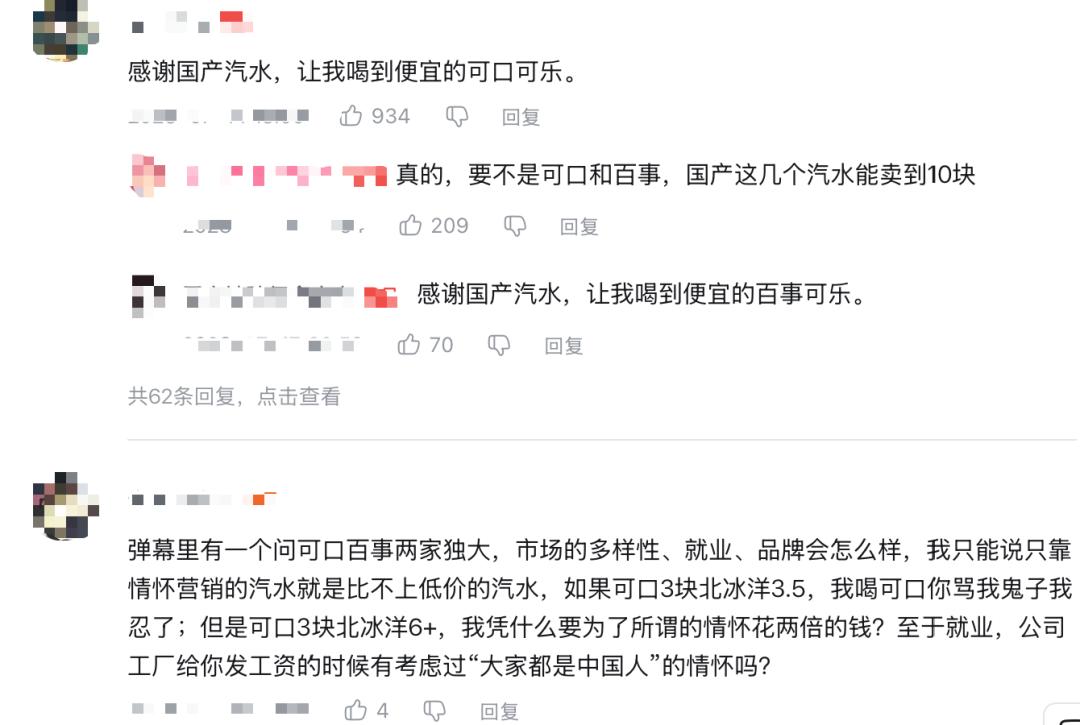
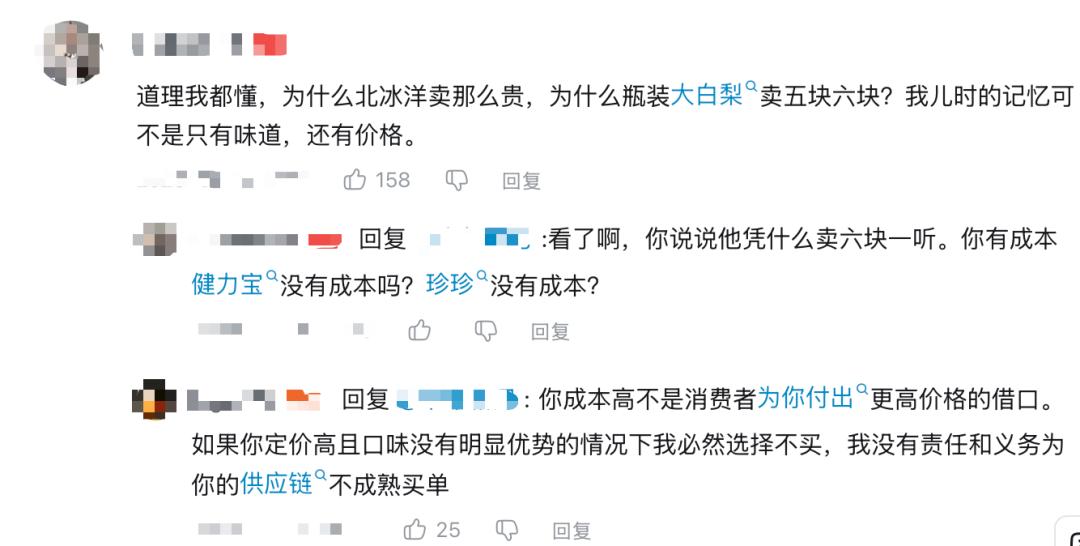
After the domestic sodas became popular, they soon faced various challenges and consumers' questions. With the same specifications, why are domestic sodas twice as expensive as Coke? How many people are willing to pay for this premium? And where is the ceiling for these brands?
From being shelved to counter - attacking, the summer of domestic sodas has arrived
Each place has its own unique flavor, and each soda corresponds to a slice of local life. In Beijing, Beiyangling sodas are neatly arranged at barbecue stalls, and the polar bear logo is highly recognizable; in Wuhan, the retro - style Hankou No. 2 Factory sodas can be seen everywhere in trendy markets and night food stalls; in Guangdong and Guangxi, Asia Soda with its sarsaparilla flavor and Zhenzhen Lychee Soda dominate the street food stalls.
However, after Dayao and Beiyangling became popular, domestic sodas representing local flavors are no longer content to stay in one area. Currently, they are all using traditional memories to enter the national market.
Among the old - established brands, the eight classic manufacturers such as Beiyangling, Bingfeng, and Zheng Guanghe are still carriers of nostalgia, carrying the public's initial impression of old - fashioned sodas; Hankou No. 2 Factory, Dayao Jiabin, Huayang Soda, etc., take a different route by targeting the younger generation. Coupled with small and medium - sized soda brands, players of all sizes have jointly contributed to the revival of domestic sodas.
But many people don't know that the currently popular domestic sodas once experienced a nearly disastrous winter.
In the 1980s, Coca - Cola and PepsiCo entered China one after another. At that time, domestic sodas were at the end of their golden age, and the "Eight Big Factories" (referring to Beijing Beiyangling, Tianjin Shanhaiguan, Qingdao Laoshan, Shenyang Bawangsi, Wuhan No. 2 Factory, Guangzhou Asia, Shanghai Zheng Guanghe, and Chongqing Tianfu Cola) almost monopolized the national soda market.
From 1993 to 1994, against the background of the policy of "using foreign capital to transform old enterprises", a wave of foreign mergers and acquisitions swept in. Under the guise of joint ventures, "Coke and Pepsi" almost took over all the "Eight Big Factories". The time - honored brands completed the mergers in the hope of a win - win situation, but unexpectedly, this was the beginning of their being shelved.
After the joint ventures, Beiyangling, Asia Soda, and Tianfu Cola came under the Pepsi umbrella, while Shanhaiguan, Laoshan, Bawangsi, and Wuhan No. 2 Factory were acquired by Coca - Cola. Foreign brands gradually reduced the production capacity of local sodas and froze brand promotion. One after another, domestic soda production lines stopped operating, and the once - well - known brands gradually disappeared from the shelves.
Only Shanghai Zheng Guanghe adhered to independent operation and became the only survivor among the eight major factories. This industry event is also known as the "Flooding of the Seven Armies".
The turning point occurred in 2002. In this year, after difficult negotiations, Asia Soda Factory was the first to regain control from Pepsi, sounding the clarion call for the counter - attack of domestic sodas. After that, Bawangsi, Laoshan Cola, Beiyangling, Tianfu Cola, Shanhaiguan, etc. successively completed the recovery of trademarks, management rights, or production lines (some brands were still restricted from resuming production and did not return to the market until several years later).
But not all old - established brands could return smoothly. For example, the Binjiang trademark of the former Wuhan No. 2 Factory could not be recovered from Coca - Cola, and the main body of the old factory had to be cancelled. In 2017, a local entrepreneurial team newly registered the "Hankou No. 2 Factory" trademark, replicating the flavor of old Wuhan sodas and the retro glass bottle packaging, which brought the classic soda back to life.
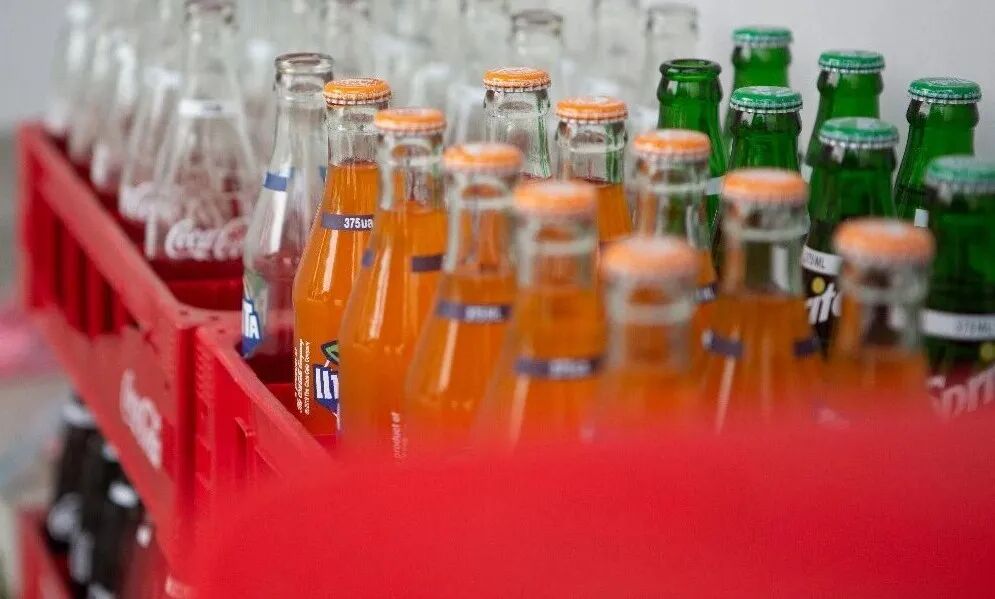
After 2018, with the rise of the national trend in consumption, young consumers began to actively embrace domestic products, and the old - established sodas that had been dormant for many years gradually became popular. Riding on this wave, major brands are not only awakening nostalgic memories but also exploring new growth opportunities.
Adhering to classic flavors and retro packaging is the foundation for old - established sodas to stand in the market. Classic products such as Beiyangling Orange Soda, Bingfeng Orange - flavored Soda, Asia Sarsaparilla, and Laoshan Herbal Cola are still the main products in many stores and supermarkets.
To suit different scenarios, these brands have also successively launched canned and mini - portable versions, taking into account scenarios such as single - person drinking, gatherings with friends, and outdoor outings. Traditional sodas are high in sugar, and their shortcomings are becoming increasingly prominent. To comply with the trend of healthy consumption, brands such as Beiyangling and Laoshan Cola have successively launched low - sugar and zero - calorie versions, adjusting their original formulas.
Slowly, they are no longer limited to the single category of soda and are gradually extending their product lines. For example, in addition to a variety of fruit - flavored sodas, Dayao Jiabin has also entered the market of coconut plant - based protein drinks and hawthorn compound fruit juice; Beiyangling has crossed over into the fields of fruit juice and milk drinks, trying to build a comprehensive beverage matrix and constantly expanding the category boundaries.
Avoiding the two giants and rising in the niche market
In the domestic market, the channels have long been monopolized by Coca - Cola and PepsiCo.
Data estimates that "Coke and Pepsi" account for about 90% of the domestic soda market share. Relying on their supply - chain and cost advantages, they firmly control the core shelves in national supermarkets, chain convenience stores, and large - scale restaurants.
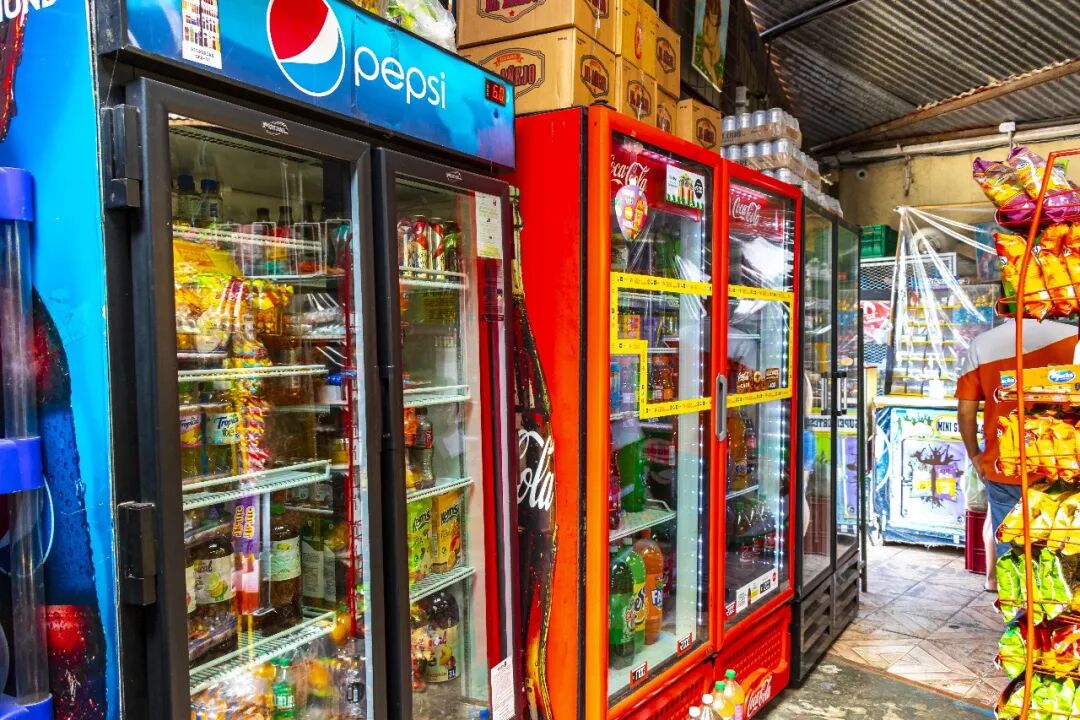
In a head - on confrontation, regional domestic sodas have little chance of winning. Avoiding the edge of the giants and taking a lightweight and scenario - based route has become the common choice for most domestic sodas.
For example, Beiyangling has opened 12 brand experience stores in the core business districts of Beijing to strengthen the brand's tone through immersive offline scenarios; Bingfeng has rooted itself in Xi'an and built a soda - themed museum, receiving more than 100,000 tourists annually.
Dayao has taken a unique channel path. They have given up direct competition in supermarkets and focused on catering scenarios such as barbecue, hot pot, food stalls, and street snack shops. The official once revealed that in 2023, its revenue reached 3.2 billion yuan, with more than 85% coming from the catering channel. Wang Qingdong, the founder of the Dayao brand, once said that he wants to make Dayao the leading brand in China's catering beverage industry.
To support its national layout, Dayao has built seven intelligent production bases in Inner Mongolia, Ningxia, Liaoning, Jilin, Anhui, Shaanxi, and Shandong to shorten the logistics radius. With this strategy, Dayao's revenue has been on the rise. In 2025, it exceeded the 5 - billion - yuan mark, leaving many old - established soda brands behind and becoming a leading player in the domestic soda market.
In addition to offline channels, e - commerce and instant retail have also become the keys for domestic sodas to access the national market. With the popularization of online consumption, major old - established soda brands have opened online stores and carried out short - video live - streaming sales.
Instant retail is the main source of incremental growth. According to data from a certain platform, in the first half of 2023, the instant retail sales of the eight major domestic sodas increased by 35.6% year - on - year. Among them, Asia Soda increased by 59.4%, Beiyangling by 37.3%, and Laoshan Soda by 47.3%.
In addition to breaking through in channels, the revival of old - established sodas also depends on targeting the new young consumer group and re - doing brand marketing. Today's main consumers are Generation Z, who pursue novelty and are keen on social sharing. Traditional and outdated marketing methods no longer work. Therefore, major brands have comprehensively adjusted their marketing strategies, creating youth - oriented content around the national trend, cultural tourism, and IP co - branding.
To cater to the young people's preference for trying new things, brands have stepped out of the traditional fruit - flavor framework in product development, researching and developing new flavors such as flower and fruit, sea salt, and dark plum; at the same time, they have launched limited - edition products in combination with festivals and regions, and frequently crossed over into cultural and creative, cultural tourism, and trendy toy fields to create co - branded products, endowing the products with social attributes.
The marketing methods are also diverse, ranging from IP co - branding, cultural tourism cans, cross - border cooperation between time - honored brands and new consumption, to flash marts and short - video bottle - opening sound challenges, surrounding young people in all aspects.
Asia Soda took advantage of the popularity of local e - sports and launched limited - edition cans with "Honor of Kings" and Gengjiejie;
Bingfeng printed the Terracotta Army and the Big Wild Goose Pagoda on the cans and cooperated with Hema Fresh for a Xi'an city co - branding;
Tianfu Cola even created a cross - border product called "Huoxiang Xiaoke" with Taiji Huoxiang Zhengqi Oral Liquid;
Beiyangling's experience stores not only launched special - blend drinks but also created the "Bingbing Bear" IP and successively crossed over into the automotive field to create customized car - body blind boxes.
How far can high - priced domestic products go with nostalgia?
The popularity of domestic sodas has soared, and capital has also been attracted.
KKR acquired 85% of the equity of Dayao, leading investment institutions such as Hillhouse and Shunwei increased their investment in Hankou No. 2 Factory, and Hongmian Co., Ltd. planned to take control of Asia Soda, which is sufficient to prove the value of old - established sodas.
The intensive entry of capital is due to the market potential of old - established sodas, but it also puts forward higher requirements for the national expansion and scale growth of brands. However, many brands are facing real difficulties. Should they focus on the local market to increase repurchase rates or make all - out efforts to break into the outside market? Behind this difficult choice lies the inherent profit and scale dilemma of the domestic soda industry.
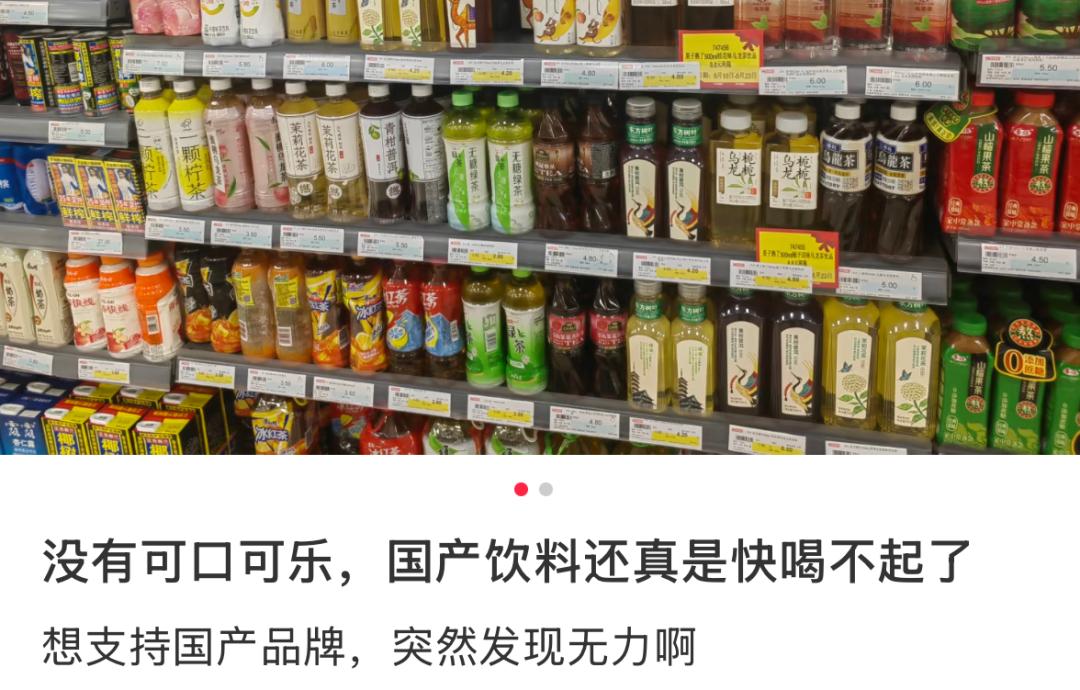
After the domestic sodas became popular, consumers also had questions. At the consumer end, the most intuitive perception of the public is that they are expensive. The terminal retail price of domestic sodas with a 500 - ml specification on the market is generally around 5 yuan, while the same - specification Coca - Cola and PepsiCo are only sold for 3 yuan, and the online promotional price is even lower.
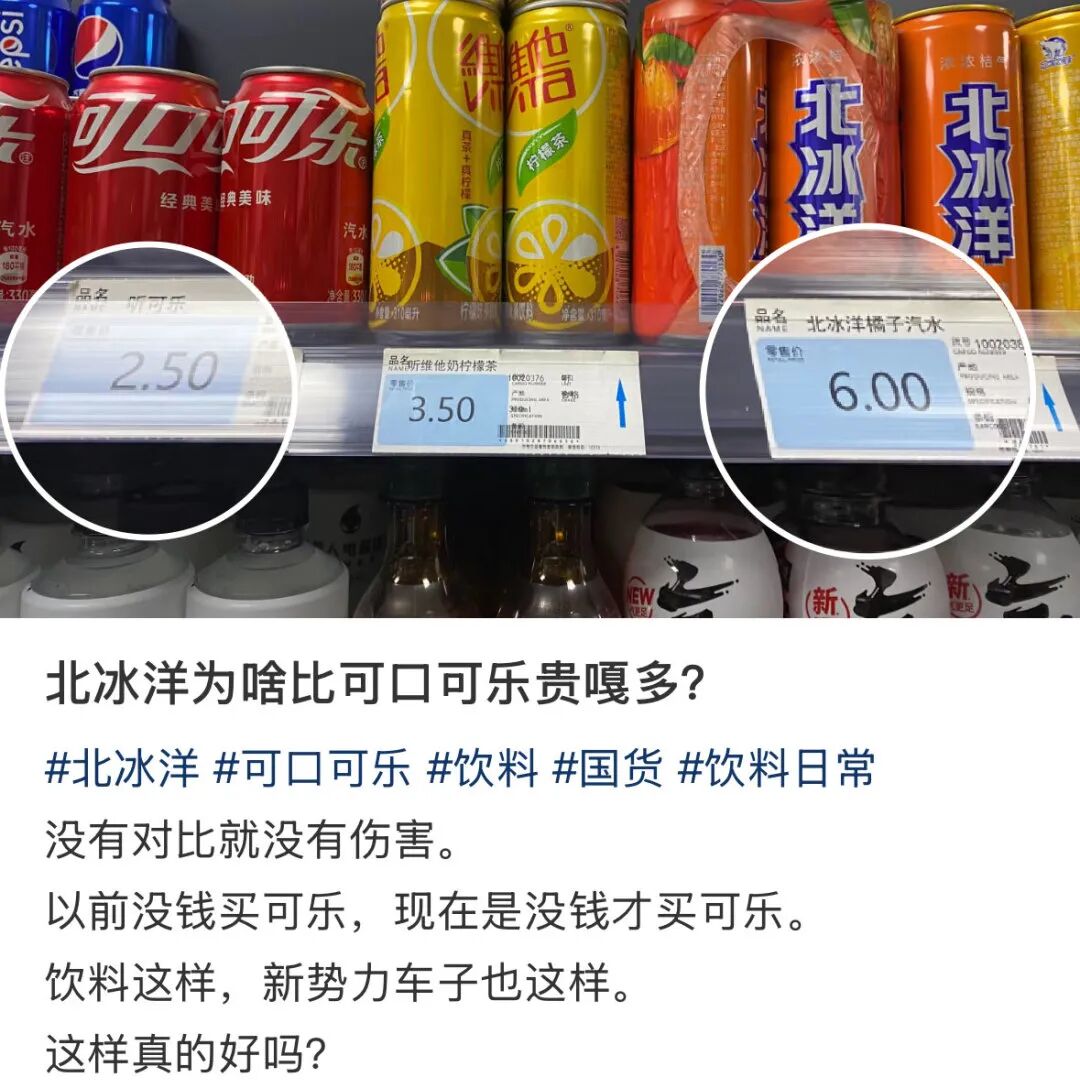
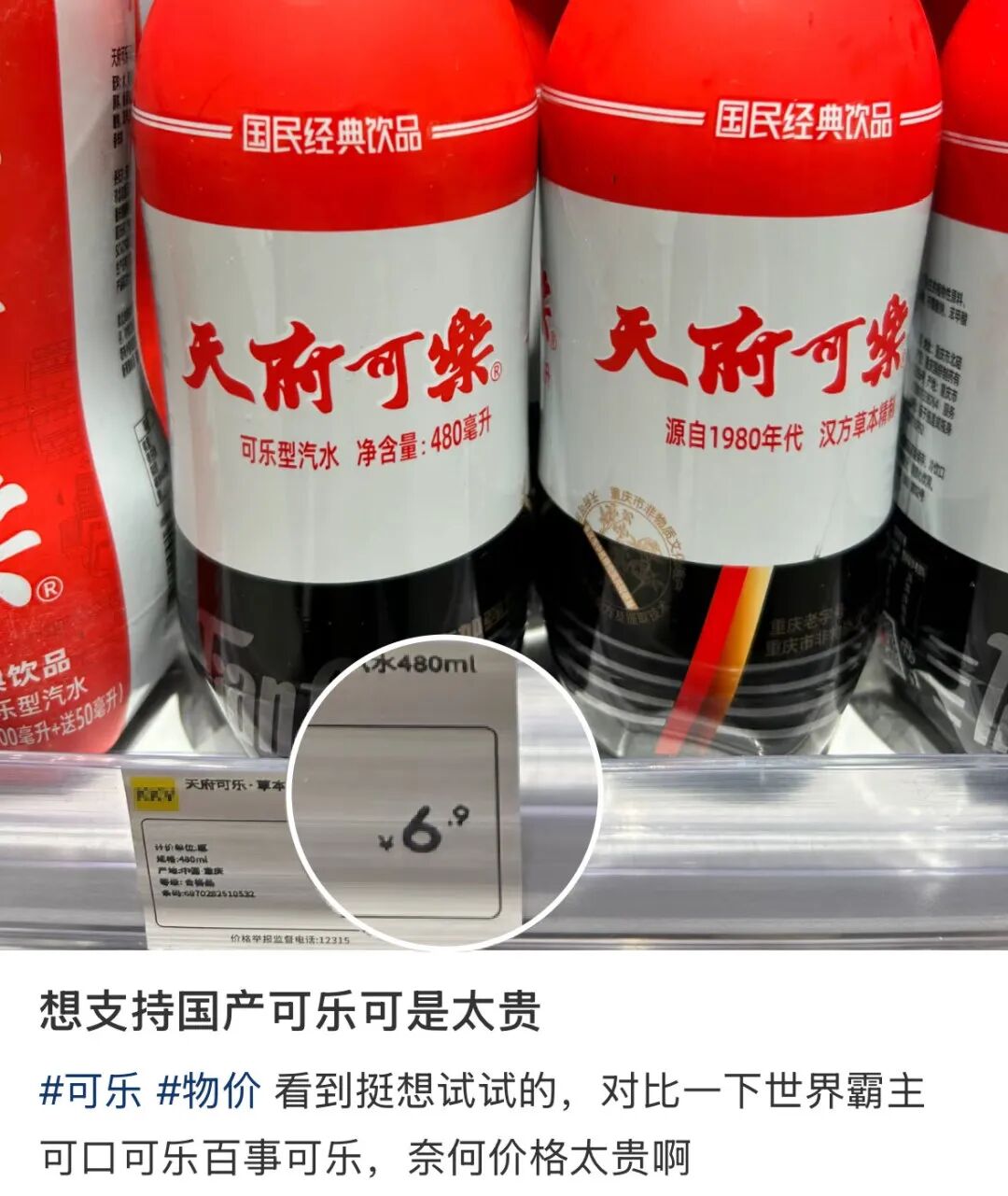
The higher pricing of domestic sodas compared to foreign brands is, to some extent, not that domestic products are too expensive, but that Coke is too cheap. According to a research report by Futu Securities, the cost of a 500 - ml plastic - bottled Coca - Cola is 1.1 yuan, including 0.2 yuan for packaging, 0.6 yuan for the bottle, and 0.3 yuan for the soda, with a gross profit margin of about 63.3%.
For the new - force brand Yuanqi Forest, the packaging paper of its sparkling water costs 1 yuan, the PET bottle costs 0.5 yuan, and the soda costs 0.5 yuan, with a total cost of 2 yuan. However, the ex - factory price is only 2.8 yuan, resulting in a gross profit margin as low as 28.6%. Most old - established domestic sodas have a lower profit level than Yuanqi Forest and also have weaker cost - control capabilities.
The low cost of foreign brands comes from the scale effect brought by global production capacity and multi - billion - level revenue. Coca - Cola and PepsiCo maximize the reduction of the cost per bottle through centralized procurement, standardized mass production, and a global logistics system.
In contrast, even for Dayao, the leading player in the domestic soda industry, its revenue just exceeded 5 billion yuan in 2025. The annual revenue of most old - established sodas is only hundreds of millions of yuan, showing a huge gap in scale. Most brands have scattered production capacity and limited output per factory, resulting in high costs for raw materials, production, and warehousing. Especially for the retro glass - bottle packaging